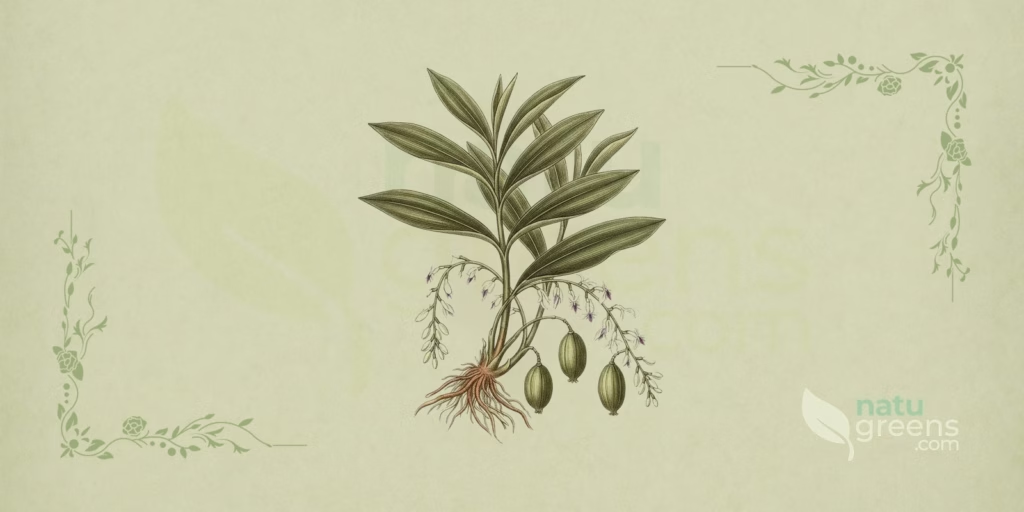
Hypoxis hemerocallidea Fisch. & C.A. Mey. / African Potato, commonly known as African potato or African star grass, is a medicinal plant of the Hypoxidaceae family, native to southern Africa. This species is widely used in traditional African medicine for a variety of health conditions. The corm, the plant’s underground part, is the most valued for its therapeutic properties and serves as the basis for numerous herbal preparations.
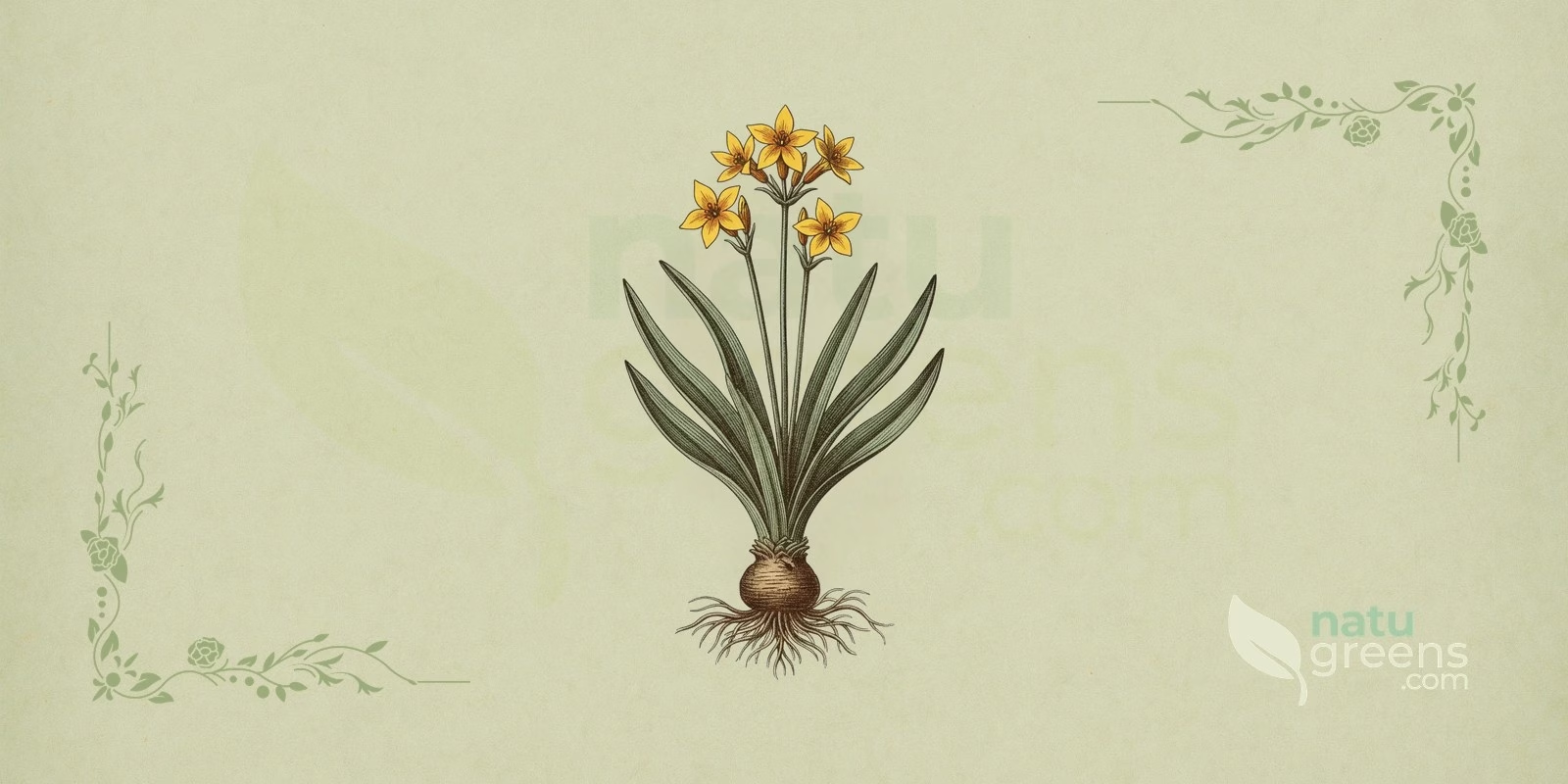
Hypoxis hemerocallidea has been the subject of growing scientific interest because of its unique phytochemical profile and its potential therapeutic applications. Modern research has sought to validate the plant’s traditional uses, which include traditional use against debilitating diseases, tumors, and inflammatory processes. Despite its common name, the corm is not edible, and the plant is recognized for its star-shaped yellow flowers that open during the day.
Popular and International Names of African Potato
- English: African potato, African star grass, magic muthi, star flower, star lily, yellow star.
- Spanish: hipoxis, patata africana.
- Portuguese: batata africana, grama estrela africana.
- French: hypoxis.
- Italian: hypoxis.
- German: hypoxis.
Botanical Synonyms of Hypoxis hemerocallidea
The botanical synonyms of Hypoxis hemerocallidea include Hypoxis elata Hook.f. nom. illeg., Hypoxis obconica Nel, Hypoxis patula Nel, and Hypoxis rooperi T.Moore. Although Hypoxis hemerocallidea is the accepted scientific name, Hypoxis rooperi is frequently found in the literature, especially in contexts of traditional medicine and phytochemical studies. Understanding these synonyms is crucial for accurate research and identification of the plant across different scientific and ethnobotanical sources.
Botanical Family: Hypoxidaceae
Hypoxis hemerocallidea belongs to the Hypoxidaceae family, a small family of monocotyledonous plants, generally herbaceous, distinguished by an underground rhizome or corm. This family is predominantly found in tropical and subtropical regions, with notable diversity in South Africa. Plants of the Hypoxidaceae family are frequently recognized for their yellow or white flowers, which emerge from floral scapes. Many species in this family are valued for their medicinal and ornamental properties.
Parts of African Potato Used
- Corm (rhizome)
- Leaves
Ethnobotanical and Traditional Uses
- Burns
- Debilitating diseases
- Diarrhea
- Dizziness
- Dysentery
- Gonorrhea
- Headache
- Heart disease
- Hemorrhoids
- HIV/AIDS (as a tonic)
- Immune support
- Impotence
- Infertility
- Insanity
- Intestinal parasites
- Nightmares
- Prostate enlargement
- Rheumatism
- Testicular tumors
- Toothache
- Tuberculosis
- Ulcers
- Urinary tract infections
- Vomiting
Therapeutic Properties of African Potato
- Antibacterial (studied activity against bacteria)
- Antidiabetic (studied effect on blood sugar)
- Anti-hyperglycemic (studied effect in reducing blood sugar)
- Anti-inflammatory (studied effect in reducing inflammation)
- Antimicrobial (acts against microorganisms)
- Antineoplastic (antiproliferative activity observed in laboratory studies)
- Antioxidant (studied activity against free radicals)
- Immunomodulatory (studied effect on the immune system)
Detailed Phytochemical Profile of African Potato
- Beta-sitosterol
- Cardiac glycosides
- Choline
- Flavonoids
- Hypoxoside (precursor of rooperol)
- Lactose
- Phenolic compounds
- Propylene glycol
- Reducing sugars
- Rooperol
- Saponins
- Stanols
- Steroidal glycosides
- Sterols
- Succinate
- Tannins
- Terpenoids
Preparation and Administration Forms of African Potato
- Capsules
- Decoctions
- Extracts (methanolic)
Synergy with Other Medicinal Plants
Suggested Combinations
In traditional African medicine, Hypoxis hemerocallidea is often combined with other herbs, such as Sutherlandia frutescens, in the belief that the combination potentiates the effects of each plant. Some preliminary studies suggest that this phytosynergy could lead the compounds of both plants to act together, producing a broader effect than that observed in isolation, although this hypothesis still lacks robust clinical confirmation. For this reason, the combination is viewed, in traditional practice, as a way to broaden the spectrum of use and adjust the dosage of each component, always under the guidance of an experienced practitioner.
Recipes and Usage Protocols of African Potato
Traditional Decoction
Ingredients:
- Dried Hypoxis hemerocallidea corm (sliced or ground), in a small amount
- Water, in the proportion indicated by a healthcare professional or herbalist
Preparation:
- Place the corm and water in a pot.
- Bring to a boil and simmer over low heat for 15-20 minutes.
- Strain and let cool.
Dosage: The amount of corm used and the volume of the portion to be consumed should be determined by a healthcare professional or herbalist, since the appropriate dose varies according to each person’s condition and profile. Because of the plant’s potential toxicity at high doses, consult a healthcare professional before starting use.
Standardized Extract Capsules
Ingredients:
- Standardized extract of Hypoxis hemerocallidea (containing hypoxoside or rooperol)
Usage:
- Follow the manufacturer’s or a healthcare professional’s dosage instructions.
Dosage: The hypoxoside dose should always be determined by a healthcare professional and never followed generically, since the margin between a traditionally used amount and an amount that can cause toxicity is narrow. It is essential to consult a healthcare professional to determine the appropriate and safe dosage, especially in cases of prolonged use or combination with other medications, including antiretrovirals.
The preparations above follow traditional records and do not replace professional guidance. Before any internal use, check the contraindications and interactions described in this article.
Associated Therapies
Phytotherapy
Hypoxis hemerocallidea is a central component of traditional African phytotherapy, where it is used to address a wide range of ailments. Its application in modern phytotherapy is based on scientific research seeking to validate its pharmacological properties. The plant is used in various forms, such as decoctions, tinctures, and extracts, to make use of the full range of its bioactive compounds. Phytotherapy with African potato aims to restore the body’s balance and strengthen the natural defense mechanisms.
Contraindications and Side Effects of African Potato
Although Hypoxis hemerocallidea is widely used in traditional medicine, it is important to be aware of its potential contraindications and side effects. The safety of the plant and its purified metabolites has been a subject of concern, particularly regarding prolonged use and high doses.
Drug Interactions
Hypoxis hemerocallidea presents a well-documented and clinically relevant drug interaction: hypoxoside and its metabolite rooperol interfere with hepatic metabolism mediated by cytochrome P450 and P-glycoprotein, pathways also responsible for processing several antiretroviral medications used in HIV treatment. This interference can reduce the plasma levels of these drugs and directly compromise the efficacy of antiretroviral therapy, which is why people undergoing HIV treatment should not use African potato without direct medical guidance: the risk of therapeutic failure is concrete and is not simply a generic caution about medications. The same metabolic pathway can affect other drugs processed by cytochrome P450, reinforcing the need for medical evaluation before any concomitant use.
Toxicity
The presence of cardiac glycosides in the plant raises concerns about its toxicity, especially at high doses. Although these compounds may have beneficial effects under certain conditions, a narrow therapeutic index can lead to adverse effects. Studies indicate that prolonged use may have deleterious effects on kidney function, requiring caution and monitoring.
Pregnancy and Breastfeeding
There is insufficient reliable information on the safety of using Hypoxis hemerocallidea during pregnancy and breastfeeding. Because of the lack of data and the potential risks, it is advisable to avoid its use during these periods or to do so only under strict medical supervision.
Historical Notes and Interesting Facts
Origin of the Name
The scientific name Hypoxis was assigned by Carl Linnaeus in 1759. The specific epithet hemerocallidea derives from Greek, combining the words hemera (day) and kallos (beauty), a reference to its flowers that open during the day. Despite being popularly known as African potato, the plant’s corm is not edible, with the name referring to its underground appearance. The plant is an important cultural and medicinal symbol in many communities across southern Africa, where it is regarded as a gift from nature for human health. The growing popularity of Hypoxis hemerocallidea has raised concerns about unsustainable wild harvesting, driving efforts toward its cultivation and conservation.
Frequently Asked Questions about African Potato
What Is African Potato?
African potato, scientifically known as Hypoxis hemerocallidea, is a medicinal plant native to southern Africa, known for its corm (rhizome) with therapeutic properties. It is widely used in traditional medicine for various health conditions.
What Is African Potato Used For?
It is traditionally used to strengthen the immune system, treat debilitating diseases, inflammation, urinary tract infections, and prostate problems, and as an antioxidant. Scientific studies have investigated many of these properties.
Is African Potato Safe for Everyone?
No. African potato has a documented interaction with antiretroviral medications, which may reduce the effectiveness of HIV treatment, so people undergoing this therapy should not use it without direct medical guidance. At high doses or with prolonged use, it can also cause toxic effects, particularly on kidney function. Pregnant and breastfeeding women should avoid its use without medical supervision.
Which Part of the Plant Is Used?
The part most commonly used medicinally is the plant’s underground corm (rhizome). The leaves can also be used for other purposes, such as making rope and dyes.
How Is African Potato Prepared?
It is generally prepared as decoctions (teas made by boiling the plant part) or consumed in the form of extracts and capsules. The dosage and preparation method should be guided by a healthcare professional or herbalist.
Notice: this content is for informational purposes and does not replace professional medical advice. Consult a physician or herbal practitioner before using medicinal plants, especially during pregnancy, breastfeeding, or alongside medication.
References and Scientific Studies
Peer-Reviewed Scientific Studies (1)
- PMC2020 Matyanga, C. M. J., Morse, G. D., Gundidza, M., & Nhachi, C. F. B. (2020). African potato (Hypoxis hemerocallidea): a systematic review of its chemistry, pharmacology and ethno medicinal properties. BMC Complementary Medicine and Therapies, 20(1), 182. Disponível em PubMed Central
Supplementary Readings (2)
- Sanbi.org. (n.d.). Hypoxis hemerocallidea. Recuperado de PlantZAfrica
- 2020 Mofokeng, M. M., Araya, H. T., Amoo, S. O., & Sehlola, D. (2020). Diversity and Conservation through Cultivation of Hypoxis in Africa, A Case Study of Hypoxis hemerocallidea. Diversity, 12(4), 122. Disponível em MDPI