



Medicinal Herbs & Teas: Botanical Profiles and Uses
What Are You Looking For?
Search by common name, scientific name or botanical family.


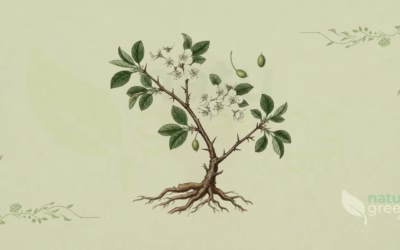
Blackthorn (Prunus spinosa): Properties and Benefits
Blackthorn (Prunus spinosa): traditional uses of the flowers and fruits, phytochemical profile, preparation methods and safety advice on the toxic stones.
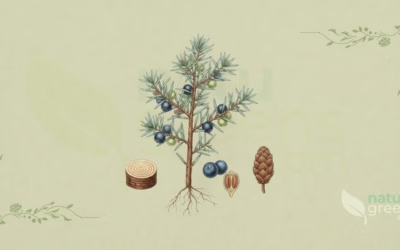
Juniper (Juniperus communis): Properties and Benefits
Juniper (Juniperus communis): traditional uses of the berries, active compounds, preparation methods, safe-use limits and how to tell it apart from savin.
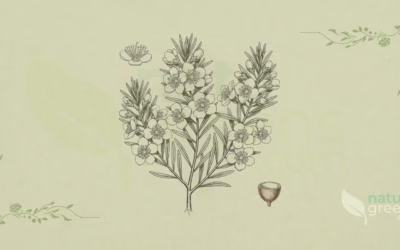
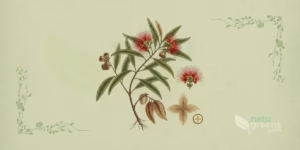
Manuka (Leptospermum scoparium): Properties and Benefits
Manuka (Leptospermum scoparium): learn about the traditional uses, essential oil, medical-grade honey, phytochemistry and safety precautions of this plant.
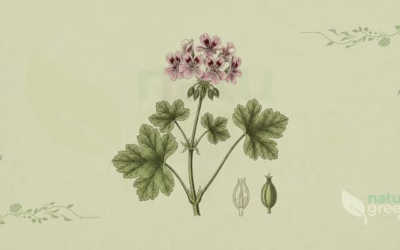
Rose Geranium (Pelargonium graveolens): Benefits and Uses
Rose geranium (Pelargonium graveolens): traditional uses, essential oil, phytochemistry, recipes, contraindications and safety precautions.
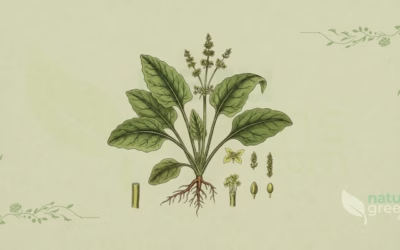
Spinach (Spinacia oleracea): Properties and Benefits
Spinach (Spinacia oleracea): nutrients, traditional uses, oxalate and warfarin precautions, and how it differs from New Zealand spinach.
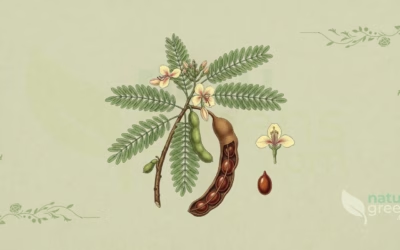
Tamarind (Tamarindus indica): Properties and Benefits
Tamarind (Tamarindus indica): traditional uses of the pulp, active compounds, home recipes, interactions with ibuprofen and aspirin, and safe-use tips.
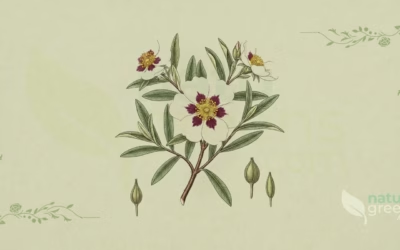
Gum Rockrose (Cistus ladanifer): Properties and Benefits
Gum rockrose (Cistus ladanifer): traditional uses, labdanum, active compounds, preparations, allergy precautions and how it differs from Cistus incanus.
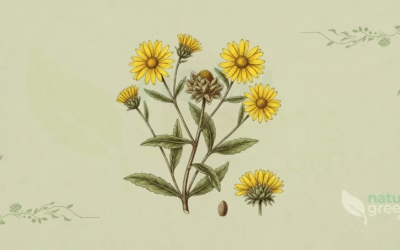
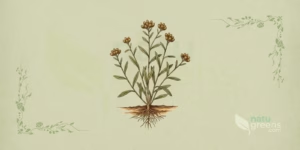
Gumweed (Grindelia robusta): Properties and Benefits
Gumweed (Grindelia robusta): traditional respiratory uses, phytochemistry, preparation, synergies and cautions for kidneys, blood pressure and allergy.
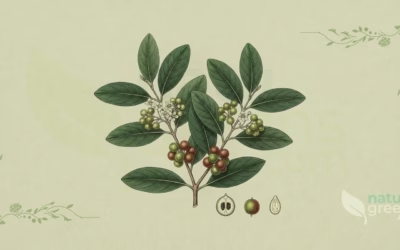
Allspice (Pimenta dioica): Properties and Benefits
Allspice (Pimenta dioica): traditional uses, phytochemistry, recipes and essential oil safety for this Caribbean spice from the myrtle family.
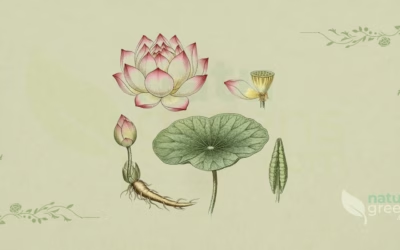
Lotus (Nelumbo nucifera): Properties and Benefits
Lotus (Nelumbo nucifera): common names, parts used, traditional uses, phytochemicals, recipes, contraindications and how to tell it from the blue lotus.
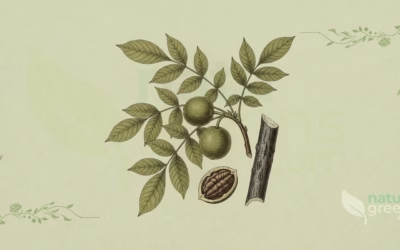
Black Walnut (Juglans nigra): Properties and Benefits
Black walnut (Juglans nigra): traditional uses, compounds such as juglone, preparation methods, contraindications and how it differs from the common walnut.
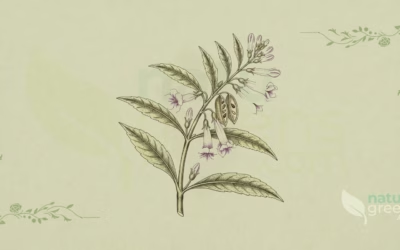
Sesame (Sesamum indicum): Properties and Benefits
Sesame (Sesamum indicum): traditional uses, lignans such as sesamin, tahini and gomashio recipes, and a clear warning about severe allergy.
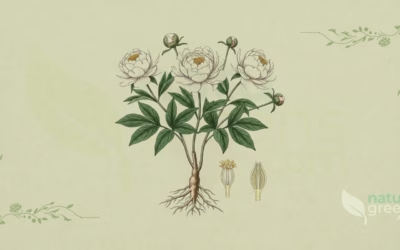
White Peony (Paeonia lactiflora): Properties and Benefits
White peony (Paeonia lactiflora): traditional uses of bai shao root, active compounds, preparation methods, recipes, precautions and contraindications.
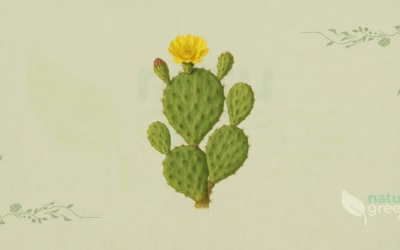
Prickly Pear (Opuntia ficus-indica): Properties and Benefits
Prickly pear (Opuntia ficus-indica): learn about its traditional uses, studied properties, recipes, preparation and precautions in pregnancy and diabetes.
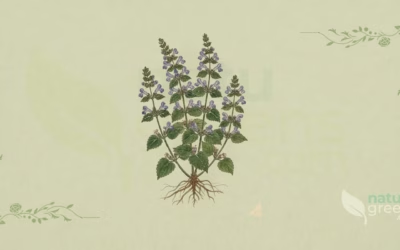
American Skullcap (Scutellaria lateriflora): Properties and Benefits
American skullcap (Scutellaria lateriflora): traditional uses, active compounds, preparation, adulteration risks and how it differs from Chinese skullcap.
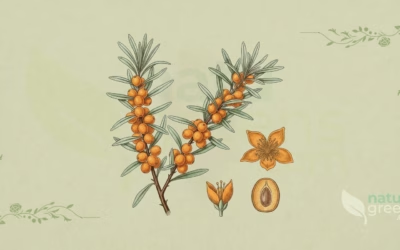
Sea Buckthorn (Hippophae rhamnoides): Properties and Benefits
Sea buckthorn (Hippophae rhamnoides): discover the traditional uses, phytochemicals, recipes, interactions and safety precautions of this Eurasian shrub.
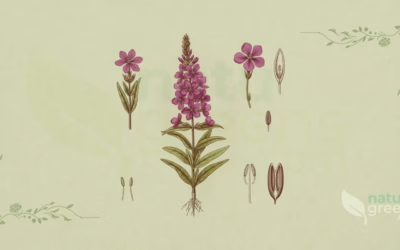
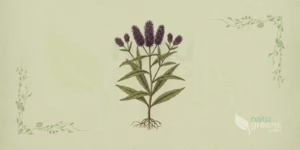
Purple Loosestrife (Lythrum salicaria): Properties and Benefits
Purple loosestrife (Lythrum salicaria): names, traditional uses, tannins, how to make the tea and cautions on iron, pregnancy and drug interactions.
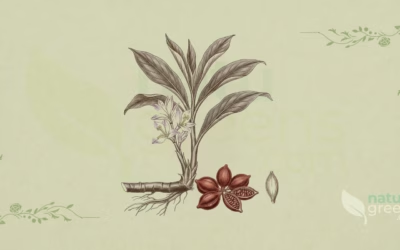
Grains of Paradise (Aframomum melegueta): Properties and Benefits
Grains of paradise (Aframomum melegueta): traditional uses, active compounds, preparation, pregnancy precautions and how it differs from Brazilian malagueta.
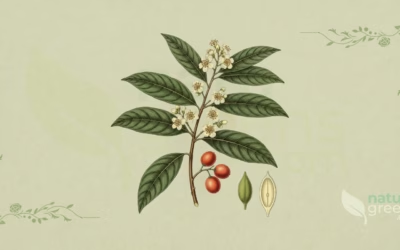
Harungana madagascariensis: Properties and Benefits
Harungana madagascariensis: traditional uses, parts used, compounds, preparation methods and cautions on its laxative effect and photosensitivity.
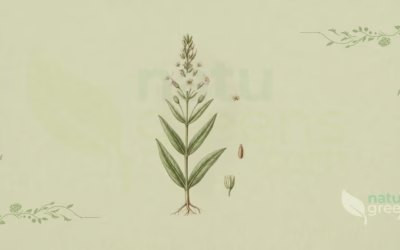
Soapwort (Saponaria officinalis): Properties and Benefits
Soapwort (Saponaria officinalis): learn about traditional uses, saponins, external-use recipes, precautions for internal use and the risk of the seeds.
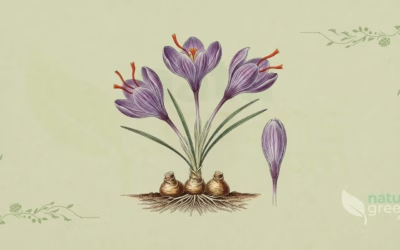
Saffron (Crocus sativus): Properties and Benefits
Saffron (Crocus sativus): traditional uses, phytochemistry, recipes, safety limits and how to tell saffron apart from turmeric and meadow saffron.
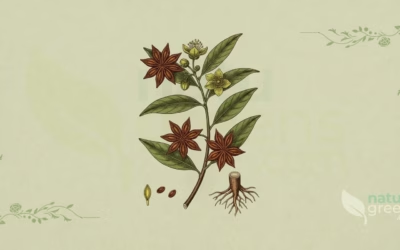
Star Anise (Illicium verum): Properties and Benefits
Star anise (Illicium verum): names, traditional uses, phytochemistry, preparation, recipes and safety with children and the toxic Japanese species.
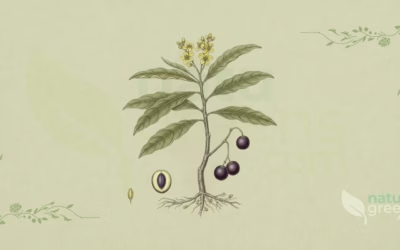
Sandalwood (Santalum album): Properties and Benefits
Sandalwood (Santalum album): traditional uses, santalols in the essential oil, diluted topical use, contraindications and how to choose cultivated oil.
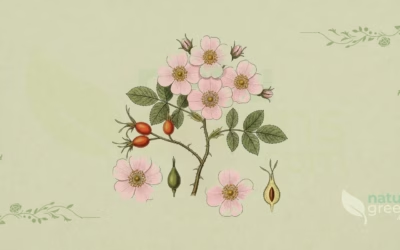
Dog Rose (Rosa canina): Properties and Benefits
Dog rose (Rosa canina): traditional uses, compounds, how to make the tea, recipes, synergies and precautions for pregnancy, kidneys and drug interactions.
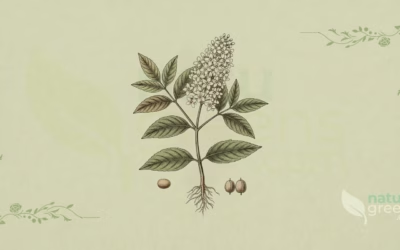
Henna (Lawsonia inermis): Properties and Benefits
Henna (Lawsonia inermis): traditional uses on hair and skin, phytochemistry, preparation methods and why to avoid black henna and use on babies or with G6PD.
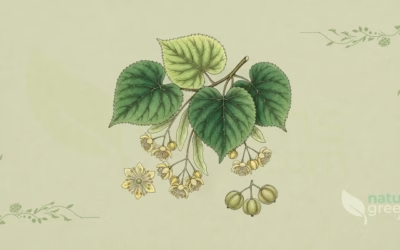
Littleleaf Linden (Tilia cordata): Properties and Benefits
Littleleaf linden (Tilia cordata): traditional uses of linden, key compounds, how to prepare the tea, recipes, contraindications, and drug interactions.
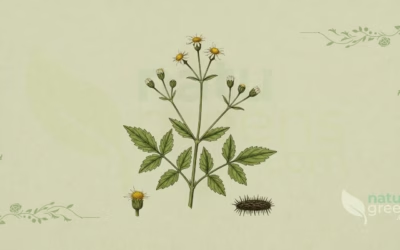
Hairy Beggarticks (Bidens pilosa): Properties and Benefits
Hairy beggarticks (Bidens pilosa): traditional uses, phytochemical profile, preparation methods and key precautions on phototoxicity and drug interactions.
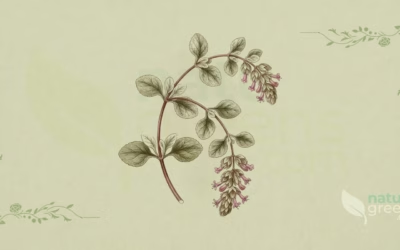
Dittany of Crete (Origanum dictamnus): Properties and Benefits
Dittany of Crete (Origanum dictamnus): traditional uses, active compounds, preparation methods, recipes and safety precautions for this herb endemic to Crete.
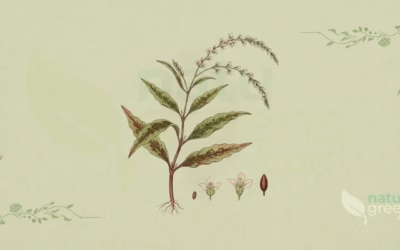
Water Pepper (Persicaria hydropiper): Properties and Benefits
Water pepper (Persicaria hydropiper): learn about its traditional uses, compounds such as polygodial, preparation methods and key safety precautions.
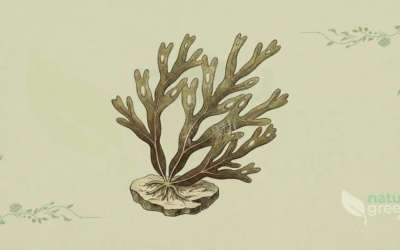
Bladderwrack (Fucus vesiculosus): Properties and Benefits
Bladderwrack (Fucus vesiculosus): traditional uses, seaweed compounds, preparation, contraindications, iodine precautions and drug interactions.
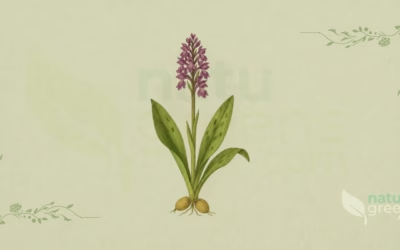
Early-Purple Orchid (Orchis mascula): Properties and Benefits
Early-purple orchid (Orchis mascula): traditional uses of salep, key compounds, safety precautions and why wild-harvested tubers should be avoided.
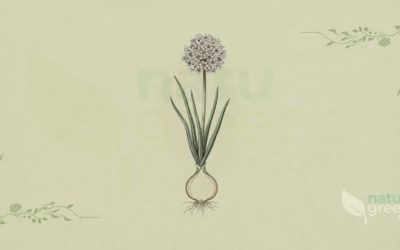
Onion (Allium cepa): Properties, Benefits and Uses
Onion (Allium cepa): traditional uses, quercetin and sulfur compounds, studies, home recipes, contraindications and why it is toxic to dogs and cats.
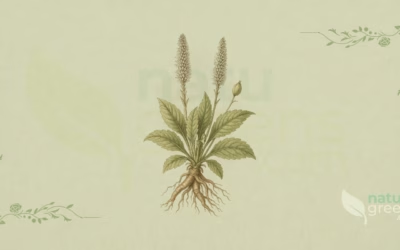
Kutki (Picrorhiza kurroa): Properties and Benefits
Kutki (Picrorhiza kurroa): traditional uses, active compounds, preparation and safety notes for picrorhiza, with a focus on cultivated, certified material.
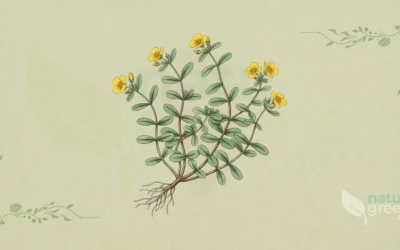
Purslane (Portulaca oleracea): Properties and Benefits
Purslane (Portulaca oleracea): common names, traditional uses, omega-3-rich profile, culinary recipes and cautions about oxalates and pregnancy.
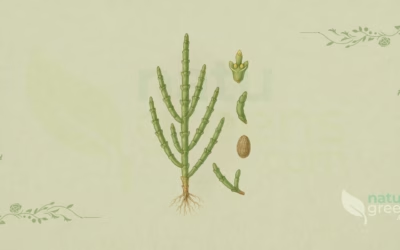
Glasswort (Salicornia europaea): Properties and Benefits
Glasswort (Salicornia europaea): learn about its traditional uses, bioactive compounds, culinary recipes and precautions on sodium and the plant’s origin.
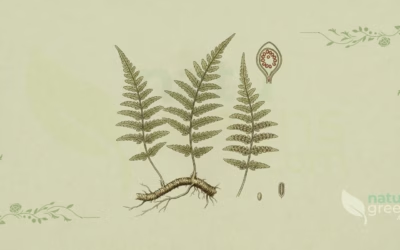
Polypody (Polypodium vulgare): Properties and Benefits
Polypody (Polypodium vulgare): learn about the traditional uses of this fern, its phytochemicals, preparation methods, recipes and safety precautions.
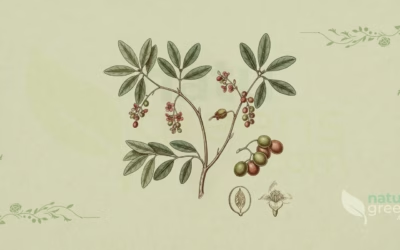
Mastic Tree (Pistacia lentiscus): Properties and Benefits
Mastic tree (Pistacia lentiscus): traditional uses of mastic resin, active compounds, digestion studies, preparation methods and safety precautions.
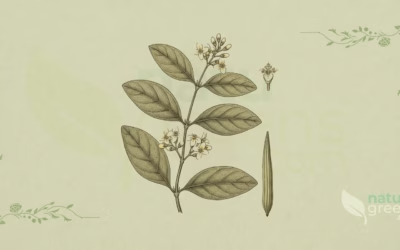
Gurmar (Gymnema sylvestre): Properties and Benefits
Gurmar (Gymnema sylvestre): names, traditional uses, phytochemistry, blood sugar studies, preparation and precautions with insulin and oral diabetes drugs.
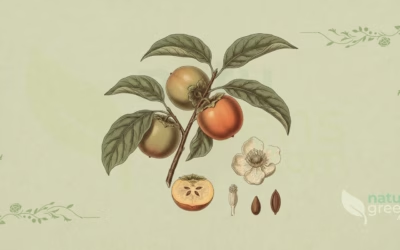
Persimmon (Diospyros kaki): Properties and Benefits
Persimmon (Diospyros kaki): traditional uses, bioactive compounds, recipes, risks such as phytobezoar and what science has studied about the fruit and leaves.
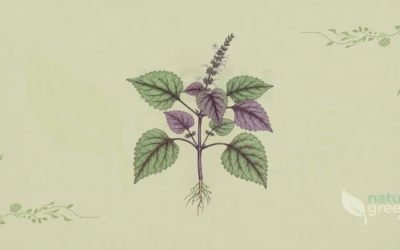
Perilla (Perilla frutescens): Properties and Benefits
Perilla (Perilla frutescens): a guide to traditional uses, compounds, preparation methods, recipes and precautions about perilla ketone and the essential oil.
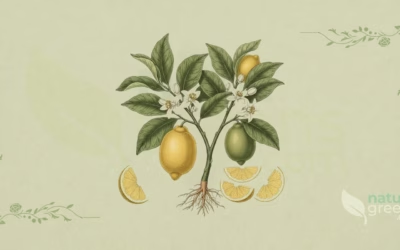
Lemon (Citrus × limon): Properties and Benefits
Lemon (Citrus × limon): names, phytochemistry, traditional uses, recipes and precautions for tooth enamel, reflux and peel phototoxicity.
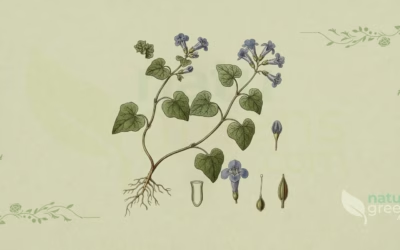
Ground-Ivy (Glechoma hederacea): Properties and Benefits
Ground-ivy (Glechoma hederacea): traditional uses, active compounds, preparation methods, recipes and the safety precautions to know before using the plant.
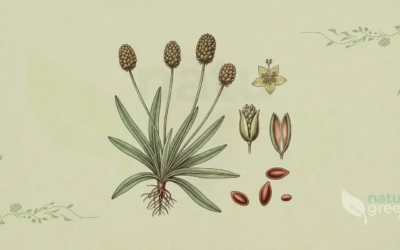
Psyllium (Plantago ovata): Properties and Benefits
Psyllium (Plantago ovata): traditional uses, composition, preparation forms, recipes, drug interactions and safety precautions for this soluble fiber.
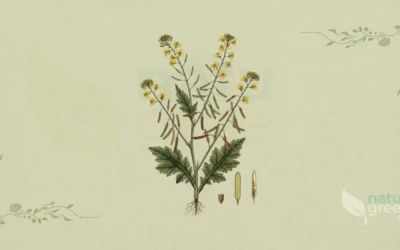
Black Mustard (Brassica nigra): Properties and Benefits
Black mustard (Brassica nigra): traditional uses, sinigrin phytochemistry, preparation methods and safety precautions for mustard poultices on the skin.
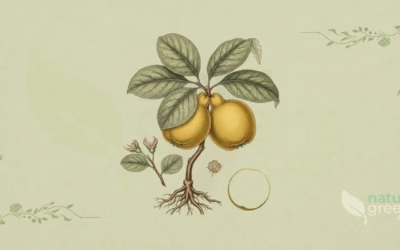
Quince (Cydonia oblonga): Properties and Benefits
Quince (Cydonia oblonga): traditional uses of the fruit and leaves, active compounds, tea and quince paste recipes, and safety notes on the seeds.
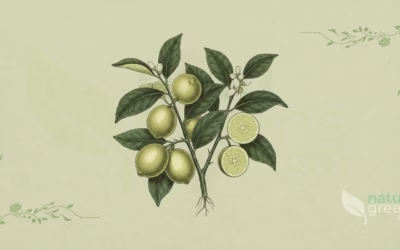
Key Lime (Citrus × aurantiifolia): Properties and Benefits
Key lime (Citrus × aurantiifolia): popular names, traditional uses, phytochemistry, recipes and precautions for sun exposure, skin and tooth enamel.
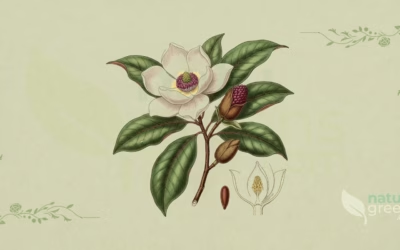
Houpu Magnolia (Magnolia officinalis): Properties and Benefits
Houpu magnolia (Magnolia officinalis): traditional uses of magnolia bark, active compounds, preparation forms, contraindications and drug interactions.
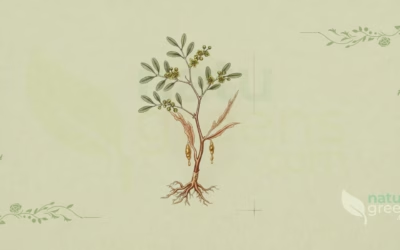
Myrrh (Commiphora myrrha): Properties and Benefits
Myrrh (Commiphora myrrha): learn about the traditional uses of the resin, its compounds, preparation methods, drug interactions and pregnancy precautions.
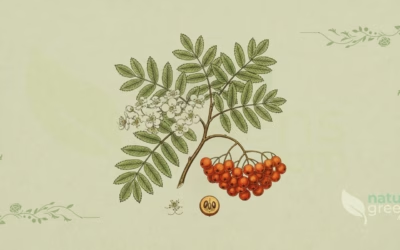
Rowan (Sorbus aucuparia): Properties and Benefits
Rowan (Sorbus aucuparia): traditional uses, compounds, recipes with cooked berries, contraindications and precautions with the raw berries.
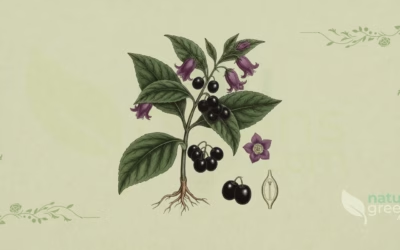
Deadly Nightshade (Atropa belladonna): Toxicity and Risks
Deadly nightshade (Atropa belladonna) is a toxic plant: its compounds, poisoning symptoms, risk groups and what to do after ingestion.
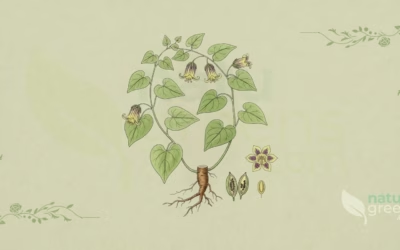
Codonopsis pilosula: Properties, Benefits and Uses
Codonopsis pilosula, a Chinese medicine root sold as “dang shen”: traditional uses, phytochemistry, preparation, contraindications and diabetes precautions.
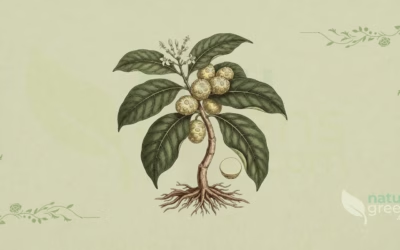
Noni (Morinda citrifolia): Properties and Benefits
Noni (Morinda citrifolia): traditional uses, compounds, preparation, potassium and liver warnings, drug interactions and the sales ban in Brazil.
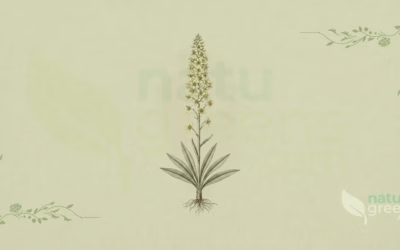
Chamaelirium luteum: Properties and Benefits
Chamaelirium luteum: historical gynecological uses, steroidal saponins, pregnancy contraindication, emetic effect and conservation of this North American root.
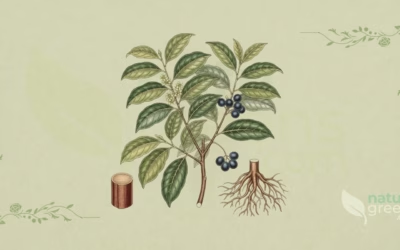
Camphor (Cinnamomum camphora): Properties and Benefits
Camphor (Cinnamomum camphora): traditional external uses, chemotypes, phytochemical profile, contraindications and toxicity warnings, especially for children.
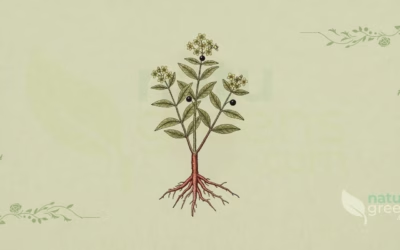
Madder (Rubia tinctorum): Properties and Benefits
Madder (Rubia tinctorum): its history as a dye plant, traditional uses, root phytochemistry and the genotoxicity warnings that accompany the plant.
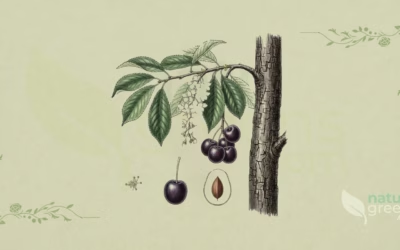
Black Cherry (Prunus serotina): Properties and Benefits
Black cherry (Prunus serotina): traditional use of the bark for cough, preparation methods, toxicity of leaves and pits, and contraindications.
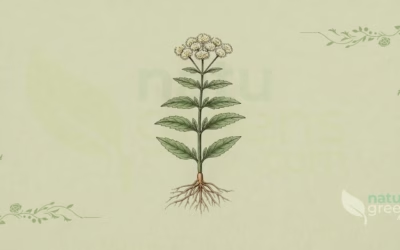
Eupatorium perfoliatum: Properties and Benefits
Eupatorium perfoliatum (boneset): traditional uses, compounds, preparation forms, and the pyrrolizidine alkaloids that limit it to short-term, guided use.
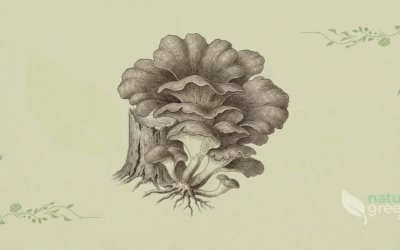
Maitake (Grifola frondosa): Properties and Benefits
Maitake (Grifola frondosa): discover this medicinal mushroom, its traditional uses, bioactive compounds, recipes, contraindications and drug interactions.
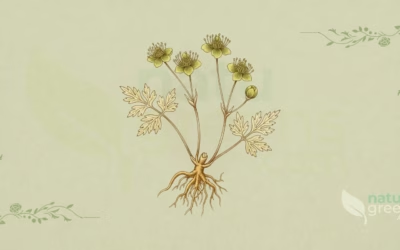
Coptis chinensis: Properties, Benefits and Precautions
Coptis chinensis, a bitter berberine-rich root from Chinese medicine: traditional uses, phytochemistry, preparation, interactions and contraindications.
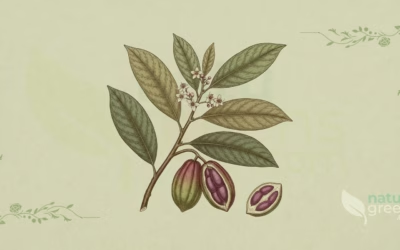
Kola Nut (Cola nitida): Properties, Benefits and Uses
Kola nut (Cola nitida): traditional uses, caffeine and other phytochemicals, preparation forms, recipes, contraindications and safety precautions explained.
Featured Categories
Explore our categories and uncover handpicked content crafted just for you—relevant, reliable, and worth your time.


