



Quick summary
Anacyclus pyrethrum (L.) Lag. / Pellitory of Spain, a perennial herb of the Asteraceae family, is native to North Africa, above all the mountains of Morocco and Algeria, and to dry areas of southern Spain. Its thick, brownish root, known on the Indian subcontinent as akarkara, has moved for centuries between Unani…
Main caution: The root's most immediate effect is sialagogue, meaning it stimulates saliva flow intensely, together with burning, tingling and numbness in the mouth, sensations expected from its alkylamides, especially pellitorine…
Anacyclus pyrethrum (L.) Lag. / Pellitory of Spain, a perennial herb of the Asteraceae family, is native to North Africa, above all the mountains of Morocco and Algeria, and to dry areas of southern Spain. Its thick, brownish root, known on the Indian subcontinent as akarkara, has moved for centuries between Unani medicine, Ayurveda and the herbalists of the Maghreb, where it is chewed or used as a gargle because it causes tingling, numbness and heavy salivation in the mouth. Pellitory of Spain should not be confused with insecticidal pyrethrum (Tanacetum cinerariifolium), a plant from another genus in the same family whose flowers yield the pyrethrins used for insect control. The properties attributed to the root, including its reputation as an aphrodisiac, come from traditional use and from laboratory and animal research, and to this day no clinical trial with the plant alone has confirmed these effects in humans.
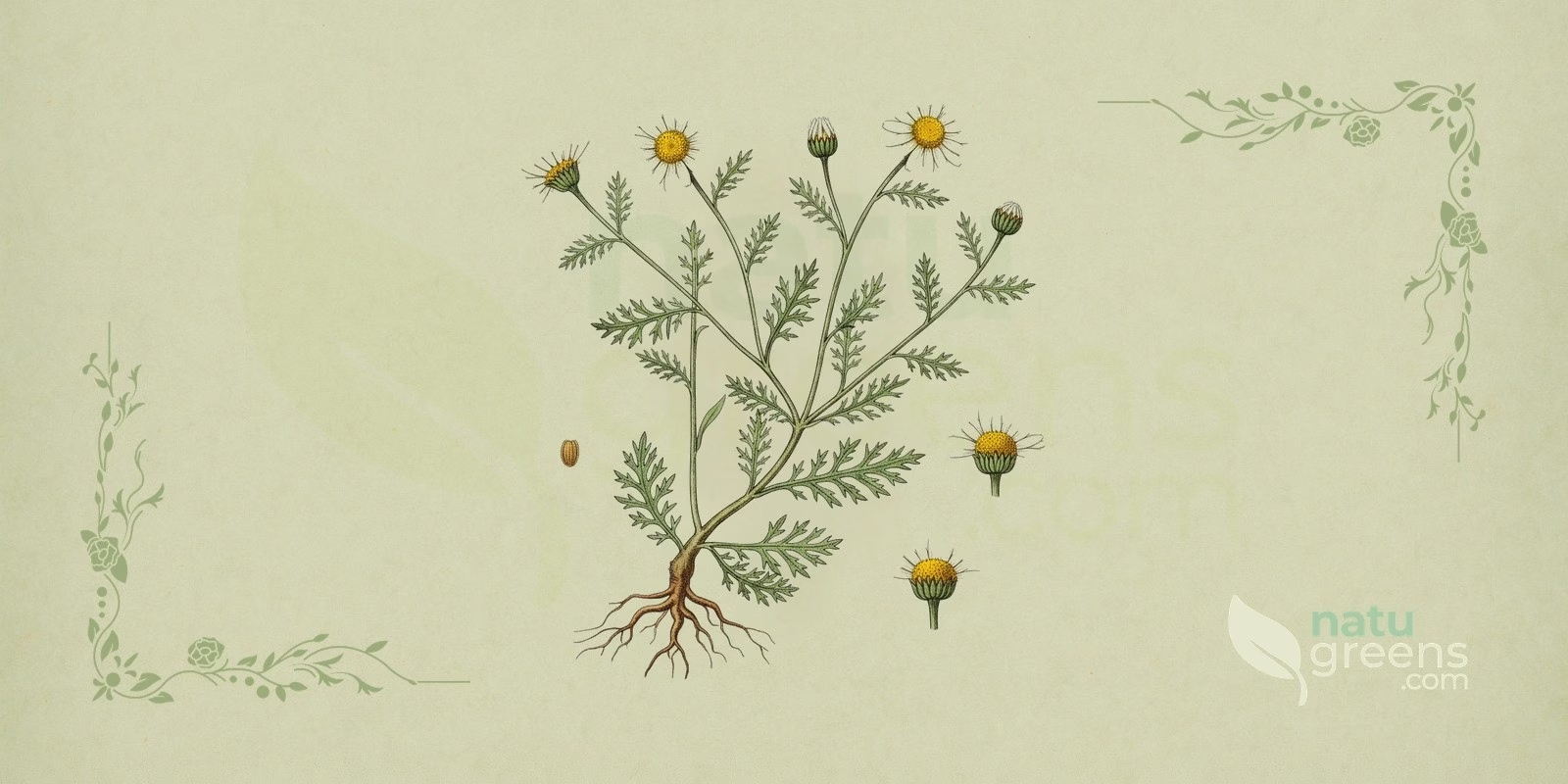
Common and International Names of Pellitory of Spain
- Arabic: aqarqarha (عاقر قرحا).
- Berber (Moroccan Tamazight): iguendez, a name harvesters reserve for the variety they regard as the true one.
- English: pellitory of Spain, Spanish pellitory.
- French: pyrèthre d'Afrique, pyrèthre salivaire.
- German: Römischer Bertram, Speichelwurz.
- Hindi and Urdu: akarkara.
- Italian: piretro romano.
- Sanskrit: akarakarabha.
- Spanish: pelitre, pelitre romano.
Not to Be Confused with Insecticidal Pyrethrum (Tanacetum cinerariifolium)
The botanical name pyrethrum invites frequent mix-ups with the insecticide plant, even in health food shops. Dalmatian pyrethrum, Tanacetum cinerariifolium, is grown for its dried flowers, which are rich in pyrethrins and serve as the basis of household and agricultural insecticides, and it has none of the traditional oral use attributed to the root of Anacyclus pyrethrum. In English, the word pellitory on its own also refers to pellitory-of-the-wall (Parietaria officinalis), a member of the Urticaceae family with no relation to pellitory of Spain. Even within the species there is a distinction: Moroccan harvesters set apart the variety pyrethrum, considered the true pellitory, from the variety depressus, which they call false pellitory and which fetches less on the market. When buying the root, the full scientific name is the safest way to avoid substitutions.
Botanical Synonyms of Pellitory of Spain
The name accepted by the main taxonomic databases is Anacyclus pyrethrum (L.) Lag., a combination made by the Spanish botanist Mariano Lagasca from Linnaeus's original name, Anthemis pyrethrum L., which remains the basionym of the species. Recorded synonyms include Matricaria pyrethrum (L.) Baill. and Anacyclus freynii, and some databases also fold in Anacyclus officinarum Hayne, the so-called German pellitory, which other authors prefer to treat as a separate species cultivated in Central Europe. The species is usually divided into two varieties, Anacyclus pyrethrum var. pyrethrum and Anacyclus pyrethrum var. depressus (Ball) Maire, the latter sometimes raised to species rank and grown as an ornamental under the name Mount Atlas daisy.
Botanical Family: Asteraceae
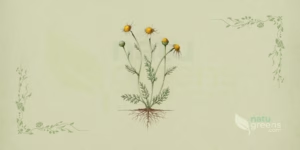
Pellitory of Spain belongs to the Asteraceae, one of the largest families of flowering plants, and to the tribe Anthemideae, which it shares with German and Roman chamomile, yarrow and insecticidal pyrethrum itself. As in the rest of the family, what looks like a single flower is really a flower head, a cluster of tiny florets gathered on a common receptacle. In this species the solitary heads have a yellow center and white outer florets marked underneath by a purplish or reddish band, a detail that helps harvesters recognize the plant in the field. The leaves are finely divided, much like those of chamomile, and the stems spread close to the ground from a thick taproot, which is the part of medicinal interest.
Parts of Pellitory of Spain Used
The part used in tradition is the root, dug up whole and dried in the sun, which reaches the market as brown cylindrical pieces a few centimeters long with lengthwise ridges. When chewed, it first releases a mild taste that soon turns into an intense burning, tingling and heavy salivation, an effect linked to the alkylamides concentrated in this organ. Seeds, leaves and flower heads have also been studied in the laboratory, mainly in Moroccan research on toxicity and antioxidant activity, but they are not part of established traditional use. Harvesting the root means pulling up the entire plant, which is why overcollection threatens wild populations in Morocco.
Ethnobotanical and Traditional Uses of Pellitory of Spain
Traditional records of pellitory of Spain center on the mouth and throat, but Unani and Ayurvedic texts extended its role to the nervous system and male sexual health. The uses below describe folk tradition and do not amount to proven effectiveness:
- Aphrodisiac and male tonic, found in Unani and Ayurvedic akarkara formulations.
- Epilepsy and other nervous complaints, in Ayurvedic records that regard the root as a brain tonic.
- Gargle for an irritated throat and hoarseness, prepared from a decoction of the root.
- Saliva stimulation in cases of dry mouth and of tongue paralysis described in Unani literature.
- Toothache and sensitive gums, with the root chewed or placed against the tooth, an old practice around the Mediterranean and in the Maghreb.
Medicinal Properties of Pellitory of Spain
The properties below come from studies in cells, isolated tissues and laboratory animals, along with traditional use, and none of them has been confirmed by clinical trials of the root alone in people:
- Androgenic (in rats, an alkylamide-rich ethanol extract raised testosterone and spermatogenic activity; there are no equivalent data in humans)
- Anticonvulsant (protection against induced seizures in rats and mice, a preclinical finding with no clinical study)
- Anti-inflammatory (observed in animal models and laboratory assays)
- Antimicrobial (activity of extracts against bacteria and fungi in culture plates)
- Antioxidant (free radical scavenging in chemical tests and lower oxidative stress markers in animals)
- Hypoglycemic (lower blood glucose in diabetic rodents, not yet confirmed in humans)
- Local anesthetic (a numbing, tingling sensation in the mouth, attributed to the alkylamides and behind the traditional use for toothache)
- Sialagogue (strong stimulation of saliva when the root is chewed, an immediate and well-known sensory effect)
Detailed Phytochemical Profile of Pellitory of Spain
The chemistry of the root is dominated by alkylamides, the same pungent substances that give jambu (Acmella oleracea) and echinacea their tingling effect in the mouth. An analysis by liquid chromatography coupled with mass spectrometry identified thirteen of these molecules in an ethanolic root extract, two of them reported in the species for the first time. The main groups of compounds described are:
- Alkylamides (N-isobutylamides, N-methyl isobutylamides and tyramides, responsible for the burning and the salivation)
- Anacyclin (a polyunsaturated alkylamide cited in the classic monographs on the root)
- Essential oil (a small volatile fraction whose composition varies with the plant's origin)
- Flavonoids (reported in root, leaf and flower head extracts, associated with antioxidant activity)
- Inulin (a storage polysaccharide common in the roots of the Asteraceae family)
- Pellitorine (N-isobutyl decadienamide, the best-known alkylamide of the species, named after the English word pellitory)
- Sesamin (a lignan reported in phytochemical reviews of the root)
- Tannins (astringent phenolic compounds described in phytochemical reviews of the species)
Preparation and Administration of Pellitory of Spain
In Maghrebi tradition, the simplest way to use it is to chew a small piece of the dried root or hold it against an aching tooth, spitting out the saliva it produces instead of swallowing it. A decoction of the chopped root appears in gargle and mouth rinse recipes, while the fine powder goes into homemade tooth powders and spice blends. In Unani and Ayurvedic medicine, the powdered root is added to compound formulations such as akarkara electuaries and tablets, nearly always alongside other plants and in small amounts. No standardized dose has been established by clinical studies, and products sold as supplements tend to have poorly controlled strength and sourcing.
Synergy with Other Medicinal Plants
Traditional Pairings for the Mouth and Teeth
In Arab and Indian tooth powders and mouth rinses, pellitory of Spain often appears alongside clove (Syzygium aromaticum), whose eugenol also numbs the area locally, and ginger (Zingiber officinale), prized for its pungent taste. The idea behind these blends is to combine plants with a strong sensory effect on the lining of the mouth, which also raises the risk of irritation when they are overused. These combinations reflect folk tradition and have not been evaluated in controlled clinical studies.
Traditional Pairings in Unani and Ayurvedic Formulas
In formulations aimed at male vigor, akarkara is usually combined with ashwagandha (Withania somnifera) and long pepper (Piper longum), among other plants considered warming in these systems. Long pepper is traditionally included to enhance the other herbs in the formula, a concept specific to Ayurvedic theory that still lacks evidence for this particular combination. Since the effects on testosterone and fertility have only been seen in animals, none of these blends should be regarded as a treatment for sexual dysfunction or infertility.
Recipes and Usage Protocols for Pellitory of Spain
Mouth Rinse with Root Decoction
In Moroccan tradition, a small piece of chopped dried root is simmered in a cup of water for about ten minutes, and once it has cooled to lukewarm and been strained, the liquid is used as a rinse or gargle and then spat out, never swallowed. The burning and salivation set in within a few minutes and signal that the preparation is strong; if the sensation is unpleasant, folk advice is to dilute it further. These uses follow traditional records and do not replace professional guidance, especially in the case of persistent toothache, which calls for a dentist's assessment.
Chewed Root for Tooth Discomfort
The oldest custom associated with pellitory of Spain is to hold a fragment of the root between the cheek and the aching tooth for a few minutes, letting the local numbness ease the discomfort while the saliva is discarded. People with canker sores, mouth wounds or sensitive mucosa tend to feel a strong burning, and in these cases the practice should be avoided. The relief reported in tradition is short-lived and does nothing for cavities, abscesses or gum inflammation, which still require dental care.
The preparations above follow traditional records and do not replace professional guidance. Before any internal use, check the contraindications and interactions described in this article.
Therapies Associated with Pellitory of Spain
Clinical Herbal Medicine
In Western clinical herbalism, pellitory of Spain now holds a modest place, remembered more for its history in old pharmacopoeias as a sialagogue and local stimulant than for any current indication. Recent scientific interest focuses on its alkylamides, studied for their ability to cross skin and mucous membranes and for their action on receptors involved in pain and inflammation. The only human studies located involve multi-herb tablets in which pellitory is just one of the ingredients, so no result can be attributed to it.
Unani Medicine and Ayurveda
In Unani medicine, the root goes by the Arabic-Persian name aqarqarha and is considered hot and dry, used in preparations for the mouth, for slurred speech and for what the classic texts call weakness of the nerves. In Ayurveda, akarkara is described as stimulating, digestive and aphrodisiac, and it appears in traditional formulas for male vigor and in preparations for the voice and memory. Because the root travels long trade routes from North Africa, and because dried roots are hard to identify by eye in the markets, the origin and authenticity of the material on sale cannot always be guaranteed.
Contraindications and Side Effects of Pellitory of Spain
The root's most immediate effect is sialagogue, meaning it stimulates saliva flow intensely, together with burning, tingling and numbness in the mouth, sensations expected from its alkylamides, especially pellitorine, but which can irritate the mucosa of sensitive people or those with mouth sores. The aphrodisiac and testosterone-boosting claims, heavily used to market akarkara supplements, come exclusively from studies in rats and should be understood as a preclinical finding, with no guarantee of any effect in humans. Use should be avoided during pregnancy because of the lack of safety data, and the same caution applies to breastfeeding and to children, groups in which the plant has never been studied either. People allergic to plants of the Asteraceae family, such as chamomile, arnica, yarrow, chrysanthemum or ragweed, may show cross-allergy to pellitory of Spain and should avoid it. In mice, very high extract doses caused changes in the liver, kidneys and spleen, and the root at a moderate dose raised a liver enzyme, which argues against using the plant for long periods or in anyone with liver or kidney disease. People with epilepsy should not replace or supplement their treatment with pellitory of Spain on their own, since the anticonvulsant action has only been seen in animals.
Drug Interactions
There are no formal studies of interactions between pellitory of Spain and medications, so the precautions below are based on effects observed in animals. Given the drop in blood glucose seen in rodents, it is prudent to avoid the plant in people taking oral diabetes medications or insulin, since the combined effects could favor hypoglycemia. Its activity on the central nervous system suggests caution with anticonvulsants, sedatives and other drugs that act on the nervous system, and the androgenic effects described in rats justify avoiding use alongside hormone treatments or in hormone-sensitive conditions such as prostate disease. Before combining pellitory of Spain with any long-term medication, talking to a doctor or pharmacist is essential.
Curiosities and Historical Facts
The epithet pyrethrum comes from the Greek pyr, fire, a direct reference to the burning the root leaves in the mouth, and the same root word appears in the common name of insecticidal pyrethrum, which helps explain the confusion between the two plants. For centuries, the dried root left North African ports for Europe and India, and the word akarkara, still used on the subcontinent today, derives from the Arabic aqarqarha. Commercial demand came at a price: field studies in Morocco's High Atlas show that intensive harvesting, often carried out before the seeds disperse, has made the variety pyrethrum rare across much of its natural range, and local researchers now treat the species as vulnerable.
Frequently Asked Questions About Pellitory of Spain
Are Pellitory of Spain and Pyrethrum the Same Plant?
No. Pellitory of Spain is Anacyclus pyrethrum, whose root has a traditional oral use in Unani, Ayurvedic and Maghrebi folk medicine, whereas insecticidal pyrethrum is Tanacetum cinerariifolium, grown for flowers that supply pyrethrins for insecticides. Both belong to the Asteraceae family, but they are different species with distinct chemistry and purposes that should never be confused.
Does Pellitory of Spain Raise Testosterone?
The available data come from experiments in rats, in which the root extract raised testosterone, reproductive organ weight and sperm production. No clinical trials show the same effect in men, so akarkara supplements that promise higher testosterone or better sexual performance are extrapolating from results obtained only in animals.
Why Does the Root Cause Tingling and Salivation?
The sensation comes from the alkylamides, especially pellitorine, molecules that stimulate nerve endings in the mouth much as jambu does. The result is a mix of burning, numbness and heavy salivation that starts within a few minutes and explains both the traditional use for toothache and the root's classification as a sialagogue.
Can Pregnant Women Use Pellitory of Spain?
It is not recommended. There are no safety data on the use of pellitory of Spain during pregnancy, and the absence of studies is reason enough to avoid the plant at this time, as well as during breastfeeding and in childhood.
Can People with a Chamomile Allergy Use Pellitory of Spain?
It is best avoided. Pellitory of Spain belongs to the same family as chamomile, arnica and chrysanthemum, and people sensitive to plants of the Asteraceae family may have a cross-reaction, ranging from irritation in the mouth to more intense allergic symptoms.
Notice: this content is for informational purposes and does not replace professional medical advice. Consult a physician or herbal practitioner before using medicinal plants, especially during pregnancy, breastfeeding, or alongside medication.
How to cite this article
NATUGREENS. Pellitory of Spain (Anacyclus pyrethrum): Uses and Safety. Natugreens, 26 Nov. 2026. Disponível em: https://natugreens.com/anacyclus-pyrethrum-pellitory-of-spain/. Accessed: Nov. 26, 2026.
Natugreens. (2026). Pellitory of Spain (Anacyclus pyrethrum): Uses and Safety. Natugreens. https://natugreens.com/anacyclus-pyrethrum-pellitory-of-spain/
References and Scientific Studies
View All 9 Cited References
Peer-Reviewed Scientific Studies (7)
- DOI2022 Elazzouzi, H., Fadili, K., Cherrat, A., Amalich, S., Zekri, N., Zerkani, H., Tagnaout, I., Hano, C., Lorenzo, J. M., Zair, T. (2022). Phytochemistry, Biological and Pharmacological Activities of the Anacyclus pyrethrum (L.) Lag: A Systematic Review. Plants, 11(19), 2578. ↗
- PMC2013 Sharma, V., Boonen, J., De Spiegeleer, B., Dixit, V. K. (2013). Androgenic and Spermatogenic Activity of Alkylamide-Rich Ethanol Solution Extract of Anacyclus pyrethrum DC. Phytotherapy Research, 27(1), 99-106. ↗
- DOI2012 Boonen, J., Sharma, V., Dixit, V. K., Burvenich, C., De Spiegeleer, B. (2012). LC-MS N-alkylamide Profiling of an Ethanolic Anacyclus pyrethrum Root Extract. Planta Medica, 78(16), 1787-1795. ↗
- PMC2012 Pahuja, M., Mehla, J., Reeta, K. H., Joshi, S., Gupta, Y. K. (2012). Root Extract of Anacyclus pyrethrum Ameliorates Seizures, Seizure-Induced Oxidative Stress and Cognitive Impairment in Experimental Animals. Epilepsy Research, 98(2-3), 157-165. ↗
- DOI2021 Jawhari, F. Z., El Moussaoui, A., Imtara, H., Mechchate, H., Es-Safi, I., Bouhrim, M., Kharchoufa, L., Miry, A., Bousta, D., Bari, A. (2021). Evaluation of the Acute Toxicity of the Extracts of Anacyclus pyrethrum var. pyrethrum (L.) and Anacyclus pyrethrum var. depressus Maire in Swiss Mice. Veterinary World, 14(2), 457-467. ↗
- DOI2013 Ouarghidi, A., Martin, G. J., Powell, B., Esser, G., Abbad, A. (2013). Botanical Identification of Medicinal Roots Collected and Traded in Morocco and Comparison to the Existing Literature. Journal of Ethnobiology and Ethnomedicine, 9, 59. ↗
- PEER2017 Ouarghidi, A., Powell, B., Martin, G. J., Abbad, A. (2017). Traditional Sustainable Harvesting Knowledge and Distribution of a Vulnerable Wild Medicinal Root (Anacyclus pyrethrum var. pyrethrum) in Ait M'hamed Valley, Morocco. Economic Botany, 71(1), 83-95. ↗
Supplementary Readings (2)
- 2009 Sharma, V., Thakur, M., Chauhan, N. S., Dixit, V. K. (2009). Evaluation of the Anabolic, Aphrodisiac and Reproductive Activity of Anacyclus pyrethrum DC in Male Rats. Scientia Pharmaceutica, 77(1), 97-110. ↗
- Euro+Med PlantBase. Anacyclus pyrethrum (L.) Lag. Taxonomic record with synonymy and distribution. ↗
You May Also Like
Take your time and tell us everything you think, details included. Every response is read by someone on our editorial team and goes into the article's revision. An honest critique helps us more than a polite compliment.
Take your time and tell us everything you think, details included. Every response is read by someone on our editorial team and goes into the article's revision. An honest critique helps us more than a polite compliment.