Syzygium aromaticum (L.) Merr. & L.M.Perry / Clove, a spice with a history spanning millennia, is the aromatic flower bud of an evergreen tree in the Myrtaceae family. Native to the Maluku Islands, in Indonesia, clove spread around the world on the strength of its culinary and medicinal value and, for centuries, drove the economy of that Asian region, prized since antiquity by civilizations such as the Syrians, the Romans and the Chinese. Its flower buds, harvested before they open, are the most widely used part and lend an intense aroma and flavor to a great many preparations.
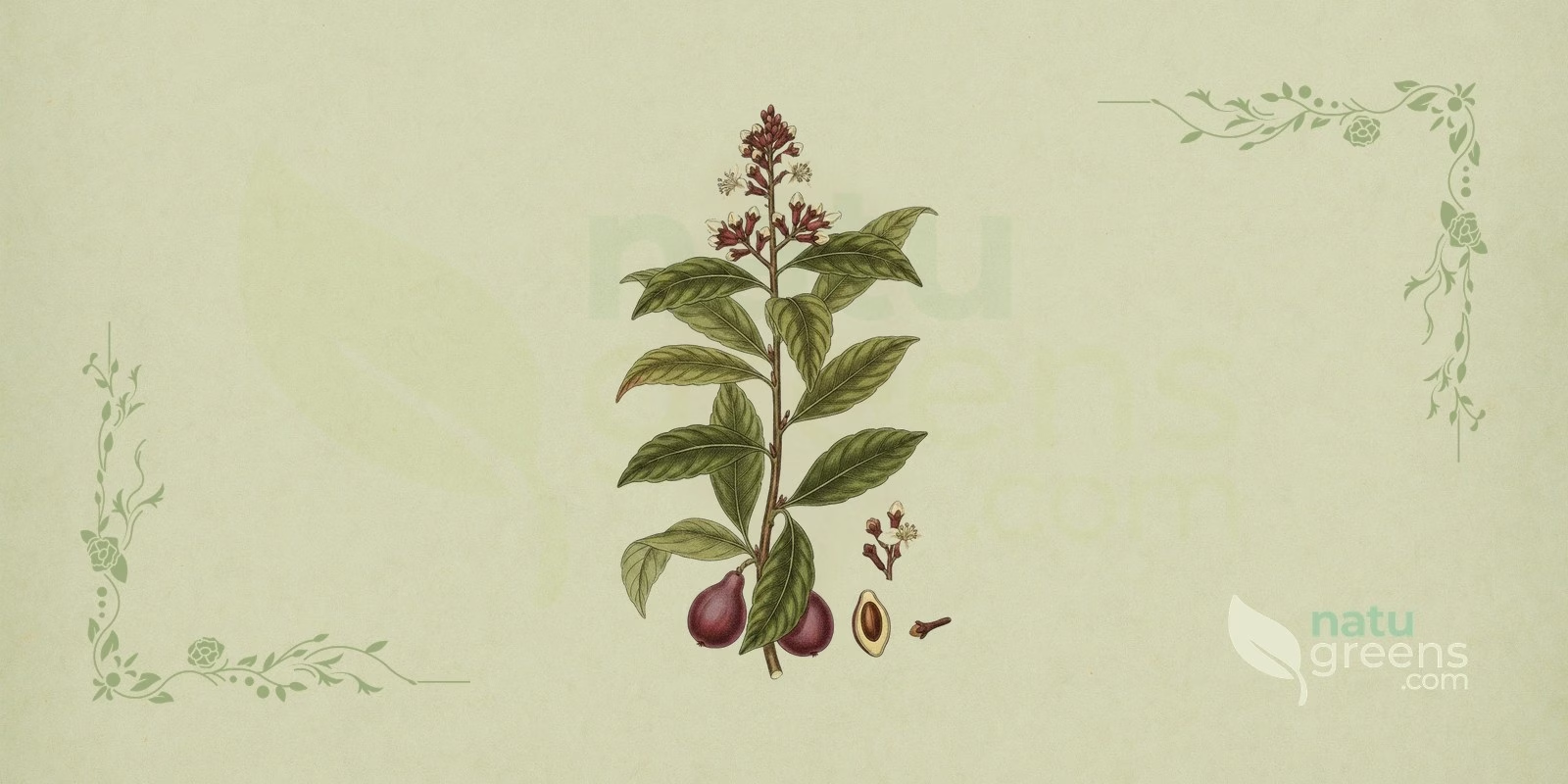
The phytochemical makeup of clove, dominated by eugenol, has been the subject of extensive scientific research, and this compound, together with flavonoids and phenolic acids, accounts for the antioxidant and antimicrobial actions described in laboratory studies. Traditional medicine turns to the plant for a broad range of complaints, from toothache to digestive disorders, and science continues to investigate this versatility, which keeps clove relevant both in herbal medicine and in the cooking of several continents. The essential oil, far more concentrated than the bud used in the kitchen, calls for specific precautions, detailed in the contraindications section, above all in homes with babies and young children.
Popular and International Names of Clove
- English: clove, clove tree.
- Spanish: clavo aromático, clavo de olor.
- Portuguese: cravo, cravo-aromático, cravo-da-índia.
- French: clou de girofle, giroflier.
- Italian: chiodo di garofano, garofano.
- German: Gewürznelke, Nelkenbaum.
Botanical Synonyms of Syzygium aromaticum
Syzygium aromaticum has had an eventful taxonomic history, reflected in its botanical synonyms: although the current name is widely accepted, other classifications have circulated over time, and knowing them helps to identify the species correctly when consulting older botanical and pharmacological literature, where clove often appears as Eugenia caryophyllata.
- Caryophyllus aromaticus L.
- Eugenia aromatica (L.) Baill.
- Eugenia caryophyllata Thunb.
- Eugenia caryophyllus (Spreng.) Bullock & S.G.Harrison
- Jambosa caryophyllus (Thunb.) Nied.
Botanical Family: Myrtaceae
The Myrtaceae family comprises about 130 genera and more than 5,600 species, concentrated mainly in tropical and subtropical regions. It is characterized by trees and shrubs with evergreen, usually aromatic leaves and by flowers bearing numerous stamens, and it includes species of great economic importance, such as eucalyptus, guava and jaboticaba, as well as a number of ornamental and medicinal plants.
As a member of the Myrtaceae, clove shares with its relatives an abundance of essential oils, the basis of its aroma and of many of the properties that have been studied. The family is known for producing terpenes and polyphenols, compounds that research has associated with antioxidant, anti-inflammatory and antimicrobial activities, which makes it a valuable source for the pharmaceutical, cosmetic and food industries, with many species still under study for their possible health benefits.
Parts of Clove Used
The dried flower buds, which are the clove sold as a spice, hold the highest essential oil content and are the most widely used part, while the leaves are also put to use and the essential oil, obtained by distillation, is the most concentrated form of the plant and the one that calls for the greatest care in handling.
- Dried flower buds
- Essential oil
- Leaves
Ethnobotanical and Traditional Uses
The uses below reflect the record of folk medicine and of traditional systems in various regions, from India to China, and are not equivalent to proven clinical indications.
- Bad breath, in mouth rinses and by chewing the buds
- Digestive stimulant and carminative
- Expectorant and antitussive
- Insect repellent
- Relief of nausea and vomiting
- Relief of toothache and gum inflammation
- Sexual stimulant (aphrodisiac) in folk medicine
- Traditional adjunct in mild respiratory infections
Therapeutic Properties of Clove
The properties listed below summarize activities described in laboratory studies and in animal models, in addition to traditional use, and few of them have been confirmed in clinical trials in humans.
- Analgesic (traditional use for pain relief, especially dental pain)
- Antibacterial (inhibition of bacteria observed in laboratory tests)
- Anticandidal (activity against Candida species observed in vitro)
- Antifungal (inhibition of fungi observed in laboratory tests)
- Anti-inflammatory (reduction of inflammatory markers in preliminary studies)
- Antioxidant (neutralization of free radicals in laboratory assays)
- Antiseptic (traditionally recorded for oral hygiene and minor wounds)
- Antiviral (activity observed only in laboratory studies)
- Carminative (traditional use to reduce intestinal gas)
- Digestive (traditionally recorded as a digestive aid)
- Larvicidal (action on insect larvae observed in the laboratory)
- Muscle relaxant (traditionally recorded in massage with diluted oil)
- Neuroprotective (effect investigated in preliminary studies, without clinical confirmation)
Detailed Phytochemical Profile of Clove
Eugenol is the main constituent of the essential oil from the bud, accompanied by eugenyl acetate and beta-caryophyllene, while the dried bud also accumulates tannins, phenolic acids and flavonoids, groups associated with the antioxidant activity described in the scientific literature.
- Alpha-humulene
- Beta-caryophyllene
- Bicornin
- Caffeic acid
- Campesterol
- Coumarins
- Ellagic acid
- Eugenin
- Eugenol
- Eugenyl acetate
- Farnesol
- Ferulic acid
- Flavonoids (kaempferol, quercetin, rhamnetin)
- Gallic acid
- Gallotannins
- Methyl salicylate
- Oleanolic acid
- Salicylic acid
- Sesquiterpenes
- Stigmasterol
- Tannins
- Triterpenoids
- Vanillin
Preparation and Administration Forms of Clove
The buds are used mainly in infusions, decoctions and tinctures, standardized extracts are found in commercial products, and the essential oil is reserved for well-diluted external use and for aromatherapy, always within the restrictions described in the contraindications.
- Decoction
- Dry extract
- Essential oil (diluted, for external use)
- Fluid extract
- Infusion
- Tincture
Synergy with Other Medicinal Plants
Oral Health
The combination of clove with myrrh (Commiphora myrrha) and calendula (Calendula officinalis) is traditionally used in mouthwashes and natural toothpastes, in records that associate it with the care of sensitive gums, canker sores and bad breath. In this tradition, the eugenol in clove contributes its local anesthetic and antiseptic action, while myrrh and calendula are included for their reputation as wound-healing and anti-inflammatory herbs, forming a blend aimed at oral hygiene that does not replace an evaluation by a dentist.
Digestive Support
Paired with ginger (Zingiber officinale) and cinnamon (Cinnamomum verum), clove makes up a carminative blend traditionally used to relieve flatulence, cramps and a sense of sluggish digestion. Folk medicine credits the three spices, taken together, with stimulating the digestive secretions and having a calming effect on intestinal spasms, and it usually serves them as an infusion after heavy meals.
Muscle and Joint Discomfort
In topical applications, clove is traditionally combined with cayenne pepper (Capsicum annuum) and rosemary (Rosmarinus officinalis) in massage oils and balms used for muscle and joint discomfort, including in cases of arthritis and rheumatism, without replacing medical follow-up. In this combination, the eugenol in clove contributes its local analgesic action, the capsaicin in the pepper its warming effect and stimulation of skin circulation, and rosemary its compounds associated with muscle relaxation, always in well-diluted preparations, away from the eyes and mucous membranes and out of the reach of children.
Recipes and Usage Protocols of Clove
Clove Mouth Rinse for Toothache
Ingredients: 5 clove buds, 200 ml of water.
Preparation: Bring the water to a boil, turn off the heat, add the cloves and let them steep for 10 minutes; then strain, wait for the liquid to cool to lukewarm and swish it around the mouth for 30 seconds, without swallowing, two to three times a day. The eugenol present in clove has a local anesthetic action, and this rinse is traditionally used for the temporary relief of toothache and gum inflammation, which does not replace a visit to the dentist when the pain persists, and it should not be given to young children, who may swallow the liquid.
Clove and Cinnamon Digestive Infusion
Ingredients: 3 clove buds, 1 small cinnamon stick, 200 ml of boiling water, honey or lemon (optional).
Preparation: Add the cloves and the cinnamon to the boiling water, cover and let steep for 5 to 7 minutes, strain and, if you like, sweeten with honey or add a few drops of lemon. Tradition suggests one cup after meals, as a digestive aid, or in the morning, for the invigorating flavor that cinnamon lends, and the blend brings together the carminative record of clove and the warming qualities of cinnamon. The version with honey should not be given to children under 1 year of age, and pregnant or breastfeeding women, as well as people taking anticoagulants or diabetes medications, should consult a health professional before regular use.
Clove Massage Oil
Ingredients: 10 drops of clove essential oil, 30 ml of vegetable oil (sweet almond or jojoba).
Preparation: Mix the essential oil into the vegetable oil in a dark glass bottle, first do a patch test on a small area of skin and, if there is no reaction, apply a small amount to the sore area, massaging gently until absorbed, once or twice a day. Traditionally used to ease muscle aches and tension, the massage adds the benefit of touch to the local analgesic effect attributed to eugenol. This preparation is for adults only, should be applied only to intact skin, away from the eyes and mucous membranes, and must never be used on babies or young children.
Clove Tincture for External Use
Ingredients: 50 g of dried clove buds, 250 ml of 70% grain alcohol.
Preparation: Place the cloves in a dark glass jar, cover them with the alcohol, seal tightly and leave to macerate for 14 days in a cool, dark place, shaking daily; then strain and store the tincture in a dropper bottle. Dilute 10 to 20 drops in water for mouth rinses, without swallowing, or for topical application to minor superficial wounds, a use for which clove tincture is traditionally employed as a natural antiseptic, and always keep the bottle out of the reach of children.
The preparations above follow traditional records and do not replace professional guidance. Before any internal use, check the contraindications and interactions described in this article.
Associated Therapies
Aromatherapy
In aromatherapy, clove essential oil is valued for its warm, stimulating aroma, and inhaling it through diffusers or vaporizers is traditionally associated with a sense of mental clarity and reduced fatigue, although clinical studies confirming these effects are lacking. In massage, always diluted in a vegetable oil, it is used to ease muscle and joint aches thanks to its warming effect, and it also serves to scent rooms and keep insects away. Diffusion should take place in well-ventilated spaces and away from babies and young children, a group in which clove essential oil should not be used.
Clinical Phytotherapy
In clinical phytotherapy, clove appears in standardized formulations such as extracts and capsules, and it is used mainly for digestive complaints such as dyspepsia and flatulence, based on the carminative and antispasmodic actions described by tradition. The antioxidant and antimicrobial activities observed in the laboratory have prompted research into its role as an adjunct, but they do not justify replacing conventional treatments for infections or inflammation, and the dose, form of use and possible drug interactions should be determined by a qualified health professional, according to each patient’s condition.
Natural Dentistry
Clove holds a prominent place in natural dentistry because of eugenol, its main active component, widely used as a topical analgesic and antiseptic to relieve toothache, gingivitis and other oral inflammation. In adults, it can be applied as a well-diluted essential oil, in small amounts and without swallowing, or in homemade mouth rinse preparations, and the activity against oral bacteria observed in studies, together with the pain relief reported by tradition, has made it a popular home remedy that nonetheless does not replace a dental evaluation. In babies with teething pain, clove oil should never be rubbed on the gums.
Contraindications and Side Effects of Clove
General Contraindications
Clove is contraindicated for people with known hypersensitivity to any component of the plant, especially eugenol, although allergic reactions are rare. Pregnant and breastfeeding women should avoid use at high medicinal doses, since there are not enough studies to establish safety during these stages, and children under 6 months of age should not be given clove without medical guidance, just as preparations containing honey should not be given to children under 1 year of age, because of the risk of botulism. People with clotting disorders or who take anticoagulants need to be cautious, as compounds present in the plant may potentiate the anticoagulant effect and increase the risk of hemorrhage.
Essential Oil in Babies and Young Children
Clove essential oil should never be used on babies or young children, whether by mouth or applied to the gums, a popular practice for toothache or for the discomfort of teething. Rich in eugenol, this oil is hepatotoxic in overdose, and there are documented cases of severe and even fatal liver damage in babies and young children after the use of clove oil, usually applied to the gums for toothache or teething, as well as episodes of accidental ingestion. The bottle must be stored out of the reach of children, and any accidental ingestion requires emergency medical care.
Concentrated Internal Use in Adults
Even in adults, internal use of clove essential oil or of concentrated extracts calls for caution and professional guidance, because eugenol, at high doses, can cause liver damage. People with liver disease should avoid these forms, and eating the bud as a seasoning, in culinary amounts, should not be confused with the medicinal use of the concentrated oil.
Common Side Effects
The side effects of clove are usually mild and infrequent, but excessive consumption can cause gastrointestinal irritation, nausea or vomiting. Applied undiluted to the skin or mucous membranes, the essential oil can cause irritation, contact dermatitis or allergic reactions in sensitive people, so it is advisable to follow the recommended dilutions and to test the mixture on a small patch of skin before applying it to larger areas.
Drug Interactions
Clove may interact with some medications, and compounds in the plant may potentiate anticoagulants such as warfarin, increasing the risk of bleeding. People taking diabetes medications should monitor their blood glucose closely, because clove may have a mild hypoglycemic effect, and eugenol may influence the metabolism of certain drugs through the cytochrome P450 system, which makes it prudent to consult a health professional before combining clove, especially in concentrated form, with other treatments.
Historical Notes and Interesting Facts
Origin of the Name
The Portuguese common name “cravo” derives from the Latin clavus, meaning “nail”, in reference to the shape of the dried flower bud, and the same image appears in other languages, as in the English “clove” and the Spanish “clavo de olor”. The etymology shows how closely the peoples who traded and used the spice observed its morphology, and it underscores how ancient this use is.
The Oldest Tree
On the island of Ternate, in Indonesia, grows a clove tree known as Afo, considered by many experts to be the oldest in the world, with an estimated age of between 350 and 400 years, and regarded as a living witness to the cultural and economic importance of the spice. It is said that seedlings from this tree were stolen in the 18th century by the French explorer Pierre Poivre and taken to other regions, which helped extend clove cultivation beyond the Maluku Islands.
Use in Antiquity
Clove has an impressive historical record, with archaeological evidence of its use in Syria dating to around 1720 BC. In ancient China, around 200 BC, it was customary for ministers to keep cloves in their mouths to sweeten their breath before speaking with the emperor, and the presence of the spice in Indian texts such as the Ramayana and the Charaka Samhita, together with its arrival in Rome in the 1st century AD, shows how widely clove had spread and how much prestige it enjoyed in different cultures long before the colonial era.
Frequently Asked Questions about Clove
Does Clove Tea Help with Weight Loss?
There is no robust scientific evidence that clove tea, on its own, promotes weight loss. Some studies suggest that clove may have a mild thermogenic effect and an effect on metabolism, but weight loss depends on a combination of a balanced diet, physical activity and a healthy lifestyle, and the tea can at most accompany these habits, without working as a stand-alone solution.
Can Clove Tea Be Used on the Skin?
Because of the antiseptic and anti-inflammatory properties described in tradition and in laboratory studies, clove tea is used in compresses on acne, mild inflammation and minor wounds, although this has not yet been confirmed in robust clinical studies. It is best to use it diluted and to do a sensitivity test first to avoid irritation, and the antioxidant action attributed to drinking the tea has no proven effect on the skin.
Can Clove Be Used by Children?
Medicinal use of clove in children should be approached with caution and always under a pediatrician’s guidance, and preparations containing honey should not be given to children under 1 year of age, because of the risk of botulism. High medicinal doses are not appropriate for young children, and clove essential oil should never be used on babies or young children, a group in which there are documented cases of severe and even fatal liver damage.
Can Clove Oil Be Rubbed on a Baby’s Gums?
No, and this popular practice, used to relieve toothache or the discomfort of teething, should be avoided: rich in eugenol, clove oil is hepatotoxic in overdose, and there are documented cases of severe and even fatal liver damage in babies and young children after this kind of use. For the discomfort of emerging teeth, the safe course is to talk to the pediatrician or to a pediatric dentist.
Can Clove Tea Be Consumed Daily?
Moderate consumption of clove tea by healthy adults is generally considered safe, but daily, prolonged use in large quantities can lead to side effects or drug interactions, especially in people with preexisting conditions or who take other medications. For this reason, the recommended approach is to take breaks from consumption or to consult a health professional to determine the frequency and amount appropriate to each case.
Can People Taking Anticoagulants Drink Clove Tea?
People taking anticoagulants such as warfarin should be cautious, because compounds in clove may potentiate the effect of these medications and increase the risk of bleeding. The same care applies to those taking diabetes medications, since clove may have a mild hypoglycemic effect, and in both cases the advice is to talk to a doctor before regular use, especially of concentrated forms.
Notice: this content is for informational purposes and does not replace professional medical advice. Consult a physician or herbal practitioner before using medicinal plants, especially during pregnancy, breastfeeding, or alongside medication.
References and Scientific Studies
- PMC1993 Hartnoll G, et al. Near fatal ingestion of oil of cloves. Archives of Disease in Childhood. 1993.
- PMC2005 Janes SE, et al. Essential oil poisoning: N-acetylcysteine for eugenol-induced hepatic failure and analysis of a national database. European Journal of Pediatrics. 2005.
- PMC2014 Cortés-Rojas DF, et al. Clove (Syzygium aromaticum): a precious spice. Asian Pac J Trop Biomed. 2014.
- PMC2024 Zakaria NH, et al. Stress-relieving properties of a polyherbal blend with Syzygium aromaticum L. and Coffea canephora Pierre ex A. Froehner: A review and bibliometric analysis. The world journal of biological psychiatry : the official journal of the World Federation of Societies of Biological Psychiatry. 2024.
- PMC2021 Vicidomini C, et al. Molecular Basis of the Therapeutical Potential of Clove (Syzygium aromaticum L.) and Clues to Its Anti-COVID-19 Utility. Molecules (Basel, Switzerland). 2021.