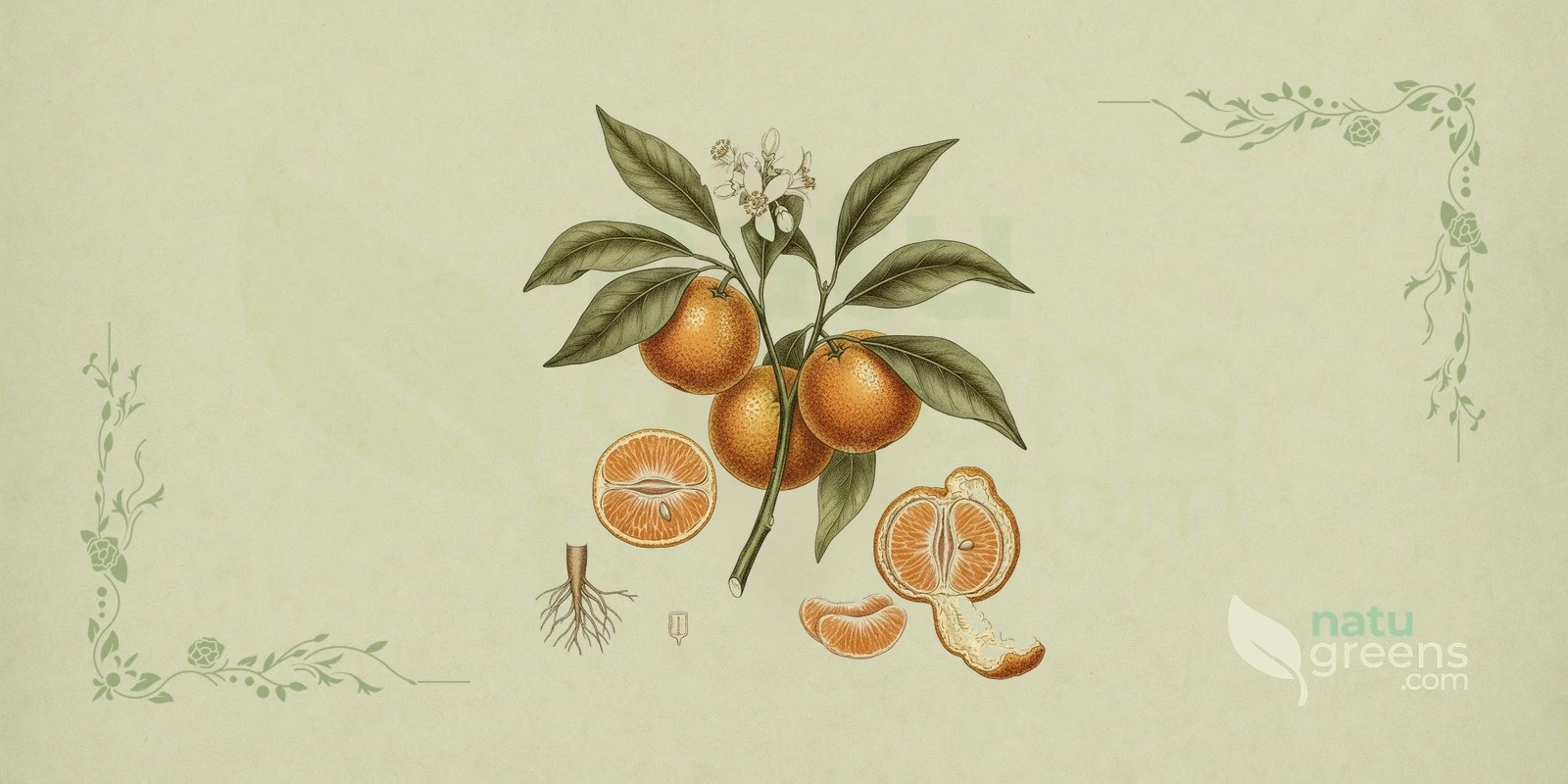
Citrus reticulata Blanco / Tangerine, popularly known in English as tangerine, mandarin or mandarin orange, and in Brazil also as tangerina, mexerica, mandarina and poncã, is a citrus fruit of the Rutaceae family native to Asia and now grown in many regions of the world for its pleasant flavor and the nutritional value of its fruits. For centuries the tangerine has held a place in traditional Asian medicine, especially in China, where the dried peel is prized in traditional preparations, while the fruits, with their easy-to-remove peel and juicy segments, are eaten fresh or turned into juices, essential oils and teas.
In folk tradition and herbal medicine, the tangerine is valued for its wealth of vitamins, minerals and bioactive compounds, among them flavonoids and carotenoids with antioxidant, anti-inflammatory and immunomodulatory activity observed mainly in laboratory studies. Modern research is exploring the potential of Citrus reticulata in different areas of health, but most of these findings are still preliminary and do not replace professional care, which does not stand in the way of enjoying the fruit in many forms, from eating it fresh to preparing infusions and essential oils.
Popular and International Names of Tangerine
- English: mandarin, mandarin orange, tangerine.
- Spanish: mandarina, tangerina.
- Portuguese: bergamota (southern Brazil), fuxiqueira, laranja-cravo (northeastern Brazil), laranja-mimosa, mandarina, manjerica, mexerica, poncã, tangerina.
- French: mandarine, tangerine.
- Italian: mandarino, tangerino.
- German: Mandarine, Tangerine.
Botanical Synonyms of Citrus reticulata
The accepted scientific name for the tangerine is Citrus reticulata Blanco, but the species has gathered several botanical synonyms that still appear in the scientific literature and in taxonomic databases, a reflection of how complex citrus taxonomy is and of the different classifications proposed over time for cultivated and wild mandarins.
- Citrus × aurantium deliciosa (Ten.) Hiroë
- Citrus × aurantium tachibana Makino
- Citrus daoxianensis S.W. He & G.F. Liu
- Citrus deliciosa Ten.
- Citrus depressa Hayata
- Citrus lycopersiciformis (Lush.) Tanaka
Botanical Family: Rutaceae
The Rutaceae family brings together a diverse group of flowering plants, including trees, shrubs and herbs characterized by the presence of oil glands in their leaves and fruits. Widely distributed across the tropical and temperate regions of the world, the family is particularly abundant in South Africa and Australia, and its economic importance comes above all from the genus Citrus, which includes oranges, lemons, grapefruits and, of course, tangerines.
Plants in this family produce a wide range of secondary compounds, such as flavonoids, coumarins, limonoids and essential oils, which give many species medicinal and aromatic interest and explain the use of citrus fruits and their extracts in both traditional medicine and the pharmaceutical industry. This phytochemical diversity remains the subject of intense research, although many of the benefits attributed to citrus still await confirmation in well-designed clinical studies.
Parts of Tangerine Used
- Fruit (pulp and juice)
- Leaves
- Peel
The peel, fresh or dried, holds most of the plant’s essential oils and flavonoids and is therefore the part most widely used in traditional preparations, while the leaves turn up in homemade teas and the pulp and juice belong mainly to everyday eating.
Ethnobotanical and Traditional Uses
- Appetite stimulation
- Relief of mild nausea
- Relief of mild stomach discomfort
- Traditional support for digestive complaints and gas
Traditional records of the tangerine center on the digestive system: in traditional Chinese medicine, the dried peel, known as chen pi, is included in preparations aimed at stomach discomfort, nausea and poor appetite, a use that modern studies are still investigating and that does not replace a medical evaluation when symptoms are persistent or severe.
Therapeutic Properties of Tangerine
- Anti-inflammatory (activity observed in laboratory studies, not clinically proven)
- Antioxidant (compounds that neutralize free radicals in laboratory assays)
- Cardioprotective (effect investigated in preliminary studies)
- Diuretic (traditionally recorded as increasing fluid elimination)
- Hypocholesterolemic (effect on cholesterol investigated in preliminary studies)
- Hypoglycemic (effect on blood sugar investigated in preliminary studies, not clinically proven)
- Immunomodulatory (activity investigated in preliminary studies; the fruit is a source of vitamin C)
- Laxative (mild effect attributed to the fiber in the pulp, which eases intestinal transit)
- Neuroprotective (activity observed in laboratory studies, not clinically proven)
- Tonic (traditionally recorded as an invigorating agent for the body)
Detailed Phytochemical Profile of Tangerine
The composition of the tangerine varies with the part of the plant: the pulp and juice supply vitamin C, folate, minerals and fiber, while the peel holds the species’ most studied flavonoids, such as hesperidin and the polymethoxylated flavones nobiletin and tangeretin, as well as the essential oil, in which limonene usually predominates.
- Calcium
- Carotenes
- Citric acid
- Coumarins
- Essential oils (mainly limonene)
- Fiber (cellulose, lignin, pectin)
- Flavonoids (hesperidin, nobiletin, tangeretin)
- Folate
- Iron
- Limonoids
- Lutein
- Magnesium
- Potassium
- Thiamine
- Vitamin A
- Vitamin C
- Zeaxanthin
Preparation and Administration Forms of Tangerine
- Culinary use in salads, sauces and cakes
- Dried peel (chen pi)
- Essential oil (aromatic diffusion or diluted topical use)
- Fresh fruit
- Juices
- Teas (peel and leaf infusions)
As food, the fruit can be eaten fresh or in juices and recipes without particular restrictions for most people, whereas the more concentrated forms, such as peel extracts and essential oil, call for extra care: the oil should not be taken internally without professional guidance and, on the skin, must always be diluted in a vegetable oil and kept away from sun exposure, as detailed under Contraindications.
Synergy with Other Medicinal Plants
Digestive Health
In herbal tradition, tangerine peel is often combined with ginger (Zingiber officinale) and peppermint (Mentha × piperita) in infusions traditionally used to ease mild stomach discomfort and nausea. Ginger has a record of use as an antiemetic and digestive aid, and peppermint is known as an antispasmodic, which explains why folk use links the blend to stimulating the appetite and to a feeling of relief from gas. People with reflux or gastritis should be cautious with this combination, since both peppermint and the peel oil can irritate their stomachs.
Immune Support
In homemade preparations, tangerine also appears alongside echinacea (Echinacea purpurea) and elder (Sambucus nigra), two plants traditionally used during the cold and flu season. In this traditional record, the fruit’s vitamin C and antioxidants are added to the immunomodulatory compounds being investigated in echinacea and elder, in juices or infusions that are no substitute for medical care, and people with autoimmune diseases or taking immunosuppressants should consult a healthcare professional before turning to echinacea.
Recipes and Usage Protocols of Tangerine
Tangerine Cake
Ingredients: 3 eggs, 1 cup of brown sugar, 3 tablespoons of unsalted butter, 1 cup of whole wheat flour, 1/2 cup of rolled oats, 1 cup of freshly squeezed homemade tangerine juice, 1/2 teaspoon of baking powder and the grated zest of the tangerines used to make the juice.
Preparation: Preheat the oven to 180 °C (350 °F) and beat the brown sugar, butter and eggs until they form a smooth cream. Add the flour, oats and tangerine juice, mixing well, and finally add the zest and baking powder, stirring gently. Pour the batter into a greased pan, bake for about 40 minutes and serve warm.
Tangerine Peel Infusion
Ingredients: Peel of 4 fresh tangerines, well washed, and 1 liter of water.
Preparation: Boil the peel in the water for 2 minutes, remove from the heat and let it stand for another 10 minutes before straining and serving the tea warm or iced. This infusion is traditionally used to aid digestion and ease mild stomach discomfort, but people with reflux or gastritis may experience irritation from the peel oil and should watch their own tolerance or avoid the preparation.
Tangerine Salad Dressing
Ingredients: Juice of 2 fresh tangerines, 2 tablespoons of chopped fresh parsley, 2 tablespoons of extra virgin olive oil and 1/4 teaspoon of salt.
Preparation: Wash, peel and blend the tangerines, pouring the unstrained juice into a bowl. Add the parsley, extra virgin olive oil and salt, mix well and serve with the salad of your choice to give the dish a fresh citrus touch.
Tangerine Massage Oil (Topical Use)
Ingredients: 5 drops of tangerine essential oil and 1 tablespoon of coconut or jojoba oil.
Preparation: Dilute the essential oil in the carrier oil and use the blend for gentle massage, a traditional aromatherapy practice, always after testing it on a small area of skin. The peel essential oil is photosensitizing and should not be applied to the skin before sun exposure, so it is best to keep the areas where the blend was applied out of the sun for at least 6 hours and not to use it on broken, irritated or inflamed skin.
Lettuce and Tangerine Salad
Ingredients: 1/2 head of iceberg lettuce, 2 small tangerines or 1 large one, 4 tablespoons of olive oil, 2 tablespoons of orange juice, 1 tablespoon of lemon juice, 1 tablespoon of honey, 1 teaspoon of Dijon mustard and 1/2 teaspoon of salt.
Preparation: In a bowl, whisk together the olive oil, Dijon mustard, orange juice, lemon juice, honey and salt until the dressing is smooth. Peel the tangerines, separate the segments and add them to the washed lettuce, then pour over the dressing and toss well before serving. The salad provides vitamins and fiber and works well as a light, nourishing meal.
The preparations above follow traditional records and do not replace professional guidance. Before any internal use, check the contraindications and interactions described in this article.
Associated Therapies
Aromatherapy
Tangerine essential oil is widely used in aromatherapy, which values its sweet citrus scent as relaxing and uplifting, and in this practice inhaling it is often associated with reduced stress and anxiety and with a sense of calm and well-being, an effect that preliminary studies on citrus oils are investigating but that does not replace professional care for anxiety. The oil can be diffused into the room, where it is also appreciated for its purifying qualities, or applied diluted in a carrier oil to the wrists and temples, bearing in mind that these areas are exposed to the sun and that the peel oil is photosensitizing, which makes diffusion the safest option during the day.
Herbal Medicine
In herbal medicine, tangerine is used mainly for its digestive and immunomodulatory record: peel extracts are traditionally used to aid digestion, ease nausea and stimulate the appetite, and the fruit’s high vitamin C and antioxidant content means it is often mentioned as support for immunity within a balanced diet. Modern research is exploring peel compounds in formulations aimed at cardiovascular and metabolic support, but these studies are still mostly preclinical or preliminary, and concentrated extracts should be used only under professional guidance, especially by people on long-term medication.
Clinical Nutrition
In clinical nutrition, tangerine is considered a functional food and appears frequently in meal plans as a source of fiber, which contributes to gut health and helps moderate sugar absorption, making it useful for people with constipation and, in controlled portions, for those with diabetes. Its vitamin C and antioxidant content makes the fruit part of dietary patterns that observational studies associate with a lower risk of chronic diseases, although eating tangerines on their own does not keep these conditions at bay, and dietitians often include it in weight-loss plans because of its low calorie content and good satiating power.
Contraindications and Side Effects of Tangerine
Tangerine is generally safe for most people when eaten in food amounts, but some precautions deserve attention, especially when using the peel, concentrated extracts and the essential oil. People allergic to citrus fruits may experience tingling, itching, redness, swelling or burning of the skin and, in rare cases, digestive or respiratory symptoms, in which case consumption should be stopped and medical advice sought without delay.
Pregnant and breastfeeding women and children can eat the fruit as food, but should not use concentrated peel extracts or essential oil without professional guidance, since safety data for these forms in these groups are lacking. People taking glucose-lowering medication should talk to their doctor before using peel extracts, because tangerine compounds are being investigated for a possible effect on blood glucose that could add to that of the medication.
Drug Interactions
Caution is advised with medications metabolized by the CYP3A4 enzyme, as with grapefruit, though to a lesser degree. The evidence is limited and comes from few studies, one of which assessed the effect of tangerine juice and tangeretin on midazolam metabolism, but the precaution applies to drugs processed by the liver, such as lansoprazole, midazolam, ondansetron, prednisone and sertraline, as well as some antihistamines, immunosuppressants and sedatives. In these cases, tangerine may alter the way the body processes the medication, changing its effectiveness or increasing the risk of adverse effects, so patients taking these substances should consult their doctor or pharmacist before eating large amounts of the fruit or using extracts and essential oil.
Gastric Irritation and Reflux
People with reflux or gastritis may experience irritation from the peel oil, which is present in teas, zest and extracts, so they should start with small amounts and stop if heartburn, a burning sensation or abdominal discomfort appears. The natural acidity of the pulp and juice can also bother sensitive stomachs when the fruit is eaten on an empty stomach or in large quantities.
Photosensitivity
The peel essential oil is photosensitizing and should not be applied to the skin before sun exposure. Like other citrus oils, it can cause skin irritation, burns or dark spots when topical application, even diluted, is followed by sun, which is why avoiding sun exposure for at least 6 hours after using products containing tangerine essential oil is recommended, a precaution that matters even more for people with sensitive skin or who apply the oil to exposed areas.
Historical Notes and Interesting Facts
The history of Citrus reticulata goes back thousands of years: native to Asia, especially China and Southeast Asia, the fruit has been cultivated for more than 3,000 years and has become a symbol of good luck and prosperity in many Asian cultures, where it often appears in New Year celebrations. The name “tangerine” comes from the city of Tangier, in Morocco, an important port from which the fruit was shipped to Europe and other parts of the world in the 19th century, and in China the dried, aged peel called chen pi has long been an ingredient in both traditional medicine and cooking.
In Brazil, the tangerine goes by a variety of popular names depending on the region, such as mexerica, poncã, mandarina and bergamota, a diversity that reflects the country’s cultural richness and the fruit’s adaptation to different local settings. Citrus reticulata is valued not only for its juicy, aromatic fruit but also for its leaves and peel, used in cooking, traditional medicine and essential oil production, and its ease of peeling combined with the sweetness of its segments makes it one of the most popular citrus fruits in the world.
Frequently Asked Questions about Tangerine
Can You Eat Tangerines Every Day?
Yes, tangerines can be eaten daily as part of a balanced diet, since they provide vitamins, minerals and fiber. People allergic to citrus fruits should avoid them, and those with reflux or gastritis may experience irritation from the peel oil, so it is wise to watch your tolerance and talk to a healthcare professional if you have a specific condition.
Do Tangerines Contribute to Immunity?
Tangerines are a good source of vitamin C and antioxidants, nutrients that take part in the normal functioning of the immune system when they are part of a balanced diet. The immunomodulatory effects attributed to the fruit’s compounds come mainly from preliminary studies, and eating it does not replace medical treatment in case of infection.
Can People with Diabetes Eat Tangerines?
People with diabetes can eat tangerines in controlled portions, within a supervised meal plan, because the fruit provides fiber that helps moderate sugar absorption, although it also contains natural sugars. The effect of peel extracts on blood glucose is still under investigation, and anyone taking glucose-lowering medication should talk to their doctor before using them.
Do Tangerines Interact with Medications?
Yes, caution is advised with medications metabolized by the CYP3A4 enzyme, as with grapefruit, though to a lesser degree. The interaction may involve drugs processed by the liver, such as some antihistamines, immunosuppressants and sedatives, as well as substances such as midazolam and sertraline, and anyone on long-term treatment should consult their doctor or pharmacist before consuming large amounts of the fruit, extracts or essential oil.
Can Tangerine Essential Oil Be Applied to the Skin?
It can, provided it is diluted in a vegetable oil such as coconut or jojoba oil and kept away from sun exposure, because the peel essential oil is photosensitizing and should not be applied to the skin before sun exposure. After topical use, it is recommended to keep the area out of the sun for at least 6 hours, since the combination can cause irritation, burns or spots on the skin.
Are Mexerica, Ponkan and Clementine the Same Fruit?
Not exactly, since mexerica and ponkan (called poncã in Brazil) are tangerine varieties (Citrus reticulata) that differ in shape, size, peel texture and flavor, with mexerica usually smaller and more tart and ponkan larger, with a looser peel and a sweeter taste. Clementine, for its part, is a seedless, easy-to-peel hybrid, and all of them share the basic nutritional features of tangerines, each with its own nuances of aroma and flavor.
Notice: this content is for informational purposes and does not replace professional medical advice. Consult a physician or herbal practitioner before using medicinal plants, especially during pregnancy, breastfeeding, or alongside medication.
References and Scientific Studies
Peer-Reviewed Scientific Studies (4)
- PMC2000 Backman JT, et al. Lack of correlation between in vitro and in vivo studies on the effects of tangeretin and tangerine juice on midazolam hydroxylation. Clin Pharmacol Ther. 2000.
- PMC2026 Castro JWG, et al. Citrus reticulata Blanco: A Review on Chemical Composition and Biological Activities. Chem Biodivers. 2026.
- PMC2024 Shi M, et al. Recent Advances in the Health Benefits and Application of Tangerine Peel (Citri Reticulatae Pericarpium): A Review. Foods. 2024.
- PMC2026 Zhang J, et al. Citrus reticulata Essential Oil as a Bioactive Food Ingredient: Composition Variability, Extraction, Functional Bioactivities, and Cross-Study Quantitative Analysis. Food Sci Nutr. 2026.
Supplementary Readings (1)
- 2025 Flora e Funga do Brasil. Citrus reticulata Blanco. Jardim Botânico do Rio de Janeiro. Acesso em: 14 out. 2025.