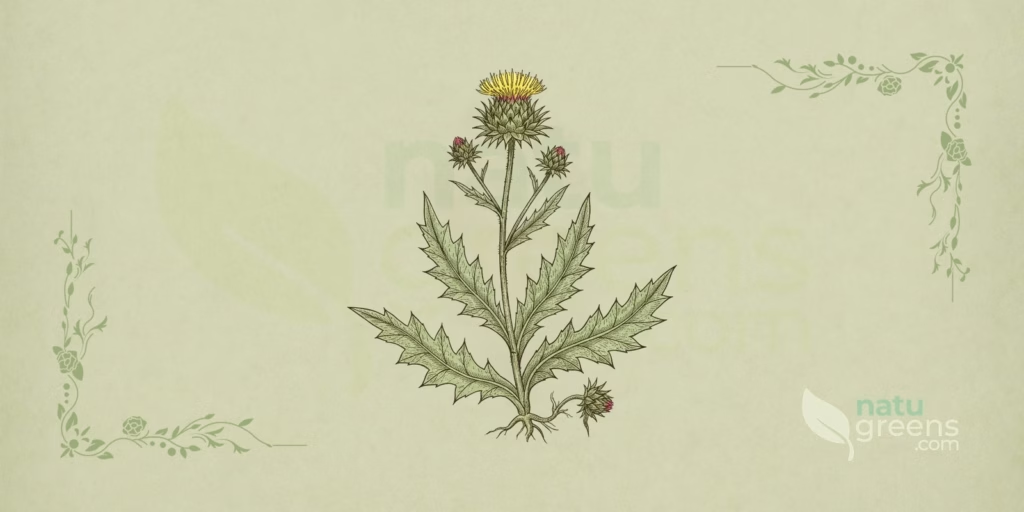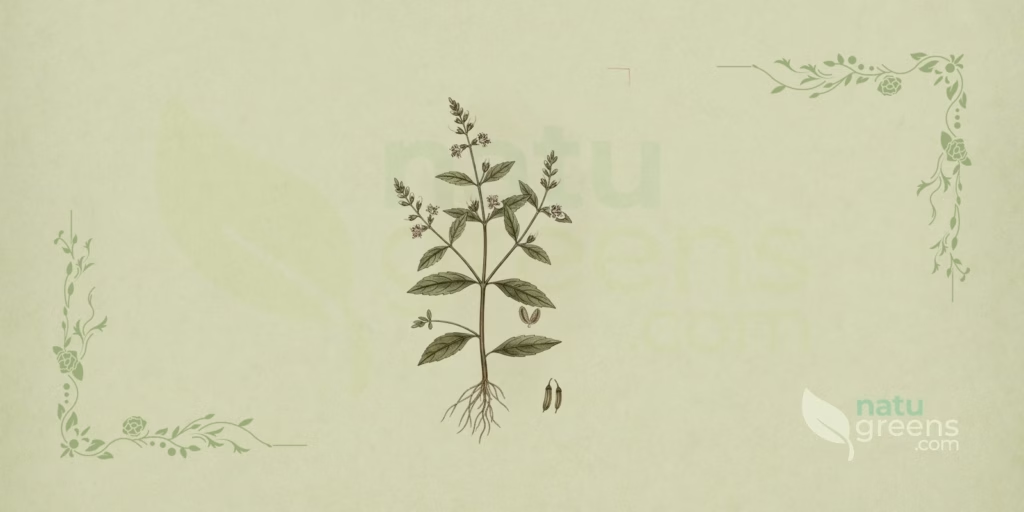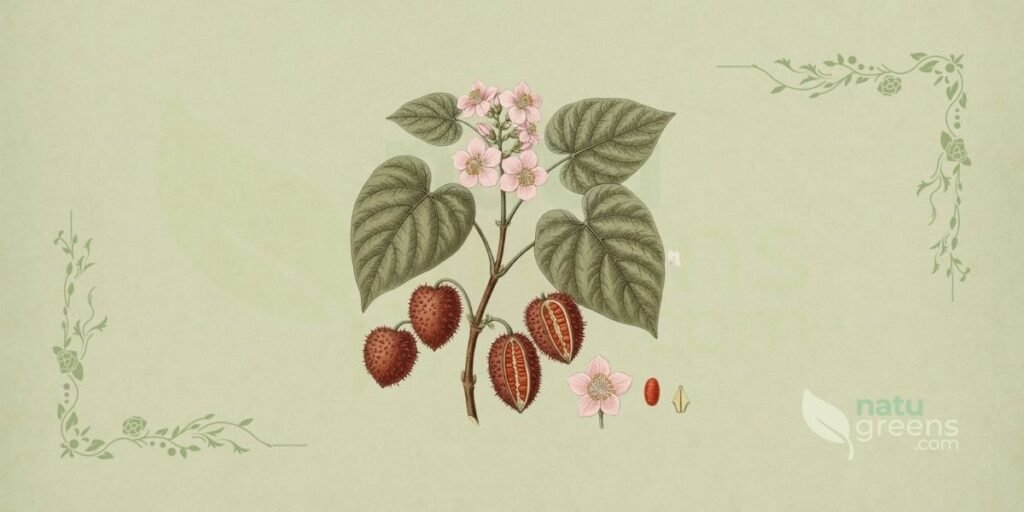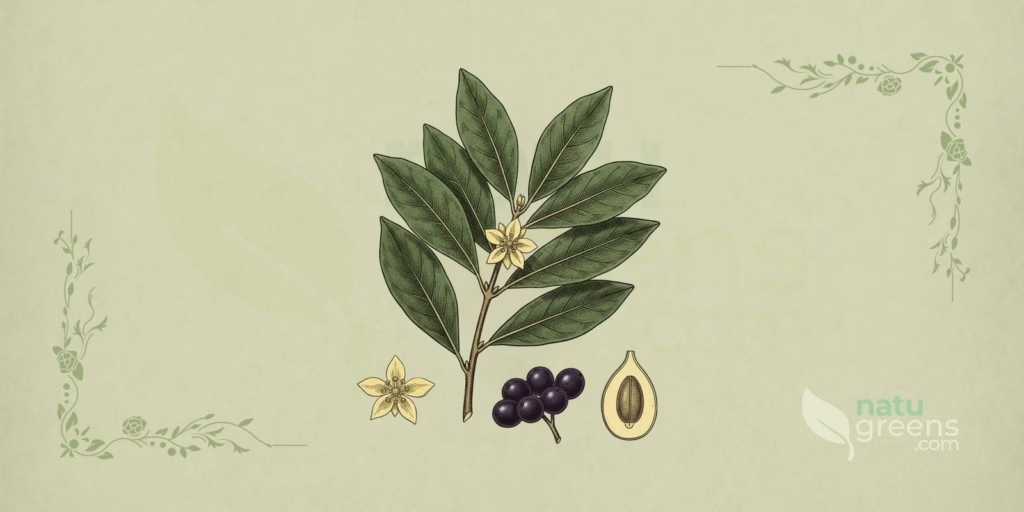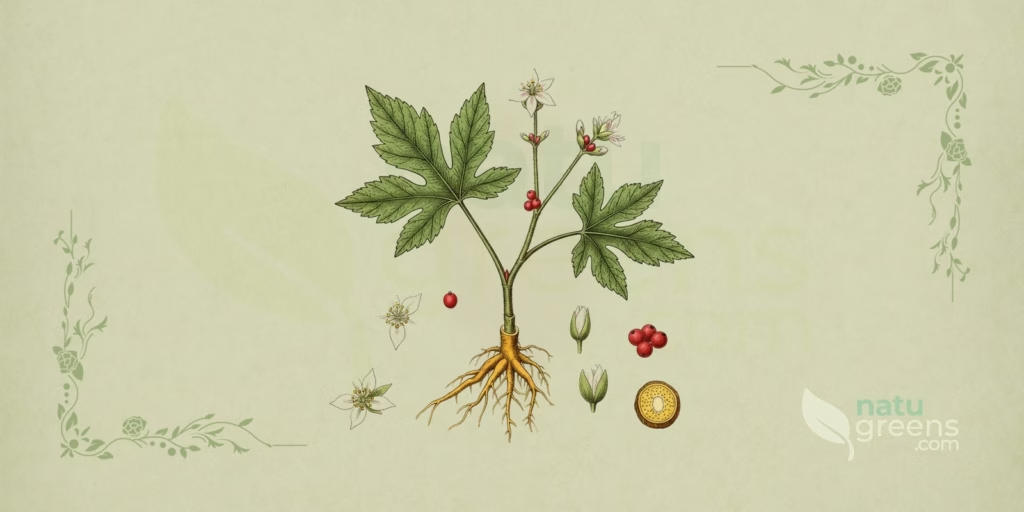
Agathosma betulina (P.J. Bergius) Pillans / Buchu, commonly known as buchu, is a perennial aromatic plant of the Rutaceae family, native to the low-lying mountains of western South Africa, where it grows near streams within the fynbos vegetation. Valued for centuries by traditional African medicine, which employs it for a wide variety of health complaints, the species has small, glossy leaves that release a distinctive scent when crushed and that are, by far, the part most widely used in both homemade and commercial preparations.
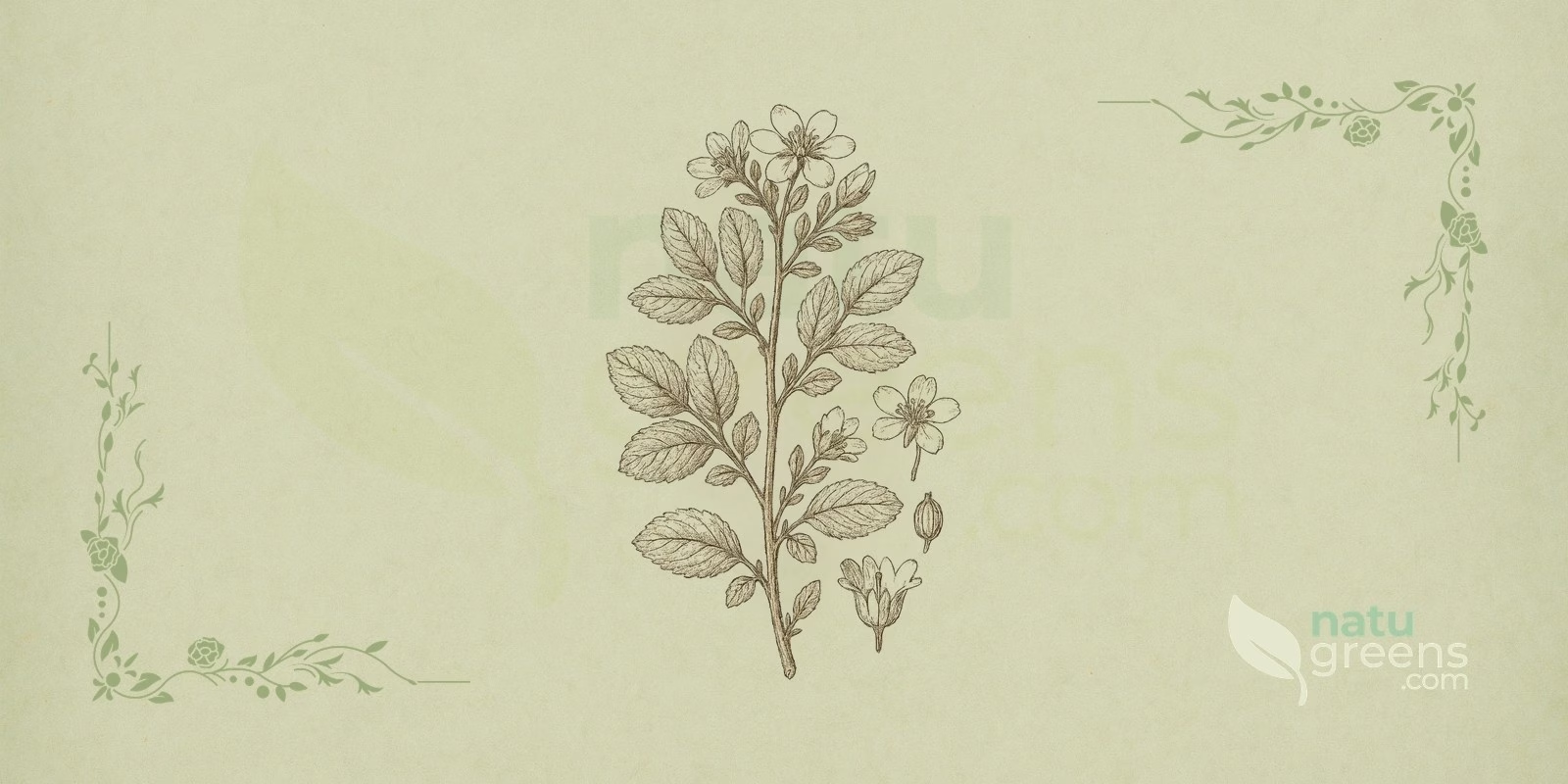
The plant’s phytochemical makeup, rich in essential oil and flavonoids, underlies the diuretic, antiseptic and anti-inflammatory actions that tradition attributes to it, and buchu has become the subject of scientific studies that seek to verify these uses and explore new applications, most of them still at the laboratory stage. Its importance goes beyond folk medicine, since the leaves also flavor teas and liqueurs, and the growing demand for the plant has driven commercial cultivation, a way of easing the pressure on wild populations and preserving this much sought-after species.
Popular and International Names of Buchu
- English: buchu, honey buchu, mountain buchu, round-leaf buchu, short buchu.
- Spanish: buchú, buco, bucú.
- Portuguese: buchu, buco.
- French: bucco, buchu, buchu court, buchu doux, buchu rond.
- Italian: bucco, buchu.
- German: Buchu, Duftraute.
Botanical Synonyms of Agathosma betulina
Agathosma betulina (P.J. Bergius) Pillans is the currently accepted name for the species, but the botanical literature records synonyms that reflect its taxonomic history:
- Barosma betulina (P.J. Bergius) Bartl. & H.L. Wendl.
- Diosma betulina P.J. Bergius
Of these names, Barosma betulina is the best known and still appears frequently in older texts and in some commercial references, and it also survives in homeopathy, which keeps the name Barosma. Other species of the genus, such as Agathosma crenulata, are sometimes confused with buchu because they look alike and share similar uses, although they are chemically distinct.
This distinction matters in herbal medicine because the phytochemical profiles of the two species differ, and the review literature reports higher levels of pulegone, a hepatotoxin, in the oil of A. crenulata than in that of A. betulina. Knowing the synonyms and the closely related species therefore helps ensure that the plant is correctly identified and avoids substitutions that would compromise safe use, while modern botanical research continues to refine the classification of the group.
Botanical Family: Rutaceae
Agathosma betulina belongs to the Rutaceae family, a diverse group that includes citrus fruits such as orange and lemon, along with many other aromatic and medicinal species. The family is distinguished by the oil glands found in the leaves, which produce the volatile compounds responsible for the typical aromas of its members, several of which are valued at the same time in cooking, in ornamental gardening and in herbal medicine.
Plants of this family tend to be rich in flavonoids, coumarins and essential oils, compounds that give many of them relevant pharmacological activity. In the case of buchu, the presence of these substances helps explain the diuretic, antiseptic and anti-inflammatory actions that tradition attributes to it, and phytochemical research continues to investigate the potential of species in the Rutaceae family.
Parts of Buchu Used
- Essential oil
- Leaves
The leaves, used fresh or dried, concentrate the essential oil responsible for the plant’s aroma and are the raw material for teas, tinctures, poultices and the traditional buchu brandy. The essential oil distilled from them is used mainly for its aroma and as a flavoring agent, and it should not be applied undiluted to the skin or taken by mouth, as detailed under Contraindications.
Ethnobotanical and Traditional Uses
The list below brings together records from traditional South African medicine and from the historical medical literature on buchu, and it carries no value as an indication for use. Conditions such as gonorrhea, hypertension, pulmonary edema and kidney stones require medical diagnosis and follow-up, and confirmed urinary tract infections call for conventional treatment.
- Bladder stones
- Bruises
- Chronic arthritis
- Cold and fever relief
- Cystitis
- Edema and pulmonary edema
- Flatulence (intestinal gas)
- Fungal infections
- Gonorrhea
- Gout
- Hypertension
- Indigestion
- Kidney inflammation (historical record; kidney disease rules out use without medical guidance)
- Kidney stones
- Leucorrhea
- Musculoskeletal pain relief
- Prostatitis
- Swelling
- Urethritis
- Urinary incontinence
- Urinary tract infections
Therapeutic Properties of Buchu
- Anti-inflammatory (action attributed by tradition and investigated only in laboratory studies)
- Antiseptic (traditional record of use against microorganisms; the essential oil has shown antimicrobial activity in laboratory studies)
- Aromatic (has a strong, pleasant scent)
- Carminative (traditionally used to reduce intestinal gas)
- Diaphoretic (traditional record of inducing perspiration; sudorific)
- Digestive (employed by tradition to aid the digestion of food)
- Diuretic (traditional record of increasing urine volume; the effect added to that of diuretic drugs calls for caution)
- Kidney Tonic (a term from traditional herbal medicine; the essential oil can irritate the kidneys at high doses, and use in kidney disease requires medical guidance)
- Uterine Tonic (traditional record of action on the uterus, which is why use is contraindicated in pregnancy)
These properties derive mainly from traditional use and from laboratory studies of the essential oil, and scientific reviews of buchu point to the scarcity of clinical trials confirming its efficacy in humans.
Detailed Phytochemical Profile of Buchu
- Alpha-pinene
- Alpha-terpinene
- Ascorbic acid
- Barosma camphor
- Camphene
- Diosmin
- Diosphenol
- Hesperidin
- Isomenthone
- Mucilage
- Pulegone
- Resin
- Rutin
- Selenium
The essential oil concentrates monoterpenes such as diosphenol, isomenthone and pulegone, while flavonoids such as diosmin, hesperidin and rutin are present in the leaves. Pulegone, being hepatotoxic, is the component that weighs most heavily in the safety assessment of the plant and accounts for much of the restriction on excessive or prolonged consumption.
Preparation and Administration Forms of Buchu
- Brandy
- Essential oil (only diluted and for aromatic or external use, never undiluted on the skin or by mouth)
- Infusion
- Poultice
- Tea
- Tincture
Preparations for internal use, such as tea, infusion and tincture, should have their amount and duration defined with a health professional, whereas the fresh-leaf poultice is for external use and buchu brandy belongs to the folk tradition of the Cape region. To keep dried leaves in good condition, store them in airtight glass or metal containers in a cool, dark and dry place, since light, heat and humidity degrade the active compounds; properly stored, they retain their quality for up to a year.
Synergy with Other Medicinal Plants
Urinary Health
Because of its traditional record of diuretic and urinary antiseptic action, buchu appears in folk formulas alongside other plants used for urinary tract complaints, such as bearberry (Arctostaphylos uva-ursi) and dandelion (Taraxacum officinale). Bearberry, rich in arbutin, is traditionally used as a urinary antiseptic, and dandelion has a long tradition as a diuretic, which explains why the three plants appear together in blends intended for the urinary tract. Since all of them increase urine output, the combined effect adds weight to the warning about potassium loss, and the combination should not be used without professional guidance by anyone who takes diuretics, has kidney disease, is pregnant or is breastfeeding.
Digestive Support
For digestive complaints, tradition pairs buchu with carminative plants such as peppermint (Mentha × piperita) and ginger (Zingiber officinale). Peppermint is traditionally used to relieve gas and cramps, and ginger to stimulate digestion and reduce nausea, so the combination appears in folk records concerning indigestion and flatulence, without any clinical studies assessing the effect of the blend.
Joint Pain Relief
For joint pain, the traditional record combines buchu with plants of traditional anti-inflammatory use, such as turmeric (Curcuma longa) and white willow (Salix alba), a source of salicylates. Curcumin and salicylates are being investigated for their action on inflammation, and tradition employs the pairing for complaints such as arthritis and gout; anyone taking anticoagulants, however, should avoid the combination without medical guidance, because white willow and buchu itself may interfere with these medications.
Recipes and Usage Protocols of Buchu
Infusion for Urinary Health
Ingredients: a small amount of dried buchu leaves and one cup of boiling water.
Preparation: Place the leaves in a cup, pour in the boiling water, cover and let steep for 5 to 10 minutes before straining. Tradition uses this infusion as a diuretic and for urinary complaints such as cystitis and urethritis, but the daily amount and length of use need to be set individually, since prolonged use can irritate the urinary tract and the kidneys, so consult a health professional. A confirmed urinary infection requires medical assessment, and the infusion should not be used during pregnancy or breastfeeding, nor in kidney disease without medical guidance.
Buchu Tincture for Internal Use
Ingredients: 20 g of dried buchu leaves and 100 ml of 70% grain alcohol.
Preparation: Place the leaves in a dark glass jar, cover them with the alcohol, seal tightly and leave to macerate for 2 to 4 weeks in a cool, dark place, shaking the jar daily, then strain and store the resulting tincture. Tradition employs the tincture for kidney and urinary complaints, but the dose, frequency and duration depend on individual assessment, so consult a health professional before use; the tincture should not be used during pregnancy or breastfeeding, nor in kidney disease without medical guidance.
Poultice for Bruises and Swelling
Ingredients: fresh buchu leaves and a little hot water.
Preparation: Crush the fresh leaves into a paste, adding a little hot water if it needs warming, and check the temperature before applying it to the bruised, sprained or swollen area. Cover with a clean cloth and leave on for 30 minutes to 1 hour, bearing in mind that tradition uses this poultice to ease local pain and swelling and that the application should be stopped if redness, itching or burning appears, since allergic reactions are possible in people sensitive to plants of the Rutaceae family. The recipe uses the leaves, not the essential oil, which should never be applied undiluted to the skin.
The preparations above follow traditional records and do not replace professional guidance. Before any internal use, check the contraindications and interactions described in this article.
Associated Therapies
Clinical Herbal Medicine
In clinical herbal medicine, buchu is valued for its record of diuretic and urinary antiseptic action and appears in standardized extracts and capsules that the herbal tradition employs for complaints such as urinary infection, cystitis and prostatitis, as well as rheumatic pain and gout, although clinical studies confirming these uses remain scarce. The dose and form of administration need to be adjusted by health professionals, who take into account each patient’s condition, the renal contraindications and possible drug interactions, and buchu is no substitute for the medical treatment of urinary infections.
Homeopathy
In homeopathy, buchu is listed as Barosma or Agathosma betulina and described in the materia medica for complaints of the urinary system, such as cystitis with pain and burning on urination and bladder irritation, as well as prostate problems and rheumatic pains. The homeopathic remedy is prepared from the leaves of the plant and given in specific dilutions, according to the principles of this practice, and the choice of potency and frequency depends on a qualified practitioner’s assessment of the overall symptom picture.
Contraindications and Side Effects of Buchu
General Contraindications
Buchu (Agathosma betulina) is a diuretic plant, and its essential oil is rich in compounds that can irritate the urinary tract and the kidneys at high doses or with prolonged use. For this reason, the following restrictions apply to any form of use of the plant:
- Caution in people taking diuretics, because of the combined effect.
- Contraindicated in pregnancy and breastfeeding.
- Do not apply the essential oil undiluted to the skin, and do not ingest the oil.
- Do not use in kidney disease without medical guidance.
In pregnancy, the plant’s potential emmenagogue and uterine-stimulant effect may induce miscarriage or affect the fetus, which is the basis for the contraindication. People with pre-existing kidney or stomach problems should avoid using it, because buchu can irritate these organs, and anyone with acute urinary inflammation should also refrain from taking it. In children, the lack of specific studies on safety and dosage makes it prudent to avoid the plant without professional guidance, and it should never be given to infants; in any case, consult a health professional before starting use, especially if there is any underlying health condition.
Side Effects and Toxicity
In large amounts, buchu can cause diarrhea and gastrointestinal irritation, and because the essential oil contains pulegone, a hepatotoxin, excessive or prolonged consumption may harm the liver. The plant can also increase menstrual flow and, at high doses, lead to potassium loss through its diuretic effect, besides triggering allergic reactions in people sensitive to plants of the Rutaceae family, which is why the usage guidance set by the health professional must be followed strictly.
Drug Interactions
Because of its diuretic action, buchu may interact with diuretic medications and intensify the loss of potassium and other electrolytes, and it may also interfere with anticoagulants and raise the risk of bleeding. People taking diabetes medications (hypoglycemic drugs) should monitor their blood glucose, since buchu may have a mild hypoglycemic effect, and the doctor or pharmacist should always be informed of all medications and supplements in use before starting the plant.
Historical Notes and Interesting Facts
Origins in Traditional African Medicine
Buchu has a long history in the traditional medicine of the Khoisan peoples of South Africa, who have used it for centuries and regarded it as a sacred plant, also employed in rituals and as an insect repellent. The Khoisan chewed the fresh leaves to relieve stomach aches and prepared infusions for complaints ranging from urinary problems to rheumatism, a cultural heritage that shows the central place the plant held in the health and well-being of these communities.
The Famous Buchu Brandy
One of the best-known curiosities about the plant is buchu brandy, a traditional drink of the Cape region linked to the knowledge of the Khoikhoi, a native people of southwestern Africa, which is made by macerating the leaves in brandy and began as a medicinal tonic. The tradition endures to this day, and the drink is still sold and enjoyed as a folk remedy for various ailments, with a characteristic flavor often compared to that of blackcurrant, which gives it a singular historical and culinary value.
International Recognition and Cultivation
From the 18th century onward, buchu gained international recognition when it was taken to Europe as a valuable medicinal plant, and its growing popularity led to intensive exploitation of wild populations. The threat of scarcity encouraged the cultivation of Agathosma betulina, now carried out on specialized farms in South Africa that secure the supply and help preserve the species for future generations, an example of how traditional knowledge can coexist with modern sustainability practices.
Frequently Asked Questions about Buchu
Can Buchu Tea Be Taken Daily?
Daily, continuous use should not be undertaken without guidance, because buchu essential oil contains compounds that can irritate the urinary tract and the kidneys at high doses or with prolonged use. The diuretic effect can also lead to potassium loss, and pulegone can harm the liver when consumption is excessive, so the amount and duration of use should be defined with a health professional.
Is Buchu Used for Urinary Infections?
Yes, buchu has a long tradition of use for urinary complaints such as cystitis and urethritis, and its essential oil has shown antimicrobial activity in laboratory studies. Clinical studies confirming this effect in people are still lacking, however, and a urinary infection needs medical assessment, since the plant is no substitute for conventional treatment.
What Are the Main Side Effects of Buchu?
With excessive use, buchu can cause diarrhea and irritation of the stomach and kidneys, and the pulegone in the essential oil, a hepatotoxin, makes prolonged or high-dose consumption harmful to the liver. The plant can also increase menstrual flow, cause potassium loss and trigger allergies in people sensitive to plants of the Rutaceae family, so professional guidance should always be respected.
Who Should Avoid Buchu?
Buchu is contraindicated during pregnancy and breastfeeding and should not be used in kidney disease without medical guidance, and it should also be avoided by people with stomach problems or acute urinary inflammation. In children, it should only be used under professional guidance, and the plant must never be given to infants.
Does Buchu Interact with Other Medications?
Yes, and people taking diuretics need to be cautious, because the combined effect can increase the loss of potassium and other electrolytes. Buchu may also raise the risk of bleeding with anticoagulants and alter blood glucose in people taking diabetes medication, so tell your doctor or pharmacist about all the medications and supplements you use before starting.
Can Buchu Essential Oil Be Used Undiluted?
No, buchu essential oil should not be used undiluted on the skin or ingested, because it concentrates compounds that can irritate the urinary tract and the kidneys, as well as pulegone, a hepatotoxin. The homemade preparations described in this article use the leaves of the plant, and any use of the oil should be guided by a health professional.
Notice: this content is for informational purposes and does not replace professional medical advice. Consult a physician or herbal practitioner before using medicinal plants, especially during pregnancy, breastfeeding, or alongside medication.
References and Scientific Studies
Peer-Reviewed Scientific Studies (5)
- PMC2022 Brendler T, Abdel-Tawab M. Buchu (Agathosma betulina and A. crenulata): Rightfully Forgotten or Underutilized?. Frontiers in Pharmacology. 2022.
- PMC2020 Cohen SM, et al. FEMA GRAS assessment of natural flavor complexes: Mint, buchu, dill and caraway derived flavoring ingredients. Food and Chemical Toxicology. 2020.
- PMC2001 Lis-Balchin M, et al. Buchu (Agathosma betulina and A. crenulata, Rutaceae) essential oils: their pharmacological action on guinea-pig ileum and antimicrobial activity on microorganisms. Journal of Pharmacy and Pharmacology. 2001.
- PMC2008 Moolla A, Viljoen AM. ‘Buchu’, Agathosma betulina and Agathosma crenulata (Rutaceae): a review. Journal of Ethnopharmacology. 2008.
- PMC2012 National Institute of Diabetes and Digestive and Kidney Diseases. Buchu. LiverTox: Clinical and Research Information on Drug-Induced Liver Injury. 2012.
Supplementary Readings (1)
- Medicina Natural. Agathosma betulina (BUCHU; DIOSMA).