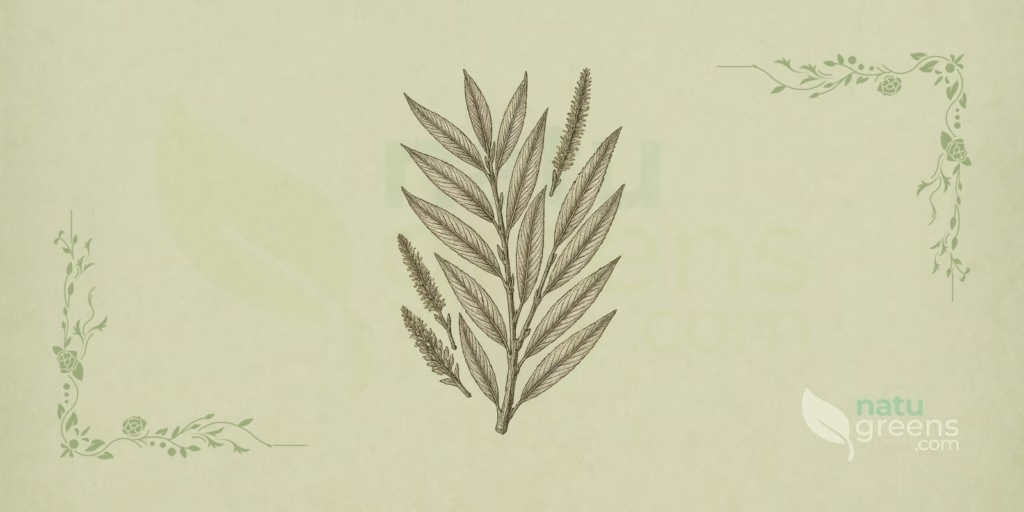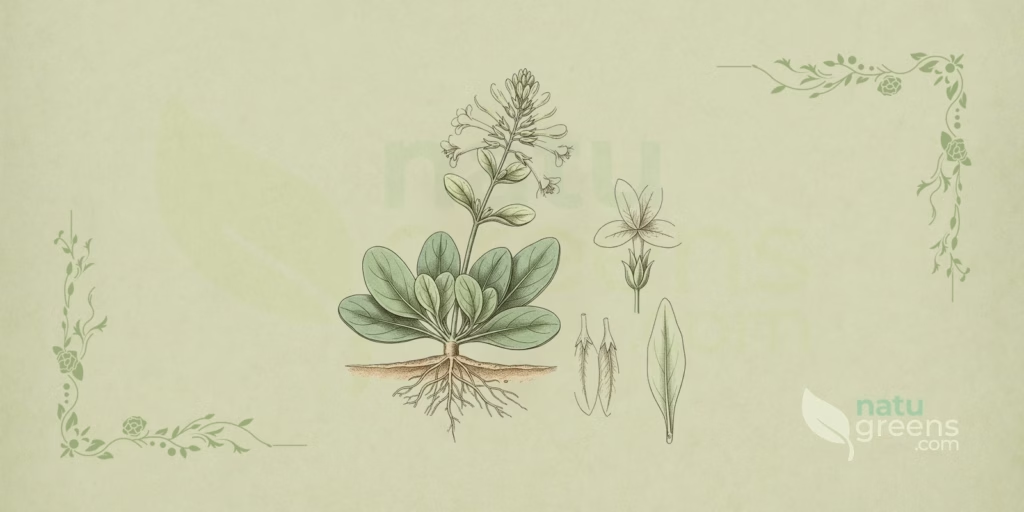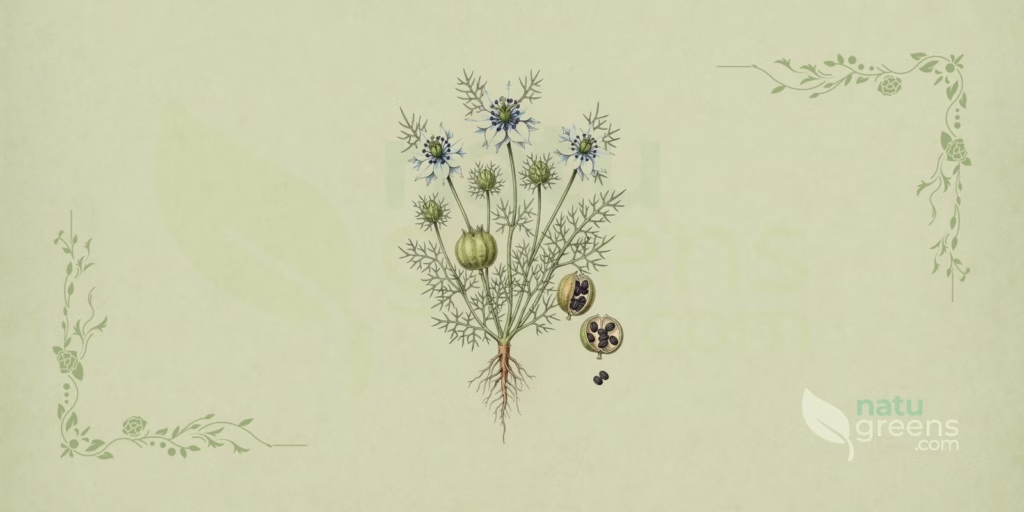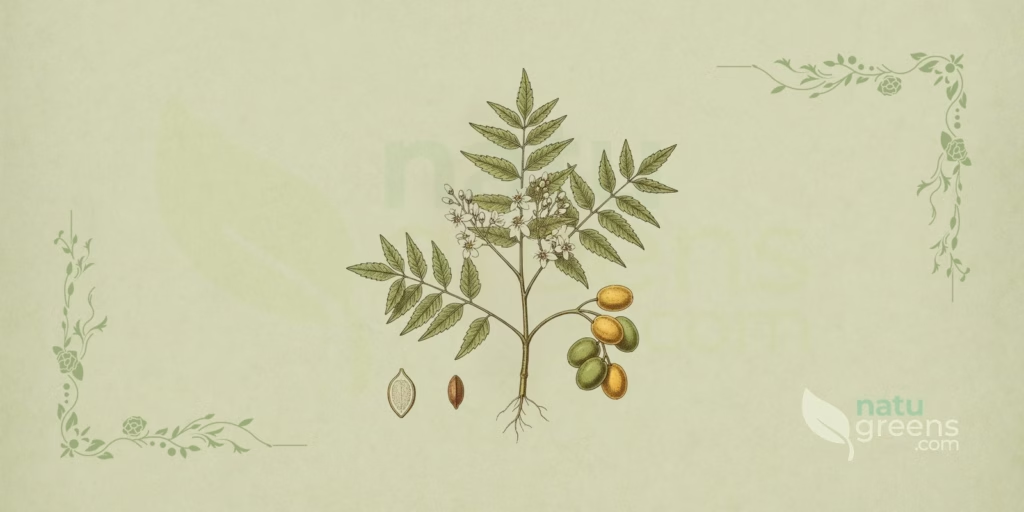
Dictamnus albus L. / Gas Plant, commonly known as gas plant, burning bush or fraxinella, is a herbaceous perennial in the Rutaceae family, native to parts of Europe and Asia. Used for centuries in traditional medicine, particularly in China and Korea, and with a long presence in European herbalism as well, gas plant is now remembered more for its risks than for its benefits: the whole plant is rich in furanocoumarins, causes severe burns on skin exposed to the sun and has accumulated reports of liver damage associated with internal use.

In Chinese medicine, the corresponding herbal drug, the root bark known as bai xian pi, is attributed to Dictamnus dasycarpus, an Asian form that some botanists regard as a separate species and others consider a subspecies or variety of D. albus, and a large share of the available pharmacological and toxicological studies was carried out on this form. This guide brings together the uses recorded by tradition, the chemistry of the plant and, with particular emphasis, the precautions anyone should know before handling, growing or considering consuming gas plant.
Popular and International Names of Gas Plant
- English: burning bush, dittany, fraxinella, gas plant.
- Spanish: díctamo blanco, fresnillo.
- Portuguese: arruda-brava, díctamo-branco, ditaminho, ditamno-branco, fraxinela, freixo-ardente.
- French: dictame blanc, fraxinelle.
- Italian: dittamo bianco, frassinella.
- German: Brennender Busch, Diptam, Weißer Diptam.
Fraxinella, the Portuguese freixo-ardente (“burning ash”) and their equivalents in other languages come from the resemblance of the leaves to those of the ash tree (Fraxinus), while the name burning bush alludes to the flammable volatile oils the plant releases on hot days. Because folk names such as the Portuguese arruda-brava (“wild rue”) can designate different plants from one region to another, it is always wise to check the scientific name before any use.
Botanical Synonyms of Dictamnus albus
- Dictamnus fraxinella Pers.
The synonym Dictamnus fraxinella, attributed to Persoon, preserves the old name fraxinella and still turns up in older works on botany and gardening. The name accepted today is Dictamnus albus L., described by Linnaeus, while the Asian populations used in Chinese medicine are usually classified separately under the name Dictamnus dasycarpus Turcz.
Botanical Family: Rutaceae
Gas plant belongs to the Rutaceae family, the same family as citrus (Citrus), rue (Ruta graveolens) and jaborandi (Pilocarpus). The family includes trees, shrubs and herbs with a wide distribution, mainly in tropical and warm temperate regions, and is characterized by essential oil glands in the leaves, visible as small translucent dots when held up to the light, which accounts for the citrus scent typical of many species. Several Rutaceae produce furanocoumarins, compounds that make the skin sensitive to sunlight, and rue and gas plant are among the best-known examples of plants capable of causing phytophotodermatitis.
Parts of Gas Plant Used
- Flowers
- Leaves
- Root bark
The root bark, bitter in taste and strong in odor, is the part most widely used medicinally in Asian tradition, while the leaves and flowers appear in European records of infusions and in the homeopathic preparations made from the fresh leaves. The whole plant contains furanocoumarins, especially the leaves and the volatile oil, so handling the fresh plant directly calls for gloves and clothing that covers the skin.
Ethnobotanical and Traditional Uses
Gas plant has a long history in traditional Chinese medicine, with records going back more than 1,500 years, a period during which the root bark was used to bring down fevers and against bacterial and fungal infections. Folk medicine also used it for skin conditions such as scabies and eczema, as well as for rubella, arthritic pain and jaundice, and in Western herbalism, where it is rarely used today, the plant was once recommended for nervous complaints and intermittent fevers. Traditional records cite its use for:
- Arthritic pain
- Bacterial and fungal infections
- Fevers, including intermittent fevers
- Jaundice
- Nervous complaints
- Rubella
- Skin conditions such as eczema and scabies
These records describe historical practices, not current recommendations. Its use for jaundice, for instance, stands in contrast to modern reports of liver damage linked to internal use of the plant, and none of these uses should be reproduced without professional guidance.
Therapeutic Properties of Gas Plant
- Abortifacient (may induce abortion, with an antifertility effect of the root bark described in an experimental study; for this reason the plant is prohibited during pregnancy)
- Anthelmintic (traditionally recorded against intestinal worms)
- Antibacterial (inhibition of bacteria observed in the laboratory)
- Anticonvulsant (traditionally recorded, without clinical confirmation)
- Anti-inflammatory (activity observed in laboratory and animal studies)
- Antispasmodic (traditionally recorded for relieving spasms)
- Aromatic (leaves and flowers with a distinct citrus scent)
- Digestive (traditionally recorded as a digestive aid)
- Diuretic (traditionally recorded as increasing urine output)
- Emmenagogue (traditionally recorded as stimulating menstrual flow, another reason to avoid the plant during pregnancy)
- Expectorant (traditionally recorded as easing the clearance of mucus)
- Febrifuge (traditionally recorded against fevers)
- Galactagogue (traditionally recorded as stimulating breast milk; its use during breastfeeding is discouraged because of the plant’s toxicity)
- Stimulant (traditionally recorded as increasing the body’s activity)
- Tonic (traditionally recorded as invigorating)
The list brings together activities described by tradition and by experimental studies, none of them confirmed in clinical trials, and in the case of gas plant the toxic potential outweighs any expected benefit.
Detailed Phytochemical Profile of Gas Plant
More than 100 chemical constituents have been identified in the genus Dictamnus, among which the quinoline alkaloids, such as dictamnine, and the limonoids, such as fraxinellone, are considered the characteristic active components, alongside sesquiterpenes, coumarins and furanocoumarins, flavonoids and steroids, classes summarized below:
- Coumarins and furanocoumarins
- Flavonoids
- Limonoids (fraxinellone)
- Quinoline alkaloids (dictamnine)
- Sesquiterpenes
- Steroids
Laboratory studies attribute anti-inflammatory, antimicrobial, neuroprotective and antiproliferative activities to these compounds, the last of them observed only in cells and without clinical confirmation. The same chemical groups explain the plant’s risks: furanocoumarins and dictamnine react to ultraviolet light and cause phototoxicity in the skin, and experimental studies with the root bark of the Asian form associate fraxinellone and other components with liver toxicity.
Preparation and Administration Forms of Gas Plant
The preparation methods described by tradition are few and, given the plant’s toxicity, they appear here as a historical record and not as a suggestion for home use.
Decoction of the Root Bark
The root bark is traditionally prepared as a decoction, the form used in Chinese medicine to extract the active compounds and applied in cases of fever and infection. Because of the potency of the preparation and the reports of liver damage, this use is appropriate only under the guidance of a qualified professional.
Infusion of the Leaves
The dried leaves were once used to prepare a citrus-scented tea, cited in old records as digestive and refreshing. The infusion is not recommended for consumption without professional guidance, because the leaves concentrate furanocoumarins and the plant has toxic potential.
Synergy with Other Medicinal Plants
There are no combinations of gas plant with other herbs documented as safe and beneficial, so any pairing should be approached with extreme caution and only under the supervision of a health professional. Mixtures with other species rich in furanocoumarins, such as rue, can add to the risk of reactions on sun-exposed skin, and combinations with plants or medications that burden the liver can aggravate the risk to the liver.
Recipes and Usage Protocols of Gas Plant
Gas plant has no safe home recipes, and the two protocols below only describe how the plant appears in traditional practice; they are not meant to be reproduced at home.
Historical Record of Topical Use on the Skin
In some traditions, diluted extracts of the plant were applied to the skin in conditions such as eczema.
This use should not be reproduced at home: skin contact with the sap or leaves, followed by sun exposure, can cause severe burns and blisters, even in people who have never shown any sensitivity, and a patch test on a small area does not rule out this risk, which depends on light and not on allergy. Any preparation for external use requires guidance from a qualified professional.
Historical Record of Supervised Internal Use
In the traditions where it appears, internal use of gas plant is restricted and was only carried out under the strict supervision of a qualified practitioner.
High doses are poisonous and can damage the liver and kidneys, and there are reports of hepatotoxicity associated with internal use, which is why no home dose is given here. The plant is also used in homeopathic preparations traditionally indicated for female complaints and constipation, a topic covered under Associated Therapies.
The preparations above follow traditional records and do not replace professional guidance. Before any internal use, check the contraindications and interactions described in this article.
Associated Therapies
Homeopathy
In homeopathy, a remedy is prepared from the fresh leaves of gas plant and appears in the homeopathic materia medica for female complaints and constipation, according to the principles of that practice and without clinical confirmation of efficacy. Preparing the mother tincture involves handling the fresh plant and therefore calls for the same skin precautions described under Contraindications.
Traditional Chinese Medicine
In traditional Chinese medicine, the root bark of the Asian form, known as bai xian pi, is part of formulas aimed at skin conditions such as eczema and scabies, at fevers and at jaundice, within a tradition documented for centuries. Recent toxicological studies of this herbal drug describe liver injury in animals, and the reports of hepatotoxicity linked to internal use underline that this use depends on a prescription from a licensed practitioner.
Contraindications and Side Effects of Gas Plant
Dictamnus albus is a plant with toxic potential and should be used with extreme caution, and two risks stand out for anyone who grows, handles or considers consuming it: severe phototoxicity and liver damage.
Severe Phototoxicity and Phytophotodermatitis
Gas plant has a high furanocoumarin content throughout the whole plant, especially in the leaves and volatile oil, and is one of the plants most strongly associated with severe phototoxicity. Skin contact with the sap or leaves, followed by sun exposure, can cause phytophotodermatitis, with severe burns and blisters, redness, itching and dark patches that may persist for weeks or months, even in people with no history of sensitivity. Do not handle the fresh plant without protection: wear gloves, long sleeves and long pants when pruning or harvesting, wash your skin and tools thoroughly afterward and avoid brushing against the leaves on sunny days.
Risk of Liver Damage with Internal Use
There are reports of hepatotoxicity, that is, damage to the liver, associated with internal use of gas plant, and studies with the root bark of the Asian form reproduce liver injury in animals, while high doses are poisonous and can also affect the kidneys. For this reason, internal use is discouraged without guidance from a qualified professional, and people with liver or kidney disease, or who take medications that can burden the liver, should avoid it entirely.
Pregnancy, Breastfeeding and Children
Pregnant and breastfeeding women should not use gas plant in any form, since tradition describes it as abortifacient and emmenagogue and an experimental study identified an antifertility effect in the root bark. Children should also be kept away from the plant, both because of the risk of ingestion and because of skin contact with the leaves while playing in sunny gardens.
Other Adverse Effects
Ingestion can cause nausea, vomiting, diarrhea and abdominal pain, and phytophotodermatitis is often mistaken for an allergy or for reactions to plants such as poison ivy, which delays diagnosis. If any symptom appears after contact or ingestion, the advice is to stop the exposure and seek medical care, bringing information about the plant involved.
Historical Notes and Interesting Facts
The common name burning bush comes from the volatile oils produced by the plant, which can easily catch fire on hot days without damaging the leaves or flowers. The story goes that the daughter of the Swedish botanist Carl Linnaeus managed to ignite the air above a clump of gas plants with a match on a hot, windless day.
Beyond this chemical curiosity, gas plant is grown as an ornamental, and its flowers attract plenty of bees. There are at least two named varieties, one with pink flowers and another with white flowers, and old records describe teas with distinct flavors for each, less citrusy with notes of almond and vanilla in the pink form and more citrusy in the white, a description that does not make consumption safe. The name dittany, incidentally, also refers to dittany of Crete (Origanum dictamnus), a plant from another family, a coincidence that calls for care when reading old records about gas plant.
Frequently Asked Questions about Gas Plant
Is Gas Plant Tea Safe to Drink?
No, gas plant is a toxic plant, and internal consumption can cause serious health problems, including damage to the liver and kidneys. There are reports of hepatotoxicity linked to internal use, and any use should only take place under the strict supervision of a qualified health professional.
What Are the Main Traditional Uses of Gas Plant?
In Chinese medicine, the root bark was used to bring down fevers, against bacterial and fungal infections and for skin conditions such as eczema and scabies. Tradition also records its use for arthritic pain and jaundice, uses that should not be reproduced today because of the plant’s toxicity.
Can Gas Plant Cause Skin Burns?
Yes, skin contact with the sap or leaves, followed by sun exposure, can cause phytophotodermatitis, with burns, severe blisters, redness and itching, even in people with no history of sensitivity. The reaction depends on light and not on allergy, which is why the fresh plant should only be handled with gloves and clothing that covers the skin.
Is Gas Plant Harmful to the Liver?
There are reports of hepatotoxicity associated with internal use of gas plant, and studies with the root bark of the Asian form reproduce liver injury in animals. For this reason, internal use is discouraged without professional guidance and should be avoided entirely by people with liver or kidney disease.
What Are the Active Phytochemicals in Gas Plant?
The characteristic components are the quinoline alkaloids, such as dictamnine, and the limonoids, such as fraxinellone, alongside furanocoumarins, flavonoids and sesquiterpenes. Laboratory studies associate these compounds with anti-inflammatory, antimicrobial and neuroprotective activities, but the same chemical groups account for the plant’s phototoxicity and liver risk.
Are There Gas Plant Varieties with Different Characteristics?
Yes, there are at least two named varieties: one with pink flowers, whose tea is described in old records as less citrusy with notes of almond and vanilla, and another with white flowers, with a more citrusy fragrance and flavor. The difference in aroma does not make either of them safe to consume.
Notice: this content is for informational purposes and does not replace professional medical advice. Consult a physician or herbal practitioner before using medicinal plants, especially during pregnancy, breastfeeding, or alongside medication.
References and Scientific Studies
- PMC1984 Henderson JA, et al. Gas plant (Dictamnus albus) phytophotodermatitis simulating poison ivy. Canadian Medical Association Journal. 1984.
- PMC1987 Woo WS, et al. Antifertility principle of Dictamnus albus root bark. Planta Medica. 1987.
- PMC2022 Liu J, et al. The complete chloroplast genome sequence of Dictamnus albus L. Mitochondrial DNA. Part B, Resources. 2022.