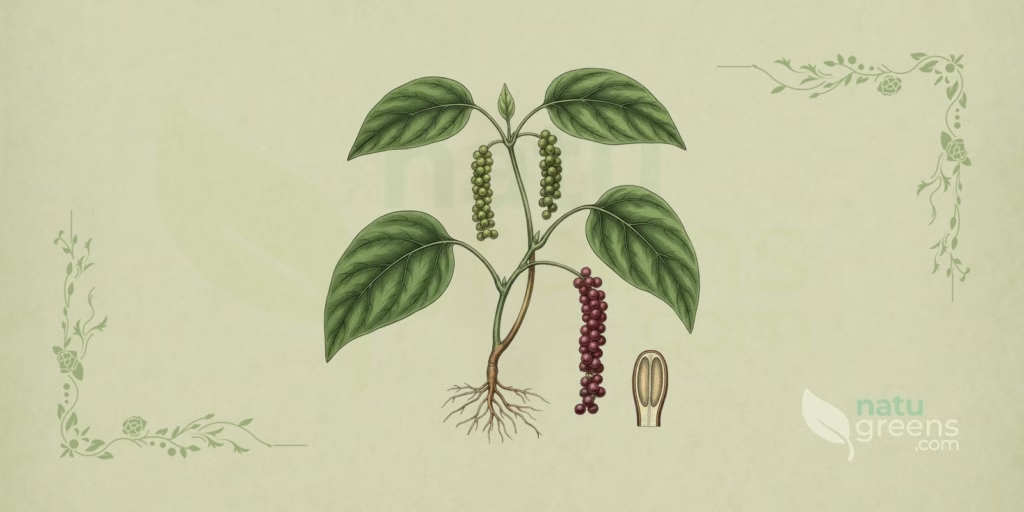
Citrus × limon (L.) Osbeck / Lemon is a small evergreen tree of the Rutaceae family, widely known for its sour, aromatic fruits that scent kitchens all over the world. Native to northeastern India, northern Myanmar and southern China, the lemon reached Europe around the 2nd century AD and the Americas with Christopher Columbus in 1493. Since then it has been valued both in cooking and in the medicinal and ethnobotanical practices of many cultures, which traditionally use it as a general tonic and for a range of everyday complaints.

In traditional medicine, lemon holds a prominent place thanks to its richness in vitamin C, antioxidants and other bioactive compounds, and its folk uses range from immune support to aiding digestion. Modern scientific research has been examining some of these ancestral uses, especially the antioxidant, anti-inflammatory and antimicrobial activities observed in laboratory and animal studies, although clinical trials in humans remain limited. This versatility explains why the species is among the most studied medicinal plants in the world. It is worth remembering, however, that in Brazil the name limão-siciliano refers only to Citrus × limon, while the everyday limão sold at street markets is usually a different species, as explained below.
Popular and International Names of Lemon
- English: lemon, lemon tree.
- French: citron, citronnier.
- German: Zitrone, Zitronenbaum.
- Italian: limone, limonella.
- Portuguese: limão (PT), limão-siciliano (BR), limoeiro, limoeiro-azedo.
- Spanish: limón, limón amarillo (LATAM), limón real (ES), limonero.
Botanical Synonyms of Citrus × limon
Citrus × limon (L.) Osbeck is the accepted scientific name for lemon, but the long history of cultivation and hybridization of the species means that different names and combinations appear in the literature. Lemon is considered a hybrid between citron (Citrus medica) and bitter orange (Citrus × aurantium), an origin that explains both the × sign in its name and the complexity of its taxonomy. Names historically associated with the species or treated as synonyms include the following:
- Citrus limon (L.) Burm. f.
- Citrus limon (L.) Osbeck (spelling without the hybrid sign, still widely used)
- Citrus medica var. limon L.
The botanical nomenclature of lemon has been the subject of a long debate, a reflection of its hybrid origin and of the enormous diversity of cultivars. World Flora Online and other taxonomic databases recognize Citrus × limon (L.) Osbeck as the preferred name. This classification as a hybrid underlines the importance of knowing the plant’s genetic origins in order to identify it accurately and study its properties without confusing it with other citrus fruits.
Botanical Family: Rutaceae
The Rutaceae family brings together a diverse group of flowering plants, including trees, shrubs and herbs, characterized by aromatic oil glands in their leaves and fruits. Widely distributed across the tropical and temperate regions of the planet, the family is particularly rich in species in South Africa and Australia. Its economic importance comes mainly from the genus Citrus, which includes the oranges, lemons, limes and grapefruits valued worldwide for their flavor, nutritional value and medicinal uses.
Plants of the Rutaceae family are known for a phytochemical makeup rich in flavonoids, coumarins, limonoids and essential oils, substances that give many species the antioxidant, anti-inflammatory and antimicrobial activities described in experimental studies. As a prominent member of the family, lemon is a good example of this wealth of bioactive compounds. Ongoing research on the Rutaceae keeps revealing new applications and deepening our understanding of how these compounds act in the human body.
Parts of Lemon Used
- Essential oil
- Fruit (juice and pulp)
- Leaves
- Peel (zest)
- Seeds
Ethnobotanical and Traditional Uses
- Appetite stimulant
- Digestive aid and relief of nausea
- Diuretic (traditional use)
- Historical prevention of scurvy on long sea voyages, as a source of vitamin C
- Household antiseptic and disinfectant
- Relief of sore throat and cough (traditional use)
- Support during fevers and colds (traditional use)
- Use in purification and cleansing rituals
Therapeutic Properties of Lemon
- Analgesic (traditionally used for mild aches)
- Antibacterial (activity observed in laboratory studies)
- Anti-inflammatory (effect observed in experimental studies)
- Antioxidant (neutralizes free radicals in laboratory studies)
- Antiviral (activity observed only in laboratory studies)
- Astringent (tightens tissues; traditionally applied topically)
- Carminative (traditionally used to reduce gas)
- Diuretic (traditionally used to increase urine output)
- Hepatoprotective (effect observed in animal studies)
- Hypoglycemic (preliminary studies, without clinical confirmation)
- Immune stimulant (traditional use; vitamin C contributes to normal immune function)
- Mucolytic (traditionally used to thin mucus)
- Wound-healing (traditionally applied topically)
Detailed Phytochemical Profile of Lemon
- Ascorbic acid (vitamin C)
- Carotenoids
- Citric acid
- Coumarins and furanocoumarins (concentrated in the peel)
- Essential oils (beta-pinene, citral, gamma-terpinene, limonene)
- Flavonoids (diosmin, eriocitrin, hesperidin, naringenin)
- Limonoids (limonin, nomilin)
- Pectin
- Polyphenols
Preparation and Administration Forms of Lemon
- Compresses
- Diluted fresh juice
- Dry extract
- Essential oil
- Fluid extract
- Poultice
- Tea (infusion of leaves or peel)
- Tincture
In cooking and home use, fresh juice should always be diluted in water, since concentrated acidity attacks tooth enamel and the stomach lining. Ideally, rinse your mouth with water after drinking it, without brushing your teeth right afterward. Extracts, tinctures and concentrated capsules have no standardized doses for home use, so the amount and duration of use should be decided together with a health professional. The essential oil obtained by expression of the peel, for its part, should be reserved for aromatherapy or for well-diluted topical application, away from sun exposure.
Synergy with Other Medicinal Plants
Immunity and Colds
Combining lemon with ginger (Zingiber officinale) and honey is a home remedy traditionally used during colds and on chilly days, when people look for immune support. According to this tradition, the vitamin C in lemon would add to the anti-inflammatory and antimicrobial properties attributed to ginger and to the soothing qualities of honey. Folk practice uses this combination to ease the discomfort of symptoms, although it does not replace medical care for infections that drag on or get worse.
Digestion and Liver Function
To support digestion, tradition pairs lemon with peppermint (Mentha × piperita) and dandelion (Taraxacum officinale). In this traditional account, the acidity of lemon would stimulate digestive secretions, peppermint would ease gastrointestinal spasms and dandelion would support liver and diuretic function. The blend is popularly used for indigestion, a feeling of fullness and flatulence, a use that should not be confused with “detox” promises, which have no scientific backing.
Cardiovascular Health
In Mediterranean cooking, lemon often appears alongside garlic (Allium sativum) and olive oil (Olea europaea), a trio that tradition associates with cardiovascular health. Preliminary studies are investigating how the flavonoids and vitamin C of lemon, the sulfur compounds of garlic and the monounsaturated fatty acids of olive oil might influence cholesterol, blood vessel elasticity and lipid oxidation. This combined antioxidant and anti-inflammatory potential, however, does not replace a balanced diet, physical activity and the care prescribed by a doctor.
Recipes and Usage Protocols of Lemon
Warm Water with Lemon
Ingredients: juice of half a fresh lemon and 200 ml of warm water.
Preparation: Squeeze the juice of half a lemon into a glass of warm water and drink it right away, without letting the drink linger on your teeth; then rinse your mouth with water and do not brush your teeth immediately afterward. It is a popular morning hydration habit, traditionally used to stimulate appetite and digestion, but the promises of “detox”, weight loss or alkalizing the body attached to this glass on an empty stomach are unsupported and cannot be made, and people with reflux or gastritis should avoid drinking it on an empty stomach.
Lemon Peel Tea
Ingredients: peel of 1 organic lemon (yellow part only) and 500 ml of water.
Preparation: Wash the fruit well and remove only the yellow part of the peel, leaving aside the white layer underneath, which is bitter. Bring the water to a boil, turn off the heat, add the peel and let it steep for 10 to 15 minutes before straining and drinking. Rich in essential oils and flavonoids, this tea is traditionally taken after meals in cases of indigestion, bloating and mild nausea.
Lemon and Honey Gargle
Ingredients: juice of 1 lemon, 1 tablespoon of honey and 200 ml of warm water.
Preparation: Stir the juice and honey into the warm water until fully dissolved and use the solution to gargle a few times a day, without swallowing. Tradition credits lemon with an astringent and antiseptic action and honey with a soothing effect on the throat, which is why this home remedy is popularly used to ease the discomfort of a scratchy throat; if the pain lasts more than a few days or comes with a high fever, seek medical care.
Lemon Face Mask for Oily Skin
Ingredients: juice of half a lemon, 1 tablespoon of honey and 1 tablespoon of plain yogurt.
Preparation: Mix the ingredients into a smooth paste and first do a patch test on a small area of skin; if there is no reaction, apply it to clean skin, avoiding the eye area, for 10 to 15 minutes, then rinse well with cold water. This mask is a folk cosmetic practice for oily skin, in which lemon contributes astringency, honey hydration and yogurt a gentle exfoliation, but it should be used sparingly, only in the evening and never before sun exposure, because lemon juice on the skin can cause dark spots and burns through photosensitivity.
Lemon Peel Tincture
Ingredients: peel of 2 organic lemons and 250 ml of 70% grain alcohol.
Preparation: Grate the peel of the lemons, using only the yellow part, place it in a dark glass jar and cover it with the alcohol. Close the jar tightly and leave it to macerate for 2 to 4 weeks in a cool, dark place, shaking it daily; at the end, strain and store the tincture. Tradition uses it as a general tonic, but since there are no safety data and no established dose for this preparation, the amount and way of using it must be decided case by case; consult a health professional before use, especially during pregnancy or breastfeeding, in children and in people taking long-term medication.
The preparations above follow traditional records and do not replace professional guidance. Before any internal use, check the contraindications and interactions described in this article.
Associated Therapies
Aromatherapy
Lemon essential oil, obtained by expression of the fruit’s peel, is one of the most versatile and widely used oils in aromatherapy, known for its fresh, citrusy and invigorating scent. Aromatherapy uses it to lift the mood, ease tension and support concentration. Preliminary studies are looking into whether inhaling the aroma can reduce nausea and feelings of stress, although the results are still limited. In topical applications, always well diluted in a vegetable carrier oil, it goes into cosmetics for oily skin and personal care products. The essential oil expressed from the peel, however, is phototoxic and must not be applied to the skin before sun exposure. In diffusers, the versatility of its scent makes it a frequent presence in room blends.
Clinical Phytotherapy
In clinical phytotherapy, lemon is valued for its richness in vitamin C, flavonoids and limonoids, compounds with antioxidant, anti-inflammatory and antimicrobial activities described in experimental studies. It appears as an adjunct for digestion and for immune support during mild respiratory conditions. Standardized extracts are being developed to increase the bioavailability of the active compounds, and research is also assessing the role of these flavonoids in cardiovascular and liver health. Any protocol involving concentrated extracts, however, should rest on scientific evidence and follow the guidance of a qualified professional, without replacing medical treatment.
Homeopathy
Lemon is not a classic homeopathic remedy with an extensive proving, but citrus fruits in general are sometimes considered in homeopathy in contexts of metabolic and liver imbalance. In this practice, the substance is used in infinitesimal dilutions with the aim of stimulating the body’s capacity for self-regulation, a principle that lacks robust scientific evidence. A lemon-derived preparation could, in theory, be considered for nausea, acid indigestion or tiredness linked to mild liver dysfunction. In that case, the approach should be individualized, guided by a qualified homeopath and without delaying medical evaluation.
Contraindications and Side Effects of Lemon
General Contraindications
Culinary consumption of lemon is generally safe for most people, but the fruit’s acidity can worsen reflux and gastritis. People with an active stomach ulcer or severe gastroesophageal reflux should avoid undiluted juice and preparations taken on an empty stomach. Anyone allergic to citrus fruits should avoid lemon and all its derivatives. The essential oil expressed from the peel is phototoxic: do not apply it to the skin before sun exposure. The same caution applies to juice applied directly to the skin, which before sun exposure can cause phytophotodermatitis, a reaction marked by burns, blisters and dark patches triggered by furanocoumarins. For this reason, any topical use calls for a prior patch test on a small area and application only in the evening.
Lemon recipes taken on an empty stomach for “detox”, “weight loss” or “alkalization” are unsupported, and such results cannot be promised. The idea that lemon juice alkalizes the blood also finds no support in physiology, since the body tightly regulates its own pH. During pregnancy and breastfeeding, the fruit in culinary amounts is part of a normal diet. Tinctures, concentrated extracts and essential oil taken by mouth, however, lack sufficient safety data and should only be used under professional guidance. For children, the juice should always be offered diluted and the essential oil kept out of reach. Recipes containing honey are not suitable for children under 1 year of age, because of the risk of infant botulism.
Common Side Effects
Side effects of lemon are uncommon and are usually linked to excessive consumption or individual sensitivity. The acidity erodes tooth enamel: rinse your mouth after use and do not brush right away, because brushing enamel that has been softened by acid increases wear. Diluting the juice in water also reduces this risk. In some people the fruit causes heartburn or stomach discomfort, while undiluted topical application, or application followed by sun exposure, can result in skin irritation, burns and dark spots. It is worth paying attention to how your own body responds and adjusting or stopping use when necessary.
Drug Interactions
Lemon may interact with some medications, since its vitamin C and flavonoid content influences the absorption or metabolism of certain drugs. Consuming large amounts may, for example, increase the absorption of non-heme iron. As with other citrus fruits, compounds in the fruit could in theory affect cytochrome P450 liver enzymes and alter the metabolism of statins, calcium channel blockers and anticoagulants, an interaction well documented for grapefruit and still poorly studied for lemon. Because the blood-sugar-lowering action has only been observed in preliminary studies, people taking hypoglycemic drugs should avoid concentrated extracts without medical advice. Patients on long-term medication should consult a health professional before adding large amounts of lemon to their diet or using lemon-based supplements.
Do Not Confuse with Key Lime and Tahiti Lime
In Brazil, Citrus × limon is the limão-siciliano, with its yellow fruit, while the generic Brazilian limão is either the limão-galego, or Key lime (Citrus × aurantiifolia), or the limão-taiti, or Tahiti lime (Citrus × latifolia). These are distinct species, and their composition and safety data should not be automatically transferred to lemon. When following a recipe or reading a study, it is wise to check the scientific name cited, because the common name alone, depending on the country and language, can refer to any of these plants. The guidance in this article applies specifically to Citrus × limon.
Historical Notes and Interesting Facts
Common as it is today, lemon carries a long history full of curious details. It is believed to have first been cultivated more than 2,500 years ago in the Himalayan region, from where it gradually spread to the Middle East and, later, to Europe. In the Middle Ages, the fruit was prized not only as food but also as a medicine and a luxury item. Christopher Columbus took lemon seeds to the Americas on his second voyage, helping to spread the fruit around the world.
In the 18th century, lemon took on a central role in preventing scurvy among sailors, a devastating disease caused by vitamin C deficiency, thanks to the studies of the Scottish physician James Lind. The results of these studies transformed naval health and highlighted the nutritional value of citrus fruits. Today the fruit is an essential ingredient in many cuisines, from Mediterranean to Asian, and serves as a symbol of freshness and purification in many cultures. In Brazil, the name limão-siciliano helps set it apart from the limão-galego and the limão-taiti, which dominate the country’s street markets and grocery stores.
Frequently Asked Questions about Lemon
Does Lemon Help with Weight Loss?
There is no scientific support for attributing a slimming effect to lemon, and lemon recipes taken on an empty stomach for “detox”, “weight loss” or “alkalization” cannot be promised. Lemon water can make staying hydrated more pleasant and replace sugary drinks, which has value as part of a balanced diet. Sustainable weight loss, however, depends on the diet as a whole, regular physical activity and professional follow-up when needed.
Is It Safe to Consume Lemon Every Day?
In culinary amounts, daily lemon consumption is usually well tolerated and contributes vitamin C to the diet. Because the acidity erodes tooth enamel, it is best to dilute the juice in water, rinse your mouth after use and not brush your teeth right away. People with reflux, gastritis or a sensitive stomach should watch how they react and cut back on frequency or quantity, since the fruit can worsen these conditions.
Can Lemon Cause Heartburn?
Yes, in people prone to heartburn or with gastroesophageal reflux, lemon can trigger or worsen symptoms, especially when consumed undiluted, on an empty stomach or in large amounts. The popular idea that the fruit has an alkalizing effect on the body after digestion is unsupported and should not guide consumption. If heartburn appears, dilute the juice further or stop using it, and frequent or severe symptoms deserve a medical evaluation.
What Precautions Should You Take When Using Lemon on the Skin?
In natural cosmetics, lemon is used for its astringency, and the fruit’s vitamin C has antioxidant activity and takes part in collagen production, but home use on the skin calls for caution. The essential oil expressed from the peel is phototoxic, and juice applied to the skin can also cause phytophotodermatitis, with burns and dark patches when there is sun exposure. For this reason, neither should be applied before going out in the sun. Always do a patch test on a small area, use it only in the evening, rinse well and avoid irritated or broken skin.
Does Lemon Interact with Medications?
It can, although the evidence is stronger for other citrus fruits, such as grapefruit, than for lemon. Compounds in the fruit can affect liver enzymes that metabolize drugs and, in theory, alter the effect of statins, anticoagulants and calcium channel blockers, as well as increase iron absorption. Anyone on ongoing treatment, including hypoglycemic drugs, should consult their doctor or pharmacist before consuming lemon in large amounts or using supplements derived from the fruit.
Are Lemon and Tahiti Lime the Same Plant?
No, lemon is Citrus × limon, while the Tahiti lime is Citrus × latifolia and the Key lime is Citrus × aurantiifolia, different species that in Brazil are often simply called limão. So when reading a recipe or a study, check the scientific name, since the composition and safety precautions are not identical across these citrus fruits.
Notice: this content is for informational purposes and does not replace professional medical advice. Consult a physician or herbal practitioner before using medicinal plants, especially during pregnancy, breastfeeding, or alongside medication.
References and Scientific Studies
- PMC2010 González-Molina E, et al. Natural bioactive compounds of Citrus limon for food and health. Journal of Pharmaceutical and Biomedical Analysis. 2010.
- PMC2020 Klimek-Szczykutowicz M, et al. Citrus limon (Lemon) Phenomenon-A Review of the Chemistry, Pharmacological Properties, Applications in the Modern Pharmaceutical, Food, and Cosmetics Industries, and Biotechnological Studies. Plants (Basel). 2020.
- PMC2024 Posadino AM, et al. Citrus limon var. pompia Camarda var. nova: A Comprehensive Review of Its Botanical Characteristics, Traditional Uses, Phytochemical Profile, and Potential Health Benefits. Nutrients. 2024.