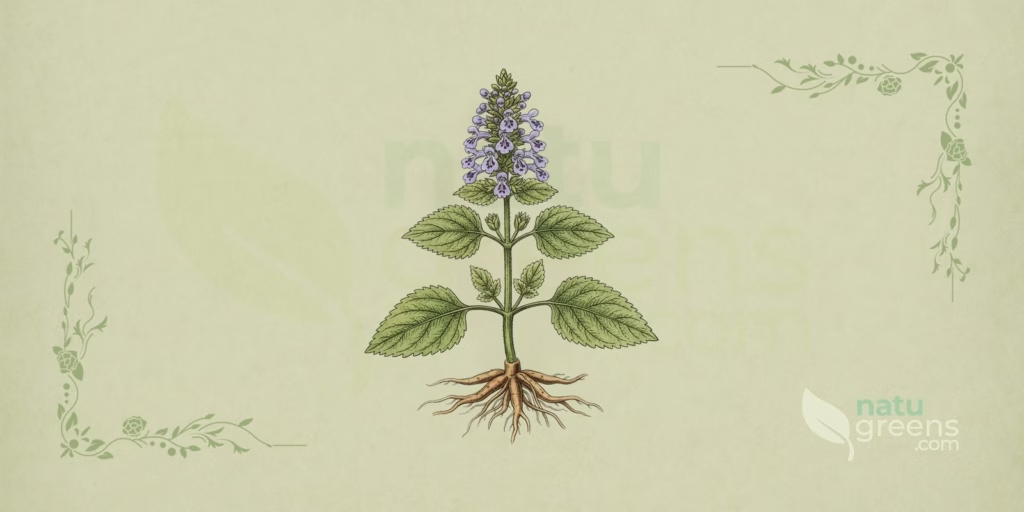
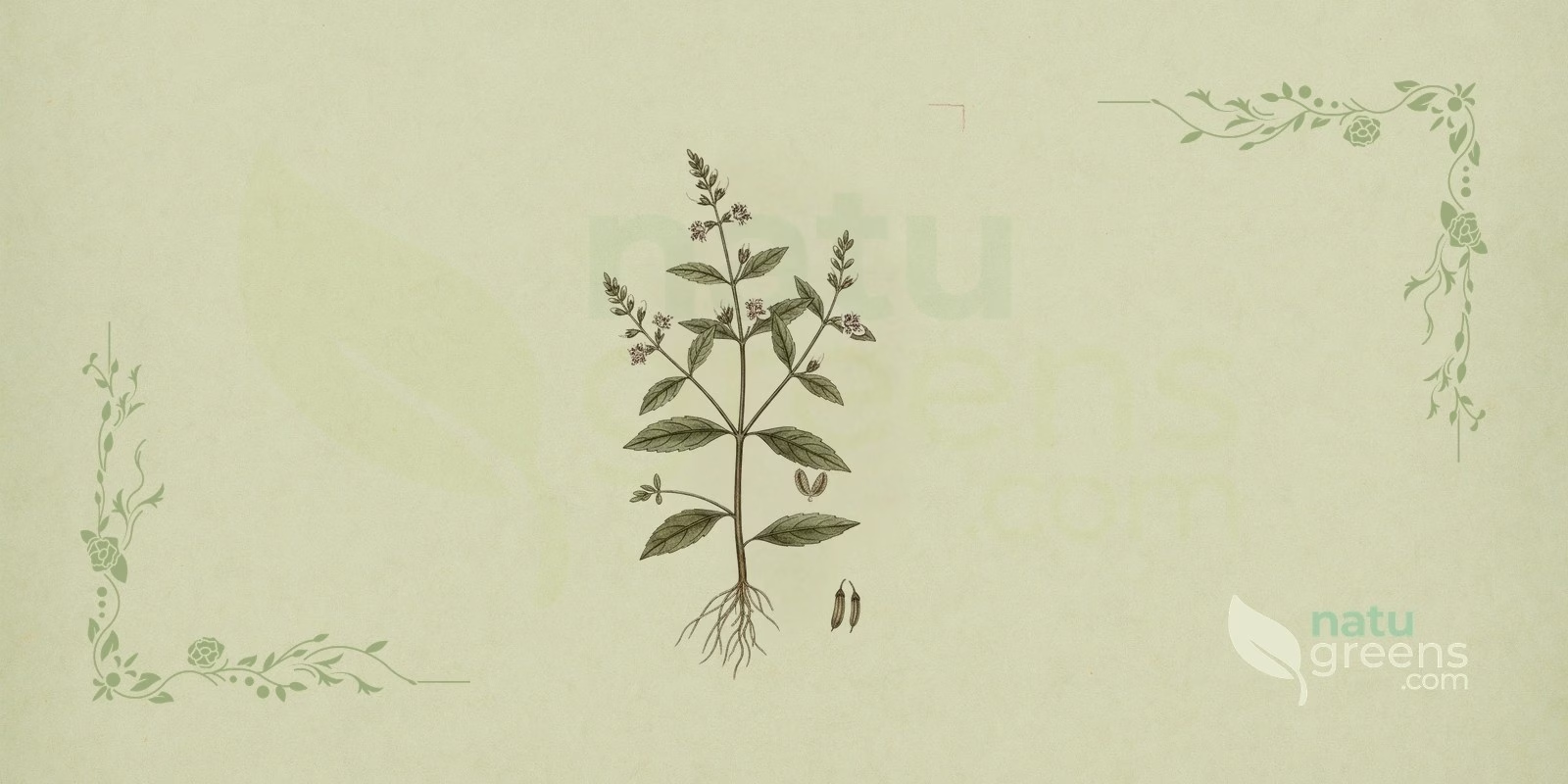
Andrographis paniculata, commonly known as Andrographis or Kalmegh, is an annual herbaceous plant in the Acanthaceae family, native to India and Sri Lanka and now widely cultivated and used across many parts of South and Southeast Asia. For centuries it has held a central place in traditional medicine, particularly in the Siddha and Ayurvedic systems, which value its intensely bitter taste and turn to it for conditions ranging from bacterial infections to fevers and digestive complaints. Alongside these traditional records, the plant has become the subject of a large body of scientific research, and its still preliminary findings come with important safety considerations, such as its blood sugar lowering activity and its possible effect on blood clotting.
Popular and International Names of Andrographis
Many of the plant’s popular names refer to its intense bitterness, as in the English King of Bitters and the Portuguese Rei-dos-amargos, while Kalmegh, the name used in Ayurvedic medicine, has also been adopted in other languages.
- English: Andrographis, Creat, Green Chiretta, King of Bitters.
- Spanish: Andrographis, Chireta verde.
- Portuguese: Acanto-verde, Andrographis, Chirata-verde, Kalmegh, Rei-dos-amargos.
- French: Andrographis, Chirette verte.
- Italian: Andrographis, Chiretta verde.
- German: Grüner Chiretta, Kalmegh.
Botanical Synonyms of Andrographis paniculata
The main botanical synonym recorded for Andrographis paniculata is Justicia paniculata Burm. f., the name under which the species was originally described before being transferred to the genus Andrographis, which explains the full authorship of the accepted name, Andrographis paniculata (Burm. f.) Wall. ex Nees. The taxonomy of the species is considered stable, although our understanding of its regional and genetic variation remains the subject of scientific study.
- Justicia paniculata Burm. f. (basionym)
Botanical Family: Acanthaceae
Andrographis paniculata belongs to the Acanthaceae, a diverse family of about 4,000 species distributed across 250 genera, known for bringing together many medicinal and ornamental plants with often showy flowers and prominent bracts. The family occurs in tropical and subtropical regions around the world, with a notable concentration in Asia and Africa, and within it Andrographis stands out for its bitter properties and its extensive use in traditional medicine.
Parts of Andrographis Used
Tradition makes use of different parts of the plant, from the leaves to the roots, and the preparations described later in this article rely mainly on the dried leaves, which concentrate the bitter taste so characteristic of the species.
- Aerial parts
- Leaves
- Roots
- Whole plant
Ethnobotanical and Traditional Uses
Ethnobotanical records from the Siddha and Ayurvedic systems and from the folk medicine of South and Southeast Asia describe the plant’s use mainly for digestive complaints, fevers and infections. The items below are traditional uses handed down over generations and are not equivalent to proven indications, so none of them takes the place of a medical evaluation.
- Bacterial infections
- Diarrhea and dysentery
- Fevers, including in regions where malaria is common (traditional record; malaria requires medical diagnosis and treatment)
- Intestinal colic, used for relief according to tradition
- Jaundice, as an adjunct in the traditional record (jaundice always requires a medical investigation of its cause)
- Respiratory infections (bronchitis, common cold, flu, sinusitis)
- Slow digestion, as a bitter digestive stimulant
- Snakebites and venomous insect bites (folk record; a snakebite requires emergency care and specific antivenom)
Therapeutic Properties of Andrographis
The scientific literature attributes a broad range of pharmacological activities to Andrographis paniculata, but most of them have been observed in laboratory or animal studies, and only a few have gone on to be investigated in small clinical trials. The list below summarizes these activities together with the corresponding level of evidence, and none of them represents an indication for treatment.
- Anti-inflammatory (effect observed in laboratory studies and investigated in small clinical trials)
- Antimicrobial (activity observed in laboratory studies)
- Antioxidant (activity observed in laboratory studies)
- Antiproliferative (activity observed in laboratory studies, not clinically proven)
- Antiprotozoal (activity observed in laboratory studies)
- Antipyretic (traditional record, with preliminary results in a clinical trial)
- Antiseptic (traditional record)
- Hepatoprotective (effect observed in experimental studies)
- Hypoglycemic (effect observed in experimental studies; calls for caution in people taking diabetes medication)
- Immunostimulant (effect investigated in preliminary studies; calls for caution in autoimmune diseases)
- Renoprotective (effect observed in experimental studies)
Literature reviews also report, in experimental models, antiangiogenic action, an influence on liver enzymes and effects on hormones and sexual function, findings that have not yet been confirmed in humans and that help explain why the plant calls for caution when used alongside other medications.
Studied Mechanisms of Action
The mechanisms of action investigated for Andrographis paniculata are varied and revolve mainly around andrographolide, its most studied component, which in the laboratory modulates inflammatory pathways by reducing the production of mediators such as nitric oxide and of pro-inflammatory cytokines such as TNF-α. In tumor cells grown in the laboratory and in animal models, andrographolide induced apoptosis (programmed cell death), inhibited cell proliferation and differentiation, and blocked angiogenesis, the formation of new blood vessels that feed tumors, results that do not justify using the plant to treat cancer. The plant may also interfere with the metabolism of other drugs by inhibiting the expression of certain cytochrome P450 enzymes, which calls for caution when it is taken at the same time as other medications.
Evidence from Clinical Studies
Clinical trials with the plant are still few in number and generally small, but some suggest relief of symptoms such as cough and sore throat in the common cold, while in knee osteoarthritis a double-blind study with a standardized extract observed a reduction in joint pain and stiffness compared with placebo. In adults with an infection of the throat and tonsils (pharyngotonsillitis), a 1991 clinical trial recorded a reduction in fever and pain similar to that obtained with paracetamol, and extracts of the plant have also been tested to relieve the symptoms of ulcerative colitis, an inflammatory bowel disease, with results that systematic reviews still consider insufficient to support a recommendation. These findings were obtained with the preparations and amounts specific to each study, which are not necessarily equivalent to a homemade tea, and none of them justifies replacing medical diagnosis or treatment with the plant.
Detailed Phytochemical Profile of Andrographis
The chemistry of Andrographis is dominated by labdane-type diterpenoid lactones, the group whose most studied member is andrographolide and to which the literature attributes much of the anti-inflammatory and antiviral activity investigated in the laboratory. The profile is rounded out by flavonoids, noriridoids and xanthones, classes of compounds that also appear in phytochemical reviews of the species and add to the complexity of its effects.
- Andrographolide (labdane diterpenoid lactone regarded as the main active compound and associated with the plant’s bitterness)
- Flavonoids
- Labdane diterpenoid lactones (chemical group to which andrographolide belongs)
- Noriridoids
- Xanthones
Preparation and Administration Forms of Andrographis
The plant reaches consumers in forms ranging from tea made with the dried leaves to concentrated extracts, and its intense bitterness leads many people to prefer products that bypass the palate, such as capsules.
- Capsules
- Extracts (liquid and dry)
- Tea (infusion)
- Tinctures
Because the clinical trials cited in this article used specific preparations, the choice of form and amount should be made together with a health professional, especially by people on long-term medication, since the plant can interfere with blood sugar, blood clotting and the metabolism of other drugs.
Synergy with Other Medicinal Plants
The combinations below come from herbal formulations and medicinal traditions, not from clinical trials demonstrating an added benefit from the pairing, so they should be understood as traditional records and discussed with a health professional before use.
Echinacea
The pairing of Andrographis paniculata with Echinacea species appears frequently in herbal formulations aimed at respiratory health and is traditionally used during the cold and flu season, when people look for support for the immune system. The idea that the two plants add up their immunostimulant effects and shorten symptoms remains a hypothesis without confirmation from robust studies, and people with autoimmune disease or taking immunosuppressants should consult their doctor before turning to this combination, given the effect of both plants on immunity.
Holy Basil (Tulsi)
Holy basil, also called tulsi (Ocimum tenuiflorum, synonym Ocimum sanctum), is another plant that some medicinal traditions combine with Andrographis paniculata in preparations traditionally used for conditions involving inflammation and infection. Clinical studies evaluating the pair are lacking, and people taking diabetes medication should talk to their doctor before trying it, since Andrographis has hypoglycemic activity.
Recipes and Usage Protocols of Andrographis
Traditional Infusion for Colds and Flu
A very bitter infusion traditionally used for the symptoms of the common cold and flu, which should not be taken by pregnant or breastfeeding women or by people on anticoagulants, antiplatelet drugs or diabetes medication without professional guidance.
Ingredients: a small portion of dried Andrographis paniculata leaves (the amount should be set by a health professional), 200 ml of boiling water and honey (optional).
Preparation: Place the dried leaves in a cup, add the boiling water, cover and let steep for 5 to 7 minutes, then strain and, if you like, sweeten with honey. Tradition credits this infusion with relieving fever, cough and sore throat, but the daily amount and the length of use should be set by a health professional, because the plant can interfere with blood sugar and blood clotting.
Traditional Immune Support Tincture
A tincture from the traditional record, used as immune support during periods of greater exposure to infections, which, because it contains alcohol and concentrates the plant’s compounds, is not suitable for pregnant or breastfeeding women, children or people with autoimmune disease.
Ingredients: 50 g of dried Andrographis paniculata leaves and 250 ml of 70% grain alcohol.
Preparation: Place the leaves in a dark glass jar, cover them with the alcohol, seal tightly and leave to macerate for 14 days in a cool, dark place, shaking the jar every day. Then filter the mixture and store the tincture in a bottle of the same kind. The number of drops, the dilution and the length of use should be guided by a health professional, since the tincture is a concentrated form of administration and the plant may add to the effect of glucose-lowering drugs and anticoagulants.
The preparations above follow traditional records and do not replace professional guidance. Before any internal use, check the contraindications and interactions described in this article.
Associated Therapies
Ayurveda
In Ayurvedic medicine, where it is known as Kalmegh, Andrographis paniculata holds a prominent place as a bitter tonic and is traditionally used to balance the doshas, especially Pitta and Kapha, precisely because of its bitter taste. Practitioners of this system associate it with ideas such as purifying the blood and relieving the burden on the liver, traditional concepts that are not equivalent to proven effects, and they turn to it for fevers, infections, inflammation and digestive complaints, which is why the plant is part of many Ayurvedic formulations aimed at general well-being.
Traditional Chinese Medicine (TCM)
In TCM, Andrographis paniculata is classified as an herb with a cold nature, used according to this tradition to clear pathogenic heat and toxins from the body. It is employed for conditions that TCM describes as heat and toxicity syndromes, including fevers, inflammation, infections, sore throat and dysentery, always within the system’s own logic, which sees the plant’s action as purifying and directed at bringing the body back into balance.
Naturopathy
In naturopathy, the plant is valued for the immunostimulant, anti-inflammatory and hepatoprotective properties described in the literature, and naturopaths often use it during periods of greater susceptibility to infections such as colds and flu. It is also used as a bitter agent to stimulate bile production and support liver and digestive function, a traditional approach that does not replace a medical evaluation, especially for people with autoimmune disease, those being treated for diabetes or those taking anticoagulants.
Contraindications and Side Effects of Andrographis
Contraindications
Andrographis paniculata contains andrographolide, which has hypoglycemic activity and a possible effect on blood clotting, so its use requires specific precautions. The plant is contraindicated during pregnancy and breastfeeding, and in pregnancy there is the added concern that it may induce miscarriage. People with autoimmune disease or taking immunosuppressants should consult their doctor because of its effect on immunity, and in conditions such as multiple sclerosis, lupus or rheumatoid arthritis the most prudent recommendation is to avoid it, since the plant may increase immune system activity and worsen symptoms.
It should not be given to children without pediatric guidance, and people with bleeding disorders need to take extra care, as Andrographis may slow blood clotting. It is also recommended to stop using it at least 2 weeks before any scheduled surgery, owing to the risk of bleeding and of a drop in blood pressure.
Drug Interactions
The plant can potentiate glucose-lowering drugs and cause an excessive drop in blood glucose, so people being treated for diabetes should only use it under medical supervision and with blood sugar monitoring. Caution is also needed with anticoagulants and antiplatelet drugs because of the possible effect on clotting, and the possibility of a drop in blood pressure calls for attention from people taking antihypertensives. In addition, by inhibiting the expression of certain cytochrome P450 enzymes, Andrographis may alter the metabolism of other medications, which can lead either to unwanted effects or to a loss of effectiveness of those drugs.
Side Effects
The side effects most often reported with the use of Andrographis paniculata include diarrhea, vomiting, skin rash, headache, runny nose and fatigue, generally more likely at high doses. The plant can cause allergic reactions, and rare cases of serious reactions have been described mainly with semisynthetic andrographolide derivatives such as Xiyanping, according to a systematic review that compared these medicines with herbal preparations of the plant. Before you start using it, consult a health professional, especially if you already take other medications or have a pre-existing health condition.
Historical Notes and Interesting Facts
The King of Bitters
Andrographis paniculata is often nicknamed the King of Bitters because of its extremely bitter taste, a trait linked to the presence of bioactive compounds such as andrographolide, to which much of the activity studied in the plant is attributed. In Ayurvedic medicine, bitterness is a quality valued in its own right, and bitter plants are traditionally prized for properties that this system regards as purifying and digestive.
A Name in Every Tradition
The plant has passed through different systems of traditional medicine and picked up a name in each of them: it is Kalmegh in Ayurvedic India, chuān xīn lián in the Chinese tradition and King of Bitters in English-speaking countries, while in Brazil it is usually found under the genus name itself, Andrographis.
Laboratory Research on Tumor Cells
Recent studies have explored the action of Andrographis paniculata on tumor cells, and in vitro and animal research indicates that extracts of the plant can inhibit the proliferation of these cells, induce apoptosis (programmed cell death) and suppress angiogenesis (the formation of new blood vessels that feed tumors), including in breast cancer cell lines. This research is still at an early stage and there is no clinical proof of benefit in people with cancer, so the plant is no substitute for cancer treatment, and anyone undergoing treatment should talk to their oncologist before using any herbal medicine, not least because of the risk of interaction with drugs metabolized by cytochrome P450.
Frequently Asked Questions about Andrographis
Can Andrographis Be Used to Prevent Colds?
Andrographis is being studied for the immunostimulant and antiviral properties observed in the laboratory, and some clinical trials suggest relief of symptoms such as cough and sore throat in the common cold. There is still no solid basis for claiming that regular use wards off colds or flu, and anyone thinking of using it for that purpose should first talk to a health professional, who will assess contraindications, amount and duration of use.
What Is the Difference between Andrographis and Echinacea?
Although both plants are known for their immunostimulant properties, Andrographis paniculata and Echinacea have distinct phytochemical profiles and mechanisms of action. Andrographis is rich in diterpenoid lactones such as andrographolide, to which the anti-inflammatory and antiviral activity observed in the laboratory is attributed, whereas Echinacea contains alkylamides, polysaccharides and caffeic acid derivatives, which modulate the immune response in other ways. In tradition, Andrographis is more closely linked to acute infections of the upper respiratory tract, and Echinacea to general immune support.
Can People on Diabetes Medication Take Andrographis?
Only under medical supervision, because andrographolide has hypoglycemic activity and the plant can potentiate glucose-lowering drugs and cause an excessive drop in blood glucose. In these cases, blood sugar monitoring is essential, and the decision on whether or not to use the plant should be made together with the doctor overseeing the treatment.
What Precautions Should Be Taken before Using Andrographis?
The plant is contraindicated during pregnancy and breastfeeding, and its use in children depends on pediatric guidance. It also calls for caution with anticoagulants and antiplatelet drugs because of its possible effect on clotting, and it is recommended to stop using it at least 2 weeks before scheduled surgery. Since it can cause allergic reactions and alter the metabolism of other medications, the best course is to consult a health professional before starting.
Can People with Autoimmune Disease Use Andrographis?
People with autoimmune disease or taking immunosuppressants should consult their doctor because of the plant’s effect on immunity. In conditions such as multiple sclerosis, lupus or rheumatoid arthritis, the most prudent recommendation is to avoid it, because Andrographis may increase immune system activity and worsen symptoms.
Why Is Andrographis Called the King of Bitters?
The nickname, which has an equivalent in Portuguese (Rei dos Amargos), comes from the plant’s extremely bitter taste, linked to the presence of andrographolide and other diterpenoid lactones. In Ayurvedic medicine, where the species is called Kalmegh, this bitterness is valued as a sign of purifying and digestive properties, within the system’s own traditional logic.
Notice: this content is for informational purposes and does not replace professional medical advice. Consult a physician or herbal practitioner before using medicinal plants, especially during pregnancy, breastfeeding, or alongside medication.
References and Scientific Studies
- PMC2019 Hancke JL, et al. A double-blind, randomized, placebo-controlled study to assess the efficacy of Andrographis paniculata standardized extract (ParActin®) on pain reduction in subjects with knee osteoarthritis. Phytother Res. 2019.
- PMC2022 Naomi R, et al. Mechanisms of Natural Extracts of Andrographis paniculata That Target Lipid-Dependent Cancer Pathways: A View from the Signaling Pathway. Int J Mol Sci. 2022.
- PMC2013 Ng SC, et al. Systematic review: the efficacy of herbal therapy in inflammatory bowel disease. Aliment Pharmacol Ther. 2013.
- PMC2022 Shang YX, et al. Adverse Effects of Andrographolide Derivative Medications Compared to the Safe use of Herbal Preparations of Andrographis paniculata: Results of a Systematic Review and Meta-Analysis of Clinical Studies. Front Pharmacol. 2022.
- PMC1991 Thamlikitkul V, et al. Efficacy of Andrographis paniculata, Nees for pharyngotonsillitis in adults. J Med Assoc Thai. 1991.