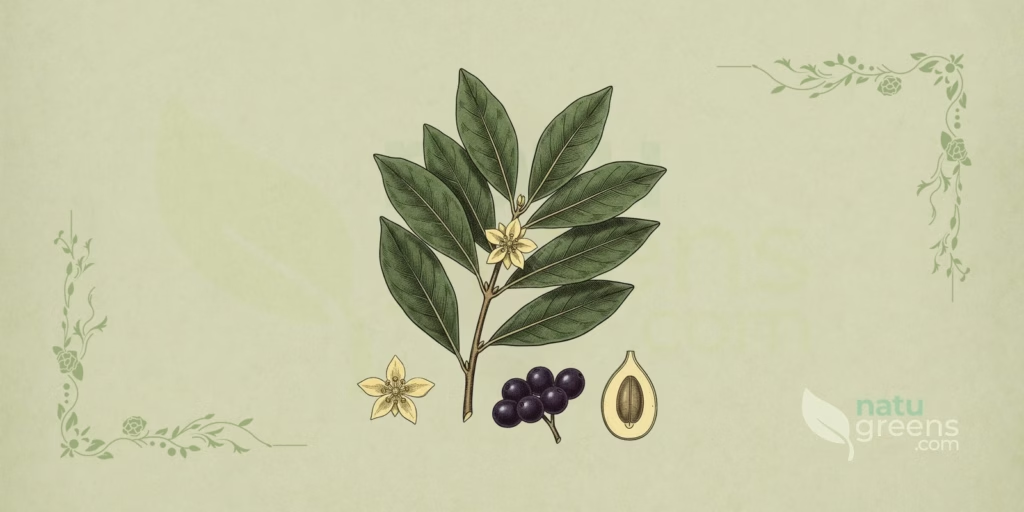
Blackcurrant (Ribes nigrum L.), commonly known as cassis or European black currant, is a deciduous shrub of the Grossulariaceae family described by Carl Linnaeus and native to the temperate regions of central and northern Europe and northern Asia. The plant spread around the world thanks to its edible berries and the place it holds in European and Asian traditional medicine, and its fruits, dark purple to almost black in color, are harvested in summer for use in cooking and herbal medicine.
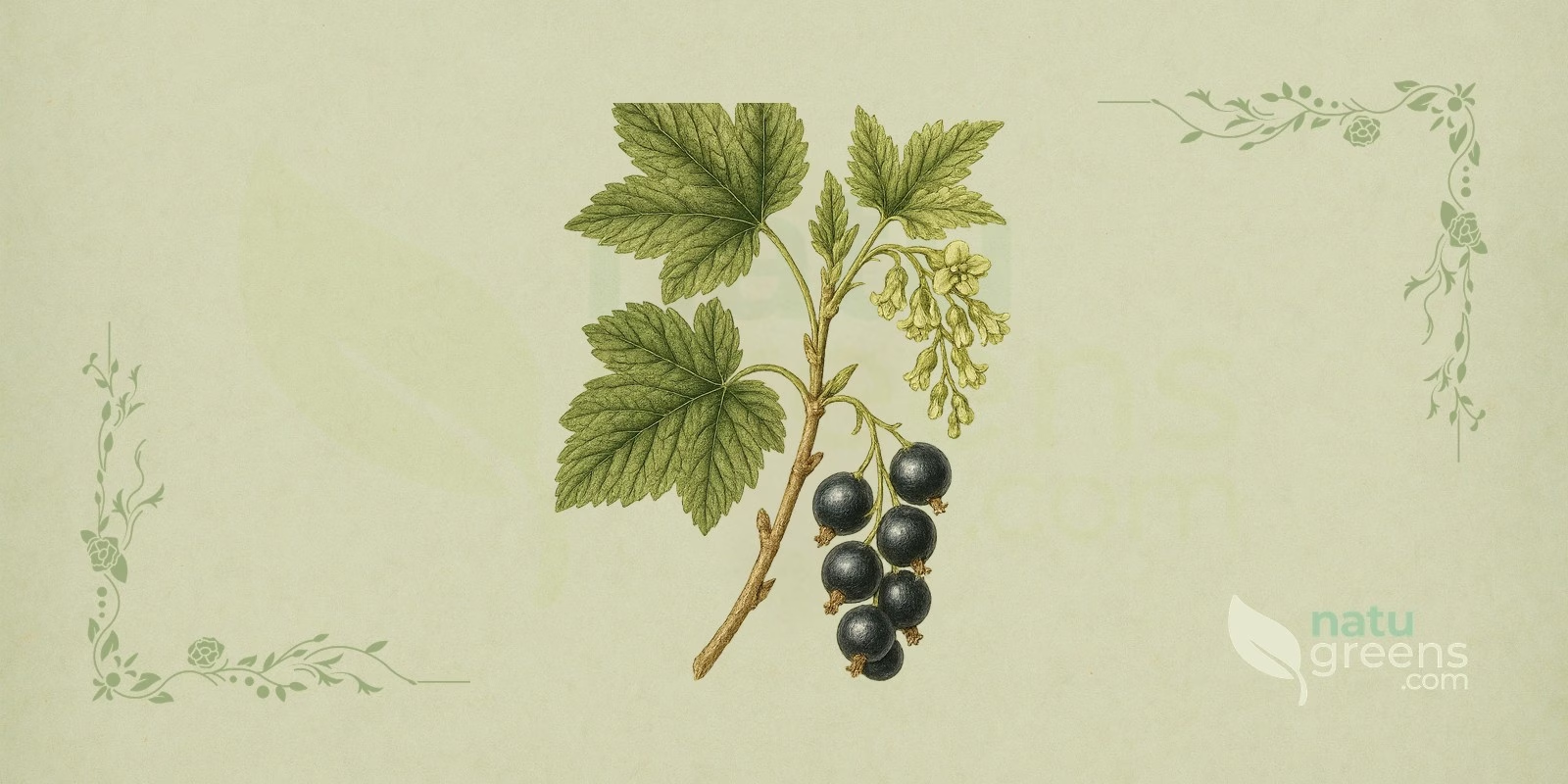
In the herbal tradition, blackcurrant stands out as a plant rich in nutrients and bioactive compounds, with applications that range from supporting the immune system to relieving inflammatory conditions. Its diverse phytochemical makeup includes anthocyanins, polyphenols, and vitamin C, and modern scientific research has been investigating several of these traditional uses, some of them supported by laboratory studies and preliminary trials, which explains why the plant is now widely studied and used in many different countries.
Popular and International Names of Blackcurrant
- English: Black currant, blackcurrant, European black currant.
- Spanish: Grosella negra, zarzaparrilla negra.
- Portuguese: Cassis, groselha-negra, groselheira-preta.
- French: Cassis, cassissier, groseillier noir.
- Italian: Cassis, ribes nero.
- German: Cassis, Schwarze Johannisbeere.
Botanical Synonyms of Ribes nigrum
The species Ribes nigrum L. has a few relevant botanical synonyms, used in different taxonomic contexts and in the scientific literature, and knowing them matters for identifying the plant accurately and avoiding confusion in research and practical applications. These names also reflect the complexity of botanical classification and the way our understanding of the species has evolved over time.
Botrycarpum nigrum (L.) A. Rich., Grossularia nigra (L.) Rupr., Ribes cyathiforme Pojark., Ribes nigrum var. sibiricum (Pojark.) L.T. Lu.
Botanical Family: Grossulariaceae
The Grossulariaceae family brings together dicotyledonous plants, mainly shrubs and subshrubs such as the various currant bushes and blackcurrants, characterized by alternate leaves, usually small flowers, and berry-shaped fruits that are often edible and rich in vitamins. Its distribution is concentrated in the temperate regions of the Northern Hemisphere, although some species also occur in the Andes.
The family is economically important for its fruits, which are eaten fresh or made into jams and juices, and many of its species are grown commercially. Some also have a place in traditional medicine and phytotherapy, and Ribes nigrum is a notable example, given its nutritious berries and the bioactive compounds it concentrates. Beyond its value as food and medicine, the Grossulariaceae family makes a significant contribution to biodiversity in the regions where it occurs.
Parts of Blackcurrant Used
The fruits and leaves are the parts most often used in foods and teas, while the buds serve as raw material for gemmotherapy and the seeds yield an oil rich in gamma-linolenic acid, and the flowers round out the list of parts that tradition puts to use.
- Buds (leaf buds)
- Flowers
- Fruits (berries)
- Leaves
- Seeds (oil)
Ethnobotanical and Traditional Uses
The uses below belong to the record of European and Asian folk medicine and show how the plant has been employed over time, without replacing medical diagnosis or follow-up, particularly for illnesses such as whooping cough and dropsy.
- Colds, flu, sore throat, and hoarseness.
- General tonic and relief of inflammation.
- Healing aid for cuts and abscesses.
- Immune system support.
- Infusions for dropsy (fluid buildup) and whooping cough, conditions that today require medical evaluation.
- Relief of joint and muscle pain.
- Relief of rheumatic pain and gout attacks.
- Skin problems such as eczema and dermatitis.
- Stimulation of appetite and digestion.
- Urinary tract problems and diarrhea.
Therapeutic Properties of Blackcurrant
The properties below combine traditional use with findings from laboratory studies and a few preliminary trials, and they are not equivalent to medical indications for any disease.
- Anti-Inflammatory (reduction of inflammation observed in experimental studies with the leaves and seed oil)
- Antimicrobial (activity against microorganisms observed in the laboratory)
- Antioxidant (action attributed to anthocyanins and vitamin C, measured mainly in laboratory assays)
- Cardioprotective (effects on cardiovascular markers investigated in preliminary studies)
- Digestive (traditional use to stimulate appetite and digestion)
- Diuretic (mild increase in urine volume attributed to the leaves, a reason for caution in people who need to manage their fluid balance)
- Hypocholesterolemic (cholesterol reduction investigated in preliminary studies)
- Immunomodulatory (modulation of the immune response observed in preliminary studies)
- Ophthalmic (effects of anthocyanins on vision investigated in preliminary studies)
- Skin Protective (traditional use in skin conditions and cosmetic interest in the seed oil)
- Wound Healing (traditional record of use on minor wounds)
Detailed Phytochemical Profile of Blackcurrant
Blackcurrant is a rich and complex source of bioactive compounds, and its phytochemical profile brings together several classes of substances to which the properties described for the plant are attributed. Anthocyanins, the pigments responsible for the dark color of the fruit, are potent antioxidants, while polyphenols, abundant in both the leaves and the fruit, are associated with cellular protection, and flavonoids such as quercetin and rutin are studied for their anti-inflammatory actions.
The seed oil stands out for its gamma-linolenic acid, an omega-6 fatty acid that studies associate with modulation of the immune response, and the fruits contain vitamin C in high concentrations, a nutrient essential to the functioning of the immune system. Organic acids and volatile compounds complete the profile, and the combination of all these phytochemicals is believed to account for much of the interest in blackcurrant as a medicinal plant.
- Anthocyanins (cyanidin-3-O-glucoside, cyanidin-3-O-rutinoside, delphinidin-3-O-glucoside, delphinidin-3-O-rutinoside)
- Flavonoids (isoquercitrin, quercetin, rutin)
- Gamma-Linolenic Acid (GLA)
- Organic Acids
- Phenolic Acids
- Polyphenols
- Vitamin C
- Volatile Compounds (delta-3-carene, limonene)
Preparation and Administration Forms of Blackcurrant
Blackcurrant can be used in many ways, from eating the fruit as it is to taking concentrated extracts, and the choice of method depends on the intended purpose. Teas and infusions are popular for everyday use, tinctures and seed oils offer higher concentrations of active compounds, and in the kitchen the fruits are versatile and find their way into many recipes. This range of preparations makes the plant accessible and adaptable to different needs and preferences, but amounts should follow the guidance of a health professional, particularly for concentrated forms, to reduce the risk of unwanted effects.
- Culinary Use (jams, juices, syrups)
- Seed Oil
- Teas and Infusions
- Tinctures and Extracts
Synergy with Other Medicinal Plants
Dandelion and Gooseberry
In growing tradition, blackcurrant is paired with dandelion (Taraxacum officinale) and with other members of the currant genus, such as gooseberry (Ribes uva-crispa), in a synergy observed mainly in an agricultural setting rather than in medicinal use. Planting them together is believed to favor soil health and draw pollinators, creating a sturdier and more productive ecosystem, since dandelion, with its deep roots, helps aerate the soil and brings nutrients up to the surface, and the currant bushes can benefit from this richer environment.
This interaction shows how different plants can work together to build a more fertile and balanced environment, something that is useful both for cultivation and for local biodiversity.
Other Native Berries
Planting blackcurrant alongside other native berries is a traditional practice in kitchen gardens and orchards that seeks to make good use of the garden’s resources and attract a wider variety of pollinators. Having several berry species together creates a richer habitat for local wildlife such as birds and insects, and greater plant diversity can increase resistance to pests and diseases through beneficial ecological interactions.
For this reason, combining different native berries is used in gardens and agroforestry systems as a strategy for making the whole planting more resilient and for reconciling production with sustainability.
Recipes and Usage Protocols of Blackcurrant
Blackcurrant Jam
A culinary preparation traditionally used to keep the fruit for longer and make the most of the berry’s distinctive flavor, which carries over into the jam along with some of its nutrients.
To make it, cook the fresh fruit with sugar and a little lemon juice, stirring until it reaches the consistency you want. The jam goes well with bread and toast and also works in desserts, with yogurt, or as a cake filling, and a homemade version without additives is a practical way to enjoy blackcurrant outside the harvest season.
Blackcurrant Leaf Infusion
An infusion traditionally used as a mild diuretic and for minor urinary and joint complaints, made with the plant’s dried leaves, which are rich in polyphenols.
Add 1 to 2 teaspoons of dried leaves to a cup of boiling water, let steep for 5 to 10 minutes, and strain before drinking; in traditional use, the infusion is taken 2 to 3 times a day. Because of the diuretic effect of the leaves, anyone with kidney or heart failure, anyone who needs to manage their fluid balance, and anyone already taking diuretic medications should talk to their doctor before adopting this infusion, and pregnant and breastfeeding women should avoid it.
Blackcurrant Juice
A refreshing and nutritious drink, traditionally consumed as a source of vitamin C and of the fruit’s natural antioxidants.
To make it, blend the fresh fruit with a little water and, if you like, a natural sweetener, then strain to remove the seeds and pulp. The juice should be drunk fresh and can be part of a balanced everyday diet, as a practical and tasty way to bring the fruit into your routine.
The preparations above follow traditional records and do not replace professional guidance. Before any internal use, check the contraindications and interactions described in this article.
Associated Therapies
Aromatherapy
Although blackcurrant is not traditionally one of the primary essential oils in aromatherapy, the fruity, slightly tart scent of its berries is used in wellness products and natural fragrances, and many people describe it as invigorating. In some formulations, extracts of the plant are added to contribute olfactory notes associated with freshness and vitality, which fits the aim of aromatherapy to seek physical and emotional balance through pleasant sensory experiences.
Phytotherapy
In phytotherapy, blackcurrant is valued for the anti-inflammatory, antioxidant, and immunomodulatory properties attributed to the plant and is traditionally used for gastrointestinal disorders, for inflammation, and as immune support, often in the form of standardized extracts, which aim for a consistent concentration of active compounds. The European Medicines Agency (EMA) recognizes the traditional use of the leaves for mild joint pain and as a diuretic in minor urinary complaints, on the basis of their long history of use rather than clinical trials, and the plant continues to be studied as a natural resource for health promotion.
Gemmotherapy
The buds of Ribes nigrum are a central component of gemmotherapy, a form of phytotherapy that uses extracts of embryonic plant tissue and that employs blackcurrant as a foundational remedy for allergies, for inflammation, and as a stimulant of the adrenal glands, indications without clinical confirmation. Practitioners believe that the buds concentrate the plant’s vital energy along with a unique combination of gently acting phytochemicals, and they attribute to the preparation a draining and regulating action that supports the immune system and the anti-inflammatory response, within a holistic approach to health.
Contraindications and Side Effects of Blackcurrant
Pregnancy and Breastfeeding
There is not enough reliable information on the safety of medicinal use of blackcurrant during pregnancy and breastfeeding, and in the absence of conclusive data, pregnant and breastfeeding women are advised to avoid teas, extracts, and seed oil in order to protect the health of mother and baby. During these stages, it is always advisable to consult a health professional before using any supplement or medicinal plant, since the lack of specific studies justifies caution.
Bleeding Disorders and Surgery
Blackcurrant seed oil may slow blood clotting and increase the risk of bruising and bleeding, so people with bleeding disorders should be cautious and consult a doctor before using products made from the plant. Because of this same potential anticoagulant effect, it is recommended to stop using the seed oil at least 2 weeks before any scheduled surgery, a measure that helps avoid bleeding complications during and after the procedure and that should be agreed upon with the medical team.
Diuretic Effect and Fluid Balance
Blackcurrant (Ribes nigrum), especially the leaf, has mild diuretic properties. For this reason, people who need to manage their fluid balance, such as those with kidney or heart failure, and people already taking diuretic medications should be cautious and talk to their doctor before using teas or extracts of the plant, because of the risk of an additive effect.
Drug Interactions
Blackcurrant may interact with certain medications, and the seed oil in particular may enhance the effect of drugs that slow blood clotting, such as acetylsalicylic acid (aspirin), clopidogrel, dalteparin, diclofenac, enoxaparin, heparin, ibuprofen, naproxen, and warfarin, increasing the risk of bruising and bleeding. The seed oil may also raise the risk of seizures in people taking phenothiazines, such as chlorpromazine, fluphenazine, perphenazine, prochlorperazine, thioridazine, and trifluoperazine, and the leaf tea may add its effect to that of diuretic medications. For this reason, it is essential to tell your doctor about all the medications and supplements you are taking, in order to avoid adverse interactions.
Side Effects
Blackcurrant berries, leaves, and flowers are generally safe and well tolerated when consumed as food, and the juice, extract, and seed oil appear to be safe when used appropriately for medicinal purposes. However, there is not enough information on the safety or side effects of applying the plant directly to the skin, and although it appears in some topical products, individual sensitivity varies, so a patch test on a small area before use is advisable. If an adverse reaction occurs, use should be stopped and a health professional consulted.
Historical Notes and Interesting Facts
Origin and Cultivation
Blackcurrant (Ribes nigrum) has a rich history and a broad geographic origin that spans the temperate parts of central and northern Europe and northern Asia. Its cultivation in Europe began around the last decades of the 17th century, and since then the plant has been prized both for its fruit and for the medicinal properties attributed to it. Its adaptation to cold climates helped it spread, and blackcurrant became a common sight in gardens and farm fields, an example of how plants shape human diet and health.
The Black Gold Nickname
Blackcurrant is often nicknamed “black gold” or called a superfood because of its nutritional richness, since it contains very high levels of vitamin C and easily outstrips well-known fruits such as oranges and blueberries. Besides vitamin C, it is an abundant source of antioxidants such as anthocyanins and polyphenols, and the nickname reflects the high nutritional value attributed to the fruit, which offers more than its unique flavor and is a good example of a functional food.
Use During World War II
During World War II, blackcurrant played an important role in the United Kingdom, where, with citrus fruit in short supply, the government encouraged its cultivation as a source of vitamin C and blackcurrant syrup was distributed free of charge to children, an initiative that helped avoid nutritional deficiencies in wartime. The episode shows the strategic importance the plant attained in public health during a critical period and helps explain why it became a symbol of resilience.
Ban in the United States
For many years, growing blackcurrant was banned in parts of the United States because the plant acts as an intermediate host of white pine blister rust (Cronartium ribicola), a fungal disease that caused heavy losses in pine forests and affected the timber industry. The ban was meant to protect this economic resource, but with the development of resistant varieties and a better understanding of the disease, it was gradually lifted in many states. The story illustrates the challenges of managing plant diseases and the complexity of ecological interactions, and it shows how blackcurrant, despite the obstacles, won back its place in agriculture.
Frequently Asked Questions about Blackcurrant
What Is Blackcurrant Tea Used For?
In folk tradition, blackcurrant tea is used to support digestion, for mild joint pain, and for urinary tract complaints, uses associated with the antioxidant, anti-inflammatory, and immunomodulatory actions described for the plant. Most of these actions have been observed in laboratory or preliminary studies, so the tea can be part of a healthy routine but does not replace medical follow-up.
What Is the Best Way to Make Blackcurrant Tea?
With dried leaves, the infusion calls for 1 to 2 teaspoons per cup of boiling water, left to steep for 5 to 10 minutes before straining. With fresh or dried fruit, simply crush it lightly, cover it with hot water, and let it steep for the same amount of time, and the choice between the two methods depends on what is available and on personal taste.
Are There Contraindications for Blackcurrant Tea?
Yes, pregnant and breastfeeding women should avoid medicinal use because of a lack of safety data, and people with bleeding disorders or who take anticoagulants need to be cautious, especially with the seed oil, which may slow blood clotting. Because the leaf has a mild diuretic effect, anyone with kidney or heart failure, anyone who needs to manage their fluid balance, or anyone already taking diuretics should talk to their doctor before using the tea.
Does Blackcurrant Tea Help with Immunity?
Blackcurrant is a notable source of vitamin C, a nutrient essential to the functioning of the immune system, and tradition associates the tea with supporting the body’s defenses, although the vitamin is concentrated mainly in the fruit. Preliminary studies are also investigating the immunomodulatory action of other phytochemicals in the plant, but there is no clinical confirmation that the tea on its own reduces the risk of infections.
Can I Use Blackcurrant Tea for Skin Problems?
The tea is usually taken by mouth, and topical use for skin problems relies mainly on the seed oil, which is found in some cosmetic products. Since safety data on applying the plant directly to the skin are lacking, the best approach is to do a patch test and seek advice from a dermatologist before using the plant for any skin condition.
Is Blackcurrant Leaf Tea Diuretic?
Blackcurrant leaf has mild diuretic properties and is traditionally used to increase urine volume in minor urinary complaints. This same effect calls for caution in people who need to manage their fluid balance, such as those with kidney or heart failure, and in those already taking diuretic medications, because of the risk of an additive effect.
Notice: this content is for informational purposes and does not replace professional medical advice. Consult a physician or herbal practitioner before using medicinal plants, especially during pregnancy, breastfeeding, or alongside medication.
References and Scientific Studies
Peer-Reviewed Scientific Studies (4)
- PMC2023 Ejaz A, et al. Biological activities, therapeutic potential, and pharmacological aspects of blackcurrants (Ribes nigrum L): A comprehensive review. Food Sci Nutr. 2023.
- PMC2014 Luzak B, et al. Extract from Ribes nigrum leaves in vitro activates nitric oxide synthase (eNOS) and increases CD39 expression in human endothelial cells. J Physiol Biochem. 2014.
- PMC2019 Tian Y, et al. Compositional Diversity among Blackcurrant (Ribes nigrum) Cultivars Originating from European Countries. J Agric Food Chem. 2019.
- PMC2015 Vagiri M, et al. Phenolic compounds in blackcurrant (Ribes nigrum L.) leaves relative to leaf position and harvest date. Food Chem. 2015.
Supplementary Readings (1)
- European Medicines Agency. Ribis nigri folium: herbal medicinal product. EMA.