Phoenix dactylifera L. / Date Palm is the palm of the Arecaceae family that bears the date, a sweet and nutritious fruit, and it is sometimes simply called the date tree. It has been cultivated for millennia for its fruit. Present since antiquity in the arid regions of the Middle East and North Africa, the species became one of the mainstays of the diet and traditional medicine of these peoples, and its importance runs through many cultures and religions, in which the palm stands as a symbol of life and prosperity in the middle of the desert.
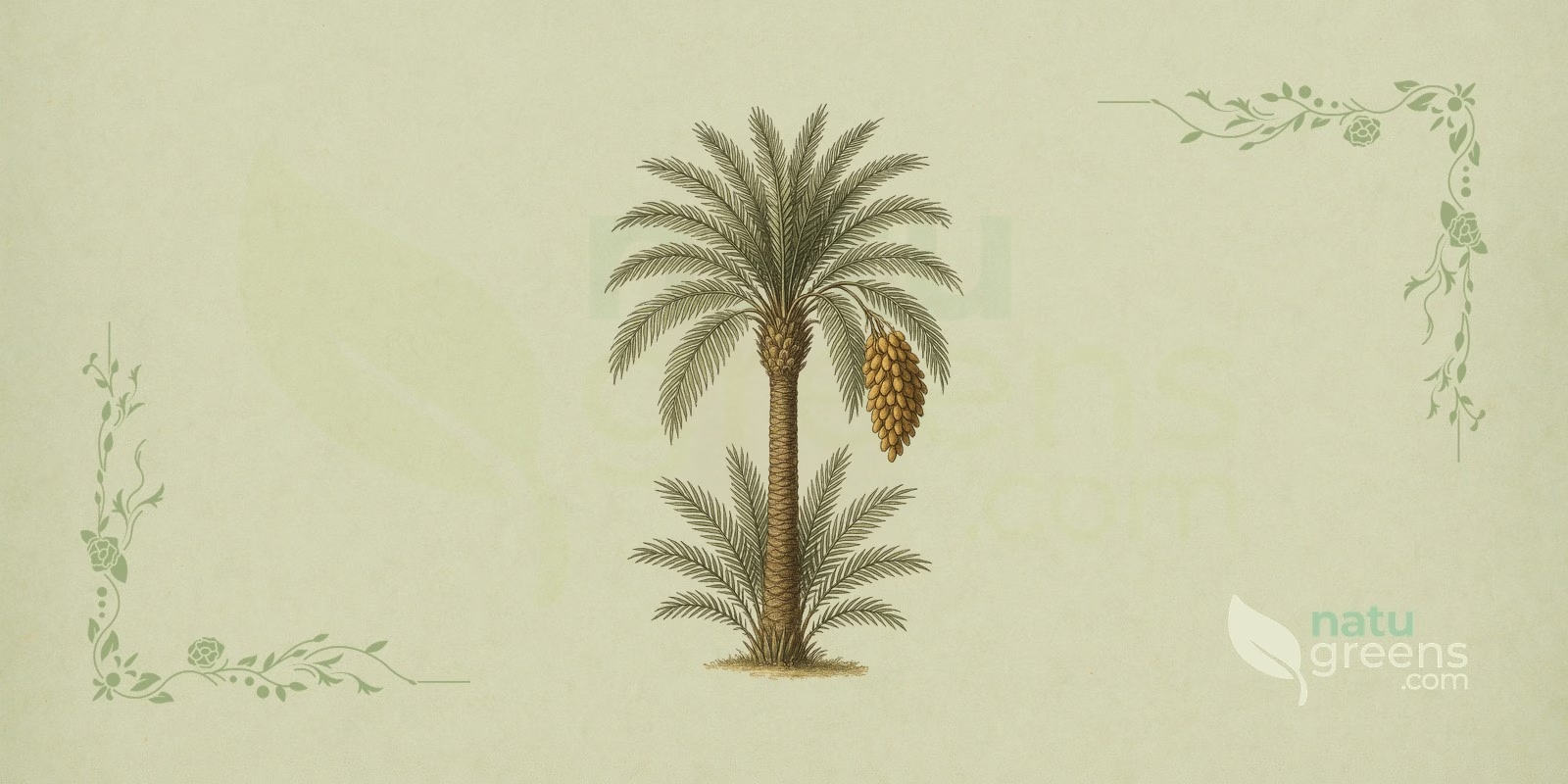
The date palm is valued not only for its fruit but also for other parts with medicinal and nutritional applications, such as the seeds, leaves and pollen. Modern studies have been investigating many of these traditional uses and describe antioxidant, anti-inflammatory and antimicrobial activities, observed mainly in the laboratory and in animal models, which makes the rich phytochemical composition of Phoenix dactylifera an ongoing subject of interest in scientific research.
Popular and International Names of the Date Palm
In Brazil, the name tâmara designates the fruit, while tamareira and palmeira-tâmara refer to the palm that produces it, the same distinction that English draws between date and date palm and that also appears in the names used in other languages.
- English: date, date palm.
- Spanish: dátil, palmera datilera.
- Portuguese: palmeira-tâmara, tâmara, tamareira.
- French: datte, palmier dattier.
- Italian: dattero, palma da datteri.
- German: Dattel, Dattelpalme.
Botanical Synonyms of Phoenix dactylifera
Phoenix dactylifera L. is the accepted botanical name for the date palm, but other names have been used throughout history or treated by botanists as synonyms of the species, including the following:
- Palma dactylifera (L.) Mill.
- Phoenix chevalieri D.Rivera, S.Ríos & Obón
- Phoenix iberica D.Rivera, S.Ríos & Obón
The date palm is the type species of the genus Phoenix, which comprises between 12 and 19 species of wild date palms, depending on the taxonomic criteria adopted by each author.
Botanical Family: Arecaceae
The Arecaceae family, known as the palm family, comprises about 180 genera and roughly 2,600 species distributed mainly across tropical and subtropical regions. Its plants tend to be tree-like, usually with a single unbranched trunk crowned by large divided leaves, and they are of enormous economic, cultural and ecological importance, since they provide food, building materials and oils.
Phoenix dactylifera shares the typical morphological features of the family, such as its palm growth habit and the production of fruit in clusters. The Arecaceae are known for producing a wide range of bioactive compounds, including alkaloids, flavonoids and terpenoids, to which the medicinal properties of many of their species are attributed, and this chemical diversity has been the subject of intensive pharmacological research aimed at developing herbal medicines and dietary supplements.
Parts of the Date Palm Used
Although the fruit is the best-known part, tradition makes use of virtually the entire date palm, from the seeds to the trunk, in both food and medicinal preparations.
- Flowers (pollen)
- Fruits (dates)
- Leaves
- Pits (seeds)
- Sap
- Trunk
- Trunk gum
Ethnobotanical and Traditional Uses
Ethnobotanical records describe the use of the date palm for a range of everyday complaints, always within the context of folk medicine and without these uses replacing proper medical care.
- Digestive disorders, used both as a laxative and as an antidiarrheal
- Fever and inflammation
- General tonic
- Liver diseases, as support in folk medicine
- Male infertility
- Memory disorders
- Nourishment of pregnant women before and after childbirth
- Relief of coughs and respiratory problems
- Wound healing
Therapeutic Properties of the Date Palm
The properties listed below derive mainly from laboratory and animal studies, as well as from the traditional record, and they still lack confirmation in large clinical trials, so they do not replace medical diagnosis or treatment.
- Analgesic (pain relief observed in experimental studies)
- Antidiabetic (effect of extracts on blood glucose observed in experimental studies; this does not apply to unrestricted consumption of the fruit, which is rich in sugar)
- Anti-inflammatory (reduction of inflammatory markers in experimental studies)
- Antimicrobial (activity against microorganisms observed in the laboratory)
- Antioxidant (neutralization of free radicals in laboratory assays)
- Antiparasitic (activity against parasites described in preliminary studies)
- Antiproliferative (activity observed in laboratory studies, without clinical proof)
- Antitoxic (protection against damage caused by toxins in experimental studies)
- Cardioprotective (cardiovascular protection suggested by experimental studies)
- Gastroprotective (protective effect on the digestive tract in experimental studies)
- Hepatoprotective (liver protection observed in animal studies)
- Hypolipidemic (reduction of blood lipids in experimental studies)
- Immunomodulatory (modulation of the immune system in preliminary studies)
- Nephroprotective (kidney protection observed in animal studies)
- Neuroprotective (protective effect on the nervous system investigated in experimental studies)
- Reproductive (effect on reproductive function investigated in experimental studies)
Detailed Phytochemical Profile of the Date Palm
Phoenix dactylifera concentrates a wide range of phytochemical compounds associated with its medicinal properties, most notably phenolic compounds, which include phenolic acids (such as p-coumaric, ferulic and sinapic acids), flavonoids (such as apigenin, luteolin and quercetin) and proanthocyanidins. In the laboratory, these compounds show strong antioxidant activity, the ability to neutralize free radicals and effects on the immune system, which is why they are being investigated in studies on chronic diseases such as Alzheimer’s disease, cancer, diabetes and heart disease, although no preventive effect has been demonstrated in humans.
In addition to phenolics, dates contain carotenoids, pigments that nutritional studies associate with heart health and with a possible lower risk of eye disorders such as macular degeneration. Other secondary metabolites include alkaloids, coumarins, saponins, steroids and tannins, and the nutritional composition is also noteworthy, with sugars (fructose, glucose and sucrose), proteins, fats, vitamins (B1, B2, B3, B5, B6, B9, C and K), amino acids and minerals (calcium, copper, iron, magnesium, potassium, selenium and zinc). This high sugar content explains the energy value of the fruit and, at the same time, the caution recommended for people with diabetes.
Preparation and Administration Forms of the Date Palm
Besides eating the fruit directly, whether fresh or dried, the date palm appears in a number of different preparations, both for internal use and for application to the skin:
- Creams (pit extract for use on the skin)
- Extracts (fluid and dry)
- Infusions (fruits and leaves)
- Juice (from the fruits)
- Pollen (for consumption or topical application)
- Tinctures
Extracts, tinctures and pollen concentrate active substances and should only be used under the guidance of a health professional, especially by pregnant or breastfeeding women and by people taking medication for diabetes.
Synergy with Other Medicinal Plants
The combinations described below belong to the traditional record or to hypotheses not yet tested in clinical studies, and anyone taking long-term medication should consult a health professional before combining plants.
Traditional Synergy Linked to Male Fertility
Date palm pollen is traditionally used in combination with other preparations in the context of male fertility, but specific research on these blends is limited, and pairing it with plants that tradition links to reproductive health, such as Panax ginseng and Tribulus terrestris, remains a hypothesis with no confirmed joint effect. The pollen contains compounds that may act in a hormone-like way, which suggests a mechanism complementary to that of herbs that influence the endocrine system and, for the same reason, calls for caution and professional supervision.
Traditional Synergy Linked to Digestive Health
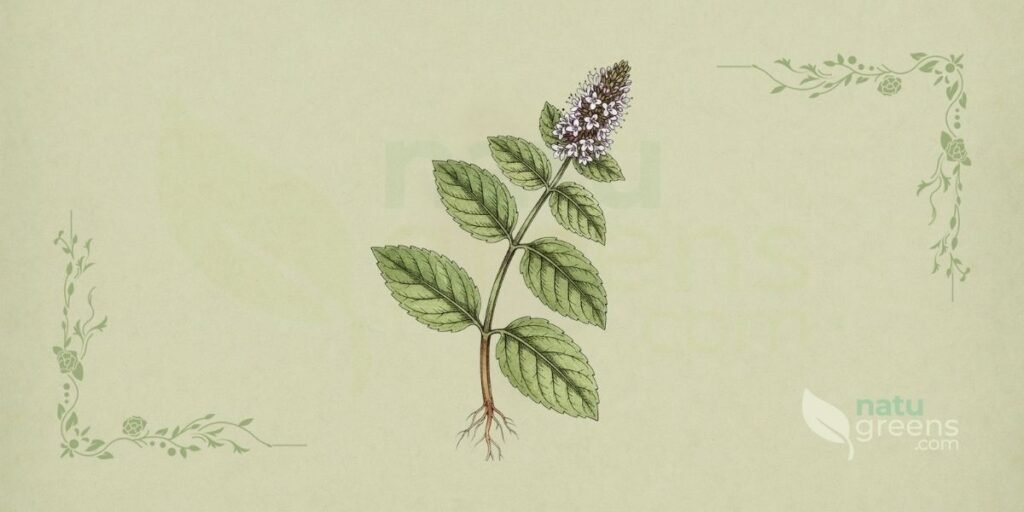
Rich in fiber, dates can be combined with other digestive plants, such as ginger (Zingiber officinale) and peppermint (Mentha × piperita), in a traditionally recorded combination aimed at relieving gastrointestinal discomfort. In this pairing, the laxative effect attributed to dates would add to that of the carminative herbs, which are traditionally used to regulate bowel transit and reduce abdominal discomfort, and tradition associates the combination with maintaining a healthy digestive system, although no studies have yet assessed the combined result.
Recipes and Usage Protocols of the Date Palm
Traditional Date Decoction for Coughs
This decoction is traditionally used to relieve coughs and respiratory discomfort, making use of the sweet pulp of dried dates in a warm drink that is simple to prepare.
Ingredients:
- 3 to 5 dried dates (Phoenix dactylifera)
- 250 ml of water
Preparation:
- Wash the dates thoroughly and remove the pits.
- Cut the dates into small pieces.
- Put the dates in the water and place the pan over the heat.
- Let it boil over low heat for 10 to 15 minutes.
- Strain the drink and take it warm.
Dosage: Traditionally, the drink is taken 2 to 3 times a day to relieve coughs and respiratory problems, and it can be sweetened with honey, bearing in mind that honey adds even more sugar, calls for caution in people with diabetes and should not be given to children under 1 year of age. A cough that persists for several days or comes with fever and shortness of breath requires medical evaluation.
Traditional Date Paste as a Tonic
This paste is traditionally used as a tonic and a source of energy, since it concentrates the natural sugars and fiber of dried dates in a versatile preparation for everyday use.
Ingredients:
- 1 cup of pitted dried dates
- 1/4 cup of water (or more, if needed)
Preparation:
- Place the dates and the water in a food processor.
- Process until you get a smooth, even paste.
- If the paste turns out too thick, add more water, one tablespoon at a time.
Dosage: Traditionally, 1 to 2 tablespoons a day are eaten as a natural energy tonic, either on their own, stirred into yogurt and smoothies or spread on bread. Because it is concentrated in sugar, the paste should be counted in the daily carbohydrate intake of people with diabetes.
The preparations above follow traditional records and do not replace professional guidance. Before any internal use, check the contraindications and interactions described in this article.
Associated Therapies
Phytotherapy
Phoenix dactylifera is widely used in phytotherapy thanks to its rich nutritional and phytochemical composition, and its fruits, leaves, pollen and seeds serve as the basis for extracts, infusions and other products. In herbal practice, the date is usually employed as an adjunct in digestive and inflammatory disorders and as nutritional support, although the scientific validation of these uses still rests mainly on experimental studies and on only a few clinical trials.
Functional Nutrition
Dates are considered a functional food because of their exceptional nutritional profile, rich in fiber, vitamins, minerals and antioxidants, which is why they appear in eating plans aimed at general health, good bowel function and energy supply. Nutritional studies also link them to cardiovascular health and immune support, but where blood sugar is concerned, their high sugar content calls for moderation and professional follow-up in people with diabetes, rather than use with the aim of regulating blood glucose.
Diet During Pregnancy
A meta-analysis of clinical trials evaluated the consumption of dates in late pregnancy and its effects on labor, a topic connected to the traditional use of the fruit by pregnant women and one that is still being studied. Any change to the diet during this period should be agreed with the prenatal care team, especially in cases of gestational diabetes.
Contraindications and Side Effects of the Date Palm
The date is generally considered safe for most people when eaten in food amounts, but its high content of natural sugars and some individual sensitivities call for attention, especially when it is used in medicinal doses or in the form of extracts or pollen.
Contraindications
- Allergy: People with an allergy to palm pollen or a sensitivity to dried fruit should avoid dates, and the same applies to people with a known allergy to the fruit or to other plants of the Arecaceae family, because of the risk of allergic reactions.
- Diabetes: Dates have a high content of natural sugars, and people with diabetes should account for the sugar in the fruit when managing their blood glucose and consult their doctor before eating it regularly in significant amounts. Even with a moderate glycemic index, the fruit can raise blood glucose, which makes monitoring blood sugar levels essential.
- Diabetes Medication: Anyone taking glucose-lowering drugs or insulin should talk to their doctor before using extracts of the plant, whose effect on blood glucose has only been observed in experimental studies, and also before including the fruit regularly in their diet, since its sugar interferes with dose adjustment.
- Individual Intolerance: In rare cases, individual intolerance may occur, showing up as gastrointestinal discomfort.
- Pregnancy and Breastfeeding: The fruit is part of the traditional diet during these stages, but pollen, extracts and concentrated preparations should not be used without medical guidance, since the pollen contains compounds with possible hormonal action and safety data for pregnant and breastfeeding women are lacking; women with gestational diabetes should also follow the precautions regarding the sugar in the fruit.
- Young Children: Young children at risk of choking on pits or dried pieces should not eat dates without supervision.
Side Effects
- Allergic Reactions: In rare cases, allergic reactions may occur, such as hives, skin rashes or swelling, especially in sensitive people.
- Gastrointestinal Discomfort: The high fiber content can cause bloating, diarrhea or gas in some people, especially when dates are eaten in large quantities without adequate hydration.
- Increased Blood Sugar: Excessive consumption of dates can raise blood sugar levels, especially in people with glucose sensitivity or uncontrolled diabetes.
Historical Notes and Interesting Facts
Origins and Ancient Cultivation
The date palm is one of the oldest cultivated plants known to humanity, with archaeological evidence of its cultivation in Arabia going back to the 6th millennium BC. Its exact origin is uncertain, but it is believed to have arisen in the Fertile Crescent, between Egypt and Mesopotamia, or in the Persian Gulf area, and for more than 6,000 years dates have been a staple food in many cultures, where they symbolize life and prosperity in arid regions.
Cultural and Religious Significance
Dates carry deep cultural and religious significance in several traditions, are emblematic of oasis agriculture and hold strong symbolism in Christianity, Islam and Judaism. In Islam, they are used to break the fast during Ramadan and are mentioned in the Quran, while in Jewish tradition the date is one of the seven sacred species associated with the Land of Israel and, among Christians, Palm Sunday is celebrated with palm fronds. In Ancient Egypt, the palm served as a symbol of the year in hieroglyphs, and its leaves were associated with the counting of the months.
Frequently Asked Questions about the Date Palm
How Do Fresh Dates Differ from Dried Dates?
Fresh dates are soft and moist and have a higher water content, while dried dates lose much of that water, which concentrates their sugars and nutrients and makes them sweeter, with a firmer, chewier texture. Both are nutritious, but dried dates are higher in calories and keep for much longer.
Are Dates Suitable for People with Diabetes?
Dates have a high content of natural sugars, and people with diabetes should account for the sugar in the fruit when managing their blood glucose and consult their doctor before eating it regularly in significant amounts. Because of the moderate glycemic index, small portions tend to cause a less abrupt rise in blood glucose, but consumption should be cautious, limited to small amounts and accompanied by constant monitoring of blood sugar levels.
Can Children Eat Dates?
Young children at risk of choking on pits or dried pieces should not eat dates without supervision. For them, the fruit should always be offered with the pit removed and under the watchful eye of an adult, and the honey used in some traditional recipes should not be given to children under 1 year of age.
Should People with Allergies Avoid Dates?
Yes, people with an allergy to palm pollen or a sensitivity to dried fruit should avoid dates, as should people with a known allergy to the fruit or to other plants of the Arecaceae family. The reactions described are rare and include hives, skin rashes and swelling.
Which Parts of the Date Palm Are Used?
Besides the fruit, tradition makes use of the pits, the flowers and pollen, the leaves, the trunk gum, the sap and the trunk itself, in preparations ranging from infusions and juices to extracts, tinctures and skin creams. Extracts, tinctures and pollen, being more concentrated, should only be used under professional guidance.
How Should Dates Be Stored to Keep Them Fresh?
Fresh dates should be kept in the refrigerator in an airtight container, where they last for several weeks, while dried dates can be stored at room temperature in a cool, dry place for several months, or in the refrigerator to preserve their freshness for up to a year. For long-term storage, they can be frozen for up to five years.
Notice: this content is for informational purposes and does not replace professional medical advice. Consult a physician or herbal practitioner before using medicinal plants, especially during pregnancy, breastfeeding, or alongside medication.
References and Scientific Studies
- PMC2024 Al-Karmadi A, Okoh AI. An Overview of Date (Phoenix dactylifera) Fruits as an Important Global Food Resource. Foods. 2024.
- PMC2019 Nasiri M, et al. Effects of consuming date fruits (Phoenix dactylifera Linn) on gestation, labor, and delivery: An updated systematic review and meta-analysis of clinical trials. Complementary Therapies in Medicine. 2019.
- PMC2014 Rahmani AH, et al. Therapeutic effects of date fruits (Phoenix dactylifera) in the prevention of diseases via modulation of anti-inflammatory, anti-oxidant and anti-tumour activity. International Journal of Clinical and Experimental Medicine. 2014.