


Sweet orange (Citrus × sinensis): traditional uses of the peel and flowers, phytochemistry, home recipes, juice and drug interactions, and safety notes.
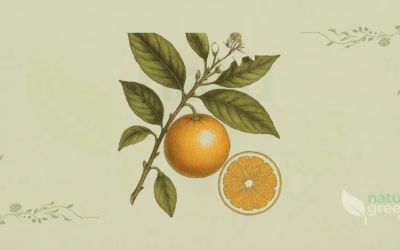

Sweet orange (Citrus × sinensis): traditional uses of the peel and flowers, phytochemistry, home recipes, juice and drug interactions, and safety notes.
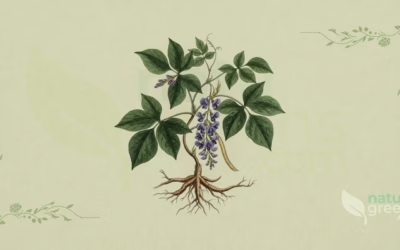
Kudzu (Pueraria montana): traditional uses, isoflavones, preparation methods, research on alcohol intake, drug interactions and key safety precautions.
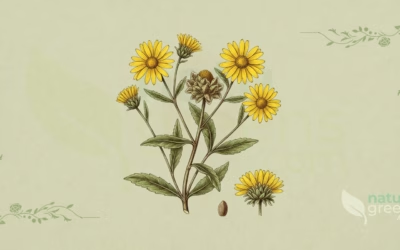
Gumweed (Grindelia robusta): traditional respiratory uses, phytochemistry, preparation, synergies and cautions for kidneys, blood pressure and allergy.
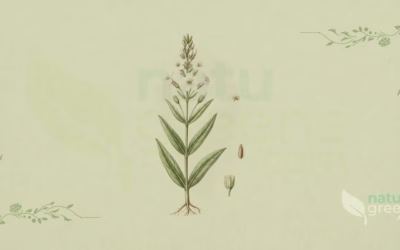
Soapwort (Saponaria officinalis): learn about traditional uses, saponins, external-use recipes, precautions for internal use and the risk of the seeds.
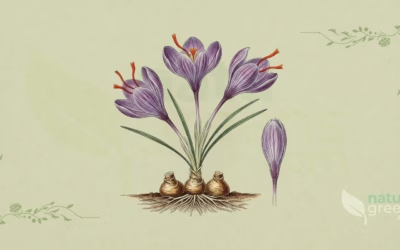
Saffron (Crocus sativus): traditional uses, phytochemistry, recipes, safety limits and how to tell saffron apart from turmeric and meadow saffron.
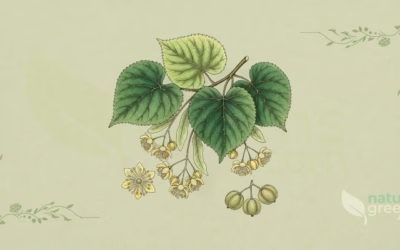
Littleleaf linden (Tilia cordata): traditional uses of linden, key compounds, how to prepare the tea, recipes, contraindications, and drug interactions.
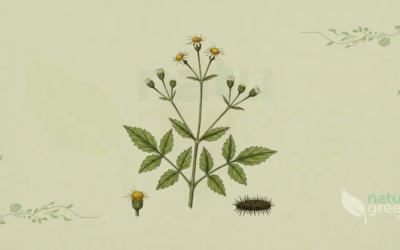
Hairy beggarticks (Bidens pilosa): traditional uses, phytochemical profile, preparation methods and key precautions on phototoxicity and drug interactions.
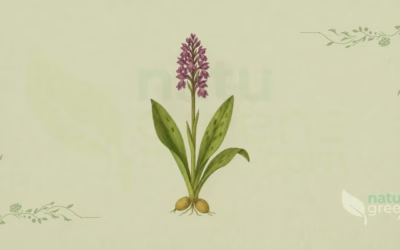
Early-purple orchid (Orchis mascula): traditional uses of salep, key compounds, safety precautions and why wild-harvested tubers should be avoided.
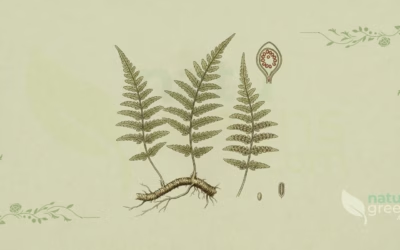
Polypody (Polypodium vulgare): learn about the traditional uses of this fern, its phytochemicals, preparation methods, recipes and safety precautions.
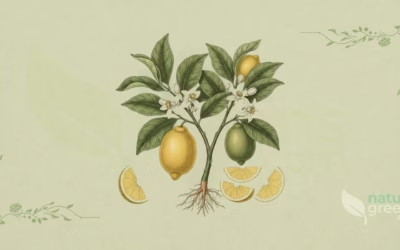
Lemon (Citrus × limon): names, phytochemistry, traditional uses, recipes and precautions for tooth enamel, reflux and peel phototoxicity.
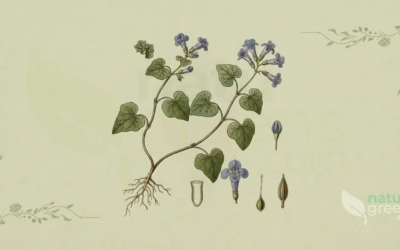
Ground-ivy (Glechoma hederacea): traditional uses, active compounds, preparation methods, recipes and the safety precautions to know before using the plant.
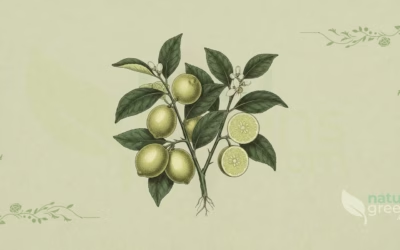
Key lime (Citrus × aurantiifolia): popular names, traditional uses, phytochemistry, recipes and precautions for sun exposure, skin and tooth enamel.
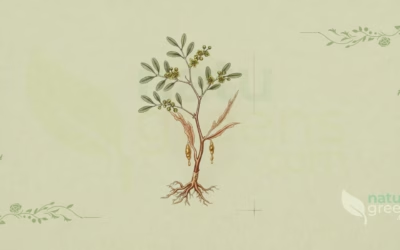
Myrrh (Commiphora myrrha): learn about the traditional uses of the resin, its compounds, preparation methods, drug interactions and pregnancy precautions.
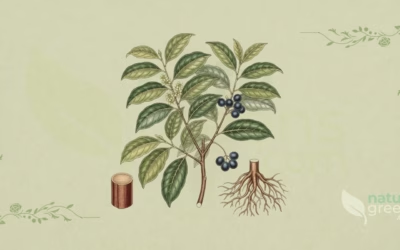
Camphor (Cinnamomum camphora): traditional external uses, chemotypes, phytochemical profile, contraindications and toxicity warnings, especially for children.
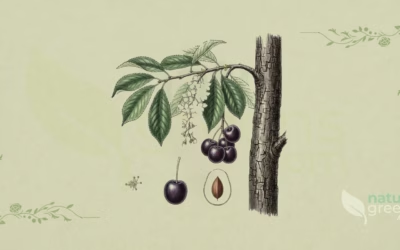
Black cherry (Prunus serotina): traditional use of the bark for cough, preparation methods, toxicity of leaves and pits, and contraindications.
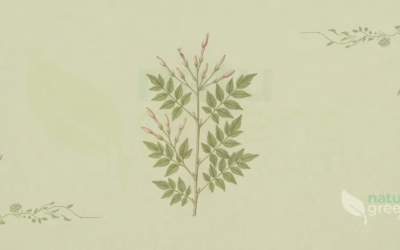
Jasmine (Jasminum officinale): traditional uses, active compounds, tea and massage oil recipes, safety precautions and frequently asked questions.
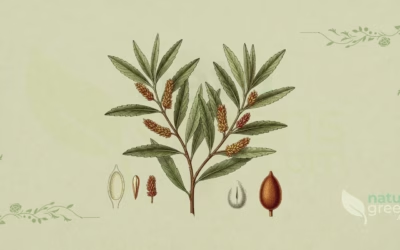
Bog myrtle (Myrica gale): traditional uses, essential oil, phytochemicals, home recipes and key precautions in pregnancy and breastfeeding.
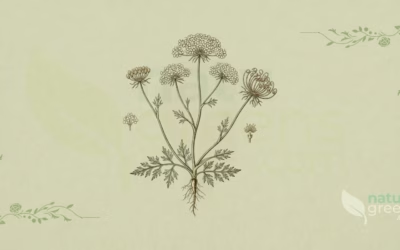
Khella (Ammi visnaga): traditional uses, khellin and visnagin, preparation methods, research, and cautions about the liver, sunlight, and drug interactions.
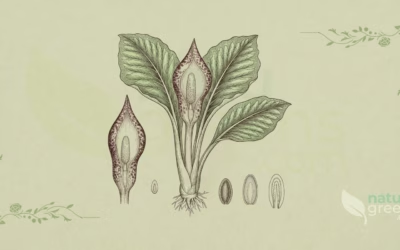
Skunk cabbage (Symplocarpus foetidus): traditional uses, phytochemistry, preparation methods, calcium oxalate risks and contraindications of the plant.
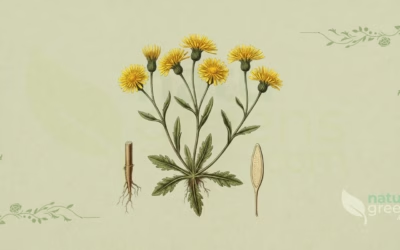
Mouse-ear hawkweed (Pilosella officinarum): traditional uses, active compounds, tea preparation, synergies and safety precautions for this diuretic herb.
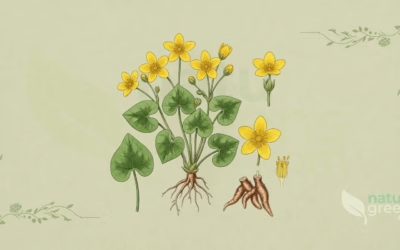
Lesser celandine (Ficaria verna): traditional uses for hemorrhoids, key compounds, preparation methods and why the fresh plant is toxic and calls for caution.
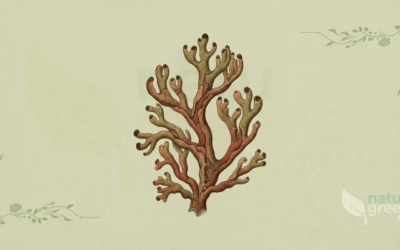
Iceland moss (Cetraria islandica): traditional uses for cough and throat irritation, phytochemistry, tea preparation, recipes and usnic acid precautions.
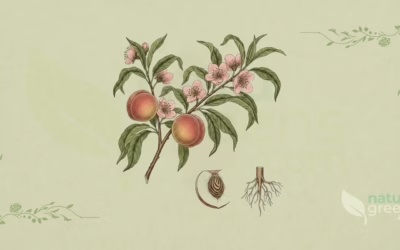
Peach (Prunus persica): common names, traditional uses, bioactive compounds, preparation methods and why the peach kernel should never be eaten.
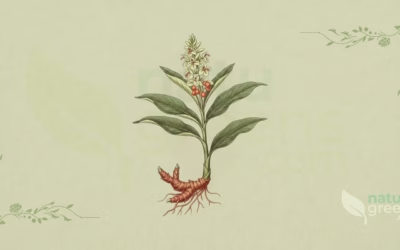
Galangal (Alpinia galanga): explore common names, traditional uses, rhizome compounds, preparation methods, recipes and safety notes for this spice.
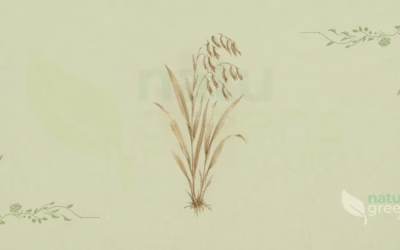
Oats (Avena sativa): traditional uses, beta-glucans and cholesterol, oat bath and porridge recipes, contraindications and gluten precautions explained.
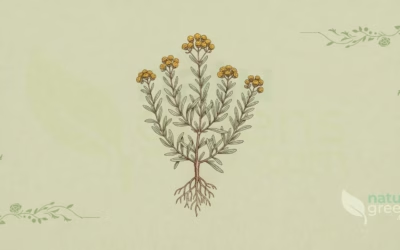
Immortelle (Helichrysum italicum): traditional uses, essential oil, active compounds, preparation methods, recipes and safety precautions for this plant.
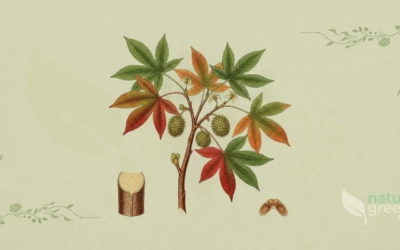
Oriental sweetgum (Liquidambar orientalis): traditional uses of its storax resin, phytochemicals, preparation forms, recipes and safety tips for external use.
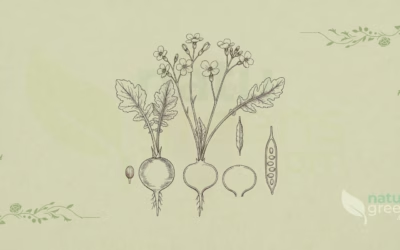
Radish (Raphanus sativus): traditional uses, compounds such as glucosinolates, recipes, herbal pairings, and precautions for thyroid health and gallstones.
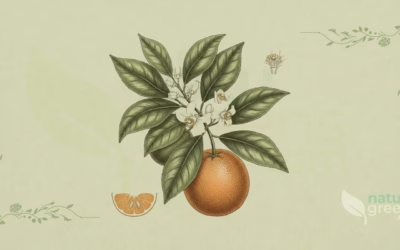
Bitter orange (Citrus aurantium): traditional and culinary uses, phytochemistry, recipes and precautions with synephrine, a cardiovascular stimulant.
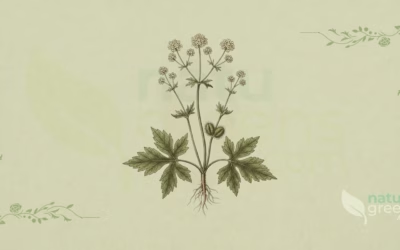
Learn about sanicle (Sanicula europaea): traditional uses for wounds, studied compounds, preparation methods, recipes and essential safety precautions.
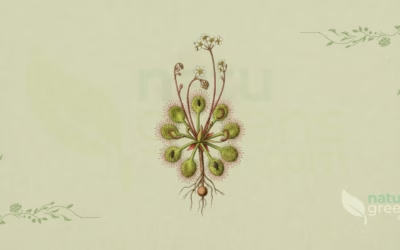
Round-leaved sundew (Drosera rotundifolia): traditional uses for coughs, phytochemistry, preparation, recipes and contraindications of this carnivorous plant.
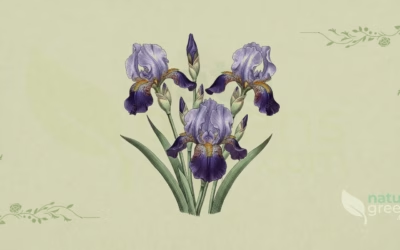
German iris (Iris germanica): traditional uses, phytochemistry, how the dried and cured rhizome is prepared, safety precautions and contraindications.
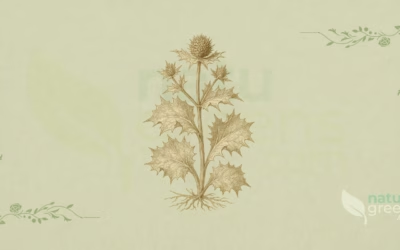
Sea holly (Eryngium maritimum): traditional uses as a diuretic and expectorant, preparation methods, recipes, contraindications and safety precautions.
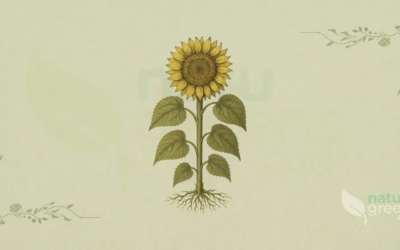
Sunflower (Helianthus annuus): traditional uses of the seeds, leaves and flowers, preparation methods, recipes, active compounds and allergy contraindications.
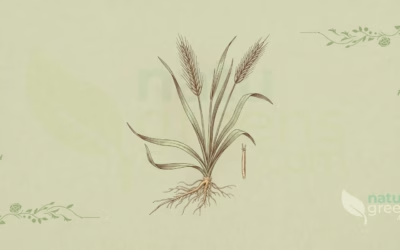
Couch grass (Elymus repens): traditional uses, parts used, preparation methods, recipes, safety, contraindications and drug interactions.
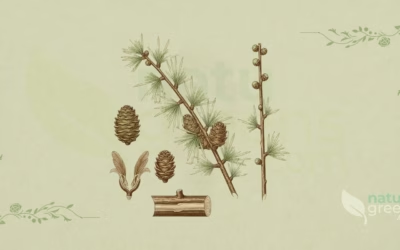
European larch (Larix decidua): traditional uses of the resin and bark, preparation methods, active compounds, contraindications and safety precautions.
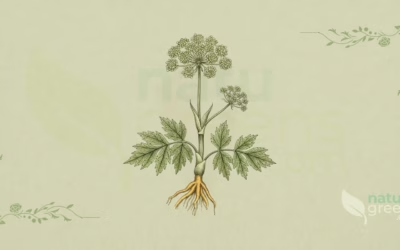
Angelica (Angelica archangelica): traditional uses, preparation methods, contraindications and the photosensitivity risk of this Apiaceae plant.
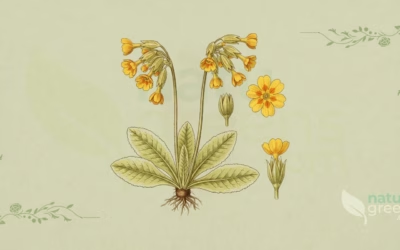
Cowslip (Primula veris): traditional uses of the flower and root, preparations, recipes, synergies, contraindications and safety notes on allergy and saponins.
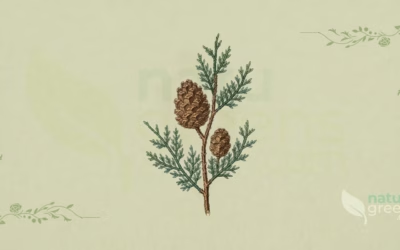
Cypress (Cupressus sempervirens): traditional uses, how to prepare the tea and diluted essential oil, pregnancy contraindications and safety precautions.
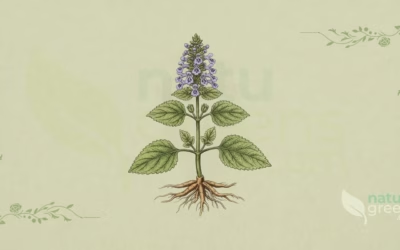
Indian coleus (Coleus barbatus): traditional digestive uses, forskolin, preparation methods, drug interactions and warnings for pregnancy and glaucoma.
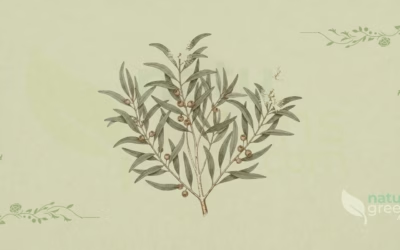
Cajuput (Melaleuca cajuputi): traditional uses of the essential oil, preparation methods, topical recipes and contraindications for children and pregnancy.
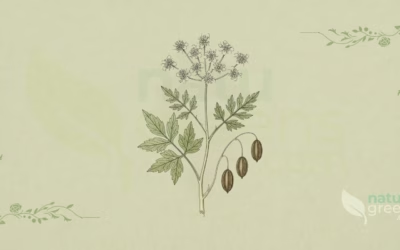
Anise (Pimpinella anisum): traditional digestive and calming uses, how to prepare the tea and tincture, contraindications, and how it differs from star anise.
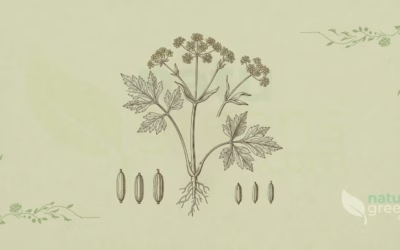
Lovage (Levisticum officinale): traditional uses as a digestive and diuretic herb, how to make lovage tea, plant compounds and contraindications.
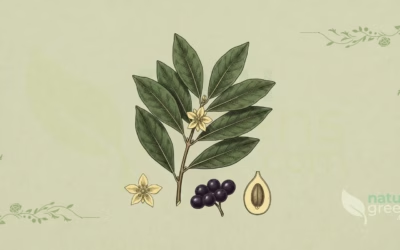
Bay Laurel (Laurus nobilis): traditional uses, tea and essential oil, active compounds, contraindications, and why whole leaves must come out before eating.
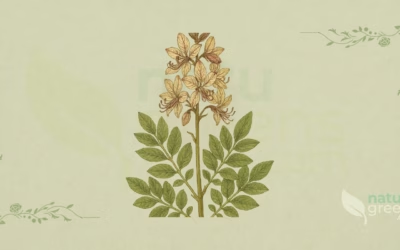
Gas Plant (Dictamnus albus): traditional uses, preparation, phytochemicals and contraindications of a phototoxic plant with liver risk when taken internally.
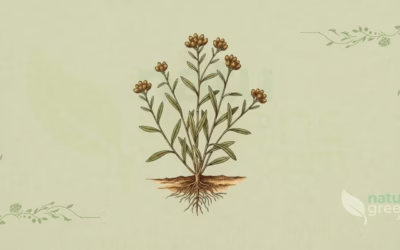
Marsh Cudweed (Gnaphalium uliginosum): plant used in traditional infusions for mild hypertension and sore throat, with contraindications in pregnancy.
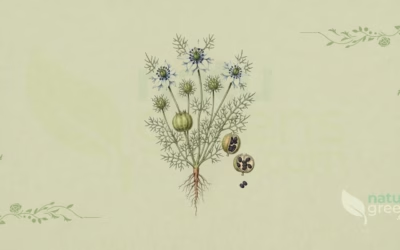
Black cumin (Nigella sativa): seeds traditionally used for immunity, digestion, and inflammation, with preparation methods, dosing, and contraindications.
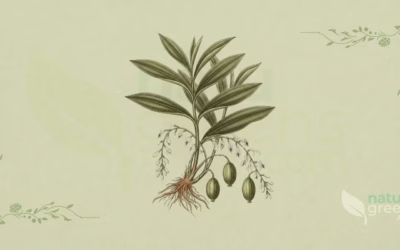
Cardamom (Elettaria cardamomum): digestive spice used in teas, with traditional effects on digestion, circulation, and known contraindications.
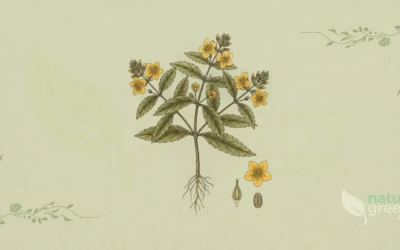
Damiana (Turnera diffusa) is an aphrodisiac plant used in teas and tinctures, with traditional effects on libido and anxiety, and pregnancy contraindications.
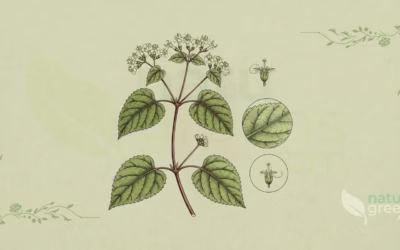
Guaco (Mikania glomerata): traditional use for respiratory conditions, tea and syrup preparation, anticoagulant interactions, and pregnancy warning.
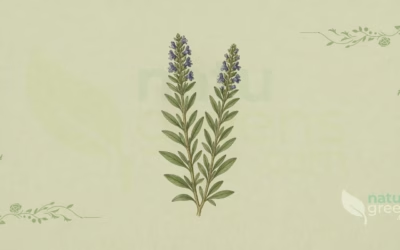
Hyssop (Hyssopus officinalis): traditional uses for cough and digestion, tea preparation, and essential oil contraindications in pregnancy and children.
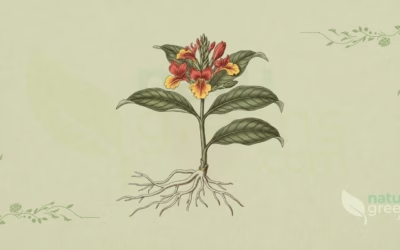
African ginger (Siphonochilus aethiopicus): traditional uses, tea preparation, and contraindications for pregnancy and blood thinners.
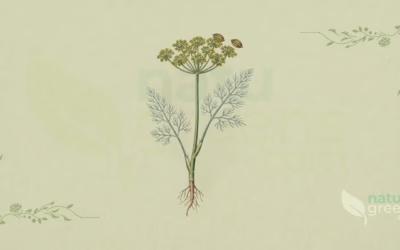
Dill (Anethum graveolens): traditional uses, tea preparation, and contraindications for pregnant women, nursing mothers, and those on blood thinners.
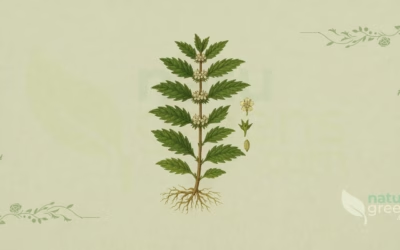
Sweet Bugleweed (Lycopus virginicus): North American herb for cough and palpitations, with infusion, tincture, and contraindications for thyroid issues.
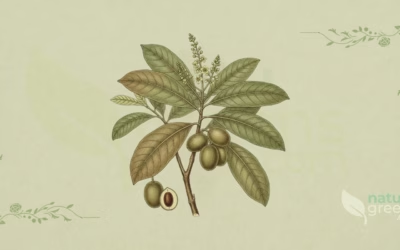
Beleric (Terminalia bellirica): traditional uses, preparation methods, Triphala synergy, and contraindications of this Ayurvedic laxative plant.
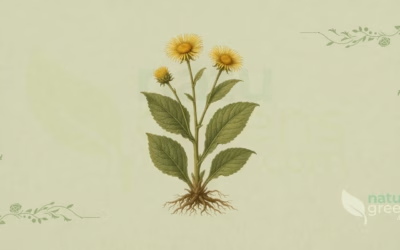
Elecampane (Inula helenium): root used in teas and decoctions for cough, digestion, and immune support, with preparation and cautions explained.
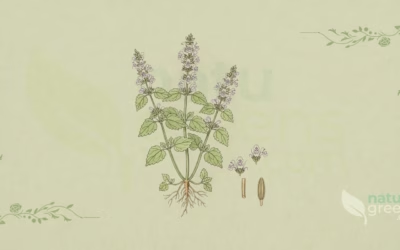
Catnip (Nepeta cataria): calming herb brewed as tea for anxiety, sleep, and digestion, with preparation methods and contraindications explained.
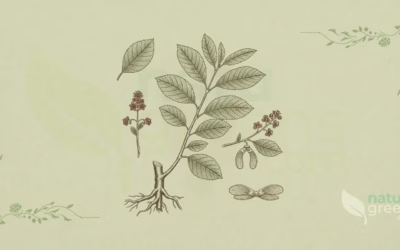
Field elm (Ulmus minor): traditional uses, tea and poultice preparation, phytochemical profile, and contraindications for internal and topical use.
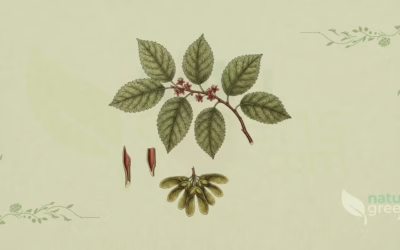
Slippery Elm (Ulmus rubra): traditional uses, tea preparation, demulcent properties, and contraindications of this North American medicinal bark.
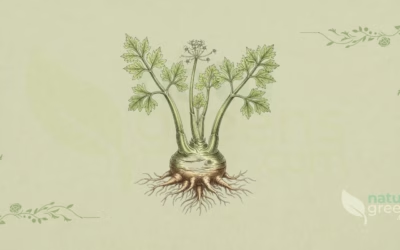
Celery (Apium graveolens): diuretic and anti-inflammatory plant, with traditional uses, preparation, synergies, and contraindications explained.