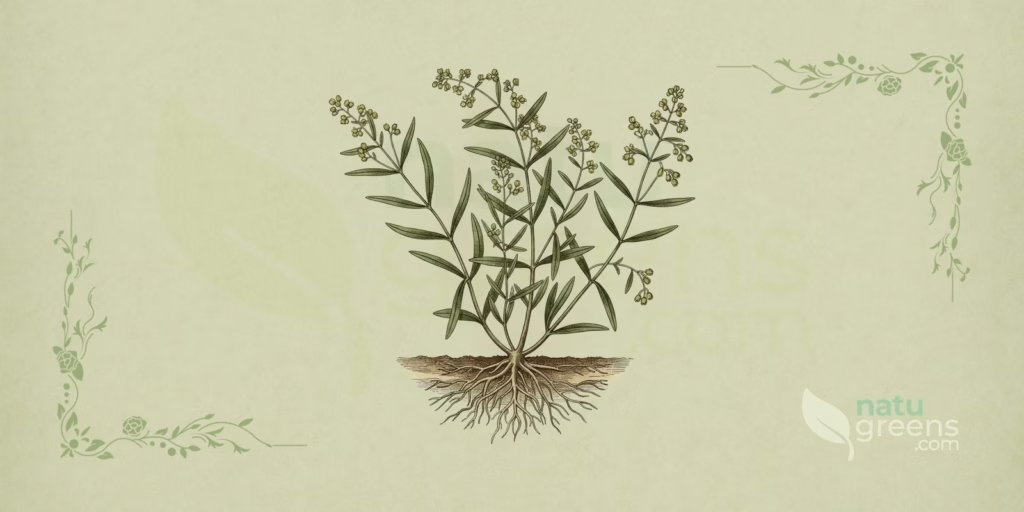
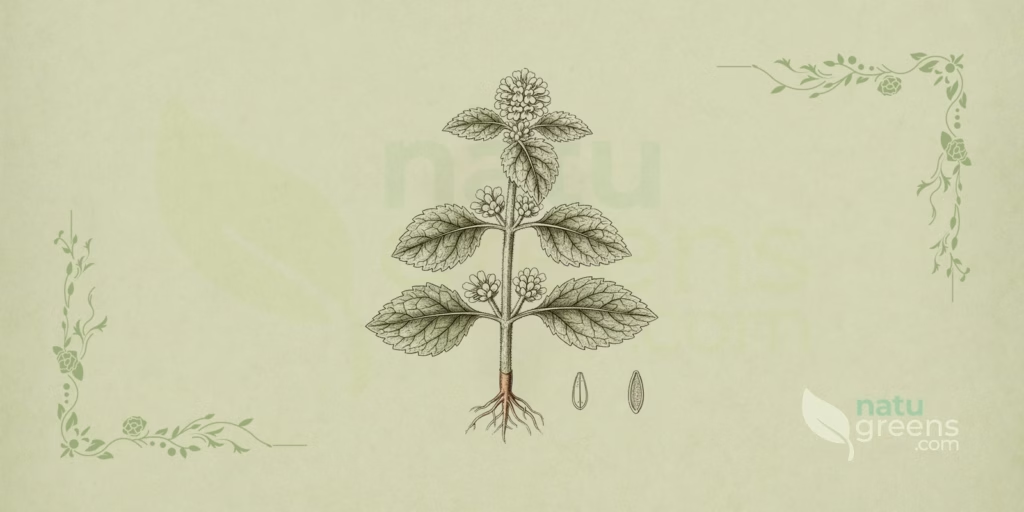
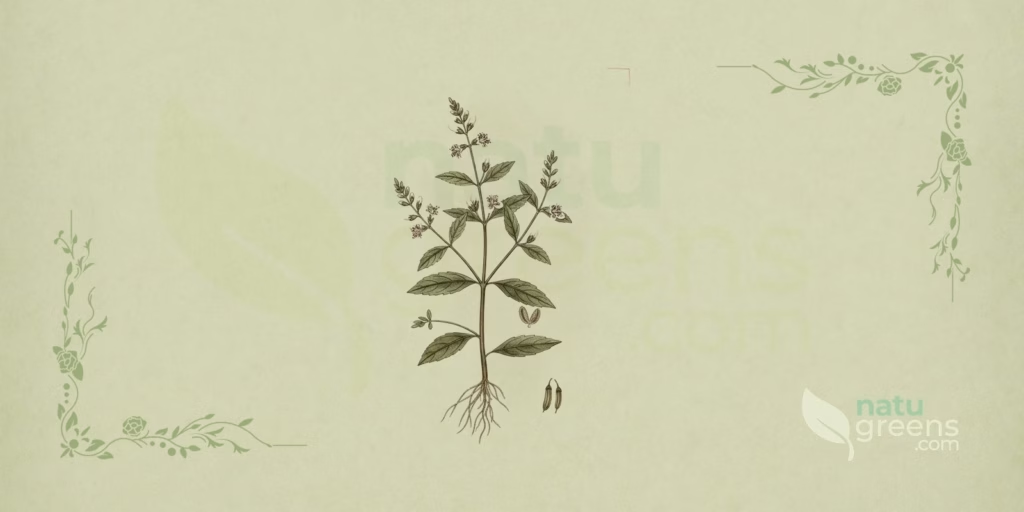
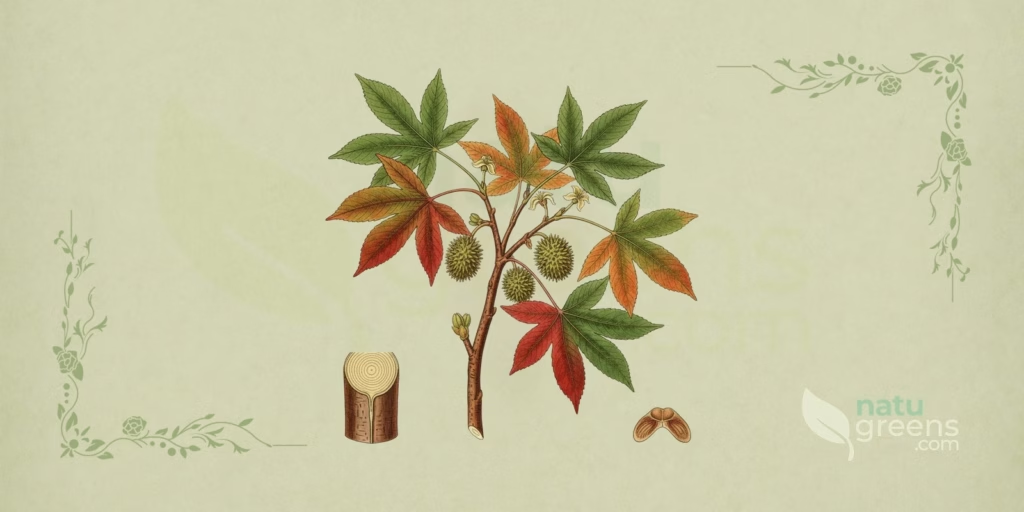
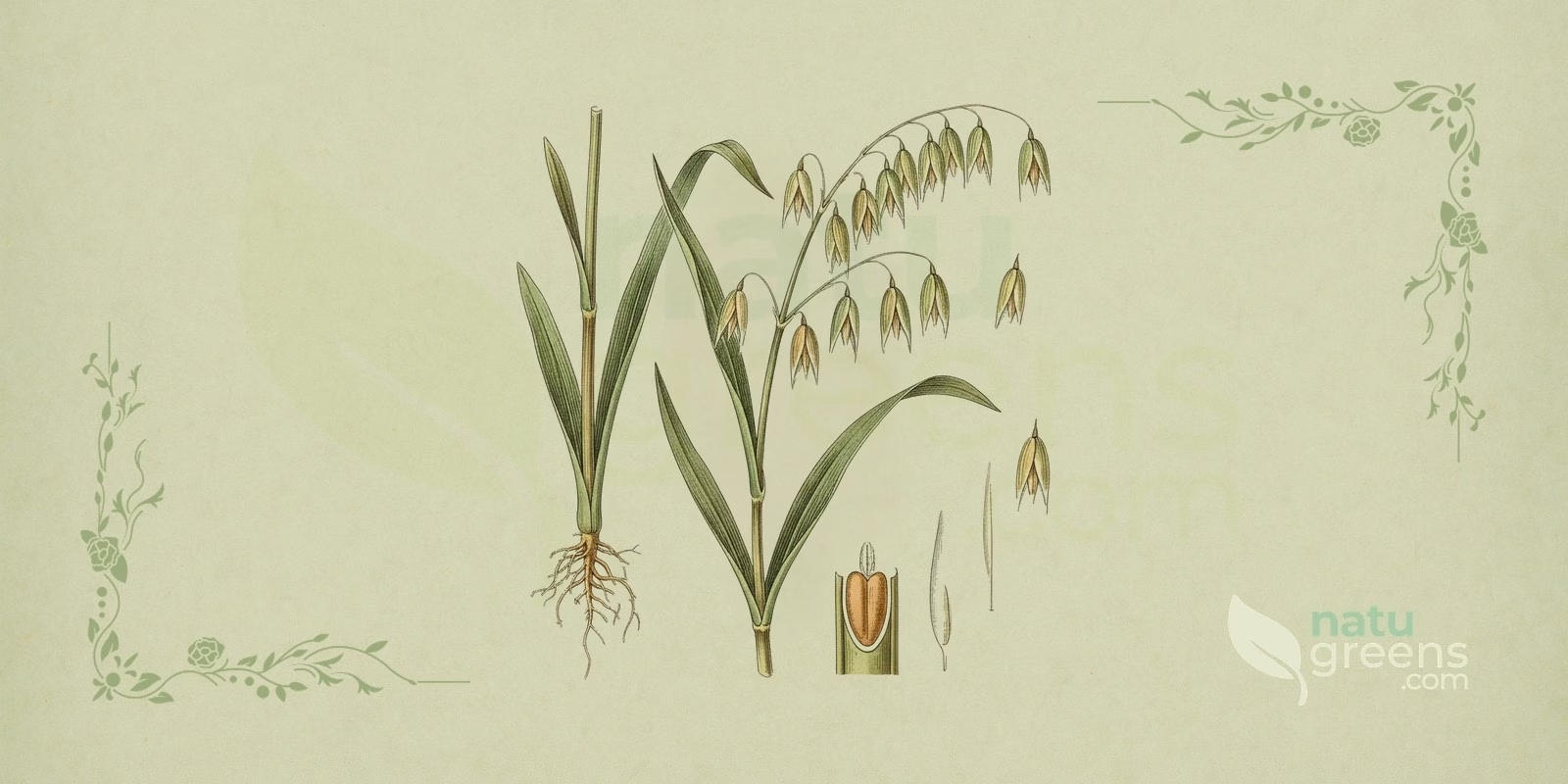
The oat (Avena sativa L.) is a cereal of the Poaceae family widely grown in temperate regions, and oats are known above all as a common food, although the plant also has an additional traditional use as a mild calming agent and topical emollient. Its wild ancestor is associated with the Fertile Crescent, and for millennia the plant followed wheat and barley crops as a weed until it was recognized and cultivated on its own merits. Today it is a staple food in many cultures and an ingredient in countless culinary preparations, food products and cosmetics.
Scientific interest in the species centers on two groups of compounds. The first comprises the beta-glucans, soluble fibers whose effect on LDL cholesterol and on blood glucose after meals has been confirmed in meta-analyses of clinical trials. The second is the avenanthramides, polyphenols virtually exclusive to oats among cereals, whose antioxidant and anti-inflammatory action has been observed mainly in laboratory studies. The immune modulation attributed to beta-glucans is also under study, so far only in experimental models. Alongside this, folk tradition in several cultures records the use of the plant for digestive complaints, nervous exhaustion and skin inflammation. The sections below cover these uses, the phytochemical profile, preparation methods and safety precautions, with special attention to the gluten issue.
Popular and International Names of Oats
In English, the plant is known as oat, common oat or cultivated oat, names that set the species grown for food apart from wild oats and from other species of the genus used as forage, while the grain itself is usually called oats. In Portuguese it is simply aveia or aveia-comum, and in other languages the names generally derive from the Latin avena or, in the case of German and English, from their own Germanic roots, as the list below shows.
- English: common oat, cultivated oat, oat.
- French: avoine, avoine commune, avoine cultivée.
- German: Echter Hafer, Hafer, Saathafer.
- Italian: avena, avena coltivata, avena comune.
- Portuguese: aveia, aveia-comum.
- Spanish: avena, avena común, avena cultivada.
Botanical Synonyms of Avena sativa
The name Avena sativa L. was published by Linnaeus in 1753 and remains the accepted name of the species, with no synonyms in current use in the pharmacological literature. Some cultivated forms, such as naked oat (Avena nuda L.) and red oat (Avena byzantina K.Koch), are treated by some authors as separate species and by others as varieties or subspecies of A. sativa. This explains the variation in names found in germplasm banks and in genetic studies on the domestication of the cereal.
Botanical Family: Poaceae
Oats belong to the Poaceae family, also called Gramineae, which brings together the grasses and the world’s main cereals, such as wheat, barley, rye, rice and maize. Within it, the genus Avena belongs to the subfamily Pooideae, typical of temperate climates. Cultivated oat is a hexaploid species, with six sets of chromosomes inherited from three distinct ancestral genomes, as detailed by the complete sequencing of its genome published in 2022.
Parts of Oats Used
The best-known part is the grain, eaten as flakes, bran or flour. Herbal medicine, however, also makes use of the dried straw and of the aerial parts harvested green, at the stage when the immature grains release a milky liquid if pressed between the fingers.
- Grains (seeds)
- Green aerial parts (especially immature)
- Straw
Ethnobotanical and Traditional Uses
The ethnobotanical records gathered in recent reviews describe oats as a nourishing and restorative plant, used in various cultures for states of nervous fatigue, skin conditions and digestive complaints. The uses listed below correspond to traditional records and, in most cases, have not been confirmed by clinical trials. They serve as a portrait of folk memory, not as a treatment recommendation.
- Anxiety
- Eczema
- Fluid retention
- Insomnia
- Nervous exhaustion
- Opium and tobacco withdrawal (traditional record, not confirmed in clinical trials)
- Rheumatism
- Tumors (folk record of the use of the seeds, with no clinical proof)
Therapeutic Properties of Oats
The properties listed below combine effects supported by human clinical trials, such as the lowering of LDL cholesterol by beta-glucans, with activities observed only in the laboratory or in animals and with descriptions inherited from tradition. The note in parentheses indicates the type of evidence available for each item.
- Anthelmintic (activity against parasitic worms reported in experimental studies)
- Anti-inflammatory (avenanthramides reduce inflammatory mediators in laboratory studies)
- Antiallergic (modulation of allergic responses described in experimental studies)
- Antihypoxic (protection against oxygen deprivation in tissues reported in experimental studies)
- Antioxidant (neutralization of free radicals in laboratory assays)
- Antiproliferative (activity observed in laboratory studies, with no clinical confirmation)
- Antispasmodic (traditional record for the relief of spasms)
- Bowel regulator (the fibers increase stool bulk and support intestinal transit)
- Cardioprotective (beta-glucans lower LDL cholesterol in clinical trials)
- Demulcent (forms a film that soothes and protects irritated skin and mucous membranes)
- Diuretic (traditional record of increased urine output)
- Glycemic regulator (beta-glucans blunt the rise in blood glucose after meals in clinical trials)
- Hepatoprotective (activity reported in experimental studies, not confirmed in humans)
- Immunomodulatory (effect of beta-glucans on the immune system investigated in experimental studies)
- Nerve tonic (traditional record of green oats as a tonic for the nervous system)
- Tonic (traditional record as a general restorative)
The best-documented effect is that of beta-glucans on cholesterol, evaluated in several meta-analyses of randomized trials. The effect on blood glucose after meals is also backed by systematic reviews, which show that both the molecular weight of the fiber and the dose consumed make a difference. For green oats, controlled trials of a standardized extract conducted in healthy adults observed modest effects on some cognitive measures, a result that is still insufficient to support the use of the extract for anxiety or insomnia.
Detailed Phytochemical Profile of Oats
The composition of oats combines fiber, protein, lipids and a variety of secondary metabolites that differ according to the part of the plant. Avenacins are concentrated in the roots, while beta-glucans, avenanthramides and tocols are found mainly in the grains and bran.
- Alkaloids
- Anthocyanins
- Avenacins
- Avenacosides (A and B)
- Avenanthramides (conjugates of anthranilic acid with caffeic, coumaric and ferulic acids)
- Beta-glucans
- Carbohydrates (bifurcose, kestose, neokestose)
- Carotenoids
- Flavonoids (amentoflavone, kaempferol, luteolin, naringenin, quercetin, tricin)
- Gums
- Lignans (lariciresinol, medioresinol, pinoresinol)
- Minerals (including selenium)
- Mucilage
- Polyphenols
- Saponins
- Sterols (campesterol, sitosterol, sterol glucoside, stigmasterol)
- Tannins
- Tocols (tocopherols and tocotrienols, especially alpha-tocotrienol)
In the gut, beta-glucans form a viscous gel that binds bile acids and cholesterol, and this mechanism accounts for a large share of the metabolic effects attributed to the cereal. Because milling, heating and fermentation alter the viscosity and molecular weight of these fibers, the type of processing has a direct bearing on the outcome. This helps explain why oat flakes, oat bran and oat-based drinks do not produce equivalent effects.
Preparation and Administration Forms of Oats
- Colloidal oatmeal bath (finely ground flakes)
- Decoction of the grains
- Fluid extracts
- Fresh plant tincture
- Infusion of the aerial parts
- Rolled oat porridge
The grains are eaten mainly as food, in the form of flakes, bran, flour or porridge, and a decoction of the grains appears in traditional home recipes. The green aerial parts are used as an infusion, while the tincture is usually prepared from the fresh plant harvested at the milky stage and contains alcohol. For that reason, it calls for caution in pregnant and breastfeeding women, children and people who avoid alcoholic beverages. Fluid extracts and standardized green oat extracts sold as supplements should follow the dose stated on the label or by the prescribing professional. For external use, colloidal oatmeal is dispersed in bath water or incorporated into creams and lotions.
Synergy with Other Medicinal Plants
In traditional herbal medicine, oats are often paired with other nervine herbs, both relaxing and stimulating, in traditional formulas aimed at the nervous system as a whole. A classic example is the combination with chamomile (Matricaria chamomilla), traditionally used to enhance the calming character of the preparation. The pairing with ginseng (Panax ginseng), on the other hand, appears in traditional records that seek a more energizing and adaptogenic effect, depending on each person’s needs.
These combinations have not been evaluated as formulas in clinical trials, and each plant brings its own restrictions. Chamomile can cause allergies in people sensitive to the Asteraceae family, and ginseng has documented interactions with anticoagulants, blood sugar-lowering drugs and some antidepressants, which is why any combination should first be discussed with a healthcare professional.
Recipes and Usage Protocols of Oats
Oat Bath for Skin Irritations
This bath is traditionally used to relieve itching, eczema, sunburn and other skin irritations, a use supported by the demulcent properties of oats and by the anti-inflammatory activity of colloidal oatmeal observed in laboratory studies. To prepare it, add one cup of finely ground oat flakes (colloidal oatmeal) to a bathtub of lukewarm water, stir well to disperse the powder and soak for 15 to 20 minutes.
Before the first bath, apply a little of the mixture to a small area of skin and wait a few hours, because topical use can cause an allergic reaction in people sensitive to oat proteins. When you get out of the tub, pat the skin dry gently, without rubbing.
Green Oat Infusion for the Nervous System
This infusion is traditionally used as a mild calming agent during periods of nervous tension, passing anxiety and restless sleep, a traditional record that does not replace medical assessment when symptoms persist. Use one teaspoon of green oat aerial parts, fresh or dried, per cup of hot water, let it steep for 10 to 15 minutes and strain before drinking. In tradition, up to three cups a day is a common amount.
Anyone taking sedatives, anxiolytics or antidepressants should talk to their doctor before adding the infusion to their routine, especially if they plan to combine it with other calming herbs.
Oat Porridge for Digestive and Cardiovascular Health
Porridge is the simplest way to include beta-glucans in the diet and is traditionally eaten as a light meal that supports bowel function. Clinical trials, in turn, associate regular intake of these fibers with lower LDL cholesterol and a smaller rise in blood glucose after meals. Cook half a cup of rolled oats in one and a half cups of water or milk, plant-based or dairy, for about 5 to 7 minutes, stirring occasionally, and add fruit, nuts or honey to taste.
The meta-analyses behind the cholesterol effect generally work with at least 3 g of beta-glucan per day, an amount that varies with the type of product and the processing. As for honey, it should not be given to children under 1 year of age. People with celiac disease or non-celiac gluten sensitivity should follow the restrictions described in the contraindications before preparing this recipe.
The preparations above follow traditional records and do not replace professional guidance. Before any internal use, check the contraindications and interactions described in this article.
Associated Therapies
Dermatological Care
Colloidal oatmeal, obtained by finely grinding the grains, is widely used in lotions, soaps and creams for dry, irritated skin, and laboratory studies attribute part of this effect to avenanthramides, which reduce inflammatory mediators linked to itching. In this context, oats act as an adjunct to the care prescribed by a dermatologist, not as a substitute for the treatment of dermatitis and eczema.
Herbal Medicine
Herbal medicine uses oats in teas, tinctures and extracts to take advantage of their nutritional and medicinal properties. The plant usually appears as a nourishing tonic for the nervous system and as a demulcent agent for the skin and digestive tract, roles that rest mainly on traditional records and experimental studies.
Homeopathy
In homeopathy, Avena sativa is used as a mother tincture and in dilutions indicated by homeopathic tradition for conditions related to the nervous system, such as insomnia, nervous exhaustion, anxiety and substance dependence. The dose and potency are left to the homeopathic practitioner. These uses have not been confirmed in controlled clinical trials, and chemical dependence requires specialized medical care that no preparation can replace.
Functional Nutrition
In nutrition, oats are valued for their content of beta-glucans, protein and fiber and appear in eating plans aimed at managing cholesterol and blood glucose. They should always be used as part of a balanced diet, without replacing the medications prescribed by a doctor.
Contraindications and Side Effects of Oats
Oats are generally considered safe for most people when consumed in food amounts. There is no relevant restriction at usual dietary doses for people who do not have the conditions described below, which deserve specific attention.
Celiac Disease and Gluten Sensitivity
Oats are contraindicated in celiac disease or non-celiac gluten sensitivity because of the risk of cross-contamination with wheat, barley or rye during cultivation and processing, even though oats are naturally gluten-free. In addition, a small proportion of people with celiac disease react to pure oats themselves because of avenins, proteins similar to gluten. For this reason, even products certified as gluten-free should only enter the diet of people with celiac disease with the clearance and follow-up of a doctor or dietitian.
Allergy with Topical Use
Topical use (oat baths) can cause an allergic reaction in people sensitive to oat proteins, with redness, itching or hives. It is therefore advisable to test the preparation on a small area of skin before using it on the whole body, especially in children with dermatitis.
Common Side Effects
Excessive oat consumption, especially by people not used to a high-fiber diet, can cause bloating, gas and abdominal discomfort. The most prudent approach is to increase fiber intake gradually while staying well hydrated throughout the day.
Pregnancy, Breastfeeding and Children
In food amounts, oats are part of the usual diet of pregnant and breastfeeding women and of children, but tinctures, which contain alcohol, and concentrated green oat extracts lack sufficient safety data for these stages and should be avoided without professional guidance. The honey suggested as a topping for the porridge should not be given to children under 1 year of age because of the risk of infant botulism.
Drug Interactions
There are no known significant drug interactions with oats, but their high fiber content may, in theory, reduce the absorption of certain medications taken at the same time. For this reason, a gap of a few hours between an oat-based meal and medication is recommended. People who use blood sugar-lowering drugs or insulin and start consuming large amounts of bran or beta-glucan supplements should monitor their blood glucose with their doctor. Those taking sedatives, anxiolytics, antidepressants or anticoagulants should consult a healthcare professional before combining green oat preparations with other plants, such as the ginseng mentioned in the synergy section.
Historical Notes and Interesting Facts
- Oats were initially considered a weed in wheat and barley fields before being intentionally cultivated.
- Samuel Johnson, in his 1755 dictionary, defined oats as “a grain, which in England is generally given to horses, but in Scotland supports the people”.
- The English folk song “Oats and Beans and Barley Grow” has been documented since the 19th century and has spawned variations in several countries.
- In English, the idiom “sowing one’s wild oats” refers to the romantic escapades of youth.
- In the late 1980s, oat consumption grew substantially in the United States, driven by publicity about its effects on cholesterol.
- In 2022, an international consortium published the oat reference genome in the journal Nature, revealing a mosaic hexaploid genome shaped by rearrangements among its three ancestral subgenomes.
Frequently Asked Questions about Oats
Do Oats Contain Gluten?
Pure oats are naturally gluten-free, but cross-contamination with wheat, barley and rye is common during cultivation, harvesting and processing. For this reason, oats are contraindicated in celiac disease or non-celiac gluten sensitivity. Even products certified as gluten-free should only be eaten by people with celiac disease with clearance from a doctor or dietitian, since some of them react to the avenins in oats themselves.
What Are the Main Benefits of Oats for Cardiovascular Health?
Oats are rich in beta-glucans, a soluble fiber that lowered LDL cholesterol and total cholesterol in meta-analyses of clinical trials. The effect is attributed to the formation of a gel in the digestive tract that binds bile acids and cholesterol, hindering their reabsorption and promoting their excretion. The antioxidant and anti-inflammatory action of avenanthramides on blood vessels, by contrast, has been observed mainly in laboratory studies.
Can Oats Help with Blood Sugar Control?
Beta-glucans delay the digestion and absorption of carbohydrates, which slows the release of glucose into the bloodstream and blunts sugar spikes after meals, an effect described in meta-analyses of clinical trials. For people with type 2 diabetes, oats can be part of a professionally guided diet without replacing prescribed treatment, and anyone using blood sugar-lowering drugs should monitor their blood glucose when increasing intake.
How Do Oats Benefit Skin Health?
Finely ground colloidal oatmeal is widely used in skin products for its demulcent, antioxidant and anti-inflammatory properties. Traditional use links these products to relief of itching and irritation in eczema, atopic dermatitis and sunburn. Laboratory studies indicate that avenanthramides reduce inflammatory mediators and that oat compounds help protect the skin barrier against oxidative damage, but persistent cases call for a dermatological assessment.
Are There Side Effects from Eating Oats?
Oats are usually well tolerated, but a sudden increase in fiber intake can cause bloating, gas and abdominal discomfort in some people. Introducing them gradually and drinking plenty of water helps reduce these effects. In celiac disease or non-celiac gluten sensitivity, oats are contraindicated unless a doctor approves products certified as gluten-free.
Can an Oat Bath Cause Allergies?
Yes, topical use (oat baths) can cause an allergic reaction in people sensitive to oat proteins, with signs such as redness, itching or hives. Testing the preparation on a small area of skin before a full bath is a simple precaution, and any reaction means stopping use and seeking medical advice.
Notice: this content is for informational purposes and does not replace professional medical advice. Consult a physician or herbal practitioner before using medicinal plants, especially during pregnancy, breastfeeding, or alongside medication.
References and Scientific Studies
View All 27 Cited References
Peer-Reviewed Scientific Studies (26)
- PMC2013 Singh R, et al. Avena sativa (Oat), a potential neutraceutical and therapeutic agent: an overview. Crit Rev Food Sci Nutr. 2013.
- PMC2023 Alemayehu GF, et al. Nutritional and Phytochemical Composition and Associated Health Benefits of Oat (Avena sativa) Grains and Oat-Based Fermented Food Products. ScientificWorldJournal. 2023.
- PMC2014 Whitehead A, et al. Cholesterol-lowering effects of oat β-glucan: a meta-analysis of randomized controlled trials. Am J Clin Nutr. 2014.
- PMC2016 Ho HV, et al. The effect of oat β-glucan on LDL-cholesterol, non-HDL-cholesterol and apoB for CVD risk reduction: a systematic review and meta-analysis of randomised-controlled trials. Br J Nutr. 2016.
- PMC2022 Llanaj E, et al. Effect of oat supplementation interventions on cardiovascular disease risk markers: a systematic review and meta-analysis of randomized controlled trials. Eur J Nutr. 2022.
- PMC2021 Schoeneck M, Iggman D. The effects of foods on LDL cholesterol levels: A systematic review of the accumulated evidence from systematic reviews and meta-analyses of randomized controlled trials. Nutr Metab Cardiovasc Dis. 2021.
- PMC1986 Van Horn LV, et al. Serum lipid response to oat product intake with a fat-modified diet. J Am Diet Assoc. 1986.
- PMC2021 Zurbau A, et al. The effect of oat β-glucan on postprandial blood glucose and insulin responses: a systematic review and meta-analysis. Eur J Clin Nutr. 2021.
- PMC2023 Noronha JC, et al. The importance of molecular weight in determining the minimum dose of oat β-glucan required to reduce the glycaemic response in healthy subjects without diabetes: a systematic review and meta-regression analysis. Eur J Clin Nutr. 2023.
- PMC2014 Decker EA, et al. Processing of oats and the impact of processing operations on nutrition and health benefits. Br J Nutr. 2014.
- PMC2017 Kennedy DO, et al. Acute effects of a wild green-oat (Avena sativa) extract on cognitive function in middle-aged adults: A double-blind, placebo-controlled, within-subjects trial. Nutr Neurosci. 2017.
- PMC2020 Kennedy DO, et al. Acute and Chronic Effects of Green Oat (Avena sativa) Extract on Cognitive Function and Mood during a Laboratory Stressor in Healthy Adults: A Randomised, Double-Blind, Placebo-Controlled Study in Healthy Humans. Nutrients. 2020.
- PMC2015 Reynertson KA, et al. Anti-inflammatory activities of colloidal oatmeal (Avena sativa) contribute to the effectiveness of oats in treatment of itch associated with dry, irritated skin. J Drugs Dermatol. 2015.
- PMC2010 Guo W, et al. Avenanthramides inhibit proliferation of human colon cancer cell lines in vitro. Nutr Cancer. 2010.
- PMC2018 Finetti F, et al. Yeast-Derived Recombinant Avenanthramides Inhibit Proliferation, Migration and Epithelial Mesenchymal Transition of Colon Cancer Cells. Nutrients. 2018.
- PMC2015 Comino I, et al. Role of oats in celiac disease. World J Gastroenterol. 2015.
- PMC2007 Rashid M, et al. Consumption of pure oats by individuals with celiac disease: a position statement by the Canadian Celiac Association. Can J Gastroenterol. 2007.
- PMC2016 La Vieille S, et al. Celiac Disease and Gluten-Free Oats: A Canadian Position Based on a Literature Review. Can J Gastroenterol Hepatol. 2016.
- PMC2016 de Souza MC, et al. Pure Oats as Part of the Canadian Gluten-Free Diet in Celiac Disease: The Need to Revisit the Issue. Can J Gastroenterol Hepatol. 2016.
- PMC2017 Pinto-Sánchez MI, et al. Safety of Adding Oats to a Gluten-Free Diet for Patients With Celiac Disease: Systematic Review and Meta-analysis of Clinical and Observational Studies. Gastroenterology. 2017.
- PMC2015 Ciacci C, et al. The gluten-free diet and its current application in coeliac disease and dermatitis herpetiformis. United European Gastroenterol J. 2015.
- PMC2017 Biesiekierski JR. What is gluten?. J Gastroenterol Hepatol. 2017.
- PMC2022 Kamal N, et al. The mosaic oat genome gives insights into a uniquely healthy cereal crop. Nature. 2022.
- PMC2018 Fu YB. Oat evolution revealed in the maternal lineages of 25 Avena species. Sci Rep. 2018.
- PMC2022 Nan J, et al. Genome resequencing reveals independent domestication and breeding improvement of naked oat. Gigascience. 2022.
- PMC2006 Weiss E, et al. Autonomous cultivation before domestication. Science. 2006.
Supplementary Readings (1)
- 2023 Kumari S, et al. Ethnobotany and Phytopharmacology of Avena sativa: A Qualitative Review. Sciences of Phytochemistry. 2023.