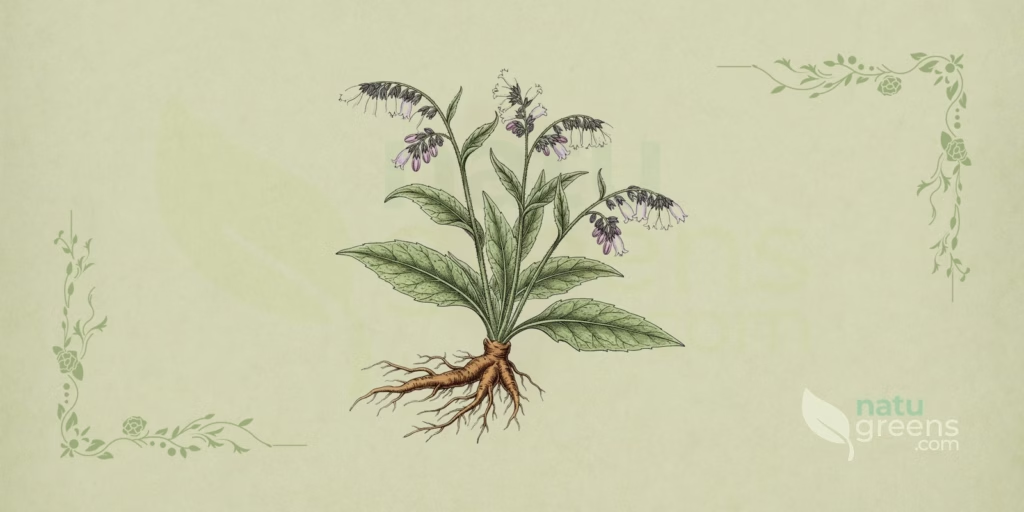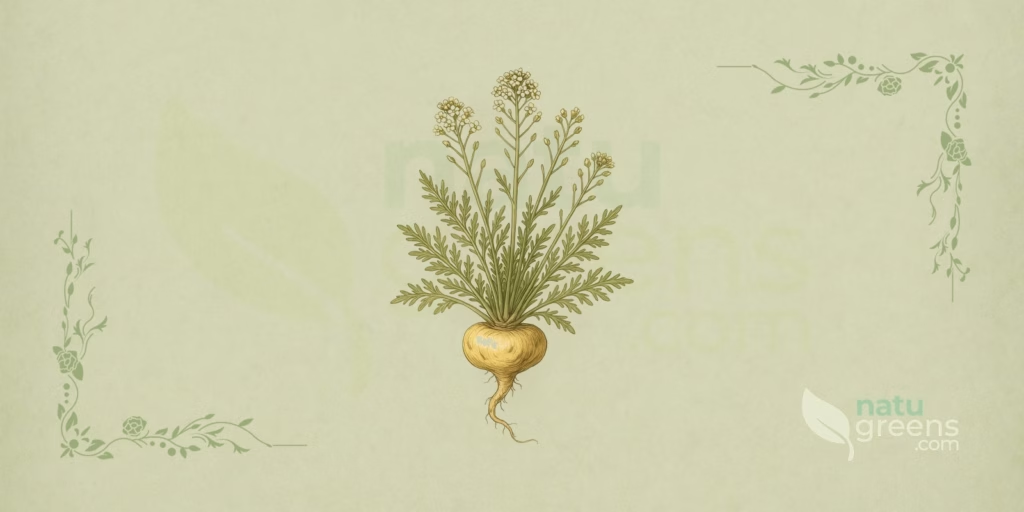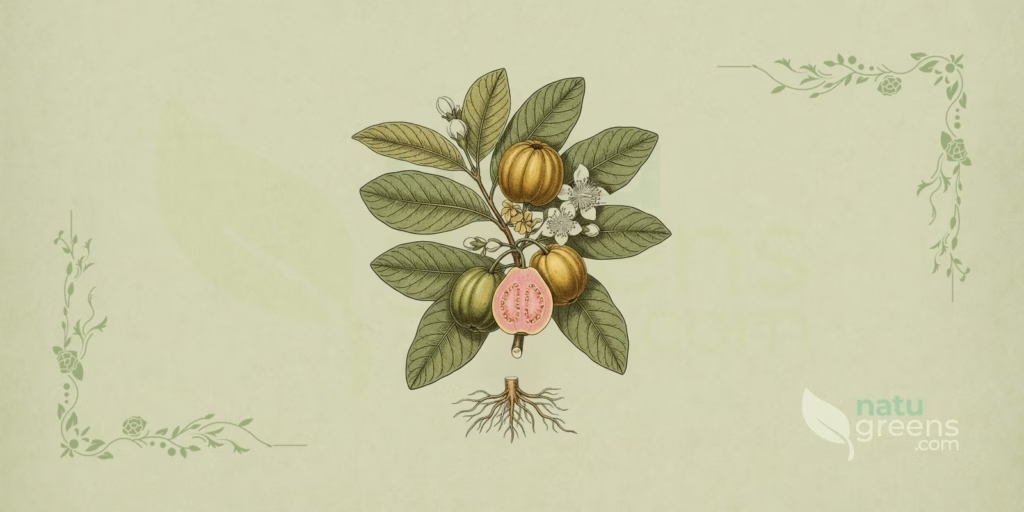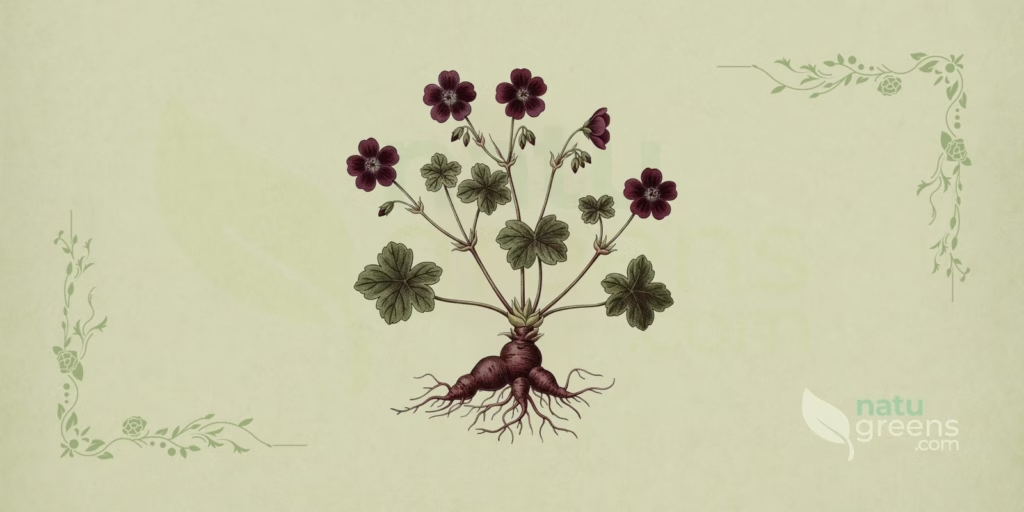
Primula veris L. / Cowslip, commonly known as cowslip throughout the English-speaking world, is a perennial herbaceous plant of the Primulaceae family, described by Carl Linnaeus. Native to much of temperate Europe and Western Asia, it is also grown in gardens in other regions, and its yellow flowers, which herald the arrival of spring, have been part of traditional European medicine for centuries. Both the flowers and the roots are harvested to prepare infusions, extracts and other herbal products.

In the European herbal tradition, cowslip appears mainly as an expectorant and calming plant, used for respiratory complaints such as cough and bronchitis and also for anxiety and insomnia. Its chemical makeup includes saponins and flavonoids, to which experimental studies attribute anti-inflammatory and antispasmodic activity, although these laboratory findings do not amount to clinical proof. The European Medicines Agency (EMA) has published monographs on cowslip flower and root that classify these preparations as traditional herbal medicinal products, used as an expectorant for cough associated with colds, on the basis of their long history of use rather than conclusive clinical trials.
Popular and International Names of Cowslip
The names of the plant vary considerably from one country to another, and many of them refer to its early flowering or to the legends associated with it, as the list below shows.
- English: common cowslip, cowslip, cowslip primrose.
- Spanish: bambolías, cuquillo, hierba de San Pedro, mayos, primavera.
- Portuguese: primavera, prímula.
- French: brérelle, coqueluchon, coucou, primerelle, primevère officinale, printanière.
- Italian: primavera, primula odorosa.
- German: Echte Schlüsselblume, Frühlings-Schlüsselblume, Wiesen-Schlüsselblume.
Cowslip should not be confused with St. John’s wort, the common name given to Hypericum perforatum, a plant that belongs to another family and has a very different profile of drug interactions.
Botanical Synonyms of Primula veris
Primula officinalis Hill is a botanical synonym frequently found in the historical literature, and the epithet officinalis, which marked the plants sold in apothecary shops, reflects the medicinal prestige the species enjoyed at the time. Although Primula veris L. is the name accepted by most contemporary botanical authorities, Primula officinalis still appears in older publications and in traditional contexts.
The names below are recorded as synonyms of the species, and two of them now correspond to subspecies of Primula veris recognized by some botanists.
- Primula columnae Ten.
- Primula macrocalyx Bunge
- Primula officinalis Hill
Botanical Family: Primulaceae
The Primulaceae family comprises dozens of genera and more than 2,500 species distributed around the world, a figure that varies according to the circumscription adopted by botanists, and it is known both for its ornamental value and for the medicinal use of some of its species. Its members include cyclamen, loosestrife and the primulas themselves, widely grown in gardens and present in European herbal medicine.
Cowslip shares the morphological traits typical of the family, such as flowers with a five-lobed corolla and leaves arranged in a basal rosette. The Primulaceae also stand out for producing bioactive compounds such as saponins, flavonoids and phenolic acids, whose chemical diversity has been the subject of pharmacological research and has already served as the basis for herbal medicines and dietary supplements.
Parts of Cowslip Used
Tradition makes use of two parts of the plant, which differ considerably in their saponin content and, for that reason, in the care they require when taken internally.
- Flowers (dried, used mainly in infusions)
- Roots (richer in saponins, used in extracts and tinctures)
Ethnobotanical and Traditional Uses
The list below gathers uses recorded in European folk medicine over the centuries, and most of them have never been confirmed by clinical studies, so they stand as a historical record rather than as a recommendation for treatment.
- Anxiety and nervousness
- Asthma (historical record, not a substitute for medical treatment)
- Bronchitis
- Catarrh
- Colds
- Cough
- Gout
- Headaches
- Heart problems (historical record, without clinical support)
- Hysteria (an old term for nervous fits)
- Insomnia
- Nervous system problems
- Neuralgia
- Rheumatism
- Tremors
- Use as a diuretic
- Use as a mild sedative
- Use as an expectorant
Therapeutic Properties of Cowslip
The properties below combine traditional use with findings from experimental studies, and each one is followed, in parentheses, by the level of evidence available to date.
- Anti-inflammatory (activity described in laboratory studies, without clinical proof)
- Antispasmodic (traditional record, not confirmed in clinical trials)
- Diuretic (traditional record of increased urine production)
- Expectorant (traditional use recognized by the EMA for cough associated with colds, an effect attributed to the saponins, which are credited with thinning the mucus)
- Mild sedative (traditional record, not confirmed in clinical trials)
Detailed Phytochemical Profile of Cowslip
The composition of cowslip changes with the part of the plant, since the root concentrates the saponins and phenolic glycosides while the flowers stand out for their flavonoids, according to published analyses of both raw materials.
- Flavonoids (isorhamnetin, kaempferol, quercetin)
- Methyl 4-methoxysalicylate (volatile component)
- Phenolic acids
- Phenolic glycosides (primeverin and primulaverin), derived from the methyl esters of 4-methoxysalicylic and 5-methoxysalicylic acids
- Triterpene saponins (primulic acid I and II)
Preparation and Administration Forms of Cowslip
The most frequently cited preparations use the dried flower as an infusion and the root in extracts and tinctures, and commercial products usually contain standardized extracts, whose composition is more predictable than that of a homemade preparation.
- Extract
- Infusion
- Tincture
- Volatile oil
Synergy with Other Medicinal Plants
Respiratory Disorders
The combination of cowslip with thyme (Thymus vulgaris) is traditionally used for cough, bronchitis and catarrh, pairing the expectorant effect attributed to cowslip saponins with the thymol and carvacrol found in thyme, compounds to which experimental studies attribute antiseptic and antispasmodic action. This pairing has been evaluated in placebo-controlled clinical trials carried out with standardized industrial extracts of thyme herb and primula root in patients with acute bronchitis and productive cough, and the authors reported fewer coughing fits than in the placebo group. This result applies to the products tested and does not automatically carry over to homemade teas, whose content of active compounds is highly variable.
Anxiety and Insomnia
The association of cowslip with valerian (Valeriana officinalis) and passionflower (Passiflora incarnata) is traditionally used for states of anxiety and insomnia, adding the calming effect attributed to cowslip to the valerenic acids of valerian and to the flavonoids and traces of harmala-type alkaloids present in passionflower. Because all three plants have a reputation as sedatives, the blend should not be combined with sedative medications or with alcoholic drinks, and it calls for caution before driving or operating machinery.
Recipes and Usage Protocols of Cowslip
Flower Infusion for Cough and Catarrh
A preparation traditionally used in Europe for coughs with phlegm, made only with the flowers, which contain fewer saponins than the root.
Ingredients: dried cowslip flowers in the amount advised by a healthcare professional, 200 ml of boiling water and honey to taste (optional, never for children under 1 year of age).
Preparation: Place the flowers in a cup and pour the freshly boiled water over them. Cover and leave to infuse for about 10 minutes, then strain and sweeten with honey if you wish. How often to drink it and for how long must be decided case by case, because the internal use of plants containing saponins requires professional guidance, so consult a healthcare professional before you start.
Traditional Root Tincture for Nervousness and Insomnia
A preparation recorded in tradition for states of nervousness and difficulty sleeping, made with the root, which is the part of the plant richest in saponins, and with alcohol, which makes it unsuitable for pregnant or breastfeeding women, children and anyone who should avoid alcoholic drinks.
Ingredients: 50 g of dried cowslip roots and 250 ml of 70% grain alcohol.
Preparation: Place the roots in a glass jar and cover them with the alcohol. Seal tightly and leave to macerate for 11 days, shaking the jar once a day, then filter through a fine cloth and store in a dark glass bottle. The dose and the way it is diluted in water should not be decided on your own, so consult a healthcare professional, who can take into account the use of other calming remedies and each person’s medical history.
The preparations above follow traditional records and do not replace professional guidance. Before any internal use, check the contraindications and interactions described in this article.
Associated Therapies
Clinical Herbal Medicine
In clinical herbal medicine, cowslip is found in a variety of pharmaceutical forms, such as standardized extracts, capsules and tablets, which are often standardized to their saponin content so that the composition remains consistent from one batch to the next. In Europe, cowslip root and flower extracts are mainly included in products for cough with phlegm, frequently combined with thyme, while their use as an adjunct in cases of mild anxiety still belongs to the realm of traditional record. Any recommendation should be individualized by a professional, who takes into account each person’s state of health and the possible interactions with other medications.
Homeopathy
In homeopathy, Primula veris appears in traditional materia medica in connection with conditions such as spasmodic cough, headaches and insomnia, and the remedy is prepared from the fresh plant through the process of dilution and potentization characteristic of this practice. According to homeopathic principles, it is usually indicated in low potencies for acute symptoms and in higher potencies in so-called constitutional treatment. The efficacy of homeopathy has not been proven by scientific studies, and it is no substitute for medical assessment in cases of persistent cough, shortness of breath or long-lasting sleep disorders.
Contraindications and Side Effects of Cowslip
General Contraindications
Cowslip (Primula veris) contains primin and saponins that can cause contact dermatitis in sensitive people, especially in those who handle the fresh flowers. These reactions may appear as dermatitis or hives, which is why the restrictions below apply, to the flower as much as to the root.
- Allergy: people who are allergic to plants of the Primulaceae family should avoid cowslip.
- Children: do not use in young children.
- Internal use: internal use of preparations containing saponins requires professional guidance.
- Pregnancy and breastfeeding: do not use in pregnant or breastfeeding women, since reliable information on the safety of the plant during these periods is lacking.
It is also advisable to consult a doctor before regular use in the case of pre-existing conditions or ongoing treatment with medications, and to seek medical care if the cough comes with shortness of breath, fever or phlegm containing pus.
Drug Interactions
Reference sources point to the possibility that cowslip may intensify the effect of anticoagulants, which would increase the risk of bruising and bleeding, and may interfere with blood pressure control, so anyone taking anticoagulants or blood pressure medication should talk to their doctor before using it. Since tradition employs it as a mild sedative, combining it with sedative medications, with other calming herbs such as valerian and passionflower, or with alcohol may add up the effects and cause excessive drowsiness.
Side Effects
At high doses or in sensitive people, cowslip can cause gastrointestinal discomfort such as nausea, vomiting and diarrhea, effects generally linked to the irritant action of saponins on the lining of the digestive tract, and in rare cases allergic skin reactions occur. There is also some concern that the plant may interfere with blood pressure control, both in people with high blood pressure and in those with low blood pressure, and any adverse reaction should lead to stopping use and seeking professional advice.
Historical Notes and Interesting Facts
Cowslip has a long history of use and symbolism in Europe. Its common English name, cowslip, may derive from the Old English word for “cow dung”, since the plant was often found in pastures, although another theory links the name to slippery ground. The epithet veris means “of spring” in Latin, a reference to its early flowering, and the German name Schlüsselblume, roughly “key flower”, recalls the legend according to which Saint Peter dropped the keys of heaven and cowslips sprang up wherever they touched the ground.
In traditional cooking, the leaves were eaten in salads in Spain and the flowers were used to flavor wines and vinegars in England, where cowslip wine was a much-loved homemade drink. According to folklore, the plant also had a place in Celtic traditions as an ingredient in magic potions. In the Middle Ages it was known as “herb of Saint Peter” or “Petrella” and was sought after by Florentine apothecaries, and Hildegard von Bingen recommended its medicinal parts for external use only, although the leaves were also eaten as food.
Frequently Asked Questions about Cowslip
What Are the Traditional Uses of Cowslip?
European folk medicine uses cowslip mainly for cough, catarrh, bronchitis and colds, as well as for states of nervousness and insomnia. The European Medicines Agency classifies flower and root preparations as a traditional expectorant herbal medicinal product for cough associated with colds, based on their history of use rather than on conclusive clinical trials.
Is Cowslip Tea Safe for Children?
Cowslip should not be used in young children, and in older children it should only be used under the guidance of a healthcare professional, because dosage and safety in this age group are not well established. The saponins in the plant can irritate the digestive system, which is more sensitive in childhood, and the honey used to sweeten the tea should never be given to children under 1 year of age.
Can Cowslip Be Used During Pregnancy or Breastfeeding?
No, the recommendation is not to use cowslip in pregnant or breastfeeding women, because reliable information on the safety of the plant during these periods is lacking. In the case of the tincture, the alcohol contained in the preparation reinforces this restriction.
Can Cowslip Cause Allergies or Dermatitis?
Yes, because cowslip contains primin and saponins that can cause contact dermatitis in sensitive people, especially in those who handle the fresh flowers. Anyone allergic to plants of the Primulaceae family should avoid the plant, and any sign of dermatitis or hives should lead to stopping all contact with it.
What Is the Recommended Dosage of Cowslip Tea?
There is no homemade dose that suits everyone, because the saponin content varies between flowers and roots and from one batch to another. Since the internal use of preparations containing saponins requires professional guidance, the amount, frequency and duration of use should be set by a healthcare professional or follow the package leaflet of standardized products.
Does Cowslip Interact with Medications?
It may, especially with anticoagulants, whose effect the plant may intensify, and with blood pressure medications, since there is concern that it may interfere with blood pressure control. Combining it with sedatives, with other calming herbs or with alcohol also calls for caution, which is why it is advisable to tell your doctor or pharmacist that you are using cowslip.
Notice: this content is for informational purposes and does not replace professional medical advice. Consult a physician or herbal practitioner before using medicinal plants, especially during pregnancy, breastfeeding, or alongside medication.
References and Scientific Studies
View All 8 Cited References
Peer-Reviewed Scientific Studies (5)
- PMC2017 Bączek K, et al. Phenolics in Primula veris L. and P. elatior (L.) Hill Raw Materials. Int J Anal Chem. 2017.
- PMC2023 Graikou K, et al. Comparative Phytochemical Analyses of Flowers from Primula veris subsp. veris Growing Wild and from Ex Situ Cultivation in Greece. Foods. 2023.
- PMC2005 Gruenwald J, et al. Efficacy and tolerability of a fixed combination of thyme and primrose root in patients with acute bronchitis. A double-blind, randomized, placebo-controlled clinical trial. Arzneimittelforschung. 2005.
- PMC2007 Kemmerich B. Evaluation of efficacy and tolerability of a fixed combination of dry extracts of thyme herb and primrose root in adults suffering from acute bronchitis with productive cough. A prospective, double-blind, placebo-controlled multicentre clinical trial. Arzneimittelforschung. 2007.
- PMC2025 Trendafilova A, et al. Phytochemical Characterization and Anti-Biofilm Activity of Primula veris L. Roots. Molecules. 2025.
Supplementary Readings (3)
- Royal Botanic Gardens Kew. (s.d.). Primula veris L. Recuperado de Plants of the World Online
- European Medicines Agency. (s.d.). Draft community herbal monograph on Primula veris L. and/or Primula elatior (L.) Hill, flos. Recuperado de EMA
- Missouri Botanical Garden. (s.d.). Primula veris – Plant Finder. Recuperado de Missouri Botanical Garden