Bambusa vulgaris Schrad. ex J.C.Wendl. / Common Bamboo, popularly known as common bamboo, is an open-clump type of bamboo species. Native to Bangladesh, India, Sri Lanka, Southeast Asia, and Yunnan province in southern China, this species has spread across every continent thanks to its adaptability and many uses. Bambusa vulgaris is widely cultivated and naturalized in numerous tropical and subtropical regions, making it one of the most recognized and easily identified bamboo species worldwide.
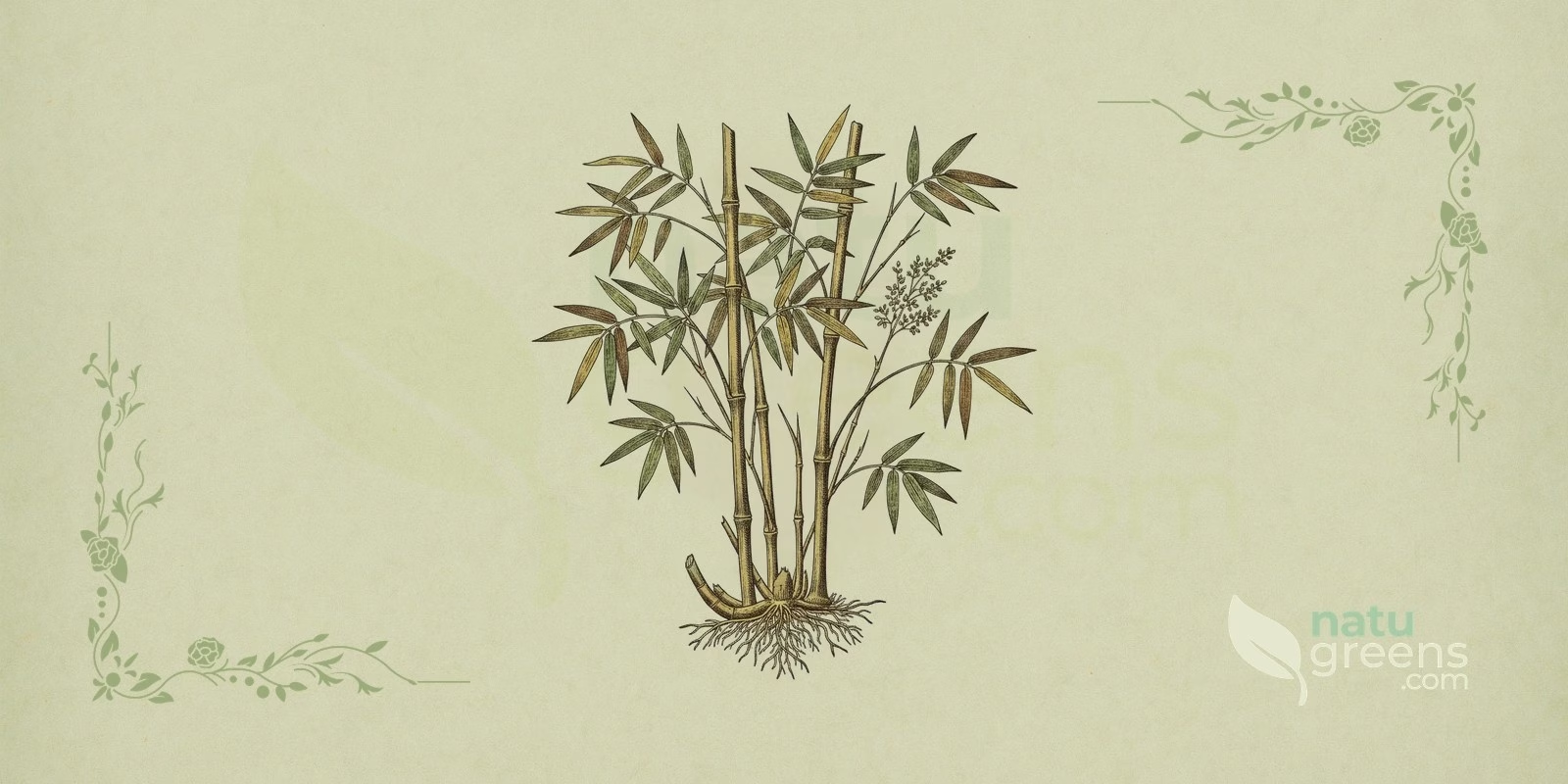
This remarkable plant forms moderately loose clumps and is distinguished by the absence of thorns. Its culms, or stems, display a vibrant lemon-yellow color, often marked with green stripes, and are complemented by dark green leaves. Although the culms are not perfectly straight and show some inflexibility, they are notably strong and have thick walls. The densely clustered culms can reach impressive heights of 10 to 20 meters and a thickness of 4 to 10 centimeters. Flowering in Bambusa vulgaris is a rare event, and seed production is equally uncommon. Propagation of the plant occurs predominantly by vegetative means, through clump division, rhizomes, culm and branch cuttings, air layering, and marcotting. Its average chemical composition includes cellulose (41-44%), pentosans (21-23%), lignin (26-28%), ash (1.7-1.9%), and silica (0.6-0.7%).
Popular and International Names of Common Bamboo
- English: common bamboo, feathery bamboo, golden bamboo.
- Spanish: bambú común, bambú dorado, caña de bambú.
- Portuguese: bambu comum, bambu-amarelo, bambu-imperial, bambu-verde.
- French: bambou commun, bambou doré.
- Italian: bambù comune, bambù dorato.
- German: gewöhnlicher Bambus, Goldrohrbambus.
Botanical Synonyms of Bambusa vulgaris
Arundarbor blancoi (Steud.) Kuntze, Arundarbor fera (Oken) Kuntze, Arundarbor monogyna (Blanco) Kuntze, Arundarbor striata (Lindl.) Kuntze, Arundo fera Oken, Bambusa auriculata Kurz, Bambusa blancoi Steud., Bambusa fera (Oken) Miq., Bambusa monogyna Blanco, Bambusa nguyenii Ohrnb., Bambusa sieberi Griseb., Bambusa striata Lodd. ex Lindl., Bambusa surinamensis Rupr., Bambusa thouarsii Kunth, Gigantochloa auriculata (Kurz) Kurz, Leleba vulgaris (Schrad. ex J.C.Wendl.) Nakai, Nastus thouarsii (Kunth) Raspail, Nastus viviparus Raspail, and Oxytenanthera auriculata (Kurz) Prain.
Botanical Family: Poaceae
The Poaceae family, also known as Gramineae, is one of the largest and most economically important families of flowering plants, encompassing about 12,000 species distributed worldwide. This family includes cereals such as wheat, rice, corn, barley, and oats, as well as forage grasses and, of course, bamboos. Poaceae are characterized by hollow stems (culms), long and narrow leaves, and complex inflorescences, often adapted to wind pollination.
Bambusa vulgaris, as a member of the tribe Bambuseae, shares the distinctive characteristics of this family, including the structure of its culms and the morphology of its leaves. The importance of Poaceae lies not only in its fundamental role in human and animal nutrition but also in its vast range of industrial and ecological applications. Many species in this family are crucial for preventing soil erosion and for biomass production, and, in the case of bamboos, for construction, crafts, and traditional medicine.
Parts of Common Bamboo Used
- Bark
- Leaves
- Rhizomes
- Sap
- Seeds
- Young shoots
Ethnobotanical and Traditional Uses
- Abortifacient (infusion of macerated leaves, Nigeria)
- Anti-aging (Chinese and Indian traditional medicine)
- Astringent (Pakistan, India, Brazil, Tanzania)
- Disease healing (water stored in golden bamboo tubes, Java)
- Emmenagogue (Pakistan, India, Brazil, Tanzania)
- Stress relief (Chinese and Indian traditional medicine)
- Treatment of malaria (Ghana)
- Treatment of measles (leaves, Congo)
- Treatment of sexually transmitted diseases (infusion of macerated leaves, Nigeria)
Therapeutic Properties of Common Bamboo
- Analgesic (traditional use for pain relief)
- Antiamnesic (studied effect on memory and cognitive function)
- Anticonvulsant (studied effect in preventing or reducing seizures)
- Antihyperglycemic (studied effect on blood sugar levels)
- Anti-inflammatory (studied effect in reducing inflammation)
- Antimalarial (studied activity against malaria)
- Antimicrobial (studied inhibitory effect on microorganism growth)
- Antioxidant (studied activity against free radicals)
- Antipyretic (studied effect in reducing fever)
- Antiviral (studied inhibitory effect on viral replication, specifically against the measles virus)
- Hepatoprotective (studied protective effect on the liver)
Detailed Phytochemical Profile of Common Bamboo
- Amino acids (17 types, including the 8 essential ones)
- Carbohydrates (polysaccharides, oligosaccharides, monosaccharides)
- Cellulose
- Coumarins
- Flavonoids (orientin, isoorientin, isovitexin, vitexin, tricin)
- Glycosides (taxiphyllin, cyanogenic glycosides)
- Hemicellulose
- Lignin
- Minerals (calcium, cobalt, copper, iron, phosphorus, magnesium, manganese, nickel, potassium, selenium, sodium, zinc)
- Pentosans
- Phenolic acids (protocatechuic acid, p-hydroxybenzoic acid, catechin, caffeic acid, chlorogenic acid, syringic acid, p-coumaric acid, ferulic acid, gallic acid, vanillic acid)
- Phytosterols (β-sitosterol, campesterol, cholesterol, ergosterol, stigmasterol)
- Polyphenols
- Proteins
- Saponins
- Silica
- Vitamins (B, C, E)
Preparation and Administration Forms of Common Bamboo
- Decoction (young shoots, always cooked)
- Extracts (methanolic, ethanolic, chloroform, ethyl acetate, n-hexane)
- Infusion (leaves)
- Pickles (young shoots, cooked before pickling)
Synergy with Other Medicinal Plants
Antioxidant and Anti-Inflammatory Support
Combining Bambusa vulgaris with antioxidant-rich plants, such as turmeric (Curcuma longa) and ginger (Zingiber officinale), may enhance anti-inflammatory and antioxidant effects. The flavonoids and phenolic acids present in common bamboo act synergistically with curcumin and gingerols, offering traditional support against oxidative stress and chronic inflammatory processes. This combination is traditionally valued for general well-being, although its relevance to degenerative disease outcomes still depends on further clinical studies.
Digestive Health
For digestive health, Bambusa vulgaris can be combined with peppermint (Mentha × piperita) and lemon balm (Melissa officinalis). While common bamboo contributes its anti-inflammatory and antimicrobial properties, peppermint and lemon balm offer carminative and antispasmodic effects, helping to reduce gas, bloating, and gastrointestinal discomfort. This combination may be useful for easing symptoms of dyspepsia and irritable bowel syndrome.
Immune Support
Combining Bambusa vulgaris with echinacea (Echinacea purpurea) and elderberry (Sambucus nigra) is traditionally used to support the immune system. The antiviral and antimicrobial properties of common bamboo, together with the immunostimulant compounds in echinacea and elderberry, are being studied for their potential to help the body cope with infections, especially during flu and cold season, without replacing medical guidance.
Recipes and Usage Protocols of Common Bamboo
Young Shoot Decoction for Digestive Support
Ingredients: 100 g of fresh or frozen Bambusa vulgaris young shoots, 500 ml of water.
Preparation: Wash the bamboo shoots well and cut them into thin slices. Put the shoots and the water in a pot and bring to heat. Let it boil for 20 to 30 minutes, or until the shoots are tender. Strain the decoction and discard the shoots. Drink 100 ml of the decoction twice a day, before meals, to support digestion and take advantage of the anti-inflammatory properties. It is important to boil the shoots to break down taxiphyllin, a cyanogenic glycoside present in the plant, making them safe for consumption; raw or undercooked shoots should never be consumed.
Leaf Infusion for Stress Relief
Ingredients: 1 teaspoon of dried Bambusa vulgaris leaves, 200 ml of boiling water.
Preparation: Place the dried leaves in a cup. Add the boiling water and cover the cup. Let it steep for 5 to 7 minutes. Strain and drink the infusion warm. Drink one cup before bed to promote relaxation and support stress relief. Bamboo leaves are traditionally used for their calming effect and may contribute to a sense of well-being.
Bamboo Shoot Pickles for Food Use
Ingredients: 500 g of Bambusa vulgaris young shoots, 250 ml of rice vinegar, 250 ml of water, 1 tablespoon of salt, 1 teaspoon of sugar, spices to taste (chili, garlic, ginger).
Preparation: Wash and cut the bamboo shoots into thin slices. Boil the shoots in water for 15 to 20 minutes to remove the taxiphyllin and soften them; this pre-cooking step is essential, and the shoots must never be used raw. Drain and set aside. In a pot, combine the vinegar, water, salt, sugar, and spices. Bring to a boil until the salt and sugar dissolve. Place the cooked bamboo shoots in a sterilized jar and pour the hot vinegar mixture over them, making sure they are fully submerged. Close the jar and let it cool. Store in the refrigerator for at least 24 hours before eating. Bamboo pickles are a tasty, nutritious side dish, rich in fiber and minerals.
The preparations above follow traditional records and do not replace professional guidance. Before any internal use, check the contraindications and interactions described in this article.
Associated Therapies
Aromatherapy
Although Bambusa vulgaris is not a common source of essential oil for aromatherapy, its presence in natural settings or the use of its extracts in bath and body products can promote a sense of calm and well-being. Pairing it with essential oils from other plants, such as lavender or sandalwood, may create synergies that enhance the relaxing and anti-inflammatory effects, contributing to reduced perceived stress and better sleep support.
Clinical Phytotherapy
In clinical phytotherapy, standardized extracts of Bambusa vulgaris are studied and used for their various pharmacological activities, including anti-inflammatory, antioxidant, and antihyperglycemic effects. These extracts can be formulated into capsules, tablets, or tinctures, under the supervision of healthcare professionals. Modern phytotherapy seeks to validate and apply the traditional knowledge surrounding common bamboo, incorporating it into supportive approaches for conditions such as chronic inflammation, metabolic support, and liver protection, always grounded in scientific evidence.
Traditional Chinese Medicine (TCM)
In Traditional Chinese Medicine, bamboo is valued for its properties of clearing heat, resolving phlegm, and calming the mind. Different parts of the plant are included in formulas aimed, according to this tradition, at fevers, coughs, insomnia, and anxiety. For example, bamboo shavings (Zhú Rú) are traditionally used to settle the stomach and relieve nausea, while bamboo sap (Zhú Lì) is used, within this distinct medical system, for cases of convulsions and respiratory problems, without this replacing conventional medical evaluation. TCM incorporates Bambusa vulgaris into complex formulations aimed at restoring the body’s energetic balance and promoting overall health.
Contraindications and Side Effects of Common Bamboo
General Contraindications
Consuming raw Bambusa vulgaris shoots is contraindicated because of the presence of taxiphyllin, a cyanogenic glycoside that can be toxic. Taxiphyllin breaks down easily in boiling water, making cooked shoots safe for consumption; the shoots must never be eaten raw, whether in a recipe or out of culinary curiosity. Individuals with a known allergy to plants in the Poaceae family should exercise caution. Pregnant and breastfeeding women should consult a healthcare professional before using any bamboo-based preparation, especially at high therapeutic doses, due to the lack of conclusive studies on its safety in these populations.
Common Side Effects
Side effects of Bambusa vulgaris are generally rare and mild when it is consumed properly, that is, always cooked. Consuming large amounts of raw bamboo leaves is known to cause neurological disturbances in horses, which suggests that caution is warranted in humans as well. In cases of raw shoot ingestion, signs of toxicity such as apnea, ataxia, and paresis may occur. It is essential to make sure the shoots are always cooked before consumption to avoid taxiphyllin toxicity.
Drug Interactions
There is not extensive information on specific drug interactions involving Bambusa vulgaris. However, because of its antihyperglycemic properties, people who use diabetes medications should carefully monitor their blood glucose levels. It is always recommended to consult a healthcare professional before starting any bamboo-based product, especially if you are taking other medications, to avoid possible interactions or adverse effects.
Historical Notes and Interesting Facts
Bambusa vulgaris is one of the most widely cultivated and recognized bamboo species in the world, with a history rich across many cultures. It is widely used in construction, crafts, papermaking, and as a food source. In India, it is an important raw material for cellulose production. Its ability to grow quickly under different climate and soil conditions makes it a versatile and valuable plant. It is also a preferred species for soil erosion control, especially along riverbanks and slopes. Its introduction to Europe and the Americas dates back centuries, as it was one of the first bamboo species to arrive in these regions, often valued for its ornamental and utilitarian qualities.
Frequently Asked Questions about Common Bamboo
Is Common Bamboo Safe to Eat?
Yes, young Bambusa vulgaris shoots are safe for human consumption, as long as they are properly cooked and never eaten raw. Cooking, usually by boiling, is essential to break down taxiphyllin, a toxic cyanogenic compound present in raw shoots. Once cooked, the shoots are a nutritious source of protein, carbohydrates, vitamins, fiber, and minerals.
Which Parts of Common Bamboo Are Used Medicinally?
Several parts of Bambusa vulgaris are used in traditional medicine, including the leaves, shoots, rhizomes, culm shavings, and sap. Each part has a distinct phytochemical profile and is traditionally used in preparations aimed at inflammation, fevers, digestive problems, and anxiety, always as a complementary use rather than a substitute for medical treatment.
Can Common Bamboo Be Used for Erosion Control?
Yes, Bambusa vulgaris is a highly effective species for soil erosion control. Its fibrous roots and clumping growth habit help stabilize the soil, and it is frequently planted along riverbanks, slopes, and degraded areas to prevent soil loss and support environmental recovery.
What Are the Main Phytochemicals Found in Common Bamboo?
Bambusa vulgaris is rich in a variety of phytochemicals, including polyphenols, flavonoids (such as orientin and vitexin), saponins, glycosides (such as taxiphyllin, which requires cooking to be neutralized), phenolic acids, proteins, carbohydrates, vitamins (B, C, E), and minerals (potassium, calcium, iron, zinc, among others).
Does Common Bamboo Have Anti-Inflammatory Properties?
Yes, scientific studies have shown that Bambusa vulgaris extracts have significant anti-inflammatory activity. This property is attributed to the presence of various bioactive compounds that act in modulating inflammatory processes in the body, making it a potential supportive agent for inflammatory conditions.
Notice: this content is for informational purposes and does not replace professional medical advice. Consult a physician or herbal practitioner before using medicinal plants, especially during pregnancy, breastfeeding, or alongside medication.
References and Scientific Studies
Peer-Reviewed Scientific Studies (2)
- PMC2020 Felisberto MHF, et al. Bambusa vulgaris starch: Characterization and technological properties. Food research international (Ottawa, Ont.). 2020.
- PMC2025 Aladenika YV, et al. Bambusa vulgaris leaf extract inhibits the inflammatory and oxidative pathways in streptozotocin-induced diabetic rats. Journal of ethnopharmacology. 2025.
Supplementary Readings (1)
- 2022 Akhtar, J., & Patowary, L. (2022). Bambusa vulgaris: A Comprehensive Review of Its Traditional Uses, Phytochemicals and Pharmacological Activities. Sciences of Phytochemistry, 1(2), 68-75. Recuperado de ETFLIN