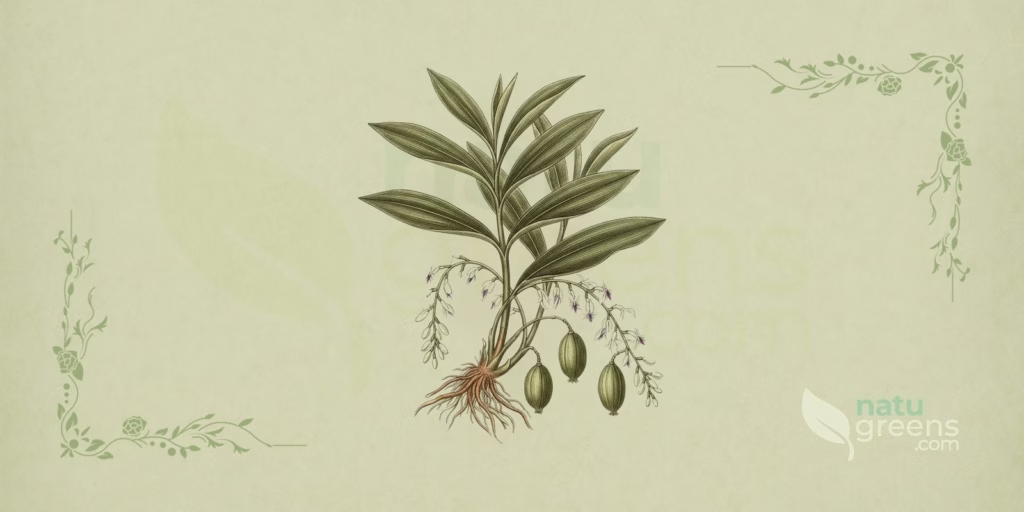
Siphonochilus aethiopicus (Schweinf.) B.L.Burtt / African Ginger, popularly known as African ginger or wild ginger, is a species of perennial herbaceous plant in the Zingiberaceae family. Native to western and southern Africa, this plant is recognized for its aromatic roots and rhizomes, which sprout annually. Siphonochilus aethiopicus has a long history of use in sub-Saharan traditional medicine, valued for its diverse properties. Its importance is such that it is listed in the African Herbal Pharmacopoeia as one of the 51 most significant medicinal plants in the region.
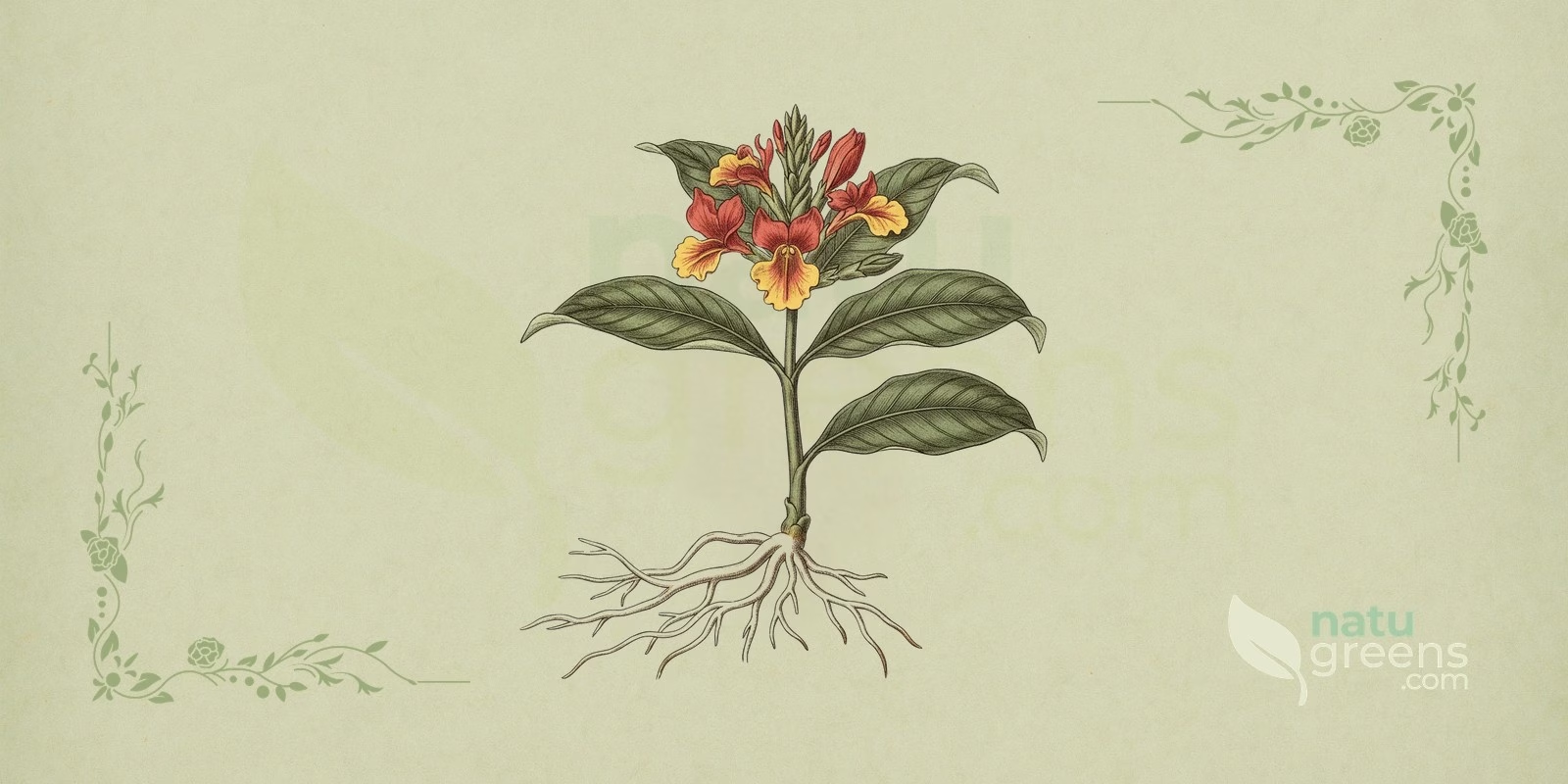
The plant is characterized by large, light-green, lance-shaped leaves and funnel-shaped flowers that grow at ground level. The South African variety displays white or pink flowers, while the Nigerian variety shows purple flowers. Siphonochilus aethiopicus is currently considered critically endangered due to excessive and unsustainable harvesting, which highlights the urgency of conservation and cultivation efforts. Modern scientific research has validated many of its traditional uses, consolidating its role in phytotherapy.
Popular and International Names of African Ginger
- English: African ginger, mauve ginger, Natal ginger, wild ginger.
- Spanish: jengibre africano, jengibre salvaje.
- Portuguese: gengibre-africano, gengibre-selvagem.
- French: gingembre africain, gingembre sauvage.
- Italian: zenzero africano, zenzero selvatico.
- German: Afrikanischer Ingwer, Wilder Ingwer.
Botanical Synonyms of Siphonochilus aethiopicus
The botanical synonyms of Siphonochilus aethiopicus include Kaempferia aethiopica (Schweinf.) Benth. and Siphonochilus evae (Briq.) B.L.Burtt. These names reflect taxonomic reclassifications over time, as new morphological and phylogenetic studies were carried out. Although Siphonochilus aethiopicus is the currently accepted name, understanding its synonyms is crucial for accurate research and identification of the species in the scientific and ethnobotanical literature.
Botanical Family: Zingiberaceae
Siphonochilus aethiopicus belongs to the Zingiberaceae family, known as the ginger family. This family encompasses about 50 genera and more than 1,300 species, distributed mainly across tropical and subtropical regions. The Zingiberaceae are widely valued for their aromatic, culinary, and medicinal properties, including plants such as ginger (Zingiber officinale), turmeric (Curcuma longa), and cardamom (Elettaria cardamomum).
Plants in this family are characterized by underground rhizomes, large leaves, and showy inflorescences. The presence of essential oils and phenolic compounds is common among the Zingiberaceae, giving them their well-known biological activities. The phytochemical diversity of this family has been the subject of intense investigation, contributing to the development of phytopharmaceuticals and natural supplements. Siphonochilus aethiopicus shares many of these characteristics, standing out for its unique composition.
Parts of African Ginger Used
- Leaves
- Rhizomes
- Roots
Ethnobotanical and Traditional Uses
- Asthma
- Constipation and flu
- Contraceptive (tea, occasionally)
- Cough
- Inflammation
- Malaria
- Menstrual pain relief
- Pain
- Protection against lightning and snakebites (Zulu people)
- Spiritual healing and protection against evil spirits (Zulu people)
Therapeutic Properties of African Ginger
- Antiasthmatic (traditional use to relieve asthma symptoms)
- Anti-inflammatory (studied effect in reducing inflammation, including acute gouty arthritis)
- Antimalarial (studied activity against malaria)
- Antimicrobial (studied activity against microorganisms)
- Antioxidant (studied activity against free radicals)
- Decongestant (traditional use to relieve congestion)
- Hypoglycemic (studied effect in lowering blood sugar)
- Hypotensive (studied effect in lowering blood pressure)
Detailed Phytochemical Profile of African Ginger
- Diterpenes
- Essential Oils
- Eucalyptol
- Flavonoids
- Furanoterpenoids (e.g., 4aαH-3,5α,8aαβ-trimethyl-4,4a,9-tetrahydro-naphtho[2,3-b]-furan-8-one)
- Phenolic Acids
- Sesquiterpenes
- Siphonochilone
- Terpenes
- Volatile Oils
Preparation and Administration Forms of African Ginger
- Chewed Rhizomes (Fresh)
- Extracts
- Tea/Infusion
Synergy with Other Medicinal Plants
Pain and Inflammation Relief
Siphonochilus aethiopicus can be combined with other anti-inflammatory plants, such as turmeric (Curcuma longa) or common ginger (Zingiber officinale), to enhance the effects on pain and inflammation relief. This synergy can be particularly useful in conditions such as arthritis or muscle pain. The active compounds in African ginger, such as siphonochilone and eucalyptol, can complement the curcuminoids in turmeric and the gingerols in ginger, offering a broader spectrum of anti-inflammatory action.
Respiratory Support
For respiratory issues such as cough and asthma, Siphonochilus aethiopicus can be used together with expectorant and bronchodilator plants, such as thyme (Thymus vulgaris) or ivy (Hedera helix). The combination can help relieve congestion, reduce airway inflammation, and ease breathing. The decongestant action of African ginger can be reinforced by these plants, providing more effective symptom relief.
Recipes and Usage Protocols of African Ginger
Infusion for Cold and Flu Symptom Relief
Ingredients: 1 teaspoon of dried, grated African ginger rhizome, 200 ml of boiling water, honey and lemon (optional).
Preparation: Add the grated rhizome to the boiling water. Cover and let steep for 10 to 15 minutes. Strain and, if desired, add honey and a few drops of lemon to improve the flavor and enhance the effect. Drink 2 to 3 times a day to relieve cough, congestion, and discomfort associated with constipation and flu, avoiding prolonged use without professional guidance. This infusion takes advantage of the plant’s anti-inflammatory and decongestant properties.
Poultice for Localized Pain
Ingredients: Fresh African ginger rhizome, a little warm water.
Preparation: Finely grate the fresh rhizome and mix it with a small amount of warm water until a paste forms. Apply the paste directly to the area affected by muscle pain, joint pain, or inflammation. Cover with a clean cloth and leave on for 20 to 30 minutes. Repeat as needed. This method allows topical absorption of the plant’s anti-inflammatory compounds, providing localized relief.
The preparations above follow traditional records and do not replace professional guidance. Before any internal use, check the contraindications and interactions described in this article.
Associated Therapies
Phytotherapy
In phytotherapy, African ginger is valued for its rhizomes, which are the main part used for medicinal purposes. Standardized extracts are employed in the traditional management of various conditions, including respiratory problems, inflammation, and pain. Modern phytotherapy seeks to isolate and concentrate the bioactive compounds of Siphonochilus aethiopicus to develop safer, more standardized formulations. Ongoing research aims to validate and optimize the use of this plant in clinical settings, drawing on its rich phytochemical profile.
Traditional African Medicine
Siphonochilus aethiopicus holds a central role in traditional African medicine, where it is used by various communities for a wide range of ailments. Beyond its physical uses, such as traditional support in cases of malaria and menstrual pain, the plant is also employed in spiritual and protective rituals, such as those practiced by the Zulu people. Ancestral wisdom about African ginger is passed down orally and through cultural practices, reflecting a deep connection between the plant and the overall well-being of these communities.
Contraindications and Side Effects of African Ginger
General Contraindications
Siphonochilus aethiopicus should be used with caution in individuals with known hypersensitivity to plants in the Zingiberaceae family. Pregnant and breastfeeding women should avoid its use due to the lack of conclusive safety studies in these groups. Individuals with bleeding disorders or who take anticoagulant medications should consult a healthcare professional before using African ginger, as there may be a potential interaction and an increased risk of bleeding. Caution is always advised.
Potential Side Effects
Although generally well tolerated, excessive consumption or improper use of African ginger can cause side effects. These may include gastrointestinal irritation, nausea, or allergic reactions in sensitive individuals. Topical application of concentrated extracts can, in some cases, cause skin irritation. It is essential to follow the recommended dosages and watch for any adverse reaction, discontinuing use if unwanted symptoms occur. Consulting a specialist is always recommended.
Historical Notes and Interesting Facts
Name and Origin
The genus name Siphonochilus derives from the Greek words siphon (tube) and cheilos (lip), a reference to the peculiar shape of its flower. The specific epithet aethiopicus is an archaic word meaning Africa, indicating its geographic origin. This plant has been used by various African cultures for centuries, with records dating back to ancient ethnobotanical practices. Its history is intrinsically linked to the healing and spiritual traditions of the African continent, where it is revered for its medicinal and mystical properties.
Protection and Spirituality
Among the Zulu people of South Africa, African ginger is not only a medicinal plant but also an important element in spiritual rituals. It is used for protection against lightning and snakebites, as well as for spiritual healing and defense against evil spirits. This cultural and spiritual dimension underscores the deep connection between the plant and the beliefs and practices of indigenous communities, elevating its value beyond the purely medicinal.
Threat of Extinction
Despite its importance, Siphonochilus aethiopicus faces a serious threat of extinction. Excessive and unsustainable harvesting in the wild, driven by growing demand for its rhizomes, has led to a drastic reduction of its wild populations. In some regions, such as KwaZulu-Natal, South Africa, the plant is considered extinct in the wild. This scenario highlights the urgent need for conservation programs and sustainable cultivation to ensure the survival of this valuable species.
Frequently Asked Questions about African Ginger
What Is African Ginger?
African ginger, scientifically known as Siphonochilus aethiopicus, is a perennial medicinal plant in the Zingiberaceae family, native to western and southern Africa. It is valued for its rhizomes and roots, which are used in traditional medicine for managing a variety of conditions, including respiratory problems, inflammation, and pain. The plant is recognized for its anti-inflammatory, antioxidant, and antimicrobial properties.
What Are the Main Benefits of African Ginger?
The main traditional benefits of African ginger include relief from symptoms of constipation and flu, such as cough and congestion, reduction of inflammation and pain, and traditional use in managing malaria symptoms. It is also used to relieve menstrual pain and has antioxidant and antimicrobial properties. Some preliminary studies suggest it may have antiasthmatic and hypotensive effects, contributing to cardiovascular and respiratory health, but this evidence still lacks robust clinical confirmation.
Are There Contraindications for Using African Ginger?
Yes, there are contraindications. African ginger should be avoided by pregnant and breastfeeding women due to the lack of safety studies. Individuals with an allergy to plants in the Zingiberaceae family or who take anticoagulant medications should use it with caution and under medical guidance, due to the potential for interactions and an increased risk of bleeding. Excessive use can cause gastrointestinal irritation.
How Can I Use African Ginger?
African ginger can be used in several ways. The most common form is through infusions prepared with the dried, grated rhizome, to relieve flu symptoms and inflammation. It can also be applied topically as a poultice for localized pain. Extracts and tinctures are other forms of administration, but they should be used under the guidance of a healthcare professional to ensure the correct and safe dosage.
Notice: this content is for informational purposes and does not replace professional medical advice. Consult a physician or herbal practitioner before using medicinal plants, especially during pregnancy, breastfeeding, or alongside medication.
References and Scientific Studies
Peer-Reviewed Scientific Studies (6)
- DOI2021 Adebayo, S. A., Amoo, S. O., Mokgehle, S. N., & Aremu, A. O. (2021). Ethnomedicinal uses, biological activities, phytochemistry and conservation of African ginger (Siphonochilus aethiopicus): A commercially important and endangered medicinal plant. Journal of Ethnopharmacology, 266, 113459. Disponível em ScienceDirect
- DOI2022 Seile, B. P., Bareetseng, S., Koitsiwe, M. T., & Aremu, A. O. (2022). Indigenous Knowledge on the Uses, Sustainability and Conservation of African Ginger (Siphonochilus aethiopicus) among Two Communities in Mpumalanga Province, South Africa. Diversity, 14(3), 192. Disponível via DOI
- PMC2012 Igoli, N. P., Obanu, Z. A., Gray, A. I., & Clements, C. (2012). Bioactive diterpenes and sesquiterpenes from the rhizomes of wild ginger (Siphonochilus aethiopicus (Schweinf) B.L Burtt). African Journal of Traditional, Complementary and Alternative Medicines, 9(1), 88-93. Disponível na PMC
- DOI2021 Dadaya, E., Koubala, B. B., Abaissou, H. N., Zingue, S., & Ndjonka, D. (2021). Antioxidant and anti-inflammatory properties of the methanolic extract of Siphonochilus aethiopicus rhizomes. Journal of Herbmed Pharmacology, 10(4), 383-393. Disponível via DOI
- DOI2017 Mokgehle, S. N., Tesfay, S. Z., Araya, H. T., & du Plooy, C. P. (2017). Antioxidant activity and soluble sugars of African ginger (Siphonochilus aethiopicus) in response to irrigation regimen and nitrogen levels. Acta Agriculturae Scandinavica, Section B – Soil & Plant Science, 67(5), 425-434. Disponível via DOI
- DOI2013 Fouche, G., van Rooyen, S., & Faleschini, M. T. (2013). Siphonochilus aethiopicus, a traditional remedy for the treatment of allergic asthma. TANG [Humanitas Medicine], 3(1), 6.1-6.6. Disponível via DOI
Supplementary Readings (1)
- Source of Health. (s.d.). African ginger has many health benefits. Disponível em Source of Health