Achillea millefolium L. / Yarrow, a perennial herbaceous plant of the Asteraceae family, is widely recognized for its notable medicinal properties and broad distribution across temperate regions of Europe, Asia, and North America. It is characterized by upright stems, finely divided leaves, and corymb-shaped inflorescences of small white or pinkish flowers. The plant can reach up to 1 meter in height and carries a distinctive aroma that sets it apart in the plant kingdom.
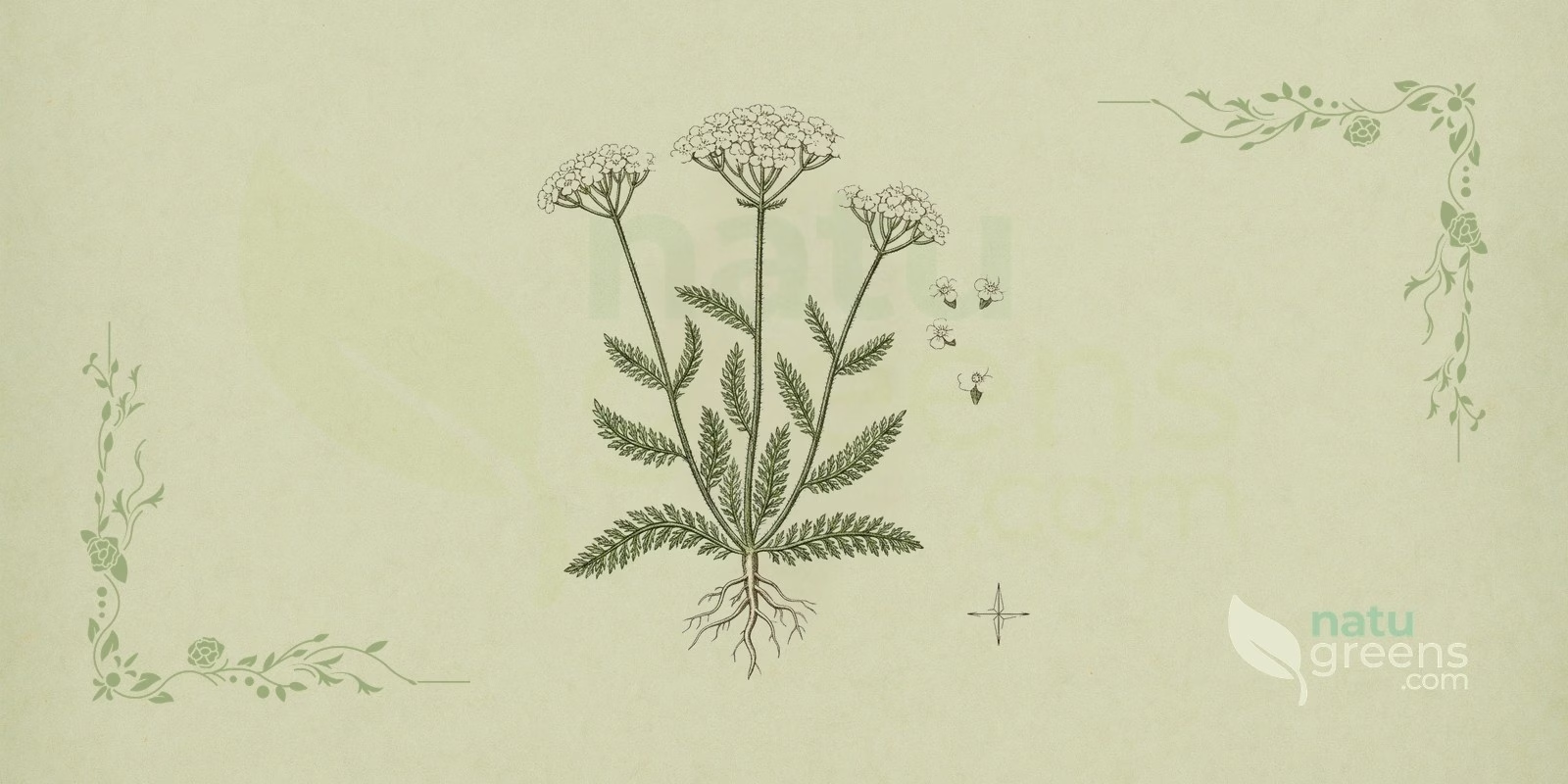
Historically, yarrow has been used across many cultures for its therapeutic actions. Its genus name, Achillea, honors the Greek hero Achilles, who, according to legend, used the plant to treat the wounds of his soldiers. This association highlights the plant’s long reputation as a remedy traditionally employed to stop bleeding and support wound healing, a use that persists to this day in folk medicine and European herbalism.
Modern scientific research has validated many of yarrow’s traditional uses, revealing a rich phytochemical composition. The plant contains a variety of bioactive compounds, including flavonoids, alkaloids, essential oils (with chamazulene and azulene), coumarins, phenolic acids, and sesquiterpene lactones. These components give yarrow anti-inflammatory, antioxidant, antimicrobial, antispasmodic, astringent, and anxiolytic properties, accounting for its broad range of therapeutic applications.
The versatility of yarrow allows for its use in many forms, from infusions and tinctures for internal use to poultices and creams for topical application. It is valued for its ability to ease pain, reduce inflammation, support digestion, and promote relaxation. Its resilience and adaptability to different environments make it an accessible and widely studied plant in the field of herbal medicine, cementing its place as a natural resource of great value.
This article takes an in-depth look at Achillea millefolium, exploring its popular and international names, botanical synonyms, family, parts used, ethnobotanical and traditional uses, therapeutic properties, phytochemical profile, preparation methods, synergy with other medicinal plants, recipes and usage protocols, associated therapies, contraindications and side effects, curiosities and historical facts, and frequently asked questions, based on thorough and rigorous research.
Popular and International Names of Yarrow
- English: bloodwort, common yarrow, devil’s nettle, old man’s pepper, soldier’s woundwort, yarrow.
- Spanish: flor de pluma, hierba de Aquiles, hierba del soldado, milenrama.
- Portuguese: aquileia, erva-de-carpinteiro, erva-dos-soldados, mil-em-rama, mil-folhas.
- French: achillée millefeuille, herbe aux coupures, herbe de Saint-Jean.
- Italian: achillea millefoglie, erba del soldato, millefoglio.
- German: Gemeine Schafgarbe, Schafgarbe, Soldatenkraut.
Botanical Synonyms of Achillea millefolium
The taxonomy of Achillea millefolium has undergone some variation over time. Although Achillea millefolium L. is the scientific name widely accepted and recognized by most botanical authorities, such as The Plant List and World Flora Online, other synonyms have been used or can still be found in the literature.
Among the most common synonyms are Achillea borealis Bong., Achillea lanulosa Nutt., Achillea nigrescens (E.Mey.) Rydb., and Achillea occidentalis (DC.) Raf. These variations largely reflect the species’ wide geographic distribution and the morphological differences observed in populations from different regions, which led some botanists to classify them as separate species or subspecies. The current trend, however, is to regard Achillea millefolium as a polymorphic species with numerous subspecies and varieties.
Botanical Family: Asteraceae
Achillea millefolium belongs to the vast and diverse Asteraceae family, also known as Compositae. This is one of the largest families of flowering plants, encompassing more than 32,000 species distributed across roughly 1,900 genera worldwide. The most distinctive feature of Asteraceae is its head-type inflorescence, in which multiple small flowers (florets) cluster together to form a structure resembling a single large flower, as seen in daisies or sunflowers.
The Asteraceae family holds great ecological, economic, and medicinal importance. It includes many plants cultivated for food, such as lettuce (Lactuca sativa) and globe artichoke (Cynara scolymus), as well as ornamental species such as chrysanthemums (Chrysanthemum spp.) and marigolds (Calendula officinalis). In the medicinal context, Asteraceae species are notable for producing a wide range of bioactive compounds, including sesquiterpene lactones, flavonoids, essential oils, and polyacetylenes, which give many of their species anti-inflammatory, antimicrobial, antioxidant, and immunomodulatory properties.
Yarrow, as a member of this family, shares many of these phytochemical and morphological characteristics, which explains its extensive use in traditional medicine and the continued interest of scientific research in its properties. The presence of compounds such as chamazulene and apigenin, common in other medicinal Asteraceae, reinforces its pharmacological relevance.
Parts of Yarrow Used
- Aerial parts (stem, leaves, and flowers)
- Flowers
- Leaves
- Rhizomes
Ethnobotanical and Traditional Uses
- Circulatory issues (varicose veins, hemorrhoids)
- Constipation, colds, and fevers (diaphoretic action)
- Digestive disturbances (flatulence, indigestion, spasms)
- Elevated blood pressure (mild hypotensive action)
- Insomnia and mild anxiety
- Menstrual cramps and premenstrual syndrome
- Skin inflammation and irritation (topical use)
- Wound healing and stopping bleeding
Therapeutic Properties of Yarrow
- Analgesic (traditional use for pain relief)
- Anti-inflammatory (studied effect on reducing inflammation)
- Antimicrobial (studied activity against microorganisms)
- Antioxidant (studied protective effect against cellular damage)
- Antiseptic (studied for infection prevention)
- Antispasmodic (traditional use for easing muscle spasms)
- Astringent (contracts tissues and blood vessels)
- Digestive (supports digestion)
- Diaphoretic (induces sweating)
- Emmenagogue (studied effect on menstrual flow)
- Febrifuge (studied effect on reducing fever)
- Hypotensive (studied effect on lowering blood pressure)
- Tonic (revitalizes the body)
- Wound-healing (studied effect on wound healing)
Detailed Phytochemical Profile of Yarrow
- Alkaloids (achilleine, betonicine)
- Coumarins
- Essential oils (chamazulene, azulene, alpha-pinene, beta-pinene, camphor, borneol)
- Flavonoids (apigenin, luteolin, quercetin, rutin)
- Phenolic acids (caffeic, chlorogenic, ferulic)
- Polysaccharides
- Sesquiterpene lactones (achillicin, millefolide)
- Tannins
- Triterpenes
Preparation and Administration Forms of Yarrow
- Compresses
- Cream
- Decoction
- Dry extract
- Essential oil
- Fluid extract
- Infusion
- Poultice
- Tincture
Synergy with Other Medicinal Plants
Menstrual Pain Relief
Yarrow, combined with chamomile (Matricaria chamomilla) and lemon balm (Melissa officinalis), offers a traditional synergy used for easing menstrual cramps and premenstrual symptoms. Yarrow’s antispasmodic action complements the relaxing and anti-inflammatory effects of chamomile and lemon balm, helping reduce pain intensity and support overall well-being during the menstrual cycle. This combination can be used in infusions or tinctures.
Digestive Support
For digestive disturbances such as flatulence, indigestion, and spasms, yarrow can be combined, in traditional use, with peppermint (Mentha × piperita) and ginger (Zingiber officinale). Yarrow acts as an antispasmodic and digestive aid, while peppermint eases flatulence and ginger stimulates digestion and reduces nausea. This trio is commonly used in infusions after meals, traditionally contributing to gastrointestinal comfort.
Wound Healing
For the topical treatment of wounds and skin inflammation, yarrow shows good traditional synergy with calendula (Calendula officinalis) and St. John’s wort (Hypericum perforatum). Yarrow, with its astringent and wound-healing properties, works alongside calendula, known for its anti-inflammatory and skin-regenerating actions, and St. John’s wort, which has antiseptic and anti-inflammatory effects. This combination is traditionally used in ointments, creams, or compresses, supporting the healing process and helping prevent infection.
Recipes and Usage Protocols of Yarrow
Poultice for Wounds and Bruises
Ingredients: 2-3 tablespoons of fresh yarrow leaves (or 1 tablespoon of dried leaves), a little hot water.
Preparation: Mash the fresh leaves into a paste, or mix the dried leaves with a little hot water to form a poultice. Apply directly to the clean wound or bruise, covering with a clean cloth. Leave on for 30-60 minutes, twice a day. This topical application is traditionally used to help stop minor bleeding, reduce inflammation, and support the healing of cuts, scrapes, and bruises.
Infusion for Colds and Fevers
Ingredients: 1 teaspoon of dried yarrow flowers and leaves, 200 ml of boiling water, honey and lemon (optional).
Preparation: Add the yarrow to the boiling water, cover, and let steep for 10 minutes. Strain and drink warm. Honey and a few drops of lemon can be added to improve the flavor and enhance the effects. Drink 2-3 cups a day, in traditional use, to promote sweating, help lower fever, and ease the symptoms of constipation and colds. Yarrow’s diaphoretic action helps the body eliminate toxins and reduce body temperature.
Infused Oil for Muscle Pain
Ingredients: Fresh yarrow flowers and leaves, vegetable oil (olive oil or sweet almond oil).
Preparation: Fill a glass jar loosely with the fresh yarrow flowers and leaves. Cover completely with the vegetable oil, making sure all plant parts are submerged. Seal and let infuse for 4-6 weeks in a sunny or warm spot, shaking occasionally. Strain and store the infused oil in a dark bottle. Use for massaging areas with muscle or joint pain or inflammation, in traditional use to provide relief and relaxation. This oil is applied topically for cases of rheumatism or arthritis.
Tincture for Digestive Problems
Ingredients: 50 g of dried yarrow aerial parts, 250 ml of 70% grain alcohol.
Preparation: Place the yarrow in a dark glass jar and cover with the alcohol. Seal well and let macerate for 2-4 weeks in a cool, dark place, shaking daily. Strain and store the tincture in a dropper bottle. Take 20-30 drops diluted in a little water, 2-3 times a day, before meals, to ease indigestion, flatulence, and gastrointestinal spasms; consult a healthcare professional before continued use. The tincture concentrates the plant’s active compounds, providing a more potent effect.
The preparations above follow traditional records and do not replace professional guidance. Before any internal use, review the contraindications and interactions described in this article.
The preparations above follow traditional records and do not replace professional guidance. Before any internal use, check the contraindications and interactions described in this article.
Associated Therapies
Aromatherapy
Yarrow essential oil (Achillea millefolium) is valued in aromatherapy for its anti-inflammatory, antispasmodic, and calming properties. With an herbaceous, slightly camphoraceous aroma, it is often used in diffusers to ease stress and anxiety and promote restful sleep. In massage, diluted in a vegetable oil, it is applied to relieve muscle and joint pain and inflammation. Its action on the nervous system helps balance emotions and reduce tension, making it useful during states of agitation and nervousness. Inhaling steam with a few drops of yarrow essential oil may also help clear the airways during colds and flu.
Clinical Herbal Medicine
In clinical herbal medicine, yarrow is used in various formulations, such as standardized extracts, capsules, and tinctures, to support the management of a range of conditions. It is often recommended for digestive disturbances, such as dyspepsia, flatulence, and gastrointestinal spasms, thanks to its antispasmodic and carminative actions. It is also used to support circulatory issues, such as varicose veins and hemorrhoids, thanks to its astringent and venotonic properties. In addition, yarrow is valued for its anti-inflammatory and wound-healing actions in topical applications for wounds, minor burns, and skin irritation. Dosage and administration should be tailored to the individual patient’s needs and condition, always under the supervision of a qualified healthcare professional.
Homeopathy
In homeopathy, Achillea millefolium is a remedy known as Millefolium, used mainly to address bleeding of various origins, especially bright red blood without pain. It is indicated for nosebleeds, uterine hemorrhage, bleeding hemorrhoids, and bleeding after dental extractions. It may also be used in cases of fever with profuse sweating and in inflammatory conditions. The homeopathic remedy is prepared from the fresh flowering plant, following the principles of dilution and dynamization. The choice of potency and frequency of administration depends on the patient’s complete symptom picture, with the prescription individualized by a homeopath.
Contraindications and Side Effects of Yarrow
General Contraindications
Yarrow is generally considered safe when used at recommended doses. However, it is contraindicated in individuals with a known allergy to plants of the Asteraceae family (Compositae), such as chamomile, daisy, chrysanthemum, or ragweed, due to the risk of cross-reactive allergic reactions. Pregnant or breastfeeding women should avoid using yarrow, especially at high doses, due to its emmenagogue action, which may stimulate uterine contractions. While occasional consumption of mild infusions may be considered safe, medical consultation is always advised. People with blood clotting disorders or taking anticoagulant medications (such as warfarin) should use yarrow with caution, as the plant may enhance anticoagulant effects, increasing the risk of bleeding. Similarly, people with gallstones should avoid its use, as yarrow may stimulate bile secretion.
Common Side Effects
Side effects from yarrow are rare and generally mild. They may include skin allergic reactions, such as contact dermatitis, especially in sensitive individuals or after prolonged exposure to the fresh plant. Ingesting very high doses may cause nausea, vomiting, or diarrhea. Photosensitivity is a potential, though uncommon, side effect, which may appear as increased skin sensitivity to sunlight after contact with the plant, leading to rashes or sunburn more easily. It is always advisable to perform a patch test on a small area of skin before applying topical yarrow preparations to larger areas.
Drug Interactions
Yarrow may interact with certain medications. Due to its mild anticoagulant properties, it may increase the effect of drugs such as warfarin, aspirin, and clopidogrel, raising the risk of bleeding. It may also enhance the effect of sedatives and anxiolytics, such as benzodiazepines, due to its calming properties, leading to excessive drowsiness. People taking blood pressure medication should use yarrow with caution, as the plant may have a mild hypotensive effect, which could cause an excessive drop in blood pressure. It is essential to consult a healthcare professional before combining yarrow with any medication, to avoid adverse interactions.
Historical Notes and Interesting Facts
The Legend of Achilles
Yarrow owes its genus name, Achillea, to the Greek hero Achilles. According to legend, Achilles used this plant to treat the wounds of his soldiers during the Trojan War. This legendary association highlights yarrow’s long history as a medicinal plant of great importance, particularly for treating injuries and bleeding, a reputation that endures to this day in folk medicine and herbalism.
Use in Divination
In some European cultures, yarrow was used in divination rituals, especially to foretell love and marriage. Unmarried young women would place the plant under their pillow or burn it while reciting verses, hoping to dream of their future spouse. This folk practice reflects the belief in the plant’s magical and mystical properties, beyond its medicinal uses.
Indicator of Soil Health
Yarrow is often regarded as an indicator plant for healthy, well-drained soils. Its abundant presence in pastures and fields signals good soil quality, making it valuable in organic farming and permaculture practices. Its deep roots also help improve soil structure and bring nutrients from deeper layers to the surface.
Companion Plant
In gardening, yarrow is known as an excellent companion plant. It is believed to support the health and growth of neighboring plants, increasing their resistance to pests and diseases. Its flowers attract a variety of beneficial insects, such as ladybugs and parasitic wasps, which help control pest populations, making it a valuable addition to any organic garden.
Frequently Asked Questions about Yarrow
Is Yarrow Tea Safe for Children?
Yarrow tea can be used with children, but with caution and at reduced doses. It is important to consult a pediatrician or qualified herbalist before giving it to children, especially younger ones. It is generally recommended for easing fevers, colds, and mild digestive issues in older children, but always under supervision and at lower concentrations than for adults.
What Is the Best Way to Prepare Yarrow Tea?
The best way to prepare yarrow tea is by infusion. Use 1 teaspoon of dried flowers and leaves for every 200 ml of boiling water. Cover the cup and let steep for 10 minutes. Strain before drinking. For a more pleasant flavor, honey or a few drops of lemon can be added. Avoid boiling the plant directly, as this can degrade some of its volatile compounds.
Can Yarrow Tea Help with Digestion?
Yes, yarrow tea is traditionally used to support digestion. Its antispasmodic and carminative properties help ease cramps, flatulence, and indigestion. It can be consumed after meals to promote gastrointestinal comfort. The plant stimulates the secretion of digestive juices, facilitating the breakdown of food and nutrient absorption.
Are There Side Effects to Drinking Yarrow Tea?
Side effects from yarrow tea are rare and generally mild. In sensitive individuals, allergic reactions may occur, especially if there is an allergy to other Asteraceae plants. Very high doses may cause nausea or diarrhea. It is important not to exceed recommended doses and to consult a healthcare professional if any adverse reactions occur.
Does Yarrow Interact with Medications?
Yes, yarrow may interact with certain medications. Due to its mild anticoagulant properties, it may increase the effect of anticoagulant drugs, raising the risk of bleeding. It may also enhance the effect of sedatives and anxiolytics. It is crucial to inform your doctor or pharmacist about yarrow use if you are taking other medications, to avoid adverse interactions.
Notice: this content is for informational purposes and does not replace professional medical advice. Consult a physician or herbal practitioner before using medicinal plants, especially during pregnancy, breastfeeding, or alongside medication.
References and Scientific Studies
View All 9 Cited References
Peer-Reviewed Scientific Studies (4)
- PMC2007 Benedek B, Kopp B. Achillea millefolium L. s.l. revisited: recent findings confirm the traditional use. Wiener Medizinische Wochenschrift. 2007.
- PMC2017 Ali SI, Gopalakrishnan B, Venkatesalu V. Pharmacognosy, Phytochemistry and Pharmacological Properties of Achillea millefolium L.: A Review. Phytotherapy Research. 2017.
- PMC2012 Baretta IP, et al. Anxiolytic-like effects of acute and chronic treatment with Achillea millefolium L. extract. Journal of Ethnopharmacology. 2012.
- PMC2011 Saeidnia S, Gohari A, Mokhber-Dezfuli N. A review on phytochemistry and medicinal properties of the genus Achillea. DARU Journal of Pharmaceutical Sciences. 2011.
Supplementary Readings (5)
- 2016 APG IV (2016). An update of the Angiosperm Phylogeny Group classification for the orders and families of flowering plants: APG IV. Botanical Journal of the Linnean Society, 181(1), 1-20.
- 1982 Chandler, R. F., Hooper, S. N., & Harvey, M. J. (1982). Ethnobotany and phytochemistry of Achillea millefolium L. (yarrow). Economic Botany, 36(2), 203-223.
- 2013 European Medicines Agency (EMA) (2013). Community herbal monograph on Achillea millefolium L., herba. EMA/HMPC/201202/2010.
- 2003 Hoffmann, D. (2003). Medical Herbalism: The Science and Practice of Herbal Medicine. Healing Arts Press.
- 2004 Wichtl, M. (2004). Herbal Drugs and Phytopharmaceuticals: A Handbook for Practice on a Scientific Basis. Medpharm Scientific Publishers.