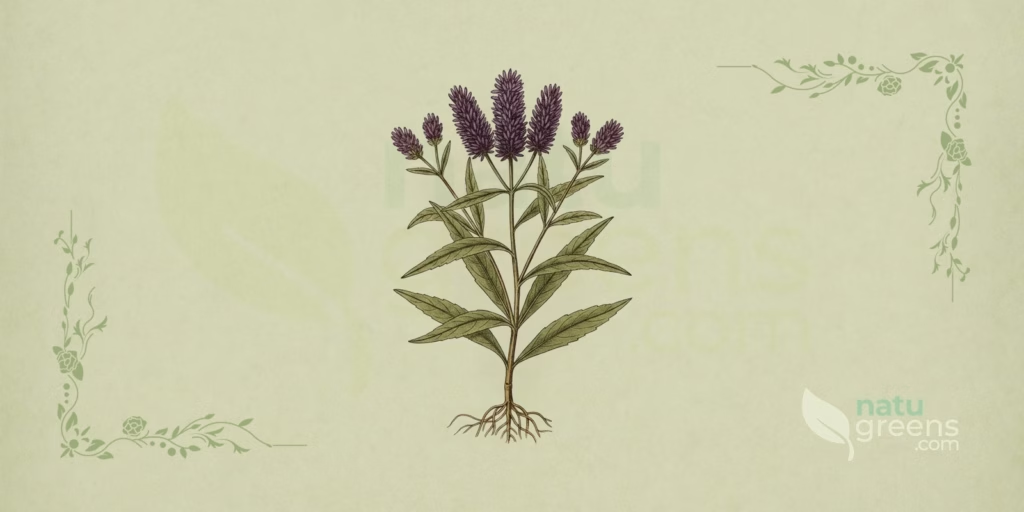
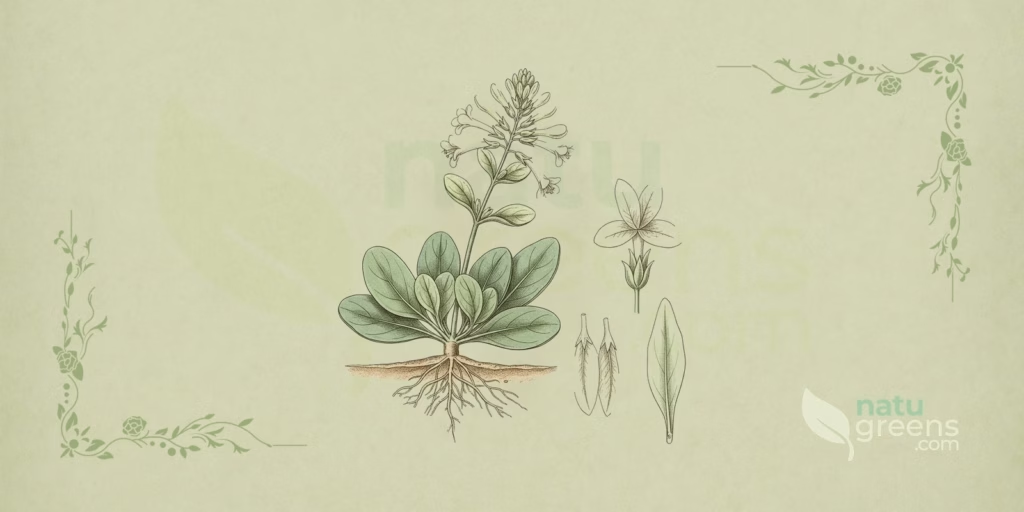
Krameria triandra Ruiz & Pav. / Rhatany, commonly known as Peruvian rhatany or red rhatany, is a perennial hemiparasitic shrub of the Krameriaceae family, described by the Spanish botanists Hipólito Ruiz López and José Antonio Pavón y Jiménez. Native to the Andean regions of South America, mainly Peru and Bolivia, the plant is adapted to the arid, sandy soils of high altitudes. Its root has been valued for centuries in traditional Andean medicine and, later, in the European pharmacopoeia because of its strong astringent action.
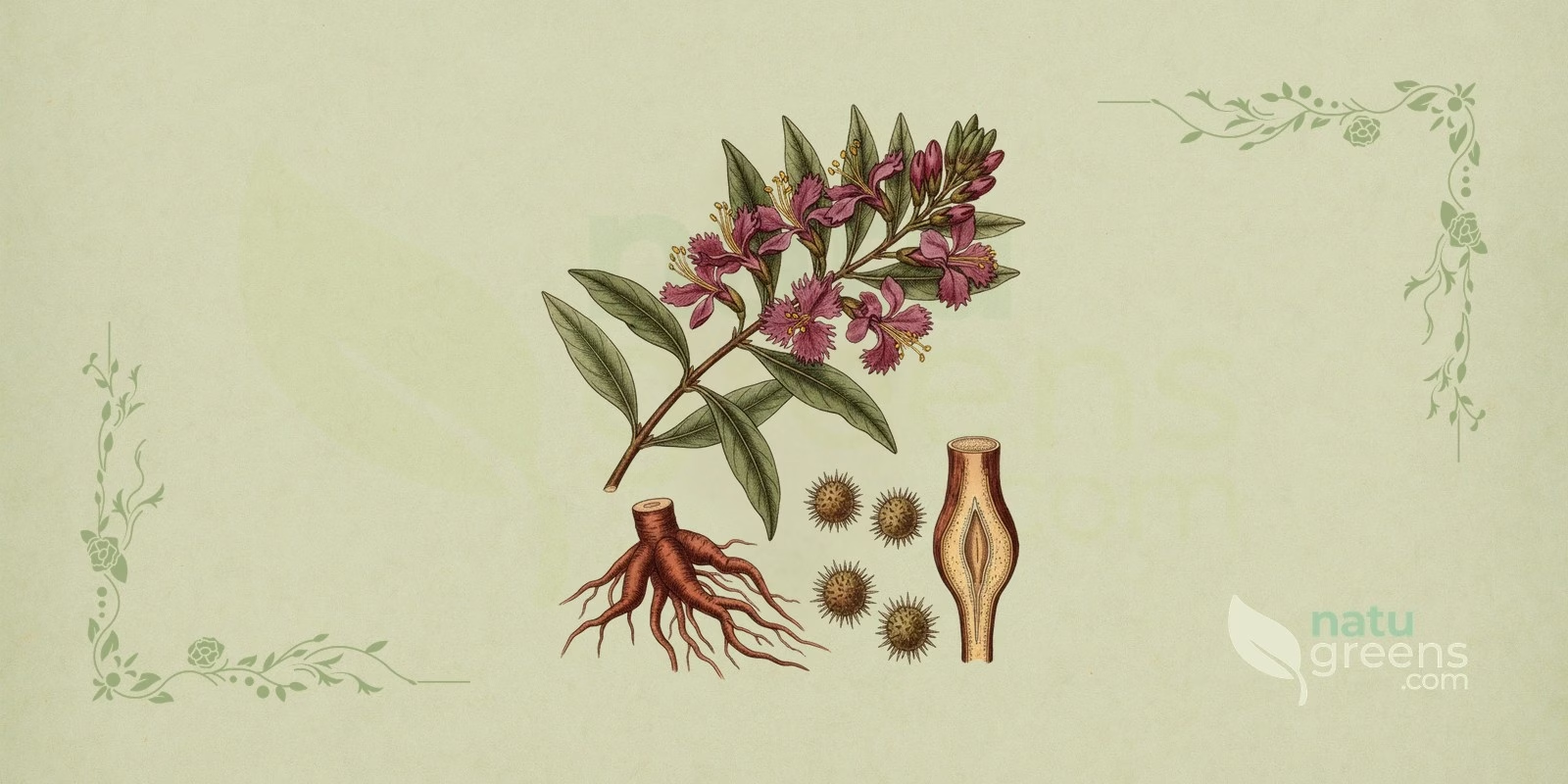
The use of rhatany goes back to ancestral practices in which the root was employed for a whole range of complaints, from mouth problems to gastrointestinal disorders. Its richness in tannins, especially the so-called ratanhia-tannic acid, gives the root the ability to tighten tissues and form a protective film over the mucous membranes. This composition has been the subject of laboratory studies investigating the chemical basis of several traditional uses, although clinical trials in people are still few. Today, rhatany appears mainly in mouthwashes, gargles and oral hygiene products, with internal use kept limited and always accompanied by professional guidance.
Popular and International Names of Rhatany
- English: Peruvian rhatany, red rhatany, rhatany.
- French: ratanhia, ratanhia du Pérou.
- German: Ratanhia, Ratanhiawurzel.
- Italian: ratania.
- Portuguese: ratânhia, ratânia, ratânia-do-peru, ratânia-peruana, ratânia-vermelha.
- Spanish: abrojo colorado, raíz para los dientes, ratanhia, ratania.
Most of these names come from the Andean term that also gave rise to the word rhatany. The references to Peru and to the color red, found in several languages, serve to distinguish this South American species from the North American and Mexican rhatanies, which belong to other species of the same genus and have their own common names.
Botanical Synonyms of Krameria triandra
Although Krameria triandra Ruiz & Pav. is the name most widely used in the pharmaceutical literature, taxonomic databases such as World Flora Online and the former The Plant List consider Krameria lappacea (Dombey) Burdet & B.B.Simpson the accepted name and list K. triandra as a synonym. Another synonym cited is Krameria triandra var. humboldtiana Chodat. In practice, many recent studies on the root appear under the name K. lappacea, while classic pharmacognosy works use K. triandra, which is worth keeping in mind when searching the scientific literature on the plant.
Botanical Family: Krameriaceae
The Krameriaceae family is monogeneric and contains only the genus Krameria, with about 17 to 18 species distributed across the Americas. For a long time, the family was associated with the Polygalaceae and the Fabaceae, but more recent genetic analyses point to a close relationship with the Zygophyllaceae, within the order Zygophyllales. Krameria species stand out for their hemiparasitic habit, since, besides carrying out photosynthesis, they obtain water and nutrients from the roots of other plants through specialized haustoria.
This adaptation allows rhatany to thrive in harsh, arid environments such as the Andean slopes. It also makes the Krameriaceae an interesting subject for botany, as the family illustrates the diversity of survival strategies in the plant kingdom. The family is also known for producing biologically active secondary metabolites, such as tannins and lignans, which underlie the medicinal properties attributed to rhatany.
Parts of Rhatany Used
- Root (the main part, because of its high concentration of tannins and other bioactive compounds).
In the medicinal plant trade, the root is sold dried, in pieces or as a powder, and its bark holds the reddish coloring substance mentioned in the phytochemical profile, which gives rhatany decoctions and tinctures their intense color.
Ethnobotanical and Traditional Uses
- Diarrhea and dysentery, as a traditional record of internal use.
- Hemorrhoids and anal fissures, as compresses and traditional local applications.
- Natural dye and chewing sticks used by Andean peoples to clean their teeth.
- Relief of inflammation of the mucous membranes of the mouth and throat, as mouthwashes and gargles.
- Topical application on cuts, small superficial wounds and minor burns (traditional record).
- Traditional care of the gums and of mouth problems (canker sores, gingivitis, cracked tongue).
These records come from Andean tradition and from European medical practice of the 19th and 20th centuries. Most of them rest on the astringent action of tannins, long observed in pharmacognosy, rather than on controlled clinical trials.
Therapeutic Properties of Rhatany
- Antidiarrheal (traditional record linked to the astringent action of tannins, not confirmed in clinical trials)
- Anti-inflammatory (root lignans reduced acute inflammation in experimental and laboratory studies)
- Antimicrobial (root extracts inhibited bacteria, including resistant staphylococci, in laboratory studies)
- Antiseptic (traditional use in mouthwashes and in cleaning small lesions of the mucous membranes)
- Astringent (tannins contract tissues and mucous membranes and reduce secretions, an action well described in pharmacognosy)
- Hemostatic (traditional use to stop minor bleeding of the gums and mucous membranes)
- Photoprotective (a lipophilic extract rich in neolignans showed protection against UV damage in the laboratory)
- Tonic (traditional record as a toning agent for gum tissue)
- Wound-healing (traditional record of application on small wounds and superficial lesions)
The antimicrobial, anti-inflammatory and photoprotective activities were observed mainly in extracts tested in the laboratory or in animal models, so they point to avenues for research but do not justify promising results from home use of the plant.
Detailed Phytochemical Profile of Rhatany
- Lignans
- Neolignans (with antioxidant and photoprotective activity observed in the laboratory)
- Proanthocyanidins (oligomeric, made up of flavanol units)
- Ratanhia-tannic acid (a type of condensed tannin)
- Rhatany red, or ratanhia red (a coloring substance present in the root bark)
- Tannins (in high concentrations, between 8% and 18% in the root)
The classic studies by Scholz and Rimpler, published in the 1980s, characterized the tannins and proanthocyanidins of the root, while later work isolated lignans and neolignans associated with the anti-inflammatory and antioxidant activities observed in the laboratory.
Preparation and Administration Forms of Rhatany
- Decoction (for mouthwashes, gargles and compresses; internal use depends on professional guidance)
- Fluid extract (a concentrated preparation, used under professional guidance)
- Powder (in dental products and homemade pastes; internal use only with guidance)
- Tincture (diluted in water for mouthwashes and gargles)
Local forms of use, such as mouthwashes, gargles and compresses, predominate in tradition and in current products, while oral intake, because of the high tannin content, should be occasional, short-term and supervised by a health professional.
Synergy with Other Medicinal Plants
Astringent Combinations for the Mouth
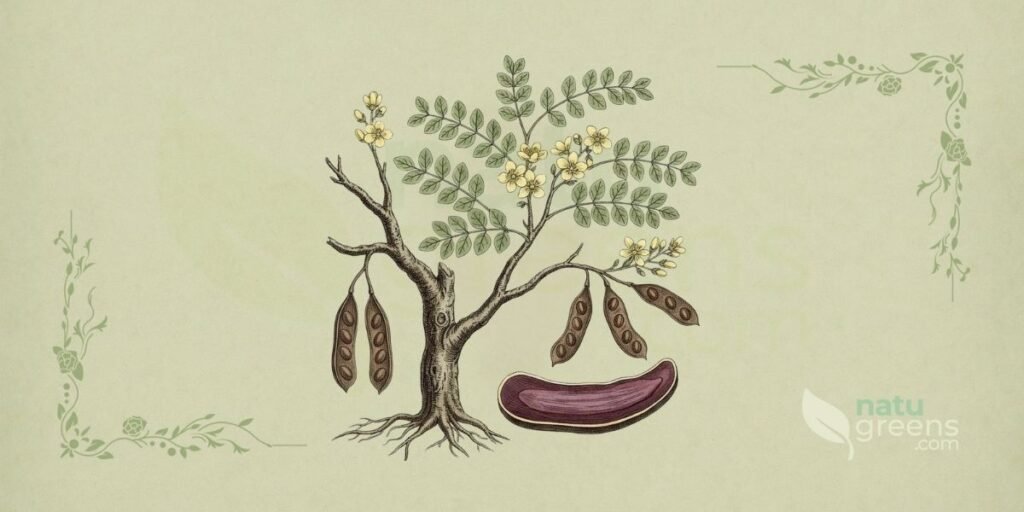
In the European oral hygiene tradition, rhatany is often combined with astringent, aromatic and antimicrobial plants such as clove (Syzygium aromaticum), myrrh (Commiphora myrrha) and tormentil (Potentilla erecta). These three plants frequently appear in tooth powders, creams and tinctures, and the blends are traditionally used for gums that bleed easily, mild inflammations such as gingivitis and stomatitis, and for cleaning the oral cavity, although combining the plants does not replace an assessment by a dentist.
Mouthwashes with Aromatic Herbs
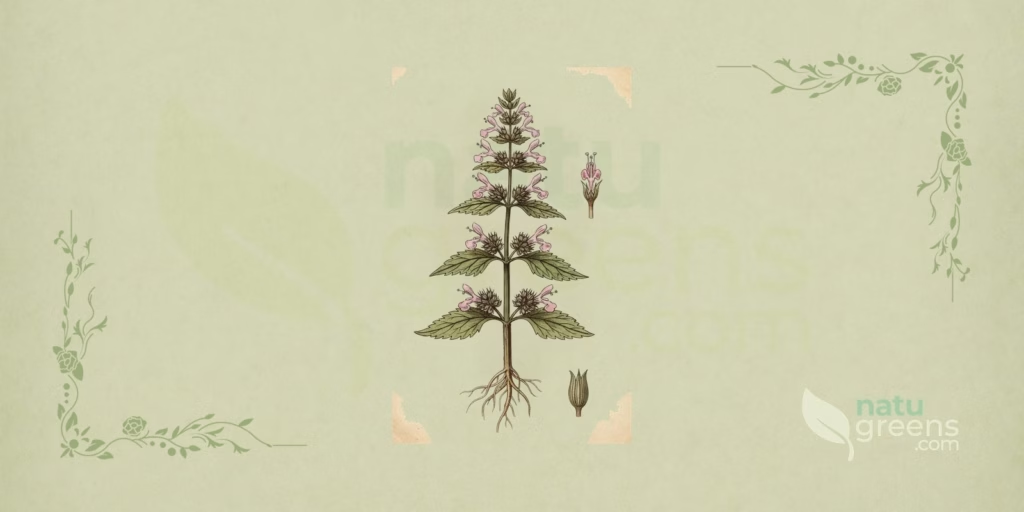
Calendula (Calendula officinalis), peppermint (Mentha piperita) and sage (Salvia officinalis) also often appear alongside rhatany in rinses and mouthwashes. Traditional records pair the refreshing taste of peppermint and the soothing character of calendula with the astringency of the Andean root. In homemade formulations, the advice is always to dilute tinctures in water and not to swallow the liquid, and to stop use if burning or local irritation appears.
Recipes and Usage Protocols of Rhatany
Astringent Rhatany, Myrrh and Sage Mouthwash
Traditionally used for sensitive gums and mild inflammation of the mouth, this mouthwash combines 10 ml of rhatany tincture, 10 ml of myrrh tincture and 10 ml of sage tincture in a dark glass bottle. For each use, dilute 10 to 20 drops of the mixture in half a glass of warm water and rinse vigorously two to three times a day, preferably after brushing, without swallowing the liquid. The blend brings together plants with an astringent and aromatic tradition, but gums that keep bleeding call for a dentist’s assessment, and use should be stopped in case of local irritation.
Traditional Decoction for Episodes of Diarrhea
According to traditional records, the dried, chopped rhatany root was gently simmered in water for 10 to 15 minutes, strained and drunk warm during episodes of diarrhea, because of the astringent action of tannins on the intestinal mucosa. As safety data on internal use are lacking and the high tannin content can irritate the gastric mucosa and reduce the absorption of iron and other minerals, the amount of root, the number of doses and the duration must be set on an individual basis. Consult a health professional before use. Persistent diarrhea, or diarrhea with blood, fever or signs of dehydration, requires medical assessment. The same applies to any episode in children, pregnant women or older adults, in whom fluid replacement comes before any plant.
Homemade Toothpaste for Sensitive Gums
Traditionally used to brush the teeth and massage sensitive gums, this paste mixes rhatany root powder and baking soda in equal parts, with a little filtered water or coconut oil added gradually until a paste-like consistency forms. Apply a small amount to the toothbrush, massage the gums with gentle movements and rinse the mouth thoroughly, without swallowing the paste. Tradition credits the astringency of rhatany with toning the gum tissue, while baking soda contributes to cleaning and to neutralizing acids. Because baking soda is abrasive, it is best used sparingly, watching how the gums react and remembering that the preparation does not replace the fluoride toothpaste recommended by your dentist.
Compress for Hemorrhoids and Anal Fissures
Traditionally used to ease local discomfort from hemorrhoids and anal fissures, this compress starts from a concentrated decoction of two tablespoons of rhatany root in 250 ml of water, boiled for about 15 minutes and left to cool completely. Once it is cold, soak a clean compress in the liquid and apply it to the affected area for 15 to 20 minutes, repeating the process two to three times a day. Traditional records link the astringent and wound-healing action of the root to relief of local inflammation. Even so, the compress should not be used on deep or infected lesions without medical assessment, and rectal bleeding, severe pain or persistent symptoms require a consultation.
The preparations above follow traditional records and do not replace professional guidance. Before any internal use, check the contraindications and interactions described in this article.
Associated Therapies
Clinical Herbal Medicine
In modern clinical herbal medicine, rhatany is used in standardized formulations, such as extracts and tinctures, mainly for mild inflammatory conditions of the mucous membranes. The dose is individualized according to the tannin concentration of the product and each patient’s response. Its astringent action makes the root a traditional option in topical preparations for gingivitis, stomatitis and pharyngitis, while internal use for mild diarrhea depends on individual assessment and should be brief. In clinical research, rhatany-based oral care products have been evaluated in patients undergoing chemotherapy, in the context of oral mucositis, but the available data are still limited. Supervision by a health professional remains essential for safe use.
Homeopathy
Although it is less well known in homeopathy than other plants, Krameria is used in homeopathic preparations under the name Ratanhia. The homeopathic materia medica associates it with conditions such as oral inflammation, anal fissures and gastrointestinal problems accompanied by diarrhea. According to homeopathy’s own principles, the method seeks to stimulate the body’s capacity to react through minimal, highly diluted doses of the substance. These indications come from homeopathic tradition, not from clinical trials. The choice of remedy and potency rests with a qualified homeopath after an individualized assessment, and it does not replace a medical diagnosis of persistent bleeding or pain.
Contraindications and Side Effects of Rhatany
General Contraindications
Rhatany is contraindicated for people with a known hypersensitivity to plants of the Krameriaceae family. Allergic reactions such as contact dermatitis or hives, although rare, have been described, including a clinical report of allergic contact dermatitis associated with an extract of the plant. Oral use should be avoided during pregnancy and breastfeeding, given the lack of studies demonstrating its safety for the mother, the fetus or the nursing infant. In children, internal use is not recommended without pediatric guidance.
Essential precautions with the root include avoiding prolonged internal use because of the high tannin content, which can irritate the gastric mucosa and reduce the absorption of iron and other minerals; not using it on deep or infected wounds without medical assessment; not using it during pregnancy and lactation without professional guidance; and stopping use in case of local irritation. People with iron deficiency anemia, gastritis or ulcers should talk to a health professional before any oral use, precisely because of these two effects of tannins.
Common Side Effects
The side effects of rhatany are usually mild and infrequent, but oral intake can cause gastric irritation or stomach pain in some people, especially at high doses or in those with a sensitive stomach. With topical application, the most frequently cited reaction is contact dermatitis, which is rare and calls for stopping the product immediately, as does any other unwanted symptom. Well-diluted preparations and the supervision of a professional help to reduce the risk of adverse effects.
Drug Interactions
Because of its high tannin concentration, rhatany taken orally can interfere with the absorption of medicines and nutrients, since these molecules form complexes with various substances and reduce their bioavailability. Iron and other minerals are among the most affected. An interval of at least two hours between taking rhatany and taking other medicines or supplements is recommended. People using anticoagulants or diabetes medication should be cautious and consult a health professional, since rhatany could, in theory, influence blood clotting or glucose levels, although this interaction is not well documented.
Historical Notes and Interesting Facts
Origin of the Name
The common name rhatany comes from Quechua, the language spoken by the Indigenous peoples of the Andes. According to the most frequently cited etymology, the term derives from a word meaning “plant that creeps along the ground”, a description that fits the low, prostrate growth of the shrub in its natural habitat. The etymology reflects the long-standing link between the plant and Andean cultures, which knew and used it long before it reached Western medicine. The Spanish name raíz para los dientes (“root for the teeth”) preserves the memory of the root’s use in cleaning the teeth.
A Hemiparasitic Plant
One of the most curious features of Krameria triandra is its hemiparasitic behavior, since, unlike fully parasitic plants, rhatany carries out photosynthesis and produces part of its own food. It supplements its nutrition by extracting water and minerals from the roots of host plants through specialized structures called haustoria, a strategy that allows it to survive in poor soils and arid environments, where competition for resources is intense.
Historical Use in Europe
Rhatany gained prominence in European medicine throughout the 19th century and the early 20th century, when it was widely used for its potent astringent action in chronic diarrhea, dysentery, hemorrhages and inflammation of the mouth and throat. Medical journals of the 1840s were already publishing case reports with rhatany preparations for anal fissures, a use that homeopathy also adopted. Beyond its medicinal value, the root served as a natural dye and was even used in Portugal to give wines a ruby hue, a sign of its economic importance at the time.
Frequently Asked Questions about Rhatany
Is Rhatany Safe for Internal Use?
Internal use of rhatany calls for caution and should only take place under the supervision of a qualified health professional. Although the root is traditionally used during episodes of diarrhea, comprehensive safety studies are lacking, and the high tannin content can irritate the gastric mucosa and reduce the absorption of iron and other minerals, so self-medication is not recommended. Rhatany can also interfere with the absorption of medicines taken at the same time, which adds to the need for professional follow-up and for avoiding prolonged use.
What Are the Traditional Uses of Rhatany in Oral Health?
Tradition and European herbal medicine use rhatany in mouthwashes and gargles for canker sores, gums that bleed easily and mild inflammation of the mouth and throat, such as stomatitis and pharyngitis. This use rests on the astringent action of tannins. Laboratory studies have also observed antibacterial and anti-inflammatory activity in root extracts, but clinical trials are still scarce. The plant is a common ingredient in natural toothpastes and mouthwashes, which do not replace a dentist’s assessment when bleeding or pain persists.
Can Rhatany Be Used During Pregnancy?
There is not enough scientific information on the safety of rhatany during pregnancy and breastfeeding. The lack of data on its effects on the pregnant woman, the fetus and the nursing infant leads to the recommendation to avoid oral use during these periods. Even mouthwashes and local applications should not be used during pregnancy and lactation without professional guidance. If needed, the doctor or health professional following the pregnancy should weigh the risks and possible benefits.
How Does Rhatany Work as an Astringent?
The astringent action of rhatany is attributed mainly to its high concentration of tannins, particularly ratanhia-tannic acid and proanthocyanidins. These molecules can bind to proteins on the surface of mucous membranes and skin and cause them to precipitate. This process tightens the tissues, forms a protective layer and reduces the permeability of small blood vessels, which explains the traditional use of the root to reduce minor bleeding and excessive secretions in the gums and mucous membranes.
Can Rhatany Be Applied to Wounds?
In tradition, rhatany decoction and diluted tincture are applied to cuts and small superficial wounds because of the astringent action of tannins. The root should not be used on deep or infected wounds without medical assessment, and any application should be stopped in case of local irritation. There is also a report of allergic contact dermatitis associated with rhatany extract, which calls for attention to redness, itching or burning after application.
Why Avoid Prolonged Internal Use of Rhatany?
The high tannin content of the root, which can reach 18%, is the main reason for caution, because prolonged internal use can irritate the gastric mucosa and reduce the absorption of iron and other minerals. Tannins also form complexes with some medicines and nutrients, which lowers their bioavailability. For this reason, an interval of at least two hours between rhatany and other medicines or supplements is recommended. Anyone who needs to take the root orally should do so for a short time and under the supervision of a health professional.
Notice: this content is for informational purposes and does not replace professional medical advice. Consult a physician or herbal practitioner before using medicinal plants, especially during pregnancy, breastfeeding, or alongside medication.
References and Scientific Studies
View All 8 Cited References
- PMC2011 Baumgartner L, et al. Lignan derivatives from Krameria lappacea roots inhibit acute inflammation in vivo and pro-inflammatory mediators in vitro. J Nat Prod. 2011.
- PMC2002 Carini M, et al. Antioxidant and photoprotective activity of a lipophilic extract containing neolignans from Krameria triandra roots. Planta Med. 2002.
- PMC2021 Genovese C, et al. In Vitro Antibacterial, Anti-Adhesive and Anti-Biofilm Activities of Krameria lappacea (Dombey) Burdet & B.B. Simpson Root Extract against Methicillin-Resistant Staphylococcus aureus Strains. Antibiotics (Basel). 2021.
- PMC1998 Goday Buján JJ, et al. Allergic contact dermatitis from krameria triandra extract. Contact Dermatitis. 1998.
- PMC Johnston WP, et al. On the Use of Rhatany in the Treatment of Fissure of the Anus, Prolapsus Ani, Leucorrhœa, and Some Other Affections, with Cases. Med Exam (Phila). 1841.
- PMC1986 Scholz E, et al. Characterization of tannins from rhatany root. Planta Med. 1986.
- PMC1989 Scholz E, et al. Proanthocyanidins from Krameria triandra root. Planta Med. 1989.
- PMC2007 Tiemann P, et al. Administration of Ratanhia-based herbal oral care products for the prophylaxis of oral mucositis in cancer chemotherapy patients: a clinical trial. Evid Based Complement Alternat Med. 2007.