Rubus idaeus L. / Raspberry, commonly known as red raspberry or European red raspberry, is a fruit-bearing species of the genus Rubus in the Rosaceae family. Native to Europe and northern Asia, this perennial plant is widely grown in temperate regions for its flavorful fruit and for the medicinal properties that tradition attributes to it.
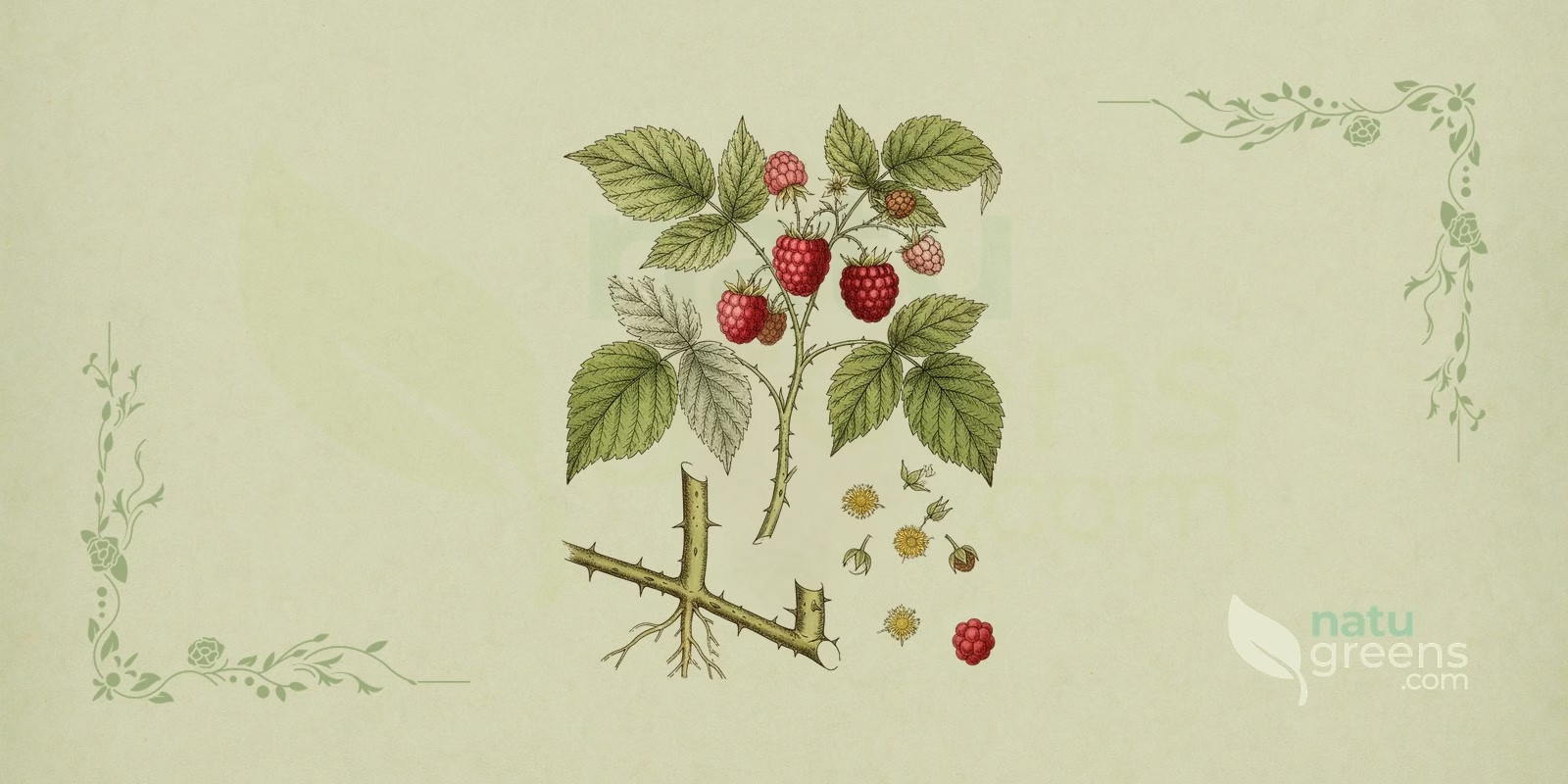
Raspberry has been used for centuries in traditional medicine, both for its nutritious fruit and for its leaves, which are prepared as teas and extracts, with applications ranging from digestive support to use as a uterine tonic. Modern research has been investigating many of the properties attributed to the plant, with promising laboratory results and clinical evidence that is still limited, which keeps interest in it alive as both a medicinal and a food plant.
Popular and International Names of Raspberry
- English: European red raspberry, raspberry, red raspberry.
- French: framboise, framboisier.
- German: Himbeere, Rote Himbeere.
- Italian: lampone, lampone rosso.
- Portuguese: framboesa, framboesa-vermelha, framboeseira-comum.
- Spanish: frambuesa, frambuesa roja, frambueso.
Botanical Synonyms of Rubus idaeus
Rubus idaeus L. is the accepted scientific name for raspberry, but several other names have been used over time and in different botanical treatments, and the synonyms most often found in the literature include:
Batidaea idaea (L.) Nieuwl., Batidaea peramoena Greene, Batidaea strigosa subsp. itascica Greene, Batidaea vulgaris Nieuwl., Rubus acanthocladus Borb., Rubus buschii (Rozanova) Grossh., Rubus idaeus subsp. melanolasius (Dieck) Focke, Rubus idaeus subsp. sachalinensis (H.Lév.) Focke, Rubus idaeus var. aculeatissimus, Rubus idaeus var. strigosus (Michx.) Maxim., Rubus strigosus Michx.
Botanical Family: Rosaceae
The Rosaceae, known as the rose family, is one of the largest and most important families of flowering plants, with around 100 genera and more than 4,800 species distributed worldwide, mainly in the temperate regions of the Northern Hemisphere. It brings together many plants of great economic, culinary and ornamental importance, such as apples, pears, strawberries, cherries, almonds and, of course, roses themselves.
Plants in this family usually have alternate leaves with stipules and generally showy flowers with five sepals and five petals, while their fruits vary widely and include drupes, pomes and aggregates of drupelets, as in the case of raspberry. The family is also chemically diverse, containing tannins, flavonoids and phenolic acids, compounds linked to many of its medicinal and nutritional properties.
Parts of Raspberry Used
- Fruits
- Leaves
- Seeds (source of oil)
- Young shoots (gemmotherapy)
Ethnobotanical and Traditional Uses
- Gastrointestinal discomfort, such as intestinal cramps
- Labor preparation (uterine tonic, in late pregnancy and with professional supervision)
- Menstrual cramp relief
- Mild diarrhea
- Mouth and throat inflammation (gargles)
- Premenstrual tension
- Wound and skin irritation care (external use)
Therapeutic Properties of Raspberry
- Anti-inflammatory (activity observed in laboratory and animal studies)
- Antioxidant (neutralizes free radicals in laboratory assays)
- Antispasmodic (traditional record of relief from smooth muscle spasms)
- Astringent (tightens tissues and reduces secretions, an action linked to tannins)
- Cardioprotective (effect investigated in experimental studies, without clinical confirmation)
- Hypoglycemic (glucose reduction observed in preliminary studies; calls for caution with antidiabetic drugs)
- Immunomodulatory (modulation of the immune response observed in preliminary studies)
- Neuroprotective (effect investigated in experimental models, without clinical proof)
- Uterine tonic (traditional record; action on uterine muscle observed in animal studies)
Most of these properties have been described in laboratory and animal studies, and clinical studies in people are still few and small, so they point to lines of research rather than guaranteed effects.
Detailed Phytochemical Profile of Raspberry
The leaves are rich in tannins, especially ellagitannins, and in flavonoids, while the fruits stand out for their anthocyanins, which give them their red color, and for ellagic acid, and the seeds yield an oil rich in unsaturated fatty acids. The groups of compounds described for the species include:
- Alkaloids
- Anthocyanins
- Ellagic acid
- Ellagitannins
- Flavonoids
- Fragarine
- Phenolic acids
- Polyphenols
- Steroids
- Terpenoids
Preparation and Administration Forms of Raspberry
- Capsules
- Dry extract
- Fluid extract
- Fruit decoction
- Glycerin macerate of young shoots (gemmotherapy)
- Tea (leaf infusion)
- Tincture
Synergy with Other Medicinal Plants
Uterine Health and Pregnancy
In traditional practice, raspberry leaf is often combined with other herbs aimed at uterine health, especially in late pregnancy. Nettle leaf (Urtica dioica) and alfalfa leaf (Medicago sativa) are added to enrich the tea with vitamins and minerals, while peppermint leaf (Mentha × piperita) is included with the intention of easing nausea and making the flavor more pleasant. This blend is traditionally used to tone the uterus and prepare the body for childbirth, but during pregnancy every added herb needs to be approved by the obstetrician or midwife, and the same rule applies as for raspberry leaf tea itself, which should only be taken from the third trimester onward.
Digestive Health
For digestive complaints, raspberry leaf may be paired with chamomile (Matricaria chamomilla) and ginger (Zingiber officinale). Chamomile contributes anti-inflammatory and antispasmodic properties described in the literature, and ginger is traditionally used to aid digestion and ease nausea, so the combination appears in the traditional record as a way to soothe the gastrointestinal tract and relieve cramps and flatulence.
Menstrual Cramp Relief
Because of its reputation as a uterine tonic, raspberry leaf is also combined with chaste tree (Vitex agnus-castus) and cinnamon (Cinnamomum verum) in preparations traditionally used to relieve menstrual cramps. Chaste tree is studied for its influence on the hormonal balance of the cycle, and cinnamon is associated with anti-inflammatory and antispasmodic effects, but the relief of menstrual pain and discomfort attributed to this blend comes from traditional use, not from studies of the combination itself.
Recipes and Usage Protocols of Raspberry
Raspberry Leaf Tea
Place 1 to 2 teaspoons of dried raspberry leaves in 250 ml of boiling water, cover and let steep for 10 to 15 minutes, then strain and drink warm, up to 3 times a day. This preparation is traditionally used to relieve menstrual cramps and, in late pregnancy, to tone the uterus, but during pregnancy it should only be taken from the third trimester onward, with the amount and frequency set by the obstetrician or midwife.
Raspberry Fruit Decoction for Mild Diarrhea
Mash about 50 grams of fresh raspberries or 20 grams of dried raspberries, add them to 500 ml of cold water and bring to a boil. Keep it boiling for 5 minutes, turn off the heat and let it stand for another 10 minutes, then strain and sip gradually throughout the day. The preparation is traditionally used to relieve mild diarrhea, an effect attributed to the astringent action of the fruit.
Diarrhea that lasts more than two days, comes with fever or blood, or affects young children or older adults requires medical evaluation and fluid replacement, rather than relying on homemade preparations alone.
Raspberry Leaf Tincture
To prepare the tincture, fill a glass jar with fresh or dried raspberry leaves and cover them completely with grain alcohol at 40% to 60%. Seal the jar tightly and leave it to macerate for 4 to 6 weeks in a cool, dark place, shaking it every day, then strain and store the tincture in dark bottles. The dosage described in traditional records is 2 to 5 ml, 2 to 3 times a day, diluted in water, but the appropriate dose should be confirmed with a health professional, and because it contains alcohol the tincture is not suitable during pregnancy or breastfeeding, nor for children.
The preparations above follow traditional records and do not replace professional guidance. Before any internal use, check the contraindications and interactions described in this article.
Associated Therapies
Western Herbal Medicine
In Western herbal medicine, raspberry leaf is regarded as a versatile remedy and appears in traditional indications ranging from digestive and inflammatory complaints to states of nervous tension. It is often combined with other herbs to enhance its effects or to address specific conditions more broadly, always within the traditional record and with clinical evidence that remains limited.
Gemmotherapy
In gemmotherapy, extracts of young raspberry shoots (Rubus idaeus), usually prepared as glycerin macerates, are used with the intention of supporting women’s health, particularly in matters related to the reproductive system. Practitioners believe these extracts act as a uterine and ovarian tonic, helping with hormonal imbalances and the relief of menstrual symptoms, although these indications have no clinical proof. The approach rests on the idea that young plant tissues, such as shoots and buds, concentrate substances of interest, and the chemical composition of raspberry shoots has been described in phytochemical studies carried out in Eastern Europe, where they are part of folk tradition.
Homeopathy
Homeopathy uses diluted preparations of Rubus idaeus for complaints of the female genital tract, such as dysmenorrhea (painful menstrual cramps), and as support during labor, according to the repertories of this practice. The homeopathic approach is based on the principle of using substances that, in larger doses, would cause symptoms similar to those of the illness, with the intention of stimulating the body’s capacity for self-regulation, but no clinical studies confirm these indications. One in vitro study evaluated a homeopathic preparation of Rubus idaeus combined with laser irradiation on a cervical cancer cell line, a laboratory result that has no implications for use in people.
Contraindications and Side Effects of Raspberry
Although raspberry (Rubus idaeus) is widely eaten as a food and its leaves are used in medicinal preparations, it is important to know the plant’s contraindications and possible side effects. The fruit is generally well tolerated, but using the leaf as a remedy calls for caution, especially in certain health conditions and stages of life.
Pregnancy and Breastfeeding
Raspberry leaves are traditionally used as a tea during pregnancy to prepare the uterus for childbirth, a use that requires a clear caveat. Raspberry leaf tea in pregnancy should only be used from the third trimester onward and under the guidance of a health professional (obstetrician or midwife), never in early pregnancy, because of its possible uterine stimulant effect. Caution is advised for anyone with a history of preterm birth or a high-risk pregnancy, situations in which use should be discussed individually with the team caring for the pregnant woman. There is no relevant restriction on eating the fruit in usual dietary amounts. As for breastfeeding, there is not enough reliable information on the safety of the leaf, and as a precaution medicinal use is best avoided during this period.
Hormone-Sensitive Conditions
Because some sources point to the possibility that raspberry leaf has estrogen-like activity, its use should be avoided in hormone-sensitive conditions such as breast cancer, uterine cancer, ovarian cancer, endometriosis or uterine fibroids. People with these conditions should steer clear of the leaf so as not to risk complications or a worsening of symptoms.
Drug Interactions
Raspberry leaf may interact moderately with some medications. Taken together with insulin or other glucose-lowering drugs, it may lower blood sugar too much, which calls for careful monitoring and sometimes a dose adjustment, and there is a published report of hypoglycemia associated with the tea in a pregnant woman with gestational diabetes. Some sources also indicate that the leaf may slow blood clotting, so combining it with anticoagulants or antiplatelet drugs could increase the risk of bruising and bleeding. Among the plants mentioned in the combinations, chaste tree should not be used during pregnancy and may interfere with hormonal medications, such as contraceptives, without professional guidance. For this reason, consult a health professional before using raspberry leaf if you are taking any medication.
Side Effects and Other Precautions
In rare cases, raspberry leaf tea may cause nausea, diarrhea or allergic reactions, so it is wise to start with small amounts and observe how the body responds before continuing. In children, medicinal use of the leaves should only take place under professional guidance, and tinctures, because they contain alcohol, are not suitable for children, pregnant women or breastfeeding women.
Historical Notes and Interesting Facts
The botanical name Rubus idaeus has a curious origin, since it can be translated as “bramble of Ida”, a reference to Mount Ida, the name of mountains in present-day Turkey and on the island of Crete where raspberries supposedly grew in abundance. According to an ancient Greek legend, raspberries were originally white until the nymph Ida, who nursed the infant Zeus, pricked her finger on a thorn, and her blood stained the fruit the red we know today.
A raspberry is not a single fruit but an aggregate of small drupelets, since each “bead” that makes it up is a tiny fruit with a single seed, a structure that has become one of its most distinctive features. The species has been known and eaten for millennia, as shown by remains found at archaeological sites, which reveals a long history in the human diet.
In medieval Europe, raspberry was valued as a women’s tonic and prized for its medicinal properties, and its leaves were used to make teas intended, according to the records of the time, to strengthen the uterus and ease childbirth. These qualities attributed to the plant live on in folk tradition and explain why the leaf tea is still so closely associated with pregnancy today.
Frequently Asked Questions about Raspberry
Is Raspberry Leaf Tea Safe During Pregnancy?
The leaf tea is traditionally used in late pregnancy to tone the uterus, but it should only be used from the third trimester onward and under the guidance of a health professional (obstetrician or midwife), never in early pregnancy, because of its possible uterine stimulant effect. Anyone with a history of preterm birth or a high-risk pregnancy needs extra caution. The fruit, on the other hand, has no relevant restriction when eaten in usual dietary amounts.
What Are the Main Uses of Raspberry Leaf Tea?
The tea is known for its astringent and tonic properties and, in tradition, is used to tone the uterus and relieve menstrual cramps and PMS symptoms. It is also used for digestive discomfort and mild diarrhea, and the leaves contain minerals and phenolic compounds. These uses, however, rest more on tradition than on clinical studies.
How Do You Make Raspberry Leaf Tea?
Place one to two teaspoons of dried leaves in 250 ml of boiling water, cover and let steep for 10 to 15 minutes, then strain and drink warm. Outside pregnancy, the traditional record mentions up to three cups a day, while during pregnancy the amount should be set by the professional caring for the pregnant woman. Avoid sweetening it with sugar and, if you like, add a little honey.
Are There Side Effects from Drinking Raspberry Leaf Tea?
Although it is generally well tolerated, the leaf tea may, in rare cases, cause nausea, diarrhea or allergic reactions, so it is wise to start with small amounts and watch how your body reacts. People with hormone-sensitive conditions should avoid it, and anyone taking medication on a regular basis should consult a health professional before starting.
Does Raspberry Leaf Tea Help Induce Labor?
The leaf tea is popularly known as a uterine tonic and, in tradition, is used with the intention of making contractions more efficient and shortening labor. There is no robust scientific evidence that it induces labor, and the available studies, which are small and have limitations, do not consistently confirm these effects. For this reason, it should only be used under the guidance of an obstetrician or midwife.
Can People Taking Diabetes Medication Drink Raspberry Leaf Tea?
Raspberry leaf may contribute to lowering blood glucose, and there is a published report of hypoglycemia associated with the tea in a pregnant woman with gestational diabetes, which calls for caution in anyone using insulin or other glucose-lowering drugs. In these cases, use should only begin with the knowledge of the doctor, who can advise on blood glucose monitoring and any dose adjustments.
Notice: this content is for informational purposes and does not replace professional medical advice. Consult a physician or herbal practitioner before using medicinal plants, especially during pregnancy, breastfeeding, or alongside medication.
References and Scientific Studies
View All 12 Cited References
- PMC2023 Tao Y, et al. Ethnopharmacology of Rubus idaeus Linnaeus: A critical review on ethnobotany, processing methods, phytochemicals, pharmacology and quality control. J Ethnopharmacol. 2023.
- PMC2014 Krauze-Baranowska M, et al. Chemical composition and biological activity of Rubus idaeus shoots: a traditional herbal remedy of Eastern Europe. BMC Complement Altern Med. 2014.
- PMC2022 Lopez-Corona AV, et al. Antioxidant, Anti-Inflammatory and Cytotoxic Activity of Phenolic Compound Family Extracted from Raspberries (Rubus idaeus): A General Review. Antioxidants (Basel). 2022.
- PMC2026 Tao M, et al. Ellagitannins from red raspberry (Rubus idaeus L.): a comprehensive review on chemistry characteristics and beneficial effects. Food Funct. 2026.
- PMC2021 Ispiryan A, et al. Red Raspberry (Rubus idaeus L.) Seed Oil: A Review. Plants (Basel). 2021.
- PMC2022 Piña-Contreras N, et al. Raspberry (Rubus idaeus L.), a Promising Alternative in the Treatment of Hyperglycemia and Dyslipidemias. J Med Food. 2022.
- PMC2010 Zheng J, et al. The effects of commercial preparations of red raspberry leaf on the contractility of the rat’s uterus in vitro. Reprod Sci. 2010.
- PMC2001 Simpson M, et al. Raspberry leaf in pregnancy: its safety and efficacy in labor. J Midwifery Womens Health. 2001.
- PMC2009 Holst L, et al. Raspberry leaf: should it be recommended to pregnant women?. Complement Ther Clin Pract. 2009.
- PMC2021 Bowman R, et al. Biophysical effects, safety and efficacy of raspberry leaf use in pregnancy: a systematic integrative review. BMC Complement Med Ther. 2021.
- PMC2016 Cheang KI, et al. Raspberry Leaf and Hypoglycemia in Gestational Diabetes Mellitus. Obstet Gynecol. 2016.
- PMC2023 Joubert KS, et al. The In-Vitro Effect of Homeopathically Prepared Rubus idaeus and 680 nm Laser Irradiation on Cervical Cancer Cells. Homeopathy. 2023.