Kigelia africana (Lam.) Benth. / Sausage Tree, known in English as the sausage tree and found across many regions of Africa, is a tree of the Bignoniaceae family originally described by Jean-Baptiste Lamarck in the 18th century as Bignonia africana and moved to the genus Kigelia by George Bentham in 1849. The large, elongated fruits that hang from its branches like sausages give the species its name, and the tree holds a prominent place in African traditional medicine, appearing in a wide range of herbal preparations made from the bark, the leaves and the processed fruit.
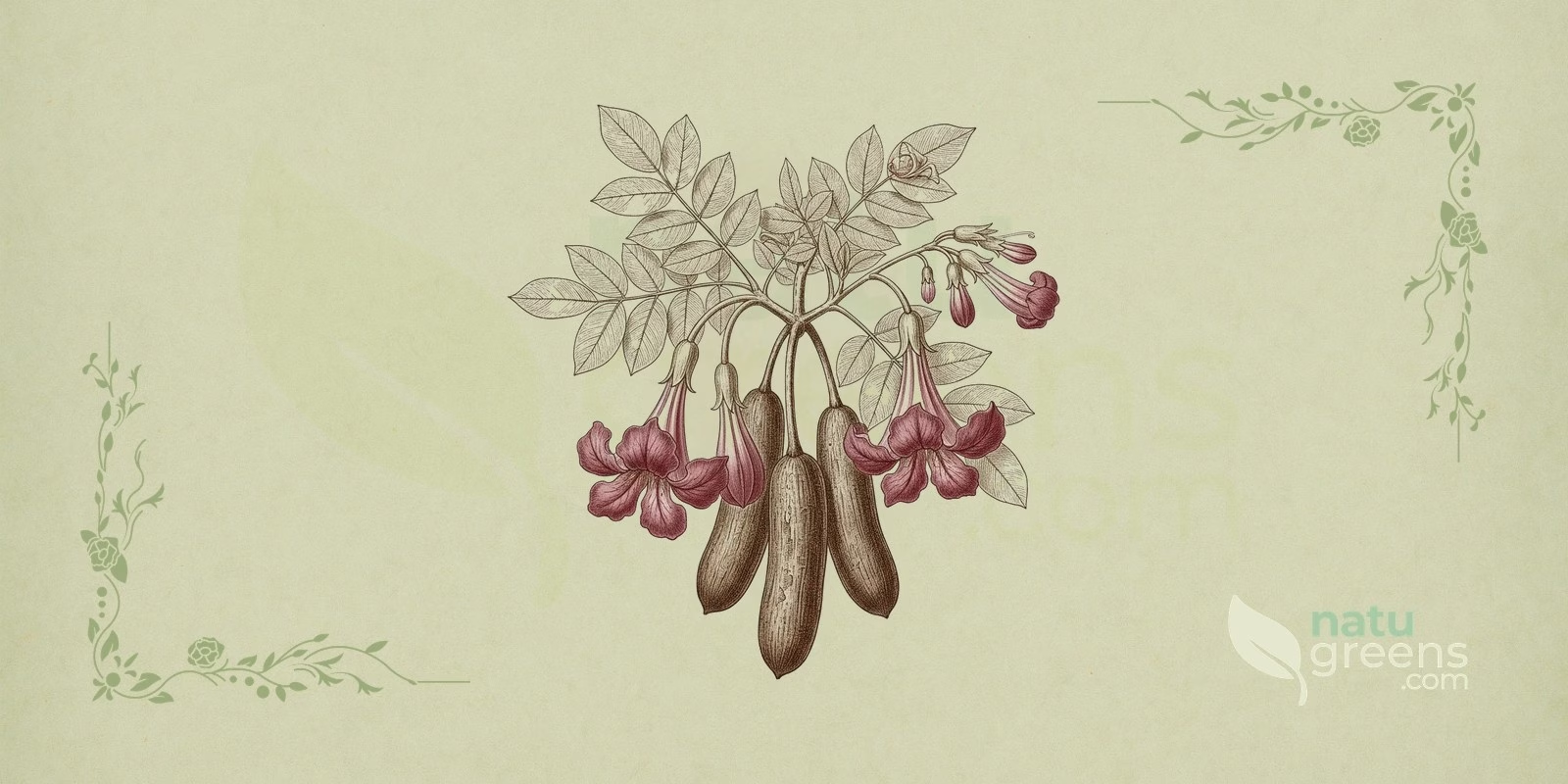
African herbal tradition gives the sausage tree an important role in the care of a range of ailments, with applications that run from gastrointestinal disorders to inflammatory conditions and skin problems. Its phytochemical makeup, rich in phenols, flavonoids and iridoids, is associated with the antibacterial, anti-inflammatory and antioxidant activities seen in laboratory studies, and modern research has been investigating several of these traditional uses, although confirmation in clinical trials in humans is still limited. Before any use, it is worth knowing that the raw fruit is toxic and purgative, which is why tradition only uses it once it has been dried, fermented or roasted.
Popular and International Names of Sausage Tree
- English: cucumber tree, sausage tree, sausagetree.
- Spanish: árbol de las salchichas, salchichas.
- Portuguese: árvore-da-salsicha, árvore das salsichas, árvore-talismã, quigélia.
- French: arbre à saucisses, faux baobab, saucissonnier.
- Italian: albero dei salami, albero delle salsicce.
- German: Leberwurstbaum.
Botanical Synonyms of Kigelia africana
Kigelia pinnata (Jacq.) DC. is the best-known botanical synonym of Kigelia africana and still turns up frequently in the literature on the plant; the name, proposed by Augustin Pyramus de Candolle, reflects the complex taxonomic history of the species. Other recorded synonyms include Bignonia africana Lam., Crescentia pinnata Jacq., Kigelia abyssinica A. Rich., Kigelia acutifolia Engl. ex Spreng., Kigelia aethiopica Decne., Kigelia aethiopum (Fenzl) Dandy, Kigelia elliottii Sprague, Kigelia elliptica Sprague, Kigelia impressa Sprague, Kigelia spragueana Wernham, Kigelia talbotii Hutch. & Dalziel, Kigelia tristis A. Chev., Sotor aethiopium Fenzl and Tanaecium pinnatum (Jacq.) Willd. This multiplicity of names mirrors the wide geographic distribution of the tree and the morphological variation observed among populations from different African regions.
Botanical Family: Bignoniaceae
The Bignoniaceae family brings together a diverse group of flowering plants, including trees, shrubs and lianas, widely distributed across tropical and subtropical regions. Its species usually bear large, showy flowers, often trumpet-shaped, along with capsular or woody fruits, and Kigelia africana, with its unmistakable flowers and fruits, is one of the best-known examples in the group. The Bignoniaceae include species of ornamental, timber and medicinal importance, the latter linked to the presence of various bioactive compounds.
Parts of Sausage Tree Used
- Bark
- Fruits (only dried, fermented or roasted, never raw)
- Leaves
- Roots
- Seeds (roasted)
The stem bark and the processed fruit account for most of the traditional preparations and phytochemical studies, while the leaves, roots and seeds appear in more occasional uses. Because of its toxicity, the fruit is never used raw, whether taken by mouth or applied to the skin.
Ethnobotanical and Traditional Uses
Ethnobotanical records gather a wide variety of uses for the sausage tree, ranging from food to the making of tools and implements. The health-related items listed below describe the traditional practice of African communities and are not equivalent to a proven medical indication.
- Alcoholic beverage (fermented dried fruit)
- Cosmetics (powdered dried fruit, to keep the skin smooth)
- Food (roasted fruits; leaves as animal fodder)
- Gastrointestinal problems (diarrhea, dysentery, dyspepsia, stomachaches)
- Gynecological and breast problems
- Headaches
- Hemorrhoids
- Inflammatory conditions (psoriasis, rheumatism)
- Kidney problems
- Malaria (traditional record; the disease requires medical diagnosis and treatment)
- Skin diseases (eczema, boils, bacterial and fungal infections)
- Snakebites (traditional record; any snakebite requires emergency medical care)
- Syphilis (traditional record, without clinical support)
- Tools and construction (wood for bows, canoes, fuel and furniture)
- Wound and ulcer healing
Therapeutic Properties of Sausage Tree
The properties below summarize what tradition and preclinical studies attribute to the sausage tree, and most of them come from laboratory and animal experiments, still without confirmation in clinical trials in humans.
- Analgesic (pain relief reported in traditional use)
- Antibacterial (activity against bacteria observed in the laboratory)
- Antidiarrheal (traditional use in cases of diarrhea)
- Antidyspeptic (traditional use for poor digestion)
- Antifungal (activity against fungi observed in the laboratory)
- Anti-inflammatory (effect observed in laboratory studies)
- Antimalarial (activity investigated in preliminary studies)
- Antioxidant (activity observed in laboratory assays)
- Antiparasitic (traditional record with preliminary studies)
- Antiproliferative (activity observed in laboratory studies, without clinical confirmation)
- Hypoglycemic (reduction in blood glucose observed in animal studies, without clinical confirmation)
- Wound-healing (traditional use on wounds, with preliminary in vitro studies)
Detailed Phytochemical Profile of Sausage Tree
Phytochemical analyses of the sausage tree, carried out mainly on the fruits and the stem bark, have identified a wide variety of compound classes, listed below. Flavonoids, naphthoquinones and hydrolyzable tannins such as gallotannins and ellagitannins are among the groups most often cited in studies on the biological activities of the plant.
- Alkanes
- Coumarins
- Diterpenes
- Ellagitannins
- Esters
- Flavonoids (6-Hydroxyluteolin, Luteolin, Quercetin and their glycosides)
- Gallotannins
- Iridoids
- Isocoumarins
- Lignans
- Naphthoquinones (including monoterpenoid naphthoquinones)
- Palmitic Acid
- Phenolic Acids
- Phenols
- Quinones
- Sterols (Beta-sitosterol)
- Triterpenes
- Unsaturated Fatty Acids
Preparation and Administration Forms of Sausage Tree
In African tradition, each part of the plant is prepared in its own way depending on the intended use, and the fruit always goes through drying, fermentation or roasting before any application. The main forms on record are the following.
- Decoctions
- Extracts (aqueous, methanolic, oil-based)
- Fermentation (for beverages, with the dried fruit)
- Infusions
- Poultice and compress
- Powder (from bark, leaves, dried fruits, seeds)
The methanolic extracts cited in the literature are laboratory preparations used in research and have no place in home use, since methanol is toxic for human consumption.
Synergy with Other Medicinal Plants
Research on the synergy of Kigelia africana with other medicinal plants is still limited, although traditional herbal medicine often combines herbs with complementary properties. Based on the anti-inflammatory, antibacterial and antioxidant activities described in the laboratory, the sausage tree could, in theory, be paired with wound-healing or antiseptic plants in skin preparations, or with carminative and antispasmodic herbs for digestive discomfort, but studies evaluating these combinations are lacking.
Among the few associations already investigated, a study in diabetic rats evaluated the combined effect of the sausage tree and Garcinia kola, a seed known in English as bitter kola, on insulin levels and on the enzyme paraoxonase 1. Another study, carried out only in the laboratory, examined the cytotoxicity of combined extracts of Kigelia africana and Spathodea campanulata, the African tulip tree, another African member of the Bignoniaceae. These are experimental results with no established clinical application, and any combination should be approached with caution and under the guidance of a health professional, especially by people who take medication for diabetes.
Recipes and Usage Protocols of Sausage Tree
Traditional Poultice for Skin Conditions
Ingredients: fresh bark or leaves of Kigelia africana and filtered water. The raw fruit is not part of this preparation.
Preparation: Crush the fresh bark or leaves into a smooth paste, adding a little water if needed to help it bind. Before the first use, test the paste on a small area of skin and wait a few hours to rule out irritation. In African tradition, the paste is applied to superficial wounds, ulcers, eczema or psoriasis, covered with a clean cloth and left in place for 30 minutes to 1 hour, twice a day, to promote healing and soothe inflammation. Deep or extensive wounds, or wounds showing signs of infection, need medical evaluation and should not be dressed with a homemade poultice.
Traditional Infusion for Gastrointestinal Discomfort
Ingredients: a small amount of dried bark or dried leaves of Kigelia africana and boiling water, in a proportion set together with a health professional.
Preparation: In African tradition, the dried bark or leaves are steeped in the boiling water, with the container covered, for 10 to 15 minutes, and the drink is strained and taken warm for diarrhea, dysentery and stomachaches. Since there is not enough safety data on the internal use of the plant, the amount and frequency should not be decided on your own, so consult a health professional before using it. Diarrhea that persists, contains blood or comes with fever requires medical evaluation, and the fruit should never go into this preparation.
Face Mask with Dried Fruit Powder
Ingredients: 1 tablespoon of dried Kigelia africana fruit powder, already processed according to the traditional method, and rose water or witch hazel hydrosol.
Preparation: Mix the powder with the rose water or witch hazel hydrosol until it forms a soft paste, and do a patch test on a small area of skin first. Apply to the clean face, avoiding the eye area, leave on for 15 to 20 minutes and rinse with warm water. Tradition uses this mask to keep the skin smooth, and the antioxidant and anti-inflammatory activities observed in the laboratory help explain the cosmetic interest in the plant. Never replace the processed powder with fresh fruit, which can irritate the skin and cause blisters.
The preparations above follow traditional records and do not replace professional guidance. Before any internal use, check the contraindications and interactions described in this article.
Associated Therapies
Clinical Phytotherapy
In modern clinical phytotherapy, Kigelia africana draws interest for the pharmacological properties observed in preclinical studies, and standardized extracts of the fruit and bark are being investigated for the development of topical and oral formulations. In practice, topical preparations are used as support in inflammatory skin conditions such as eczema and psoriasis and in wound healing, based mainly on traditional use and laboratory results. The antiproliferative activity of the plant is also being studied in tumor cells, but there is no clinical indication for cancer, and any use by people undergoing cancer treatment should be discussed with their medical team. Prescription needs to be individualized, taking into account the complex phytochemical composition of the plant and its possible interactions with other medications.
Homeopathy
Kigelia africana, also cited as Kigelia pinnata, is not among the best-known homeopathic remedies, and its use in this practice is poorly documented, with mentions of preparations aimed at skin and inflammatory conditions. Homeopathy is based on the principle of similars, according to which a substance capable of causing symptoms in healthy people would be used in minimal doses for similar symptoms in sick people. Given the traditional use of the plant for skin problems, a homeopathic remedy derived from it could be considered in this area, but the research and clinical validation needed to support such an application are lacking.
Contraindications and Side Effects of Sausage Tree
Toxicity of the Raw Fruit
The raw fruit of Kigelia africana is toxic and purgative when eaten without processing and can cause blisters on the tongue and skin, which is why African tradition only uses it after it has been dried, fermented or roasted. The fruit should never be eaten raw. Topical application of the raw fruit can also cause irritation and blistering of the skin, so preparations for external use must follow traditional processing methods, never direct application of the fresh, unprocessed fruit.
General Contraindications
People with a known allergy to plants of the Bignoniaceae family should avoid Kigelia africana because of the possibility of allergic reactions, and prudence calls for medical advice before regular use, especially for those who are sensitive to other plants. The presence of serious conditions such as malaria, syphilis and snakebite among the traditional uses of the plant does not justify using it in place of medical diagnosis and treatment of these conditions. People with diabetes should also be cautious, since animal studies have observed a reduction in blood glucose.
Pregnancy, Breastfeeding and Children
There is not enough data on the safety of Kigelia africana during pregnancy and breastfeeding, and in the absence of conclusive studies, use of the plant by pregnant or breastfeeding women is not recommended. For the same lack of data, internal use is not advised for children either, and in all these cases a health professional must be consulted before considering any preparation made with the sausage tree.
Drug Interactions
The complex phytochemical composition of Kigelia africana suggests a potential for drug interactions, since compounds such as coumarins and flavonoids can influence drug metabolism, particularly that of anticoagulants, hypoglycemic drugs and other medications that depend on the cytochrome P450 system. Patients who take medication on a regular basis should seek medical or pharmaceutical advice before starting to use the plant, in order to avoid adverse interactions.
Historical Notes and Interesting Facts
Origin of the Name
The genus name Kigelia derives from kigeli-keia, a Bantu name used in Mozambique, which underlines the African origin of the plant. The popular names “sausage tree” and “cucumber tree”, for their part, refer directly to the large, elongated fruits that hang from the branches in such a peculiar way. In Afrikaans, the plant is called worsboom, which also means “sausage tree”, while its Arabic name can be translated as “the father of bags”, another reference to the shape of the fruits.
Cultural and Spiritual Significance
Kigelia africana holds deep cultural and spiritual significance for many African communities, which regard it as a sacred tree. Its fruits are sold in local markets as talismans believed to bring good luck in a variety of situations, which reinforces the importance of the plant not only as a medicinal resource but also as a central element in the traditions and spirituality of many peoples across the continent.
Ancient Use of the Wood
Archaeological evidence from Kalambo Falls, in Zambia, has revealed a very ancient use of Kigelia africana wood for making tools. The finds, dated to between 390,000 and 324,000 years ago, include wedges, digging sticks, cut logs and notched branches, and they show both the versatility and durability of the wood and the long history of interaction between humans and this tree since prehistoric times.
Frequently Asked Questions about Sausage Tree
Is the Fruit of the Sausage Tree Edible?
The raw fruit of Kigelia africana is toxic and purgative and should never be eaten in that state. The seeds are traditionally eaten after roasting, and in some African cultures the dried fruit is fermented to make alcoholic beverages such as muratina, a traditional drink from Kenya, a process that tradition considers necessary to make the fruit fit for consumption.
Can the Raw Fruit Be Applied Directly to the Skin?
No, because topical application of the raw fruit can cause irritation and blistering of the skin, and preparations for external use must follow traditional processing methods, such as using the powdered dried fruit. Before applying any new preparation, do a patch test on a small area of skin.
Can the Sausage Tree Be Used for Skin Problems?
African traditional medicine applies extracts of Kigelia africana to the skin for wounds, ulcers, eczema, psoriasis, boils and fungal and bacterial infections, and laboratory studies have observed anti-inflammatory, antibacterial and wound-healing activities that help explain this use. Clinical trials confirming effectiveness in humans are still lacking, and the raw fruit should never be applied directly to the skin.
What Are the Main Active Components of Kigelia africana?
Kigelia africana contains a wide diversity of phytochemicals, including alkanes, coumarins, diterpenes, esters, iridoids, phenols, quinones, sterols such as beta-sitosterol, triterpenes and unsaturated fatty acids. Flavonoids such as 6-hydroxyluteolin, luteolin and quercetin, along with naphthoquinones, gallotannins and ellagitannins, are also among the most studied components and are associated with the biological activities described for the plant.
Are There Contraindications to the Use of Kigelia africana?
Yes, and the main one is that the raw fruit is toxic and should never be eaten or applied directly to the skin. People with an allergy to plants of the Bignoniaceae family should avoid the plant, and because of the lack of safety data, its use is advised against during pregnancy and breastfeeding and, for internal use, in children. The plant may also interact with medications such as anticoagulants and hypoglycemic drugs, so it is advisable to consult a health professional before starting any use.
What Do Studies Say about Kigelia africana and Cancer?
Laboratory studies with extracts of the fruits and stem bark have observed antiproliferative activity in tumor cell lines, attributed in part to compounds such as gallotannins and ellagitannins. Research is still at an early stage, without confirmation in clinical trials, and these results do not justify using the plant as an alternative to cancer treatment.
Notice: this content is for informational purposes and does not replace professional medical advice. Consult a physician or herbal practitioner before using medicinal plants, especially during pregnancy, breastfeeding, or alongside medication.
References and Scientific Studies
- PMC2022 Assanti G, et al. Biology, chemistry, and pharmacological activity of Kigelia africana (Bignoniaceae) and Garcinia kola (Clusiaceae) – a review. J Med Act Plants. 2022.
- PMC2016 Bello I, et al. Kigelia africana (Lam.) Benth. (Sausage tree): Phytochemistry and pharmacological review of a quintessential African traditional medicinal plant. J Ethnopharmacol. 2016.
- PMC2020 Nabatanzi A, et al. Antioxidant and Anti-Inflammatory Activities of Kigelia africana (Lam.) Benth. Evid Based Complement Alternat Med. 2020.
- PMC2020 Nabatanzi A, et al. Ethnobotany, Phytochemistry and Pharmacological Activity of Kigelia africana (Lam.) Benth. (Bignoniaceae). Plants (Basel). 2020.
- PMC2026 Nabatanzi A, et al. Cytotoxicity and synergistic anticancer activity of Kigelia africana (Lam.) Benth. and Spathodea campanulata P. Beauv. polyherbal extracts. Sci Rep. 2026.