The plum is the fruit of the European plum tree (Prunus domestica L.), a deciduous fruit tree of the Rosaceae family which, according to the most widely accepted hypothesis, arose in the region spanning the Caucasus, present-day Turkey and ancient Persia, where it has been grown for thousands of years for its nourishing fruits and their place in traditional medicine. From there the species spread around the world, adapted to very different climates and eventually became one of the most widely eaten fruits on the planet, both fresh and in the form of prunes.
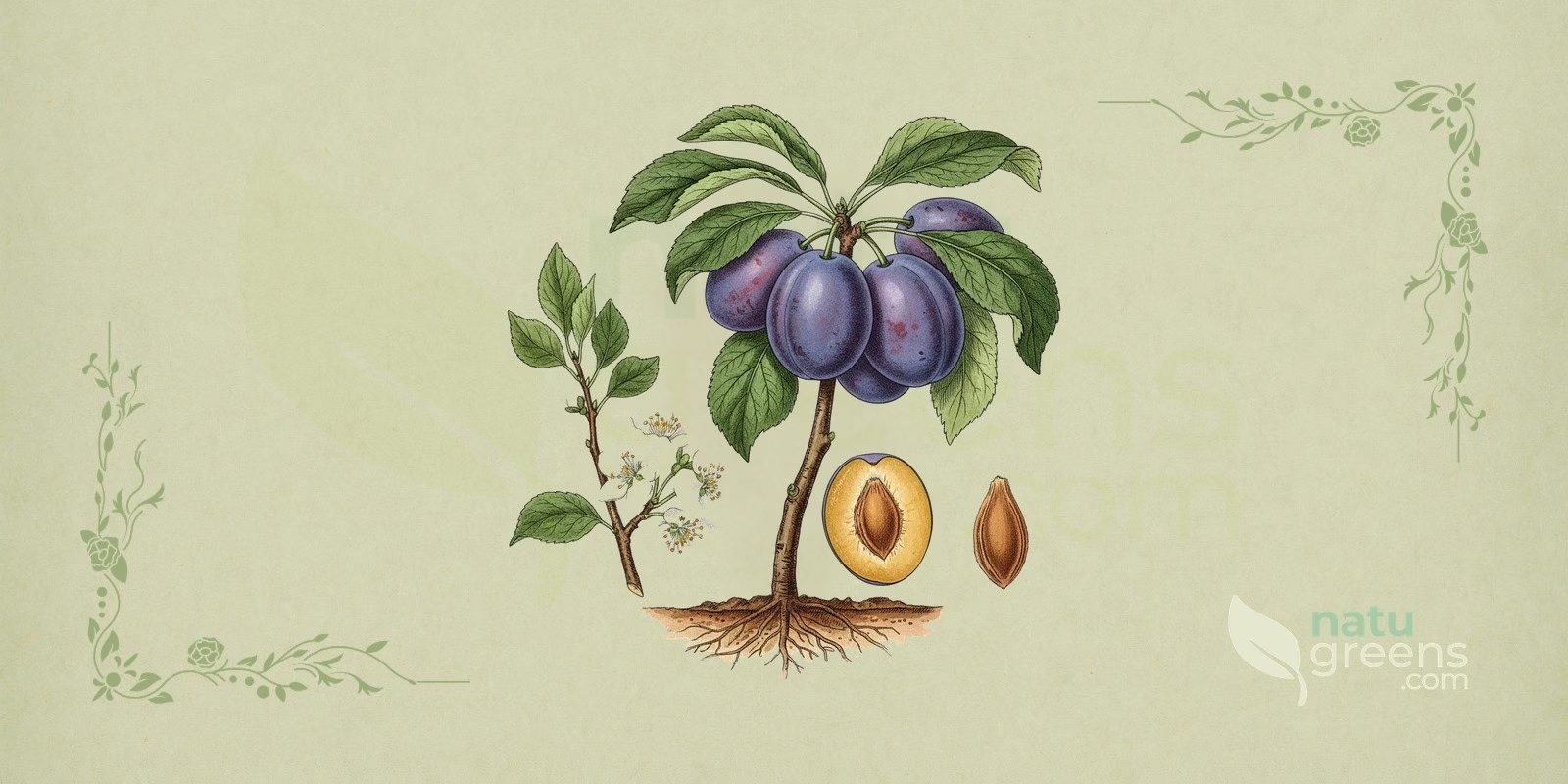
Valued in cooking and in traditional medicine, the plum combines fiber, vitamins and bioactive compounds that have drawn research interest in digestive, cardiovascular and bone health. Clinical trials have already assessed the laxative effect of prunes, while most of the other traditional uses remain at the stage of preliminary studies, which makes the fruit an example of a functional food still under investigation. The great diversity of varieties allows uses that range from eating the fruit fresh to producing extracts and seed oil.
Popular and International Names of the Plum
- English: bullace, damson plum, European plum, plum, prune plum.
- Spanish: ciruela, ciruela damascena, ciruela europea.
- Portuguese: abrunho, ameixa, ameixa comum, ameixa-mirabelle, ameixeira-europeia.
- French: prune, prune de Damas, prunier domestique.
- Italian: prugna, prugna europea, susina.
- German: Hauszwetschge, Pflaume, Zwetschge.
In Brazil, the Portuguese name ameixa also covers the fruits of other species, such as the Japanese plum (Prunus salicina), the most widely grown in the country, and the loquat (Eriobotrya japonica), known in several regions as ameixa-amarela, or yellow plum, so the binomial remains the safest way to identify the European plum.
Botanical Synonyms of Prunus domestica
The accepted scientific name for the species is Prunus domestica L., but the botanical literature records other names and varieties associated with it, as well as the spelling Prunus × domestica, which is used to signal the hybrid origin attributed to the plant. The most frequently cited synonyms include the following:
- Prunus communis subsp. domestica (L.) Syme
- Prunus communis var. domestica (L.) Huds.
- Prunus domestica subsp. oeconomica (Borkh.) C.K. Schneid.
- Prunus domestica var. damascena L.
These taxonomic variations reflect the enormous genetic and morphological diversity built up over thousands of years of cultivation and natural hybridization, and knowing them helps to identify the plant accurately in scientific studies, nursery catalogs and herbal applications.
Botanical Family: Rosaceae
The European plum belongs to the Rosaceae family, one of the most economically important families of flowering plants, which includes fruit species such as the apple, pear, peach, cherry and almond trees. Members of the rose family usually have showy flowers with five petals and numerous stamens, along with very varied fruits, which may be drupes, like the plum itself, pomes, like the apple, or achenes.
Widely distributed across the temperate regions of the Northern Hemisphere, the family plays a central role in ecosystems and in human nutrition, and many of its species accumulate bioactive compounds, such as polyphenols and flavonoids, that are studied for their biological properties. The plum tree shares this phytochemical richness as well as a trait common to the genus Prunus, the presence of cyanogenic glycosides in the seeds, a subject covered in the section on contraindications.
Parts of the Plum Used
- Bark
- Fruits (fresh and dried)
- Leaves
- Seeds (source of the seed oil; they must not be eaten raw)
Ethnobotanical and Traditional Uses
The uses below come from traditional and folk records and should not be read as indications of proven efficacy:
- Catarrh, in mild respiratory complaints
- Constipation relief, a well-established dietary use of prunes
- Digestive stimulant
- Diuretic
- Expectorant
- Hair tonic
- Pain and inflammation relief
- Tumors, in records of ancient Persian medicine (historical use, with no scientific proof)
Therapeutic Properties of Plum
The properties listed below combine traditional records with the results of preliminary studies, and none of them replaces medical diagnosis or follow-up care.
- Antianemic (traditional use linked to the fruit’s iron content, not proven as a treatment for anemia)
- Anti-inflammatory (activity observed in preliminary studies)
- Antioxidant (rich in polyphenols whose antioxidant activity has been measured in the laboratory)
- Bone-protective (effect investigated in studies with prunes, with results that are still limited)
- Cardioprotective (preliminary studies are investigating effects on cardiovascular markers)
- Detoxifying (traditional record; the claim that it removes heavy metals from the body has no clinical proof)
- Hepatoprotective (activity investigated in experimental studies, without clinical proof)
- Hypocholesterolemic (preliminary studies with prunes are investigating an effect on cholesterol)
- Hypoglycemic (effect investigated in preliminary studies; it does not replace diabetes medication)
- Laxative (effect of prunes assessed in clinical trials and attributed to their fiber and sorbitol)
- Lung-protective (associated with traditional use in respiratory complaints, without clinical proof)
- Mildly diuretic (traditional record of increased fluid output)
- Prebiotic (fermentable fibers that serve as a substrate for the gut microbiota)
Detailed Phytochemical Profile of Plum
The compounds below have been described in different parts of the plum tree, mainly in the fruits, and their concentration varies with the variety, the degree of ripeness and processing, such as the drying that turns fresh plums into prunes.
- Anthocyanins (cyanidin-3-glucoside)
- Boron
- Caffeic acid
- Calcium
- Carotenoids
- Catechins
- Chlorogenic acid
- Citric acid
- Coumarins
- Cyanogenic glycosides (amygdalin, concentrated in the seeds)
- Fiber (cellulose, hemicellulose, pectin)
- Flavonoids (apigenin, luteolin, quercetin, rutin)
- Iron
- Magnesium
- Malic acid
- Neochlorogenic acid
- Polyphenols
- Potassium
- Seed oil (linoleic acid, oleic acid)
- Sorbitol
- Tannins
- Triterpenes
- Vitamin A (beta-carotene)
- Vitamin B complex
- Vitamin C
- Vitamin K
Preparation and Administration Forms of Plum
- Compotes
- Compresses
- Decoction
- Dried fruit (prunes or dried plums)
- Extracts (dry, fluid)
- Fresh fruit
- Infusion
- Jams
- Poultice
- Puddings
- Seed oil
Synergy with Other Medicinal Plants
Digestive Health
Because it is rich in fiber and sorbitol, the plum is traditionally combined with other gently laxative plants. For occasional bouts of more persistent constipation, there are records of its use together with senna (Senna alexandrina), a stimulant laxative that should be taken only for short periods, under professional guidance, and avoided by pregnant and breastfeeding women and by children without medical advice. For gas and cramps, tradition pairs the fruit with carminative herbs such as fennel (Foeniculum vulgare) and peppermint (Mentha × piperita), which are credited with a calming and antispasmodic effect on the gastrointestinal tract.
Bone Health
Since it contains vitamin K, boron and calcium, the plum is often mentioned in traditional combinations aimed at bone health, alongside plants such as horsetail (Equisetum arvense), a source of silicon, and alfalfa (Medicago sativa), which supplies other minerals. Prunes have been studied in this context, but the results are still limited and these combinations do not replace medical care for osteoporosis, bearing in mind that horsetail is not recommended for prolonged use without professional guidance.
Antioxidant Action
The plum is a good source of antioxidants, such as polyphenols and anthocyanins, and tradition combines it with other fruits and plants rich in phenolic compounds, such as bilberry (Vaccinium myrtillus) and pomegranate (Punica granatum). In the laboratory, these substances neutralize free radicals and reduce markers of oxidative stress, but there is still no proof that the combination lowers the risk of chronic disease in humans.
Recipes and Usage Protocols of Plum
Plum Leaf Infusion
This infusion is traditionally used to aid digestion and as a mild diuretic, prepared by pouring boiling water over dried plum leaves, leaving the cup covered for a few minutes and straining before drinking, preferably after meals. Since safety studies on the use of the leaves are lacking, consult a health professional to set the amount of leaves and how often to drink it before you start.
The infusion should not take the place of a medical assessment in cases of fluid retention, and pregnant or breastfeeding women and people who take diuretics should be especially careful to seek that advice.
Soaked Prunes for Constipation
Prunes are traditionally used for constipation, a dietary use supported by comparative clinical trials, and a common way to eat them is to soak 2 to 3 pitted prunes in water overnight, then eat the fruit and drink the soaking water in the morning. The mild laxative effect is attributed to their fiber and sorbitol, so it is a good idea to drink water throughout the day and start with the smallest amount, watching how your bowels respond.
Young children should not eat large amounts of prunes, because of the risk of diarrhea, and people with irritable bowel syndrome should moderate their intake, since sorbitol can increase gas and discomfort.
Homemade Plum Compote
Compote is a traditional way to bring the fruit into the diet, made with fresh or dried plums, pitted and cooked with a little water and, if you like, spices such as cinnamon, until a thick syrup forms. It goes well with breakfast, yogurt or dessert and keeps much of the plum’s fiber, although cooking reduces heat-sensitive nutrients such as vitamin C.
For people with diabetes, it is worth keeping in mind that compote concentrates the fruit’s natural sugar, especially when it is made with prunes or sweetened, which calls for smaller portions.
The preparations above follow traditional records and do not replace professional guidance. Before any internal use, check the contraindications and interactions described in this article.
Associated Therapies
Herbal Medicine
In herbal medicine, the plum is used as dried fruit and as extracts, including standardized extracts sold as supplements, whose main focus is the fruit’s laxative action, the best documented of its properties. The antioxidant and anti-inflammatory activities attributed to the fruits and leaves are still being investigated in preliminary studies, and standardization, which seeks to keep the concentration of active compounds consistent from batch to batch, does not remove the need for a health professional’s assessment before use, especially for people who take long-term medication.
Nutrition
In nutrition, the plum is valued as a fruit rich in fiber, vitamins and minerals, and eating it regularly as part of a balanced diet supports bowel function and a balanced gut microbiota. Its content of vitamin K, boron and calcium makes it a frequent presence in meal plans focused on bone health, while its antioxidants are being studied for their ability to reduce cell damage, which places it among the most versatile everyday functional foods.
Contraindications and Side Effects of Plum
Eaten as food, the plum is usually well tolerated by most people, but both plums and prunes have a laxative effect, especially in large amounts, and some health conditions, age groups and medications call for extra care.
Excessive Consumption
Excessive consumption can cause diarrhea and intestinal imbalance, as well as flatulence and abdominal discomfort, effects linked to the high content of fiber and sorbitol, which speed up intestinal transit. The best approach is to start with small portions and increase them gradually, watching how your body responds.
Diabetes and Natural Sugar
People with diabetes should take into account the fruit’s natural sugar, which is more concentrated in prunes, and adjust their portions with guidance from a doctor or dietitian. Anyone taking glucose-lowering medication should talk to their doctor before turning to plum extracts or supplements, since preliminary studies are investigating a possible effect of the fruit on blood glucose.
Young Children
Young children should not eat plum stones or large amounts of prunes, because of the risk of choking and diarrhea. When offering them the fruit, always remove the stone and choose small portions suited to the child’s age.
Irritable Bowel Syndrome
People with irritable bowel syndrome should moderate their intake of plums, fresh or dried, because the sorbitol and fermentable fibers in the fruit can intensify gas, bloating and changes in bowel habits.
Seeds and Cyanogenic Glycosides
As in other Prunus species, the seeds of the plum, which sit inside the stone, contain cyanogenic glycosides such as amygdalin, which can release cyanide when they are crushed or chewed. For this reason, raw seeds should not be cracked, chewed or used in home preparations, and seed oil should only be used as a commercial product intended for that purpose.
Pregnancy and Breastfeeding
Pregnant and breastfeeding women can eat the fruit as part of their usual diet, but they should consult a health professional before using plum leaf tea, extracts or supplements, for which safety data during these stages are lacking.
Allergies
Allergic reactions to plums are rare but can occur in sensitive people, especially those who are already allergic to other fruits of the Rosaceae family, such as peach and cherry, with symptoms such as hives, swelling, itching and, in the most severe cases, difficulty breathing. Anyone with a history of food allergy should eat the fruit with caution and seek immediate medical attention if they become short of breath.
Drug Interactions
Plums, especially prunes, contain vitamin K, a nutrient involved in blood clotting that can reduce the effect of vitamin K antagonist anticoagulants such as warfarin when intake varies widely from one day to the next. For this reason, people taking these drugs should keep their intake steady and consult their doctor before eating large amounts of the fruit or using its extracts, and the presence of coumarins, whose clinical effect in this context has not been established, is a further reason for caution.
Because of the diuretic effect and laxative action attributed to plums, the fruit and its preparations may also add to the effect of diuretics and laxatives such as senna, which calls for monitoring, while people taking glucose-lowering medication should follow the advice on diabetes given above.
Kidney Stones
People with a history of kidney stones should eat plums in moderation because, although the fruit’s oxalate content is relatively low, excessive consumption may contribute to stone formation in predisposed individuals. In these cases, guidance from a doctor or dietitian helps to define a safe intake suited to each person’s health.
Historical Notes and Interesting Facts
The European plum is among the longest-cultivated fruit trees in Eurasia, and archaeological evidence indicates that its cultivation goes back more than 2,000 years, with origins in the Caucasus and Asia Minor. The Romans are credited with bringing the plum across Europe, where the species took hold quickly thanks to its adaptability and the nutritional value of its fruits.
For centuries, dried plums, known in English as prunes, were a staple food for sailors and travelers, because they kept well and provided energy and nutrients on long journeys. The names damson plum, in English, and prune de Damas, in French, refer to the city of Damascus, in Syria, and recall the fruit’s ancient link with the Middle East, from where Prunus domestica set out to gain cultural and economic importance across much of the world.
Frequently Asked Questions about Plum
What Is the Difference between Fresh Plums and Prunes?
The main difference lies in the water content, since fresh plums hold more water and fewer calories, while prunes, being dehydrated, concentrate sugars, fiber and nutrients, which makes them higher in calories and gives them a more pronounced laxative effect. Both fit into a balanced diet, but prunes are the form traditionally used for constipation.
Can People with Diabetes Eat Plums?
They can, in moderation and with guidance, since people with diabetes should take into account the fruit’s natural sugar, which is more concentrated in prunes and therefore calls for smaller portions. Soluble fiber may slow the absorption of glucose, but this does not remove the need for medical supervision, and anyone taking glucose-lowering medication should consult their doctor or a dietitian before changing their diet or using extracts of the fruit.
How Many Prunes Can I Eat per Day?
For most adults, 2 to 3 prunes a day are usually enough to benefit from the digestive effect and nutrients of the fruit without discomfort, since excessive consumption can cause diarrhea, flatulence and intestinal imbalance. The ideal amount varies with each person’s sensitivity and with the rest of their diet, and young children and people with irritable bowel syndrome should keep to even more moderate portions.
Do Plums Help with Weight Loss?
Plums do not cause weight loss on their own, but their fiber promotes satiety and may help to control appetite within a balanced diet, while a possible anti-adipogenic effect of their polyphenols is still being investigated in preliminary studies. Because they are higher in calories, prunes should be eaten in moderation, as part of an active lifestyle and a varied diet.
Is Plum Leaf Tea Safe to Drink?
Plum leaf tea is traditionally used for digestive and diuretic purposes, but safety studies on this use are lacking, and people with allergies or those who take medication may be exposed to risks. Pregnant and breastfeeding women and people with pre-existing health conditions should consult a health professional before drinking the tea.
Can Young Children Eat Prunes?
They can try the fruit in small portions and always without the stone, but young children should not eat plum stones or large amounts of prunes, because of the risk of choking and diarrhea. The seeds inside the stone also contain cyanogenic glycosides, one more reason never to give them to children.
Notice: this content is for informational purposes and does not replace professional medical advice. Consult a physician or herbal practitioner before using medicinal plants, especially during pregnancy, breastfeeding, or alongside medication.
References and Scientific Studies
Peer-Reviewed Scientific Studies (6)
- PMC2011 Attaluri A, et al. Randomised clinical trial: dried plums (prunes) vs. psyllium for constipation. Aliment Pharmacol Ther. 2011.
- PMC2021 Chey SW, et al. Exploratory Comparative Effectiveness Trial of Green Kiwifruit, Psyllium, or Prunes in US Patients With Chronic Constipation. Am J Gastroenterol. 2021.
- PMC2022 Hooshmand S, et al. Effects of 12 Months Consumption of 100 g Dried Plum (Prunes) on Bone Biomarkers, Density, and Strength in Men. J Med Food. 2022.
- PMC2024 Kristl J, et al. Dynamics of cyanogenic glycosides in apple and plum fruits, products, and byproducts: A concise review. J Food Sci. 2024.
- PMC2001 Stacewicz-Sapuntzakis M, et al. Chemical composition and potential health effects of prunes: a functional food?. Crit Rev Food Sci Nutr. 2001.
- PEER2023 A comprehensive review on the availability of bioactive compounds in plum and their health benefits. International Journal of Food Properties. 2023.
Supplementary Readings (1)
- 2008 Embrapa. Ameixeira: Histórico e Perspectivas de Cultivo. Circular Técnica 70. 2008.