Punica granatum L. / Pomegranate
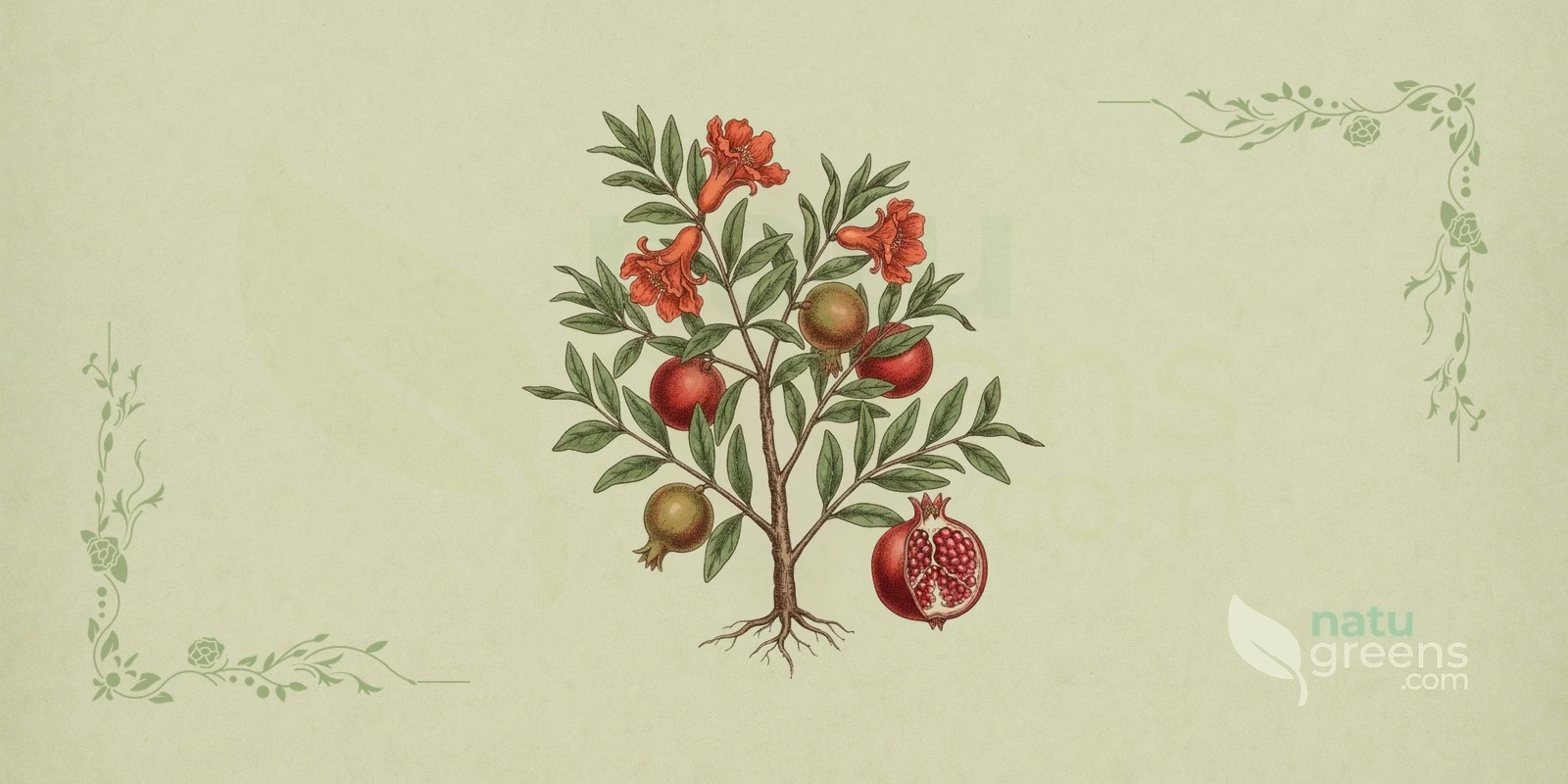
Pomegranate, whose scientific name is Punica granatum L., is a remarkable plant with a rich history and a wide range of applications. Native to the Eastern Mediterranean and the Middle East, this species has spread across numerous cultures over the millennia, valued both for its medicinal properties and for its flavorful fruit. The pomegranate tree is a shrub or small tree notable for its longevity and for the beauty of its flowers and fruit, which are used in a variety of culinary and herbal preparations. Modern scientific research has validated many of pomegranate’s traditional uses, consolidating its position as one of the most studied and widely used medicinal plants in the world.
Popular and International Names of Pomegranate
- English: pomegranate.
- Spanish: granada.
- Portuguese: romã, romãzeira.
- French: grenade.
- Italian: melograno.
- German: Granatapfel.
Botanical Synonyms of Punica granatum
- Punica florida Salisb.
- Punica grandiflora hort. ex Steud.
- Punica nana L.
- Punica sempervirens hort.
- Punica spinosa Lam.
Botanical Family: Lythraceae
Pomegranate (Punica granatum) belongs to the family Lythraceae, formerly known as Punicaceae. This family is made up of flowering plants characterized by a diversity of forms, ranging from herbs to trees. The pomegranate tree, in particular, is a notable example within this family, displaying morphological and phytochemical traits that make it unique. The Lythraceae family is recognized for producing bioactive compounds that give many of its species medicinal properties, and the chemical diversity of this family has been the subject of intense pharmacological research, contributing to the development of herbal drugs and dietary supplements.
Parts of Pomegranate Used
- Dried fruit peel
- Flowers
- Fruit
- Leaves
- Root bark
- Seeds
- Stem bark
Ethnobotanical and Traditional Uses
- A religious symbol for Jews (rimmon), holding deep meaning in the New Year ritual.
- A symbol of love and fertility for the Greeks (dedicated to Aphrodite).
- Ancient, appearing in biblical texts.
- Anxiety and nervousness.
- Arab peoples emphasized its medicinal powers and use as food.
- Associated with passion and fertility.
- Cultivated in antiquity by the Phoenicians, Greeks, and Egyptians.
- Digestive disorders and gastritis.
- In Rome, a symbol of order, wealth, and fertility.
- In the Middle Ages, a courtly and sanguine fruit, featured in tales and fables.
- Present in the gardens of King Solomon.
- Relief of intestinal colic and flatulence.
- Used as a hedge and ornamental plant.
- Used in homes and banquets for the decorative effect of its flowers and fruit.
Therapeutic Properties of Pomegranate
- Anti-inflammatory (helps relieve sore throat and reduce inflammation)
- Antibacterial (the whole plant, especially the peel, has this property); traditional use, without established clinical efficacy
- Antioxidant (flavonoids, quercetin, and ellagic acid fight free radicals, with effects investigated in preliminary studies related to neurodegenerative diseases and certain cancers, without clinical proof of prevention)
- Antiseptic (contributes to hygiene and combats infections); traditional use, without established clinical efficacy
- Antiviral (the whole plant, especially the peel, has this property); traditional use, without established clinical efficacy
- Astringent (due to its high tannin content, traditionally used for vaginal discharge, mouth sores, and throat infections)
- Cardiotonic (the fruit is beneficial for heart health)
- Demulcent (the seeds have soothing properties)
- Emmenagogue (the stem bark stimulates menstrual flow); traditional record, without established clinical efficacy
- Stomachic (the fruit and seeds aid digestion)
- Vermifuge (alkaloids such as pelletierines paralyze tapeworms, facilitating their expulsion); traditional use, without established clinical efficacy
Detailed Phytochemical Profile of Pomegranate
Pomegranate is rich in a variety of bioactive compounds that contribute to its extensive medicinal properties. Among the main phytochemicals found, flavonoids stand out as potent antioxidants and anti-inflammatory agents. Quercetin and ellagic acid are other important antioxidants, known for their role in cell protection and in research on chronic disease. In addition, the plant contains alkaloids, such as pelletierine and isopelletierine, responsible for its antiparasitic action, especially against tapeworms, while gallic tannins give pomegranate its astringent properties, useful in traditional support for inflammation and infections. These compounds act synergistically, providing the various therapeutic benefits associated with Punica granatum.
Preparation and Administration Forms of Pomegranate
Pomegranate Peel Tea
To prepare the tea, boil a cup of water and add 10 grams of pomegranate peel. Turn off the heat, cover the pot and let it steep for 10 to 15 minutes, strain, and drink the tea warm. It is recommended to consume it 2 to 3 times a day to take advantage of its anti-inflammatory and antiseptic benefits, especially for sore throats.
Pomegranate Juice
Pomegranate juice is a simple and refreshing way to consume the fruit. Simply blend a whole pomegranate with a glass of water in a blender. It is preferable to drink it without added sugar to maximize the benefits of the antioxidants and fiber present in the fruit.
Peel Extract and Seed Oil
The concentrated peel extract and the seed oil of pomegranate are used in more specific preparations, indicated for traditional support against premature aging and for supporting the immune system. These products are generally found in commercial forms and should be used according to professional guidance.
Synergy with Other Medicinal Plants
Pomegranate and Ginger
Combining pomegranate with ginger (Zingiber officinale) may enhance the anti-inflammatory and antioxidant effects, since ginger is known for its digestive and anti-inflammatory properties, complementing pomegranate’s action in relieving sore throat and gastrointestinal disturbances. It can be consumed as teas or juices.
Pomegranate and Mint
For digestive issues, pomegranate can be combined with mint (Mentha piperita). Mint has carminative and antispasmodic properties that help relieve colic and flatulence, while pomegranate contributes its astringent and anti-inflammatory actions, supporting overall digestive well-being.
Recipes and Usage Protocols of Pomegranate
Gargle for Sore Throat
Preparation: Prepare a strong tea with pomegranate peel (following the instructions above) and use it warm as a gargle several times a day. Pomegranate’s antiseptic and astringent properties help calm inflammation and support the throat against infection; if symptoms persist, consult a healthcare professional.
Rejuvenating Facial Mask
Preparation: Pomegranate seed oil, rich in antioxidants, can be used in facial masks. Mix a few drops of the oil with honey and apply to clean skin for 15 to 20 minutes, then rinse with warm water. This mask helps nourish the skin and offers traditional support against premature aging.
The preparations above follow traditional records and do not replace professional guidance. Before any internal use, check the contraindications and interactions described in this article.
Associated Therapies
Herbal Medicine
Pomegranate is widely used in herbal medicine due to its rich phytochemical composition. The plant’s various parts are used for a range of conditions, from digestive problems and inflammation to parasitic infections, always under the proper guidance of a healthcare professional, and herbal use of pomegranate can include teas, extracts, and tinctures.
Functional Nutrition
In functional nutrition, pomegranate is valued for its high content of antioxidants, vitamins, and minerals. It is often recommended as part of a balanced diet to support cardiovascular health, support the immune system, and assist in traditional support for the prevention of chronic disease. Regular consumption of the fruit or its juice is encouraged to optimize nutrient intake.
Contraindications and Side Effects of Pomegranate
Although pomegranate is widely recognized for its health benefits, it is essential to be aware of its contraindications and possible side effects. The use of certain parts of the plant, such as the root bark, should be approached with extreme caution, as it contains alkaloids that, in high doses, can be toxic and cause severe poisoning, with overdose symptoms that may include gastric irritation, vomiting, dizziness, chills, visual disturbances, collapse, and, in extreme cases, death. Pregnant or breastfeeding women should avoid consuming concentrated pomegranate extracts, especially from the peel and root, due to the lack of conclusive studies on their safety in these groups. Individuals with a known allergy to pomegranate or any of its components should refrain from its use. It is always advisable to consult a healthcare professional before starting any treatment with pomegranate, especially in the presence of pre-existing medical conditions or the use of other medications, in order to avoid interactions and ensure safety.
Historical Notes and Interesting Facts
Pomegranate has a fascinating history interwoven with numerous cultures and religions. For millennia, it has appeared in biblical texts as a symbol of passion and fertility, and for the Greeks it was dedicated to the goddess Aphrodite, representing love and fertility. Jews regard it as a religious symbol of deep meaning in the New Year ritual, calling it rimmon. The pomegranate tree stood in the gardens of King Solomon and was cultivated in antiquity by the Phoenicians, Greeks, and Egyptians, and in Rome it was seen as a symbol of order, wealth, and fertility. During the Middle Ages, pomegranate was frequently depicted in tales and fables, and Arab peoples had already highlighted its medicinal powers and value as food. Beyond its medicinal and culinary uses, the pomegranate tree was also used as a hedge and ornamental plant, adorning homes and banquets with the beauty of its flowers and fruit.
Frequently Asked Questions about Pomegranate Tea
Can Pomegranate Tea Be Consumed Daily?
Yes, pomegranate tea, prepared from the fruit’s peel, can be consumed daily, generally 2 to 3 times a day, to take advantage of its anti-inflammatory and antiseptic benefits. However, it is important not to exceed the recommended dose and to watch for any adverse reaction. If in doubt, consult a healthcare professional.
What Are the Main Benefits of Pomegranate Tea for the Throat?
Pomegranate tea is widely used to relieve sore throat due to its anti-inflammatory and antiseptic properties. The tannins present in the peel help reduce inflammation and combat bacteria and viruses, providing relief and supporting recovery from infections.
Are There Contraindications for Consuming Pomegranate Tea?
Yes, pomegranate tea is contraindicated for pregnant or breastfeeding women, due to the lack of studies on its safety. People with an allergy to pomegranate should also avoid consuming it. In addition, use of the root bark should be avoided, as it can be toxic in high doses. Always consult a healthcare professional before starting regular consumption.
Does Pomegranate Tea Help with Weight Loss?
Pomegranate tea can be an ally in weight-loss diets, since the fruit is rich in fiber and low in calories, which helps increase the feeling of fullness and reduce excessive food intake. However, it should be part of a balanced diet and a healthy lifestyle, not an isolated solution for weight loss.
Notice: this content is for informational purposes and does not replace professional medical advice. Consult a physician or herbal practitioner before using medicinal plants, especially during pregnancy, breastfeeding, or alongside medication.
References and Scientific Studies
- PMC2022 Maphetu N, et al. Medicinal uses, pharmacological activities, phytochemistry, and the molecular mechanisms of Punica granatum L. (pomegranate) plant extracts: A review. Biomedicine & Pharmacotherapy. 2022.
- PMC2024 Mohan M, et al. Review of Pharmacological and Medicinal Uses of Punica granatum. Cureus. 2024.
- PMC2021 Jalali A, et al. Punica granatum as a Source of Natural Antioxidant and Antimicrobial Agent: A Comprehensive Review on Related Investigations. Current Drug Discovery Technologies. 2021.