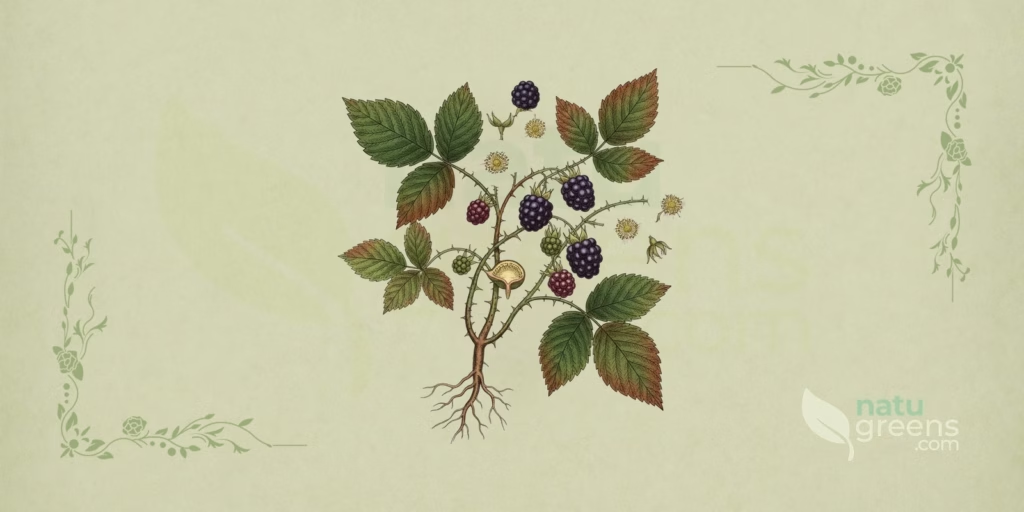
Lycium barbarum L. / Goji Berry, also popularly known as the wolfberry, is a deciduous woody shrub belonging to the Solanaceae family. Native to China, this ancient plant now grows throughout Asia and southeastern Europe. Goji berries have been valued for more than two thousand years in traditional Chinese medicine, where they are regarded as both a food and a medicinal herb with wide-ranging therapeutic applications.
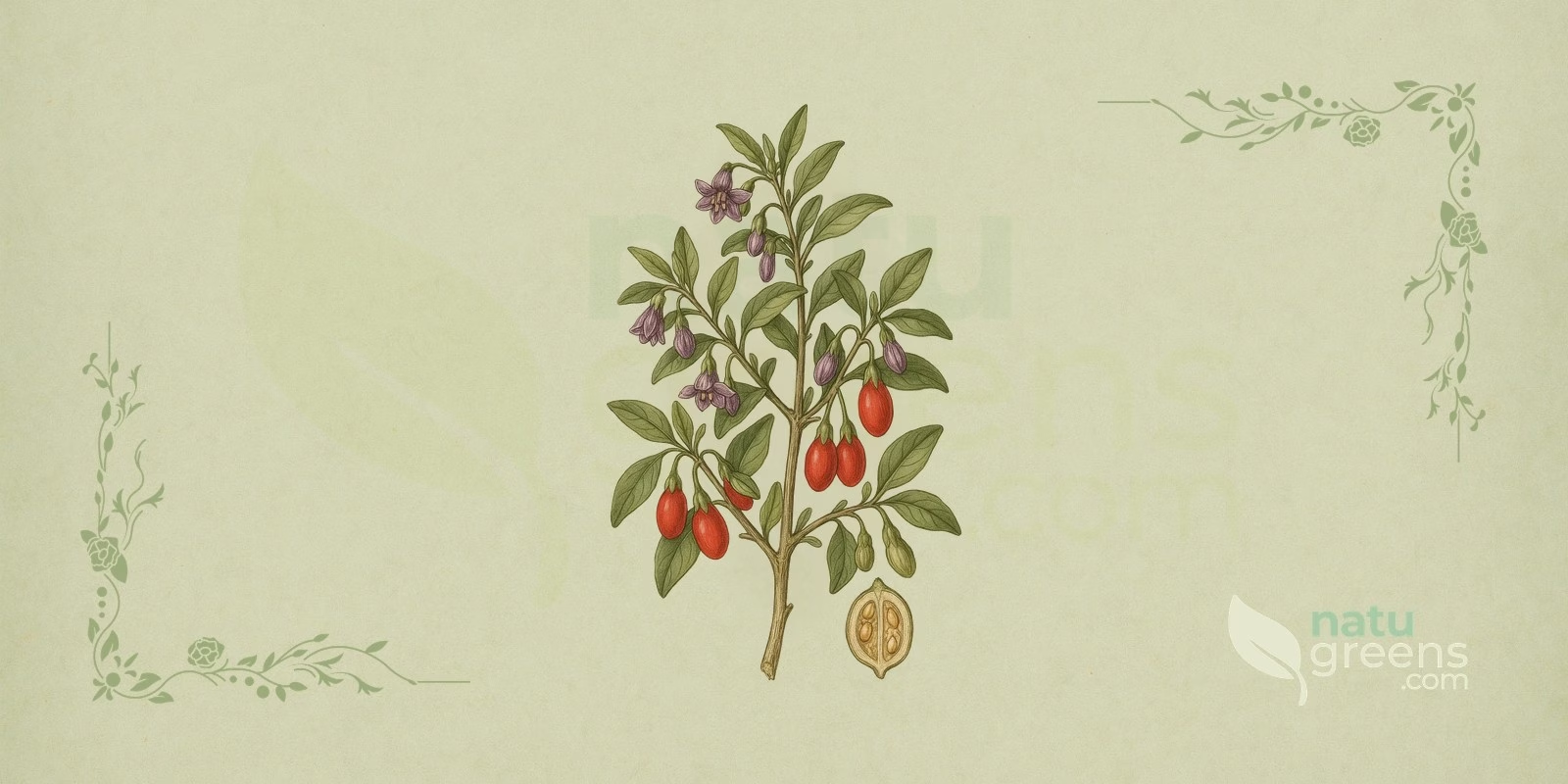
The goji berry is recognized for its bright orange-red fruit, which is harvested and consumed fresh, dried, or processed into juices and extracts. Its phytochemical composition is rich and complex, including polysaccharides, carotenoids such as zeaxanthin, and a variety of flavonoids. Modern scientific research has been validating many of its traditional uses, highlighting antioxidant, immunomodulatory, and neuroprotective properties that support its reputation as a “superfruit” with benefits for health and longevity.
Popular and International Names of Goji Berry
- English (US): goji berry, wolfberry, Chinese wolfberry, matrimony vine.
- Spanish: baya de goji, goji, licio de Berbería.
- Portuguese: baga de goji, goji, lício da bárbária, wolfberry.
- French: baie de goji, goji, lyciet commun.
- Italian: bacca di goji, goji, licio comune.
- German: Bocksdorn, Gemeiner Bocksdorn, Goji-Beere.
Botanical Synonyms of Lycium barbarum
The scientific name Lycium barbarum L. is widely accepted. However, the species is frequently confused with, or used interchangeably alongside, Lycium chinense Mill., another species in the same genus with similar properties and uses. Other botanical synonyms include Lycium halimifolium Mill. and Lycium vulgare Dunal, although Lycium barbarum L. remains the most common and recognized designation in current botanical and pharmacological literature.
Botanical Family: Solanaceae
The Solanaceae family, commonly known as the nightshade or potato family, is a diverse group of flowering plants that includes approximately 2,700 species across roughly 98 genera. This family is notable for its economic importance, encompassing essential food crops such as the potato, tomato, eggplant, and bell pepper, as well as medicinal and ornamental plants. Species in the Solanaceae family are characterized by the presence of alkaloids, which give them significant pharmacological properties.
The goji berry, as a member of Solanaceae, shares botanical and phytochemical traits with other plants in this family. The presence of alkaloids, though at different concentrations and types, is a common feature. The diversity of this family is reflected in the vast range of its uses, from food to traditional medicine, and in its global distribution across varied climates and ecosystems. Its relevance to human health and agriculture is undeniable.
Parts of Goji Berry Used
- Berries (fruit)
- Leaves
- Roots
Ethnobotanical and Traditional Uses
- Combating fatigue
- Improvement of blurred vision
- Nourishment of the liver and kidneys
- Reduction of dizziness and headaches
- Relief from abdominal pain
- Treatment of dry cough
- Treatment of infertility
Therapeutic Properties of Goji Berry
- Anti-Aging (effect studied on the slowing of biological aging)
- Antidiabetic (effect studied on blood glucose levels)
- Antioxidant (protective effect studied on cells against oxidative damage)
- Cardioprotective (protective effect studied on cardiovascular health)
- Immunomodulatory (effect studied on strengthening the immune system)
- Nephroprotective (protective effect studied on kidney health)
- Neuroprotective (protective effect studied on the nervous system)
Detailed Phytochemical Profile of Goji Berry
- Alpha-Bisabolol
- Anthocyanins
- Apigenin
- Betaine
- Beta-Sitosterol
- Carotenoids (zeaxanthin dipalmitate, beta-carotene)
- Cerebroside
- Choline
- p-Coumaric Acid
- Coumarins
- Cyclic Oligopeptides
- Diosgenin
- Essential Oils
- Farnesene
- Flavonoids (myricetin, quercetin, kaempferol, rutin, isoquercitrin)
- Glycolipids
- Hexadecanoic Acid
- Lanosterol
- Lignans
- Linoleic Acid
- Matricin
- Mucilages
- Myristic Acid
- Nicotinic Acid
- Polysaccharides (Lycium barbarum Polysaccharides – LBP)
- Proteoglycans
- Riboflavin
- Salicylic Acid
- Scopoletin
- Sesquiterpene Lactones
- Tannins
- Terpenoids
- Thiamine
- Triterpenes
- Vanillic Acid
Preparation and Administration Forms of Goji Berry
- Capsules
- Dried berries
- Extracts
- Fresh berries
- Infusion (tea)
- Juices
- Powders
- Tablets
- Tinctures
Synergy with Other Medicinal Plants
Ginger and Goji Berry Tea
Combining goji berry with ginger (Zingiber officinale) is popular in tea preparations, where the antioxidant qualities of goji are complemented by ginger’s digestive and anti-inflammatory properties. This pairing is valued for supporting vitality and overall well-being, making for a comforting, restorative drink, especially in colder weather or to aid digestion after meals.
Jujube and Goji Berry Tea
In traditional Chinese medicine, goji berry is often paired with jujube (Ziziphus jujuba) to create a nourishing, restorative tea. This formulation is traditionally used to nourish the blood and Qi (vital energy), and is particularly recommended for postpartum women or for anyone needing a tonic to strengthen body and mind. Jujube contributes a sweet flavor and calming properties.
Soups with Longans and Red Dates
Goji berries are frequently incorporated into Chinese soups alongside longans (Dimocarpus longan) and red dates (Ziziphus jujuba). This combination is prized for its nourishing, tonifying properties, aimed at strengthening the body, improving circulation, and promoting longevity. These soups are considered medicinal dishes that contribute to energetic balance and overall health, forming a pillar of Chinese dietary therapy.
Recipes and Usage Protocols of Goji Berry
Revitalizing Goji Berry Infusion
Ingredients: 1 tablespoon of dried goji berries, 250 ml of boiling water.
Preparation: Place the goji berries in a cup and add the boiling water. Let steep for 10-15 minutes. Strain and drink. This infusion can be taken daily to enjoy the antioxidant and energizing qualities of the goji berry. It can be sweetened with honey or stevia if desired. It is an excellent way to start the day or to revitalize the body in the afternoon.
Morning Goji Berry Porridge
Ingredients: 1/2 cup of oats, 1 cup of water or plant-based milk, 1 tablespoon of dried goji berries, fresh fruit (optional), nuts or seeds (optional).
Preparation: Cook the oats with water or plant-based milk until the desired consistency is reached. Add the goji berries during the last minutes of cooking so they soften. Serve warm, topped with fresh fruit, nuts, or seeds. This porridge makes a nutritious, antioxidant-rich breakfast, ideal for a healthy and energetic start to the day.
Energizing Goji Berry Smoothie
Ingredients: 1/4 cup of dried goji berries (soaked beforehand for 15 minutes), 1 frozen banana, 1/2 cup of spinach, 1 cup of coconut water or plant-based milk, 1 teaspoon of chia seeds.
Preparation: Combine all ingredients in a blender and blend until smooth and creamy. Drink immediately. This smoothie is an excellent source of vitamins, minerals, and antioxidants, perfect for a post-workout energy boost or as a satisfying, healthy snack.
Nutritious Chicken Soup with Goji Berry (TCM)
Ingredients: 1 chicken breast, 1 liter of chicken broth, 2 tablespoons of dried goji berries, 5 red dates (jujubes), 10g of dried longans, salt to taste.
Preparation: Cook the chicken breast in the broth until tender. Remove the chicken, shred it, and set aside. Add the goji berries, red dates, and longans to the broth and simmer for 20 minutes. Return the shredded chicken to the pot and season with salt. This soup is a traditional TCM tonic, known for nourishing the blood and Qi, and is beneficial for recovery after illness or for strengthening the body.
The preparations above follow traditional records and do not replace professional guidance. Before any internal use, check the contraindications and interactions described in this article.
Associated Therapies
Acupuncture
In traditional Chinese medicine, goji berry is often used as a dietary complement in acupuncture treatments. Its properties of nourishing the liver and kidneys, and tonifying the blood and Qi, are considered essential for optimizing acupuncture outcomes, especially in conditions related to vision, chronic fatigue, and energetic imbalances. Combining goji berry with acupuncture is intended to restore internal harmony and strengthen the body’s capacity for self-healing.
Chinese Herbal Medicine
Goji berry is a pillar of Chinese herbal medicine, included in numerous herbal formulations to address a wide range of conditions. It is valued for its ability to strengthen the immune system, improve liver and kidney function, and act as a potent antioxidant. Its berries are frequently combined with other herbs to create synergies that maximize therapeutic effects, addressing specific bodily imbalances in a holistic, personalized way.
Nutrition and Diet Therapy
Because of its rich nutritional profile, goji berry is widely used in nutrition and diet therapy as a superfood. It is incorporated into diets to promote eye health, strengthen the immune system, and provide a concentrated dose of antioxidants. Its versatility allows it to be added to a variety of dishes, from morning cereals to soups and smoothies, making it a valuable component of a balanced diet that supports longevity.
Contraindications and Side Effects of Goji Berry
General Contraindications
Goji berry is contraindicated for individuals with a known allergy to plants in the Solanaceae family, such as tomato, potato, or bell pepper, due to the risk of allergic reactions. Pregnant or breastfeeding women should avoid consuming goji berry in high therapeutic doses, as it may stimulate uterine contractions, and there is insufficient data on its safety during breastfeeding. Children under 6 months should not consume goji berry without medical supervision, due to a theoretical risk of contamination by Clostridium botulinum in preparations containing honey.
Drug Interactions
Goji berry can interact significantly with certain medications. It is crucial for individuals taking anticoagulants, such as warfarin, to avoid consuming goji berry, as it may potentiate the anticoagulant effect and increase the risk of bleeding. It can also interact with diabetes medications, intensifying the hypoglycemic effect, and with blood pressure medications, potentially causing an excessive drop in blood pressure. Combining it with sedatives may increase drowsiness. It is always advisable to consult a healthcare professional before consuming goji berry, especially if taking medication.
Historical Notes and Interesting Facts
Legend of the Fountain of Youth
An old Chinese legend tells the story of a well at a Buddhist temple where goji berries regularly fell. The monks who drank the water from this well were known for their longevity and vitality, attributing their healthy years to the continuous consumption of water enriched with goji berries. This legend contributed to the goji berry’s reputation as an elixir of youth and a symbol of immortality in Eastern culture.
The “Fruit of Happiness”
In China, the goji berry is affectionately nicknamed the “fruit of happiness” or “happy berry.” It is believed that its regular consumption can improve mood, promote a sense of well-being, and boost vital energy. This nickname reflects not only its physical benefits but also the positive impact the plant has on mental and emotional health, making it an integral part of the philosophy of life and well-being in Chinese culture.
Cultivation in Arid Regions
Goji berry is notable for its ability to thrive in arid and semi-arid conditions, and is frequently used in China to combat desertification and control soil erosion. This ecological resilience highlights its importance not only as a medicinal and food plant, but also as a valuable tool for environmental restoration in regions challenged by water scarcity and soil degradation, demonstrating its adaptability and multifaceted usefulness.
Frequently Asked Questions about Goji Berry
Can Goji Berry Help With Weight Loss?
Although goji berry is rich in nutrients and can contribute to a balanced diet, there is no robust scientific evidence proving its direct efficacy for weight loss. It may help indirectly by providing nutrients and fiber that promote satiety, but it should not be considered a miracle solution for slimming down. Healthy weight loss requires a combination of a balanced diet and regular physical exercise.
What Is the Best Way to Consume Goji Berry?
Goji berry can be consumed in various forms, depending on personal preference and goals. Dried berries are versatile and can be added to cereals, yogurts, smoothies, and teas, or eaten as a snack. Goji berry juice is another popular option. For specific therapeutic purposes, standardized extracts and capsules may be more suitable. The choice of consumption method should take into account convenience and the concentration of the desired active compounds.
Is Goji Berry Safe for Everyone?
Goji berry is generally safe for most people when consumed in moderation. However, there are important contraindications, such as for pregnant or breastfeeding women, people with a Solanaceae allergy, and individuals taking certain medications, such as anticoagulants. It is essential to consult a healthcare professional before starting regular consumption of goji berry, especially if there are pre-existing health conditions or medication use, to avoid potential risks and interactions.
What Are the Main Benefits of Goji Berry for Eye Health?
Goji berry is particularly known for its benefits to eye health, mainly due to its high concentration of carotenoids, such as zeaxanthin. This compound is a potent antioxidant that accumulates in the macula of the eye, protecting it against damage caused by blue light and free radicals. Regular consumption of goji berry may help prevent age-related macular degeneration and other eye conditions, contributing to the maintenance of healthy vision.
Notice: this content is for informational purposes and does not replace professional medical advice. Consult a physician or herbal practitioner before using medicinal plants, especially during pregnancy, breastfeeding, or alongside medication.
References and Scientific Studies
- PMC2017 Gao, Y., Wei, Y., Wang, Y., Gao, F., & Chen, Z. (2017). Lycium Barbarum: A Traditional Chinese Herb and A Promising Anti-Aging Agent. Aging and Disease, 8(6), 778-791. Recuperado de PMC NCBI
- PEER2012 Rivera, C. A., & Kim, Y. (2012). Probable Interaction Between Lycium barbarum (Goji) and Warfarin. The Annals of Pharmacotherapy, 46(3), 441-444. Recuperado de ACCP Journals
- PMC2016 Xing X, et al. Neuro-protective Mechanisms of Lycium barbarum. Neuromolecular medicine. 2016.
- PMC2012 Larramendi, C. H., et al. (2012). Goji berries (Lycium barbarum): risk of allergic reactions in high-risk individuals. Journal of Investigational Allergology and Clinical Immunology, 22(6), 447-449. Recuperado de PubMed