Annona muricata L. / Soursop, popularly known as soursop, graviola, or guanábana, is a tropical fruit tree belonging to the Annonaceae family. Described by Carl Linnaeus, this species is native to Central America and widely cultivated in tropical regions of South America, Africa, and Asia. The soursop is valued both for its juicy fruit and for its leaves, bark, and seeds, which are used in traditional medicine for their many therapeutic properties.
In the herbal tradition, soursop is employed to treat a wide range of conditions, from gastrointestinal disorders to inflammation and anxiety. The plant stands out for its rich phytochemical composition, including annonaceous acetogenins, flavonoids, and alkaloids, which deliver antioxidant, anti-inflammatory, and cytotoxic actions. Modern scientific research has actively explored the potential of soursop, validating many of its traditional uses and revealing promising new applications for human health.
Popular and International Names of Soursop
- English: soursop.
- Spanish: guanábana.
- Portuguese: graviola, jaca-do-pará, jaca-de-pobre.
- French: corossol.
- Italian: graviola.
- German: Sauersack.
Botanical Synonyms of Soursop
Although Annona muricata L. is the widely accepted and used scientific name, the plant has several botanical synonyms found in different taxonomic and historical contexts. These synonyms reflect the complexity of botanical classification and the revisions that occur over time. Understanding the synonyms is crucial for research and for accurate identification of the species in scientific studies and older literature.
Annona macrocarpa auct. non Ruiz & Pav., Annona muricata var. muricata, Annona muricata var. parvifolia, Annona sericea Dunal, Guanabanus muricatus (L.) M.Gómez.
Botanical Family: Annonaceae

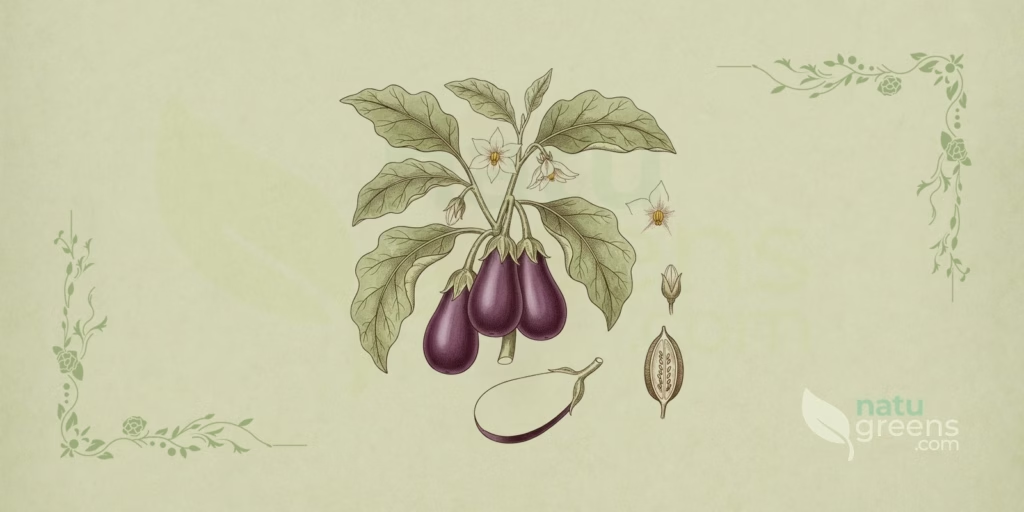
Botanical illustration of Annona muricata L. (soursop, graviola), a tropical fruit tree of the Annonaceae family, described by Carl Linnaeus, native to Central America and cultivated in tropical regions, showing the oval-heart-shaped fruit with dark green skin covered by soft spines, shiny green leaves, and yellowish flowers, in 19th-century botanical encyclopedia style.
The Annonaceae family is a diverse group of flowering plants, mostly trees and shrubs, found in tropical and subtropical regions around the world. This family is known for producing edible fruits and for the presence of bioactive compounds with medicinal potential. The Annonaceae include genera such as Annona, Rollinia, and Asimina, many of which are valued for their fruits and pharmacological properties.
As a member of this family, the soursop shares botanical and phytochemical characteristics with other species. The Annonaceae family is particularly notable for the production of acetogenins, a class of secondary metabolites with significant biological activities. The genetic and chemical diversity within this family continues to be the subject of intense investigation, revealing its ecological value and potential for applications in medicine and agriculture.
Parts of Soursop Used
- Bark
- Fruit (pulp)
- Leaves
- Roots
- Seeds: external use only. The seeds carry a high concentration of acetogenins, are toxic by mouth and, in folk tradition, are used externally only, as an insecticide.
Ethnobotanical and Traditional Uses of Soursop
- Anxiety and stress
- Arthritis, osteoarthritis, and rheumatism
- Constipation relief
- Control of high blood pressure
- Digestive disorders and gastritis
- Fever and body swelling
- Immune system strengthening
- Insomnia
- Liver problems
- Relief of intestinal cramps
- Relief of muscle pain and spasms
- Respiratory infections (asthma, nasal congestion)
Therapeutic Properties of Soursop
- Analgesic (relieves pain)
- Anthelmintic (fights worms); traditional use, without established clinical efficacy
- Anti-inflammatory (reduces inflammation)
- Antioxidant (fights free radicals)
- Antipyretic (reduces fever)
- Antispasmodic (relieves muscle spasms)
- Antitumor (fights tumor cells); traditional use, without established clinical efficacy
- Cytotoxic (toxic to cells, especially tumor cells)
- Diuretic (increases fluid elimination)
- Hepatoprotective (protects the liver); traditional use, without established clinical efficacy
- Hypocholesterolemic (lowers cholesterol); traditional use, without established clinical efficacy
- Hypoglycemic (lowers blood sugar); traditional use, without established clinical efficacy
- Hypotensive (lowers blood pressure); traditional use, without established clinical efficacy
- Immunomodulatory (modulates the immune system); traditional use, without established clinical efficacy
- Insecticidal (fights insects)
- Relaxant (promotes relaxation)
- Vasodilator (dilates blood vessels)
Detailed Phytochemical Profile of Soursop
- Alkaloids (annonaine, asimilobine)
- Annonaceous acetogenins (annonacin)
- Ascorbic acid (vitamin C)
- B-complex vitamins
- Caffeic acid
- Calcium
- Carbohydrates
- Cellulose
- Ferulic acid
- Fiber
- Flavonoids (luteolin, quercetin)
- Gallic acid
- Gums
- Iron
- Lignin
- Magnesium
- Pectin
- Phosphorus
- Potassium
- Proteins
Preparation and Administration Forms of Soursop
- Capsule supplements
- Fresh fruit
- Ice creams
- Juices
- Leaf tea
- Mousses
Synergy with Other Medicinal Plants
Blood Pressure Control
Soursop, rich in potassium and antioxidants, can act synergistically with plants such as hibiscus (Hibiscus sabdariffa) and garlic (Allium sativum) to enhance blood pressure control. Hibiscus is known for its diuretic and vasodilator effects, while garlic contributes sulfur compounds that promote cardiovascular health. This combination can offer additional natural support for maintaining healthy blood pressure levels.
Digestive Support
To optimize digestive health, soursop can be combined with ginger (Zingiber officinale) and peppermint (Mentha × piperita). Ginger is a potent antiemetic and digestive, while peppermint relieves gastrointestinal spasms and flatulence. The action of soursop’s fiber, together with the carminative properties of these plants, can significantly improve digestive comfort and intestinal regularity.
Immune Reinforcement
Soursop, with its vitamin C and antioxidant content, can have its immunomodulatory action reinforced by echinacea (Echinacea purpurea) and elderberry (Sambucus nigra). Echinacea is traditionally used to stimulate the immune system, and elderberry is known for its antiviral and anti-inflammatory properties. Together, these plants can offer a protective shield against infections and strengthen the body’s natural defenses.
Recipes and Usage Protocols of Soursop
Soursop Leaf Tea for Anxiety
Ingredients: 10 g of dried soursop leaves, 1 liter of boiling water.
Preparation: Place the dried soursop leaves in a container and add the boiling water. Cover and steep for 5 to 10 minutes. Strain and drink no more than one cup a day, for short periods of up to two weeks, with breaks between cycles. Continued consumption of soursop leaf tea is associated with neurological risk and should not become a daily habit.
Antioxidant Soursop Juice
Ingredients: 1 cup of chopped, seedless soursop pulp, 500 ml of water, 1 dessert spoon of brown sugar or sweetener (optional).
Preparation: Blend all the ingredients until smooth. Serve immediately. This juice is an excellent source of vitamin C and other antioxidants, contributing to cellular protection and immune strengthening. Drink it occasionally and without excess, within a varied diet, given the warning further on about habitual, prolonged intake.
Associated Therapies
Herbal Medicine
In herbal medicine, soursop is valued for its multiple properties and used in various formulations. Research on leaf and fruit extracts remains at the laboratory stage, focused on inflammatory and infectious conditions. No soursop extract is validated for oncological use, and the plant should not be used as an adjuvant in cancer treatment. Ongoing research seeks to optimize the extraction and dosing of its bioactive compounds, such as the acetogenins, to maximize therapeutic efficacy and minimize potential adverse effects. Soursop represents a promising field in the search for new phytomedicines.
Functional Nutrition
Soursop is recognized in functional nutrition as a nutrient-dense food thanks to its rich nutritional profile and bioactive compounds. The fruit is incorporated into diets to promote gut health, control blood sugar levels, and provide essential antioxidants. Nutritionists and health professionals may recommend soursop as part of a balanced eating plan aimed at preventing chronic disease and optimizing overall well-being. The fresh fruit fits into a varied diet on an occasional basis and without excess, given the warning about habitual, prolonged intake described further on.
Contraindications and Side Effects of Soursop
General Contraindications
Soursop is contraindicated for individuals with Parkinson’s disease, since annonacin, an acetogenin present in the plant, can have neurotoxic effects and worsen symptoms such as tremors and muscle rigidity. People with low blood pressure should avoid it, as soursop has hypotensive properties that can cause an excessive drop in pressure. In addition, given the lack of conclusive safety studies, pregnant and breastfeeding women should consume soursop only under strict medical guidance and supervision.
Side Effects
Excessive, long-term consumption of soursop, whether as fruit, tea, or supplement, may be associated with neurotoxic effects. Epidemiological studies in Caribbean populations have linked habitual consumption of soursop fruit and leaf infusions to atypical forms of parkinsonism, a finding supported by experimental work on annonacin, with symptoms mimicking Parkinson’s disease. Although research in humans is still limited, prudence recommends moderate consumption and discontinuation if neurological symptoms appear. Medical follow-up is crucial for monitoring any adverse reactions.
Drug Interactions
Individuals using medication for depression, high blood pressure, or diabetes should be cautious with soursop. The plant can interact with these drugs, potentiating their effects (in the case of hypotensive and hypoglycemic medications) or altering their metabolism. It is essential to consult a doctor or pharmacist before consuming soursop if you take any medication, to avoid adverse interactions and ensure treatment safety. Professional supervision is indispensable.
Interesting Facts about Soursop
An Exotic, Versatile Fruit
The soursop is an exotic, versatile fruit appreciated in many tropical cultures. Its juicy white pulp, with a sweet-and-sour flavor, is used in cooking to prepare a variety of delicacies, from juices and ice creams to desserts and sweets. Beyond its gastronomic value, the soursop is a symbol of vitality and health in many communities, where it is grown in backyards and gardens as a source of food and natural remedy. Its adaptability to different tropical climates contributes to its wide distribution and popularity.
Anticancer Potential in the Spotlight
The anticancer potential of soursop has generated significant interest in the scientific community and among the public. The annonaceous acetogenins, found mainly in the leaves and seeds, are the most studied compounds for their ability to inhibit tumor cell growth. Although research is still at the preclinical stage and does not replace conventional treatments, soursop is seen as a promising source of chemopreventive and therapeutic agents. This focus has driven numerous studies and the exploration of new applications.
Frequently Asked Questions about Soursop Tea
Can Soursop Tea Cure Cancer?
No, soursop tea cannot cure cancer. Although preclinical studies have shown that the acetogenins in soursop have cytotoxic activity against cancer cells, this research was conducted in the laboratory and in animals. There is insufficient scientific evidence in humans to claim that soursop tea, or any other part of the plant, can cure cancer. Cancer patients must follow conventional oncological treatments and always consult a doctor before using any complementary therapy.
What Are the Main Benefits of Soursop Tea?
Soursop tea is valued for its anti-inflammatory, antioxidant, hypotensive, and relaxing properties. It is traditionally used to relieve anxiety, stress, digestive disorders, and inflammation, and to help control blood pressure. It also contributes to immune strengthening and can aid fluid elimination. However, it should be consumed in moderation, with awareness of its contraindications and possible side effects, especially with prolonged use or high doses.
Does Soursop Tea Have Contraindications?
Yes, soursop tea has important contraindications. It should not be consumed by people with Parkinson’s disease, because of the risk of worsening neurological symptoms. Individuals with low blood pressure should also avoid it, as it can cause an excessive drop in pressure. Pregnant and breastfeeding women should abstain unless under strict medical guidance. People taking medication for depression, high blood pressure, or diabetes should consult a health professional before using the tea, because of possible drug interactions.
Notice: this content is for informational purposes and does not replace professional medical advice. Consult a physician or herbal practitioner before using medicinal plants, especially during pregnancy, breastfeeding, or alongside medication.
References and Scientific Studies
Peer-Reviewed Scientific Studies (1)
- PEER2018 Coria-Téllez, A. V., Montalvo-González, E., Yahia, E. M., & González-Aguilar, G. A. (2018). Annona muricata: A comprehensive review on its traditional medicinal uses, phytochemicals, pharmacological activities, and toxicity. Arabian Journal of Chemistry, 11(5), 662-691.
Supplementary Readings (3)
- 2017 EMBRAPA Agroindústria Tropical. (2017). Compostos extraídos da gravioleira têm potencial ação inseticida e antitumoral. Fortaleza: Embrapa.
- 2013 Lima, B. S. e. (2013). Atividades antioxidante, anti-inflamatória e antibacteriana dos extratos hexânico e etanólico das folhas da gravioleira (Annona muricata L.). Master’s dissertation, Universidade Federal do Ceará, Fortaleza.
- 2013 Nunes, C. R., et al. (2013). Atividade antioxidante e o teor de taninos e fenóis totais dos frutos de Annona muricata L. Revista Vértices, 15(3), 119-129.