Amaranthus cruentus L. / Red Amaranth, also popularly known as blood amaranth, purple amaranth, and Mexican grain amaranth, is an annual herbaceous plant belonging to the Amaranthaceae family. Described by Carl Linnaeus in 1759, this species is native to the regions stretching from Central Mexico to Nicaragua. Amaranthus cruentus is widely cultivated as a nutritious pseudocereal, being one of the three most important amaranth species for grain production. Historically, it has been a vital food source in North and Central America since 4000 BC, and it remains an essential crop for subsistence farmers in many parts of the world.
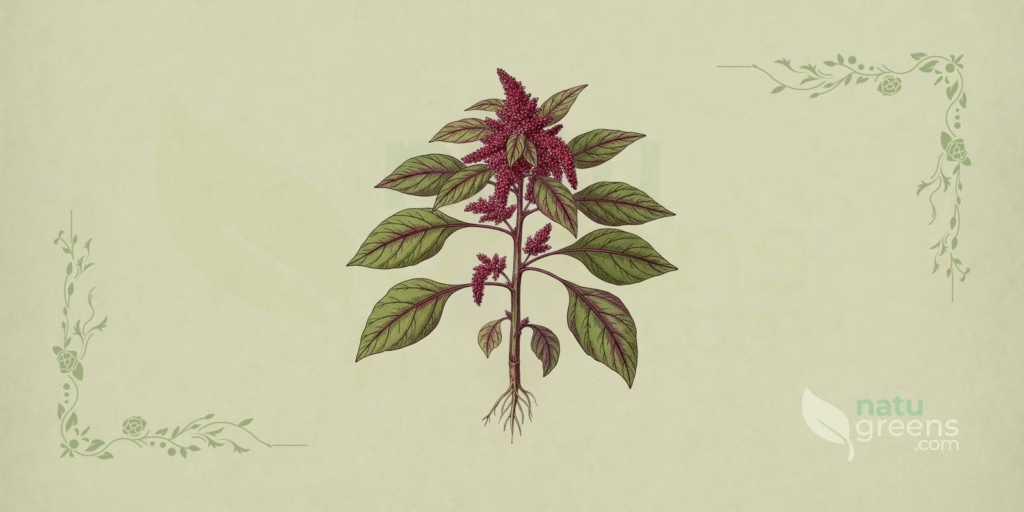
The plant stands out for its robustness and the beauty of its inflorescences, which display vibrant shades of red and purple, hence popular names such as red amaranth and blood amaranth. Beyond its nutritional value, Amaranthus cruentus has a rich phytochemical composition that gives it various medicinal properties. Its traditional uses range from the treatment of digestive disorders and inflammation to the relief of hemorrhages and pain. Modern scientific research has been exploring and validating many of these benefits, consolidating its role both in food and in phytotherapy.
Popular and International Names of Red Amaranth
- English: red amaranth, blood amaranth, purple amaranth, Mexican grain amaranth, African spinach, caterpillar amaranth, wild amaranth.
- Spanish: alegría, amaranto, bledo castellano, bledo crestagallo, cola de zorro, gusano, moco de pavo.
- Portuguese: amaranto, bredo, bredo-vermelho, caruru-roxo, caruru-vermelho, veludo.
- French: amarante, amarante couleur de sang, brède de Malabar.
- Italian: amaranto.
- German: Blut-Amarant, Blutroter Bastard-Amarant.
- Hindi (Ayurveda): rajgira, ramdana.
- Nahuatl: huauhtli.
Botanical Synonyms of Red Amaranth
The accepted scientific name for this species is Amaranthus cruentus L. However, throughout botanical history, several synonyms have been assigned, reflecting morphological variations and taxonomic interpretations. Among the homotypic synonyms, Amaranthus hybridus subsp. cruentus (L.) Thell. and Amaranthus paniculatus var. cruentus (L.) Moq. stand out. These names indicate a close relationship with other Amaranthus species, especially Amaranthus hybridus, from which it is believed to have evolved.
The list of heterotypic synonyms is extensive and includes names such as Amaranthus anacardana Hook.f., Amaranthus arardhanus Sweet, Amaranthus aureus Besser, Amaranthus berchtholdii Moq., Amaranthus brasiliensis Moq., Amaranthus carneus Moq., Amaranthus chlorostachys Moq., Amaranthus edouardi Sennen, Amaranthus esculentus Besser ex Moq., Amaranthus farinaceus Roxb. ex Moq., Amaranthus flavus L., Amaranthus guadeloupensis Voss, Amaranthus incarnatus Moq., Amaranthus montevidensis Moq., Amaranthus paniculatus L., Amaranthus purgans Moq., Amaranthus rubescens Moq., Amaranthus sanguineus L., Amaranthus sanguinolentus Schrad. ex Moq., Amaranthus speciosus Sims, Amaranthus spicatus Wirzén, Amaranthus strictus Willd., and Amaranthus violaceus Moq., among others.
Botanical Family: Amaranthaceae
Amaranthus cruentus belongs to the Amaranthaceae family, a diverse group of plants that includes about 180 genera and more than 2,500 species. This family is cosmopolitan, with a significant presence in tropical and subtropical regions. The Amaranthaceae are known for their adaptability to different environments and for their economic importance, including food crops such as spinach and beetroot, as well as ornamental and medicinal plants. Many species of this family are valued for their high nutritional content and the presence of bioactive compounds.
Plants of the Amaranthaceae family are often characterized by simple leaves, small, inconspicuous flowers grouped in dense inflorescences, and fruits of the utricle type, sometimes with circumscissile dehiscence, in which case they are called pyxidia. The presence of betalains, pigments that give vibrant colors (red, purple, yellow) to stems, leaves, and flowers, is a distinctive feature in many species, including Amaranthus cruentus. This family has been the subject of phytochemical and pharmacological studies due to its rich composition of proteins, minerals, vitamins, and secondary compounds with therapeutic potential.
Parts of Red Amaranth Used
- Flowers/Inflorescences
- Leaves
- Seeds
- Young stems
Ethnobotanical and Traditional Uses of Red Amaranth
Amaranthus cruentus has a long history of ethnobotanical and traditional use in many cultures. In North and Central America, it was a fundamental food source since 4000 BC. Its seeds are eaten as a cereal grain, ground into flour, popped like popcorn, cooked into porridge, or turned into confections, such as the popular alegría. The young leaves are cooked like spinach, and the shoots are appreciated for their nutritional value. In some regions of India, such as Chhattisgarh, red amaranth is used to prepare Lal Bhaji, a fried dish, and in Maharashtra, the stem is used in curries.
Traditionally, Amaranthus cruentus has also been employed in folk medicine. Decoctions of the plant are used to treat heavy menstrual bleeding, diarrhea, dysentery, coughs, and other hemorrhages. It is also used for ulcers and swelling of the mouth or throat. In traditional Indian and Nepalese medicine, the plant is valued for its antipyretic properties and for relieving labor pains. Folk medicine records describe using red amaranth infusion for respiratory complaints, headaches, and digestive discomfort, as well as for diabetes and high blood pressure; in these last two cases it is only traditional use, without proof, and the infusion does not replace or allow reducing prescribed medication. The Zuni people use the feathery part of the plant to color ceremonial bread red, and the crushed leaves and flowers as rouge.
Therapeutic Properties of Red Amaranth
- Antiaging (contributes to cellular health and slows aging)
- Antibacterial (fights bacterial growth); traditional use, without established clinical efficacy
- Anticancer (shows potential in cancer prevention and treatment)
- Antidiabetic (effect observed in laboratory and animal studies, without clinical confirmation); traditional use, without established clinical efficacy
- Anti-inflammatory (reduces inflammation in the body)
- Antioxidant (protects cells against free radical damage)
- Cardioprotective (protects the heart and cardiovascular system); traditional use, without established clinical efficacy
- Digestive (aids digestion and gastrointestinal health)
- Healing (accelerates the wound healing process)
- Hydrating (contributes to skin hydration)
- Hypocholesterolemic (helps lower cholesterol levels); traditional use, without established clinical efficacy
- Immunomodulatory (modulates and strengthens the immune system); traditional use, without established clinical efficacy
- Neuroprotective (protects the nervous system and brain function); traditional use, without established clinical efficacy
Detailed Phytochemical Profile of Red Amaranth
Amaranthus cruentus is recognized for its diverse phytochemical profile, rich in bioactive compounds. The seeds are significant sources of protein, with a content ranging from 13% to 19%, and an excellent balance of essential amino acids, including lysine, which is often deficient in other cereals. In addition, the plant is rich in polyunsaturated fatty acids and squalene, a lipid compound with antioxidant and anti-inflammatory properties, especially concentrated in the oil fraction of the seeds.
Among the phenolic compounds and flavonoids, quercetin, kaempferol, catechin, and hesperetin stand out, contributing to its antioxidant capacity. The presence of betalains, such as betacyanins and betaxanthins, gives the plant its characteristic coloring, and these pigments act as potent antioxidants. Other phytochemicals include polyphenols, tannins, coumarins, terpenoids, and saponins; some qualitative screenings also record a positive reaction for cardiac glycosides, although no molecule of that class has been isolated and identified in the species. This complex matrix of compounds gives Amaranthus cruentus its broad therapeutic properties and its value as a functional food.
Preparation and Administration Forms of Red Amaranth
- Cream
- Decoction
- Dry extract
- Fluid extract
- Poultice
- Seed oil (fixed oil, pressed, rich in squalene)
- Tea (infusion)
- Tincture
Synergy with Other Medicinal Plants
Digestive Health
To optimize the digestive benefits of red amaranth, its combination with plants such as peppermint (Mentha × piperita) or lemon balm (Melissa officinalis) can be particularly effective. The synergy between the antispasmodic and carminative compounds of these plants can provide more comprehensive relief for disorders such as flatulence, cramps, and indigestion. Red amaranth contributes its anti-inflammatory and nutritional properties, complementing the action of the other herbs.
General Well-Being and Vitality
For general support of vitality and energy, red amaranth can be combined with adaptogens such as ginseng (Panax ginseng) or ashwagandha (Withania somnifera). This synergy aims not only to provide essential nutrients but also to help the body adapt to stress and maintain balance. The high protein and mineral content of red amaranth complements the tonic and revitalizing properties of the adaptogens, promoting holistic well-being.
Immune Support
Combining Amaranthus cruentus with echinacea (Echinacea purpurea) or elderberry (Sambucus nigra) can strengthen the immune system. While red amaranth offers essential vitamins, minerals, and antioxidants, echinacea and elderberry are known for their immunostimulant and antiviral properties. This synergy can be beneficial for the prevention of and recovery from infections, especially during the colder months.
Recipes and Usage Protocols of Red Amaranth
Infusion for Digestive Relief
Ingredients: 1 tablespoon of dried Amaranthus cruentus leaves, 250 ml of boiling water.
Preparation: Place the leaves in a cup and add the boiling water. Cover and let steep for 5 to 7 minutes. Strain and drink warm. This infusion can be consumed after meals to aid digestion, relieve cramps, and reduce flatulence. It can be sweetened with honey if desired. Consumption of 2 to 3 cups a day is recommended, as needed.
Nutritious Amaranth Seed Porridge
Ingredients: 1/2 cup of Amaranthus cruentus seeds, 2 cups of water or plant-based milk, fresh fruit and honey to taste.
Preparation: Rinse the amaranth seeds and place them in a pan with the water or plant-based milk. Bring to a boil over medium heat. Reduce the heat and cook for 20 to 25 minutes, or until the seeds are soft and the liquid has been absorbed, stirring occasionally. Serve hot with chopped fresh fruit and a drizzle of honey. This porridge is an excellent source of protein and fiber, ideal for an energizing, nutritious breakfast.
Poultice for Skin Inflammation
Ingredients: Fresh Amaranthus cruentus leaves, warm water.
Preparation: Wash the fresh leaves well and mash them into a paste. If necessary, add a little warm water to reach the desired consistency. Apply the paste directly to the affected area of the skin, such as minor wounds, insect bites, or inflammation. Cover with a clean cloth and leave on for 20 to 30 minutes. Repeat twice a day to promote healing and reduce inflammation.
Revitalizing Green Juice
Ingredients: 1 cup of young Amaranthus cruentus leaves blanched beforehand for two minutes in boiling water, with that water discarded, 1 apple, 1/2 cucumber, juice of 1/2 lemon, 100 ml of water.
Preparation: Blanch the leaves for two minutes in boiling water and discard that water, a step that lowers oxalates and nitrates without spoiling the flavor. Wash the remaining ingredients well and cut the apple and cucumber into pieces. Place everything in a blender and blend until smooth. Strain if you prefer, and drink immediately. This juice is a source of vitamins, minerals, and antioxidants. Ideal for consumption in the morning.
Associated Therapies
Ayurveda
In Ayurvedic medicine, amaranth is valued for its nutritional and dosha-balancing properties. It is considered a food that strengthens agni (the digestive fire) and is beneficial for all constitution types, especially for pacifying Pitta and Kapha. Its leaves and seeds are used to promote vitality, improve digestion, and as a general tonic. It is frequently incorporated into diets for convalescents and to strengthen the body after illness, due to its high content of protein and essential minerals.
Functional Nutrition
In the field of functional nutrition, Amaranthus cruentus is considered a superfood due to its exceptional nutritional profile. It is a complete source of protein, rich in lysine, and contains a wide range of vitamins (A, C, E, K, folate) and minerals (iron, calcium, magnesium, phosphorus, potassium). Its consumption is recommended for vegetarian and vegan diets, for athletes, and for individuals seeking to improve bone health, immune function, and digestive health. The presence of fiber and bioactive compounds also makes it beneficial for blood sugar regulation and weight management.
Modern Phytotherapy
Modern phytotherapy recognizes Amaranthus cruentus as a plant with significant therapeutic potential, especially due to its rich phytochemical composition. Standardized extracts of the seeds and leaves are studied for their antioxidant, anti-inflammatory, and cholesterol-lowering properties. Research focuses on its application in dietary supplements for cardiovascular health, glycemic control, and as a source of high-quality plant protein. Its use is increasingly common in nutraceutical formulations and functional foods.
Contraindications and Side Effects of Red Amaranth
The consumption of Amaranthus cruentus, both as food and in medicinal preparations, is generally considered safe. However, it is important to be aware of a few considerations. Although there is no robust scientific evidence of serious contraindications or side effects at normal dietary doses, red amaranth can contain nitrates if grown with inorganic fertilizers in nitrogen-rich soils. Excessive consumption of nitrate-rich plants can be problematic, especially for babies and individuals with certain health conditions. The leaves also accumulate oxalates: people with a history of calcium oxalate kidney stones or kidney disease should avoid large quantities and prefer cooked leaves, discarding the cooking water.
It is always advisable to consult a healthcare professional before starting any treatment with medicinal plants, especially in cases of pregnancy, breastfeeding, pre-existing medical conditions, or concomitant use of other medications. Although the scientific evidence for many of its traditional medicinal uses is still limited, research continues to explore and validate the benefits of this ancient plant.
Historical Notes and Interesting Facts about Red Amaranth
Amaranthus cruentus, known as red amaranth, has a rich and fascinating history dating back to ancient civilizations. It was a fundamental crop for the Aztecs, who considered it a sacred food and used it in religious rituals, offering it to the war god Huitzilopochtli. Its importance was so great that, after the Spanish conquest, the repression of the rituals in which the grain was offered brought its cultivation to a collapse, and later accounts attribute the decline to a formal ban, a version historians still debate.
Beyond its ceremonial role, amaranth was a pillar of the Aztec diet, providing sustenance to soldiers, nursing mothers, and the general population. In the Andes, a purple variant of amaranth was grown for rituals, a tradition associated above all with the sister species Amaranthus caudatus (kiwicha), and the Hopi people of Arizona used Amaranthus cruentus to color their traditional piki bread. Today, red amaranth is being rediscovered as a global superfood, valued for its resilience and high nutritional value, contributing to food security and health in many communities.
Frequently Asked Questions about Red Amaranth
Is Red Amaranth Tea Safe for Children?
Preparations made from the leaves call for caution with small children: amaranth leaves can concentrate nitrates, which in infants are linked to methemoglobinemia. Do not give it to children under one year old, and check with a pediatrician before offering it to older children. Individual sensitivity can vary, and the dosage should be adjusted according to the child’s age and weight. Also avoid using honey in preparations for infants under 1 year of age.
What Are the Main Benefits of Red Amaranth Tea for Digestion?
Red amaranth tea is known to aid digestion due to its anti-inflammatory and antispasmodic properties. It can help relieve intestinal cramps, reduce flatulence, and promote healthy bowel movements. The phytochemical compounds present in the plant help calm the gastrointestinal tract and improve nutrient absorption. It is a natural option for those seeking digestive support.
Can Red Amaranth Help with Weight Loss?
Yes, red amaranth can be an ally in weight loss. It is rich in fiber, which promotes satiety and helps control the appetite. In addition, its high protein content helps preserve muscle mass and increases satiety after meals. When integrated into a balanced diet and an active lifestyle, the consumption of red amaranth can support weight loss goals in a healthy, nutritious way.
Are There Any Known Drug Interactions with Red Amaranth?
Although Amaranthus cruentus is generally safe, research on specific drug interactions is still limited. As a precaution, if you are taking medications, especially for chronic conditions such as diabetes or heart disease, it is essential to consult a healthcare professional before incorporating red amaranth into your routine. This will ensure that there are no adverse interactions and that its use is safe and effective for your health.
How Does Red Amaranth Contribute to Heart Health?
Red amaranth contributes to heart health in several ways. It is rich in soluble fiber, which helps lower LDL (“bad”) cholesterol levels. In addition, it contains phytochemicals with antioxidant and anti-inflammatory properties that protect the cardiovascular system against oxidative damage and inflammation. Its nutritional profile, including minerals such as magnesium and potassium, also supports healthy heart function and blood pressure regulation.
Notice: this content is for informational purposes and does not replace professional medical advice. Consult a physician or herbal practitioner before using medicinal plants, especially during pregnancy, breastfeeding, or alongside medication.
References and Scientific Studies
View All 8 Cited References
Peer-Reviewed Scientific Studies (4)
- PMC2022 Baraniak, J. “The Dual Nature of Amaranth – Functional Food and Medicinal Plant.” PubMed Central (PMC). 2022. ↗.
- PMC2024 Araujo-León, J. A. “HPLC-Based Metabolomic Analysis and Characterization of Amaranthus cruentus Leaf and Inflorescence Extracts for Their Antidiabetic and Antihypertensive Activities.” Molecules. 2024. ↗.
- PEER2024 Sattar, M. “An overview of the nutritional and therapeutic properties of amaranth.” International Journal of Food Properties. 2024. ↗.
- PEER2025 Sharma, A. K. “Botany, ethnomedicine, phytochemistry and pharmacology of Amaranthus.” South African Journal of Botany. 2025. ↗.
Supplementary Readings (4)
- Royal Botanic Gardens, Kew. “Amaranthus cruentus L.” Plants of the World Online (POWO). ↗.
- Jardim Botânico do Rio de Janeiro. “Amaranthus cruentus.” Flora do Brasil. ↗.
- PlantNet. “Amaranthus cruentus L.” PlantNet. ↗.
- 2022 PlantwisePlus Knowledge Bank. “Amaranthus cruentus (red amaranth).” PlantwisePlus Knowledge Bank. 2022. ↗.