Allium sativum L. / Garlic, popularly known as garlic or common garlic, is a perennial bulbous plant of the Amaryllidaceae family, widely cultivated and used throughout the world. Native to Central Asia, garlic spread across many cultures thanks to its well-known culinary and medicinal properties.
Historically, it has been used for millennia as both food and remedy, with records of use going back to the ancient civilizations of Babylon, Egypt, Greece, Rome, China, and India. Its traditional applications range from boosting stamina to treating a wide variety of ailments, cementing its reputation as one of the most versatile and most studied medicinal plants in the world.
Popular and International Names of Garlic
- English: garlic, common garlic.
- Spanish: ajo, ajo común.
- Portuguese: alho, alho-hortense, alho-manso, alho-comum.
- French: ail.
- Italian: aglio.
- German: Knoblauch.
Botanical Synonyms of Garlic
Allium ophioscorodon Link, Allium sativum var. ophioscorodon (Link) Döll, Allium sativum var. vulgare Boreau.
Botanical Family: Amaryllidaceae

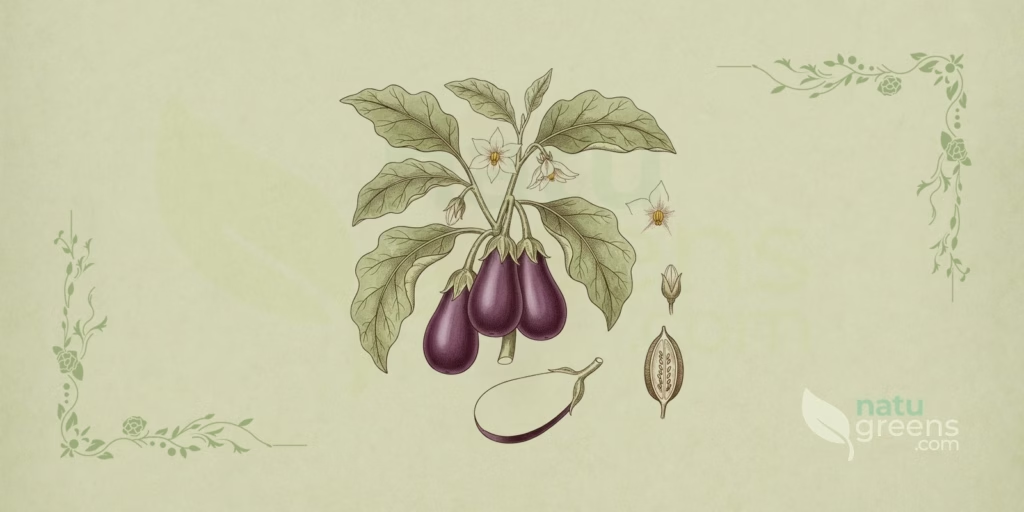
Botanical illustration of Allium sativum L. (garlic, common garlic), perennial bulbous plant of the Amaryllidaceae family cultivated for millennia, showing the complete plant with an underground bulb composed of cloves, linear leaves, and white or pinkish flowers in an umbel, in 19th-century botanical encyclopedia style on an aged herbarium paper background.
The Amaryllidaceae family is a diverse group of monocotyledonous plants comprising about 1,600 species in 73 genera. Garlic was formerly classified in the Liliaceae family, but recent taxonomic revisions placed it in the Amaryllidaceae, subfamily Allioideae. This family is known for including plants with bulbs or rhizomes, many of which contain sulfur compounds that give them their characteristic flavors and aromas, such as onions, leeks, and chives. The presence of these compounds is frequently associated with medicinal and culinary properties, making the Amaryllidaceae a family of great interest in both gastronomy and herbal medicine.
Parts of Garlic Used
- Bulbs (garlic cloves)
- Flowers (young)
- Leaves (young)
Ethnobotanical and Traditional Uses of Garlic
- Body detoxification
- Boosting stamina and vitality
- Fighting flu, colds, sinusitis, and bronchitis
- Historical use in leprosy treatment
- Insect repellent (wards off insects and pests)
- Parasitic infestations (anthelmintic, antiparasitic)
- Prevention of atherosclerotic disease and hyperlipidemia
- Relief of intestinal cramps and digestive discomfort
- Skin inflammations and wounds
- Treatment of arthritis and joint pain
- Treatment of infectious diseases (natural antibiotic)
- Treatment of snake and insect bites
Therapeutic Properties of Garlic
- Antibacterial (fights bacteria); traditional use, without established clinical efficacy
- Anticancer (antitumor activity observed in preclinical studies, without established clinical use)
- Antidiabetic (helps control blood sugar); traditional use, without established clinical efficacy
- Antifungal (fights fungi)
- Anthelmintic (eliminates intestinal worms); traditional use, without established clinical efficacy
- Antihypertensive (lowers blood pressure); traditional use, without established clinical efficacy
- Anti-inflammatory (reduces inflammation)
- Antioxidant (fights free radicals)
- Antiparasitic (fights parasites); traditional use, without established clinical efficacy
- Antiplatelet (reduces platelet aggregation); traditional use, without established clinical efficacy
- Antiviral (fights viruses); traditional use, without established clinical efficacy
- Cardioprotective (protects the heart); traditional use, without established clinical efficacy
- Diuretic (increases urine production)
- Hepatoprotective (protects the liver); traditional use, without established clinical efficacy
- Hypocholesterolemic (lowers cholesterol); traditional use, without established clinical efficacy
- Hypoglycemic (lowers blood sugar); traditional use, without established clinical efficacy
- Immunostimulant (stimulates the immune system); traditional use, without established clinical efficacy
- Neuroprotective (protects the nervous system); traditional use, without established clinical efficacy
Detailed Phytochemical Profile of Garlic
- Adenosine
- Ajoene
- Allicin
- Alliin
- Allyl methyl sulfide
- Allyl methyl thiosulfonate
- Diallyl disulfide (DADS)
- Diallyl trisulfide
- Fructans
- Gamma-L-glutamyl-S-alkyl-L-cysteine
- Minerals (iron, iodine, manganese, selenium, silicon)
- S-allylcysteine (SAC)
- S-allylmercaptocysteine (SAMC)
- Saponins
- Vitamins (A, B2, B6, C)
Preparation and Administration Forms of Garlic
- Aged garlic extract (AGE)
- Cooked garlic (in culinary preparations)
- Garlic oil
- Garlic paste
- Garlic powder
- Infusion (tea)
- Raw garlic (fresh cloves)
- Tincture
Synergy with Other Medicinal Plants
Fighting Flu and Colds
Combined with ginger (Zingiber officinale) and lemon (Citrus limon), garlic forms a classic household preparation for the flu and cold season. Garlic contributes sulfur compounds such as allicin, ginger provides gingerols, and lemon supplies vitamin C and flavonoids. The blend is well rooted in popular use, but no clinical trials confirm that it prevents or treats respiratory infections, and none of these plants removes the need for medical assessment when symptoms persist or worsen.
Crop Protection
In organic gardening, garlic is an excellent companion plant, acting as a natural repellent against pests such as aphids, flies, and moths. It benefits tomato plants (Solanum lycopersicum), roses (Rosa spp.), and fruit trees. However, it should not be planted near peas (Pisum sativum) or beans (Phaseolus vulgaris), as it can inhibit their growth through antagonistic effects.
Recipes and Usage Protocols of Garlic
Garlic Tea for Immunity
Ingredients: 1 fresh garlic clove, chopped or crushed; 200 ml of boiling water; honey and lemon to taste (optional).
Preparation: Crush the garlic and let it rest for 10 minutes before using it: that interval lets alliinase convert alliin into allicin, which immediate heat would destroy. Only then add it to the boiling water and steep for 5 to 10 minutes. Strain and, if you like, add honey and a few drops of lemon to improve the flavor and enhance the effects. Drink 1 to 2 cups a day, especially during periods of low immunity or at the first signs of flu and cold symptoms. This preparation is traditionally used as support during periods of low immunity and does not replace medical assessment: persistent fever, shortness of breath, or worsening symptoms call for care.
Homemade Garlic Paste
Ingredients: 1 head of garlic, peeled; extra virgin olive oil; salt to taste.
Preparation: Blend the garlic cloves in a food processor or crush them with a mortar and pestle until you obtain a smooth paste. Before covering with olive oil, soak the crushed cloves in 5% acidity vinegar for 24 hours, using one part garlic to one part vinegar, drain, and only then add the olive oil and salt. Always keep refrigerated, use within four weeks or freeze in portions, and never store the paste at room temperature: Clostridium botulinum multiplies in the oil without changing its smell, color, or appearance. This paste can be used as a base for sautés and sauces or to season a variety of dishes, preserving the flavor and benefits of fresh garlic for longer.
Garlic and Honey Syrup for Coughs (Adult Use)
Ingredients: 1 head of garlic, peeled and chopped; 1 cup of pure honey; juice of 1 lemon (optional).
Preparation: In a glass jar, mix the chopped garlic with the honey. If desired, add the lemon juice. Let the mixture rest for at least 24 hours at room temperature so the garlic compounds infuse into the honey. Take 1 teaspoon, 2 to 3 times a day, to relieve coughs, sore throat, and cold symptoms. The honey acts as a natural expectorant, while the garlic contributes its antimicrobial properties. Do not give honey to children under 1 year of age: there is a risk of infant botulism.
Associated Therapies
Clinical Phytotherapy
In modern clinical phytotherapy, garlic is frequently used in standardized formulations, such as dry extracts or garlic oil capsules, to guarantee precise dosing of its active compounds, such as allicin and S-allylcysteine. It is prescribed for cardiovascular support, blood pressure and cholesterol management, and as an adjuvant in antimicrobial therapies. Its use is individualized, taking into account the patient’s profile and possible drug interactions. Within that framework, garlic works as a complementary resource inside a wider care plan, never as a substitute for prescribed treatment nor as a guarantee against chronic disease.
Homeopathy
In homeopathy, Allium sativum is a remedy cited for conditions resembling cold symptoms, coughs, and digestive complaints, especially when there is a burning or irritating sensation. The homeopathic materia medica describes it for people with abundant, irritating nasal secretions, dry spasmodic cough, or gastrointestinal disturbances with flatulence and cramping. According to homeopathic doctrine, the preparation, which relies on extremely diluted doses of the substance, would stimulate the body’s self-healing capacity. There are no clinical studies confirming the effectiveness of these uses, and any homeopathic preparation should be assessed on an individual basis by a qualified practitioner.
Contraindications and Side Effects of Garlic
General Contraindications
Garlic is contraindicated in individuals with known hypersensitivity to any component of the plant. It should be avoided in cases of active bleeding, as well as before and after surgery, because of its potential antiplatelet effect. Patients with thrombocytopenia or those taking anticoagulant medications, such as warfarin, should use garlic with extreme caution and under medical supervision, as it can increase the risk of bleeding. Pregnant and breastfeeding women should consult a health professional before consuming garlic in high therapeutic doses.
Common Side Effects
Although garlic is generally safe in culinary doses, excessive intake or therapeutic doses can cause some side effects. The most common include gastrointestinal irritation, such as heartburn, nausea, vomiting, and diarrhea. Garlic breath and body odor are well-known effects, resulting from the metabolism of sulfur compounds. In rare cases, allergic reactions can occur, manifesting as contact dermatitis (when handling garlic), hives, or, in more severe situations, anaphylaxis. Topical application of raw garlic can cause skin burns or irritation.
Drug Interactions
Garlic can interact with several medications, altering their efficacy or increasing the risk of adverse effects. The most significant interactions include:
- Anticoagulants and Antiplatelet Drugs: Garlic can increase the risk of bleeding when used alongside medications such as warfarin, aspirin, clopidogrel, and heparin.
- Blood Pressure Medications: It can potentiate the hypotensive effect of antihypertensive drugs, leading to an excessive drop in blood pressure.
- Ciclosporin: Garlic can lower the blood concentration of ciclosporin, an immunosuppressant.
- Diabetes Medications: It can have a hypoglycemic effect, requiring dose adjustment of antidiabetic drugs. Patients on medication should consult a doctor or pharmacist before starting garlic in therapeutic doses.
- HIV/AIDS Medications: It can reduce plasma levels of some antiretrovirals, such as saquinavir, decreasing their efficacy.
Interesting Facts about Garlic
Black Garlic
Black garlic is a delicacy obtained by aging common garlic under controlled heat and humidity for several weeks, in a chemical browning known as the Maillard reaction, with no microorganisms involved. This process transforms the cloves, which take on a dark color, a soft texture, and a sweet, umami flavor, losing the characteristic pungency of fresh garlic. Black garlic is prized not only for its unique flavor but also for having an even higher antioxidant content than white garlic.
An Ancient History
Garlic has a rich and fascinating history, having been cultivated for more than 5,000 years. Herodotus recorded, centuries later, that garlic and onion were part of the diet of the pyramid workers, an often-quoted account, although the reading of the passage is debated among Egyptologists. In Ancient Greece, Olympic athletes ate garlic to boost stamina. Its cultural and medicinal importance has crossed continents and millennia, revered in many traditions.
Natural Repellent
Beyond its culinary and medicinal uses, garlic is widely recognized as a natural repellent. Its pungent smell effectively wards off insects and pests in gardens, protecting other plants. Curiously, some cultures also believed garlic could ward off evil spirits and vampires, adding a mystical dimension to its protective properties.
Frequently Asked Questions about Garlic
Can Garlic Be Eaten Every Day?
Yes, garlic can be eaten daily in culinary doses without problems for most people. For therapeutic doses, it is advisable to consult a health professional, especially if there are pre-existing medical conditions or other medications in use.
Does Garlic Help Lower Blood Pressure?
Reviews of clinical trials point to a modest reduction in blood pressure among people with hypertension, an effect attributed mainly to the sulfur compounds, which promote blood vessel relaxation. The size of that effect varies widely across studies, and garlic does not replace antihypertensive medication. Anyone already taking blood pressure drugs should speak to a doctor before turning to therapeutic doses, since the combination can lower pressure more than intended.
Which Parts of the Garlic Plant Can Be Used?
The most commonly used part of garlic is the bulb, made up of the cloves. However, the young leaves and flowers are also edible and can be used in various culinary preparations, offering a milder flavor.
Does Garlic Interact with Medications?
Yes, garlic can interact with anticoagulants, antiplatelet drugs, antiretrovirals, immunosuppressants, and medications for blood pressure and diabetes. It is crucial to tell your doctor about garlic consumption, especially in high doses, to avoid adverse interactions.
How Should Garlic Be Stored?
Garlic should be stored in a cool, dry, well-ventilated place away from direct sunlight. Storing it in the refrigerator is not recommended, as the moisture can accelerate sprouting and mold. Under ideal conditions, garlic keeps for several weeks to months.
Notice: this content is for informational purposes and does not replace professional medical advice. Consult a physician or herbal practitioner before using medicinal plants, especially during pregnancy, breastfeeding, or alongside medication.
References and Scientific Studies
Peer-Reviewed Scientific Studies (2)
- PMC2014 Bayan, L., Koulivand, P. H., & Gorji, A. (2014). Garlic: a review of potential therapeutic effects. Avicenna Journal of Phytomedicine, 4(1), 1-14.
- PMC2021 Tesfaye, A. (2021). Revealing the Therapeutic Uses of Garlic (Allium sativum) and Its Potential for Drug Discovery. The Scientific World Journal, 2021.
Supplementary Readings (2)
- 2022 Andrade, D. R. P. (2022). Propriedades terapêuticas do Allium sativum: uma revisão sistemática da literatura. Brazilian Journal of Development, 8(12), 78986-79001.
- MSD Manuals. Garlic.