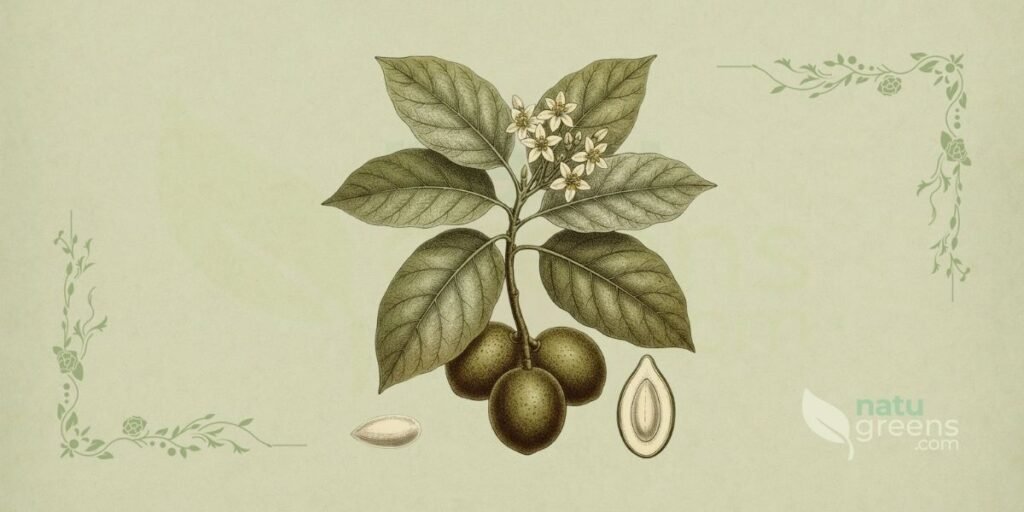
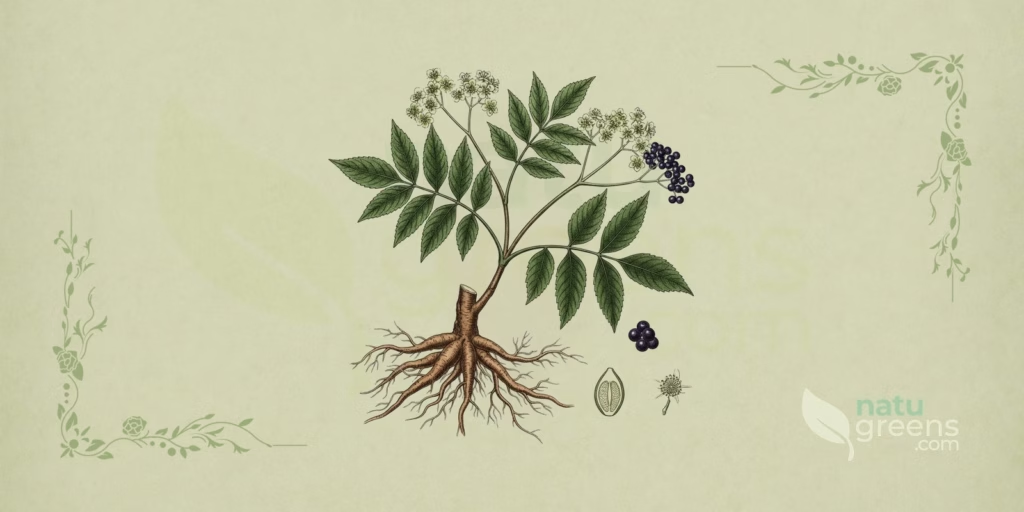
Acorus calamus L. / Sweet Flag, also known as calamus, is a perennial herbaceous plant of the Acoraceae family. Native to Asia and widely distributed in temperate and subtropical regions, this species is valued for its aromatic and medicinal properties.
Historically, sweet flag has been employed in several healing traditions, including Ayurveda and Traditional Chinese Medicine, mainly to treat digestive disorders and as a tonic for the nervous system. Its rhizome, the most used part, has a characteristic aroma and a rich phytochemical composition.
The use of sweet flag goes back to ancient civilizations, where it was prized both for its therapeutic qualities and for its use in perfumery. The plant grows in humid environments, such as marshes and riverbanks, and its long, narrow leaves are easily recognizable. Modern research has explored the bioactive compounds present in calamus, seeking to validate its traditional uses and better understand its mechanisms of action. However, precautions are crucial because of the presence of certain phytochemicals.
Popular and International Names of Sweet Flag
- English: sweet flag, calamus, sway, muskrat root, beewort, bitter pepper root, flag root, gladdon, myrtle flag, myrtle grass, myrtle sedge, pine root, sea sedge, sweet cane, sweet cinnamon, sweet grass, sweet myrtle, sweet root, sweet rush, sweet sedge.
- Spanish: cálamo aromático, ácoro, ácoro verdadero.
- Portuguese: cálamo-aromático, ácoro, cana-cheirosa.
- French: acore odorant, roseau aromatique.
- Italian: calamo aromatico.
- German: Kalmus, Echter Kalmus.
- Sanskrit (Ayurveda): vacha.
- Chinese (TCM): shui chang pu.
Botanical Synonyms of Sweet Flag
The accepted scientific name for sweet flag is Acorus calamus L. However, throughout botanical history, the plant has been classified under several denominations. Some botanical synonyms include Calamus aromaticus Garsault and Acorus verus. The taxonomy of the species has been the subject of debate, especially regarding its diploid, triploid, and tetraploid varieties, which present chromosomal and morphological differences, although sometimes subtle. The triploid form, Acorus calamus var. calamus, is the most common and most widely distributed globally.
Botanical Family: Acoraceae

Botanical illustration of Acorus calamus L. (sweet flag, calamus), a perennial aquatic plant of the Acoraceae family described by Carl Linnaeus in 1753, native to Asia, showing the complete plant with a thick rhizome, long sword-shaped leaves, and a spadix inflorescence, in 19th-century botanical encyclopedia style on an aged herbarium paper background.
Acorus calamus belongs to the Acoraceae family, a small family of monocotyledonous plants. It was formerly classified within the Araceae family, but recent phylogenetic studies established it as a distinct family. The Acoraceae are characterized by aquatic or semi-aquatic herbaceous plants with creeping rhizomes and linear leaves. The genus Acorus is the only representative of this family, and its species are known for their aromatic and medicinal properties, especially thanks to the essential oils present in their rhizomes.
Parts of Sweet Flag Used
- Essential oil
- Rhizome (fresh or dried)
- Rhizome powder
Ethnobotanical and Traditional Uses of Sweet Flag
- Anxiety and nervousness
- Brain and nervous system tonic
- Digestive stimulant and carminative
- Expectorant for coughs and bronchitis
- Improvement of memory and cognitive function
- Relief of intestinal cramps and diarrhea
- Treatment of inflammation and skin conditions
- Treatment of toothaches and headaches
Therapeutic Properties of Sweet Flag
- Antibacterial (fights bacteria); traditional use, without established clinical efficacy
- Antifungal (fights fungi)
- Anti-inflammatory (reduces inflammation)
- Antioxidant (fights free radicals)
- Antispasmodic (relieves muscle spasms)
- Carminative (reduces intestinal gas)
- Expectorant (helps clear mucus)
- Neuroprotective (protects the nervous system); traditional use, without established clinical efficacy
- Sedative (promotes relaxation)
Detailed Phytochemical Profile of Sweet Flag
- Alpha-asarone
- Beta-asarone (the rhizome’s main compound of concern, a genotoxic liver carcinogen in rodents and restricted as a flavoring)
- Camphor
- Essential oil
- Eugenol
- Lectins
- Lignans
- Linalool
- Methyl eugenol (the rhizome’s second compound of concern, also classified as genotoxic and restricted as a flavoring)
- Saponins
- Sesquiterpenoids
- Steroids
Preparation and Administration Forms of Sweet Flag
- Decoction
- Essential oil (external use)
- Infusion (aromatic bath)
- Powder (compresses)
- Tincture
Synergy with Other Medicinal Plants
Old pharmacopoeias rarely used sweet flag on its own. It turned up in mixtures, nearly always meant to be swallowed, and that is exactly why this tradition has to be read with care. Since this guide sets the oral route aside because of beta-asarone, the associations described below stand as historical record rather than as suggested preparations.
Anxiety and Insomnia
European and Ayurvedic records paired the rhizome with calming plants, among them valerian (Valeriana officinalis) and passionflower (Passiflora incarnata), for restless nights and states of nervousness. No clinical trial has assessed those mixtures, and the presence of calamus is what rules them out today. Anyone looking for that effect will find a far better documented history of use in valerian and passionflower alone, without the rhizome’s compound of concern.
Digestive Disorders
For dyspepsia, flatulence, and cramps, sweet flag appeared alongside peppermint (Mentha × piperita) and lemon balm (Melissa officinalis), all essential-oil plants that tradition connects with digestive comfort. Modern research has never tested the combination, and the rhizome remains off the table by mouth. The two companion herbs, on the other hand, are still in common use and need no calamus in the formula.
Recipes and External Use Protocols for Sweet Flag
Because of the toxicological restrictions tied to beta-asarone, this guide covers only external applications of sweet flag, with no preparations meant to be swallowed.
Decoction for Foot Baths and Partial Baths
Ingredients: 2 tablespoons of dried sweet flag rhizome (chopped), 1 liter of water.
Preparation: Add the rhizome to cold water and bring it to a boil. Let it simmer for 10 to 15 minutes with the pan covered, which helps hold in the volatile compounds of the rhizome. Take the pan off the heat, let the liquid cool to a warm temperature, and strain it well. Pour the strained liquid into a basin and top it up with water until the temperature feels comfortable to the touch. Soak your feet, or whichever area you want to treat, for 15 to 20 minutes. A decoction draws out the sturdier components of the rhizome and releases the woody scent the plant is known for, which traditional use links to winding down at the end of the day. Run a sensitivity test on a small patch of skin before the first bath. External use only: do not drink the preparation.
Infusion for a Relaxing Aromatic Bath
Ingredients: 1 tablespoon of dried sweet flag rhizome (grated or powdered), 500 ml of boiling water.
Preparation: Place the rhizome in a glass or ceramic container and cover it with the boiling water. Put a lid on and let it steep for 5 to 10 minutes so the steam does not carry the aromatics away. Strain the liquid and add it to a large basin of warm water, for a sitz bath or partial bath, ideally at night, before bed. Stay in the water for as long as it feels pleasant, breathing in the steam without hurrying. European herbal tradition and Ayurveda both record sweet flag in evening baths for its relaxing quality, a use that scientific research has not confirmed conclusively. Anyone with sensitive skin can start with half the amount given here. External use only: do not drink the preparation.
Powder for Topical Use (Compresses)
Ingredients: 1 tablespoon of sweet flag rhizome powder, enough warm water to form a paste.
Preparation: Mix the powder with warm water to form a consistent paste. Apply it to intact skin over the area you want to treat, never to wounds, cuts, or irritated skin, and cover with a clean cloth. Leave it on for 20 to 30 minutes, then rinse it off with running water. Topical use of the powder belongs to the European and Ayurvedic traditional record, with no clinical studies confirming an effect on the skin. Run a sensitivity test on a small patch before the first application and stop at any sign of redness or burning. External use only: do not swallow the paste.
Tincture for a Diluted Topical Rub
Ingredients: 50 g of dried sweet flag rhizome (chopped), 250 ml of 70% grain alcohol.
Preparation: Place the rhizome in a dark glass jar and cover it with the alcohol. Seal the jar and let it macerate for 2 weeks in a cool, dark place, shaking it once a day. Strain the tincture and store it in a dark bottle, away from light and heat. To use it, dilute a few drops in a teaspoon of carrier oil such as sweet almond or jojoba, then rub the mixture slowly into the back of the neck, the wrists, or the temples. Alcohol concentrates the aromatic components of the rhizome, so dilution is essential and the undiluted tincture should never touch the skin. Keep it away from mucous membranes, broken skin, and the area around the eyes, and run a sensitivity test before the first use. External use only: do not swallow the tincture. Talk to a health professional before making the plant part of your routine, especially during pregnancy or breastfeeding, or if you take medication continuously.
Associated Therapies
Aromatherapy
The rhizome’s essential oil shows up in aromatherapy manuals with a reputation as a stimulating, invigorating scent, tied to mental clarity and relief from fatigue. What has to come before that reputation is the composition: in Asian varieties beta-asarone can account for more than 70% of the oil. That rules it out for massage and for any application on the skin, and it also argues against ambient diffusion, which is a route of exposure like any other, especially around pregnant women, children, and pets. For the effects people look for in this kind of use, oils with an established toxicological profile, such as lavender or petitgrain, are the sounder choice.
Clinical Phytotherapy
Standardized extracts and capsules of sweet flag circulate on the market, presented as a way to control the dose of the active compounds more precisely. The argument does not settle the central point: none of those forms removes beta-asarone from the rhizome, and European agencies have set no safe daily intake for swallowing it. Oral products therefore fall outside the scope of this guide. The modern phytotherapy literature describes anti-inflammatory, antioxidant, and neuroprotective actions for the plant, all observed in laboratory assays and animal models, without the clinical confirmation that would justify recommending them to patients. Anyone already using a preparation of this kind should talk it over with a health professional.
Homeopathy
In homeopathy, the remedy Acorus calamus is prepared from the plant’s rhizome, and the homeopathic tradition cites it for digestive complaints, such as flatulence and indigestion, and for states linked to the nervous system, such as irritability and poor concentration. That doctrine rests on the principle of similarity, according to which a substance that causes symptoms in a healthy person would be given in minimal doses when similar symptoms appear in someone who is ill. There are no clinical studies demonstrating that these preparations are effective for the indications mentioned. Homeopathic preparations are extremely dilute, and the choice of potency and dosage is individualized and should be made by a qualified homeopath. Outside the homeopathic context, the raw rhizome and the essential oil of Acorus calamus contain beta-asarone, a substance subject to regulatory restrictions in several countries on toxicological grounds: ingestion of the undiluted plant should be avoided.
Contraindications and Side Effects of Sweet Flag
General Contraindications
The use of sweet flag is contraindicated for pregnant and breastfeeding women, given the lack of conclusive safety studies in these groups. Individuals with a history of allergy to plants of the Acoraceae or Araceae families should avoid it. Sweet flag’s main risk is not liver or kidney metabolism: it is beta-asarone, a rhizome compound classified as a genotoxic carcinogen in rodents, for which European agencies have not set a safe daily intake. For that reason this guide sets the oral route aside and works only with external applications. Swallowing the rhizome is not advisable for anyone, and the caution needs to be greater still with a history of cancer. Children and adolescents belong on that same list of contraindications: Ayurveda records the use of vacha in young children to encourage speech, a practice the toxicological profile of beta-asarone no longer supports. Self-medication with sweet flag is not recommended, especially at high doses.
Common Side Effects
The most frequently reported side effects include nausea and vomiting, especially when calamus is consumed in large amounts or concentrated preparations. In some cases, gastrointestinal irritation can occur. Topical application of undiluted essential oil can cause skin irritation or allergic reactions in sensitive individuals. With the external applications described here, keep to the amounts given in each recipe and watch for any adverse reaction; when in doubt, seek professional guidance.
Drug Interactions
Sweet flag can interact with sedative medications, potentiating their effects and causing excessive drowsiness. Combining it with alcohol or with other central nervous system depressants should be avoided. Individuals using diabetes medication should monitor their glucose levels, since calamus can have a mild hypoglycemic effect. Always inform your doctor or pharmacist about the use of medicinal plants to avoid unwanted interactions.
Interesting Facts about Sweet Flag
Ancient History and Symbolism
Sweet flag has a rich history of use across ancient cultures. It was mentioned in Egyptian papyri dating from 1300 BC, used in perfumes and rituals alike. In India, it is considered a sacred plant in Ayurveda, where it is known as vacha and associated with mental clarity and speech. Some interpretations suggest the plant was one of the ingredients of the sacred anointing oil mentioned in the Bible. Its symbolism varies, but it is frequently linked to purification and spiritual awakening.
Use in Perfumery and Cuisine
Beyond its medicinal applications, sweet flag is valued in the perfume industry for its unique aroma, combining earthy, sweet, and spicy notes; its essential oil is a component of several fragrances. In cooking, the rhizome was historically used as a spice, especially in Europe, to flavor alcoholic beverages and sweets, and even as a ginger substitute. Food use has since been banned. In the United States, since 1968, any food with added calamus, calamus oil, or calamus extract is considered adulterated by the FDA, and in the European Union beta-asarone and tetraploid calamus oil cannot be used as flavorings. The preparations described here belong to the traditional record and are not a recommendation for consumption.
Varieties and Toxicity
There are different varieties of Acorus calamus, classified as diploid, triploid, and tetraploid according to chromosome number. The plant’s toxicity is mainly associated with the presence of beta-asarone, a compound that acts as a liver carcinogen in rodents and behaves genotoxically, and for which European assessments have been unable to define a safe daily intake, which is why the recommendation is to keep exposure to a minimum. The tetraploid varieties, common in Asia, contain the highest levels of beta-asarone, between 2% and 8% in the rhizome, while the European triploid varieties contain around 0.3%. The diploid forms, along with American sweet flag (Acorus americanus), a closely related diploid species often confused with Acorus calamus, carry very low levels, close to or below the limit of detection in a good share of samples, which makes them the least risky without guaranteeing that the compound is absent.
Frequently Asked Questions about Sweet Flag
Why Does This Guide Not Recommend Internal Use of Sweet Flag?
The rhizome of Acorus calamus can contain beta-asarone, a compound that toxicology studies link to genotoxic and carcinogenic effects in animal models. How much of it is present depends on the botanical variety, and rhizome sold loose rarely states the chemotype, so buyers have no way of knowing what they are bringing home. European agencies have also restricted beta-asarone in food and drink without establishing a daily amount of rhizome that can be considered safe to swallow. Given that picture, this guide works only with external applications such as baths, compresses, and rubs, and offers no preparations meant for drinking.
What Benefits Have Traditionally Been Attributed to Sweet Flag?
In Ayurvedic medicine, where the plant is known as vacha, and in older European pharmacopoeias, sweet flag appears in connection with digestive comfort, relief from cramps and flatulence, and a calming effect on the nervous system. Traditional records also mention anti-inflammatory and expectorant actions along with possible support for cognitive function, all credited to the essential oils in the rhizome. Modern research into these uses is preliminary and rests mostly on laboratory assays and animal models, without the clinical studies that would turn tradition into a therapeutic recommendation. That history helps explain the cultural place the plant holds, but it does not support swallowing the rhizome.
How Do I Use Sweet Flag Safely?
External application is the only route this guide covers, and the recipes in the previous section show four ways to go about it: the decoction for foot baths and partial baths, the infusion for an aromatic bath, the powder paste for compresses, and the tincture diluted in carrier oil for a topical rub. Before any application, test a small patch of skin and wait a few hours to see how it responds. Keep the preparations away from mucous membranes, eyes, and broken skin, and stop at the first sign of redness, burning, or itching. Pregnant and breastfeeding women, children, and anyone with liver disease should leave the plant aside, and people on continuous medication should speak with a health professional before starting.
Are Some Varieties of Sweet Flag Safer Than Others?
Yes, in terms of chemical makeup. The diploid forms of Acorus calamus, and also American sweet flag (Acorus americanus), a closely related diploid species often mistaken for it, carry very low levels of beta-asarone, close to or below the limit of detection in a good share of samples, unlike the triploid and tetraploid varieties common across Asia and Europe. That lowers the risk without guaranteeing the compound is absent. The practical trouble is that telling them apart calls for laboratory analysis rather than the naked eye, the scent, or the supplier’s label. Buying from reliable sources that state the origin and botanical identification of the batch lowers the odds of ending up with high-asarone material, but that does not make ingestion advisable in this guide, which stays within external applications.
Notice: this content is for informational purposes and does not replace professional medical advice. Consult a physician or herbal practitioner before using medicinal plants, especially during pregnancy, breastfeeding, or alongside medication.
References and Scientific Studies
View All 10 Cited References
Peer-Reviewed Scientific Studies (1)
- PMC1981 Stahl, E., & Keller, K. (1981). To the classification of commercial Calamus drugs. Planta Medica, 43(2), 128-140.
Institutional Sources (1)
- GOV2003 USDA. (2003). Acorus calamus L.; Native American Ethnobotany.
Supplementary Readings (8)
- 2014 Rajput, S. B., et al. (2014). An overview on traditional uses and pharmacological properties of Acorus calamus Linn. Asian Pacific Journal of Tropical Biomedicine, 4(1), S379-S384.
- 2007 Mukherjee, P. K., et al. (2007). Acorus calamus Linn.: Scientific Validation of Ayurvedic Traditional Claims. Journal of Ethnopharmacology, 111(2), 277-284.
- 2020 Sharma, V., et al. (2020). Role of Vacha (Acorus calamus Linn.) in Neurological and Psychiatric Disorders: A Review. Journal of Ayurveda and Integrative Medicine, 11(2), 122-128.
- 2022 Elshikh, M. S., et al. (2022). Plant secondary metabolites extracted from Acorus calamus: A review. Industrial Crops and Products, 177, 114510.
- 2017 Parki, A., et al. (2017). Seasonal Variation in Essential Oil Compositions and Biological Activities of Acorus calamus L. from Different Regions of Uttarakhand, India. Molecules, 22(12), 2167.
- 1994 Motley, T. J. (1994). The Ethnobotany of Sweet Flag, Acorus calamus (Araceae). Economic Botany, 48(4), 397-406.
- 2014 Lansdown, R. V. (2014). Acorus calamus. IUCN Red List of Threatened Species, e.T168639A43116307.
- 2023 Plants of the World Online. (2023). Acorus calamus L. Board of Trustees of the Royal Botanic Gardens, Kew.