Aleurites moluccanus (L.) Willd. / Candlenut, popularly known as candlenut tree, kukui, or Indian walnut, is a tree of the Euphorbiaceae family, described by Carl Linnaeus in 1753. Native to Southeast Asia, this species is widely cultivated in tropical regions due to its multiple uses, including medicinal and culinary applications. Its oil-rich seeds are used in traditional medicine for various purposes, despite their toxicity when raw.
The candlenut has been employed in folk medicine to treat a variety of conditions, such as asthma, fever, pain, and inflammation. The oil extracted from its seeds is valued for its properties, being applied topically to relieve joint pain and skin problems. Modern scientific research has investigated the plant’s bioactive compounds, validating some of its traditional uses and highlighting its therapeutic potential, although the toxicity of the raw seeds requires caution in their handling and consumption.
Popular and International Names of Candlenut
- English: candleberry, candlenut, country walnut, Indian walnut, kukui, varnish tree.
- Spanish: árbol candil, árbol de Indias, avellano, nogal de la India, nuez de Brasil, nuez de la India, palo de la India, palo de nuez.
- Portuguese: amendoeira-da-china, castanha purgativa, castanheira, nogueira, nogueira-da-índia, nogueira-indiana, nogueira-de-iguape, noz, noz-da-índia, noz-das-molucas, saboneteira.
- French: noix de Bancoul, noyer des Moluques.
- Italian: noce di candela.
- German: Lichtnussbaum.
- Hawaiian: kukui.
- Indonesian: kemiri.
- Malay: buah keras.
Botanical Synonyms of Candlenut
Aleurites moluccanus has several botanical synonyms that have been used throughout the history of plant taxonomy. Among the most notable are Aleurites javanicus Gand., Aleurites moluccana, Aleurites pentaphyllus Wall. ex Langeron, Aleurites remyi Sherff, Aleurites trilobus J.R.Forst. & G.Forst., and Jatropha moluccana L. Although Aleurites moluccanus is the name currently accepted by most botanical authorities, understanding these synonyms is fundamental for accurate research and identification of the species in different historical and regional contexts.
Botanical Family: Euphorbiaceae

Botanical illustration of Aleurites moluccanus (L.) Willd. (candlenut, Indian walnut, kukui), a tropical tree of the Euphorbiaceae family described by Carl Linnaeus in 1753, native to Southeast Asia, showing the complete plant with light green leaves, drupaceous fruits 4-6 cm in diameter containing oily seeds, and small flowers, in 19th-century botanical encyclopedia style on a sage-green herbarium paper background. The image details the leaf structure, the inflorescence, and the fruit, highlighting the species’ morphological characteristics.
Aleurites moluccanus belongs to the Euphorbiaceae family, a vast, diverse family of flowering plants that includes about 7,500 species distributed across 300 genera. This family is known for its great morphological variety, ranging from herbs and shrubs to trees, and for the presence of latex in many of its species. The Euphorbiaceae are found mainly in tropical and subtropical regions, with centers of diversity in South America and Africa. Many plants of this family have economic importance, such as cassava (Manihot esculenta) and the rubber tree (Hevea brasiliensis), in addition to several species with medicinal and ornamental properties.
Parts of Candlenut Used
- Bark
- Fruits
- Leaves
- Seeds
Ethnobotanical and Traditional Uses of Candlenut
- Cholesterol reduction (traditional record; ingesting the seed for this purpose is banned in Brazil and has caused severe poisonings)
- Fighting gonorrhea (historical record; gonorrhea requires medical antibiotic treatment)
- Relief of fever
- Relief of headaches
- Relief of inflammation
- Relief of morning sickness (historical record; use in pregnancy is contraindicated)
- Treatment of arthritis and joint pain (topical use of the oil)
- Treatment of constipation (traditional record; raw seeds are toxic and internal use is discouraged)
- Treatment of diarrhea (leaf decoction)
- Treatment of dysentery (bark)
- Treatment of eczema
- Treatment of oral infections in babies (ethnobotanical record; use in babies is discouraged today, see contraindications)
- Treatment of sunburn
- Treatment of ulcers
- Treatment of wounds
Therapeutic Properties of Candlenut
- Analgesic (relieves pain)
- Antibacterial (fights bacteria); traditional use, without established clinical efficacy
- Anticancer (potential antitumor activity in laboratory studies)
- Antidiabetic (helps control blood sugar levels); traditional use, without established clinical efficacy
- Anti-inflammatory (reduces inflammation)
- Antinociceptive (reduces sensitivity to pain)
- Antioxidant (fights free radicals and prevents cellular aging)
- Gastroprotective (protects the gastric mucosa)
- Hypolipidemic (lowers blood lipid levels); traditional use, without established clinical efficacy
- Insecticidal (has activity against insects)
Detailed Phytochemical Profile of Candlenut
- Fatty acids
- Flavonoids (2″-O-rhamnosylswertisin)
- Phorbol
- Saponins
- Toxalbumin
Preparation and Administration Forms of Candlenut
- Decoction (bark, leaves)
- Infusion (leaves)
- Oil (seeds)
- Poultice
Synergy with Other Medicinal Plants
Combinations for Pain and Inflammation Relief
The candlenut can be combined with plants of recognized anti-inflammatory and analgesic properties to enhance its effects. For example, pairing it with turmeric (Curcuma longa) or ginger (Zingiber officinale) can offer additional support in the treatment of inflammatory conditions and joint pain. These combinations aim for a synergistic effect, in which the bioactive compounds of each plant work together to modulate the body’s inflammatory and nociceptive pathways.
Digestive Support
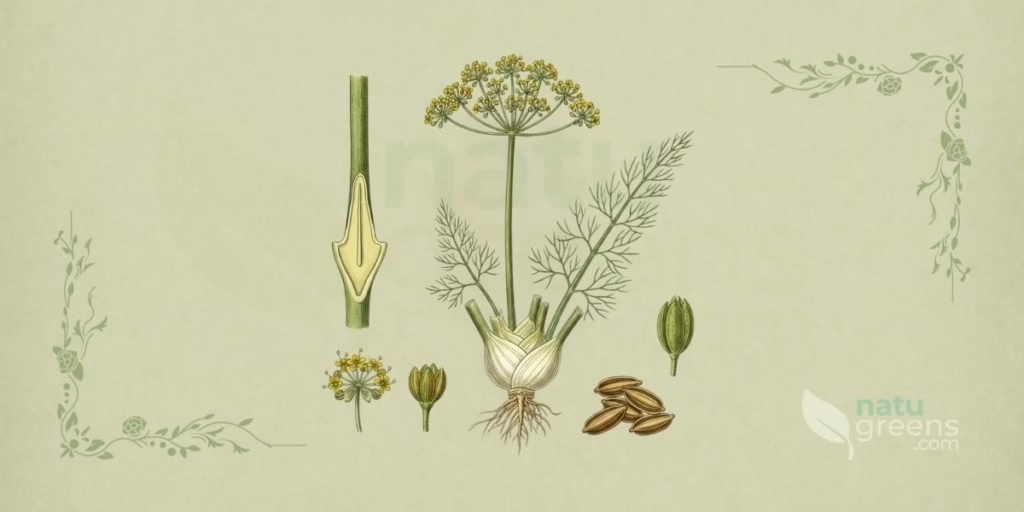
Carminative, digestive plants such as peppermint (Mentha × piperita) and fennel (Foeniculum vulgare) help reduce gas, bloating, and gastrointestinal discomfort on their own, and that is how they should be used: the candlenut has no place in internal preparations, given the toxicity of its seed.
Recipes and Usage Protocols of Candlenut
Massage Oil for Joint Pain
Ingredients: 10 ml of candlenut (kukui) oil, 2 drops of ginger essential oil, 2 drops of lavender essential oil, which gives a dilution of roughly 2%.
Preparation: Carefully mix the oils in a dark glass bottle. Apply a small amount to painful joints and massage gently until fully absorbed. Use 2 to 3 times a day. This massage oil can help relieve joint pain and inflammation, providing comfort and well-being.
Poultice for Skin Inflammation
Ingredients: Fresh candlenut leaves, warm water.
Preparation: Mash the fresh leaves into a paste. Add a little warm water, if necessary, to reach a suitable consistency. Apply the paste to intact skin over areas of swelling or inflammation, keeping it away from open wounds, burns and mucous membranes, then cover with a clean cloth. Leave on for 30 minutes to 1 hour. Repeat 1 to 2 times a day. This traditional poultice can help calm irritation and reduce local inflammation.
Associated Therapies
Aromatherapy
Kukui (candlenut) oil is used in aromatherapy, mainly as a carrier oil in massages. It is known for its moisturizing, emollient properties for the skin, being frequently employed in cosmetic and therapeutic formulations for dry skin, eczema, and other dermatological conditions. Refined kukui (candlenut) oil, the grade used in cosmetics, is usually well tolerated on intact skin, although a patch test on a small area is advisable before wider use, and it should not be confused with the raw seed or with crude, unrefined oil.
Phytotherapy
In phytotherapy, the candlenut is valued for its anti-inflammatory and analgesic properties. The laxative effect of the raw seed does not count as a therapeutic benefit: it is a drastic purging that signals poisoning. The plant is used in preparations such as extracts and tinctures, always with caution due to the toxicity of the raw seeds. Modern phytotherapy seeks to standardize the extracts to ensure safety and effectiveness, focusing on the parts of the plant with lower toxicity and a higher concentration of beneficial bioactive compounds.
Contraindications and Side Effects of Candlenut
Toxicity and Precautions
The raw seeds of Aleurites moluccanus are toxic due to the presence of saponins, phorbol, and toxalbumin. Ingestion can cause vomiting, severe gastrointestinal pain, and drastic diarrhea. Several countries, including Brazil, have banned the sale of the seed for weight-loss purposes due to the health risks. Heat treatment (cooking or roasting) reduces the toxicity of the protein component, making the nut edible in some cultures, but even so, consumption should be done with extreme caution and in small quantities.
Specific Contraindications
- Pregnancy and Breastfeeding: Use is contraindicated due to the potential emmenagogue effect and the toxicity that can affect the fetus or the baby.
- Children and the Elderly: It should be avoided in young children and the elderly due to its drastic purgative action and their increased sensitivity to toxins.
- Chronic Diseases: Patients with liver, heart, or kidney disease should avoid ingesting the seed, as the toxicity can aggravate these conditions.
- Allergies: Individuals with known sensitivity to plants of the Euphorbiaceae family or to any component of the candlenut should avoid its use.
- Drug Interactions: It can interact with laxative medications, diuretics, and other drugs that affect the gastrointestinal tract or liver/kidney function. Consult a healthcare professional before use, especially if you are taking other medications.
Historical Notes and Interesting Facts about Candlenut
Ancestral Use in Hawaii
In ancient Hawaii, the candlenut, known as kukui, was a plant of extreme cultural and practical importance. The nuts were burned to provide light, being threaded in rows on a palm leaf rib and lit one by one, serving as a measure of time. The oil extracted from the nuts was used in stone lamps.
In addition, the Hawaiians used the tree to make leis (necklaces) from the husks, leaves, and flowers, tattoo ink from the charred nuts, and a varnish from the oil. Fishermen chewed the nuts and spat them into the water to break the surface tension and improve underwater visibility. The kukui was named the official state tree of Hawaii on May 1, 1959, symbolizing enlightenment, protection, and peace.
Importance in Asian Cuisine
Despite the toxicity of the raw seeds, the candlenut is a fundamental culinary ingredient in many Southeast Asian cuisines, especially in Indonesia and Malaysia, where it is known as kemiri. The nuts are usually cooked or roasted to neutralize the toxins and are used to thicken sauces and curries, lending a distinctive flavor and texture to dishes. In Java, it is the basis of a thick sauce served with vegetables and rice, demonstrating its versatility and gastronomic importance in the region.
Frequently Asked Questions about Candlenut
Is the Candlenut Safe for Consumption?
The raw seeds of the candlenut are toxic and should not be consumed. Ingestion can cause serious side effects, such as vomiting and diarrhea. In some cultures, the nuts are eaten after cooking or roasting, which reduces the toxicity. However, their use for medicinal or weight-loss purposes without professional supervision is discouraged and banned in several countries.
What Are the Main Medicinal Uses of the Candlenut?
Traditionally, the candlenut has been used to treat headaches, fever, inflammation, digestive problems (as a laxative), and skin conditions. Kukui oil is popularly used topically for joint pain, eczema, and sunburn. It is important to point out that many of these traditional uses lack robust scientific validation, and the plant’s toxicity requires caution.
How Is Kukui Oil Used in Cosmetics?
Kukui oil is widely used in hair and cosmetic products due to its moisturizing, emollient properties. It is effective for nourishing dry skin, treating eczema, and improving the overall health of the skin and hair. In Fiji, for example, the oil is a common ingredient in cosmetic products. Its application is generally topical, and it is considered safe for external use.
Are There Contraindications for the Use of the Candlenut?
Yes, the candlenut is contraindicated for pregnant or breastfeeding women, young children, the elderly, and people with liver, heart, or kidney disease. It should also be avoided by individuals with an allergy to the plant. Its purgative action can be drastic, and the toxicity of the raw seeds represents a significant health risk.
What Is the Difference between Candlenut and Indian Walnut?
Candlenut and Indian walnut are popular names that refer to the same plant, Aleurites moluccanus. The variation in name can occur depending on the region. Both terms designate Aleurites moluccanus, a tree of the Euphorbiaceae family, known for its oily seeds and traditional uses, but also for its toxicity when raw.
Notice: this content is for informational purposes and does not replace professional medical advice. Consult a physician or herbal practitioner before using medicinal plants, especially during pregnancy, breastfeeding, or alongside medication.
References and Scientific Studies
Peer-Reviewed Scientific Studies (1)
- PEER2019 Quintão, N. L. M., Pastor, M. V. D., Antonialli, C. S., Silva, G. F., Rocha, L. W., Berté, T. E., … & Bresolin, T. M. B. (2019). Aleurites moluccanus and its main active constituent, the flavonoid 2″-O-rhamnosylswertisin, in experimental model of rheumatoid arthritis. Journal of Ethnopharmacology, 235, 248-254.
Supplementary Readings (4)
- 2022 Hakim, A., & Sumiati, T. (2022). Ethnopharmacology, phytochemistry, and biological activity review of Aleurites moluccana. Journal of Applied Pharmaceutical Science, 12(01), 001-010.
- 2021 De Souza, M. M., da Silva, G. F., Quintão, N. L. M., Rocha, L. W., Berté, T. E., de Oliveira, L. F., … & Cechinel-Filho, V. (2021). Phytochemical Analysis and Antinociceptive Properties of Aleurites moluccanus. Planta Medica, 87(06), 460-468.
- 2015 Hoepers, S. M., de Souza, H. G. M. T., Quintão, N. L. M., da Silva, G. F., Rocha, L. W., Berté, T. E., … & Cechinel-Filho, V. (2015). Topical anti-inflammatory activity of semisolid containing standardized Aleurites moluccana L. Willd (Euphorbiaceae) leaves extract. Journal of Ethnopharmacology, 172, 10-16.
- 2022 De Britto Rosa, M. C., da Silva, G. F., Quintão, N. L. M., Rocha, L. W., Berté, T. E., de Oliveira, L. F., … & Cechinel-Filho, V. (2022). Fatty acids composition and in vivo biochemical effects of Aleurites moluccana (L.) Willd. leaves extract. Journal of Applied Pharmaceutical Science, 12(01), 001-010.