Allium schoenoprasum L. / Chives, commonly known as chives, common chives or garden chives, is a perennial herbaceous plant of the Amaryllidaceae family, described by Carl Linnaeus in 1753 and native to vast regions of Eurasia and North America. Valued for centuries both in the kitchen, as a mild-flavored seasoning, and in traditional medicine, chives appear in the records of many different cultures, associated with a variety of medicinal and dietary purposes.
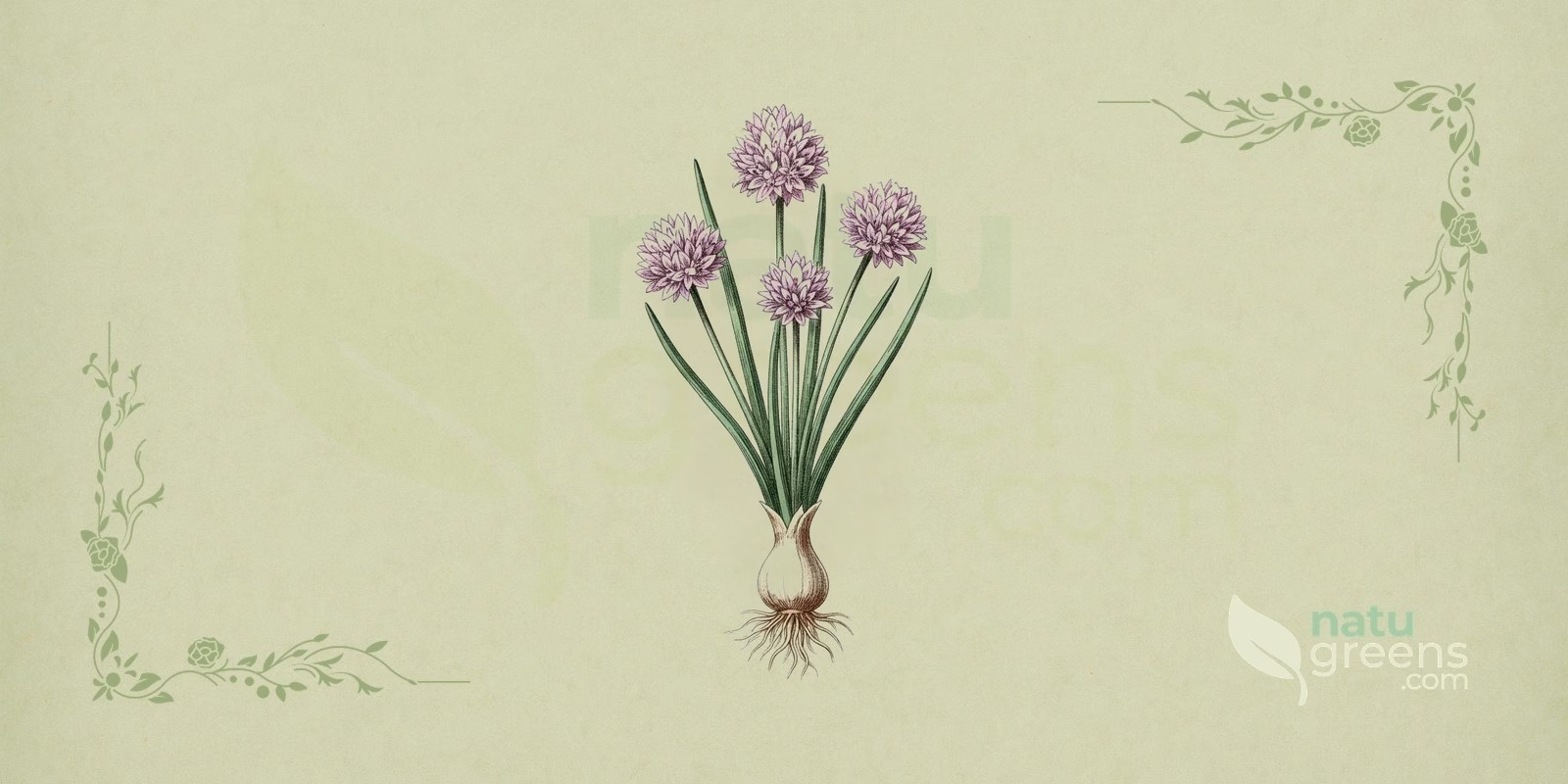
The plant forms clumps of tubular leaves and produces purple or pinkish flowers that appear in spring and summer. Throughout history, various peoples have used it to aid digestion and as a general tonic, a use that is often linked to its composition, rich in sulfur compounds and antioxidants. Modern research has looked into some of these traditional uses, but the results available so far come mainly from laboratory and animal studies, with no confirmation in clinical trials, which keeps chives in the place of a versatile culinary plant whose medicinal interest is still being studied.
Popular and International Names of Chives
- English: chives, common chives, garden chives.
- Spanish: cebolla de hoja, cebollino, ciboulette.
- Portuguese: cebolinha, cebolinha-francesa, cebolinha-galega, cebolinha-miúda, cebolinho.
- French: ciboulette, civette.
- Italian: cipollina, erba cipollina.
- German: Graslauch, Schnittlauch.
In Portugal the most widely used name is cebolinho, while in Brazil the names cebolinha and cebolinha-francesa predominate, but in Brazil the name cebolinha is also given to Allium fistulosum, a related species with thicker leaves known in English as Welsh onion, which calls for some attention when identifying the plant bought at street markets and grocery stores.
Botanical Synonyms of Allium schoenoprasum
The taxonomy of Allium schoenoprasum L. has gone through a number of changes over time, and although this is the name accepted by most botanical authorities, such as The Plant List and World Flora Online, the literature records historical synonyms and subspecies proposed at different times, the most notable of which are the following:
- Allium schoenoprasum subsp. sibiricum (L.) Čelak.
- Allium schoenoprasum var. laurentianum Fernald
- Allium schoenoprasum var. sibiricum (L.) Hartm.
- Allium sibiricum L.
Some of these names correspond to regional varieties, but the species is remarkably variable, and the distinction between these varieties is not always considered taxonomically sound. Knowing the synonyms makes it easier to locate the plant accurately in databases, herbaria and scientific studies produced in different regions and at different times.
Botanical Family: Amaryllidaceae
Chives belong to the Amaryllidaceae family, a large and diverse group of monocotyledonous plants that brings together many species with bulbs and rhizomes, such as onion, garlic, leek and shallot. The Amaryllidaceae are characterized by showy flowers, often gathered in umbels, and many of their members, especially those of the genus Allium, contain the sulfur compounds responsible for their characteristic aroma and flavor.
The family comprises about 1,600 species distributed across roughly 75 genera, with a broad presence around the globe, and many of them have economic and medicinal importance, serving both cooking and herbal medicine. With their tubular leaves and delicate flowers, chives are a classic example of the blend of ornamental beauty and practical usefulness that marks this botanical family.
Parts of Chives Used
- Bulbs
- Flowers
- Leaves
The fresh leaves are the part used most often in everyday cooking, chopped over finished dishes or worked into sauces and fillings, while the flowers and the small bulbs turn up less frequently in culinary and homemade preparations.
Ethnobotanical and Traditional Uses
The uses below reflect historical and folk records, many of them inherited from Roman medicine, and they are not equivalent to indications proven by clinical studies.
- Bone health (folk association attributed to its vitamin K content)
- Digestive stimulation (culinary and folk use)
- Expulsion of intestinal parasites (folk use, not clinically proven)
- Raising blood pressure (belief recorded in ancient Rome, not confirmed by current science)
- Relief of sore throats (recorded in Roman medicine)
- Relief of sunburn (recorded in Roman medicine)
- Tonic for the body’s defenses (folk use, not clinically proven)
Therapeutic Properties of Chives
The properties listed below summarize attributions from tradition and findings from preclinical research, meaning research carried out in the laboratory or in animals, and none of them has been confirmed in clinical trials in humans.
- Analgesic (attributed by folk tradition, without confirmation in clinical studies)
- Anthelmintic (traditional use against intestinal worms, not clinically proven)
- Anti-inflammatory (activity observed in experimental studies, not clinically proven)
- Antibacterial (activity against foodborne bacteria observed in the laboratory)
- Antihypertensive (effect on blood pressure attributed to the sulfur compounds of the genus Allium, not clinically proven for chives)
- Antioxidant (activity observed in laboratory studies)
- Antiproliferative (activity observed in laboratory studies, not clinically proven)
- Antiviral (attributed by folk tradition, not clinically proven)
- Diuretic (traditional use recorded since ancient Rome)
- Hypocholesterolemic (effect on cholesterol attributed to the sulfur compounds of the genus Allium, not clinically proven for chives)
- Immunomodulatory (attributed by folk tradition, not clinically proven)
- Neuroprotective (antioxidant effect observed in a study in mice, not clinically proven)
Detailed Phytochemical Profile of Chives
- Carotenoids
- Flavonoids (kaempferol, quercetin)
- Phenolic acids
- Saponins (steroidal glycosides)
- Sulfur compounds (diallyl sulfide, S-alk(en)yl-cysteine sulfoxides)
- Vitamins (A, B1, B2, C, K)
The sulfur compounds account for the characteristic aroma of chives and are the main focus of research on antibacterial activity, while phenolic acids and flavonoids draw most of the attention in laboratory studies on antioxidant and antiproliferative activity. The steroidal glycosides isolated from the plant have also been assessed for their toxicity to cultured cells, and the content of vitamins A, C and K explains much of the nutritional interest in the fresh herb.
Preparation and Administration Forms of Chives
- Culinary (dried, fresh)
- Infusion
- Tincture
Culinary use, with the fresh herb chopped over finished dishes or dried as a seasoning, is the most common and safest way of using the plant, and the infusion appears in homemade recipes from the digestive tradition. Because a tincture concentrates the plant’s compounds, it belongs to the field of concentrated medicinal use, which has not been clinically proven and calls for guidance from a health professional.
Synergy with Other Medicinal Plants
Cardiovascular Tradition with Garlic and Onion
Chives are traditionally combined with garlic (Allium sativum) and onion (Allium cepa) in preparations associated with the heart and circulation, since the three species share sulfur compounds that tradition credits with an influence on cholesterol and blood flow. This association belongs to the traditional and culinary record, does not replace medical follow-up for cardiovascular disease and, in medicinal amounts, calls for extra caution in people taking anticoagulants, because garlic is also associated with this type of interaction.
Digestive Support with Fennel and Ginger
In the digestive tradition, chives appear alongside fennel (Foeniculum vulgare) and ginger (Zingiber officinale), a combination traditionally used for discomfort after meals, since chives are credited with a carminative action and fennel and ginger have a long folk record in relieving gas and mild colic. People with digestive disorders, such as irritable bowel syndrome, should test their own tolerance with caution, because eating too much raw chives can cause heartburn and bloating.
Cold and Flu Season with Echinacea and Elder
During the cold and flu season, folk tradition combines chives with echinacea (Echinacea purpurea) and elder (Sambucus nigra), bringing together the antioxidants of chives and the compounds that herbal medicine associates with the body’s defenses in the other two plants. This combination is a traditional record, with no assurance of protection against infections, and it calls for some care, as echinacea should be avoided by people allergic to plants of the Asteraceae family, and only the flowers or the ripe, cooked berries of elder should be used, since the raw parts of the plant can cause poisoning.
Recipes and Usage Protocols of Chives
Digestive Chive Infusion
This infusion is traditionally used for mild digestive discomfort after meals, such as a heavy feeling in the stomach and flatulence. To prepare it, add 1 tablespoon of chopped fresh chives to 250 ml of boiling water, let it steep for 5 to 7 minutes, then strain and drink it warm.
The mild flavor of chives makes the drink pleasant, and it can be taken in moderation, without replacing a professional assessment in cases of frequent or persistent indigestion.
Chive Dressing for Salads
This simple dressing is traditionally used to season salads with a fresh, aromatic touch. Mix 2 tablespoons of finely chopped chives with 3 tablespoons of extra virgin olive oil, 1 tablespoon of apple cider vinegar, and salt and pepper to taste.
Chives add flavor and vitamins to the dish, and the dressing can be prepared right before serving to preserve the aroma of the fresh herb.
Omelet with Chives and Fresh Cheese
This omelet is a practical and traditional way to include chives in everyday meals. Beat 2 eggs, add 1 tablespoon of chopped chives and 30 grams of crumbled fresh cheese, season with salt and pepper, and cook in a nonstick pan until golden.
Chives are a source of vitamins A, C and K, nutrients that are part of a balanced diet, but this recipe is simply a nutritious meal and does not replace specific care for bone or immune health.
The preparations above follow traditional records and do not replace professional guidance. Before any internal use, check the contraindications and interactions described in this article.
Associated Therapies
Aromatherapy
Chives are not among the common essential oils of aromatherapy, but their mild, fresh scent appears in some herbal blends used to create a sense of well-being in a room, much as is done with other plants of the genus Allium. Practitioners associate inhaling the vapors of fresh chives with mental clarity and the relief of mild tension, but these associations come from tradition and individual experience, and no studies have confirmed them.
Herbal Medicine
In herbal medicine, chives are valued more for their nutritional profile than for specific indications, and they are usually recommended as part of a balanced diet rich in vitamins and minerals. The herbal tradition uses extracts and tinctures of the plant to support digestive, cardiovascular and immune functions, but this concentrated medicinal use has not been clinically proven and should only be undertaken with guidance from a qualified health professional, without replacing conventional treatments.
Homeopathy
In homeopathy, chives (Allium schoenoprasum) are far less well known than onion (Allium cepa) and garlic (Allium sativum), and the indications described for them usually involve digestive complaints, such as flatulence and indigestion, or symptom pictures resembling those associated with other species of the genus. In this approach, the choice of remedy is individualized, based on the totality of symptoms, and is a matter for a qualified practitioner, and homeopathy does not replace a medical evaluation of persistent symptoms.
Contraindications and Side Effects of Chives
Chives are a common food with low risks in culinary amounts, and most people can eat them without any problems in daily life. People allergic to plants of the Amaryllidaceae family (garlic, leek, onion) should avoid chives, because they may experience reactions ranging from gastrointestinal irritation and skin rashes to, in rare cases, anaphylaxis.
Concentrated medicinal use of chives, whether as extracts, tinctures or amounts far above those used in cooking, has not been clinically proven, and for this reason it should not replace treatments or be started without professional guidance. Pregnant and breastfeeding women can keep up their usual culinary consumption but should avoid medicinal use in large amounts, since there are not enough studies on the safety of these doses during these periods. A 2021 study also observed that an aqueous extract of the plant impaired the deformability of red blood cells from patients with sickle cell anemia, a finding that warrants extra caution with concentrated preparations in this group.
Drug Interactions
In medicinal amounts, caution is needed with anticoagulants and with digestive disorders. Because of their sulfur compounds, chives may, in theory, enhance the effect of anticoagulants such as warfarin and increase the risk of bleeding, an interaction better documented for garlic in large amounts, but one that justifies patients taking these medications consulting a health professional before consuming chives in high doses or as extracts. In the amounts used as a seasoning, this interaction is not usually relevant, and moderation remains the best way to avoid complications.
Gastrointestinal Effects
Excessive consumption of chives, especially raw, can cause gastrointestinal discomfort in some people, with heartburn, bloating and flatulence, and those with irritable bowel syndrome or other sensitive digestive conditions should watch their own tolerance and moderate their intake. Cooking chives can reduce these effects and make them easier to digest for sensitive stomachs.
Precautions with Pets
Like other plants of the genus Allium, chives are toxic to dogs and cats, which can develop anemia after ingesting significant amounts of the plant, so pots and home gardens should be kept out of reach of these animals.
Historical Notes and Interesting Facts
Origin and Spread
Chives are often cited as the only species of the genus Allium native to both the Old and the New World, a sign of their wide geographic distribution and of their ability to adapt to varied climates. Their use in Europe and Asia is believed to date back more than 5,000 years, and their presence across different continents and cultures, helped along through history by explorers and traders, underlines the value the plant has earned as a food and as a medicinal resource.
Historical Use
In ancient Rome, chives served not only as food but also as a home remedy for sore throats and sunburn, and the Romans believed the plant had a diuretic action and could raise blood pressure, a belief that current science does not confirm. Accounts of the Middle Ages describe the custom of scattering chives on the floor during festivities to perfume the room, since the leaves released their characteristic aroma when trodden on, and these uses show how the plant moved between the kitchen, folk medicine and social life.
Cuisine and Culture
Chives are one of the fines herbes of French cuisine, alongside chervil, parsley and tarragon, and in Sweden they are an essential ingredient of the gräddfil sauce served with herring at midsummer celebrations. In Poland and Germany they often accompany quark, a type of fresh cheese, and in Brazil they make up, together with parsley, the traditional seasoning known as cheiro-verde, although in the bunches sold at Brazilian street markets and grocery stores the plant sold under that name is often the related species Allium fistulosum, with thicker leaves.
Their versatility and mild flavor make chives a prized ingredient in kitchens all over the world, present in everything from simple dishes to elaborate gastronomic creations, and in many culinary cultures chives have become a symbol of freshness and flavor.
Frequently Asked Questions about Chives
Can Chives Be Used during Pregnancy?
In culinary amounts, chives are considered safe during pregnancy, but pregnant women should consult a health professional before using any plant in medicinal amounts. There are not enough studies proving the safety of medicinal use of chives in large amounts during pregnancy, and since concentrated medicinal use has not been clinically proven, moderation is the best way to avoid risks.
What Is the Difference between Chives and Welsh Onion?
In Portuguese, cebolinha-francesa and cebolinho are common names for Allium schoenoprasum, the species known in English as chives, which is also simply called cebolinha in many parts of Brazil, while cebolinho prevails in Portugal. In Brazil, however, the name cebolinha also refers to Allium fistulosum, the Welsh onion, a related species with thicker leaves that often shows up in cheiro-verde bunches. To tell which plant you have, just look at the leaves, which in chives are very thin, rather like grass, and are crowned by purple or pinkish flowers when the plant is in bloom.
Do Chives Help with Weight Loss?
Chives are low in calories and add flavor to dishes without adding significant calories, which can help reduce the use of fats and sugars when preparing meals, and their fiber contributes, to a small extent, to healthy bowel function. They are not a fat burner and have no proven effect on body weight, and their role is limited to that of an ingredient in a balanced diet.
How Should I Store Chives to Keep Them Fresh?
To keep chives fresh for longer, one option is to wrap them in a damp paper towel and store them in a plastic bag in the refrigerator. Another way is to chop the leaves and freeze them in ice cube trays with a little water or olive oil, which makes them easy to use in future recipes, and although fresh chives taste better, these techniques help preserve their qualities.
Can Chives Be Grown at Home?
Yes, chives are an easy plant to grow and can be planted in pots or directly in the garden, as long as they get good sun exposure and sit in well-drained soil rich in organic matter. Growing them at home means having fresh chives on hand for cooking, and it is an excellent option for home gardens, even in small spaces, provided the pots are kept out of reach of dogs and cats.
Can People with a Garlic Allergy Eat Chives?
No, because people allergic to plants of the Amaryllidaceae family (garlic, leek, onion) should avoid chives, since the reaction can recur with related species and range from gastrointestinal irritation and skin rashes to, rarely, anaphylaxis. In addition, concentrated medicinal use of chives has not been clinically proven, and in medicinal amounts caution is needed with anticoagulants and with digestive disorders.
Notice: this content is for informational purposes and does not replace professional medical advice. Consult a physician or herbal practitioner before using medicinal plants, especially during pregnancy, breastfeeding, or alongside medication.
References and Scientific Studies
View All 10 Cited References
Peer-Reviewed Scientific Studies (8)
- PMC2021 Arihan O, et al. Aqueous extract of chives (Allium schoenoprasum L.) plant impairs erythrocyte deformability in sickle cell patients. Clin Hemorheol Microcirc. 2021.
- PMC2022 Ferreira FS, et al. Bioactive compounds of parsley (Petroselinum crispum), chives (Allium schoenoprasum L) and their mixture (Brazilian cheiro-verde) as promising antioxidant and anti-cholesterol oxidation agents in a food system. Food Res Int. 2022.
- PMC2011 Kucekova Z, et al. Phenolic compounds from Allium schoenoprasum, Tragopogon pratensis and Rumex acetosa and their antiproliferative effects. Molecules. 2011.
- PMC2014 Parvu AE, et al. Anti-inflammatory effects of Allium schoenoprasum L. leaves. J Physiol Pharmacol. 2014.
- PMC2008 Rattanachaikunsopon P, Phumkhachorn P. Diallyl sulfide content and antimicrobial activity against food-borne pathogenic bacteria of chives (Allium schoenoprasum). Biosci Biotechnol Biochem. 2008.
- PMC2018 Singh V, et al. Allium schoenoprasum L.: a review of phytochemistry, pharmacology and future directions. Nat Prod Res. 2018.
- PMC2018 Singh V, et al. Antioxidant-mediated neuroprotection by Allium schoenoprasum L. leaf extract against ischemia reperfusion-induced cerebral injury in mice. J Basic Clin Physiol Pharmacol. 2018.
- PMC2013 Timité G, et al. Structure and cytotoxicity of steroidal glycosides from Allium schoenoprasum. Phytochemistry. 2013.
Supplementary Readings (2)
- Missouri Botanical Garden. Allium schoenoprasum (Plant Finder).
- World Flora Online. Allium schoenoprasum L..