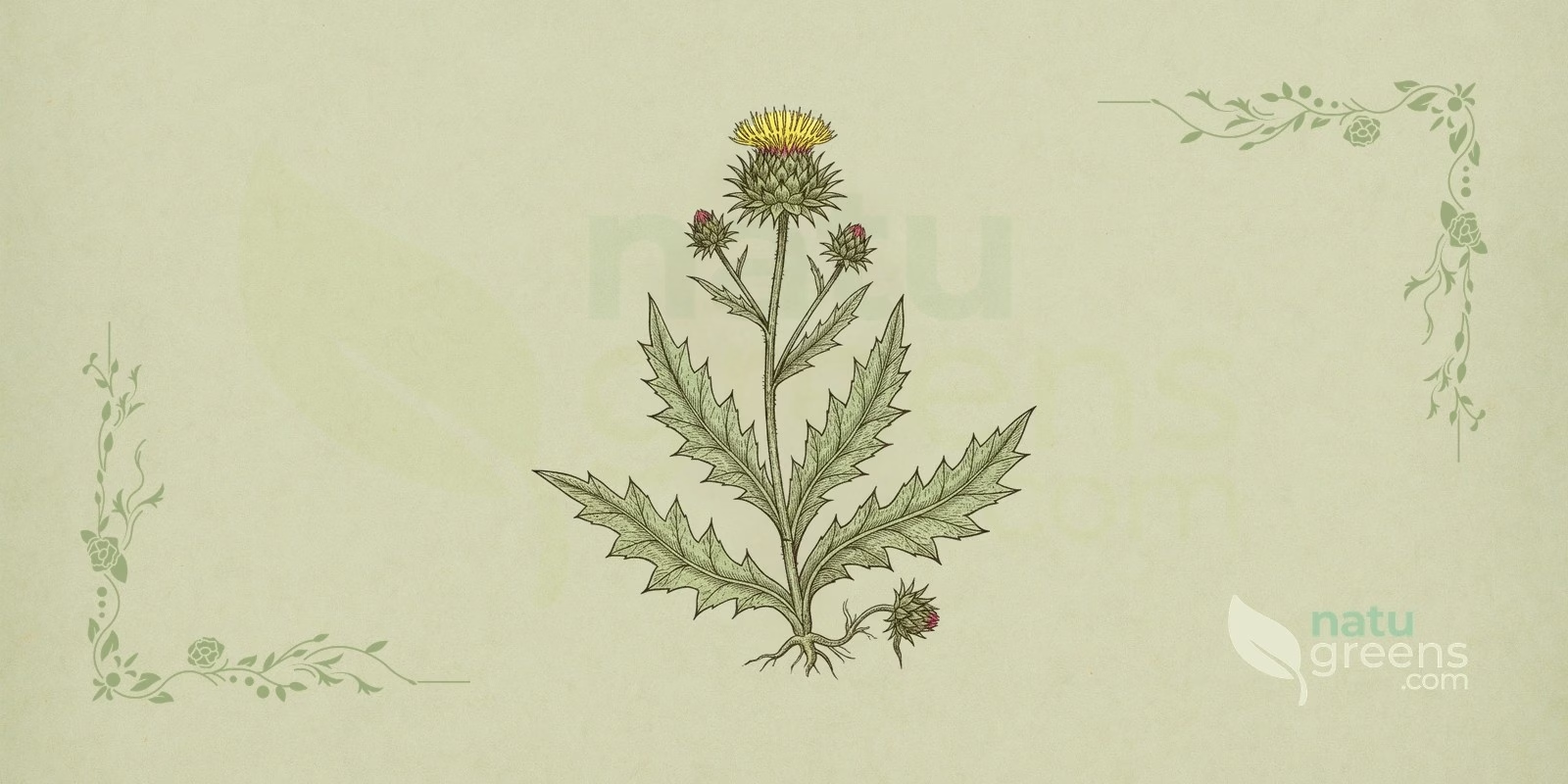
Cnicus benedictus L. / Blessed Thistle, commonly known as blessed thistle, holy thistle or St. Benedict’s thistle, is an annual herbaceous plant of the Asteraceae family, described by Carl Linnaeus and native to the Mediterranean region and Western Asia, from where it spread to many parts of the world along with its medicinal use. Employed for centuries in traditional European medicine, blessed thistle appears in old texts mainly for its digestive and tonic applications, and its yellow flowers, wrapped in spiny bracts, are harvested at the peak of flowering to prepare infusions, extracts and other herbal products.
In the European herbal tradition, blessed thistle holds a prominent place as a bitter and tonic plant, with uses ranging from gastrointestinal complaints to states of general debility. Its phytochemical composition is rich in sesquiterpene lactones, especially cnicin, which is responsible for the intensely bitter taste and is the main focus of research on anti-inflammatory activity and digestive stimulation. Laboratory and animal studies have been investigating some of these traditional uses, but clinical trials in humans are still scarce, so most of the applications described below correspond to traditional records rather than proven efficacy.
Popular and International Names of Blessed Thistle
- English: blessed knapweed, blessed thistle, holy thistle, spotted thistle, St. Benedict’s thistle.
- Spanish: cardo bendito, cardo benedictino, cardo santo, cristo pobre.
- Portuguese: cardo-bendito, cardo-bento, cardo-santo, cristo-pobre (Brazil); cardo-bendito, cardo-bento, cardo-santo (Portugal).
- French: chardon béni.
- Italian: cardo benedetto.
- German: Benediktenkraut, Echtes Benediktenkraut.
Botanical Synonyms of Cnicus benedictus
Centaurea benedicta (L.) L. is the botanical synonym most often found in contemporary scientific literature and results from the transfer of the species to the genus Centaurea, a taxonomic reclassification made by Linnaeus himself. Current taxonomic databases tend to adopt Centaurea benedicta as the accepted name, while Cnicus benedictus L., the original name, is still retained by several floras and predominates in pharmacological and phytochemical publications, which is why the two names appear side by side in studies on the plant.
Beyond this one, the botanical literature records other synonyms for the species, among them Carduus benedictus, Cnicus microcephalus and Cnicus pseudo-benedictus, which may turn up in older works and herbarium catalogues.
Botanical Family: Asteraceae
The Asteraceae family, formerly called Compositae, is one of the largest families of flowering plants, with about 1,900 genera and more than 32,000 species distributed worldwide. Its hallmark is the capitulum, a flower head in which numerous small flowers are grouped into a structure that resembles a single flower, and its members include plants of great economic, culinary and medicinal importance, such as lettuce, sunflower, artichoke and calendula.
Blessed thistle shares the typical flower head of the family, but unlike many Asteraceae it forms only yellow tubular florets, without the ray florets that play the role of petals in daisies and sunflowers, and its flower heads are protected by bracts ending in spines. The family is known for producing bioactive compounds, especially sesquiterpene lactones, flavonoids and essential oils, which account for much of the medicinal interest in many of its species, and this chemical diversity has been the subject of intensive pharmacological research, contributing to the development of herbal medicines and dietary supplements.
Parts of Blessed Thistle Used
- Aerial parts (the whole plant above ground)
- Flowers
- Leaves
- Roots
- Seeds (fruits)
Ethnobotanical and Traditional Uses
The uses listed below reflect records from folk tradition and European herbal medicine, gathered over centuries, and are not equivalent to a proven clinical indication for each of these conditions.
- Contraceptive (historical use)
- Dyspepsia and other digestive disorders
- General tonic in states of debility
- Intestinal colic and flatulence
- Lactation stimulation (galactagogue; historical use, now discouraged because the plant is contraindicated during breastfeeding)
- Liver and gallbladder problems
- Loss of appetite (anorexia), including when associated with depression
- Venereal diseases (historical use)
- Wound and skin ulcer healing (topical use)
Therapeutic Properties of Blessed Thistle
- Analgesic (antinociceptive effect observed in an animal model, not confirmed in humans)
- Anti-inflammatory (activity observed in laboratory studies)
- Antimicrobial (activity observed in laboratory studies with extracts and essential oil)
- Antioxidant (activity observed in laboratory assays)
- Antiparasitic (activity of cnicin against Schistosoma mansoni observed in the laboratory and in an animal model)
- Antiviral (mentioned only in preliminary studies, without clinical confirmation)
- Astringent (traditional record of action on tissues and small blood vessels)
- Bitter (bitter taste that, according to tradition, stimulates digestive secretions)
- Cholagogue (traditional record of stimulating bile secretion)
- Diuretic (traditional record of increased urine production)
- Emmenagogue (traditional record of stimulating menstrual flow, an additional reason to avoid the plant during pregnancy)
- Galactagogue (traditional record of stimulating milk production; use discouraged, as the plant is contraindicated during breastfeeding)
- Stimulant (traditional record of an invigorating action)
- Stomachic (traditional record of supporting digestion in the stomach)
- Tonic (traditional record of use in states of debility)
Detailed Phytochemical Profile of Blessed Thistle
- Essential oils (cinnamaldehyde, citral, fenchone, p-cymene)
- Flavonoids (apigenin 7-O-glycoside, astragalin, luteolin)
- Lignans (arctigenin, arctiin, nortracheloside, trachelogenin)
- Minerals (calcium, magnesium, manganese, phosphorus, potassium, sodium)
- Phenolic acids (chlorogenic acid, sinapic acid)
- Sesquiterpene lactones (absinthin, artemisiifolin, cnicin, cnicinolide, melitensin, melitensin 15-O-β-D-glycoside, parthenolide, salonitenolide, 11β,13-dihydrosalonitenolide 15-O-β-D-glycoside)
- Steroids (stigmasterol and other phytosterols)
- Tannins
- Triterpenoids (multiflorenol, multiflorenol acetate, α-amyrenone, α-amyrenone acetate, α-amyrin, α-amyrin acetate)
Preparation and Administration Forms of Blessed Thistle
- Compresses
- Cream
- Dry extract
- Essential oil
- Fluid extract
- Infusion (tea)
- Poultice
- Tincture
Synergy with Other Medicinal Plants
Digestive Synergy
In the herbal tradition, blessed thistle is combined with other bitter and carminative herbs, such as gentian (Gentiana lutea) or peppermint (Mentha × piperita), in preparations traditionally used for poor appetite, dyspepsia and flatulence. The reasoning behind this traditional record is that the bitters would stimulate the production of digestive secretions and bile, while the carminatives would help ease gas and discomfort in the gastrointestinal tract, but the combination has not been evaluated in clinical studies, and anyone with gastritis or an ulcer should avoid combining bitter plants.
Traditional Liver Synergy
The pairing of blessed thistle with milk thistle (Silybum marianum) appears in formulations traditionally used for liver health. In this traditional record, blessed thistle is included as a cholagogue, for its stimulation of bile secretion, and milk thistle, a source of silymarin, as a plant studied for a possible hepatoprotective action, although no studies have evaluated the combination of the two species. Anyone with a diagnosed liver disease should consult a doctor before using either of them, alone or together.
Recipes and Usage Protocols of Blessed Thistle
Traditional Bitter Infusion Before Meals
A preparation traditionally used in European herbal medicine for poor appetite and sluggish digestion, taken warm before the main meals because of the characteristic bitter taste of the plant.
Ingredients:
- 1 teaspoon of dried blessed thistle leaves and flowers
- 200 ml of boiling water
Preparation:
- Place the blessed thistle in a cup.
- Pour the boiling water over the herb.
- Cover and let it steep for 10 to 15 minutes.
- Strain and drink warm, about 30 minutes before the main meals.
Dosage: Consult a health professional to decide how many cups to take per day and for how long, as high doses can cause vomiting and gastrointestinal irritation. Do not use during pregnancy or breastfeeding, and avoid this preparation if you have gastritis or a gastric ulcer unless a doctor has advised otherwise.
Traditional Compress for Superficial Skin Wounds
An external application recorded in the European herbal tradition, which used a decoction of blessed thistle in compresses placed on wounds and skin ulcers.
Ingredients:
- 2 tablespoons of dried blessed thistle (leaves and flowers)
- 500 ml of water
Preparation:
- Boil the blessed thistle in the water for 5 minutes.
- Let it cool and strain.
- Soak a clean cloth in the decoction.
- Apply to the affected area for 15 to 20 minutes, twice a day.
Dosage: Use only on superficial lesions and for a few days, stopping the application if redness, itching or burning appears. Deep or extensive wounds, wounds with signs of infection and wounds that do not heal require medical evaluation, and people allergic to plants of the Asteraceae family should not use the compress.
The preparations above follow traditional records and do not replace professional guidance. Before any internal use, check the contraindications and interactions described in this article.
Associated Therapies
Western Herbal Medicine
In Western herbal medicine, blessed thistle is valued as a bitter digestive tonic and traditionally appears in preparations for dyspepsia, poor appetite, flatulence and biliary complaints, in the form of teas, tinctures and standardized extracts. The anti-inflammatory and antimicrobial activity observed in laboratory studies helps explain its traditional use in topical preparations for wounds and skin inflammation, although these effects have not yet been confirmed in clinical trials.
Homeopathy
In homeopathy, Cnicus benedictus is listed among the remedies described for digestive complaints, especially those linked to the liver and gallbladder, such as nausea, vomiting and pain in the liver area, and according to the principles of this practice the preparation would seek to stimulate digestive and liver functions gently. There is no scientific evidence for this use, and signs such as jaundice, which is the yellowing of the skin and eyes, or persistent pain on the right side of the abdomen require immediate medical evaluation and must not be managed with homeopathic preparations in its place.
Contraindications and Side Effects of Blessed Thistle
In traditional use and at moderate doses, blessed thistle is usually described as well tolerated by healthy adults, but the plant is a traditional bitter with digestive action and can cause vomiting and gastrointestinal irritation at high doses, and it also has contraindications that must be respected before any use.
Pregnancy and Breastfeeding
Blessed thistle is contraindicated during pregnancy and breastfeeding. Besides the lack of safety studies for these periods, the plant has a traditional record as an emmenagogue, that is, as a stimulant of menstrual flow, which reinforces the recommendation to avoid it throughout pregnancy in any form, whether tea, concentrated extract or essential oil. Despite its historical use as a galactagogue, alone or combined with fenugreek (Trigonella foenum-graecum) and alfalfa (Medicago sativa), blessed thistle should not be used to stimulate milk production, and breastfeeding mothers looking for this kind of support should seek guidance from a health professional.
Gastrointestinal Disorders
At high doses, above 5 grams per cup, blessed thistle can cause stomach irritation, nausea and vomiting, a consequence of its intensely bitter taste and of the stimulation of gastric acid secretion. For this reason, people with a gastric ulcer or gastritis should avoid it or consult a doctor before use, and the same caution applies to anyone who suffers from frequent heartburn.
Allergic Reactions
Because the plant belongs to the Asteraceae family, people allergic to plants of the Asteraceae family should avoid any blessed thistle preparation due to the risk of cross-reactivity, and this includes people sensitive to ragweed, chrysanthemum, daisy and related species. Symptoms may include skin rashes, hives, swelling and, in rare cases, anaphylaxis, a situation that requires emergency care.
Drug Interactions
Blessed thistle may interact with some medications and enhance their effects. As a precaution, people taking anticoagulants such as warfarin should only use it under medical guidance, given the possibility of an increased risk of bleeding, and the same applies to those who take sedatives or anxiolytics or drink alcohol, since the combination can cause excessive drowsiness. Diabetic patients on blood sugar-lowering medication should monitor their glucose closely, because the plant may have a hypoglycemic effect and add to the action of the medication.
Use in Children
Safety studies in children are lacking, and the very bitter taste also makes the plant hard to use in this age group, so it should not be given to children without guidance from a health professional.
Historical Notes and Interesting Facts
Origin of the Name
The scientific name combines Greek and Latin roots: Cnicus derives from the Greek knikos, a term that referred to safflower and thistle-like plants, while benedictus means “blessed” in Latin and reflects an old belief in the healing and protective virtues of the plant. The name is tied to the reputation blessed thistle enjoyed in the Middle Ages, when it was seen as a universal remedy able to “cure all diseases”, a belief that current science does not support.
Historical Use in Medicine
Blessed thistle has a long history of medicinal use that goes back to Antiquity, and it was widely used by Benedictine monks, which may have contributed to its common name. During the Middle Ages it was regarded as a bitter tonic and was even recommended against bubonic plague, although there is no evidence of efficacy for this use. In the 16th century, the German botanist and physician Hieronymus Bock described its digestive and depurative properties, and the plant became a common ingredient in bitter elixirs and tonics meant to stimulate the appetite and support digestion.
Frequently Asked Questions about Blessed Thistle
Is Blessed Thistle Tea Safe for Children?
There are no specific studies on the safety of blessed thistle in children, and its very bitter taste also makes it difficult to use in this age group. For this reason, the tea should not be given to children without guidance from a health professional, and the traditional use described in the literature focuses on adults with digestive and appetite complaints.
Can Blessed Thistle Be Used During Pregnancy and Breastfeeding?
No, because blessed thistle is contraindicated during pregnancy and breastfeeding, both because of the lack of safety studies and because of its traditional record as an emmenagogue. Even with its history of use as a galactagogue, the plant should not be used to stimulate milk production, and breastfeeding mothers should seek professional guidance for this purpose.
What Is the Best Way to Take Blessed Thistle?
The most common and traditional form is an infusion made with dried leaves and flowers, while liquid extracts and tinctures provide a more concentrated dose and therefore call for even more caution. For topical use, tradition employs poultices and compresses applied to the skin, and the choice of form and dose should be made with a health professional, taking the contraindications of the plant into account.
Does Blessed Thistle Help with Weight Loss?
There is no scientific evidence that blessed thistle helps with weight loss, and it is not considered a slimming supplement. Its traditional use actually points in the opposite direction, since as a bitter plant it is used to stimulate the appetite when appetite is lacking, and any weight loss program should be supervised by a health professional, together with a balanced diet and physical activity.
Can People with Liver Problems Use Blessed Thistle?
Blessed thistle is traditionally used for liver and gallbladder complaints because of its cholagogue action, but anyone with a diagnosed liver disease needs to consult a doctor before using it. Self-medication in these cases can delay diagnosis and interfere with other treatments, and symptoms such as jaundice or persistent pain on the right side of the abdomen require medical evaluation.
What Are the Main Side Effects of Blessed Thistle?
As an intense bitter, blessed thistle can cause vomiting and gastrointestinal irritation at high doses, especially above 5 grams per cup. People with a gastric ulcer or gastritis should avoid the plant or consult a doctor, and people allergic to plants of the Asteraceae family should avoid it because of the risk of cross-reactivity, which can lead to hives, swelling and, rarely, anaphylaxis.
Notice: this content is for informational purposes and does not replace professional medical advice. Consult a physician or herbal practitioner before using medicinal plants, especially during pregnancy, breastfeeding, or alongside medication.
References and Scientific Studies
- PMC2020 Ahmadimoghaddam D, et al. Antinociceptive activity of Cnicus benedictus L. leaf extract: a mechanistic evaluation. Res Pharm Sci. 2020.
- PMC2022 Avula B, et al. Simultaneous determination and characterization of flavonoids, sesquiterpene lactone, and other phenolics from Centaurea benedicta and dietary supplements using UHPLC-PDA-MS and LC-DAD-QToF. J Pharm Biomed Anal. 2022.
- PMC2017 Peng Y, et al. Two new sesquiterpene lactone glycosides from Cnicus benedictus. Nat Prod Res. 2017.
- PMC2021 Queiroz LS, et al. In vitro and in vivo evaluation of cnicin from blessed thistle (Centaurea benedicta) and its inclusion complexes with cyclodextrins against Schistosoma mansoni. Parasitol Res. 2021.
- PMC2024 Teneva O, et al. Centaurea benedicta: A Potential Source of Nutrients and Bioactive Components. Plants (Basel). 2024.
- PMC1973 Vanhaelen-Fastré R. Constitution and antibiotical properties of the essential oil of Cnicus benedictus. Planta Med. 1973.
- PMC2024 Ziętal K, et al. Cnicus benedictus: Folk Medicinal Uses, Biological Activities, and In Silico Screening of Main Phytochemical Constituents. Planta Med. 2024.