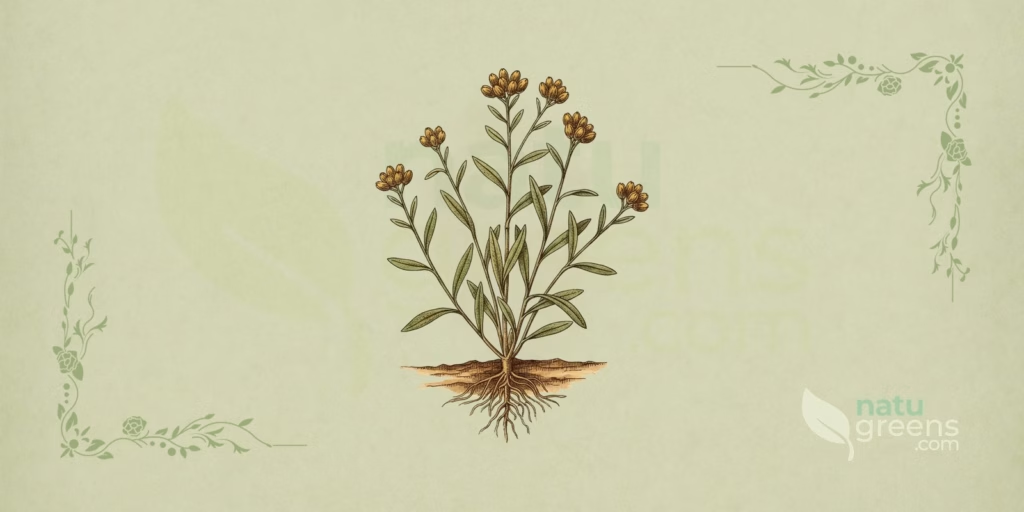
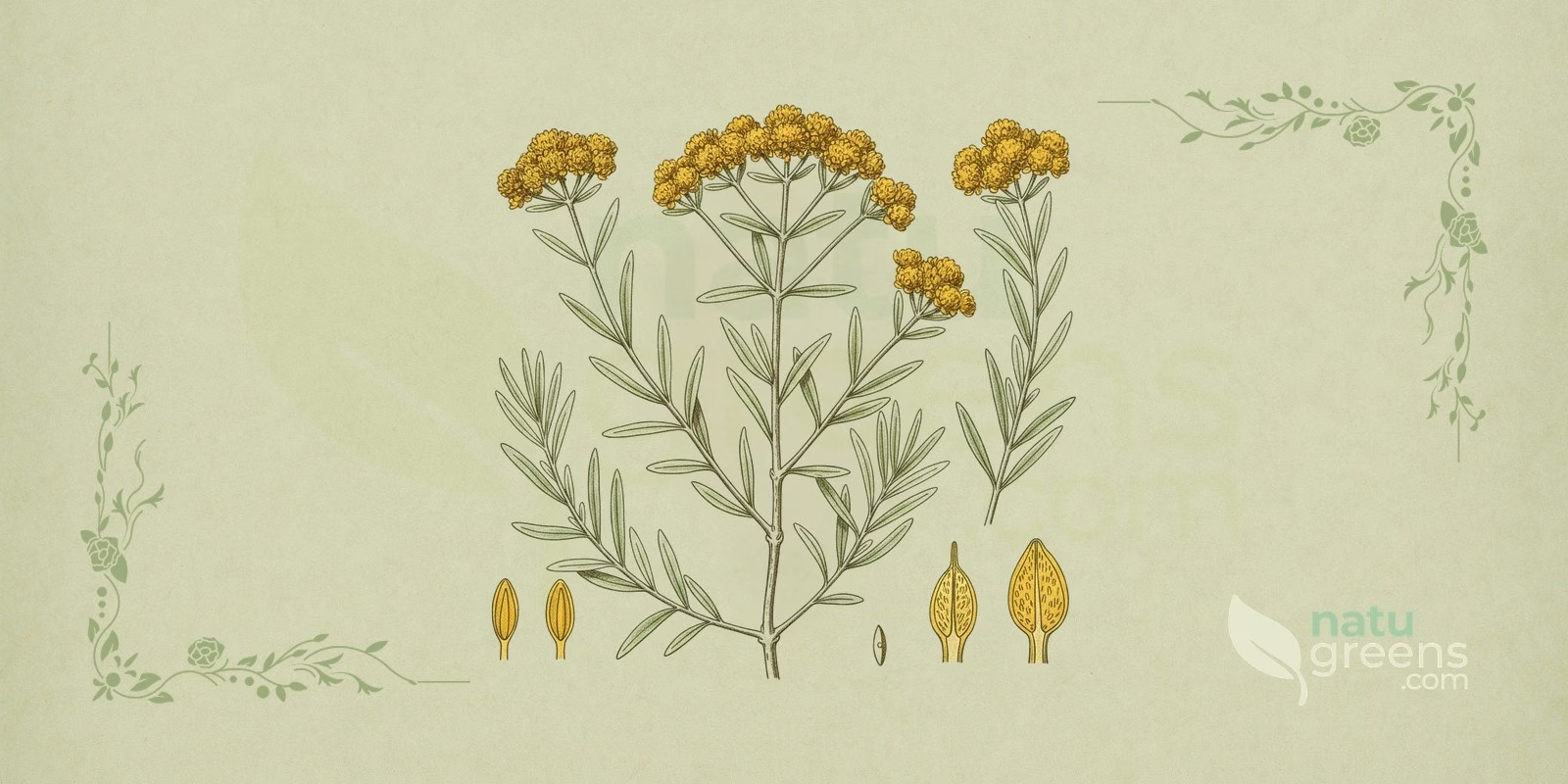
Immortelle (Helichrysum italicum), also known as curry plant, everlasting and Italian strawflower, is an aromatic herbaceous perennial of the Asteraceae family, native to the Mediterranean region. Its yellow flowers, which keep their color even after being picked and dried, are the source of the essential oil now used mainly in cosmetics and aromatherapy. The flowers and leaves, for their part, have been part of folk medicine for centuries in countries such as Italy, Spain, Portugal and Bosnia and Herzegovina.
In these countries, tradition turned to the plant for allergies, colds, coughs, skin problems, liver and gallbladder disorders, inflammation, infections and insomnia. Over recent decades, this repertoire has prompted a number of laboratory and animal studies on its extracts and essential oil. These studies describe promising anti-inflammatory, antioxidant and antimicrobial activities. The main review of the species, however, concludes that most traditional applications still lack scientific proof and that clinical trials are needed to confirm the results obtained so far.
Popular and International Names of Immortelle
The name immortelle and its equivalents in other European languages allude to the durability of the dried flowers, while the curry-related names come from the characteristic scent of the leaves. In Portugal, curry is commonly called caril, which explains the form erva-do-caril that appears in the Portuguese list.
- English: Curry Plant, Everlasting, Immortelle, Italian Strawflower.
- French: Hélichryse italienne, Immortelle, Plante au curry.
- German: Currykraut, Immortelle, Italienische Strohblume.
- Italian: Elicriso, Immortella, Perpetuina.
- Portuguese: Erva-do-caril, Imortela, Perpétua-das-areias, Sempre-viva-italiana.
- Spanish: Hierba del curry, Inmortal, Siempreviva.
Botanical Synonyms of Helichrysum italicum
Botanical literature records immortelle under more than one scientific name, a reflection of the taxonomic revisions the genus has undergone over time. The accepted name, Helichrysum italicum (Roth) G. Don, is based on Gnaphalium italicum as described by Roth, and the synonym most often found in older publications is Helichrysum angustifolium, widely used in the past.
- Gnaphalium italicum Roth
- Helichrysum angustifolium
The form Helichrysum italicum var. italicum, sometimes listed alongside the synonyms, actually designates the typical variety of the species itself. Phytochemical studies also cite subspecies such as H. italicum subsp. microphyllum, from which arzanol was isolated. Knowing these names helps locate both older and recent research and correctly identify plant material in botanical and pharmacological studies.
Botanical Family: Asteraceae
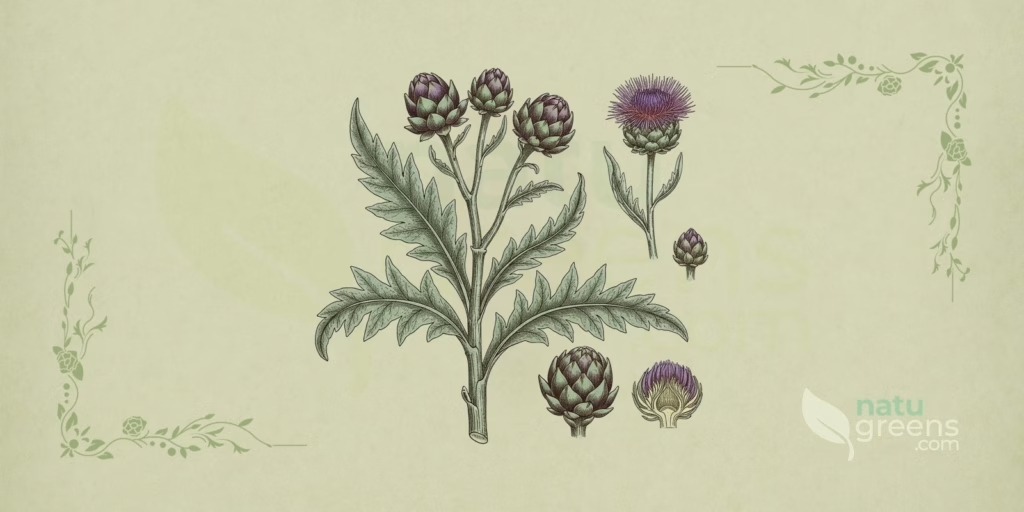
Immortelle belongs to the Asteraceae family, also called Compositae, one of the largest and most diverse families of flowering plants. The group’s most striking feature is the flower head, or capitulum, in which many tiny flowers gather into a structure that at first glance looks like a single flower. The family includes species of great economic, culinary and medicinal importance, such as chamomile, sunflower and artichoke. Immortelle shares their flower heads and their production of bioactive compounds, and it calls for the same caution in people who are allergic to plants of this group.
Parts of Immortelle Used
In folk medicine, the most commonly used parts are the flowers and leaves, usually dried, while the essential oil, obtained by distillation, is restricted to external use and aromatherapy because of its high concentration of active compounds.
- Essential oil
- Flowers
- Leaves
Ethnobotanical and Traditional Uses
The uses below come from the Mediterranean ethnobotanical record and do not replace medical diagnosis or treatment, since many of them have not yet been evaluated in clinical studies in people.
- Allergies and colds, in homemade infusions (traditionally reported)
- Antisepsis of minor injuries in folk medicine
- Bruises and ecchymoses, in compresses
- Coughs and bronchitis, as an expectorant (traditionally reported)
- Digestive, liver and gallbladder complaints, in infusion (traditionally reported)
- Local inflammation, with external application
- Mild insomnia, in Mediterranean folk medicine
- Minor wounds and mild burns, as an aid to healing (traditionally reported)
- Muscle and joint pain, in massages with diluted oil
- Skin problems such as eczema, psoriasis and acne (traditional use, not clinically proven)
Therapeutic Properties of Immortelle
The properties listed below combine folk-medicine attributions with activities observed in laboratory or animal studies, and none of them amounts to a proven clinical indication.
- Analgesic (traditionally used to relieve muscle and joint pain)
- Antiallergic (traditionally used in allergic conditions, without clinical confirmation)
- Anti-inflammatory (activity observed in laboratory studies and in animal models)
- Antimicrobial (activity observed in the laboratory against bacteria such as Staphylococcus aureus, fungi such as Candida albicans and some viruses)
- Antioxidant (free radical scavenging observed in laboratory assays)
- Antispasmodic (traditionally used to relieve spasms)
- Cholagogue and choleretic (traditionally reported to stimulate the production and flow of bile)
- Expectorant (traditionally used for coughs with phlegm)
- Hepatoprotective (traditional internal use, without clinical confirmation)
- Mucolytic (traditionally reported to thin mucus)
- Neuroprotective (attribution not confirmed in clinical studies)
- Photoprotective (effect of flavonoids observed in animal and human studies, still preliminary)
- Wound-healing (traditionally used in the care of minor wounds)
The anti-inflammatory action is the most studied: in experimental mouse models, extracts of the aerial parts reduced acute and chronic edema through mechanisms that include the inhibition of inflammatory enzymes, free radical scavenging and a corticosteroid-like effect. These results, however, were obtained in the laboratory and in animals and do not support conclusions about efficacy or dosage in people.
Detailed Phytochemical Profile of Immortelle
The chemical composition of immortelle spans several classes of compounds, and studies usually analyze the plant’s extracts and its essential oil separately, since their profiles differ considerably.
- Acetophenones
- Coumarins
- Diketones (italidiones)
- Essential oil (alpha-humulene, alpha-pinene, beta-caryophyllene, gamma-curcumene, neryl acetate)
- Flavonoids (apigenin, luteolin, quercetin, tiliroside)
- Phenolic acids (caffeic acid, protocatechuic acid)
- Phloroglucinols (arzanol)
- Phthalides
- Terpenoids
Arzanol, a phloroglucinol isolated from the subspecies microphyllum, showed anti-inflammatory and antioxidant activities in laboratory assays and also inhibited HIV-1 in cell culture. Flavonoids, acetophenones and terpenes, in turn, are associated with the antimicrobial activities described in the literature. One of the plant’s flavonoids inhibited certain cytochrome P450 enzymes in experimental studies, a finding that weighs on the assessment of possible drug interactions.
Preparation and Administration Forms of Immortelle
Immortelle preparations fall into two groups: external preparations, which account for most of its current use, and internal preparations, traditional in some countries but backed by little safety data.
- Compresses
- Cream or ointment
- Dry extract (only under professional guidance)
- Essential oil (diluted for topical use or in a diffuser, never ingested without guidance)
- Fluid extract (only under professional guidance)
- Infusion (flowers and leaves)
- Poultice
- Tincture (only under professional guidance)
General Dosage Guidelines
The amounts below summarize common references from aromatherapy and folk tradition and serve only as a starting point for a conversation with a healthcare professional, never as a prescription.
- Essential oil in a diffuser: 3 to 5 drops, in a well-ventilated room and away from young children.
- Essential oil on the skin: 1% to 5% dilution in a carrier vegetable oil, always after a patch test on a small area of skin.
- Infusion: tradition uses a small amount of dried flowers per cup of boiling water, but because safety data for prolonged internal use are lacking, the amount and frequency should be set with a healthcare professional.
- Pediatric use: consult a doctor or herbalist before any use in children.
- Tincture and extracts: only with a prescription and follow-up from a qualified professional, who sets the dose and duration.
Synergy with Other Medicinal Plants
Muscle Aches and Local Inflammation
In aromatherapy, immortelle is often paired with lavender (Lavandula angustifolia) in massage oils, a combination traditionally used for muscle and joint aches and in skin care. Lavender oil adds a scent regarded as calming to the blend. As with any essential oil, both must be diluted in a vegetable oil before coming into contact with the skin.
Skin Care and Minor Wounds
Combining immortelle with frankincense (Boswellia carterii) and myrrh (Commiphora myrrha) is a traditional aromatherapy practice for ointments and oils intended for the skin, especially on small cuts and superficial abrasions that have already been cleaned. In this tradition, the three plants are valued for the antiseptic and regenerating action attributed to them. Wounds that are deep, dirty, showing signs of infection or not closing within a few days need medical assessment, not homemade blends.
Respiratory Tract
For respiratory complaints, tradition combines immortelle with eucalyptus (Eucalyptus globulus) or tea tree (Melaleuca alternifolia), also known as melaleuca, in steam inhalations traditionally used for nasal congestion, coughs and phlegm. The choice reflects the expectorant and antimicrobial properties attributed to these oils. Concentrated inhalations are not suitable for young children, and eucalyptus oil in particular calls for extra caution in this age group.
Recipes and Usage Protocols of Immortelle
Warm Compress for Bruises
Ingredients: 2 to 3 drops of Helichrysum italicum essential oil, 1 tablespoon of carrier vegetable oil, warm water and a clean cloth.
Preparation: Mix the essential oil drops into the vegetable oil so that they are not concentrated on a single spot of skin, and gently spread the mixture over the bruise. Then soak the cloth in the warm water, wring it out well and cover the area for 10 to 15 minutes, repeating a few times a day. In aromatherapy tradition, this compress is used on bruises and swollen areas, with no promise of results and never on broken skin.
Traditional Infusion for the Airways
Ingredients: a small amount of dried Helichrysum italicum flowers and 1 cup (200 ml) of boiling water.
Preparation: Place the flowers in a cup, pour the boiling water over them, cover and let steep for about 10 minutes before straining. In Mediterranean tradition, this infusion is used for coughs, bronchitis and nasal congestion, because of the expectorant properties attributed to the plant. The lack of safety data for internal use, however, means that the amount of flowers and the number of cups per day should be decided with a professional. People with gallstones, pregnant or breastfeeding women and children should not use the infusion without guidance. Consult a healthcare professional before use.
Immortelle Massage Oil
Ingredients: 5 drops of Helichrysum italicum essential oil and 30 ml of carrier vegetable oil (sweet almond, jojoba or grapeseed).
Preparation: Mix the essential oil into the vegetable oil in a dark glass bottle and shake before each use. Apply to clean, unbroken skin, gently massaging areas with muscle or joint pain, as the blend is traditionally used after physical activity and for joint discomfort; anyone with arthritis or persistent pain should stay under medical follow-up. Do a patch test on a small area of skin first and stop using it if redness or itching appears.
Homemade Immortelle Ointment
Ingredients: 10 drops of Helichrysum italicum essential oil and 50 g of a neutral ointment base, such as a blend of shea butter, beeswax and coconut oil.
Preparation: Melt the base in a double boiler, remove it from the heat and, once it starts to cool, add the immortelle essential oil, mixing well. Pour into a sterilized container and let it set before closing the lid. The ointment is traditionally used on small superficial wounds, minor burns and skin irritations, applied in a thin layer to clean skin, while extensive or blistered burns, or burns on sensitive areas, require medical care.
Facial Steam with Dried Flowers
Ingredients: 3 tablespoons of dried Helichrysum italicum flowers and 1 liter of boiling water.
Preparation: Place the flowers in a large bowl, pour the boiling water over them and lean your face over the bowl at a safe distance, covering your head with a towel to hold in the steam for 10 to 15 minutes while you breathe calmly. This steam is traditionally used to cleanse the skin and for sinusitis and nasal congestion, leaving a feeling of freshness. It should not, however, be done by young children, because of the risk of burns and concentrated inhalation, nor by people with very sensitive skin or open lesions.
The preparations above follow traditional records and do not replace professional guidance. Before any internal use, check the contraindications and interactions described in this article.
Associated Therapies
Aromatherapy
In aromatherapy, Helichrysum italicum essential oil is prized for its sweet, herbaceous fragrance, considered warm and calming. It is often used in diffusers or, diluted, in massages intended to encourage relaxation and ease feelings of stress and anxiety. The same practice uses the oil in blends for muscle aches and skin care, always externally or by inhalation and in a well-ventilated room, without replacing treatment for anxiety disorders or inflammatory diseases.
Clinical Herbal Medicine
In clinical herbal medicine, immortelle appears in standardized extracts, capsules and tinctures used as support in inflammatory conditions, circulatory complaints and skin care, although the evidence base in humans is still small. Dose, form of administration and duration should be adjusted by healthcare professionals, who assess each patient’s needs and possible interactions with other medications, especially anticoagulants and blood sugar-lowering drugs.
Homeopathy
In homeopathy, Helichrysum italicum preparations are made by successive dilutions of the mother tincture and, according to the principles of this practice, indicated for bruises, trauma and skin problems. The choice of remedy is based on individual symptoms and on the principle of similars. These indications follow homeopathy’s own logic and are not supported by robust clinical studies, so use should be guided by a qualified practitioner and should not delay the medical assessment of persistent injuries or pain.
Contraindications and Side Effects of Immortelle
Essential Safety Warnings
Immortelle is used mainly as an essential oil in cosmetics and aromatherapy, and its traditional internal use, aimed at the liver and gallbladder, is far more limited, which makes the precautions below indispensable.
- Essential oil: it is for external use and aromatherapy and must never be ingested without guidance from a qualified professional, due to its high concentration of active compounds.
- Gallstones: contraindicated in cholelithiasis (gallstones) without medical guidance, due to its choleretic effect.
- Pregnancy and breastfeeding: do not use during pregnancy and breastfeeding without professional guidance.
- Topical application: avoid topical application without proper dilution, due to the risk of skin irritation.
- Young children: do not use in young children through concentrated inhalation.
General Contraindications
Immortelle is contraindicated for people with a known allergy to plants of the Asteraceae family, such as daisies, chrysanthemums and ragweed. The scientific literature also records at least one case of allergic reaction to extracts of the plant itself, which may appear as contact dermatitis or hives. Pregnant and breastfeeding women should not use the plant without professional guidance, since tradition describes a possible emmenagogue effect capable of stimulating uterine contractions. People with gallstones or bile duct obstruction, for their part, need a medical assessment before any internal use, because of the choleretic effect.
Common Side Effects
Reported side effects tend to be rare and mild, but some people experience nausea or stomach discomfort when drinking infusions, and applying undiluted essential oil can cause skin irritation or sensitization. For this reason, a patch test on a small area is recommended before applying the diluted oil to larger areas, and use should be stopped if persistent redness, itching or burning occurs. In laboratory studies, the plant showed no relevant levels of cytotoxicity or genotoxicity, a result that does not replace safety data obtained in humans.
Drug Interactions
The presence of coumarins has led to the hypothesis that immortelle may enhance the effect of anticoagulants such as warfarin, increasing the risk of bleeding. In addition, one of the plant’s flavonoids inhibited cytochrome P450 enzymes in experimental studies, a mechanism that can alter the metabolism of many medications. The plant is also credited with a mild blood sugar-lowering effect, not yet clinically confirmed, so people taking diabetes medication should monitor their blood glucose and talk to their doctor. Anyone on long-term medication should consult a healthcare professional before starting to use immortelle.
Historical Notes and Interesting Facts
Origin of the Name
The name Helichrysum comes from the Greek words “helios” (sun) and “chrysos” (gold), a reference to the bright yellow flowers that resemble small suns. The epithet italicum refers to Italy, one of the countries where the species is native. The names immortelle and everlasting, like the Portuguese imortela, reflect the flowers’ ability to keep their color and shape even after drying. This is why the plant became a frequent element in dried flower arrangements and wreaths, associated with eternity and remembrance.
Traditional and Historical Use
Various Mediterranean cultures turned to immortelle in folk medicine for wounds, burns and respiratory problems, and legends tell of soldiers using it after battles to help their wounds heal. Despite the names curry plant and erva-do-caril, inspired by the scent of its leaves, immortelle is not used in Indian cooking to make curry, nor is it related to the curry tree (Murraya koenigii). Besides the note reminiscent of the spice, its fragrance has resinous, slightly bitter traits that many compare to those of sage and wormwood.
Frequently Asked Questions about Immortelle
Can Immortelle Essential Oil Be Used Undiluted on the Skin?
No, because Helichrysum italicum essential oil is highly concentrated and should always be diluted in a carrier vegetable oil, such as sweet almond or jojoba oil, before being applied to the skin. Used undiluted, it can cause irritation or sensitization, especially on sensitive skin, and the dilution usually ranges from 1% to 5%, always after a patch test on a small area.
Is Immortelle Safe for Pregnant and Breastfeeding Women?
Pregnant and breastfeeding women should not use immortelle without professional guidance, whether as an infusion or as an essential oil, because tradition attributes to the plant a possible emmenagogue effect, capable of stimulating uterine contractions. Since safety studies covering these stages are lacking, the decision must be made with a doctor or a qualified healthcare professional.
What Are the Main Uses of Immortelle Essential Oil?
Helichrysum italicum essential oil is used, always diluted, in cosmetics and aromatherapy, with a traditional record in the care of minor wounds, bruises and ecchymoses, muscle and joint pain and skin problems such as eczema, psoriasis and acne. In aromatherapy, it is valued for a scent considered relaxing, used with the aim of easing feelings of stress and anxiety, but these uses have not yet been confirmed by clinical studies.
Does Immortelle Interact with Medications?
It may, as the presence of coumarins suggests a risk of enhancing anticoagulants and increasing the chance of bleeding. In addition, one of its flavonoids inhibited drug-metabolizing enzymes in experimental studies. The plant is also credited with a mild blood sugar-lowering effect, which calls for blood glucose monitoring in people with diabetes, and anyone on long-term medication should tell their doctor or pharmacist before using the plant.
Can Immortelle Essential Oil Be Taken Internally?
Immortelle essential oil is for external use and aromatherapy and should never be ingested without guidance from a qualified professional, due to its high concentration of active compounds. The plant’s traditional internal use takes the form of an infusion of flowers and leaves, and even this use, aimed at the liver and gallbladder, should be guided by a healthcare professional.
Can People with Gallstones Use Immortelle?
Immortelle is contraindicated in cholelithiasis (gallstones) without medical guidance, due to its choleretic effect, that is, the stimulation of bile production attributed to the plant. In people with gallstones, this stimulation is undesirable without prior assessment, which is why internal use should only take place under medical supervision.
Notice: this content is for informational purposes and does not replace professional medical advice. Consult a physician or herbal practitioner before using medicinal plants, especially during pregnancy, breastfeeding, or alongside medication.
References and Scientific Studies
- PMC2014 Antunes Viegas D, et al. Helichrysum italicum: from traditional use to scientific data. J Ethnopharmacol. 2014.
- PMC2007 Appendino G, et al. Arzanol, an anti-inflammatory and anti-HIV-1 phloroglucinol alpha-Pyrone from Helichrysum italicum ssp. microphyllum. J Nat Prod. 2007.
- PMC2023 Furlan V, Bren U. Helichrysum italicum: From Extraction, Distillation, and Encapsulation Techniques to Beneficial Health Effects. Foods. 2023.
- PMC2001 Nostro A, et al. Effects of Helichrysum italicum extract on growth and enzymatic activity of Staphylococcus aureus. Int J Antimicrob Agents. 2001.
- PMC2007 Rosa A, et al. Evaluation of the antioxidant and cytotoxic activity of arzanol, a prenylated alpha-pyrone-phloroglucinol etherodimer from Helichrysum italicum subsp. microphyllum. Chem Biol Interact. 2007.
- PMC2002 Sala A, et al. Anti-inflammatory and antioxidant properties of Helichrysum italicum. J Pharm Pharmacol. 2002.