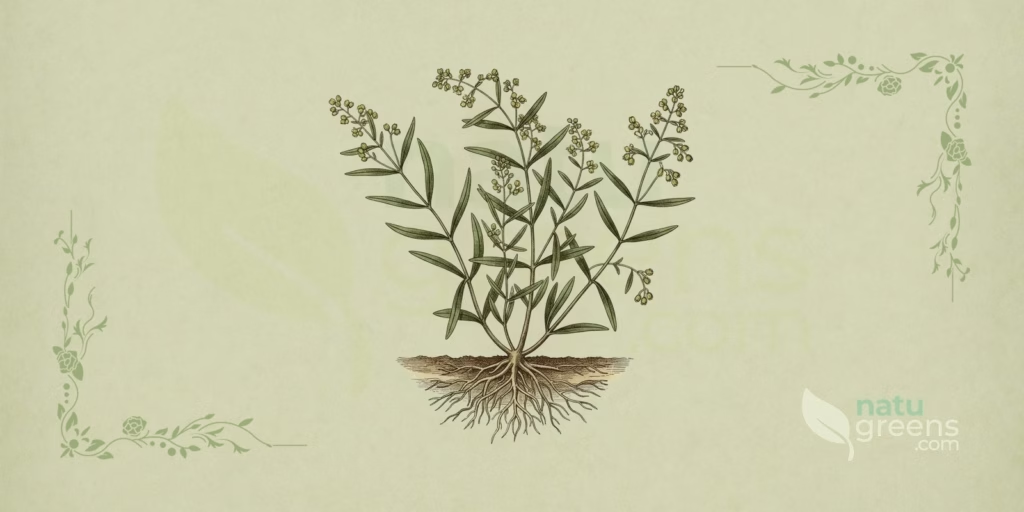
Garcinia gummi-gutta (L.) N.Robson / Garcinia, also known as Malabar tamarind, is a tropical species of the genus Garcinia native to South and Southeast Asia. This plant belongs to the family Clusiaceae and is valued for its fruit, which resembles a small pumpkin and ranges in color from green to pale yellow. Historically, Garcinia gummi-gutta has been used in traditional cooking and folk medicine across several Asian cultures, mainly for its sour flavor and its potential properties.
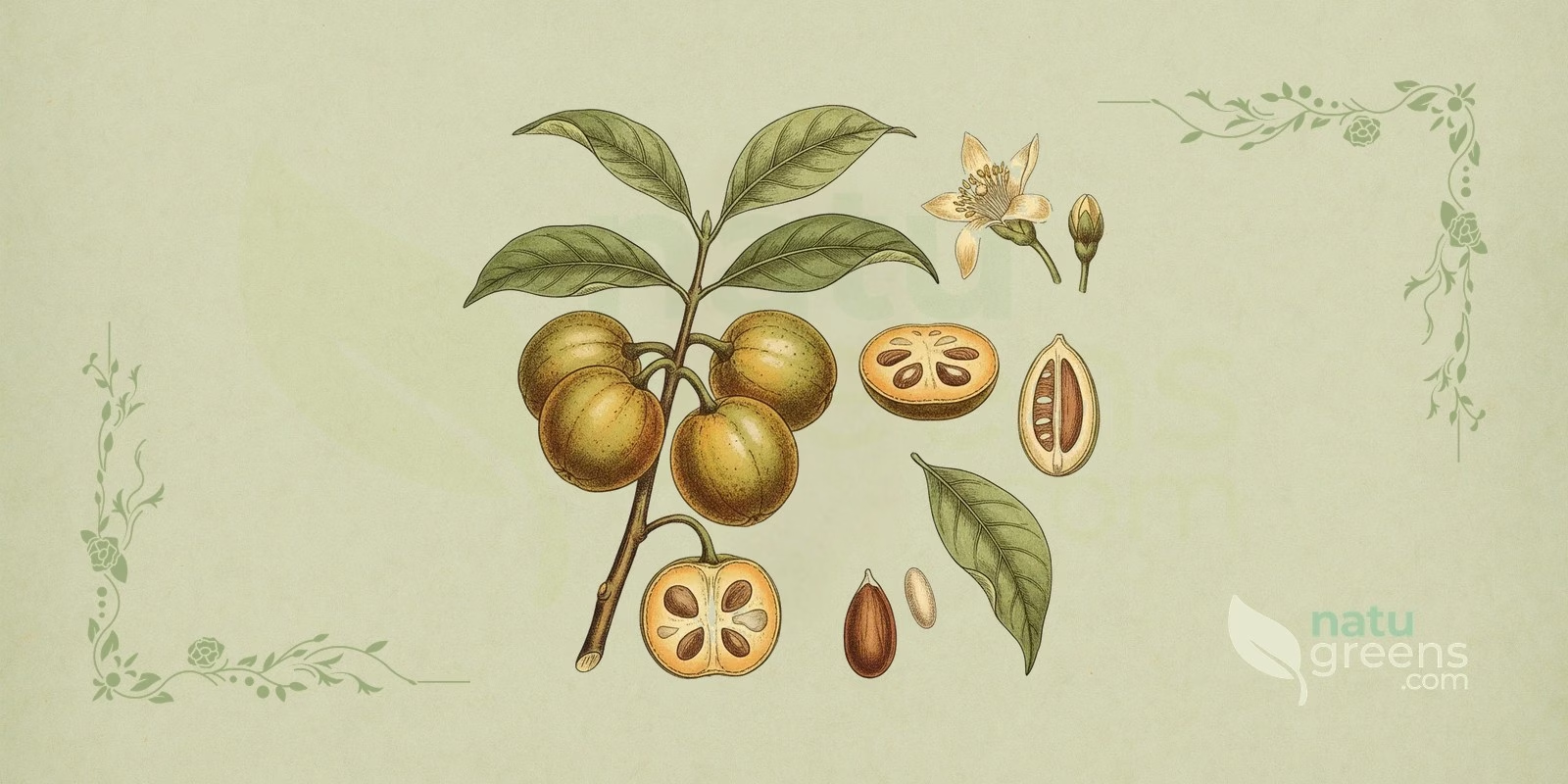
The rind of the Garcinia gummi-gutta fruit is the most studied part, being rich in hydroxycitric acid (HCA), a compound that has generated considerable interest within the scientific community. HCA is the main phytochemical associated with the plant’s purported effects on weight loss, although scientific evidence regarding its effectiveness and safety remains a matter of debate. Traditional uses of garcinia extend well beyond weight management, however, spanning digestive and anti-inflammatory applications that are explored in this article.
Popular and International Names of Garcinia
- English: garcinia cambogia, malabar tamarind, brindle berry, goraka.
- Spanish: garcinia cambogia, tamarindo malabar.
- Portuguese: brindle berry (BR), garcinia, tamarindo-malabar.
- French: garcinia cambogia, tamarinier de Malabar.
- Italian: garcinia cambogia, tamarindo malabar.
- German: Malabar-Tamarinde, Garcinia Cambogia.
Botanical Synonyms of Garcinia gummi-gutta
The scientific name Garcinia gummi-gutta (L.) N.Robson is the currently accepted name. However, the plant is widely known by its earlier synonym, Garcinia cambogia (Gaertn.) Desr., which is still frequently used in publications and in the supplement trade. Other synonyms include Cambogia gummi-gutta L., Cambogia solitaria Stokes, Garcinia affinis Wight & Arn., and Garcinia sulcata Stokes.
Botanical Family: Clusiaceae
Garcinia gummi-gutta belongs to the family Clusiaceae, also known as Guttiferae. This family is made up of predominantly tropical trees and shrubs and is recognized for its resin canals, which produce latex or resins. The Clusiaceae family includes several genera of economic and medicinal importance, such as Garcinia, Clusia, and Hypericum. Many species in this family are valued for their edible fruit, timber, or bioactive compounds.
Species within the genus Garcinia are notable for their diversity and for producing a wide range of phytochemicals, including xanthones, biflavonoids, and organic acids. These compounds contribute to the medicinal and culinary properties of many plants in the family. Garcinia gummi-gutta, in particular, stands out for the concentration of hydroxycitric acid in its rind, a compound that has been the subject of intense research owing to its potential metabolic effects.
Parts of Garcinia Used
- Fruit
- Fruit rind
Ethnobotanical and Traditional Uses
- Curry seasoning
- Diarrhea
- Gastrointestinal disorders
- Intestinal parasites
- Rheumatic pain
- Ulcers
Therapeutic Properties of Garcinia
- Anti-inflammatory (studied effect on reducing inflammation)
- Antioxidant (activity studied against free radicals)
- Antiobesity (studied to help support weight reduction)
- Hepatoprotective (studied protective effect on the liver)
- Hypocholesterolemic (studied effect on reducing cholesterol)
- Hypoglycemic (studied effect on reducing blood sugar)
Detailed Phytochemical Profile of Garcinia
- Biflavonoids
- Garcinol
- Hydroxycitric acid (HCA)
- Isogarcinol
- Kaempferol
- Luteolin
- Polyphenols
- Xanthones
Preparation and Administration Forms of Garcinia
- Capsules
- Dried fruit
- Extract
- Powder
Synergy with Other Medicinal Plants
Weight Management
Garcinia gummi-gutta, owing to its hydroxycitric acid (HCA) content, is often combined with other plants used to support weight management. Pairing it with green tea (Camellia sinensis) is thought to build on its thermogenic and antioxidant qualities, supporting a more active metabolism. Green tea is rich in catechins, which, alongside HCA, are traditionally combined to help address fat metabolism and appetite regulation. This pairing is intended to offer a more complete approach to weight control.
Digestive Health
For digestive support, garcinia can be combined with ginger (Zingiber officinale) or peppermint (Mentha × piperita). Ginger is known for its carminative and antiemetic properties, which can round out garcinia’s traditional role in easing gastrointestinal discomfort. Peppermint, in turn, has antispasmodic properties that may help with cramping and abdominal discomfort. These pairings aim to support digestion and reduce symptoms such as bloating and flatulence.
Recipes and Usage Protocols of Garcinia
Garcinia Rind Tea for Digestion
Ingredients: 1-2 pieces of dried Garcinia gummi-gutta rind, 250 ml of water.
Preparation: Boil the water and add the dried rind pieces. Let steep for 10-15 minutes. Strain and drink warm. This tea is traditionally taken after meals to support digestion and ease symptoms of indigestion. The dried rind is traditionally used in South Indian cooking to add a sour flavor and support digestion.
HCA Supplement for Weight Management
Ingredients: Capsules of Garcinia gummi-gutta extract standardized to 50-60% HCA.
Preparation: Dosage should be determined by a health professional based on the manufacturer’s instructions, taking into account the HCA content of the extract and the health history of the person using it, particularly regarding liver function and glycemic control. Professional guidance should not be exceeded, given the documented risk of liver toxicity associated with commercial garcinia supplements. The effectiveness of HCA for weight loss is controversial and may vary between individuals.
The preparations above follow traditional records and do not replace professional guidance. Before any internal use, review the contraindications and interactions described in this article.
The preparations above follow traditional records and do not replace professional guidance. Before any internal use, check the contraindications and interactions described in this article.
Associated Therapies
Phytotherapy
In phytotherapy, Garcinia gummi-gutta is mainly used in the form of standardized extracts, focused on its hydroxycitric acid (HCA) content. These extracts are used as adjuncts in weight management programs, with the aim of curbing appetite and limiting fat synthesis. Modern phytotherapy also recognizes its traditional uses for digestive complaints and as a seasoning. Dosage and formulation are carefully considered to help maximize benefits while minimizing potential adverse effects.
Contraindications and Side Effects of Garcinia
General Contraindications
Garcinia gummi-gutta is contraindicated for women who are pregnant or breastfeeding, children, and individuals with pre-existing liver or kidney disease. People with diabetes should use it with caution, as garcinia may affect blood sugar levels and require medication adjustment. Individuals with dementia or Alzheimer’s disease should also avoid its use, owing to potential interactions and adverse neurological effects. Consulting a health professional is essential before starting any supplementation.
Common Side Effects
The most frequently reported side effects include nausea, gastrointestinal discomfort, diarrhea, headaches, and dry mouth. These symptoms are generally mild and short-lived. In some cases, however, they can be more pronounced, leading to discontinued use. It is important to monitor for any adverse reaction and seek medical advice if symptoms persist or worsen. The occurrence of side effects may be related to dosage and individual sensitivity.
Drug Interactions
Garcinia gummi-gutta may interact with several medications. There is a potential interaction with serotonergic drugs, such as antidepressants, increasing the risk of serotonin syndrome. It may also interact with hepatotoxic medications, increasing the risk of liver damage. In addition, it may amplify the effects of diabetes medications, leading to hypoglycemia. Other interactions include those with statins (cholesterol medications) and anticoagulants. Always inform your doctor about all supplements you are taking.
Historical Notes and Interesting Facts
Traditional Culinary Use
In South Indian and Southeast Asian cooking, the dried rind of Garcinia gummi-gutta, known as kudam puli or goraka, is an essential ingredient. It is used to give curries, soups, and other dishes a sour flavor and a distinctive aroma. This traditional use dates back centuries, reflecting the plant’s deep integration into local cuisine. The rind is typically sun-dried and cured, becoming dark and wrinkled before being added to dishes.
Discovery of HCA and Rise in Popularity
Garcinia gummi-gutta gained global attention in the 1960s, when researchers identified hydroxycitric acid (HCA) in its rind. This compound was quickly linked to potential effects on weight loss, driving a significant rise in its popularity as a dietary supplement. Media attention, especially after promotion by public figures, further fueled interest, despite ongoing scientific controversy surrounding its effectiveness and safety. Research nonetheless continues to explore the therapeutic potential of HCA and other phytochemicals found in the plant.
Frequently Asked Questions about Garcinia
Is Garcinia Safe for Weight Loss?
The safety of garcinia for weight loss is a controversial topic. While some studies suggest modest benefits, there are reports of adverse effects, including liver toxicity, especially with commercial products containing extracts of the plant. It is essential to consult a health professional before using garcinia supplements, to weigh individual risks and benefits and to avoid drug interactions. Dosage and product quality are crucial factors to consider.
What Are the Main Traditional Uses of Garcinia?
Traditionally, garcinia is used as a seasoning in South Indian and Southeast Asian cooking, where it gives a sour flavor to dishes such as curries. In folk medicine, it is used to address gastrointestinal disorders, diarrhea, ulcers, and rheumatic pain. These ethnobotanical uses reflect a long history of application of the plant across various cultures, well before its popularity as a weight-loss supplement. The fruit rind is the part most commonly used for these purposes.
How Does Garcinia Interact with Medications?
Garcinia may interact with several medications, including antidepressants (risk of serotonin syndrome), hepatotoxic drugs (increased risk of liver damage), diabetes medications (potential for hypoglycemia), statins, and anticoagulants. It is crucial to inform your doctor about all supplements you are taking to avoid dangerous interactions. Self-medicating with garcinia, especially in combination with other drugs, can have serious health consequences.
How Does Garcinia’s Hydroxycitric Acid (HCA) Work?
Hydroxycitric acid, concentrated in the fruit rind, is the most studied compound in Garcinia gummi-gutta and is generally associated with inhibiting the enzyme that converts carbohydrates into fat, along with a possible appetite-suppressing effect. Extracts standardized to 50-60% HCA are used as adjuncts in weight management programs, although scientific evidence on the true magnitude of these effects remains debated among researchers. For this reason, the compound should be viewed as a complement to, rather than a substitute for, balanced eating habits and physical activity.
What Are the Most Common Side Effects of Garcinia?
The most frequently reported side effects include nausea, gastrointestinal discomfort, diarrhea, headaches, and dry mouth, generally mild and short-lived. In rarer cases, particularly with prolonged use or high doses, cases of liver toxicity linked to commercial garcinia supplements have been documented. Any persistent adverse reaction should be evaluated by a health professional, who can advise on discontinuing use.
Who Should Avoid Using Garcinia?
The use of garcinia is contraindicated for women who are pregnant or breastfeeding, children, and people with pre-existing liver or kidney disease. People with diabetes need medical supervision, since the plant may alter blood sugar levels and require medication adjustment, while individuals with dementia or Alzheimer’s disease should also avoid its use because of the risk of neurological interactions. Evaluation by a health professional is essential before starting any supplementation with this plant.
Notice: this content is for informational purposes and does not replace professional medical advice. Consult a physician or herbal practitioner before using medicinal plants, especially during pregnancy, breastfeeding, or alongside medication.
References and Scientific Studies
Peer-Reviewed Scientific Studies (4)
- PEER2015 Semwal, R. B., Semwal, D. K., Verma, A. K., & Singh, M. K. (2015). A comprehensive scientific overview of Garcinia cambogia. Fitoterapia, 102, 134-148. ScienceDirect
- DOI2018 Crescioli, G., Lombardi, N., Bettiol, A., Marconi, E., Risaliti, F., Bertoni, M., … & Vannacci, A. (2018). Acute liver injury following Garcinia cambogia weight-loss supplementation: case series and literature review. Internal and Emergency Medicine, 13(6), 857-872. ↗
- DOI2017 Sulaiman, C. T., & Balachandran, I. (2017). LC/MS characterization of phenolic antioxidants of Brindle berry (Garcinia gummi-gutta (L.) Robson). Natural Product Research, 31(10), 1191-1194. ↗
- DOI2023 Anilkumar, A. T., & Krishnakumar, K. (2023). Garcinia gummi-gutta: Phytochemicals and pharmacological properties. BioFactors, 49(2), 243-256. ↗
Institutional Sources (1)
- GOV2011 Onakpoya, I., Hung, S. K., Perry, R., Wider, B., & Ernst, E. (2011). The Use of Garcinia Extract (Hydroxycitric Acid) as a Weight loss Supplement: A Systematic Review and Meta-Analysis of Randomised Clinical Trials. Journal of Obesity, 2011, 509038. PubMed Central