Prunus persica (L.) Batsch / Peach, commonly known as peach, peach tree and, in some regions, nectarine (the name given to the smooth-skinned variety), is a deciduous tree of the Rosaceae family. Native to China, where it has been cultivated since the Neolithic period, the species spread around the world thanks to its juicy, nutritious fruit. The epithet persica refers to its widespread cultivation in Persia (present-day Iran), from where it reached Europe. The peach is prized both for its fruit and for the ornamental flowers that appear in spring.
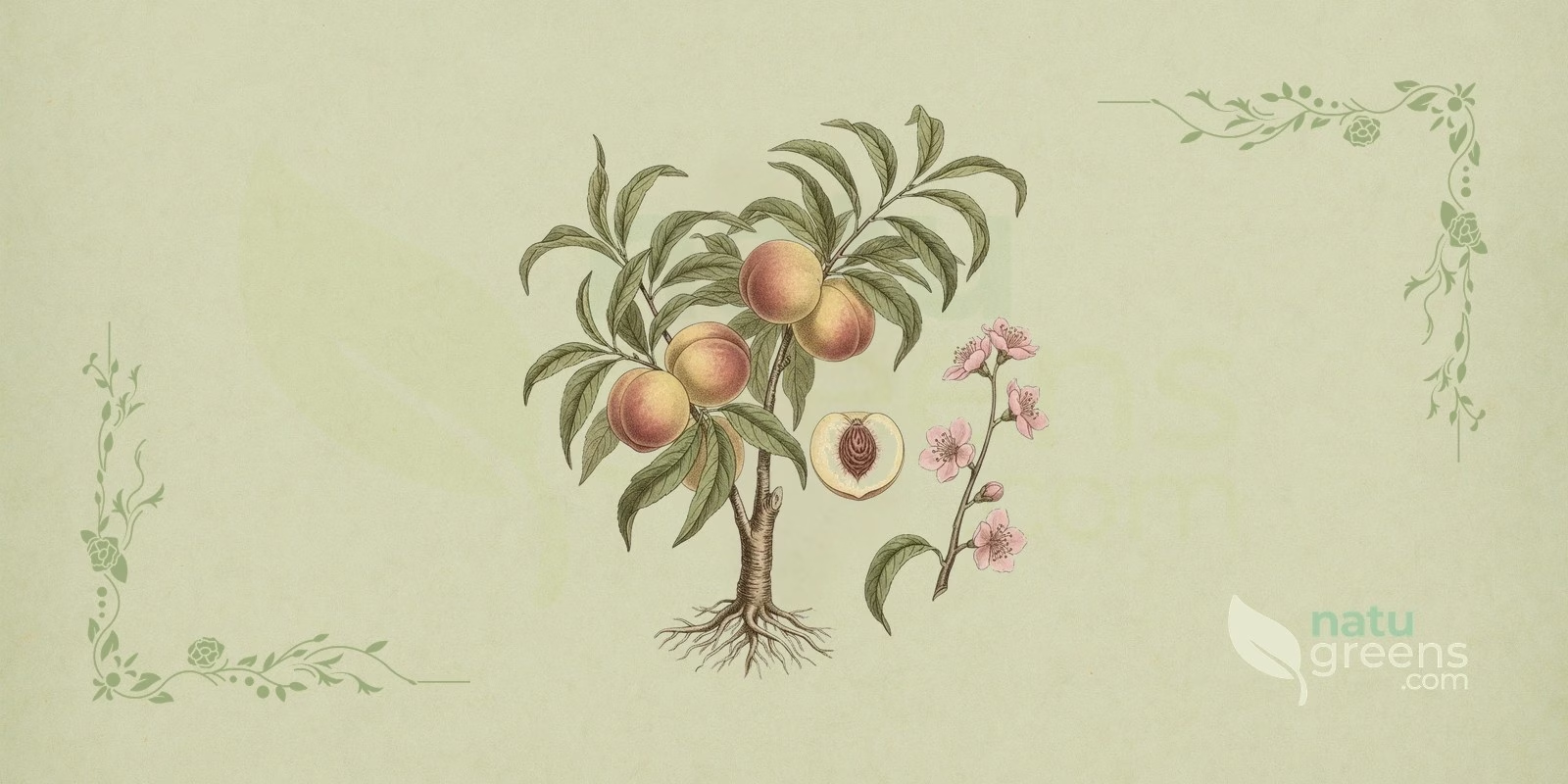
In traditional Chinese medicine and other cultures, various parts of the peach tree, such as the leaves, flowers, bark and seeds, have been used for medicinal purposes. Modern research explores the antioxidant, anti-inflammatory and other biological actions of its phytochemical compounds, almost always in laboratory or animal studies. Among temperate-climate fruits, the peach is surpassed in production only by the apple and the pear, and in several Asian cultures it is a symbol of longevity. The leaves, the bark and above all the kernel inside the stone, however, contain amygdalin, which calls for caution in the medicinal use of these parts, a topic covered in detail in the contraindications section.
Popular and International Names of Peach
- English: clingstone peach, common peach, freestone peach, nectarine (smooth-skinned variety), peach, peach tree.
- French: brugnon, nectarine, pavie, pêche.
- German: Echter Pfirsich, Nektarine, Pfirsich.
- Italian: nettarina, pesca.
- Portuguese: nectarina (smooth-skinned variety), pêssego (fruit), pessegueiro (tree).
- Spanish: durazno (Latin America), melocotón (Spain), nectarina.
Botanical Synonyms of Prunus persica
Amygdalus persica L. is a botanical synonym often found in the literature, assigned by Carl Linnaeus in 1753 in Species Plantarum, whereas the accepted combination, Prunus persica, was published by August Batsch in 1801. Other recorded synonyms include Persica vulgaris Mill. and Prunus persica var. densa, names that still appear in horticultural catalogs and older works. Although most sources adopt Prunus persica, some floras, such as the Flora of China, still place the peach in the genus Amygdalus, which keeps the debate over the boundaries of the group alive in part of the scientific literature.
Botanical Family: Rosaceae
The Rosaceae family, also known as the rose family, is one of the largest and most diverse families of flowering plants, with about 100 genera and more than 4,800 species distributed worldwide. It ranges from herbs to shrubs and trees, many of great economic, food and ornamental importance, such as apples, pears, strawberries, raspberries, almonds and, of course, peaches.
Plants of the Rosaceae family are characterized by flowers that are usually hermaphroditic and radially symmetrical, with five sepals, five petals and numerous stamens, while the fruits vary widely and include drupes (such as the peach), pomes (such as the apple) and achenes (such as those of the strawberry). The phytochemical diversity of the family is also considerable, with many species producing bioactive compounds such as polyphenols and flavonoids, which contribute to their medicinal and nutritional properties, and several of them, including the peach tree, accumulate cyanogenic glycosides in their seeds.
Parts of Peach Used
- Bark
- Flowers
- Fruit
- Leaves
- Seeds (kernel inside the stone)
Of the parts listed, only the ripe fruit has a usual and safe food use, since the leaves, bark and seeds concentrate amygdalin and call for extra caution in any medicinal preparation.
Ethnobotanical and Traditional Uses
Ethnobotanical records attribute the uses listed below to the peach tree, reflecting folk tradition and traditional Chinese medicine rather than proven clinical indications.
- Anxiety and restlessness (nervous system support)
- Bronchial catarrh
- Constipation
- Cough and bronchitis
- Dermatitis and skin rashes
- Fevers and colds
- Flu
- General aches and pains
- Menstrual disorders (amenorrhea, dysmenorrhea)
- Nausea and vomiting relief
- Upper gastrointestinal disorders
- Wounds and sores
Therapeutic Properties of Peach
The properties below bring together traditional records and findings from laboratory or animal studies, so none of them should be read as a proven effect in humans or as a substitute for medical evaluation.
- Analgesic (traditional record for pain relief)
- Anti-inflammatory (activity observed in laboratory studies with extracts of the plant and its flowers)
- Antibacterial (activity described in laboratory assays with extracts)
- Antioxidant (phenolic compounds and carotenoids neutralize free radicals in laboratory assays)
- Antiparasitic (traditional record, without clinical confirmation)
- Antispasmodic (traditional record for spasm relief)
- Cardioprotective (hypothesis investigated in preliminary studies)
- Demulcent (traditional record of a soothing action on mucous membranes)
- Diuretic (traditional record, especially for the flowers in Chinese medicine)
- Expectorant (traditional record for the bark)
- Hypoglycemic (effect observed in animal studies, without clinical evidence)
- Laxative (mild effect attributed to the flowers and to the fiber in the fruit)
- Neuroprotective (activity investigated in nerve cells in the laboratory)
- Sedative (traditional record for the leaves)
Detailed Phytochemical Profile of Peach
- Amygdalin (cyanogenic glycoside of the stone kernel, also present in the leaves and bark)
- Anthocyanins (cyanidin-3-glucoside)
- Carotenoids (beta-carotene, lutein, zeaxanthin)
- Coumarins
- Flavan-3-ols (catechin, epicatechin)
- Flavonoids (kaempferol, quercetin)
- Minerals (magnesium, phosphorus, potassium)
- Phenolic acids (caffeic acid, chlorogenic acid)
- Vitamins (A, B3, B6, C, E, K)
The composition varies considerably from one part of the plant to another: the ripe flesh mainly provides carotenoids, phenolic compounds, vitamins and minerals, whereas amygdalin is concentrated in the stone kernel and occurs in smaller amounts in the leaves and bark. This explains the difference in safety between eating the fruit and using the other parts.
Preparation and Administration Forms of Peach
- Decoction (bark and, in Chinese medicine, processed seeds under professional prescription)
- Extract
- Fruit consumption (fresh, in preserves or in juices)
- Poultice (fresh leaves, external use)
- Seed oil (external use)
- Tea (infusion of leaves or flowers)
- Tincture
Doses vary according to the part of the plant and the preparation method, and the amount, frequency and duration should be set by a health professional or a qualified herbalist. For leaf tea, traditional guidance is to use only a little leaf, as an infusion only and without prolonged boiling. Bark decoction, which can concentrate amygdalin, is not recommended for home use, and the dose of flower tincture needs to be adjusted individually.
Seed extracts should only be used under professional supervision because of their amygdalin content, while topical preparations, whether poultice or oil, can be applied to the affected area as needed, provided a sensitivity test is first carried out on a small patch of skin.
Synergy with Other Medicinal Plants
Digestive Health
In herbal tradition, peach leaves appear combined with peppermint (Mentha × piperita) and ginger (Zingiber officinale) in light infusions intended to relieve nausea, vomiting and gastrointestinal discomfort. The reasoning behind the blend is that the carminative properties attributed to peppermint and ginger would complement the sedative and demulcent action that tradition recognizes in peach leaves, resulting in a calming, digestive preparation. This blend is traditionally used for indigestion and flatulence, always with a small amount of peach leaves and a brief infusion, without boiling.
Nervous System Support
In traditional records of anxiety and restlessness, peach is paired with valerian (Valeriana officinalis) or passionflower (Passiflora incarnata). The leaves, with the mild sedative properties that tradition attributes to them, would add their action to that of the compounds with anxiolytic activity studied in these two plants. This combination is traditionally used to encourage relaxation, sleep quality and emotional balance, but anyone already taking sedatives, anxiolytics or sleep aids should avoid it without professional guidance, given the risk of additive effects.
Skin Health
In topical applications, peach leaf extract is traditionally combined with calendula (Calendula officinalis) and aloe vera (Aloe vera) for skin irritation, rashes and minor wounds. In this tradition, the anti-inflammatory properties observed in laboratory studies with peach tree extracts add to the wound-healing action attributed to calendula and to the moisturizing, soothing effect of aloe vera. The combination is recorded for various mild skin conditions, and it is advisable to try it first on a small patch of skin.
Recipes and Usage Protocols of Peach
Peach Leaf Tea for Nausea
A preparation traditionally used for nausea, vomiting and mild stomach discomfort, made as a brief infusion with only a small amount of leaves, precisely to avoid concentrating the amygdalin they contain.
Ingredients: a small amount of dried peach leaves and 200 ml of freshly boiled water.
Preparation: Place the leaves in a cup, pour the water over them with the heat already off, cover and steep for a few minutes, then strain, never bringing the leaves to a boil. The amount of leaves, the frequency and the duration of use should be set with a health professional, and this tea should not be given to young children or to pregnant or breastfeeding women; consult a health professional before use.
Fresh Leaf Poultice for Skin Rashes
An external application traditionally used for skin rashes, insect bites and minor skin irritation, without contact with open or extensive wounds.
Ingredients: fresh peach leaves and water.
Preparation: Crush the fresh leaves into a paste, adding a little water if needed to reach a suitable consistency, and apply directly to the affected area. Cover with clean gauze and leave on for 20 to 30 minutes, repeating up to twice a day, according to the traditional record, and stop use if redness, itching or burning appears at the site.
Bark Decoction for Cough and Bronchitis: Why You Should Avoid It at Home
Peach bark decoction appears in traditional records for persistent cough and bronchitis symptoms, supported by the expectorant and demulcent properties that folk medicine attributes to this part of the tree.
Because the bark contains amygdalin and prolonged boiling can concentrate the compound, this guide does not give a home recipe with quantities or boiling times for this preparation. Anyone interested in the traditional use of the bark should consult a qualified herbalist or health professional, who can assess the real need, the origin of the material and safer alternatives for the respiratory tract.
Peach Kernel Oil for Massage
An oil strictly for external use, traditionally used to moisturize and nourish dry or mature skin in massages after bathing.
Ingredients: pure, cold-pressed, cosmetic-grade peach kernel oil.
Preparation: Warm a small amount of the oil slightly between your hands and massage the skin with gentle movements. Rich in vitamins and essential fatty acids, the oil can be used daily, provided it has first been tested on a small area of skin, and it must never be swallowed.
Peach Blossom Tincture for Constipation
A preparation traditionally used for mild constipation, since tradition attributes a gentle laxative effect to peach blossoms.
Ingredients: 50 g of fresh peach blossoms and 250 ml of 70% grain alcohol.
Preparation: Place the flowers in a dark glass jar, cover them with the alcohol, seal tightly and leave to macerate for 2 weeks in a cool, dark place, shaking daily, then strain and store the tincture. The number of drops, the dilution in water and the frequency of use should be set by a health professional, and because it contains alcohol, the tincture is not suitable for children, pregnant or breastfeeding women, or people who avoid alcoholic beverages; consult a health professional before use.
The preparations above follow traditional records and do not replace professional guidance. Before any internal use, check the contraindications and interactions described in this article.
Associated Therapies
Aromatherapy
Although peach is not a common source of essential oil for aromatherapy, the scent of the fruit is widely used in wellness products, and peach essences and fragrances go into settings designed to convey relaxation, comfort and cheerfulness. The sweetness and freshness of this scent may have a positive effect on mood and help ease stress and emotional tension, which makes this practice a complementary therapy aimed at psychological well-being, not at treating disease.
Clinical Herbal Medicine
In clinical herbal medicine, the peach tree is of interest mainly for its leaves, flowers and seeds, used in various preparations, and standardized extracts of Prunus persica leaves are being studied for their anti-inflammatory and antioxidant properties. In recent research, a leaf extract was evaluated in rats fed a high-fructose diet, and extracts of the plant and its flowers were tested in cells grown in the laboratory, with results that have not yet been confirmed in humans. In traditional practice, the peach tree is used as support for digestive disorders, inflammation and skin care. The dose and form of administration are adjusted by practitioners according to each patient’s condition and possible interactions with other medications.
Traditional Chinese Medicine (TCM)
In Traditional Chinese Medicine, peach seeds, known as Tao Ren, are widely used and considered bitter, sweet and neutral in nature, acting on the heart, liver and large intestine meridians. Tradition uses Tao Ren to move the blood and break up stasis, with historical indications in amenorrhea, dysmenorrhea and abdominal masses, and also to moisten the intestines, relieve constipation and calm cough. The same tradition turns to the flowers to promote diuresis and to the leaves for fever and inflammation. In this practice, the seeds are used in processed form in formulas prescribed by qualified practitioners, which should not be reproduced at home, since the stone kernel contains amygdalin and must never be taken on one’s own.
Contraindications and Side Effects of Peach
Risk of Cyanide Poisoning
The peach tree (Prunus persica) bears a fruit that is commonly and safely eaten, but the leaves, the bark and above all the kernel inside the stone contain amygdalin, a cyanogenic glycoside that releases cyanide during digestion. For this reason, the guidance is never to ingest the stone kernel (the peach pit) or concentrated leaf preparations in quantity, because of the real risk of cyanide poisoning, including fatal poisoning in children. Leaf tea, when used traditionally, should be prepared in moderation and never with excessive leaves or prolonged boiling that concentrates the compound. Do not use in young children without professional guidance, bearing in mind that the ripe fruit, without the stone, does not pose this risk in usual food consumption.
Headache, dizziness, nausea, vomiting, shortness of breath and confusion after eating stone kernels or concentrated preparations of the plant are warning signs, and in case of accidental ingestion, especially by children, seek emergency care or contact a poison control center immediately.
General Contraindications
Eating the fruit and its food products is generally safe for most people. People with a known allergy to fruits of the Rosaceae family, such as apple, pear or plum, however, may react to peach, with symptoms that include hives, swelling, itching and, in rare cases, anaphylaxis. Pregnant and breastfeeding women should avoid teas, tinctures and extracts of the leaves, flowers, bark or seeds, because safety data for these stages are lacking and Chinese tradition uses the seed precisely to move the blood and for menstrual disorders. Young children, for their part, should not be given any of these preparations without professional guidance.
Common Side Effects
Side effects of the fruit are rare and usually mild, although in some sensitive people eating too many peaches can cause gastrointestinal discomfort, such as bloating, gas or diarrhea, because of their fiber content. Topical application of peach extracts may occasionally cause irritation in people with very sensitive skin, so it is always advisable to do a sensitivity test on a small area before using peach-derived topical products on larger areas of the body.
Drug Interactions
No significant drug interactions are known with eating the fruit, but concentrated extracts of certain parts of the plant, such as the amygdalin-rich seeds, may in theory interact with medications that depend on liver metabolism. People taking anticoagulants should be cautious with peach seeds and concentrated plant preparations, because of the potential effect attributed to the coumarins the plant contains. People taking blood sugar-lowering drugs, sedatives or sleep aids should also talk to their doctor before using leaf extracts, since tradition and animal studies attribute effects on blood glucose and on relaxation to them. It is always advisable to consult a health professional before starting any herbal treatment, especially if you are taking other medications.
Historical Notes and Interesting Facts
Origin and Symbolism
The peach is native to China, where it has been cultivated for more than 4,000 years and became a powerful symbol of longevity, immortality and prosperity, often associated with deities and good-luck rituals. It reached Europe by way of Persia, which gave rise to the scientific name Prunus persica, or “Persian plum”, and the Romans called the fruit persicum malum, meaning “Persian apple”.
Varieties and Cultivation
There are thousands of peach varieties, divided mainly into clingstone types, whose flesh adheres to the stone, and freestone types, whose flesh comes away from it easily, and nectarines are a smooth-skinned variety without the characteristic fuzz of the fruit. Growing peach trees requires a temperate climate, with cold winters for dormancy and warm summers for the fruit to ripen, and the tree is relatively short-lived, usually not exceeding 20 years.
Culinary and Cultural Use
Besides being eaten fresh, the peach is widely used in cooking to make sweets, preserves, juices, desserts and drinks, and in many cultures it serves as a versatile ingredient that adds flavor and aroma to both sweet and savory dishes. Its global popularity reflects the adaptability of the tree and the nutritional value of the fruit, which is a good source of vitamins, minerals and antioxidants.
Frequently Asked Questions about Peach
Is Peach Good for Digestion?
Yes, peach is rich in dietary fiber, both soluble and insoluble, which is important for digestive health and helps regulate bowel transit, helping to avoid constipation and to form stools of normal consistency. In addition, soluble fiber can act as a prebiotic, feeding beneficial gut bacteria and contributing to the balance of the gut microbiome.
What Are the Benefits of Peach for the Skin?
Peach contains vitamins A and C, as well as antioxidants, nutrients linked to skin health: vitamin C is involved in collagen production, which keeps the skin firm and elastic, and vitamin A and other antioxidants help protect it from damage caused by free radicals. Peach leaf extracts also appear in cosmetic products aimed at hydration and evening out skin tone, and laboratory studies with flower extracts are investigating their action on skin cells.
Are Peach Seeds Safe to Eat?
No, the kernel inside the peach stone contains amygdalin, a cyanogenic glycoside that releases cyanide during digestion, so it must never be eaten, either raw or in homemade preparations, because of the real risk of cyanide poisoning, including fatal poisoning in children. The lower the body weight of the person who eats it, the smaller the amount needed to cause poisoning, so the right thing to do is to discard the stone and eat only the flesh of the fruit.
Can Peach Help with Weight Loss?
Peach can be part of a weight-loss diet, as it is a low-calorie fruit with plenty of water and fiber. Fiber promotes satiety, which helps moderate appetite and total calorie intake. In addition, the naturally sweet taste of the fruit can satisfy a craving for sweets, making it a good choice for snacks and desserts in weight-loss diets supervised by a professional.
Does Peach Have Contraindications?
For the fruit, the main contraindications relate to allergy to fruits of the Rosaceae family, and people sensitive to apple, pear or plum should be cautious. The stone kernel, on the other hand, is toxic and must never be eaten, and teas, tinctures and extracts of the leaves, flowers or bark should be avoided by pregnant and breastfeeding women and should not be given to young children without professional guidance. In general, moderate consumption of the fruit is safe for most people, but if in doubt or in the presence of specific health conditions, it is best to consult a health professional.
Does Eating Peaches Carry a Risk of Cyanide Poisoning?
Not in usual food consumption, because the ripe fruit, without the stone, does not pose this risk, as amygdalin is concentrated in the stone kernel and also occurs in the leaves and bark of the tree. Caution should focus on these parts, since eating the kernel or concentrated leaf preparations can cause cyanide poisoning, and in case of accidental ingestion, especially by children, emergency care must be sought immediately.
Notice: this content is for informational purposes and does not replace professional medical advice. Consult a physician or herbal practitioner before using medicinal plants, especially during pregnancy, breastfeeding, or alongside medication.
References and Scientific Studies
View All 9 Cited References
- PMC2025 Bali D, et al. Peach Leaf Extract (Prunus persica L.) Mitigates Metabolic Syndrome and Oxidative Stress in High-Fructose Diet Rats. Plants (Basel). 2025.
- PMC2026 Choi YJ, et al. Mandelamide Isolated from Prunus persica Flowers Attenuates TNF-α-Driven Oxidative and Inflammatory Responses in Human Skin Cells. Biomolecules. 2026.
- PMC2021 Jaszczak-Wilke E, et al. Amygdalin: Toxicity, Anticancer Activity and Analytical Procedures for Its Determination in Plant Seeds. Molecules. 2021.
- PMC2024 Liu YQ, et al. Traditional Use, Phytochemistry, Pharmacology, Toxicology and Clinical Applications of Persicae Semen: A Review. Chin J Integr Med. 2024.
- PMC2015 Sauer H, et al. Severe cyanide poisoning from an alternative medicine treatment with amygdalin and apricot kernels in a 4-year-old child. Wien Med Wochenschr. 2015.
- PMC2020 Seo KH, et al. Anti-inflammatory role of Prunus persica L. Batsch methanol extract on lipopolysaccharide-stimulated glial cells. Mol Med Rep. 2020.
- PMC2020 Serra S, et al. Determination of Biochemical Composition in Peach (Prunus persica L. Batsch) Accessions Characterized by Different Flesh Color and Textural Typologies. Foods. 2020.
- PMC2015 Sauer H, et al. Severe cyanide poisoning from an alternative medicine treatment with amygdalin and apricot kernels in a 4-year-old child. Wien Med Wochenschr. 2015.
- PMC2021 Jaszczak-Wilke E, et al. Amygdalin: Toxicity, Anticancer Activity and Analytical Procedures for Its Determination in Plant Seeds. Molecules. 2021.