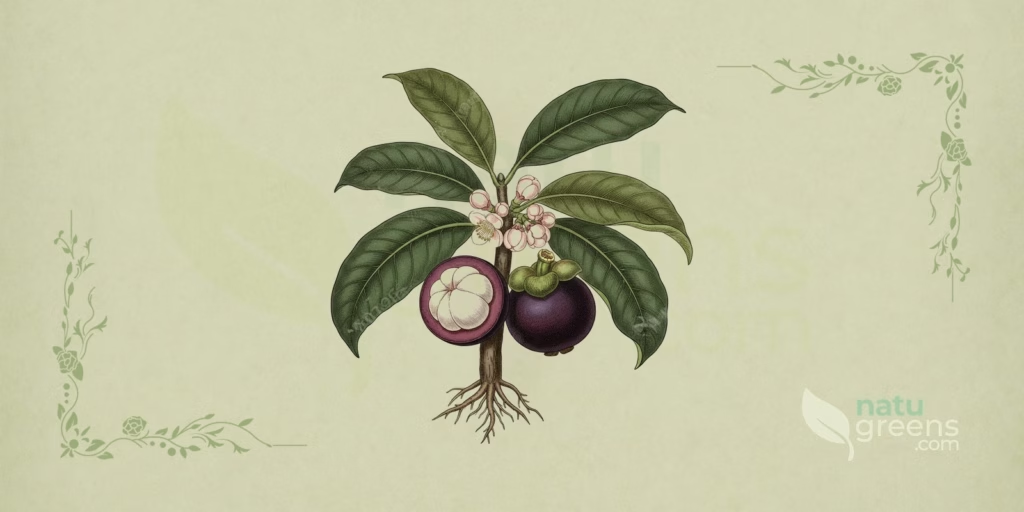
Vaccinium myrtillus L. / Bilberry
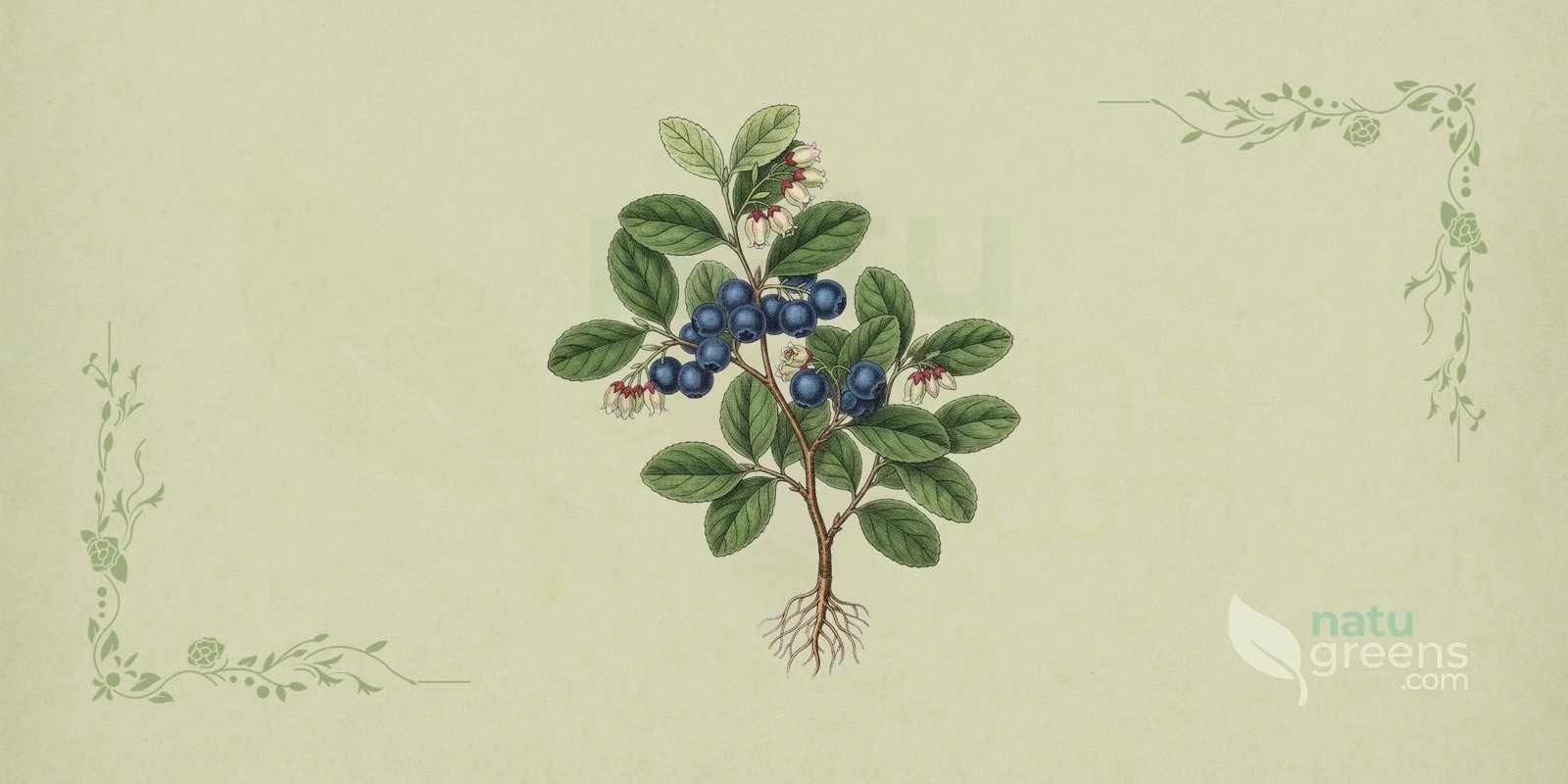
Bilberry, known scientifically as Vaccinium myrtillus L., is a small shrub native to Eurasia, valued for its fruit and leaves, which various cultures have traditionally used for their notable medicinal properties. Infusing the leaves and fruit is a common way of accessing these benefits, passed down through generations as part of European folk medicine.
Popular and International Names of Bilberry
- English: Bilberry, Blaeberry, European Blueberry, Whortleberry.
- Spanish: Arándano, Mirtilo.
- Portuguese: Airela, Arando, Mirtilo, Uva-do-monte.
- French: Myrtille.
- Italian: Mirtillo.
- German: Blaubeere, Heidelbeere.
Botanical Synonyms of Vaccinium myrtillus
- Vaccinium myrtillus oreophilum
- Vaccinium oreophilum
Botanical Family: Ericaceae
Ericaceae
Parts of Bilberry Used
- Fruit
- Leaves
Ethnobotanical and Traditional Uses
Historically, bilberry has been used in folk medicine to address a range of conditions, from dried leaves employed as an astringent, diuretic, and urinary antiseptic to leaf tea, a traditional remedy for supporting blood sugar management. The fruit, both fresh and dried, was valued for its laxative and astringent properties respectively, making it useful against diarrhea, while the plant was also applied to soothe inflammation of the mouth and throat and, according to tradition, to reduce fevers.
Therapeutic Properties of Bilberry
- Antibacterial (activity studied against various bacteria, including resistant strains)
- Antidiabetic (effect studied on blood sugar levels and improved insulin sensitivity)
- Antidiarrheal (especially the dried fruit, which has an astringent effect)
- Anti-inflammatory (effect studied in reducing inflammatory processes in the body)
- Antioxidant (protective effect studied on cells against free radical damage)
- Astringent (causes tissue contraction, useful for diarrhea and inflammation)
- Diuretic (effect studied on urine production and elimination)
- Hypoglycemic (effect studied in lowering blood glucose levels)
- Ophthalmic (effect studied on night vision and used for retinal issues)
- Tonic (revitalizes the body and improves overall well-being)
- Urinary Antiseptic (helps in managing urinary tract infections)
Detailed Phytochemical Profile of Bilberry
Vaccinium myrtillus has a rich and complex phytochemical composition responsible for its various therapeutic actions. The main constituents include:
- Anthocyanins (pigments that give the fruit its blue-purple color, potent antioxidants and vascular protectors)
- Flavanols (including catechins and epicatechins, with antioxidant action)
- Flavonoids (such as quercetin and kaempferol, with anti-inflammatory and antioxidant effects)
- Flavonolignans (phenolic compounds with therapeutic potential)
- Hydroxycinnamic Acids (such as chlorogenic and feruloylquinic acid, with antioxidant and anti-inflammatory properties)
- Proanthocyanidins (condensed tannins, contribute to astringent and antioxidant activity)
- Tannins (in high concentrations in the leaves, responsible for astringent and antibacterial action)
- Triterpenes (compounds with diverse biological activities)
Preparation and Administration Forms of Bilberry
Bilberry Leaf Tea
Prepare an infusion with one teaspoon of dried bilberry leaves for each cup of hot water, let it steep for about 10 minutes, strain, and drink. This tea is traditionally used to help manage blood sugar and as a diuretic.
Bilberry Fruit Tea
For a fruit infusion, use one tablespoon of dried or crushed fresh fruit per cup of hot water and let it steep for 15 minutes. It can be consumed to support vision and as an antioxidant.
Liquid Extract
Bilberry liquid extract, usually standardized for anthocyanin content, is a concentrated way of accessing the plant’s benefits, and dosage should follow the manufacturer’s recommendations or the guidance of a healthcare professional; it is often used for eye and circulatory health.
Bilberry Tincture
The tincture is an alcoholic preparation of the plant’s active compounds, in which a few drops are usually diluted in water and taken as professionally directed. It is a potent form of use, ideal for conditions that call for a more intensive action.
Synergy with Other Medicinal Plants
Bilberry and Ginkgo Biloba
The combination of bilberry with Ginkgo biloba is traditionally used to strengthen support for circulatory and brain health, since both are known to promote blood flow and have antioxidant properties, making them useful for cognitive function and eye health. Because both plants can interfere with blood clotting, people taking anticoagulants should avoid this combination without medical guidance.
Bilberry and Horsetail
For a diuretic effect and support for the urinary tract, bilberry can be combined with horsetail (Equisetum arvense), a synergy traditionally indicated for cases of fluid retention and for kidney health.
Bilberry and Cinnamon
Cinnamon (Cinnamomum verum) is known for its hypoglycemic properties, and combining it with bilberry may offer additional traditional support in tracking blood sugar levels, which is of interest for individuals with type 2 diabetes under medical supervision. Because it may potentiate the effect of hypoglycemic medications, this combination requires blood glucose monitoring with the responsible physician.
Recipes and Usage Protocols of Bilberry
Standardized Extract Capsules
For eye and circulatory health, standardized bilberry extract capsules are a practical option, with a usual dose of 80 to 160 mg, two to three times a day, depending on the anthocyanin concentration. Consult a healthcare professional for the appropriate dosage.
Compresses for Tired Eyes
Prepare a strong infusion with bilberry leaves and let it cool, soak cotton compresses in the infusion, and apply over closed eyes for 10 to 15 minutes. This can relieve eye fatigue and irritation.
Traditional Decoction for Diarrhea
For diarrhea, a decoction of the dried fruit is traditionally used: boil one tablespoon of dried fruit in 250 ml of water for 10 minutes, strain, and drink in small portions throughout the day. The astringent effect helps manage symptoms as tracked traditionally, but persistent or severe cases should be evaluated by a healthcare professional.
Fresh Bilberry Juice
Fresh bilberry juice is an excellent source of antioxidants; consume about 100 to 200 ml per day, which can be mixed with other fruits for variety of flavor. It is beneficial for general and cardiovascular health.
Traditional Throat Syrup
A homemade syrup can be made with a concentrated decoction of bilberry leaves and fruit, sweetened with honey, and is traditionally used to soothe throat inflammation and coughing, drawing on the plant’s anti-inflammatory properties.
The preparations above follow traditional records and do not replace professional guidance. Before any internal use, review the contraindications and interactions described in this article.
The preparations above follow traditional records and do not replace professional guidance. Before any internal use, check the contraindications and interactions described in this article.
Associated Therapies
Herbal Medicine
In herbal medicine, bilberry is widely recognized for its antioxidant, anti-inflammatory, and vascular-protective properties, and is often recommended for vision problems, circulatory disorders, and as an adjunct in blood sugar management. Using standardized extracts ensures a consistent concentration of active compounds.
Homeopathy
Although not a classic homeopathic remedy, diluted preparations of Vaccinium myrtillus may be used in homeopathic approaches for conditions related to circulation and inflammation, following the principles of similitude and individualized treatment.
Nutrition
From a nutritional standpoint, bilberry is a superfood rich in vitamins (A, C, E), minerals (manganese, potassium), and fiber, and its regular consumption, whether fresh, frozen, or as a supplement, contributes to a balanced diet and the prevention of chronic disease.
Contraindications and Side Effects of Bilberry
Bilberry consumption is generally safe, but some precautions are necessary. Because of the high tannin content in the leaves, prolonged use or high doses can cause constipation, and people with iron deficiency should be cautious, since tannins can inhibit the absorption of that mineral. Pregnant and breastfeeding women should consult a physician before use, and individuals on anticoagulant therapy, such as warfarin, should avoid excessive bilberry consumption, especially concentrated extracts, due to the risk of interaction and increased bleeding. Monitoring blood sugar levels is essential for diabetics, since bilberry may potentiate the effect of hypoglycemic medications.
Historical Notes and Interesting Facts
Bilberry has a long history of use, dating back to the Middle Ages in Europe, where it was used to treat diarrhea and other ailments. During the Second World War, Royal Air Force pilots reportedly ate bilberry jam, believing it improved night vision, although the scientific evidence for this is limited. The plant is an indicator of unpolluted soils, since it accumulates heavy metals in contaminated environments, and it is a staple food in many Nordic and European cultures, being wild-harvested and used in a variety of culinary and medicinal preparations.
Frequently Asked Questions about Bilberry Tea
Does Bilberry Tea Help Improve Vision?
Yes, bilberry tea, especially when made with the fruit, is traditionally associated with improved night vision and overall eye health. This is attributed to the presence of anthocyanins, which may strengthen ocular capillaries and protect against oxidative stress.
Is It Safe to Drink Bilberry Tea Daily?
Moderate consumption of bilberry tea is generally safe for most people. However, prolonged use of teas made with the leaves, due to their high tannin content, can cause constipation or interfere with iron absorption. It is always advisable to consult a healthcare professional for continuous use.
Can Bilberry Interact with Medications?
Yes, bilberry can interact with certain medications. People taking anticoagulants (such as warfarin) should be cautious, since bilberry may increase the risk of bleeding, and diabetics should monitor their blood sugar levels, since the plant may potentiate the effect of hypoglycemic medications. Always inform your doctor about the use of bilberry supplements or teas.
What Is the Difference between European Bilberry and American Blueberry?
Although both belong to the genus Vaccinium, European bilberry (Vaccinium myrtillus) and American blueberry (Vaccinium corymbosum) are distinct species: European bilberry is smaller, darker, and has colored flesh, while American blueberry is larger, with pale flesh. Both are rich in antioxidants, but their phytochemical profile and compound concentrations can vary.
Is Bilberry Recommended for Urinary Infections?
Yes, bilberry is often recommended to help prevent and manage urinary infections, especially recurrent ones. Its antibacterial and urinary antiseptic properties, attributed mainly to proanthocyanidins, help prevent bacteria from adhering to the walls of the urinary tract.
Notice: this content is for informational purposes and does not replace professional medical advice. Consult a physician or herbal practitioner before using medicinal plants, especially during pregnancy, breastfeeding, or alongside medication.
References and Scientific Studies
Peer-Reviewed Scientific Studies (1)
- PMC2026 Ortega-Heras M, et al. Physical-Chemical and Microbiological Characterisation of Blueberry By-Products (Vaccinium myrtillus L.) as Potential Food Ingredients. Foods. 2026.
Institutional Sources (1)
- GOV National Center for Complementary and Integrative Health. (n.d.). Bilberry. Retrieved from NCCIH.
Supplementary Readings (1)
- 2022 Ștefănescu, R., Laczkó-Zöld, E., Ősz, B. E., & Vari, C. E. (2022). An Updated Systematic Review of Vaccinium myrtillus Leaves: Phytochemistry and Pharmacology. Pharmaceutics, 15(1), 16.