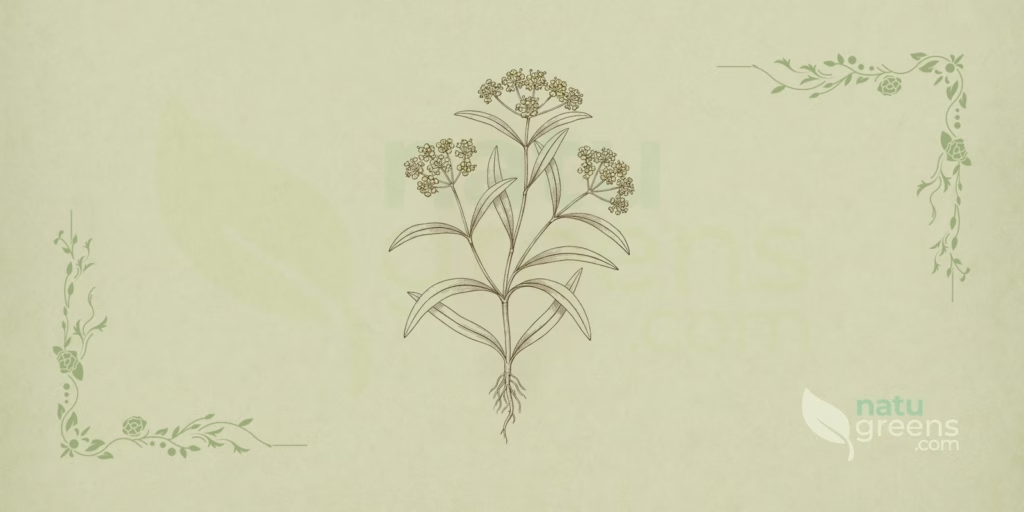
Ulmus minor Mill. / Field Elm, commonly known as the field elm or European field elm, is a deciduous tree of the Ulmaceae family, first described by Philip Miller. Native to Europe, Western Asia, and North Africa, this species is valued both for its sturdy wood and for its therapeutic properties. The field elm has been used in traditional European medicine for centuries, especially its inner bark, which is rich in mucilage. Its applications range from treating digestive complaints to soothing skin inflammation, making it a plant recognized for its demulcent and astringent qualities.
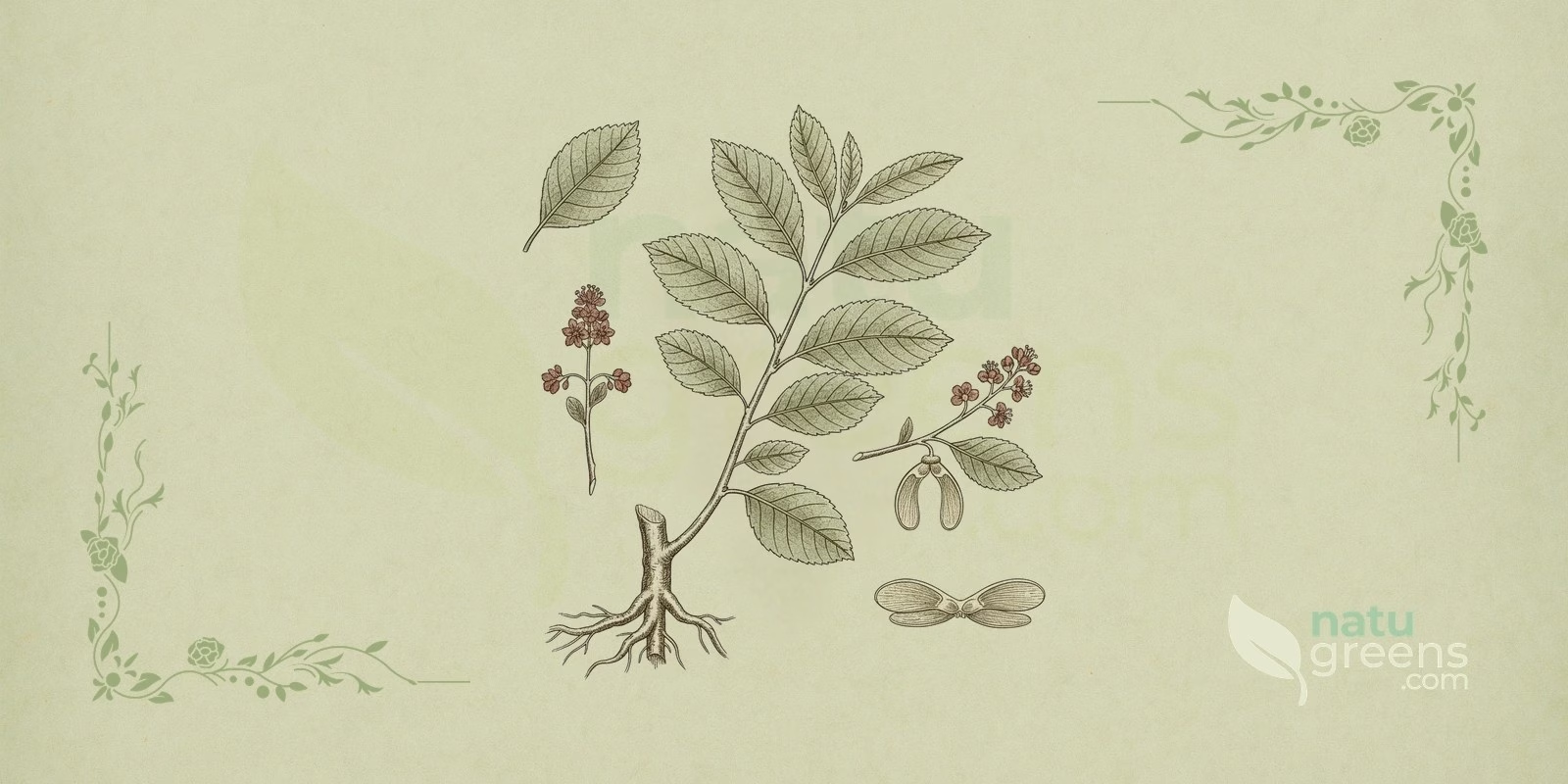
In herbal tradition, the field elm holds a prominent place as a soothing plant that protects the mucous membranes. Its phytochemical makeup, which includes mucilage, tannins, and flavonoids, gives it anti-inflammatory and wound-healing properties. Modern scientific research has begun to validate many of the field elm’s traditional uses, reinforcing its standing as a medicinal plant with potential across a range of therapeutic applications. It is a species well adapted to a variety of soils and climates, which has contributed to its wide distribution and long history of use.
Popular and International Names of Field Elm
- English: European field elm, field elm, smoothleaf elm.
- Spanish: olmo campestre, olmo común.
- Portuguese: olmo-campestre (PT), olmo-comum (BR), olmo-pequeno.
- French: orme champêtre, petit orme.
- Italian: olmo campestre, olmo comune.
- German: Feldulme, Kleeblatt-Ulme.
Botanical Synonyms of Ulmus minor
Ulmus carpinifolia Gled. is a botanical synonym frequently found in the literature. Other synonyms include Ulmus campestris L. (an ambiguous name), Ulmus foliacea Gilib., Ulmus nitens Moench, and Ulmus procera Salisb. The taxonomy of Ulmus minor has long been debated due to its polymorphic nature and the presence of numerous varieties and subspecies. Even so, Ulmus minor Mill. is the name accepted by most botanical authorities.
Botanical Family: Ulmaceae
The Ulmaceae family, known as the elm family, belongs to the order Rosales and comprises roughly 6 to 7 genera and about 45 species of trees and shrubs. This family is distributed mainly across the temperate regions of the world. Species in the Ulmaceae are characterized by being deciduous or, in some cases, evergreen, and by having watery sap. The leaves are generally simple, alternate, with toothed margins and often an asymmetrical base, a distinctive trait of the family.
The flowers of the field elm are small and lack petals, and may be bisexual or unisexual, arranged in clusters. The family’s characteristic fruit is a samara, a winged structure that aids wind dispersal of the seeds. The genus Ulmus, to which the field elm belongs, includes about 35 species of shade and ornamental trees, many of which are valued for their sturdy, durable wood, used in applications ranging from furniture to shipbuilding.
Parts of Field Elm Used
- Inner bark (dried)
- Leaves
Ethnobotanical and Traditional Uses
- Antirheumatic use
- Blood purifier
- Cough relief
- Digestive discomfort (gastritis, ulcers)
- Diuretic use
- Eczema
- Minor skin irritations
- Relief of intestinal cramps
- Relief of sore throat
- Wound healing (for wounds, ulcers, burns)
Therapeutic Properties of Field Elm
- Anti-inflammatory (studied effect in reducing inflammation)
- Antioxidant (studied activity against free radicals)
- Astringent (contracts tissue and reduces secretions)
- Demulcent (soothes and protects irritated mucous membranes)
- Diuretic (studied effect on urine production)
- Emollient (softens and moisturizes the skin)
- Nutritive (supplies nutrients)
- Tonic (revitalizes and strengthens the body)
- Wound-healing (studied effect on wound healing)
Detailed Phytochemical Profile of Field Elm
- Caffeic acid derivatives
- Flavonoids
- Flavonols
- Mucilage
- Polyphenols
- Sesquiterpenoids
- Tannic acid
- Tannins
- Triterpenes (including pentacyclic types such as β-sitosterol)
Preparation and Administration Forms of Field Elm
- Dry extract
- Fluid extract
- Poultice
- Tea (infusion/decoction)
- Tincture
Synergy with Other Medicinal Plants
Digestive Support
Because of its demulcent properties, field elm can be combined with plants such as marshmallow root (Althaea officinalis) or slippery elm (Ulmus rubra) to reinforce relief from irritation and inflammation of the gastrointestinal tract. This combination is particularly useful for gastritis, ulcers, and colitis, where the combined action of the mucilages forms a protective layer over the mucous membranes, reducing irritation and supporting the healing process. Adding ginger (Zingiber officinale) can complement this with antiemetic and carminative effects.
Respiratory Health
For coughs and sore throats, field elm can be paired with plants such as Iceland moss (Cetraria islandica) or common plantain (Plantago major). The combination of elm mucilage with the active compounds in these plants creates a soothing, protective effect on the respiratory passages, helping to ease irritation and support expectoration, according to the traditional use of these combinations. This synergy is traditionally used for bronchitis, pharyngitis, and laryngitis, as a complementary form of relief.
Skin Conditions
For topical use on wounds, burns, or eczema, field elm can be combined with calendula (Calendula officinalis) or comfrey (Symphytum officinale). The wound-healing and anti-inflammatory action of elm is complemented by the regenerative properties of calendula and comfrey, contributing, according to herbal tradition, to the healing process and to reducing inflammation. This synergy is traditionally used to support the repair of damaged tissue and protect the skin against secondary infection, applied in the form of poultices or compresses.
Recipes and Usage Protocols of Field Elm
Poultice for Wounds and Skin Inflammation
Ingredients: 2 tablespoons of dried, ground field elm inner bark, warm water.
Preparation: Mix the ground bark with enough warm water to form a thick paste. Apply directly to the affected area (wounds, ulcers, minor burns, eczema) and cover with a clean cloth or gauze. Leave in place for 30 minutes to 1 hour, or until dry. Repeat 2 to 3 times a day. This poultice helps reduce inflammation, calm irritation, and support skin healing thanks to the demulcent and astringent properties of the elm.
Decoction for Digestive Complaints
Ingredients: 1 tablespoon of dried field elm inner bark, 500 ml of water.
Preparation: Place the bark and water in a pot. Bring to a boil, then simmer gently for 10 to 15 minutes. Strain and let cool. Drink 1 cup (200 ml) 2 to 3 times a day, before meals. This decoction is traditionally used to soothe gastritis, gastric ulcers, diarrhea, and other irritations of the digestive tract, thanks to the protective action of the mucilage. It can be sweetened with honey, if desired.
Infusion for Cough and Sore Throat
Ingredients: 1 teaspoon of dried field elm leaves, 200 ml of boiling water.
Preparation: Place the leaves in a cup and add the boiling water. Cover and let steep for 5 to 7 minutes. Strain and drink warm. Take 2 to 3 times a day to ease dry coughs, throat irritation, and hoarseness. The demulcent properties of the leaves help soothe irritated mucous membranes, providing relief. A little honey and lemon can be added to enhance the effect.
Tincture for Internal Use (Astringent and Tonic)
Ingredients: 50 g of dried, ground field elm inner bark, 250 ml of 70% alcohol (or good-quality vodka).
Preparation: Place the ground bark in a dark glass jar and cover with the alcohol. Seal well and let macerate for 2 to 4 weeks in a cool, dark place, shaking daily. Strain the mixture through a fine cloth and store the resulting tincture in a dark glass dropper bottle. Take 20 to 30 drops diluted in a little water, twice a day, as a general tonic or astringent. Consult a healthcare professional for specific dosing.
The preparations above follow traditional records and do not replace professional guidance. Before any internal use, review the contraindications and interactions described in this article.
The preparations above follow traditional records and do not replace professional guidance. Before any internal use, check the contraindications and interactions described in this article.
Associated Therapies
Clinical Phytotherapy
In clinical phytotherapy, field elm is valued for its demulcent, anti-inflammatory, and astringent properties. It is frequently prescribed for conditions of the gastrointestinal tract, such as gastritis, peptic ulcers, colitis, and irritable bowel syndrome, where its rich mucilage content forms a protective barrier. It is also used in topical preparations for wounds, burns, and skin inflammation, supporting healing and easing discomfort. Dosage and administration are individualized, often using standardized extracts to ensure consistent therapeutic effect.
Homeopathy
In homeopathy, field elm (Ulmus minor) may be used in preparations for conditions involving inflammation and irritation of the mucous membranes, as well as skin complaints. Although not as common a homeopathic remedy as some other plants, its demulcent and astringent action is considered in specific cases of gastrointestinal and dermatological conditions. The choice of remedy and its potency are determined by a qualified homeopath, based on the totality of the patient’s symptoms.
Contraindications and Side Effects of Field Elm
General Contraindications
Field elm is generally considered safe when used at recommended doses. Even so, it should be avoided by individuals with known hypersensitivity to any component of the plant. Pregnant and breastfeeding women should consult a healthcare professional before use, given the lack of conclusive safety studies in these groups. While no widely documented absolute contraindications exist, caution is advised for people with chronic conditions or those taking other medications concurrently.
Drug Interactions
Because of its mucilage content, field elm may interfere with the absorption of other medications if taken at the same time. An interval of at least 1 to 2 hours between field elm preparations and other drugs is recommended to avoid potential interactions. No serious drug interactions are widely documented, but it is always advisable to inform a doctor or pharmacist about the use of any herbal supplement.
Historical Notes and Interesting Facts
Longevity and Resilience
Field elm is known for its remarkable longevity, capable of living for several hundred years under favorable conditions. Its wood, dense and resistant to water, has historically been used in shipbuilding, bridge piers, and other structures requiring durability. This natural resilience made it a valuable tree across many European cultures, where it was often planted along riverbanks and in agricultural landscapes, playing an important role in local ecology and economy.
Cultural and Mythological Symbol
In some European cultures, field elm was associated with symbols of protection and wisdom. In Greek mythology, elms were sacred trees to Orpheus, and their leaves were used in rituals. In Celtic tradition, the elm was seen as a gateway to the world of the fae and a symbol of the connection between heaven and earth. Its presence in legends and folk tales reflects the deep bond communities held with this tree, which provided food, shelter, and remedies across the centuries.
Impact of Dutch Elm Disease
From the 20th century onward, field elm populations across Europe were severely affected by Dutch elm disease, caused by a fungus (Ophiostoma ulmi and Ophiostoma novo-ulmi) and spread by bark beetles. The disease devastated millions of elms across the continent, dramatically altering landscapes and reducing the availability of the plant for medicinal and timber uses. Conservation efforts and breeding programs are underway to develop resistant varieties and restore populations of this important species.
Frequently Asked Questions about Field Elm
Can Field Elm Tea Help With Digestion?
Yes, field elm tea is traditionally used to support digestion. The mucilage present in the inner bark and leaves forms a gel-like substance that coats and soothes the mucous membranes of the gastrointestinal tract. This may help ease symptoms of gastritis, ulcers, heartburn, and diarrhea, providing a protective, anti-inflammatory effect. It is recommended to drink the bark decoction or the leaf infusion before meals to optimize its digestive effects.
Are There Side Effects to Drinking Field Elm?
Field elm is generally well tolerated, and side effects are rare and mild. In some people, mild gastrointestinal irritation or allergic reactions may occur, especially in those sensitive to plants in the Ulmaceae family. The main concern is the possible interference with the absorption of other medications due to the mucilage content. To avoid this, it is advisable to take elm preparations 1 to 2 hours apart from other drugs. Always consult a healthcare professional with any concerns.
What Is the Difference Between Field Elm and Slippery Elm?
Although both are elms and share demulcent properties, field elm (Ulmus minor) and slippery elm (Ulmus rubra) are distinct species. Slippery elm, native to North America, is better known and more widely studied for its medicinal properties, especially its inner bark, which is extremely rich in mucilage. Field elm, in turn, is native to Europe and has a long history of traditional use on the continent. Both are used to soothe irritation and inflammation, but the concentration and mucilage profile can vary between species.
How Do You Properly Prepare Field Elm Tea?
To prepare field elm tea, you can use the dried inner bark (as a decoction) or the dried leaves (as an infusion). For the bark decoction, use 1 tablespoon of bark per 500 ml of water, boiling for 10-15 minutes. For the leaf infusion, use 1 teaspoon of leaves per 200 ml of boiling water, steeping for 5-7 minutes. Strain before drinking. The bark decoction is more potent for digestive complaints, while the leaf infusion is gentle and ideal for coughs and sore throats.
Notice: this content is for informational purposes and does not replace professional medical advice. Consult a physician or herbal practitioner before using medicinal plants, especially during pregnancy, breastfeeding, or alongside medication.