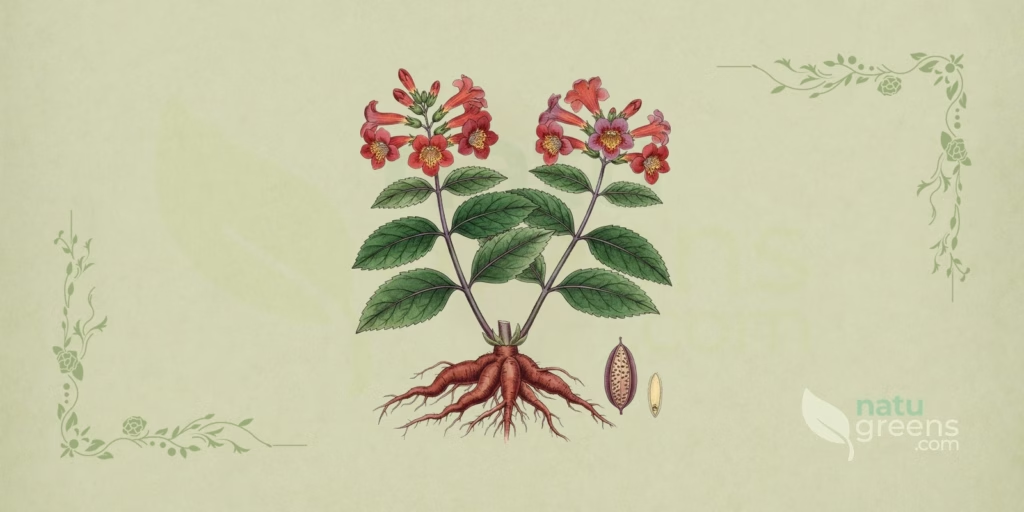
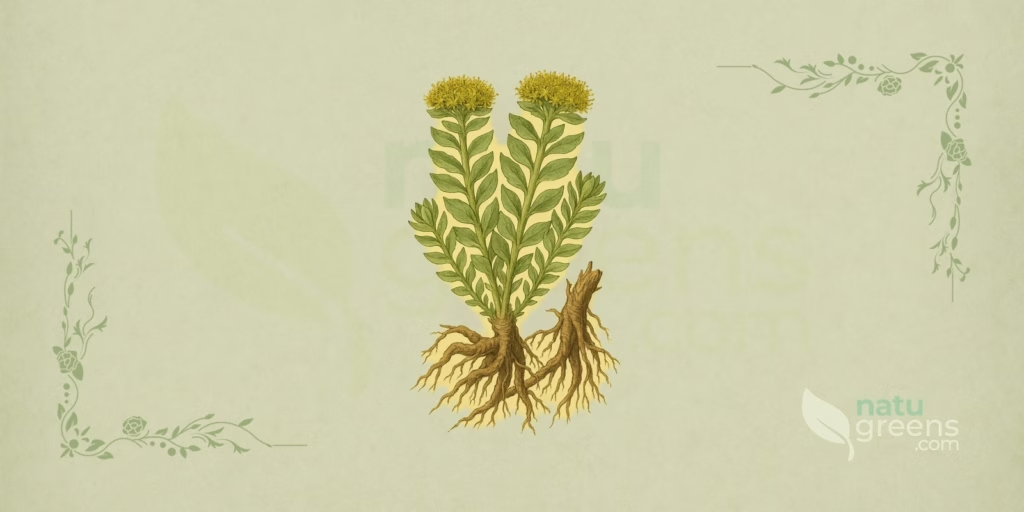
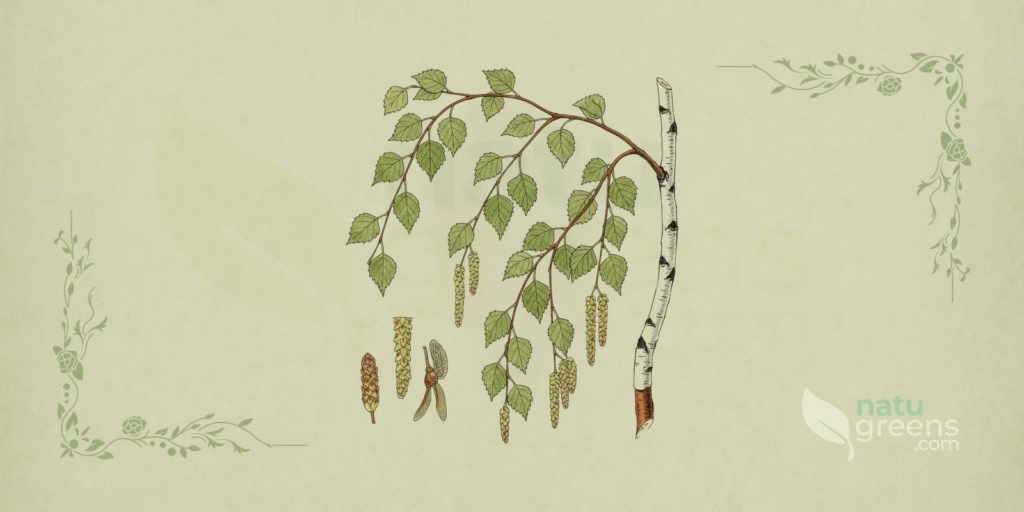
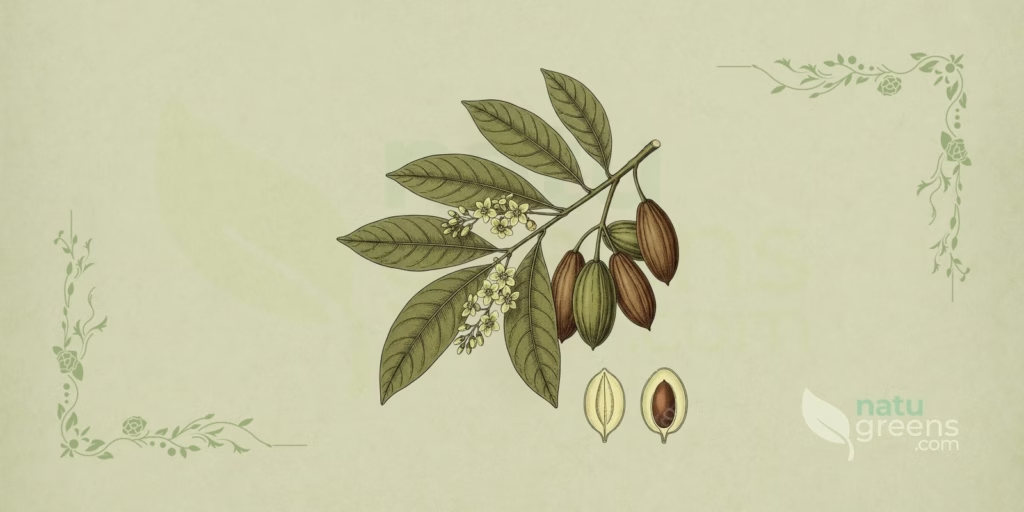
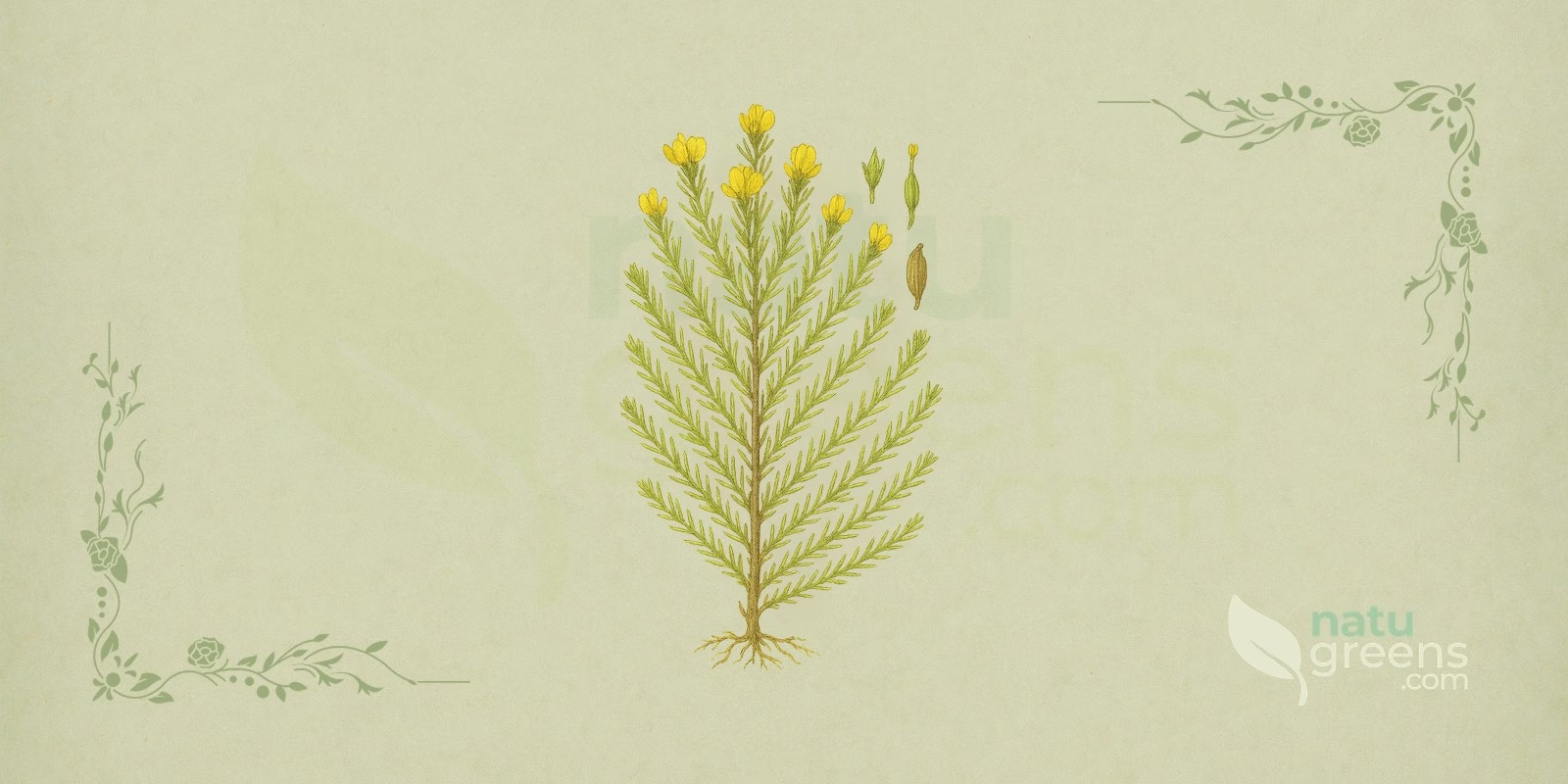
Aspalathus linearis (Burm.f.) R.Dahlgren / Rooibos, popularly known as rooibos, is a shrubby plant of the Fabaceae family. Native to the Fynbos region of South Africa, this species has spread globally thanks to its well-recognized therapeutic properties. Rooibos has been used for centuries in traditional South African medicine. Its needle-shaped leaves are harvested for infusions, extracts, and other herbal products.
In herbal tradition, rooibos holds a notable place as a calming and digestive plant. Its applications range from gastrointestinal disorders to easing anxiety and insomnia. The plant is known for its rich phytochemical composition, especially flavonoids such as aspalathin and quercetin, which are linked to its antioxidant and anti-inflammatory properties. Modern scientific research has explored many of rooibos’s traditional uses, establishing it as one of the most studied and widely used medicinal plants in the world.
Popular and International Names of Rooibos
- English: bush tea, red bush, red tea, rooibos.
- Spanish: rooibos, té rojo sudafricano.
- Portuguese: chá vermelho (BR), rooibos.
- French: rooibos, thé rouge.
- Italian: rooibos, tè rosso africano.
- German: Rooibos-Tee, Rotbusch.
- Afrikaans: rooibos.
Botanical Synonyms of Aspalathus linearis
There are no widely accepted botanical synonyms beyond Aspalathus linearis (Burm.f.) R.Dahlgren. Some sources cite Aspalathus linearis (Burm.f.) Dahlg. as a variation in authorship. The species was previously classified under the genus Psoralea.
Botanical Family: Fabaceae
The Fabaceae family, also known as Leguminosae, is one of the largest families of flowering plants, comprising about 730 genera and more than 19,500 species distributed worldwide. This family is characterized by pod-shaped fruits and the ability of many of its species to fix atmospheric nitrogen through symbiosis with soil bacteria. Fabaceae includes plants of great economic, food, and medicinal importance, such as beans, peas, soybeans, and peanuts.
Rooibos shares morphological features typical of the family, including yellow flowers and a pod-shaped fruit. The Fabaceae family is known for producing bioactive compounds, especially flavonoids and other polyphenols, which give many of its species medicinal properties. The chemical diversity of this family has been the subject of intense pharmacological research, contributing to the development of phytopharmaceuticals and dietary supplements.
Parts of Rooibos Used
- Leaves
- Stems
Ethnobotanical and Traditional Uses
- Allergy and asthma relief.
- Cosmetic ingredient.
- Digestive problem relief.
- Infant colic relief.
- Ingredient in baking, cooking, and cocktails.
- Ingredient in weight-loss products.
- Insomnia relief.
- Skin problem relief.
- Stomach cramp and diarrhea relief.
Therapeutic Properties of Rooibos
- Antiallergic (studied effect on allergic reactions)
- Antidiabetic (studied effect on blood sugar levels)
- Anti-inflammatory (studied effect in reducing inflammation)
- Antioxidant (studied activity against free radicals)
- Antispasmodic (traditional use for relieving spasms and cramps)
- Cardioprotective (studied protective effect on cardiovascular health)
- Digestive (aids digestion)
- Hepatoprotective (studied protective effect on the liver)
- Hypoglycemic (studied effect in lowering blood sugar)
- Immunomodulatory (studied effect on the immune system)
- Neuroprotective (studied protective effect on the nervous system)
- Relaxing (studied effect on relaxation, easing insomnia)
Detailed Phytochemical Profile of Rooibos
- Aspalathin
- Coumarins
- Flavonoids (e.g., quercetin, luteolin, vitexin, rutin, isoquercitrin, (+)-catechin)
- Phenolic Acids (e.g., protocatechuic acid)
Preparation and Administration Forms of Rooibos
- Extracts
- Infusion (tea)
- Tinctures
Synergy with Other Medicinal Plants
Anxiety and Insomnia
Combining rooibos with chamomile (Matricaria chamomilla) and lavender (Lavandula angustifolia) is traditionally said to enhance the sedative and anxiolytic effects observed for these plants. This synergy is traditionally used in managing sleep disturbances and states of nervousness. Rooibos contributes flavonoids associated with a mild relaxing effect, while chamomile and lavender provide compounds that promote relaxation and calm, creating a synergistic calming effect within the traditional record.
Digestive Disorders
The combination of rooibos with peppermint (Mentha × piperita) and ginger (Zingiber officinale) is traditionally used to relieve dyspepsia, flatulence, and intestinal cramps. The compounds in rooibos act synergistically with menthol from peppermint and gingerols from ginger, providing antispasmodic, carminative, and anti-inflammatory effects on the gastrointestinal tract.
Cardiovascular Health
Rooibos can be combined with green tea (Camellia sinensis) or hibiscus (Hibiscus sabdariffa) to enhance the cardiovascular benefits studied for these plants. The antioxidants in rooibos, together with catechins from green tea or anthocyanins from hibiscus, are associated with reduced blood pressure and a healthy lipid profile, as part of traditional heart-health care.
Recipes and Usage Protocols of Rooibos
Basic Rooibos Infusion
Add 1 to 2 teaspoons of rooibos (approximately 2-4 grams) to 250 ml of boiling water (90-95°C). Cover and let steep for 5 to 10 minutes. Strain and drink warm. It can be consumed up to 3 times a day. For a more intense flavor, increase the steeping time. It can be sweetened with honey or lemon to taste.
Iced Rooibos with Lemon and Mint
Prepare a concentrated rooibos infusion (4 teaspoons per 500 ml of boiling water). Let it cool completely. Add the juice of 1 lemon and a few fresh mint leaves. Serve over ice. This drink is refreshing and ideal for hot days, retaining the antioxidant compounds of rooibos.
Rooibos Latte
Prepare a strong rooibos infusion (2 teaspoons per 150 ml of boiling water). Meanwhile, heat 100 ml of milk (plant-based or dairy) and froth it. Combine the rooibos infusion with the frothed milk. A pinch of cinnamon or vanilla can be added to enhance the flavor. It is a delicious, caffeine-free alternative to a caffe latte.
The preparations above follow traditional records and do not replace professional guidance. Before any internal use, check the contraindications and interactions described in this article.
Associated Therapies
Aromatherapy
Although rooibos is not traditionally used in aromatherapy as an essential oil, its soft, earthy scent can be incorporated into herbal blends for baths or aromatic sachets, promoting a sense of well-being and relaxation. Its aromatic profile complements essential oils such as lavender and chamomile.
Phytotherapy
Rooibos is a valuable component of modern phytotherapy, used in various galenic forms such as infusions, extracts, and tinctures. Its action is studied in the context of digestive disorders, inflammatory processes, and as a general tonic. Western phytotherapy values rooibos for its versatility and favorable safety profile, and it is often recommended as a beverage suitable for all ages, under a professional’s guidance when needed.
Nutrition
Rooibos is considered a functional food due to its rich profile of antioxidants and minerals. Including it in the diet may contribute bioactive compounds associated with cellular protection and a reduced risk of chronic disease, according to preliminary studies. It is an excellent alternative to sugary, caffeinated drinks, supporting healthy hydration.
Contraindications and Side Effects of Rooibos
Common Side Effects
Rooibos is generally considered safe for most people when used at recommended doses. Allergic reactions are rare but can occur in individuals sensitive to plants of the Fabaceae family. Symptoms may include skin rashes, hives, and, in very rare cases, swelling.
Drug Interactions
Rooibos may interact with anticoagulant medications (such as warfarin) due to the presence of coumarins, increasing the risk of bleeding. It may also potentiate the effect of sedatives and anxiolytics, including benzodiazepines and alcohol, leading to increased drowsiness. Because of its studied hypoglycemic effect, concurrent use with antidiabetic medications may enhance blood sugar reduction, requiring monitoring and dose adjustment under medical guidance. Caution and medical consultation are recommended before using rooibos alongside these medications.
Pregnancy and Breastfeeding
Although traditionally used to ease nausea in pregnancy, the safety of rooibos during pregnancy and breastfeeding has not been fully established. Pregnant or breastfeeding women are advised to consult a healthcare professional before using rooibos-based products.
Liver Toxicity
In very rare cases, excessive consumption of rooibos tea has been associated with liver toxicity, especially in individuals with pre-existing liver conditions. People with liver problems should exercise caution and consult a physician before consuming rooibos regularly.
Historical Notes and Interesting Facts
- The name rooibos means “red bush” in Afrikaans, referring to the reddish color the leaves take on after fermentation.
- The plant is endemic to the Cederberg region in South Africa’s Western Cape province and does not grow naturally anywhere else in the world.
- Rooibos has been consumed by the indigenous Khoisan people of South Africa for more than 300 years, who used it both as a beverage and as a remedy.
- Rooibos’s popularity began to grow in the 20th century, when a Russian doctor, Benjamin Ginsberg, began marketing it as a healthy alternative to tea.
- In 2021, the European Union granted rooibos Protected Designation of Origin (PDO) status, recognizing its geographical origin and traditional production methods.
- There are two main varieties of rooibos: red rooibos (fermented) and green rooibos (unfermented), with the latter richer in antioxidants.
Frequently Asked Questions about Rooibos Tea
Does Rooibos Tea Contain Caffeine?
No, rooibos tea is naturally caffeine-free, making it an excellent choice for those looking for a relaxing hot drink at any time of day, including before bed. It is a popular alternative for people sensitive to caffeine or who want to reduce their intake.
Is Rooibos Tea Safe for Children?
Yes, rooibos tea is often considered safe for children and has traditionally been used in South Africa to relieve infant colic. However, it is always advisable to consult a pediatrician before introducing any new drink or supplement into a child’s diet, especially if the child has pre-existing health conditions.
What Is the Difference Between Red Rooibos and Green Rooibos?
The main difference lies in processing. Red rooibos undergoes a fermentation process that gives it its reddish color and a sweeter, fuller flavor. Green rooibos is not fermented, retaining its greenish color and a lighter, more herbaceous flavor. Green rooibos tends to have a slightly higher concentration of antioxidants.
Does Rooibos Tea Help with Sleep?
Yes, many people report that rooibos tea helps promote relaxation and better sleep quality. Being caffeine-free and containing compounds with calming properties, it can be a comforting drink to have before bed, contributing to a more restful sleep.
Where Can I Find Good Quality Rooibos?
Good quality rooibos can be found in natural product stores, specialty supermarkets, tea shops, and online. Look for organic, sustainably sourced rooibos to ensure the best quality and support ethical production practices. Brands with South African origin certification are generally a good choice.
Notice: this content is for informational purposes and does not replace professional medical advice. Consult a physician or herbal practitioner before using medicinal plants, especially during pregnancy, breastfeeding, or alongside medication.
References and Scientific Studies
Peer-Reviewed Scientific Studies (1)
- PEER2011 Joubert, E., & De Beer, D. (2011). Rooibos (Aspalathus linearis) beyond the farm gate: From herbal tea to potential phytopharmaceutical. South African Journal of Botany, 77(4), 869-886. ScienceDirect
Supplementary Readings (5)
- 2008 Joubert, E., Gelderblom, W. C. A., & Louw, A. (2008). South African herbal teas: Aspalathus linearis, Cyclopia spp. and Athrixia phylicoides, A review. Journal of Ethnopharmacology, 119(3), 376-412.
- 2010 Malgas, R. R., Potts, A. J., & Oettlé, N. M., et al. (2010). Distribution, quantitative morphological variation and preliminary molecular analysis of different growth forms of wild rooibos (Aspalathus linearis) in the northern Cederberg and on the Bokkeveld Plateau. South African Journal of Botany, 76(1), 72-81.
- 2007 McKay, D. L., & Blumberg, J. B. (2007). A review of the bioactivity of South African herbal teas: Rooibos (Aspalathus linearis) and honeybush (Cyclopia intermedia). Phytotherapy Research, 21(1), 1-16.
- 2009 Baba, H., Ohtsuka, Y., Haruna, H., et al. (2009). Studies of anti-inflammatory effects of Rooibos tea (Aspalathus linearis) in rats. Pediatrics International, 51(5), 700-704.
- 2002 Standley, L. A. (2002). Aspalathus linearis (Burm.f.) R.Dahlgren. PlantZAfrica. South African National Biodiversity Institute.