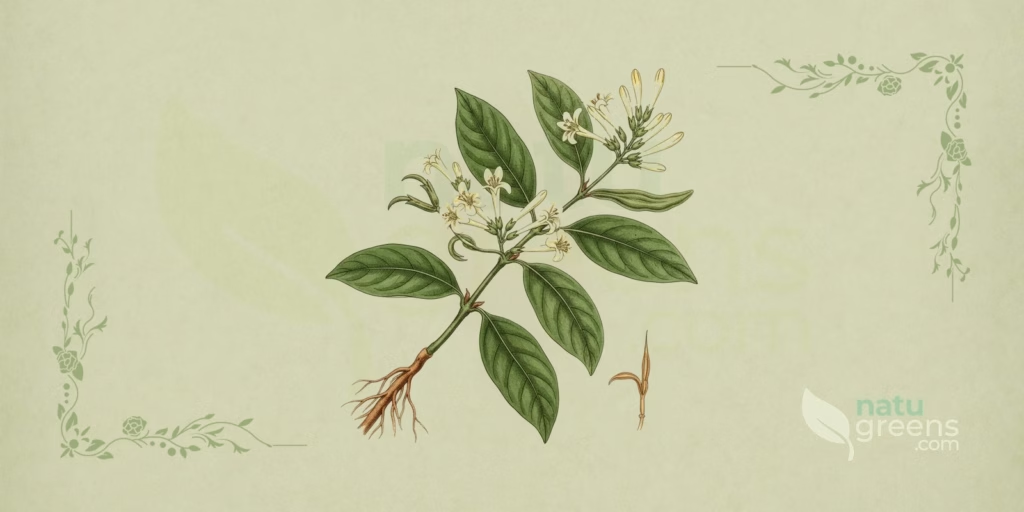
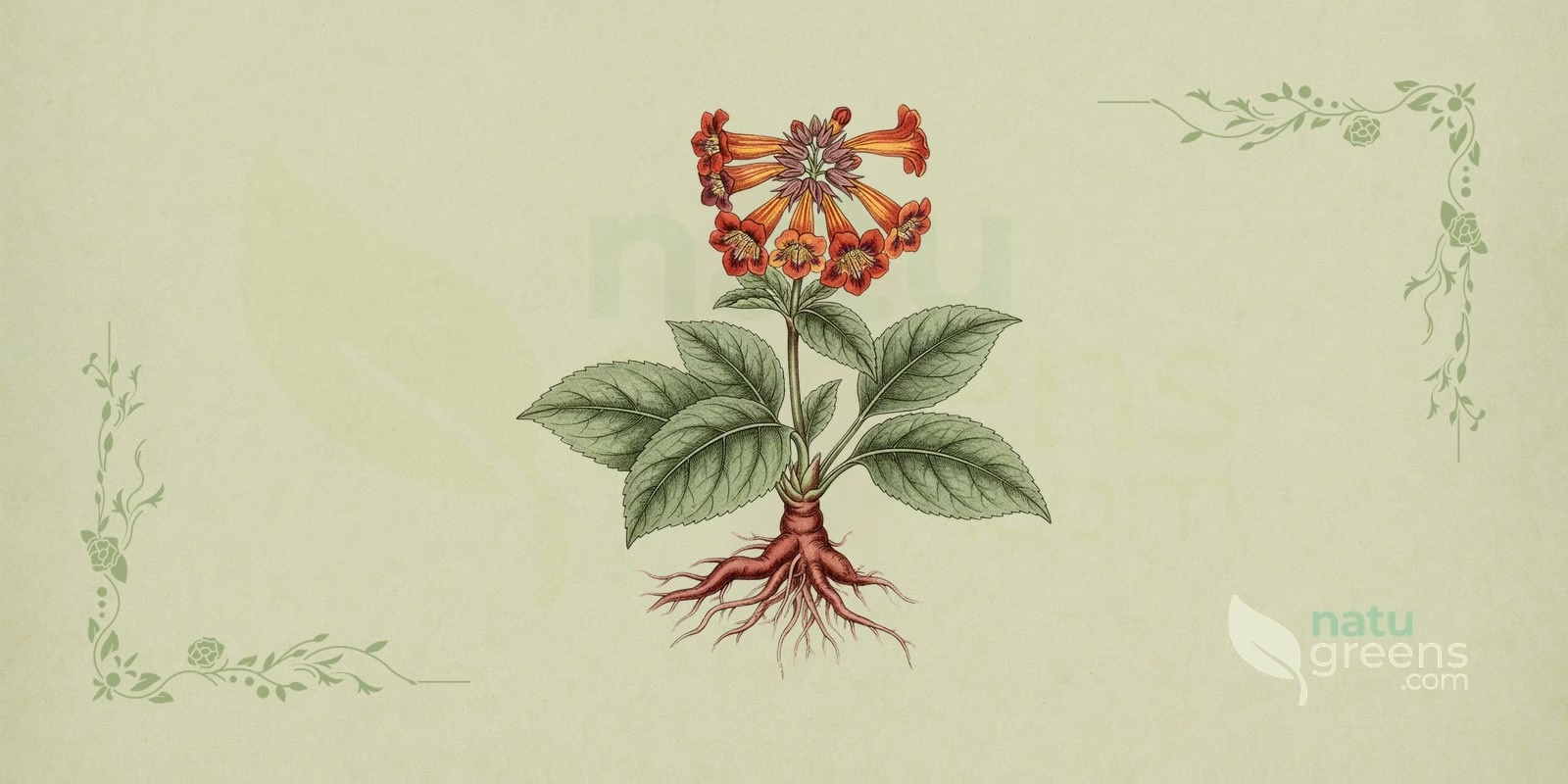
Rehmannia glutinosa (Gaertn.) DC. / Rehmannia, a perennial herbaceous plant of the Orobanchaceae family native to China, Japan and Korea, holds a prominent place in Traditional Chinese Medicine (TCM), which makes use of its tuberous roots both raw and processed. With a history of use that goes back more than a thousand years, rehmannia ranks among the 50 fundamental herbs of TCM, a tradition in which it is used to “nourish Yin” and “tonify the kidney”, two central concepts of that medical system.
The plant is credited with adaptogenic properties and with the ability to harmonize the body, which is why it appears so often in complex herbal formulas. Modern scientific research has been investigating several of these effects, ranging from modulation of the immune system to the protection of organs such as the liver and kidneys, although most of the data still come from laboratory and animal studies. Interest in the species within contemporary herbal medicine keeps growing, which makes it all the more necessary to understand its limits, its interactions and its contraindications as well.
Popular and International Names of Rehmannia
- English: Chinese foxglove, di huang, rehmannia root, sheng di huang, shu di huang.
- Spanish: di huang, digital china, rehmannia.
- Portuguese: dedaleira-chinesa, di huang, rehmannia.
- French: digitale chinoise, dihuang, rehmannia.
- Italian: di huang, digitale cinese, rehmannia.
- German: Chinesischer Fingerhut, Di Huang, Rehmannia.
The name Chinese foxglove, which has equivalents in the other languages listed above, comes from the resemblance between the tubular flowers of rehmannia and those of the European foxglove, and the species itself was at one point described in the genus Digitalis. Even so, the two plants should not be confused, because the foxgloves of the genus Digitalis belong to a different family and have well-known cardiac toxicity, while the Chinese names di huang, sheng di huang and shu di huang refer to the rehmannia root in its different forms of preparation.
Botanical Synonyms of Rehmannia glutinosa
The accepted botanical name for this species is Rehmannia glutinosa (Gaertn.) DC., but over the history of botany the plant has received other names, which reflect the successive taxonomic classifications and reclassifications it has gone through, as well as regional or morphological variations that were at times treated as distinct species or varieties. Among the most frequently cited botanical synonyms are:
- Digitalis glutinosa Gaertn.
- Gerardia glutinosa (Gaertn.) Bunge
- Rehmannia chinensis Libosch. ex Fisch. & C.A. Mey.
The same combination Rehmannia glutinosa also appears in part of the literature with the authorship (Gaertn.) Libosch. ex Fisch. & C.A. Mey., a variation in citation that does not correspond to a different species. These names are valuable for historical research and for following the taxonomic evolution of the plant, but current scientific communication adopts the accepted name as the standard.
Botanical Family: Orobanchaceae
Rehmannia glutinosa belongs to the Orobanchaceae family, a placement that results from a relatively recent revision, since for a long time the plant was classified among the Scrophulariaceae. Many of the species in this family are parasites or hemiparasites of other plants, but rehmannia stands out precisely because it is not parasitic and carries out photosynthesis independently. The Orobanchaceae family has a global distribution, with a significant concentration of species in temperate and tropical regions.
The plants in this group are known for their morphological and chemical diversity, producing a wide variety of bioactive compounds. The transfer of rehmannia to the Orobanchaceae was based on phylogenetic and molecular studies that revealed a closer evolutionary relationship with the other species of the family, and this taxonomic update helps to clarify the botanical and phytochemical features of the plant, while also guiding its correct identification and study.
Parts of Rehmannia Used
In traditional practice, the medicinal material is always the tuberous root, which TCM distinguishes according to the processing it undergoes after harvest and which, for that reason, appears on the market under different names.
- Raw, uncooked root (Sheng Di Huang)
- Steam-processed root, usually with rice wine (Shu Di Huang)
- Tuberous root, sometimes described as a rhizome
Ethnobotanical and Traditional Uses
The uses listed below reflect records from Traditional Chinese Medicine and folk herbal medicine rather than proven clinical indications, which means that in chronic diseases such as diabetes and hypertension, rehmannia should never be used as a substitute for medical treatment.
- Adrenal and kidney disorders, according to TCM concepts
- Allergies, with a traditional record of symptom relief
- Anemia, within the Chinese concept of “nourishing the blood”
- Bacterial and fungal infections, in traditional records
- Clearing “blood heat”
- Diabetes, as a traditional adjunct under medical supervision
- Eczema
- Fever
- Hypertension, as a traditional adjunct under medical supervision
- Inflammatory and autoimmune conditions
- Insomnia
- Kidney tonification
- Liver tonic
- Rheumatoid arthritis and osteoarthritis
- Yin deficiency and Yin nourishment
Therapeutic Properties of Rehmannia
The properties listed below bring together traditional use and the findings of experimental studies, most of them carried out in the laboratory and in animals, and they are not equivalent to established clinical indications for the plant.
- Antiallergic (traditional use in allergies, with limited clinical evidence)
- Antihypertensive (possible lowering of blood pressure, based mainly on traditional and experimental data)
- Anti-inflammatory (activity observed in experimental studies, particularly with catalpol)
- Antioxidant (neutralization of free radicals in laboratory assays)
- Antipyretic (traditional use to bring down fever)
- Hemostatic (traditional record of use in bleeding)
- Hepatoprotective (liver protection investigated in experimental studies)
- Hypoglycemic (may lower blood glucose, an effect observed in animal studies; calls for caution in people who take diabetes medication)
- Immunomodulatory (modulation of the immune system observed in experimental studies)
- Neuroprotective (effect of catalpol studied in laboratory models)
Detailed Phytochemical Profile of Rehmannia
Rehmannia glutinosa has a complex and diverse phytochemical profile, to which its wide-ranging pharmacological activities are attributed. The main groups of bioactive compounds are flavonoids, glycosides, iridoids, monoterpenes and saccharides, and the interaction among these substances helps to explain the effects described by traditional medicine and now being investigated by modern studies.
Catalpol, one of the most abundant and most studied iridoids in the plant, draws attention for the neuroprotective, anti-inflammatory and hypoglycemic activities observed in experimental models. Other relevant iridoids are dihydrocatalpol, ajugol and aucubin, while phenylethanoid glycosides such as acteoside contribute to the antioxidant and anti-inflammatory activities of the root. The polysaccharides and oligosaccharides, stachyose among them, are in turn associated with the immunomodulatory and nourishing properties that tradition attributes to the species.
Among the constituents most often cited in the literature on rehmannia, the following stand out:
- Acteoside (verbascoside), a phenylethanoid glycoside
- Ajugol, an iridoid
- Aucubin, an iridoid
- Catalpol, one of the most abundant iridoids in the root
- Dihydrocatalpol, an iridoid
- Stachyose, an oligosaccharide
Steaming the root with rice wine alters this chemical composition, which is why TCM attributes different properties to the raw root and to the processed root and uses them for distinct purposes.
Preparation and Administration Forms of Rehmannia
In TCM, the classic way of using the plant is a decoction of the root, almost always as part of compound formulas, while modern clinical herbal medicine relies on standardized extracts in capsules and on other concentrated preparations.
- Decoction
- Dry extract
- Fluid extract
- Infusion
- Powder
- Tincture
The choice between the raw and the processed root, as well as the amount and frequency of use, depends on the traditional purpose and on an individual assessment, and should therefore be decided together with a health professional, especially by anyone who already takes long-term medication for blood glucose or blood pressure.
Synergy with Other Medicinal Plants
Traditional Chinese Medicine Formulas
In Traditional Chinese Medicine, Rehmannia glutinosa is rarely used on its own and appears as a central component of various complex herbal formulas, in which the combination with other herbs seeks, according to that tradition, to re-establish the body’s energetic balance. A classic example is the formula Liu Wei Di Huang Wan, in which rehmannia is traditionally used to nourish the Yin of the kidney and liver alongside herbs such as Cornus officinalis and Dioscorea opposita, in conditions that TCM describes as Yin deficiency.
Traditional Combinations for the Kidneys and Adrenals
In the Chinese tradition, rehmannia is often combined with herbs such as Glycyrrhiza glabra (licorice) and Schisandra chinensis in preparations meant to support the adrenal glands and the kidneys, organs that TCM considers essential for vitality and longevity. This combination is traditionally used to ease the effects of chronic stress and to support the body’s resilience, bearing in mind that licorice calls for caution in people with hypertension and that any combination of herbs should be guided by a professional.
Traditional Combinations for Bones and Joints
In the area of bone and joint health, Rehmannia glutinosa may be combined with Angelica sinensis (dong quai) and Ligusticum chuanxiong, a combination traditionally used to nourish the blood and stimulate circulation in conditions such as osteoporosis and arthritis. Within this logic, rehmannia would contribute anti-inflammatory effects and support for bone metabolism, investigated mainly in experimental studies, while the other herbs would act on the nourishment of tissues, although none of this does away with the need for medical follow-up of these conditions.
Recipes and Usage Protocols of Rehmannia
Traditional Decoction to Nourish Yin
Ingredients: dried, processed root of Rehmannia glutinosa (Shu Di Huang), in an amount set by a health professional, and 500 ml of water.
Preparation: Rinse the dried root and place it in a pot with the water. Bring to a boil, then lower the heat and let it simmer for 30 to 45 minutes, until the volume has reduced to about 200 ml. Strain and drink the liquid while warm. This decoction is traditionally used to nourish Yin, in conditions that TCM associates with dryness, night heat and fatigue, and how often it is taken should follow the guidance of whoever prescribed it. Consult a health professional before use, especially if you take medication for diabetes or high blood pressure.
Light Infusion of Raw Root
Ingredients: raw, dried root of Rehmannia glutinosa (Sheng Di Huang), in a small amount set by a health professional, and 250 ml of boiling water.
Preparation: Place the root in a cup and pour in the boiling water. Cover and let it steep for 10 to 15 minutes, then strain and drink. This lighter preparation is traditionally used as general support for well-being and, in the language of TCM, to “cool the blood”. Even though it is a gentle form, daily use should not begin without professional follow-up, so consult a health professional to set the amount and frequency, particularly if you have any specific health condition.
Traditional Rehmannia Tincture
Ingredients: 1 part Rehmannia glutinosa root, fresh or dried, and 5 parts of 70% grain alcohol (or good-quality vodka).
Preparation: Finely chop the root and place it in a sterilized glass jar. Cover it with the alcohol so that the plant is fully submerged, seal the jar tightly and keep it in a cool, dark place for 4 to 6 weeks, shaking it every day. After this period, strain the tincture through a fine cloth and store it in a dark glass bottle. Because it is a concentrated form of the root’s compounds, the tincture is traditionally used to promote energetic balance and to support kidney and adrenal function, and the dose should be determined individually. Consult a health professional before use, especially if you take long-term medication, and remember that this alcohol-based preparation is not suitable for children or for pregnant or breastfeeding women.
The preparations above follow traditional records and do not replace professional guidance. Before any internal use, check the contraindications and interactions described in this article.
Associated Therapies
Acupuncture
In TCM practice, acupuncture is often combined with formulas containing Rehmannia glutinosa, within a holistic approach aimed, according to that tradition, at nourishing the Yin and Qi of the kidney. Practitioners pair herbal medicine with acupuncture mainly in chronic conditions such as fatigue, hormonal imbalances and kidney problems, although this pairing has no efficacy established by clinical studies. Acupuncture points are chosen according to the individual diagnosis, with the aim of harmonizing the meridians and promoting the flow of energy described by Chinese medicine.
Chinese Dietary Therapy
Chinese dietary therapy incorporates Rehmannia glutinosa into culinary preparations and medicinal soups traditionally used to nourish the blood and Yin, and the root may be added to broths, stews or teas with the aim of supporting general health and, according to that tradition, making up for specific deficiencies. This approach regards food as a form of preventive care, drawing on the natural properties of foods to balance body and mind. Rehmannia is valued for its sweet and slightly bitter taste, which pairs well with other ingredients of Chinese cuisine.
Clinical Herbal Medicine
In modern clinical herbal medicine, Rehmannia glutinosa appears in standardized formulations, such as extracts and capsules, that are used in a variety of situations, most notably for kidney support, immune modulation and anti-inflammatory use. The dose and form of administration should be adjusted by the practitioner on the basis of the available evidence and each patient’s condition, taking into account interactions with glucose-lowering and antihypertensive drugs. This approach seeks to integrate traditional knowledge with contemporary research, which still relies to a large extent on experimental studies.
Contraindications and Side Effects of Rehmannia
Although Rehmannia glutinosa is widely used in traditional medicine, it has contraindications and side effects that deserve attention. The plant is generally regarded as safe when used appropriately, but certain health conditions and interactions call for caution, which is why consulting a qualified health professional is always recommended before starting to use it, especially for people with pre-existing illnesses or who are taking other medications.
Main Safety Warnings
- Contraindicated in cases of diarrhea and slow digestion without guidance from a health professional.
- Do not use during pregnancy and breastfeeding without medical guidance.
- Rehmannia may lower blood glucose and may potentiate hypoglycemic medications and insulin, with a risk of an excessive drop in blood glucose.
- Use with caution in people who are allergic to plants of the Orobanchaceae family.
General Contraindications
According to TCM, Rehmannia glutinosa is contraindicated in cases of spleen deficiency with diarrhea or slow digestion, because it can worsen digestive symptoms, and anyone with a known allergy to plants of the Orobanchaceae family or to any component of rehmannia should avoid using it. Scientific evidence on the safety of the plant is still limited, which reinforces the need for prudence in vulnerable groups such as pregnant women, breastfeeding women and children.
Pregnancy, Breastfeeding and Children
There is not enough information on the safety of rehmannia during pregnancy and breastfeeding, so the guidance is not to use it during pregnancy and breastfeeding without medical advice, and the more prudent course is to avoid the plant during these periods. Children should not consume teas, decoctions or tinctures of rehmannia without medical supervision either, a precaution that applies even more to the tincture, since it is prepared with alcohol.
Common Side Effects
The most frequently reported side effects are mild gastrointestinal disturbances, such as nausea, gas and diarrhea, and in some cases headache, palpitations, dizziness and vertigo may occur. These symptoms are usually transient and tend to disappear once use is stopped or the dose is adjusted, while fatigue appears as a less common side effect. If any adverse reaction occurs, the safest course is to stop using the plant and seek advice from a health professional.
Drug Interactions
Rehmannia glutinosa may influence blood sugar levels and blood pressure, so it should be used with caution by people taking medication for diabetes (oral hypoglycemics and insulin) or for hypertension (antihypertensives), as it may potentiate the effects of these drugs and cause hypoglycemia or hypotension. In these cases, it is essential to monitor blood glucose and blood pressure regularly and to adjust medication only under medical supervision, never on your own.
Historical Notes and Interesting Facts
Origin of the Name
The genus name Rehmannia honors Joseph Rehmann, a German physician who worked in Saint Petersburg in the early nineteenth century. The specific epithet glutinosa, for its part, derives from the Latin glutinosus, meaning “sticky” or “viscous”, a reference to the sticky texture of the plant.
Processing of the Root
The root of Rehmannia glutinosa is used in two main forms in TCM, raw (Sheng Di Huang) and processed (Shu Di Huang). The raw root is harvested and dried in the sun, and the tradition uses it to “cool the blood” and “nourish Yin”, whereas the processed root is steamed and dried, usually with rice wine, which alters its chemical composition and the properties attributed to it. After this process, the tradition comes to prefer it to “tonify the blood” and “nourish kidney essence”.
One of the 50 Fundamental Herbs
Rehmannia glutinosa is on the list of the 50 fundamental herbs of Traditional Chinese Medicine, which brings together the most important and most widely used plants in the clinical practice of that tradition. This distinction reflects the long history of the root’s use in Chinese medicine, and its presence in countless classical formulas shows the versatility and central role that rehmannia holds in the country’s herbal medicine.
Frequently Asked Questions about Rehmannia
What Is Rehmannia?
Rehmannia (Rehmannia glutinosa) is a perennial herbaceous plant of the Orobanchaceae family, native to China, Japan and Korea, whose tuberous root is among the 50 fundamental herbs of Traditional Chinese Medicine. Despite the common name Chinese foxglove, it should not be confused with the foxgloves of the genus Digitalis, which belong to a different family and have well-known cardiac toxicity.
What Is Rehmannia Tea Used For?
In the Chinese tradition, rehmannia tea, prepared as an infusion or decoction of the root, is used to relieve symptoms that TCM associates with Yin deficiency, such as dryness, night heat and fatigue, as well as to “nourish the blood” and support kidney function. The effects on immunity and blood glucose have been observed mainly in experimental studies, so the tea does not replace treatment for any disease.
How Do You Prepare Rehmannia Tea?
The tea can be made as an infusion, with the dried root left in boiling water for 10 to 15 minutes, or as a decoction, with the root simmered over low heat for 30 to 45 minutes. The amount of root and the frequency of use vary according to the purpose and should be determined by a health professional.
Who Should Not Use Rehmannia?
Rehmannia is contraindicated in cases of diarrhea and slow digestion without guidance, and it should not be used during pregnancy and breastfeeding without medical guidance. Children should only take it under medical supervision, and people who are allergic to plants of the Orobanchaceae family need to be cautious before any use.
Does Rehmannia Interfere with Diabetes Medications?
Yes, rehmannia may lower blood glucose and may potentiate hypoglycemic medications and insulin, with a risk of an excessive drop in blood glucose. It may also intensify the effect of drugs for high blood pressure, so anyone taking these medications should only consider the plant with medical follow-up and regular monitoring of blood glucose and blood pressure.
Does Rehmannia Have Side Effects?
Side effects are usually mild and include gastrointestinal discomfort, such as nausea, gas or diarrhea, as well as headache, palpitations and dizziness in some cases. If adverse reactions occur, the recommended course is to stop using it and consult a health professional.
Notice: this content is for informational purposes and does not replace professional medical advice. Consult a physician or herbal practitioner before using medicinal plants, especially during pregnancy, breastfeeding, or alongside medication.
References and Scientific Studies
- PMC2025 Hassan MM, et al. Multifaceted therapeutic potentials of catalpol, an iridoid glycoside: an updated comprehensive review. Inflammopharmacology. 2025.
- PMC2024 Li Y, et al. The Active Ingredient Catalpol in Rehmannia glutinosa Reduces Blood Glucose in Diabetic Rats via the AMPK Pathway. Diabetes Metab Syndr Obes. 2024.
- PMC2024 Wang Z, et al. Rehmannia glutinosa DC.-Lilium lancifolium Thunb. in the treatment of depression: a comprehensive review and perspectives. Front Pharmacol. 2024.
- PMC2008 Zhang RX, et al. Rehmannia glutinosa: review of botany, chemistry and pharmacology. J Ethnopharmacol. 2008.