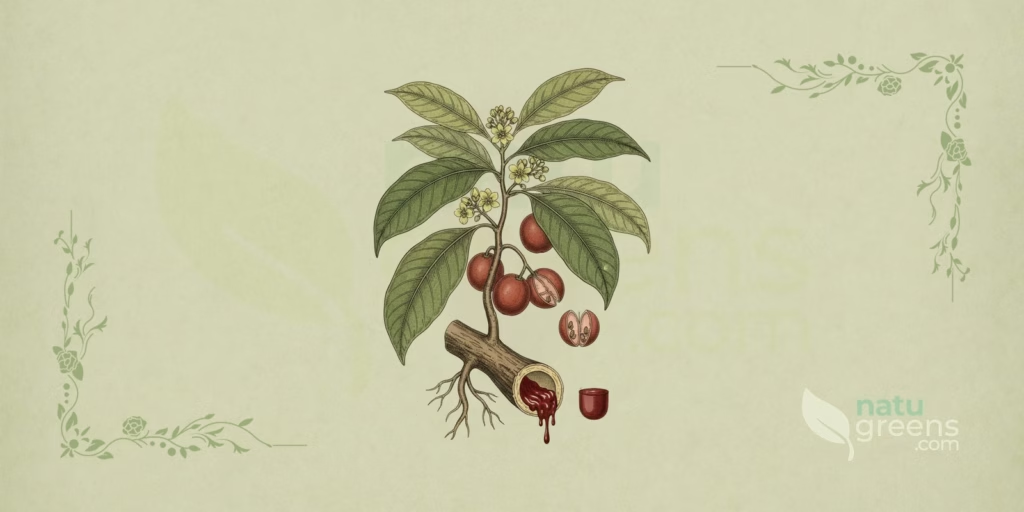
Morinda citrifolia L. / Noni, commonly known as noni, Indian mulberry and great morinda, is a fruit-bearing plant of the Rubiaceae family, the same family as coffee. The species is native to an area spanning Southeast Asia, Australia, the Pacific islands and India, from where it spread to many tropical regions. Valued in tradition for its medicinal and nutritional properties, noni has been used for many generations in traditional Polynesian medicine, which makes use of its leaves, fruits, bark and roots. There are also records of its traditional use in Southeast Asia and the Caribbean. The plant is an evergreen shrub or small tree that reaches 3 to 9 meters in height. It has large, glossy leaves, white flowers and yellowish-white fruits that give off a strong, peculiar odor when ripe.
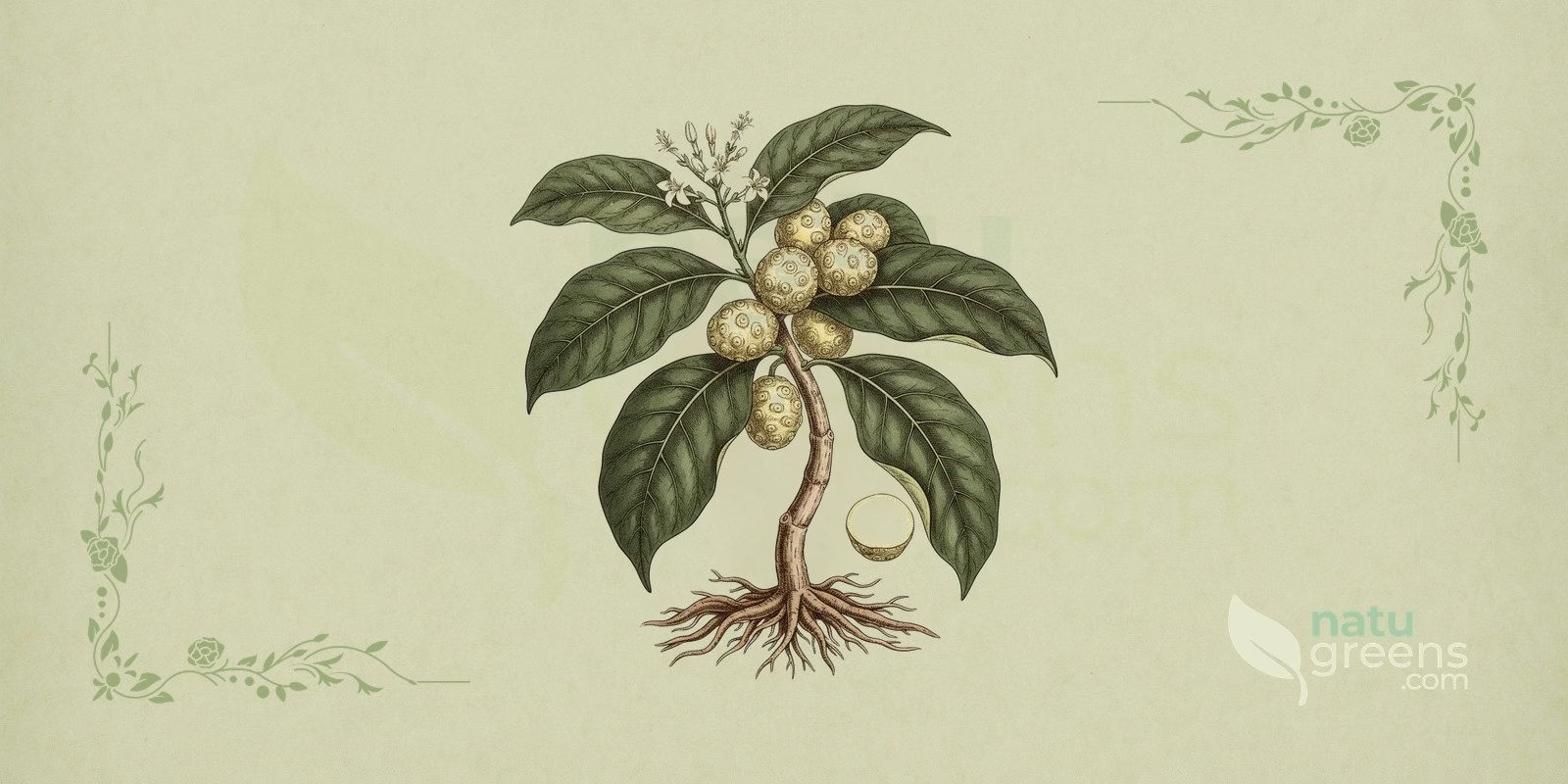
In ethnobotanical tradition, noni holds a prominent place as a versatile remedy, with applications ranging from bacterial infections and inflammation to the relief of pain and gastrointestinal disorders, always as a matter of traditional record. Modern research has investigated some of these uses and describes a phytochemical composition rich in bioactive substances such as alkaloids, anthraquinones, flavonoids and terpenoids. In laboratory studies, these substances have been associated with antioxidant, antimicrobial and anti-inflammatory activities, although clinical trials in humans remain few and small. In Brazil, the health regulator ANVISA has banned the sale of noni-based products since 2007. For this reason, this article covers the plant only as a species of traditional use in other regions, with special attention to the risks described in the contraindications.
Popular and International Names of Noni
- English: awl tree, beach mulberry, cheese fruit, great morinda, Indian mulberry, noni, vomit fruit.
- French: mûrier indien, noni, nono, pomme-chien.
- German: Große Morinde, Indische Maulbeere, Käsefrucht, Noni.
- Italian: frutto del formaggio, gelso indiano, noni.
- Portuguese: amora-indiana, fruta-pão-de-macaco (Brazil), morinda-da-índia, noni, noni-da-índia (Portugal).
- Spanish: fruta del diablo, manzana de cerdo, mora de la India, noni.
Botanical Synonyms of Morinda citrifolia
Morinda citrifolia L. has gathered several botanical synonyms over the history of plant taxonomy, including Morinda aspera Wight & Arn., Morinda bracteata Roxb., Morinda chachuca Buch.-Ham., Morinda citrifolia f. potteri (O.Deg.) H.St.John and Morinda citrifolia var. bracteata (Roxb.) Hook.f. Although Morinda citrifolia L. is the accepted and most common name, knowing these synonyms helps with literature searches and with the precise identification of the species across different scientific and historical contexts. It also helps avoid confusing it with closely related species of the same genus, such as Morinda angustifolia Roth and Morinda elliptica (Hook.f.) Ridl., which are accepted as distinct species.
Botanical Family: Rubiaceae
Morinda citrifolia belongs to the Rubiaceae family, one of the largest families of flowering plants, with more than 13,000 species distributed across about 600 genera. The family is known for including plants of great economic and medicinal importance, such as coffee (Coffea arabica) and cinchona (Cinchona officinalis), the source of quinine. Its species are characterized by opposite or whorled leaves, interpetiolar stipules and flowers that are usually tetramerous or pentamerous.
The Rubiaceae are a cosmopolitan family, with the greatest diversity in tropical and subtropical regions. Many of its species are known for producing alkaloids, glycosides and other bioactive compounds of pharmacological interest. The presence of Morinda citrifolia in this group underscores its relevance to traditional medicine and phytochemistry, since the species shares botanical and chemical traits with other plants of medicinal use.
Parts of Noni Used
- Bark
- Fruits (unripe and ripe)
- Leaves
- Roots
In Polynesian tradition, all of these parts are used. The fruit, however, consumed mainly as juice, is the most frequently cited part and also the one that carries the main safety warnings, related to its potassium content and to reports of effects on the liver.
Ethnobotanical and Traditional Uses
The uses below bring together records from ethnobotanical tradition in regions such as Polynesia, Southeast Asia and the Caribbean, and they are neither indications proven by clinical studies nor a substitute for medical treatment.
- Anthelmintic (traditional record against intestinal worms)
- Anti-inflammatory (traditional record)
- Arthritis
- Asthma
- Bacterial infections
- Common cold
- Constipation
- Diabetes (traditional record, not a substitute for medical follow-up)
- Diarrhea
- Fever
- Gastrointestinal disorders (indigestion, stomach ulcers)
- General infections
- General tonic
- Hypertension (traditional record, not a substitute for medical follow-up)
- Intestinal cramps
- Pain relief (traditional record as an analgesic)
- Skin conditions (inflammation, infections)
- Wound healing
Therapeutic Properties of Noni
The activities listed below come mainly from laboratory studies and preliminary investigations. Clinical trials in humans are still few and small, and they are insufficient to confirm benefits.
- Analgesic (effect investigated in preliminary studies)
- Anthelmintic (traditional record against intestinal worms)
- Antibacterial (activity observed in laboratory tests)
- Anti-inflammatory (effect investigated in preliminary studies)
- Antioxidant (activity observed in fruit extracts in the laboratory)
- Antiviral (activity observed only in the laboratory)
- Hypoglycemic (effect investigated in preliminary studies, not a substitute for medication)
- Hypotensive (effect investigated in preliminary studies)
- Immunostimulant (effect investigated in preliminary studies)
Detailed Phytochemical Profile of Noni
- Alkaloids
- Anthraquinones
- Coumarin glycosides (esculetin-7-O-β-D-glucopyranosyl-(1→6)-β-D-glucopyranoside)
- Fatty acids
- Flavonoids (flavonol glycosides)
- Glycosides (iridoid glycosides)
- Minerals (copper, iron, magnesium, potassium, selenium, sulfur, zinc)
- Phenylpropanoids
- Polyphenols
- Saponins
- Steroids
- Terpenoids
- Vitamins (vitamin C)
Studies of the fruit’s constituents have identified compounds with antioxidant activity in laboratory tests, and specific analyses have measured the anthraquinone content of plant samples. The fruit juice also stands out for its high potassium content, a central point of the contraindications described further on.
Preparation and Administration Forms of Noni
- Fruit tea (infusion)
- Juice (fermented or pressed)
- Leaf tea (infusion)
- Liquid extract
- Tincture
None of these forms has a standardized dose for safe use, and the choice of any preparation should involve a healthcare professional, especially given the potassium content of the juice and the reports of adverse effects on the liver.
Synergy with Other Medicinal Plants
Noni and Averrhoa bilimbi
The combination of noni (Morinda citrifolia) with bilimbi (Averrhoa bilimbi) is cited as a pairing of interest in traditional formulations, in which the bioactive compounds of the two plants are thought to reinforce each other’s anti-inflammatory and antioxidant actions, a hypothesis that still lacks clinical confirmation. On the research side, an experimental study published in 2025 assessed the combined effects of noni fruit and bilimbi leaves on hair growth in rabbits, which points to an early line of investigation limited to animals.
Noni and Curcuma zanthorrhiza
The combination of noni seed extracts with temulawak rhizome (Curcuma zanthorrhiza, also spelled Curcuma xanthorrhiza) has been described as having antibacterial activity in laboratory tests, which has sparked interest in developing antimicrobial agents of natural origin. The curcuminoids in temulawak, including curcumin, are considered possible complements to the compounds in noni. A 2024 toxicological study assessed in animals the acute and subchronic safety of a combined extract that included both plants, without this representing any indication for use in infections.
Recipes and Usage Protocols of Noni
Noni Leaf Tea
Ingredients: fresh or dried noni leaves, water and honey (optional), in amounts that should be defined with a healthcare professional.
Preparation: Wash fresh leaves thoroughly, bring the water to a boil and add the noni leaves; with fresh leaves, lower the heat and keep at a gentle simmer for 15 to 20 minutes, and with dried leaves let them steep for 5 to 10 minutes. Strain and sweeten with honey if desired. This tea is traditionally used to relieve cramps and muscle pain, but the amount and frequency of consumption have no safe standardization, so consult a healthcare professional before using it.
Fermented Noni Juice
Ingredients: ripe noni fruits.
Preparation: In the form recorded by Polynesian tradition, the ripe fruits are picked, cleaned and placed in a clean, airtight glass container, where they ferment at room temperature for several weeks until they break down and release their juice, which is then strained and stored in the refrigerator. This is the best-known traditional preparation of the plant, but the juice is concentrated in potassium and has no established safe dose, so its consumption requires guidance from a healthcare professional and should be avoided by people with kidney disease.
Noni Juice with Pineapple
Ingredients: 1 part noni juice prepared as in the previous recipe, 2 parts pineapple juice and ice (optional).
Preparation: Mix the noni juice with the pineapple juice to soften the fruit’s strong flavor, add ice and serve. This is a more palatable way of consuming noni in the tradition, but the pineapple should not be swapped for coconut water or orange juice, which also supply potassium, and the mixture does not replace the guidance of a healthcare professional.
Noni Tincture
Ingredients: dried noni leaves or fruits and grain alcohol (40% to 60%).
Preparation: Crush the dried leaves or fruits, place them in a glass jar and cover with grain alcohol, leaving them to macerate for 2 to 4 weeks in a dark place and shaking the jar daily. Then strain and store the tincture in a dark bottle. Its use, always diluted in water, depends on guidance from a healthcare professional, who should take into account the interactions and contraindications described below.
The preparations above follow traditional records and do not replace professional guidance. Before any internal use, check the contraindications and interactions described in this article.
Associated Therapies
Ayurveda
In Ayurvedic medicine, noni appears in records as an immunomodulatory, digestive and anti-inflammatory plant, traditionally used for digestive problems, diabetes and arthritis, although this use does not replace medical follow-up. The Ayurvedic approach usually integrates noni into complex herbal formulations, with the aim of balancing the doshas and promoting the overall health of the individual. The tradition also values the plant as support for the immune system and metabolic function, an effect that still awaits clinical proof.
Phytotherapy
Modern phytotherapy studies noni because of the antioxidant, antimicrobial and anti-inflammatory activities observed in its extracts, with particular interest in oxidative stress and the modulation of the inflammatory response. Phytochemical research continues to isolate and characterize the bioactive compounds responsible for these effects, but the evidence in humans is still insufficient to establish noni in evidence-based medicine. In Brazil, no noni product is authorized for sale.
Traditional Polynesian Medicine
Noni is one of the most important medicinal plants in traditional Polynesian medicine, which uses it for a wide range of complaints, from bacterial infections and fevers to gastrointestinal problems and pain. All parts of the plant are used in traditional rituals and preparations. This long history of use and the cultural importance of noni in the Pacific islands show how highly the species was valued as a natural remedy, even though tradition is not synonymous with proven efficacy or safety.
Contraindications and Side Effects of Noni
Despite its prominent place in tradition, consuming noni calls for caution, and the plant should not be used as a substitute for medical treatment. People with a known allergy to plants of the Rubiaceae family should avoid it. The laxative effect of noni can be problematic for people with diarrhea or sensitive bowel conditions. The main concerns, however, involve its potassium content, reports of liver injury and interactions with medications.
High Potassium and Kidney Disease
Warning: noni juice is rich in potassium, with a high content documented at around 56 mEq/L. There is a published clinical case of severe hyperkalemia in a patient with chronic renal failure (Mueller et al., American Journal of Kidney Diseases, 2000). For this reason, noni is contraindicated in people with kidney disease and in those taking medications that retain potassium, including ACE inhibitors, angiotensin receptor blockers and potassium-sparing diuretics, without medical guidance.
Sales Ban in Brazil
Brazil’s health regulator, ANVISA, has prohibited the sale of noni-based products in the country since 2007 (Informe Técnico nº 25/2007), and noni has never been approved as a food there. For this reason, this content describes the plant only as a species of traditional use in regions such as Polynesia, Southeast Asia and the Caribbean, with no suggestion of purchase or sale. Products offered as noni juice or capsules have no safety assessment approved by the agency.
Common Side Effects
The side effects of noni tend to be mild, such as nausea, gastrointestinal discomfort and diarrhea, especially in large amounts. There are, however, published case reports of acute hepatitis associated with the consumption of noni preparations, including in an adolescent, as well as kidney damage in people with preexisting conditions or who consumed large amounts. Although the causal relationship is still debated in the literature, people with liver disease should avoid the plant. Signs such as yellowing of the skin or eyes, dark urine and intense fatigue require stopping use and seeking immediate medical evaluation. Professional supervision is also recommended for any prolonged use of the plant.
Drug Interactions
Noni may interact with several medications, and there are reports of a possible reduction in the effect of warfarin (an anticoagulant), which increases the risk of clots and requires monitoring in people taking this medication. People taking antihypertensives or drugs that raise potassium should be cautious, since noni may add to their effects on blood pressure and on levels of this mineral. Those using hypoglycemic drugs also need supervision, because the effect on blood glucose investigated in preliminary studies may interfere with diabetes control. There are also mentions of interactions with antiepileptics and other drugs metabolized by the liver, which calls for close medical supervision.
Pregnancy, Breastfeeding and Children
There are insufficient safety data on the use of noni during pregnancy, breastfeeding or childhood. For this reason, the plant should be avoided by pregnant and breastfeeding women and should not be given to children without an explicit recommendation from a pediatrician.
Historical Notes and Interesting Facts
A Fruit with More Than a Hundred Names
Morinda citrifolia is known by more than a hundred common names in different regions of the world, a reflection of its wide distribution and cultural importance. Names such as Indian mulberry, great morinda, cheese fruit and vomit fruit in English, and noni, amora-indiana and morinda-da-índia in Portuguese, show the diversity of perceptions and uses of the plant around the globe. They also reveal the long history of contact between the species and very different cultures and linguistic contexts.
Noni in Antiquity
The use of noni dates back many centuries, possibly thousands of years, and archaeological and ethnobotanical evidence suggests that the plant was carried by Polynesian navigators across the Pacific. It was one of the essential species taken aboard their canoes, alongside other plants vital for survival and medicine. This practice shows the value of noni for the health and well-being of island communities that relied heavily on the natural resources available to them.
The Fruit with a Peculiar Smell
The ripe noni fruit is known for its strong, peculiar odor, which earned it the common name vomit fruit in some regions and also cheese fruit, in reference to a smell reminiscent of cheese. Despite the aroma, the fruit is highly valued in Pacific traditions. This contrast between its uninviting smell and its medicinal prestige helps explain why noni arouses the curiosity of researchers and of people interested in medicinal plants.
Frequently Asked Questions about Noni
Can Noni Be Consumed Daily?
No safe daily dose has been established for noni. Regular consumption should only take place under the guidance of a healthcare professional, since the juice is concentrated in potassium and there are reports of adverse effects on the liver. Excess can cause gastrointestinal discomfort and diarrhea, and the appropriate amount varies according to the form of preparation and the health condition of each person. In addition, ANVISA prohibits the sale of noni-based products in Brazil.
Does Noni Help with Weight Loss?
There is no robust scientific evidence that noni, on its own, causes weight loss. Some preliminary studies are investigating possible effects on metabolism and inflammation, but these findings do not justify using the plant for weight loss, which depends on a balanced diet, regular physical activity and professional supervision.
Can Children Consume Noni?
Noni should not be given to children without an explicit recommendation from a pediatrician, because there are insufficient data on safety and dosage for children. Given the lack of conclusive studies on long-term effects and the reports of liver toxicity, including in an adolescent, the most prudent advice is to avoid its use in childhood.
Can Noni Cause Allergies?
Yes, like any plant, noni can cause allergic reactions in sensitive people, especially those with a known allergy to plants of the Rubiaceae family. Symptoms range from mild skin rashes to severe reactions such as anaphylaxis, and any sign of a reaction requires stopping use and seeking immediate medical care. People with a history of allergies should consult a doctor before any contact with the plant.
Does Noni Interact with Medications?
Yes, noni may interact with several medications, including warfarin, whose effect may be reduced, antihypertensives, hypoglycemic drugs and medications that retain potassium, such as ACE inhibitors, angiotensin receptor blockers and potassium-sparing diuretics. There are also mentions of interactions with drugs metabolized by the liver, so anyone taking any medication should talk to their doctor or pharmacist before using the plant.
Is Noni Approved for Sale in Brazil?
No. ANVISA has prohibited the sale of noni-based products in Brazil since 2007 (Informe Técnico nº 25/2007), and noni has never been approved as a food in the country. Elsewhere, such as in the European Union, noni juice is marketed only as a regulated novel food, not as an unrestricted product.
Notice: this content is for informational purposes and does not replace professional medical advice. Consult a physician or herbal practitioner before using medicinal plants, especially during pregnancy, breastfeeding, or alongside medication.
References and Scientific Studies
View All 10 Cited References
- PMC2025 Azizah N, et al. Evaluation of the combined effects of Morinda citrifolia fruit and Averrhoa bilimbi leaves on hair growth in rabbits. J Adv Pharm Technol Res. 2025.
- PMC2013 Bussmann RW, et al. Anthraquinone Content in Noni (Morinda citrifolia L.). Evid Based Complement Alternat Med. 2013.
- PMC2004 Carr ME, et al. Coumadin resistance and the vitamin supplement “Noni”. Am J Hematol. 2004.
- PMC2005 Millonig G, et al. Herbal hepatotoxicity: acute hepatitis caused by a Noni preparation (Morinda citrifolia). Eur J Gastroenterol Hepatol. 2005.
- PMC2000 Mueller BA, et al. Noni juice (Morinda citrifolia): hidden potential for hyperkalemia? Am J Kidney Dis. 2000.
- PMC2007 Potterat O, Hamburger M. Morinda citrifolia (Noni) fruit: phytochemistry, pharmacology, safety. Planta Med. 2007.
- PMC2024 Rosidah I, et al. Acute and Subchronic Toxicological Study of the Cocktail Extract from Curcuma xanthorrhiza Roxb, Phyllanthus niruri L. and Morinda citrifolia L. J Toxicol. 2024.
- PMC2005 Stadlbauer V, et al. Hepatotoxicity of NONI juice: report of two cases. World J Gastroenterol. 2005.
- PMC2005 Su BN, et al. Chemical constituents of the fruits of Morinda citrifolia (Noni) and their antioxidant activity. J Nat Prod. 2005.
- PMC2018 West BJ, et al. The Potential Health Benefits of Noni Juice: A Review of Human Intervention Studies. Foods. 2018.