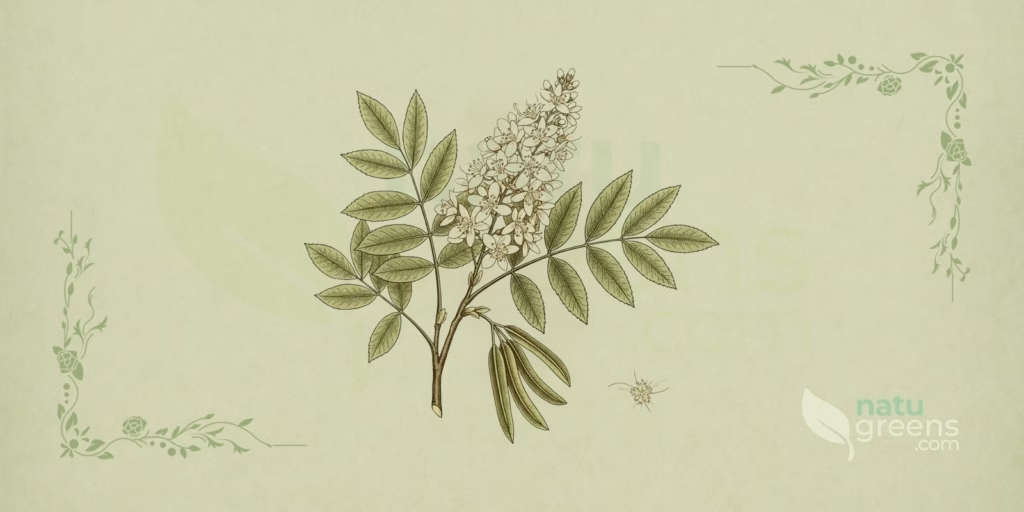
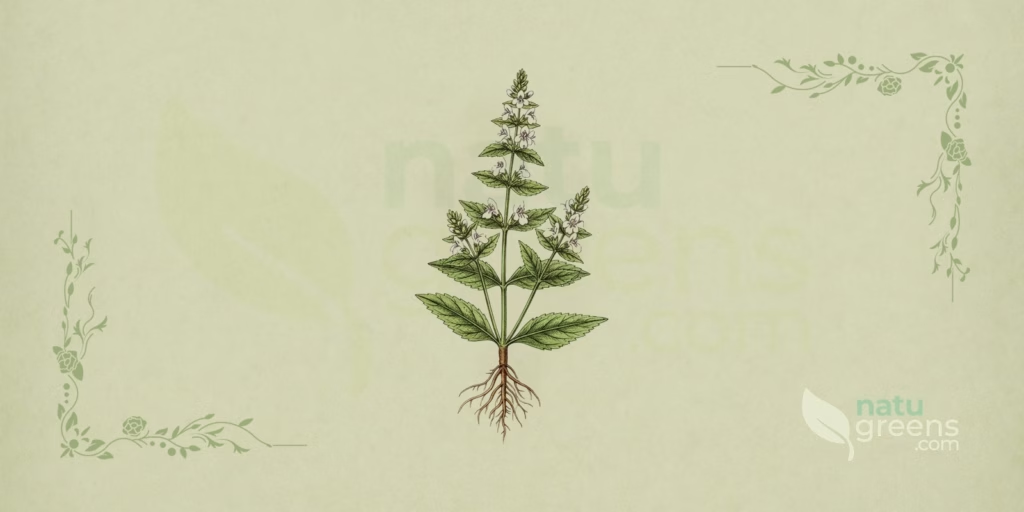
Chamaelirium luteum (L.) A. Gray is a perennial herbaceous plant native to eastern North America. In the English-language trade it is sold as “false unicorn root”, and in homeopathy it is known as “Helonias”, a name inherited from the old synonym Helonias dioica. Its common names vary considerably, so this article uses the scientific binomial as its main name. A member of the Melanthiaceae family, the plant is valued in tradition for its root and rhizome. It is dioecious, meaning that male and female flowers grow on separate individuals, and it thrives in the moist, shaded settings of deciduous woodlands and meadows.
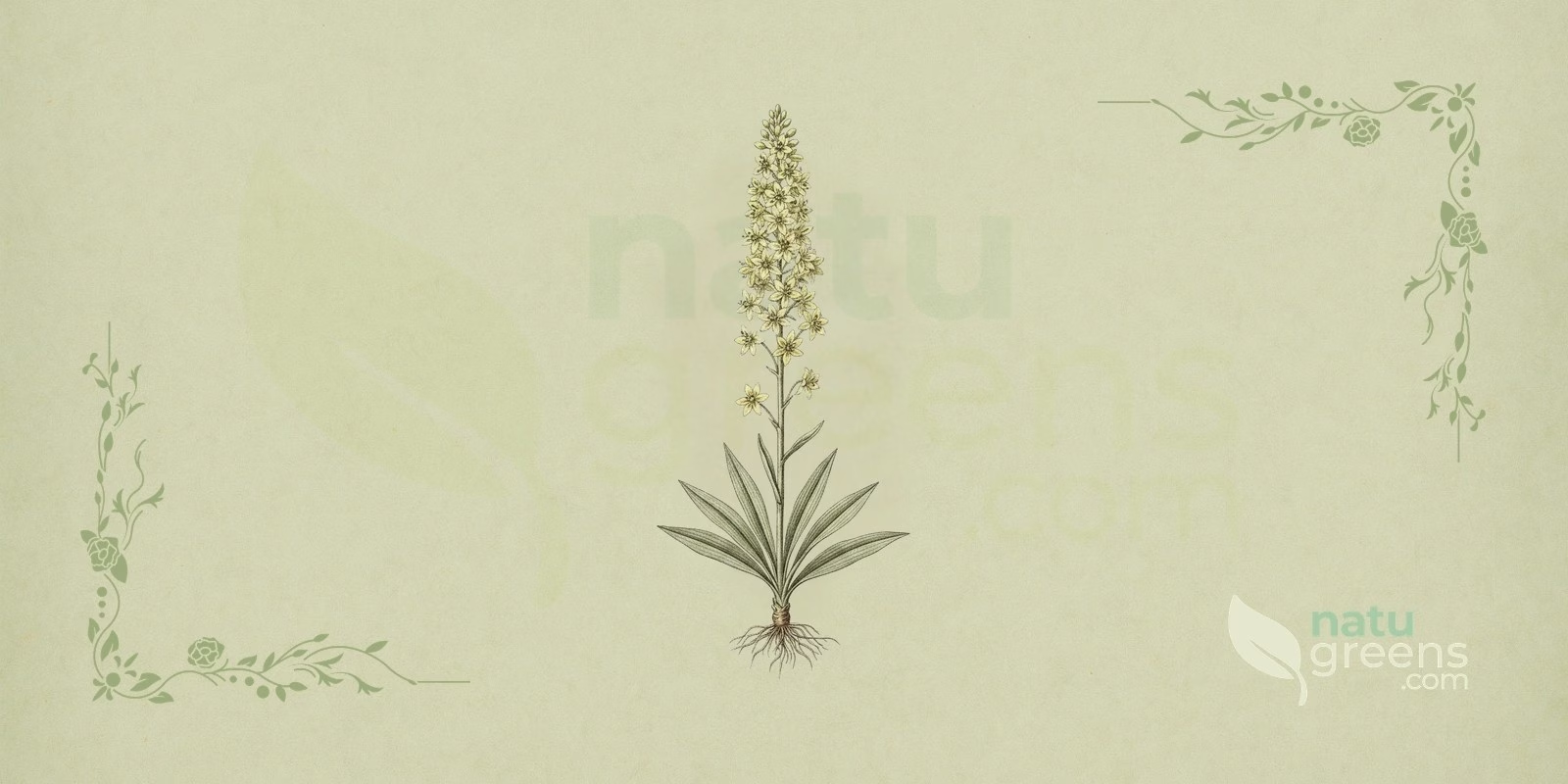
Its recorded use goes back to the Indigenous peoples of North America, who used the root mainly for complaints of the female reproductive system. The plant later entered Western herbal medicine, where it earned a reputation as a uterine tonic. Modern research, however, has focused on the chemistry of the root’s saponins and has produced no clinical study confirming the safety or efficacy of these traditional uses. For that reason, this article presents the species’ obstetric and gynecological history as a record of past practice, never as a recommendation. The emphasis falls instead on contraindications, commercial adulteration with Aletris farinosa and the conservation risk that overharvesting poses to wild populations.
Popular and International Names of Chamaelirium luteum
The names below are recorded in several languages. Portuguese has no established common name for the species: texts translated from English sometimes use “falso unicórnio”, a calque of “false unicorn root” that does not correspond to any Brazilian vernacular in current use. In English, the resemblance to “true unicorn root”, the name given to Aletris farinosa, explains much of the confusion seen in the trade.
- English: blazing star, devil’s bit, drooping starwort, fairy wand, false unicorn root, helonias, rattlesnake-root, squirrel tails, starwort, unicorn’s-horn.
- French: chamélire doré, fausse licorne, hélonias, plante étoilée.
- German: Helonias.
- Italian: falso unicorno.
- Portuguese: no common name in current use; the binomial Chamaelirium luteum is used.
- Spanish: estrella llameante, falsa raíz de unicornio, vara de hada.
Botanical Synonyms of Chamaelirium luteum
The botanical synonyms of Chamaelirium luteum include Helonias dioica Pursh, Helonias lutea Ker Gawl. and Veratrum luteum L. The last of these is the basionym described by Linnaeus and later transferred by Asa Gray to the current genus. These historical names reflect how botanical taxonomy has shifted over time. Knowing them helps identify the plant accurately in older scientific works, in commercial catalogs and in the homeopathic materia medica, where the name “Helonias” is still in use.
Botanical Family: Melanthiaceae
Chamaelirium luteum belongs to the Melanthiaceae family, a group of flowering monocots. It was once classified in Liliaceae, as part of the literature still shows, until more recent taxonomic revisions moved it. The family includes several plants of medicinal and ornamental importance, marked by distinctive flowers and often by the presence of alkaloids and steroidal saponins, which helps put the chemical profile of the root in context. A phylogenomic study published in 2025 analyzed the chloroplast genomes of five species in the genus and confirmed that Chamaelirium splits into two major clades, matching the sections proposed by traditional classifications.
Parts of Chamaelirium luteum Used
Tradition uses only the underground organs, and since harvesting the root and rhizome removes the whole plant, this practice weighs directly on the species’ wild populations.
- Rhizome
- Root
Ethnobotanical and Traditional Uses
The list below gathers historical records, nearly all of them obstetric and gynecological, and does not amount to a recommendation for use: none has been confirmed by a modern clinical study, and the pregnancy-related items describe a practice that is now contraindicated.
- Amenorrhea (absence of menstruation)
- Digestive disorders
- Diuretic (promoting urination)
- Dysmenorrhea (painful menstruation)
- Emmenagogue (stimulating menstrual flow)
- Female infertility (traditional use, unproven)
- Intestinal worms (traditional use for expelling them)
- Menopause (symptoms)
- Morning sickness in pregnancy (historical use, now contraindicated)
- Ovarian cysts (traditional use)
- Premenstrual syndrome (PMS)
- Threatened miscarriage (historical obstetric use, now contraindicated)
- Uterine prolapse (traditional use)
- Uterine tonic (historical designation)
Therapeutic Properties of Chamaelirium luteum
The properties attributed to the root come from herbal tradition and have not been evaluated in clinical trials. The most recent scientific review of the species, published in 2026, concludes that clinical evidence remains limited.
- Antispasmodic (traditionally recorded for relieving muscle spasms, without clinical confirmation)
- Diuretic (traditionally recorded for increasing urine output)
- Emetic (may cause vomiting at high doses; an adverse effect, not a benefit)
- Emmenagogue (traditionally recorded for stimulating menstrual flow, one more reason to avoid it in pregnancy)
- Uterine tonic (historical designation from herbal tradition, with no clinical evidence of any action on the uterus)
Detailed Phytochemical Profile of Chamaelirium luteum
The root of Chamaelirium luteum is rich in steroidal glycosides, and much of the chemistry of this class was worked out by a group at the University of Queensland, Australia, which isolated 15 steroidal glycosides from the roots. Twelve of them appear to be unique to the species, and eight were described for the first time. In 2011, the total synthesis of (23R,24S)-chiograsterol B defined the structure and stereochemistry of the plant’s main saponins. That same year, the Australian team described helosides A and B, which contain a previously unknown aglycone, helogenin.
- Chamaelirin (saponin cited in the traditional literature)
- Chiograsterol-type saponins (A and B)
- Cholestane glycosides (six first described in 2013)
- Diosgenin (steroidal aglycone)
- Gallic acid (phenolic acid cited in a 2026 review)
- Helosides A and B (saponins of the aglycone helogenin)
- Lignans
- Quercetin (flavonoid)
- Steroidal saponins
A review published in 2026 also mentions phenolic acids, flavonoids and lignans alongside the steroidal saponins. In 2013, a Japanese group described new cholestane glycosides and sterols extracted from the plant’s underground parts. Some isolated compounds, especially aglycones obtained by hydrolysis, showed antiproliferative or cytotoxic activity in tumor cell lines grown in the laboratory, including HL-60 leukemia cells. These results, however, concern purified substances in cell culture, not the root taken as a tea or tincture, and do not justify any use against cancer.
Preparation and Administration Forms of Chamaelirium luteum
The forms below appear in herbal tradition and on the market, but none has a dose established by clinical study. In addition, the root can cause vomiting when taken in high doses.
- Capsules
- Decoction
- Fluid extracts
- Tinctures
Before any preparation, the botanical identity of the material should be confirmed, since the root is often adulterated with Aletris farinosa. Material from cultivation, never from wild harvesting, is the better choice. The form and amount should be chosen by a qualified health professional, and use is ruled out during pregnancy, during breastfeeding and in any situation where it would replace medical care.
Synergy with Other Medicinal Plants
Traditional Combinations for Female Reproductive Health
In Western herbalism, Chamaelirium luteum is traditionally included in formulas alongside other herbs associated with female reproductive health, such as Vitex agnus-castus (chaste tree) and Actaea racemosa (syn. Cimicifuga racemosa, black cohosh). These formulas have a traditional record of use for PMS, menopause, menstrual cycle complaints and fertility support, but no combination has been evaluated in a clinical study. A laboratory assay of commercial preparations of all three plants found that each one inhibited some of the cytochrome P450 enzymes that metabolize drugs. This makes the combination more delicate for anyone on long-term medication. Because the species is contraindicated in pregnancy, anyone trying to conceive should discuss any formula with their doctor before using it.
Traditional Combinations for Digestive Complaints
For digestive complaints, the plant is traditionally combined with carminative herbs such as Zingiber officinale (ginger) and Mentha × piperita (peppermint), both with a traditional record of use for nausea and colic. No study has evaluated this combination, and the root of Chamaelirium luteum itself can cause vomiting at high doses. That effect limits any expectation of digestive benefit and underlines the need for professional guidance.
Recipes and Usage Protocols of Chamaelirium luteum
The preparations below describe the traditional method of use and give no numerical dose, because the species has no established safety data and can cause vomiting in large amounts. Where appropriate, the dose should be set by a health professional.
Traditional Decoction of the Dried Root
For the traditional decoction, the dried, chopped root is placed in cold water, brought to a boil and kept on low heat for a few minutes before being strained. Herbal tradition records this preparation for menstrual complaints and as a supposed uterine tonic. The amount of root and the frequency of use should not be decided on your own, so consult a health professional. Do not use it during pregnancy or breastfeeding, and anyone trying to conceive should talk to their doctor first.
Tincture in Traditional Herbal Use
A tincture is a concentrated form of the root, traditionally diluted in a little water or juice. In Western herbalism it is used for menstrual complaints, for fertility support and as a uterine tonic, always according to the traditional record and without clinical proof. Because it is concentrated and no dose has been established in studies, the tincture should only be used with a prescription and follow-up from a qualified herbalist or physician, so consult a health professional before any use.
The preparations above follow traditional records and do not replace professional guidance. Before any internal use, check the contraindications and interactions described in this article.
Associated Therapies
Herbal Medicine
In the Western herbal tradition, Chamaelirium luteum became known as a uterine tonic and cycle regulator. Its historical use covered fertility support, symptoms of menopause and PMS, and irregular menstrual cycles. That reputation, however, has never been backed by a modern clinical study, and no standardized root extract has been tested in human trials. As a result, commercial tinctures and extracts can vary in composition, and may even contain another species, without offering a reliable dosage of their compounds, such as the steroidal saponins. Today, responsible use means professional guidance, a preference for cultivated material and the absolute exclusion of pregnant and breastfeeding women.
Homeopathy
In homeopathy, the species appears as “Helonias”, a name derived from the old synonym Helonias dioica. The homeopathic materia medica lists it for complaints of the female reproductive system, such as uterine prolapse, amenorrhea and dysmenorrhea, in patients described as weak, exhausted and sensitive in the reproductive organs. The remedy is prepared in extreme dilutions, following the individualized approach of this practice. These indications have not been confirmed in controlled clinical studies, which reinforces that no preparation replaces a gynecological evaluation.
Contraindications and Side Effects of Chamaelirium luteum
Chamaelirium luteum has no safety profile established by modern clinical studies, and the idea that it would be safe at usual doses finds no support in the scientific literature. Its historical traditional use was almost entirely obstetric and gynecological, as a “uterine tonic” and for threatened miscarriage, but this must not be read as a recommendation. On the contrary, its use is contraindicated during pregnancy and breastfeeding, despite the historical tradition to the contrary, because no modern clinical study supports its safety or efficacy for this indication. At high doses, the root can have an emetic effect, causing nausea and vomiting. The plant should also not be used as a substitute for obstetric or gynecological medical care.
People with a known allergy to plants of the Melanthiaceae family should avoid it. Its possible diuretic action calls for caution in people who have kidney disease or take heart medications. Guidance from a health professional is essential before any use, especially in the presence of pre-existing conditions or when other medications and supplements are being taken. Another risk comes from the trade itself, since the root is frequently adulterated with Aletris farinosa, known in English as “true unicorn root”, a botanically different species despite the similar common name. The product sold may therefore not even contain the plant named on the label.
There is also a conservation issue tied to responsible use, as the species is classified as “At Risk” by the organization United Plant Savers because of overharvesting in the wild. Anyone who chooses to use it should prioritize cultivated material, not wild-harvested roots.
Pregnancy and Breastfeeding
Use of Chamaelirium luteum is contraindicated during pregnancy and breastfeeding, even though historical tradition employed it precisely during pregnancy, as a uterine tonic, for morning sickness and for threatened miscarriage. The contraindication rests on the absence of any modern clinical study of safety or efficacy and on sources that mention a theoretical possibility of action on the uterus, given that tradition itself classified the root as an emmenagogue. Pregnant women, breastfeeding women and women trying to conceive should not use the plant on their own, and no preparation replaces prenatal care or obstetric follow-up.
Drug Interactions
There are no clinical interaction studies for Chamaelirium luteum, and the cautions described here are theoretical or come from laboratory assays. Because of its possible diuretic action, the plant may add to the effect of diuretics, with a risk of electrolyte imbalance, and could in theory interfere with lithium excretion. In an in vitro assay, a commercial preparation of the plant inhibited some of the main cytochrome P450 enzymes that metabolize drugs. The authors themselves caution that only studies in living organisms can show whether this translates into a clinically relevant interaction. As a precaution, anyone taking anticoagulants, antidepressants or other long-term medications should tell their doctor or pharmacist about any herb or supplement before starting it.
Historical Notes and Interesting Facts
Name and Symbolism
The English name “false unicorn root” stands in contrast to “true unicorn root”, the name given to Aletris farinosa, a botanically different species. This similarity long fueled confusion and adulteration between the two roots in the trade. The origin of the unicorn image is uncertain, and popular explanations point to the root, often twisted and pale, and to an association with the purity and rarity of the mythical animal. According to folk accounts, the plant was also seen as a symbol of fertility and female protection, present in practices aimed at conception, but this symbolism bears no relation to any proven effect.
Dioecious Plant and Population Biology
Because it is dioecious, with separate male and female plants, the species became the subject of classic population biology studies that began around 1980. This research looked at the spatial distribution of males and females and at the mechanisms that regulate sex ratios in natural populations. On an evolutionary scale, a 2025 phylogenomic study estimated that the genus Chamaelirium arose in the Eocene, about 53 million years ago, probably in East Asia. According to the same work, the Asian and North American lineages split in the early Miocene, about 18 million years ago, with the Bering land bridge serving as a corridor.
Conservation Status
Chamaelirium luteum is classified as “At Risk” by United Plant Savers, an organization dedicated to conserving the native medicinal plants of North America. Excessive harvesting of the roots for medicinal purposes, combined with habitat loss to urban development and agriculture, has contributed to the decline of its populations. Since digging the root removes the whole plant, sustainable cultivation and a preference for cultivated rather than wild-harvested material are the way to protect the species and keep it available for future generations. Awareness of this status helps promote responsible harvesting practices and the preservation of the ecosystems where the plant grows.
Frequently Asked Questions about Chamaelirium luteum
Can Chamaelirium luteum Be Used During Pregnancy?
No. Although historical tradition used the plant precisely during pregnancy, as a uterine tonic and for threatened miscarriage, its use is contraindicated during pregnancy and breastfeeding. No modern clinical study supports its safety or efficacy for this indication. Pregnant and breastfeeding women should keep up their obstetric care and not turn to the plant on their own.
Is There Scientific Evidence for Its Use in Fertility?
Support for female fertility is a traditional record from Western herbalism, but no clinical trial confirms it. The most recent scientific review of the species rates the clinical evidence as limited. Since the plant is contraindicated in pregnancy, anyone trying to conceive should discuss the matter with their doctor before any use, without abandoning conventional infertility investigation and treatment.
What Are the Main Side Effects of Chamaelirium luteum?
The most frequently cited adverse effect is emesis, since at high doses the root can cause nausea and vomiting. Allergic reactions are also possible in people sensitive to plants of the Melanthiaceae family, and the lack of safety studies, together with the risk of adulteration with Aletris farinosa, makes guidance from a health professional essential before use.
Does Chamaelirium luteum Interact with Medications?
There is no clinical interaction study, but its possible diuretic action calls for caution with diuretics and lithium. A laboratory assay also found that a commercial preparation of the plant inhibited cytochrome P450 enzymes involved in the metabolism of many drugs. For this reason, anyone taking anticoagulants, antidepressants or long-term medications should tell their doctor or pharmacist before using the herb.
Are Chamaelirium luteum and Aletris farinosa the Same Plant?
No, they are botanically different species, although their English common names are similar: Aletris farinosa is known as “true unicorn root”, and Chamaelirium luteum as “false unicorn root”. This similarity encourages frequent adulteration in the trade, which is why the botanical identity of the material should be confirmed with the supplier before any use.
Why Is Chamaelirium luteum at Risk in the Wild?
United Plant Savers classifies the species as “At Risk” because of overharvesting of roots in the wild, made worse by habitat loss. Since harvesting removes the whole plant, responsible use favors cultivated material, not wild-harvested roots, from suppliers who can document that origin.
Notice: this content is for informational purposes and does not replace professional medical advice. Consult a physician or herbal practitioner before using medicinal plants, especially during pregnancy, breastfeeding, or alongside medication.
References and Scientific Studies
View All 11 Cited References
Peer-Reviewed Scientific Studies (8)
- PMC2011 Challinor VL, et al. Structure and absolute configuration of helosides A and B, new saponins from Chamaelirium luteum. J Nat Prod. 2011.
- PMC2012 Challinor VL, et al. Structure and bioactivity of steroidal saponins isolated from the roots of Chamaelirium luteum (false unicorn). J Nat Prod. 2012.
- PMC2011 Ho SH, et al. The effects of commercial preparations of herbal supplements commonly used by women on the biotransformation of fluorogenic substrates by human cytochromes P450. Phytother Res. 2011.
- PMC2011 Matovic NJ, et al. The truth about false unicorn (Chamaelirium luteum): total synthesis of 23R,24S-chiograsterol B defines the structure and stereochemistry of the major saponins from this medicinal herb. Chemistry. 2011.
- PMC1980 Meagher TR. Population biology of Chamaelirium luteum, a dioecious lily. I. Spatial distributions of males and females. Evolution. 1980.
- PMC2025 Peng JY, et al. Reconstructing the evolutionary trajectory of Chamaelirium (Melanthiaceae) through phylogenomics: insights from plastome dynamics and historical biogeography. BMC Plant Biol. 2025.
- PMC2026 Wang H, et al. Ethnopharmacological Insights Into Chamaelirium luteum (L.) Gray: Traditional Uses, Phytochemistry, and Pharmacological Potential. Chem Biodivers. 2026.
- PMC2013 Yokosuka A, et al. New cholestane glycosides and sterols from the underground parts of Chamaelirium luteum and their cytotoxic activity. J Nat Med. 2013.
Institutional Sources (1)
- GOV2012 North Carolina State University. False Unicorn or Fairy Wand (Chamaelirium luteum). 2012.
Supplementary Readings (2)
- Missouri Botanical Garden. Chamaelirium luteum. Plant Finder.
- United Plant Savers. False Unicorn Root (Chamaelirium luteum).