Prunus serotina Ehrh. / Black Cherry, known in English as black cherry or wild black cherry, is a deciduous tree of the Rosaceae family described by Ehrhart and native to North America. It is a species distinct from the common European cherry (Prunus avium), with which it should not be confused. Valued both for its high-quality timber and for its medicinal use, the species has appeared for centuries in the Indigenous and folk medicine of North America, especially in traditional preparations for respiratory complaints. The dried inner bark and the dark fruits, harvested for infusions, syrups and other herbal products, are the most commonly used parts.
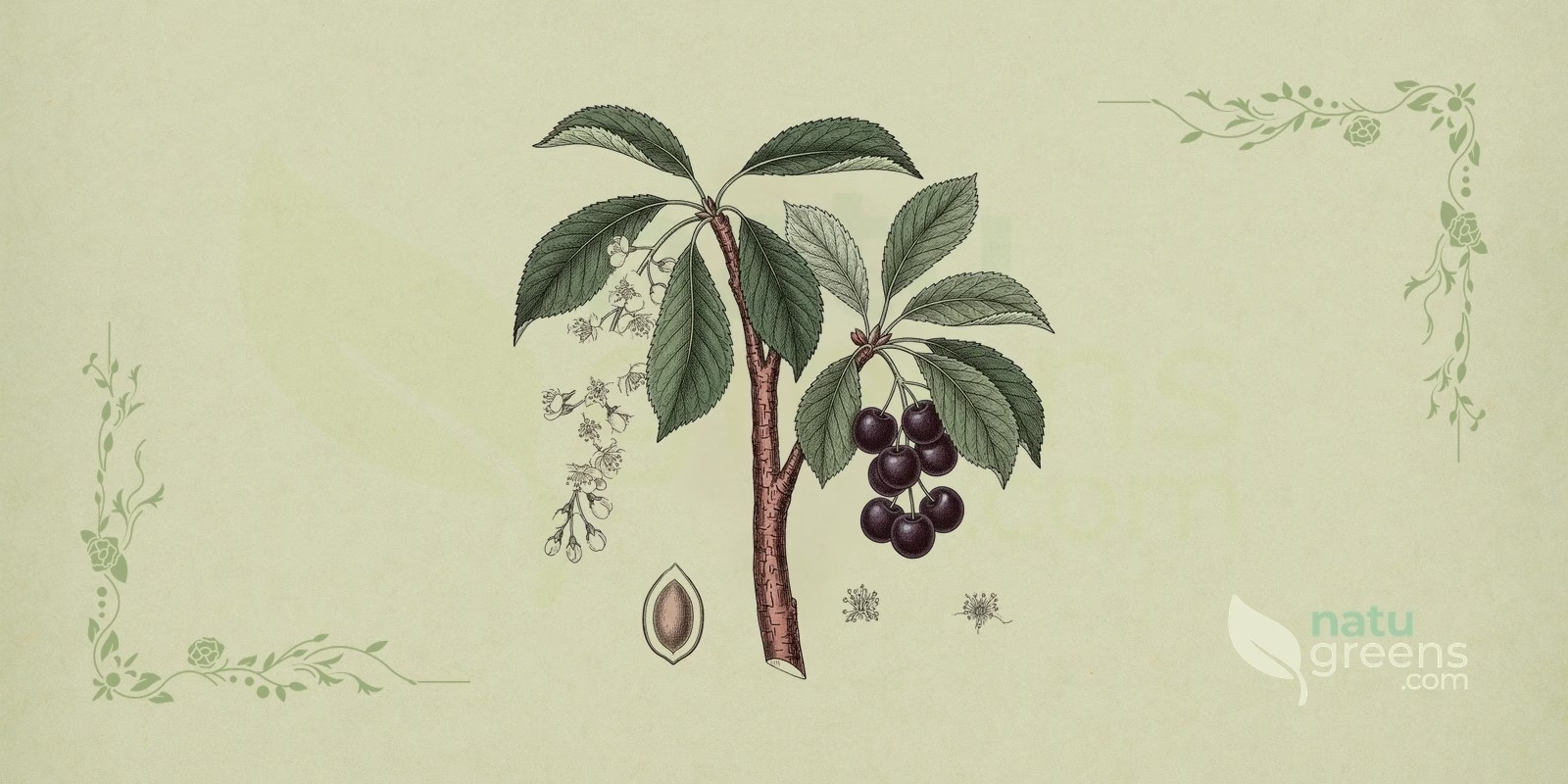
In North American herbal tradition, Prunus serotina holds a prominent place as a home remedy for cough and other respiratory complaints. Tradition links this use to the cyanogenic glycosides in the bark, especially prunasin, which are credited with a calming effect on cough and an expectorant action. Recent research has examined the plant’s chemical composition and the antioxidant and vasodilator activity of its extracts in the laboratory, but these findings have not yet been confirmed by clinical trials in people. In the kitchen, the ripe fruits, always separated from the pit, go into jams and liqueurs, lending them a distinctive and slightly bitter flavor.
Popular and International Names of Black Cherry
In English, black cherry is the most widely used name for this species, and it clearly points to the North American tree. The name wild cherry calls for caution: in the American herbal trade, wild cherry bark refers to Prunus serotina, but in Britain wild cherry usually means the wild form of the European Prunus avium, a different species.
- English: black cherry, mountain black cherry, rum cherry, wild black cherry.
- French: cerisier noir, cerisier tardif.
- German: Amerikanische Traubenkirsche, Spätblühende Traubenkirsche.
- Italian: ciliegio nero americano, ciliegio tardivo.
- Portuguese: cerejeira-americana, cerejeira-de-rum, cerejeira-negra, cerejeira-negra-americana.
- Spanish: capulí, capulín, cerezo negro, cerezo silvestre.
Botanical Synonyms of Prunus serotina
Botanical synonyms of Prunus serotina Ehrh. recorded in the literature include Cerasus serotina (Ehrh.) Loisel. and Padus serotina (Ehrh.) Borkh., as well as the misapplied name Prunus virginiana auct. non L., which strictly refers to another North American cherry. These names reflect the taxonomic complexity of the group and the different classifications adopted throughout the history of botany. Even so, Prunus serotina Ehrh. remains the accepted and widely recognized name in current scientific literature, according to international botanical databases.
Botanical Family: Rosaceae
The Rosaceae family is a vast and diverse group of flowering plants, with more than 2,500 species distributed across about 90 genera. Its economic importance is considerable, since it provides many edible fruits, such as apples, cherries, pears, raspberries and strawberries. Its flowers are usually showy, with five petals and numerous stamens, and its fruits vary widely in form, from achenes to drupes and pomes.
As a member of the family, Prunus serotina shares these general botanical traits, but it stands out for the presence of cyanogenic glycosides. This notable feature of the genus Prunus accounts both for the effects attributed to the bark and for the toxicity of the leaves, twigs and pits. The Rosaceae family remains fertile ground for the discovery of bioactive compounds, and many of its species are studied for possible applications in medicine and the food industry.
Parts of Black Cherry Used
Tradition focuses medicinal use on the dried inner bark and reserves the pulp of the ripe fruits for food, while the leaves, although mentioned in old records, are now discouraged because of their high cyanogenic glycoside content.
- Fruits (ripe pulp only, with the pit removed)
- Inner bark (only when dried and properly processed)
- Leaves (mentioned in tradition, but toxic and not advised)
Ethnobotanical and Traditional Uses
The uses below reflect records from folk and Indigenous medicine, not indications proven by clinical studies, and serve only as a historical portrait of the place the plant has held in tradition.
- Bronchitis (bark)
- Cough and cold relief (bark)
- Diarrhea
- Digestive complaint relief
- Flavoring for alcoholic beverages (fruits)
- Gout
- Hypertension (folk record; vasodilator effect observed only in laboratory studies with fruit extracts)
- Jams and preserves (pitted fruits)
- Pain relief
Therapeutic Properties of Black Cherry
The properties listed below summarize what herbal tradition attributes to the plant and what laboratory studies have begun to observe, though none of them has been confirmed in clinical trials in people.
- Anti-inflammatory (activity investigated in preliminary studies)
- Antioxidant (activity observed in laboratory studies with the fruits)
- Antispasmodic (traditional record)
- Antitussive (effect traditionally attributed to the dried bark)
- Astringent (action attributed to the tannins in the bark)
- Cough sedative (traditional record of a calming action on irritating cough)
- Expectorant (traditional record of action on mucus)
Detailed Phytochemical Profile of Black Cherry
Chemical analyses of the bark, leaves, fruits and seeds have identified compounds from several classes, notably the cyanogenic glycosides amygdalin and prunasin and the phenolic compounds linked to the antioxidant activity observed in the laboratory. Glycoside concentration varies with the plant part, the time of year and the way the material is processed.
- 2,3-butanediol
- Coumarins
- Cyanogenic glycosides (amygdalin, prunasin)
- Flavonoids
- Mineral salts (iron, magnesium, potassium, sodium, zinc)
- Phenolic acids
- Tannins
Preparation and Administration Forms of Black Cherry
The preparation methods described in tradition mainly involve the dried bark. Current guidance favors standardized commercial preparations, such as syrups and tinctures, or a brief, short-term infusion of dried bark, always avoiding prolonged decoction.
- Decoction (cited in tradition for the bark, now discouraged when prolonged)
- Infusion (dried bark for short-term use; fruit pulp)
- Syrup (preferably commercial and standardized)
- Tincture (standardized commercial preparation)
Synergy with Other Medicinal Plants
Cough and Congestion Relief
In herbal tradition, Prunus serotina is often combined with other expectorant and soothing plants in preparations traditionally used for cough and congestion. Pairing it with licorice root (Glycyrrhiza glabra) appears in formulas meant to soothe the throat, bearing in mind that licorice has its own contraindications, such as pregnancy and hypertension. The combination with elder (Sambucus nigra), in turn, is recorded for flu and cold symptoms, in an approach that tradition considers broader for the respiratory tract.
Digestive Support
For digestive complaints, black cherry appears in traditional combinations with ginger (Zingiber officinale) and peppermint (Mentha × piperita). Ginger is known for anti-inflammatory and digestive actions described in the literature, and peppermint for its antispasmodic and carminative properties. For this reason, the blend is traditionally used to ease cramps, flatulence and nausea, adding to the astringent action attributed to Prunus serotina bark.
Recipes and Usage Protocols of Black Cherry
Brief Dried-Bark Infusion for Irritating Cough
This infusion is a more cautious version of the preparation traditionally used for dry, irritating cough. It should only be made with inner bark that is already dried, comes from a reliable source and was bought from a specialist supplier, never with freshly harvested bark. Ingredients: a small amount of dried Prunus serotina inner bark and hot water. Preparation: pour freshly boiled water over the bark, cover, let it steep for a few minutes off the heat and strain before drinking it warm. The amount, frequency and duration of use, which should always be short, require individual guidance, so consult a healthcare professional before using it. If the cough persists, stop the preparation and seek medical evaluation.
Ripe Fruit Pulp Infusion
In tradition, the ripe fruits of black cherry appear more as food than as medicine, and the infusion made from them is an aromatic home beverage with no proven medicinal purpose. Ingredients: dried ripe fruit pulp, separated from the pits beforehand, and boiling water. Preparation: place the pulp in a cup, pour the boiling water over it, put a lid on, let it steep for about 10 minutes and strain. The pits must never be crushed, chewed or added to the preparation, because they concentrate cyanogenic glycosides, and although the fruits contain antioxidant compounds studied in the laboratory, there is no evidence that this beverage offers any specific health benefit.
Bark Syrup: Standardized Products Preferred
Homemade bark syrup with honey is the form most often mentioned in traditional records for sore throat, colds and cough. The home version, however, relied on a concentrated and prolonged decoction of the bark, a practice now discouraged because the content of cyanogenic compounds is hard to control. Traditional ingredients: dried Prunus serotina inner bark, water and honey. Current guidance: instead of making the syrup at home, choose standardized commercial syrups, following the dosage on the label and the advice of a healthcare professional. Keep the product out of the reach of children, since the plant should not be used in young children and honey is contraindicated for babies under one year old.
The preparations above follow traditional records and do not replace professional guidance. Before any internal use, check the contraindications and interactions described in this article.
Associated Therapies
Herbal Medicine
In herbal medicine, Prunus serotina is valued mainly for its inner bark, whose standardized extracts are included in traditional cough formulations and are described as cough sedatives and expectorants. Conditions such as asthma and bronchitis, however, require medical diagnosis and follow-up, and the plant is no substitute for the conventional treatment of these diseases. Modern herbal medicine recognizes the importance of drying and processing the bark properly, which keeps its cyanogenic glycoside content low, and the plant is often part of combined formulas with other species aimed at the respiratory tract.
Homeopathy
In homeopathy, the remedy is prepared from the mother tincture of the bark and, in the classical materia medica, often appears under the name Prunus virginiana. It is described for dry, irritating cough, especially cough that worsens at night and when lying down, and for a sensation of heaviness or oppression in the chest. These indications follow homeopathy’s own framework and have not been proven in clinical trials. Chest pain or tightness and heart symptoms require immediate medical evaluation and should never be left to home or homeopathic remedies alone. The choice of potency and frequency of use is individualized by the homeopath, according to each patient’s symptoms and constitution.
Contraindications and Side Effects of Black Cherry
Toxicity and General Precautions
Prunus serotina contains cyanogenic glycosides, such as amygdalin and prunasin, which can release hydrocyanic acid (cyanide), a highly toxic substance, when plant tissues are damaged, chewed or improperly processed. The bark also contains prunasin, not just the leaves: the trace of hydrocyanic acid released in a controlled amount is precisely the traditional principle behind the antitussive (cough-suppressant) effect attributed to the bark. What varies is the concentration, since dried and properly processed bark has a low content, whereas wilted leaves, twigs, fruit pits and fresh bark (freshly harvested, not dried) have a high content and are toxic.
For this reason, use only standardized commercial preparations (syrup, tincture) or a short-term infusion of dried bark, never a prolonged decoction, and never use leaves (fresh or wilted), twigs or fruit pits, or fresh, newly harvested bark. Stop use and seek medical advice if a cough persists, as it may have a cause that requires diagnosis. Seek emergency care if signs such as confusion, dizziness, headache, nausea or shortness of breath appear after any contact with the plant.
Specific Contraindications
Do not use Prunus serotina during pregnancy or breastfeeding, because of the risk of toxicity to the fetus or baby, and do not use it in young children. People with pre-existing liver disease should consider the plant only with extreme caution and under medical supervision, since the liver is the main organ involved in detoxification. Anyone with a known hypersensitivity to plants of the Rosaceae family should also avoid it.
Drug Interactions
Prunus serotina may interact with sedatives and other central nervous system depressants, such as anxiolytics and hypnotics, enhancing their effects and causing excessive drowsiness. Consult a healthcare professional before combining the plant with any medication, especially if you take drugs that act on the nervous system, as medical supervision is the safest way to avoid adverse interactions.
Historical Notes and Interesting Facts
Valuable Timber
Prunus serotina wood is highly prized in woodworking and the furniture industry for its beauty, its reddish-brown color that darkens over time and its durability, which is why it appears in cabinets, musical instruments and fine furniture. Its quality is often compared to that of mahogany, making it a popular choice for high-end pieces in the North American market.
Invasive in European Forests
Outside North America, the species has a very different story, because black cherry, introduced to Europe as an ornamental and forestry tree, has become invasive in the forests of Central Europe, especially in Germany, the Netherlands and Poland. In these regions, studies follow how it competes with native species and alters the functioning of the forest ecosystem, and planting it is not recommended.
Indigenous Use
The Indigenous peoples of North America made use of Prunus serotina in many ways. The bark went into medicinal teas for colds and cough, the fruits were eaten fresh, dried or made into jams and drinks, and the wood was used for tools and buildings. The plant played an important role in the subsistence and traditional medicine of many peoples, which reveals a deep knowledge of its properties and uses.
Distinctive Flavor
Black cherry fruits have a bittersweet, slightly bitter taste, with almond-like notes that come from their small amount of cyanogenic glycosides, and they are used to flavor liqueurs, rum and other spirits, a custom reflected in the name rum cherry. Only the ripe pulp is edible, and the pits should not be chewed or swallowed, because they concentrate toxic compounds.
Frequently Asked Questions about Black Cherry
Are Black Cherry and Wild Cherry the Same Plant?
Not necessarily, because in Britain the name wild cherry usually refers to the wild form of the European Prunus avium, a different species, even though the wild cherry bark sold in the American herbal trade comes from Prunus serotina. Black cherry, or wild black cherry (Prunus serotina), is a North American species distinct from the common European cherry, with its own composition and safety precautions.
Is Black Cherry Safe to Consume?
Safety depends on the part and the preparation, since dried and properly processed inner bark has a low content of cyanogenic glycosides. Fresh bark, leaves (fresh or wilted), twigs and pits, on the other hand, have a high content and are toxic. Even dried bark should be used only in standardized commercial preparations or in a brief infusion, for the short term and never as a prolonged decoction. It is advisable to consult a healthcare professional before use, especially if you have pre-existing conditions or take medications.
Which Part of Black Cherry Is Used for Cough?
Tradition uses the dried inner bark, to which it attributes cough-suppressant and expectorant action, an effect associated with the controlled release of traces of hydrocyanic acid from prunasin. Today the recommendation is to use it only in standardized commercial syrups and tinctures or as a brief infusion of dried bark, for the short term, and to seek medical evaluation if the cough persists, because it may have a cause that requires diagnosis.
Can Black Cherry Be Used During Pregnancy?
No, the use of Prunus serotina is contraindicated during pregnancy and breastfeeding, because its cyanogenic glycosides may pose a risk to the fetus or baby. Pregnant and breastfeeding women should avoid any medicinal plant without strict medical guidance and supervision, and the same caution applies to young children, in whom the plant should not be used.
Does Black Cherry Interact with Other Medications?
Yes, Prunus serotina may interact with sedatives and other central nervous system depressants, enhancing their effects and causing excessive drowsiness. Tell your doctor or pharmacist about any medicinal plant or supplement you use, to avoid adverse interactions, and do not self-medicate with this plant.
Can Black Cherry Fruits Be Eaten?
The ripe fruit pulp is edible and traditionally goes into jams, liqueurs and preserves, but the pits concentrate cyanogenic glycosides and must not be chewed, crushed or swallowed. Leaves and twigs are also toxic, especially when wilted, and should not be consumed in any form, by people or by animals.
Notice: this content is for informational purposes and does not replace professional medical advice. Consult a physician or herbal practitioner before using medicinal plants, especially during pregnancy, breastfeeding, or alongside medication.
References and Scientific Studies
Peer-Reviewed Scientific Studies (6)
- PMC2013 Luna-Vázquez FJ, et al. Nutraceutical value of black cherry Prunus serotina Ehrh. fruits: antioxidant and antihypertensive properties. Molecules. 2013.
- PMC2016 Luna-Vázquez FJ, et al. Role of Nitric Oxide and Hydrogen Sulfide in the Vasodilator Effect of Ursolic Acid and Uvaol from Black Cherry Prunus serotina Fruits. Molecules. 2016.
- PMC2010 Pairon M, et al. Multiple introductions boosted genetic diversity in the invasive range of black cherry (Prunus serotina; Rosaceae). Ann Bot. 2010.
- PMC2014 Rivero-Cruz B. Simultaneous quantification by HPLC of the phenolic compounds for the crude drug of Prunus serotina subsp. capuli. Pharm Biol. 2014.
- PMC2014 Santos Pimenta LP, et al. Quantitative analysis of amygdalin and prunasin in Prunus serotina Ehrh. using (1) H-NMR spectroscopy. Phytochem Anal. 2014.
- PMC2020 Telichowska A, et al. Phytopharmacological Possibilities of Bird Cherry Prunus padus L. and Prunus serotina L. Species and Their Bioactive Phytochemicals. Nutrients. 2020.
Institutional Sources (1)
- GOV1990 USDA Forest Service. Silvics of North America: Prunus serotina Ehrh.. Agriculture Handbook 654. 1990.