Anethum graveolens / Dill
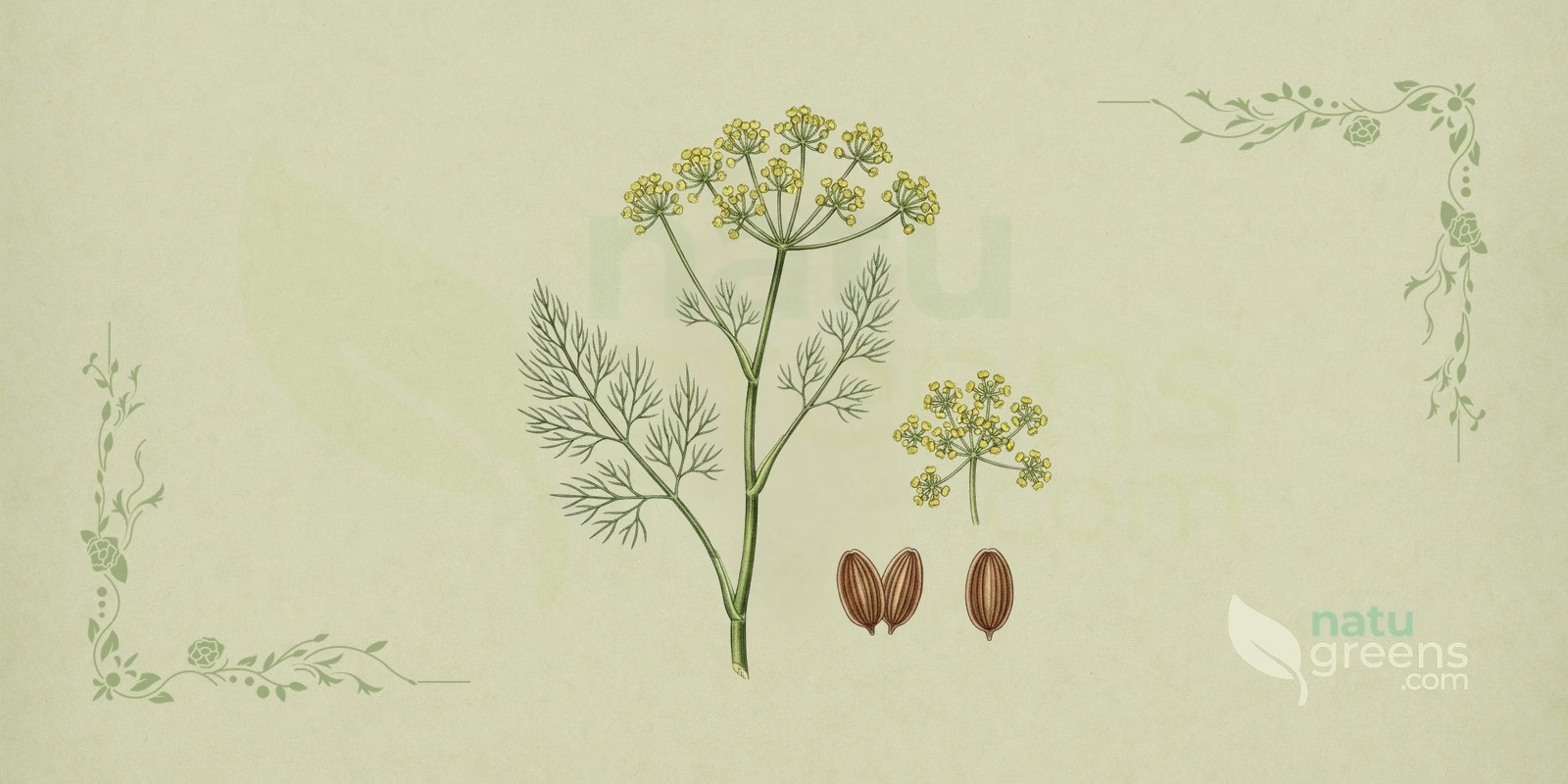
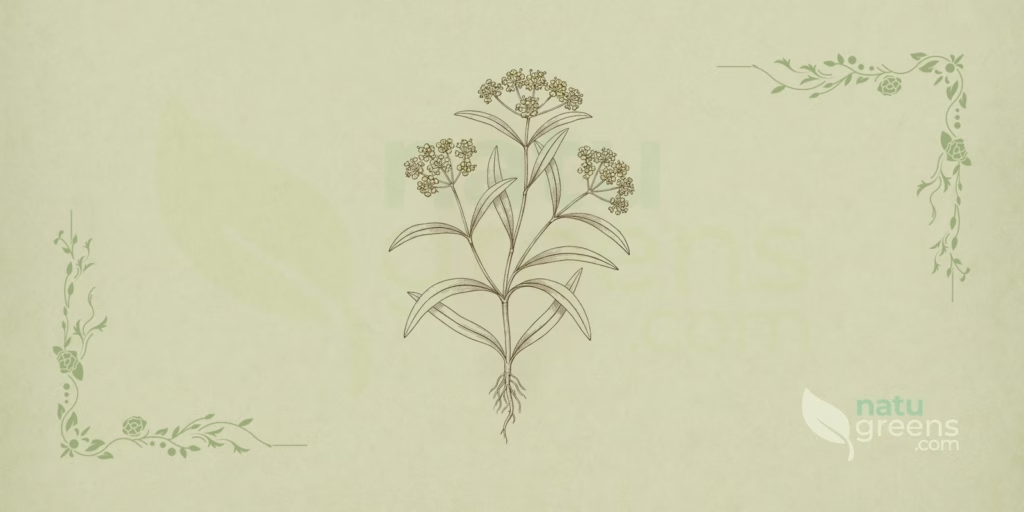
Dill, scientifically known as Anethum graveolens, is an annual aromatic herb belonging to the Apiaceae family. Native to North Africa, Iran, and the Arabian Peninsula, this plant is widely cultivated across Eurasia. Its leaves and seeds are valued both in cooking and in traditional medicine. Historically, dill has been used by several ancient cultures, including the Egyptians and Greeks, for its calming and digestive properties. Today, it remains a popular ingredient and a recognized medicinal plant for its many health benefits.
Popular and International Names of Dill
- English: Dill.
- Spanish: Eneldo.
- Portuguese: Aneto, endro.
- French: Aneth.
- Italian: Aneto.
- German: Dill, Gurkenkraut.
Botanical Synonyms of Anethum Graveolens
Anethum graveolens is the only species in the genus Anethum. However, some botanical sources classify related variants or species under other names. One example is Anethum graveolens var. sowa Roxb. ex Flem., known as Indian dill or Sowa. This variant is grown for its foliage in cooler climates in regions such as the Indian subcontinent, the Malay Archipelago, and Japan.
Botanical Family: Apiaceae
Dill belongs to the Apiaceae family, also known as Umbelliferae. This family includes other well-known aromatic and culinary plants, such as parsley, carrot, celery, and fennel. Plants in this family are characterized by their flowers arranged in umbels, which are umbrella-shaped inflorescences.
Parts of Dill Used
- Leaves
- Seeds (fruits)
- Stems
Ethnobotanical and Traditional Uses
Dill has a rich history of ethnobotanical and traditional use across many cultures. In Ayurvedic medicine, it is used to relieve abdominal discomfort and colic and to support digestion, and its seeds are considered aromatic, carminative, mildly diuretic, galactagogue, stimulant, and stomachic. The essential oil from the seeds is valued for its ability to ease intestinal spasms and colic and is traditionally used to soothe infants, while dill is also used to improve appetite, relieve gas, and aid digestion. It has likewise been used to stimulate milk flow in nursing mothers and, traditionally, to address urinary complaints, hemorrhoids, and mental disturbances, a use already recorded among the ancient Egyptians, Greeks, and Romans for its medicinal and culinary properties.
Therapeutic Properties of Dill
- Anti-inflammatory (studied effect in reducing inflammation)
- Antibacterial (studied activity against various bacteria)
- Anticholesterolemic (studied effect on cholesterol)
- Antihyperlipidemic (contributes to reducing blood lipids)
- Antioxidant (studied activity against free radicals)
- Antispasmodic (traditional use for relieving muscle spasms)
- Antiulcer (studied protective effect against gastric ulcers)
- Carminative (traditional use for relieving intestinal gas)
- Digestive (aids digestion)
- Diuretic (studied effect on urine production)
- Expectorant (helps clear phlegm)
- Galactagogue (studied effect on breast milk production)
- Muscle Relaxant (studied effect on muscle relaxation)
- Stomachic (studied effect on stomach function)
- Vermifuge (studied activity against intestinal worms)
Detailed Phytochemical Profile of Dill
Anethum graveolens is rich in a variety of phytochemical compounds that contribute to its medicinal properties. The main constituents of the essential oil include carvone and D-limonene, alongside other important volatile compounds such as α-phellandrene, anethole, myristicin, dillapiole, eugenol, thymol, methyl eugenol, isoeugenol, p-cymene, α-pinene, β-pinene, γ-terpinene, and terpinolene. Dill seeds also contain coumarins, flavonoids, phenolic acids, and steroids, and among the flavonoids, quercetin and isorhamnetin stand out, contributing to part of the plant’s antioxidant activity, which helps fight free radicals and protect against cellular damage.
Preparation and Administration Forms of Dill
Teas and Infusions
Dill tea is one of the most common ways to enjoy its benefits, and either fresh or dried leaves, as well as the seeds, can be used. To prepare it, add a tablespoon of dill (leaves or seeds) to a cup of boiling water and let it steep for about 15 minutes before straining and drinking. This tea is traditionally used to improve digestion and relieve gas and colic.
Extracts
Dill extracts are available in several forms, including liquid and powdered extracts, obtained through extraction processes that concentrate the plant’s phytochemicals. These extracts are versatile and can be incorporated into supplements, cosmetic products, or functional foods, and the concentration of active compounds is usually standardized to ensure consistency of the product.
Tinctures
Dill tinctures are concentrated extracts that use alcohol as a solvent to draw out the plant’s active compounds, prepared by macerating the seeds or leaves in an alcoholic solution for several weeks. More potent than teas, they are used in smaller doses, usually diluted in water, and are indicated for chronic digestive issues and as a general tonic.
Synergy with Other Medicinal Plants
Dill and Chamomile
The combination of dill with chamomile (Matricaria chamomilla) is often used to enhance calming and digestive effects, since both plants have antispasmodic and anti-inflammatory properties that make them useful for relieving colic and gastrointestinal discomfort. The combined tea can be particularly suitable for colicky infants or for adults dealing with indigestion and anxiety.
Dill and Fennel
Although dill and fennel (Foeniculum vulgare) are often confused with one another, they are close relatives whose properties complement each other, and the synergy between the two is beneficial for digestive health, helping to reduce gas, bloating, and poor digestion. Together, they can form a digestive tea, suited for consumption after meals.
Dill and Ginger
Pairing dill with ginger (Zingiber officinale) can form a blend of interest for supporting digestion and well-being in cases of mild nausea, since ginger is known for its antiemetic and anti-inflammatory properties, which, combined with dill’s carminative qualities, offer traditional relief from stomach discomfort. This combination is often used during travel or to ease general malaise.
Recipes and Usage Protocols of Dill
Digestive Dill Tea
For a digestive tea, use 1 tablespoon of lightly crushed dill seeds for every 250 ml of boiling water, let steep for 10-15 minutes, strain, and drink warm. It can be consumed up to 3 times a day, preferably after meals, for relief from gas, bloating, and poor digestion.
Compress for Local Inflammation
Prepare a strong dill tea (2 tablespoons of leaves or seeds for every 250 ml of water), let it cool, and soak a clean cloth in the infusion. Apply as a compress over inflamed or painful areas to take advantage of the anti-inflammatory and analgesic properties traditionally attributed to the plant, repeating several times a day as needed.
Infusion for Nursing Mothers
To support breast milk production, prepare an infusion with 1 teaspoon of dill seeds for every 200 ml of boiling water, let it sit for 5-7 minutes, and strain. Consume twice a day. It is important to consult a healthcare professional before starting any use during breastfeeding.
Massage Oil for Colic
Mix 5 drops of dill essential oil with 30 ml of a carrier vegetable oil, such as almond or jojoba oil, and gently massage the abdominal area in circular motions to ease colic and discomfort. This protocol is intended for adults, and, at even greater dilutions, may be considered for children, always under professional guidance.
Culinary Seasoning with Dill
Fresh dill leaves are excellent for seasoning fish, salads, yogurt-based sauces, and pickles, while the seeds can be used in breads, soups, and vegetable dishes. To preserve the flavor, add the fresh leaves at the end of cooking; the seeds, in turn, can be toasted to intensify their aroma before being ground or used whole.
The preparations above follow traditional records and do not replace professional guidance. Before any internal use, check the contraindications and interactions described in this article.
Associated Therapies
Aromatherapy
Dill essential oil is used in aromatherapy for its calming and relaxing properties, and inhaling its scent can help reduce stress and anxiety and promote restful sleep. It is often diffused into the air or applied topically (diluted in a carrier oil) to ease tension and support emotional well-being.
Phytotherapy
In phytotherapy, dill is widely used to address digestive disorders such as dyspepsia, flatulence, and colic, and its extracts and teas are valued for their carminative, antispasmodic, and stomachic actions. Modern phytotherapy recognizes dill’s potential as a natural resource for various digestive conditions, drawing on centuries of traditional use and preliminary scientific studies.
Homeopathy
Although less common, dill can be used in homeopathic preparations, in which the plant is employed for specific symptoms that match its action profile, such as digestive disorders, insomnia, and nervousness. Homeopathic dilutions aim to stimulate the body’s self-healing capacity, following the principle of similars.
Contraindications and Side Effects of Dill
General Contraindications
Consuming dill is generally safe for most people when used in culinary amounts, but caution is warranted at concentrated medicinal doses. Pregnant and nursing women should avoid using dill in large amounts, as there are reports that it may stimulate uterine contractions or affect milk production, and people allergic to plants in the Apiaceae family (such as carrot, celery, or parsley) may have allergic reactions to dill. Individuals with bleeding disorders or who use anticoagulant medications should consult a physician before using dill, due to its potential antiplatelet effect.
Common Side Effects
At high doses, dill can cause some mild side effects, such as nausea, vomiting, and diarrhea, as well as skin reactions, such as rashes and itching, in people sensitive to direct contact with the plant or its essential oils. Photosensitivity is a rare but possible effect, especially after sun exposure, due to the presence of furanocoumarins.
Drug Interactions
Dill can interact with certain medications: due to its potential hypoglycemic effect, it may enhance the effect of diabetes medications, requiring dose adjustment, and it may also interact with diuretic medications, intensifying their action. People taking lithium should use dill with caution, as it may raise lithium levels in the body, and it is always advisable to inform a physician about the use of supplements or medicinal herbs.
Historical Notes and Interesting Facts
Dill in Space
An interesting bit of trivia is that dill was reportedly used by Russian cosmonauts on space missions, since its antiflatulent and digestive properties were considered beneficial in confined environments, where gastrointestinal issues could be especially troublesome. This illustrates the versatility and long history of trust placed in dill’s medicinal properties.
Origin of the Name
The genus name, Anethum, comes from ancient Greek and means “to calm” or “to soothe,” reflecting its traditional properties, while the specific epithet, graveolens, comes from Latin and means “strong-smelling” or “heavy-scented,” referring to its characteristic aroma. The common name “dill” has Germanic origins and is likewise associated with “to calm” or “to lull to sleep,” reinforcing the perception of its relaxing qualities.
Ancient Use
Dill has been used for millennia: archaeological records show its presence in Egyptian tombs, such as that of Pharaoh Amenhotep II, dated to around 1400 B.C., and the ancient Greeks and Romans also used it, both in cooking and in medicine. Theophrastus, the Greek philosopher and botanist (371-287 B.C.), mentioned dill in his writings, and in the Middle Ages the plant was believed to protect against witchcraft, while the Greeks used its leaves to induce sleep.
Frequently Asked Questions about Dill Tea
Is Dill Tea Safe for Children?
Dill tea is traditionally used to relieve colic in infants and young children. However, it is essential that the dosage be very low and that administration take place under the guidance of a pediatrician or qualified healthcare professional. In general, use in children should be cautious and moderate.
Can Dill Help with Insomnia?
Dill has relaxing properties that may help improve sleep quality and address insomnia, and drinking dill tea before bed may promote a state of calm and tranquility that makes falling asleep easier. This effect is attributed to its volatile oils, which act on the central nervous system.
Is There a Difference between Dill and Fennel?
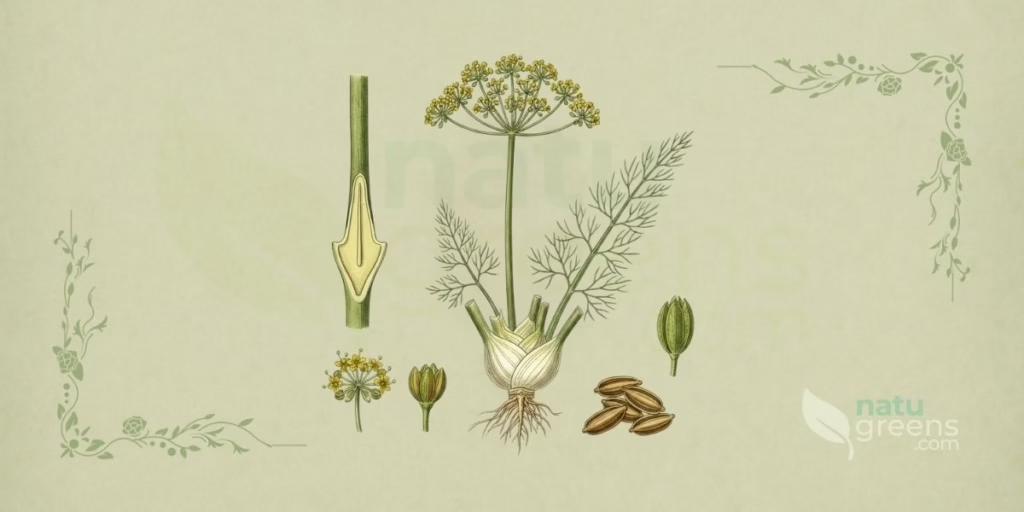
Although dill (Anethum graveolens) and fennel (Foeniculum vulgare) belong to the same botanical family (Apiaceae) and have similar appearances and culinary uses, they are distinct plants: dill has finer leaves and a more delicate flavor, while fennel has a more anise-like flavor and edible bulbs. Both are valued for their digestive properties, but their botanical characteristics and flavor profiles differ.
How Should I Store Dill to Preserve Its Properties?
To preserve dill’s properties, fresh leaves should be stored in the refrigerator, wrapped in a damp paper towel and placed inside a plastic bag, for up to a week, while dried seeds should be kept in an airtight container in a cool, dark, and dry place, where they can retain their aroma and potency for up to a year. Freezing the fresh leaves is also a good option for longer-term use.
What Are the Main Benefits of Dill Tea for Digestion?
Dill tea is widely recognized for its digestive benefits: it acts as a carminative, helping to expel gas and reduce abdominal bloating, while its antispasmodic properties relieve colic and intestinal spasms, and its stomachic components support overall digestion, making it a valuable ally for gastrointestinal health.
Notice: this content is for informational purposes and does not replace professional medical advice. Consult a physician or herbal practitioner before using medicinal plants, especially during pregnancy, breastfeeding, or alongside medication.
References and Scientific Studies
Peer-Reviewed Scientific Studies (2)
- PMC2010 Jana, S., & Shekhawat, G. S. (2010). Anethum graveolens: An Indian traditional medicinal herb and spice. Pharmacognosy Reviews, 4(8), 179-184. PMC3249919
- PMC2026 Profico CM, et al. Sodium Selenate Under Moderate Salinity Stress Enhances Selenium Concentration and Antioxidant Activity in Dill (Anethum graveolens L.) Across PFAL and Greenhouse Systems. Plants (Basel). 2026.
Supplementary Readings (1)
- 2025 Bortulini, G. (2025, 12 fevereiro). Endro: conheça 5 benefícios da erva e saiba como usá-la no dia a dia. Veja Saúde. saude.abril.com.br