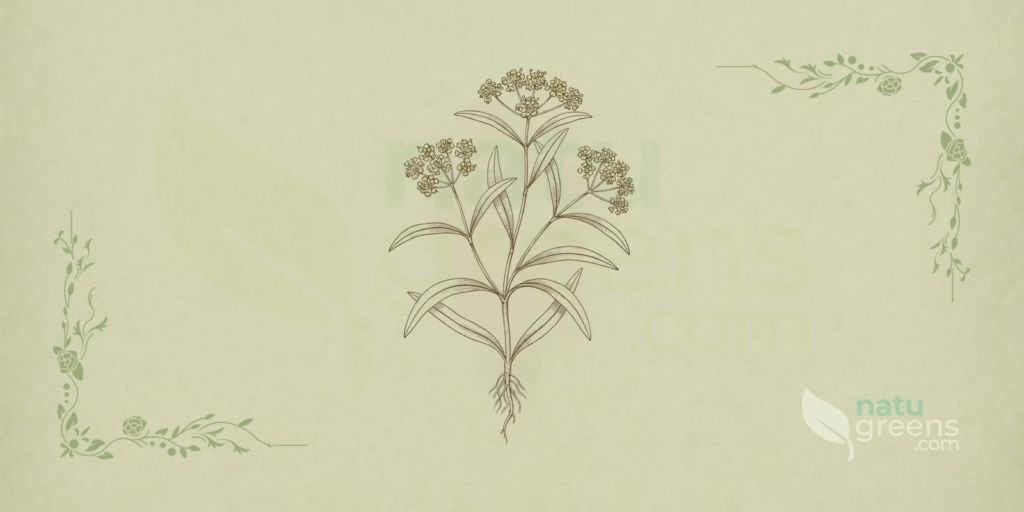
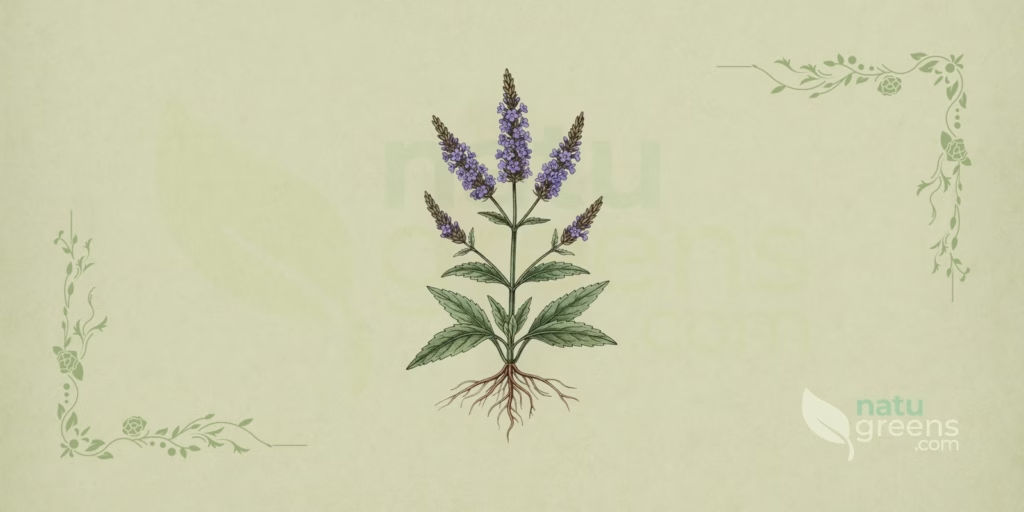
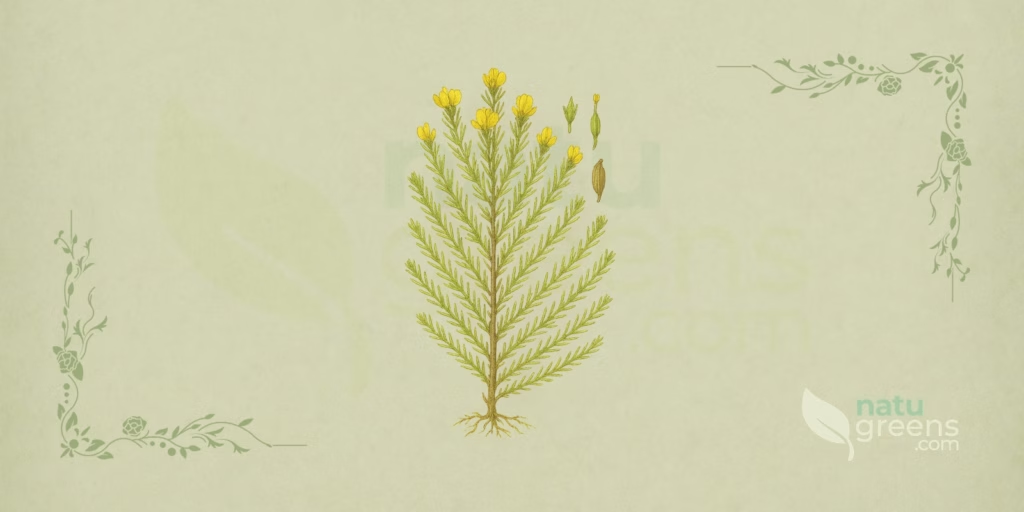
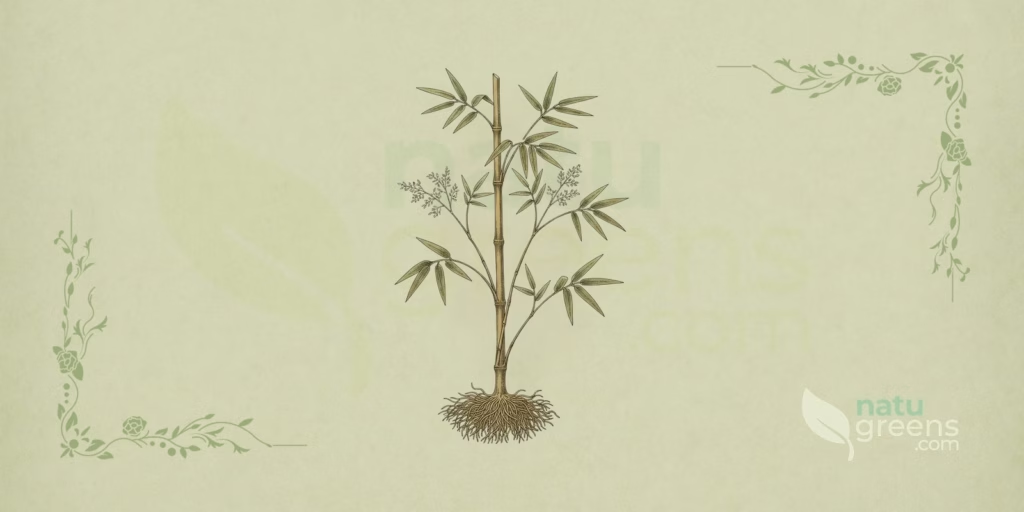
Cuminum cyminum / Cumin, an annual herbaceous plant of the family Apiaceae, is widely recognized for its aromatic seeds and therapeutic properties. Native to the Irano-Turanian region, this ancient spice has been cultivated and used across many cultures for thousands of years. It has a notable presence in both cooking and traditional medicine, where it is valued for its digestive benefits and other medicinal applications. Cumin is a small plant with slender leaves and white or pinkish flowers that produces dry fruits known as cumin seeds.
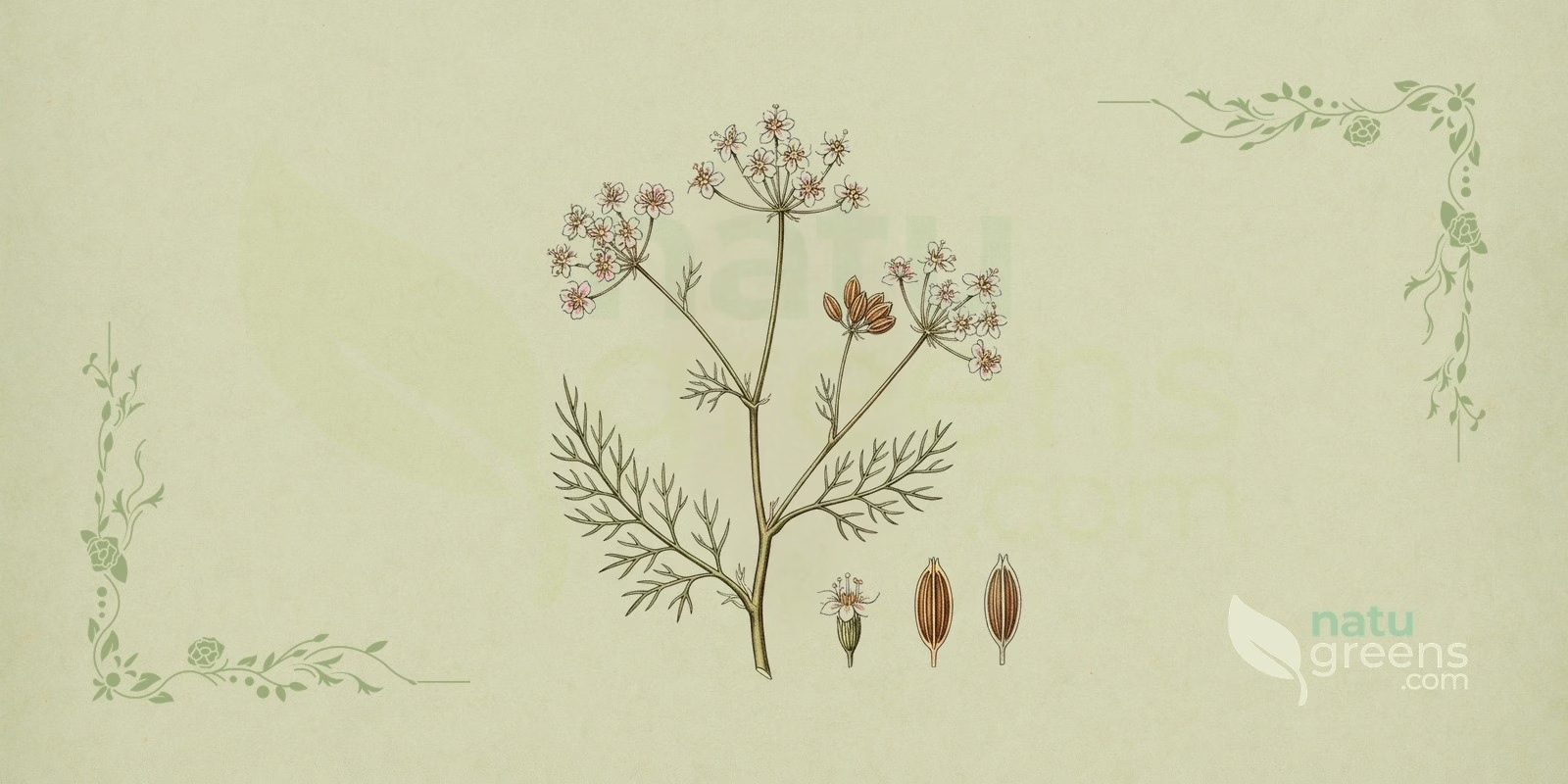
Using cumin as a tea or infusion is a common way to take advantage of its traditional qualities. The plant is rich in bioactive compounds that contribute to its phytochemical profile and has been the subject of scientific studies investigating many of its traditional uses. Its versatility allows it to be incorporated into a wide range of preparations, from culinary seasonings to natural remedies. The history of cumin dates back to ancient civilizations, reflecting its cultural and medicinal importance throughout time.
Popular and International Names of Cumin
- English: cumin, white cumin.
- Spanish: comino, comino blanco.
- Portuguese: cominho, cominho-romano, cominho-verdadeiro (Brazilian Portuguese).
- French: cumin, cumin blanc.
- Italian: cumino, cumino bianco.
- German: Kreuzkümmel, Römischer Kümmel.
Botanical Synonyms of Cuminum cyminum
In addition to Cuminum cyminum, this plant has other botanical synonyms that have been used throughout the history of taxonomy. Among the most notable are Cuminum odorum Salisb. and Cuminum sativum J.Sm. These names reflect different taxonomic approaches and classifications that occurred at various points in time. Understanding these botanical synonyms is essential for research and accurate identification of the species across various literary and scientific sources, ensuring the correct application of knowledge about the plant.
Botanical Family: Apiaceae
Cumin belongs to the family Apiaceae, also known as Umbelliferae, a large and diverse family of flowering plants. This family is characterized by its umbrella-shaped inflorescences, in which small flowers cluster into structures resembling umbrellas. Apiaceae includes many plants of great economic and culinary importance, such as parsley, coriander, carrot, and celery. The presence of essential oils and aromatic compounds is a common feature among members of this family.
Plants in the family Apiaceae are often rich in phytochemicals with medicinal properties, including coumarins, flavonoids, and terpenes. Their distinctive floral structure and complex chemical composition contribute to their ecological relevance and their applications in herbal medicine. Identifying cumin as a member of this family helps contextualize its properties and uses, given its similarity to other well-known botanical species.
Parts of Cumin Used
- Seeds (dried fruits)
Ethnobotanical and Traditional Uses
- Aid in the digestion of fats and nutrients
- Cholesterol reduction
- Relief of intestinal colic and flatulence
- Strengthening of the immune system
- Support for blood sugar control
- Treatment of indigestion
Therapeutic Properties of Cumin
- Analgesic (traditional use to relieve pain)
- Anti-inflammatory (effect studied for reducing inflammation)
- Antibacterial (activity studied against bacteria)
- Antifungal (activity studied against fungi)
- Antioxidant (activity studied against free radicals)
- Digestive/Carminative (aids digestion and reduces gas)
- Hypocholesterolemic (effect studied for reducing cholesterol)
- Hypoglycemic (effect studied on blood sugar)
- Immunomodulatory (effect studied on the immune system)
Detailed Phytochemical Profile of Cumin
- 3-carene-10-al
- alpha-terpinene-7-al
- beta-pinene
- Coumarins
- Cuminaldehyde
- Essential oil
- Flavonoids
- gamma-terpinene
- p-cymen-7-ol
- p-cymene
- Thymol
Preparation and Administration Forms of Cumin
- Essential oil
- Tea/Infusion
- Whole or ground seeds
Synergy with Other Medicinal Plants
Cumin and Coriander for Digestion
Combining cumin with coriander seeds (Coriandrum sativum) is a common practice in many cuisines, especially Indian cooking, where the two form the blend known as dhana jeera. This synergy goes beyond flavor, as it also enhances the digestive benefits traditionally attributed to both spices: cumin stimulates digestive enzymes and bile production, while coriander contributes its carminative and anti-inflammatory properties, helping to reduce gas and gastrointestinal discomfort.
Cumin and Ginger for Anti-Inflammatory Effects
Combining cumin with ginger (Zingiber officinale) can create a synergy of traditional interest for addressing mild inflammation. The anti-inflammatory compounds in cumin work alongside the gingerols and shogaols in ginger, known for their anti-inflammatory and antioxidant properties. This combination may be used in preparations aimed at relieving muscle pain, joint pain, or mild inflammatory discomfort, amplifying the effects traditionally attributed to each plant.
Recipes and Usage Protocols of Cumin
Digestive Cumin Tea
Ingredients: 1 teaspoon of cumin seeds, 200 ml of boiling water.
Preparation: Add the cumin seeds to a cup and pour in the boiling water. Cover and let steep for 5 to 10 minutes. Strain and drink warm. This tea is traditionally used to relieve indigestion, bloating, and gas after meals, and can be consumed up to three times a day. For a more pleasant flavor, a slice of lemon or a little honey can be added.
Basic Ground Cumin Seasoning
Ingredients: Toasted cumin seeds.
Preparation: Toast the cumin seeds in a dry skillet over medium heat for a few minutes, until fragrant. Let cool and grind in a mortar or spice grinder until a fine powder forms. Store in an airtight container. This homemade seasoning can be used to enhance the flavor of stews, curries, legumes, and vegetables. Toasting beforehand intensifies the aroma and flavor of the cumin.
Cumin Water for Digestive Well-Being
Ingredients: 2 teaspoons of cumin seeds, 1 liter of water.
Preparation: Soak the cumin seeds in water overnight. The next morning, boil the water with the seeds for 5 to 10 minutes. Strain and drink the water throughout the day. This beverage is traditionally associated with supporting digestion and is a simple way to incorporate the benefits of cumin into a daily routine; it is not a substitute for professional guidance for weight management purposes.
The preparations above follow traditional records and do not replace professional guidance. Before any internal use, check the contraindications and interactions described in this article.
Associated Therapies
Ayurveda
In Ayurvedic medicine, cumin (known as Jeera) is highly valued for its digestive and carminative properties. It is often used to balance agni (digestive fire) and relieve bloating, gas, and indigestion. Cumin is considered tridoshic, meaning it is beneficial for all three doshas (Vata, Pitta, and Kapha), though it is particularly useful for Vata and Kapha. Cumin water or cumin tea is commonly used to support digestion, and its warm, pungent nature is traditionally associated with stimulating metabolism.
Clinical Herbal Medicine
In modern clinical herbal medicine, cumin is studied for its antioxidant, anti-inflammatory, hypoglycemic, and hypocholesterolemic actions. Standardized cumin extracts are investigated for metabolic conditions such as type 2 diabetes and dyslipidemia, and its richness in phytochemicals such as cuminaldehyde and flavonoids explains the scientific interest. Herbal medicine uses cumin in formulations aimed at digestive support, glycemic control, and protection against oxidative stress, always carefully considering dosage and form of administration to maximize safety.
Contraindications and Side Effects of Cumin
General Contraindications
Cumin is generally considered safe when consumed in dietary amounts or in appropriate traditional doses. However, individuals with a known allergy to plants of the Apiaceae family (such as celery, parsley, and coriander) should exercise caution, as they may experience allergic reactions to cumin. Pregnant and breastfeeding women should consult a healthcare professional before using cumin in medicinal doses, due to the lack of conclusive studies on its safety at high concentrations. While moderate use as a seasoning is safe, high doses may have hormonal effects.
Potential Side Effects
In some people, excessive consumption of cumin can cause stomach upset, such as heartburn or acid reflux. There are reports that cumin may affect blood sugar levels, which is a concern for diabetics or for those about to undergo surgery, and it is advisable to discontinue use at least two weeks before any surgical procedure. Additionally, some evidence suggests that cumin may suppress testosterone levels in men, although further research is needed to confirm this effect. Interactions with diabetes medications or anticoagulants are also possible, requiring medical supervision.
Historical Notes and Interesting Facts
An Ancient, Global Spice
Cumin has a rich and fascinating history, being one of the oldest spices cultivated by humankind. Archaeological evidence shows that wild cumin seeds have been found at Neolithic sites in Syria, dating back thousands of years. Its importance extended to Ancient Egypt, where it was used not only as a seasoning but also in mummification rituals. Cumin was also a valuable spice in Minoan cuisine in Crete and was introduced to the Americas by Spanish and Portuguese colonizers, spreading around the world and becoming an essential ingredient in many global cuisines.
Cumin in Culture and Traditional Medicine
Throughout history, cumin has been linked to various beliefs and cultural practices. In the Middle Ages, it was believed that cumin promoted love and loyalty, and it was sometimes included in love potions. In traditional medicine, in addition to its digestive uses, it was employed for a variety of ailments, from respiratory problems to headaches. Its presence in ancient medical texts and its continued use in systems of medicine such as Ayurveda and Unani highlight its lasting relevance as both a medicinal and culturally significant plant.
Frequently Asked Questions about Cumin
Does Cumin Tea Help with Weight Loss?
According to traditional use and some preliminary studies, cumin tea may help as part of a weight-loss strategy, since cumin may support metabolism and digestion, contributing to better nutrient absorption. Some research also indicates that it may help reduce cholesterol and body fat. Even so, cumin tea should be understood as part of a balanced diet and a healthy lifestyle, not as a standalone solution for weight loss.
What Is the Difference Between Cumin and Caraway?
Although cumin (Cuminum cyminum) and caraway (Carum carvi) belong to the same botanical family (Apiaceae) and their seeds look similar, they are distinct plants with different flavor and aroma profiles. Cumin has a stronger, earthier, and spicier taste, while caraway has a sweeter, more anise-like flavor. Their phytochemical compositions also vary, resulting in slightly different culinary and medicinal uses. Confusion between the two is common in some regions and languages, but they are distinct spices.
Can Cumin Be Consumed Daily?
Yes, cumin can be consumed daily in moderate amounts as part of the diet, being a spice considered safe and beneficial for most people. Regular consumption may support digestive health, provide antioxidants, and help control blood sugar. However, like any food or medicinal herb, excessive consumption can lead to unwanted effects, such as stomach upset, and people with specific health conditions should consult a professional before increasing their use.
What Are the Main Therapeutic Properties of Cumin?
Cumin brings together a set of properties studied in the laboratory, including anti-inflammatory, antioxidant, digestive, and carminative actions, as well as hypoglycemic and hypocholesterolemic effects observed in preliminary research. These properties support its traditional use in aiding digestion and metabolic control, always as a complement to, and never a substitute for, medical treatment. Its richness in compounds such as cuminaldehyde and flavonoids helps explain the ongoing scientific interest in the species.
How Is Cumin Used in Ayurveda?
In Ayurvedic medicine, cumin, known as Jeera, is traditionally used to balance the digestive fire (agni) and relieve bloating, gas, and indigestion. Because it is considered tridoshic, it is suited to all three doshas, with particular emphasis on Vata and Kapha. Cumin water and teas made with the seed are part of everyday practices aimed at supporting digestion in this traditional system of medicine.
What Are the Contraindications of Cumin?
Cumin should be avoided or used with caution by people allergic to plants of the Apiaceae family, such as celery, parsley, and coriander. Pregnant and breastfeeding women should consult a healthcare professional before using cumin in medicinal doses, and it is recommended to suspend concentrated use about two weeks before surgery, due to its possible effect on blood sugar. People taking diabetes medications or anticoagulants should also seek medical guidance before combining them with cumin.
Notice: this content is for informational purposes and does not replace professional medical advice. Consult a physician or herbal practitioner before using medicinal plants, especially during pregnancy, breastfeeding, or alongside medication.
References and Scientific Studies
View All 8 Cited References
Peer-Reviewed Scientific Studies (1)
- PMC2015 Mnif, S. Cumin (Cuminum cyminum L.) from Traditional Uses to Prospective Pharmacological Applications. Pharmacognosy Reviews. 2015.
Supplementary Readings (7)
- 2011 Johri, R. K. Cuminum cyminum and Carum carvi: An Update. Pharmacognosy Reviews. 2011.
- 2015 Abbaszadegan, A., et al. Antimicrobial and Cytotoxic Activity of Cuminum Cyminum Essential Oil and Its Major Components. Journal of Essential Oil-Bearing Plants. 2015.
- 2017 Singh, R. P., et al. Cuminum cyminum – A Popular Spice: An Updated Review. Pharmacognosy Journal. 2017.
- 2024 Nouri, A., et al. Phytochemical Composition, Hypnotic Activity, and Molecular Docking of Cuminum cyminum Essential Oil. Journal of Food Biochemistry. 2024.
- 2018 Srinivasan, K. Cumin (Cuminum cyminum) and Black Cumin (Nigella sativa) Seeds: Traditional Uses, Chemical Constituents, and Health Benefits. Food Quality and Safety. 2018.
- 2018 Ghasemi, G., et al. Antioxidant and Antifungal Activities of a New Chemovar of Cuminum cyminum Essential Oil. Journal of Essential Oil Research. 2018.
- 2024 Feizi, H. “Deterioration” and “Aging” Can Modify or Breakdown the Chemical Composition of Green Cumin (Cuminum cyminum L.) During Natural Seed Storage. Food Chemistry Advances. 2024.