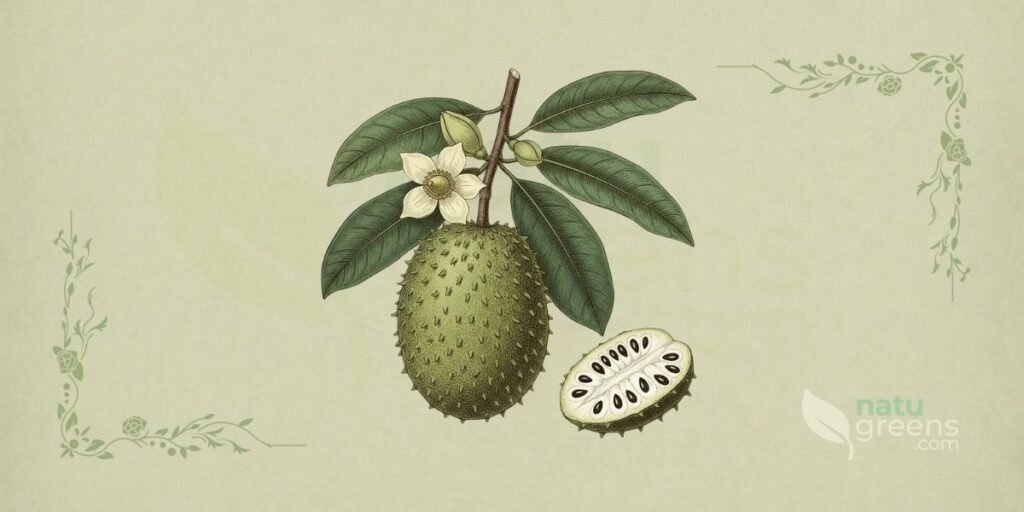
Terminalia chebula Retz. / Haritaki, commonly known as haritaki, myrobalan, or chebula, is a medium to large deciduous tree belonging to the family Combretaceae. Native to South Asia, including Pakistan, India, Nepal, Sri Lanka, Malaysia, and Vietnam, this species is widely valued in traditional medicine, especially in Ayurveda, where it is revered as the “King of Medicines.”
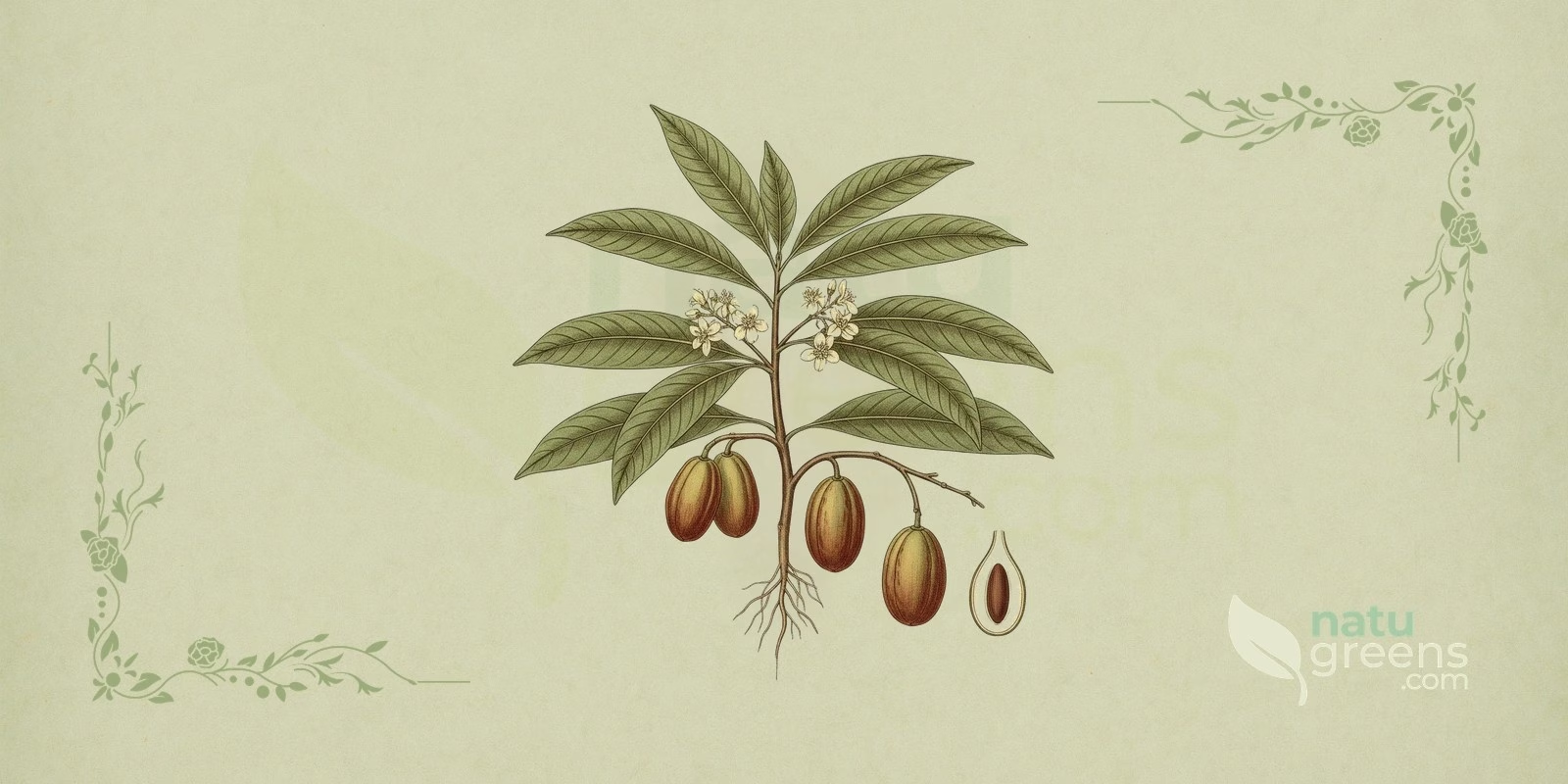
Terminalia chebula has been used for millennia for its extensive properties, being an essential component of the Ayurvedic formulation Triphala. Its fruits, which are the most widely used part, are harvested green and processed for a range of medicinal applications, and the richness of its phytochemical composition, including glycosides, tannins, and phenolic acids, gives it antibacterial, antioxidant, and anti-inflammatory actions, making it a pillar of both traditional and modern phytotherapy.
Popular and International Names of Haritaki
- English: haritaki, chebulic myrobalan, black myrobalan, ink nut.
- Spanish: haritaki, mirobálano índico, chebula.
- Portuguese: aralu, chebula, haritaki, mirabolano.
- French: myrobalan noir, haritaki.
- Italian: mirobolano, haritaki.
- German: Haritaki, Myrobalanenbaum.
Botanical Synonyms of Terminalia chebula
Buceras chebula (Retz.) Lyons, Combretum argyrophyllum K.Schum., Myrobalanus chebula (Retz.) Gaertn., Myrobalanus gangetica (Roxb.) Kostel., Myrobalanus tomentella Kuntze, Terminalia acutae Walp., Terminalia argyrophylla King & Prain, Terminalia gangetica Roxb., Terminalia glandulipetiolata De Wild., Terminalia parviflora Thwaites, Terminalia reticulata Roth, Terminalia tomentella Kurz, Terminalia zeylanica Van Heurck & Müll. Arg.
Botanical Family: Combretaceae
The Combretaceae family is a diverse group of flowering plants, predominantly trees and shrubs, found in tropical and subtropical regions of the world, notable for its ecological and economic importance, including species that yield timber, tannins, and edible fruits. Many plants in the Combretaceae family are recognized for their medicinal properties and are used in traditional medicine systems across various cultures.
Terminalia chebula is a prominent example of this family, sharing common botanical and phytochemical characteristics, as species in this family are often rich in phenolic compounds, such as tannins and flavonoids, which contribute to their biological activities. Scientific research continues to explore the potential of Combretaceae plants in phytotherapy, validating many of their traditional uses and discovering new applications.
Parts of Haritaki Used
- Bark
- Fruits (dried, powdered, extracts)
- Leaves
Ethnobotanical and Traditional Uses
- Abdominal and digestive diseases
- Acid reflux
- Asthma
- Common cold
- Cough
- Dental problems
- Hemorrhoids
- Skin diseases
- Urinary diseases
Therapeutic Properties of Haritaki
- Analgesic (traditional use to relieve pain)
- Anti-inflammatory (studied effect in reducing inflammation)
- Antibacterial (studied activity against bacteria)
- Antidiabetic (studied effect on blood sugar)
- Antioxidant (studied activity against free radicals)
- Antiproliferative (studied inhibitory effect on uncontrolled cell growth, without clinical proof)
- Antiviral (studied activity against viruses)
- Cardioprotective (studied protective effect on the heart)
- Gastroprotective (studied protective effect on the stomach)
- Hepatoprotective (studied protective effect on the liver)
- Hypocholesterolemic (studied effect in reducing cholesterol)
- Hypoglycemic (studied effect in reducing blood sugar)
- Immunomodulatory (studied effect on the immune system)
- Laxative (studied effect on bowel movement)
- Nephroprotective (studied protective effect on the kidneys)
- Neuroprotective (studied protective effect on the nervous system)
- Prokinetic (studied effect on gastrointestinal transit)
- Rejuvenating (studied effect on cellular vitality)
Detailed Phytochemical Profile of Haritaki
- 2,4-Chebulyl-β-D-glucopyranose
- Arjungenin
- Arjunglucoside I
- Chebulic acid
- Chebulin
- Chebulosides I and II
- Ellagic acid
- Ethyl gallate
- Flavonoids (luteolin)
- Gallic acid
- Luteic acid
- Punicalagin
- Tannic acid
- Tannins (terflavin A, terflavin B, terchebin)
Preparation and Administration Forms of Haritaki
- Capsules
- Churna (powder)
- Decoction
- Extracts (aqueous, ethanolic, chloroform)
- Infusion
- Tincture
Synergy with Other Medicinal Plants
Triphala (Amalaki and Bibhitaki)
Terminalia chebula is one of the three fundamental components of the Ayurvedic formulation Triphala, along with Emblica officinalis (Amalaki) and Terminalia bellerica (Bibhitaki). This synergistic combination is traditionally used to support digestive health, detoxification, and overall rejuvenation, as Triphala works in a balanced way, with each fruit contributing unique properties that complement one another, resulting in an effect said to be more potent than the use of any single fruit alone. It is recognized for its gentle laxative, antioxidant, and anti-inflammatory actions, serving as a tonic for the gastrointestinal tract.
Plants for Memory and Concentration
To optimize cognitive function, haritaki can be combined with herbs such as Bacopa monnieri (Brahmi), Centella asiatica (Gotu Kola), and Asparagus racemosus (Shatavari). This synergy aims to support memory, concentration, and mental clarity, drawing on the neuroprotective and adaptogenic properties of each plant, and may be useful for students, professionals, and older adults seeking support for brain health.
Trikatu (Black Pepper, Long Pepper, and Ginger)
Combining haritaki with Trikatu, an Ayurvedic blend of black pepper (Piper nigrum), long pepper (Piper longum), and ginger (Zingiber officinale), is used to increase the bioavailability and absorption of haritaki’s active compounds. Trikatu traditionally acts on the digestive fire (Agni), facilitating nutrient assimilation and enhancing the effects of haritaki, especially in digestive and respiratory conditions.
Recipes and Usage Protocols of Haritaki
Decoction for Digestive Health
Ingredients: 10 grams of haritaki powder, 2 cups of water.
Preparation: Boil the haritaki powder in 2 cups of water until reduced by half. Strain and consume 25-50 ml of the decoction. This preparation is traditionally used to promote digestive health, ease the common cold, and support the body’s detoxification, and can be taken once or twice a day, as needed and under the guidance of an Ayurvedic health professional.
Facial Mask for Skin Issues
Ingredients: 1 tablespoon of haritaki powder, 1/2 teaspoon of Multani mitti (fuller’s earth clay), 1/2 teaspoon of chickpea flour (besan), 2 tablespoons of rose water.
Preparation: Mix all the ingredients until a smooth paste forms. Apply to clean skin and leave on for 15-20 minutes before rinsing with warm water. This mask is beneficial for skin issues, helping to purify, tone, and improve skin texture, thanks to haritaki’s astringent and antibacterial properties.
Scalp Paste
Ingredients: Haritaki powder, water.
Preparation: Mix the haritaki powder with enough water to form a paste. Apply to the scalp and leave on for 15-20 minutes before rinsing. This application is traditionally used to support the scalp against infections, dandruff, itchiness, and hair loss, promoting a healthy environment for hair growth.
Revitalizing Smoothie
Ingredients: 1 teaspoon of haritaki powder, 1 cup of spinach leaves, 1 ripe banana, 1 cup of pineapple chunks, 1 cup of coconut water.
Preparation: Combine all the ingredients in a blender and blend until smooth. Drink this smoothie as part of a balanced diet to benefit from haritaki’s antioxidant and revitalizing properties, contributing to energy and overall well-being.
Haritaki Detox Water
Ingredients: 1 teaspoon of haritaki powder, 1 glass of water, lemon juice (optional).
Preparation: Mix the haritaki powder into the water. Add a little lemon juice, if desired, to improve the taste. Drink this mixture in the morning, on an empty stomach, to support detoxification, promote regular bowel movements, and support digestive function. It is a simple way to incorporate haritaki into a daily routine for a gentle laxative and purifying effect.
The preparations above follow traditional records and do not replace professional guidance. Before any internal use, consult the contraindications and interactions described in this article.
The preparations above follow traditional records and do not replace professional guidance. Before any internal use, check the contraindications and interactions described in this article.
Associated Therapies
Ayurveda
In Ayurvedic medicine, haritaki is one of the most revered herbs, known as the “King of Medicines” and often the first herb listed in Ayurvedic texts because of its extraordinary powers as traditionally attributed. It is an essential component of the Triphala formulation, used to balance the three doshas (Vata, Pitta, and Kapha), and is valued for its rejuvenating, digestive, and detoxifying properties, employed in the treatment of a wide range of conditions, from gastrointestinal problems and skin diseases to cognitive and respiratory disorders. Its ability to promote healthy elimination and nutrient absorption makes it a vital tonic for overall health and longevity, according to Ayurvedic tradition.
Homeopathy
In homeopathy, Terminalia chebula is used in the form of a mother tincture (Terminalia chebula Q) for the treatment of various health conditions. It is often indicated to support digestive health, helping to ease the common cold, promoting regular bowel movements, and improving digestion, and is also considered beneficial for managing various other health complications, acting as a homeopathic remedy that aims to stimulate the body’s capacities for self-healing. Dosage and potency are determined individually by a qualified homeopath.
Contraindications and Side Effects of Haritaki
General Contraindications
Haritaki is generally considered safe when used at recommended doses. However, its use is contraindicated during pregnancy due to its laxative properties and potentially uterine-stimulating effects, which may induce contractions. Breastfeeding women should also avoid its consumption, as haritaki may decrease breast milk production. Individuals with sensitivity or allergy to plants in the Combretaceae family should proceed with caution, and people with chronic diarrhea or severe dehydration should refrain from its use, given its laxative effect.
Potential Side Effects
Excessive or improper consumption of haritaki can lead to certain side effects. The most common include gastrointestinal discomfort, such as abdominal pain, diarrhea, and cramping, and, due to its laxative properties, it can also cause dehydration if fluid intake is inadequate. In some people, haritaki may cause dry mouth due to its astringent taste, although this effect is generally temporary and followed by increased salivation. It is crucial to monitor blood sugar levels in diabetics, as haritaki may lower blood glucose, potentiating the effect of antidiabetic medications and leading to hypoglycemia.
Drug Interactions
Haritaki may interact with diabetes medications, increasing the risk of hypoglycemia, so caution and monitoring of blood glucose levels are recommended. There is not enough information on interactions with other medications, but it is always advisable to consult a healthcare professional before starting to use haritaki, especially if you are taking other drugs or have preexisting health conditions.
Historical Notes and Interesting Facts
The King of Medicines
In Tibetan medicine, Terminalia chebula is affectionately known as the “King of Medicines” and is often the first herb listed in Ayurvedic literature because of its extraordinary powers as traditionally attributed. This designation reflects its vast range of applications in traditional medicine and its central importance in the traditional healing systems of South Asia. It is believed that haritaki can “ward off all diseases” or that it is consecrated to the god Shiva (Hara), underscoring its profound spiritual and cultural significance.
Fruit of Longevity
Haritaki is one of the three dried fruits that make up the ancient Indian formula Triphala, a plant food valued for thousands of years and regarded as a rejuvenating and regenerative herb, with antioxidant properties believed to have the potential to improve the health of skin, hair, and nails. Its use dates back to ancient times, with records in sacred texts and medical treatises that attest to its traditional use and its symbolic role in promoting longevity and vitality.
Symbolism and Spirituality
Beyond its applications in traditional medicine, haritaki holds a deep symbolic and spiritual significance in various traditions. In Buddhism, it is often associated with healing and enlightenment, sometimes depicted in the hands of the Medicine Buddha, and in Hinduism it is regarded as a sacred medicinal herb. Its presence in rituals and spiritual practices highlights the belief in its ability to purify the body and mind, promoting overall well-being.
Frequently Asked Questions about Haritaki
What Is Haritaki?
Haritaki, whose scientific name is Terminalia chebula, is a medicinal tree native to South Asia, widely used in Ayurvedic medicine, known as the “King of Medicines” because of its diverse properties. The fruits of haritaki are the most widely used part, being rich in tannins, glycosides, and phenolic acids, which give the plant antioxidant, anti-inflammatory, and digestive actions.
What Are the Main Benefits of Haritaki?
Haritaki is valued for its many traditional benefits, including improved digestive health, relief from the common cold, detoxification of the body, and support for liver function. It has antioxidant, anti-inflammatory, antibacterial, and antiviral properties, and is also used to support cognitive function, protect the heart and kidneys, and serve as an overall rejuvenator. In Ayurveda, it is a key component of the Triphala formulation, which promotes dosha balance.
How Should I Use Haritaki Powder?
Haritaki powder is the most common form of consumption. For internal use, one can start with 1/4 teaspoon once a day, mixed into warm water or milk, and gradually increase the dose according to tolerance and the guidance of a healthcare professional. For external use, the powder can be mixed with water to form a paste and applied to the scalp to support the scalp against infections or to the skin as a facial mask. It is important to follow dosage recommendations to avoid side effects.
Does Haritaki Have Side Effects or Contraindications?
Although generally safe, haritaki can cause side effects such as gastrointestinal discomfort, diarrhea, and dehydration if consumed in excess. It is contraindicated during pregnancy and breastfeeding due to its laxative properties and potential uterine-stimulating effect, and it may also reduce breast milk production. People with diabetes should exercise caution, as it can lower blood sugar levels. Always consult a healthcare professional before use, especially if you have preexisting medical conditions or are taking other medications.
How Long Does Haritaki Take to Work?
The time it takes for haritaki to take effect can vary depending on the condition being treated and the form of administration. For short-term conditions, such as respiratory issues or the common cold, effects may be noticed within hours or days. For broader benefits, such as detoxification or overall health improvement, continuous use over a longer period, under professional guidance, may be necessary to observe significant results.
Notice: this content is for informational purposes and does not replace professional medical advice. Consult a physician or herbal practitioner before using medicinal plants, especially during pregnancy, breastfeeding, or alongside medication.
References and Scientific Studies
Peer-Reviewed Scientific Studies (3)
- PMC2022 Bulbul, M. R. H., et al. (2022). A comprehensive review on the diverse pharmacological perspectives of Terminalia chebula Retz. Heliyon, 8(9), e10220.
- PEER2022 Kim, H. L., et al. (2022). Terminalia chebula Medicinal Uses: A Review of in vitro and in vivo Studies. Journal of Medicinal Food, 25(10), 917-932.
- PMC2013 Bag, A., Bhattacharyya, S. K., & Chattopadhyay, R. R. (2013). The development of Terminalia chebula Retz. (Combretaceae) in clinical research. Asian Pacific Journal of Tropical Biomedicine, 3(3), 244-252.
Supplementary Readings (2)
- 2024 Gao, H., et al. (2024). The potential of Terminalia chebula in alleviating mild cognitive impairment: A review. Frontiers in Pharmacology, 15, 1484040.
- 2024 Wang, C., et al. (2024). Comprehensive Review on Fruit of Terminalia chebula. Molecules, 29(23), 5547.