Embelia ribes Burm.f. / Vidanga, popularly known as vidanga or false black pepper, is a perennial medicinal plant of the Primulaceae family. Native to the tropical and subtropical regions of India, Sri Lanka, Malaysia, Singapore, and China, this species has been valued for millennia in traditional medicine, especially in Ayurveda, for its fruits and seeds. Embelia ribes is a woody climber that grows in forests and mountainous areas, and its fruits, which resemble peppercorns, are harvested and used in various phytotherapeutic preparations.
In Ayurvedic medicine, vidanga is revered for its anthelmintic, digestive, and purifying properties. It is a key component in many traditional formulations intended to treat intestinal parasites, gastrointestinal disorders, and skin problems. Modern scientific research has been validating many of the traditional uses of Embelia ribes, revealing a rich phytochemical composition, most notably embelin, which gives the plant its remarkable antioxidant, anti-inflammatory, antidiabetic, and anticancer properties. This scientific validation consolidates its importance as a medicinal plant of great therapeutic potential worldwide.
Popular and International Names of Vidanga
- English: false black pepper, vai vidang, vaividang, vavding, vidanga, white-flowered embelia.
- Spanish: baibadang, vaividang, vidanga.
- Portuguese: vaividang, vidanga.
- French: vaividang, vidanga.
- Italian: vaividang, vidanga.
- German: Vaividang, Vavding, Vidanga.
- Sanskrit (Ayurveda): vidanga.
- Hindi: vidang.
- Malay: sangkong.
- Chinese: bai hua suan teng guo (白花酸藤果).
Vidanga and vaividang are trade names taken from Sanskrit. The species has no traditional vernacular name in Portuguese, Spanish, French, Italian, or German, and forms such as pimienta negra falsa or falso pepe nero circulate only as literal renderings of the English false black pepper.
Botanical Synonyms of Vidanga
Although Embelia ribes Burm.f. is the accepted botanical name, the plant is sometimes referred to by less common synonyms in older literature, such as Embelia robusta Roxb. Embelia tsjeriam-cottam (Roem. & Schult.) A.DC., in turn, is an accepted and distinct species, frequently found as an adulterant in commercial vidanga lots, which reinforces the need for material with botanical identification. However, the name Embelia ribes Burm.f. is the most widely recognized and used in taxonomic databases such as Plants of the World Online (POWO) and World Flora Online.
Botanical Family: Primulaceae

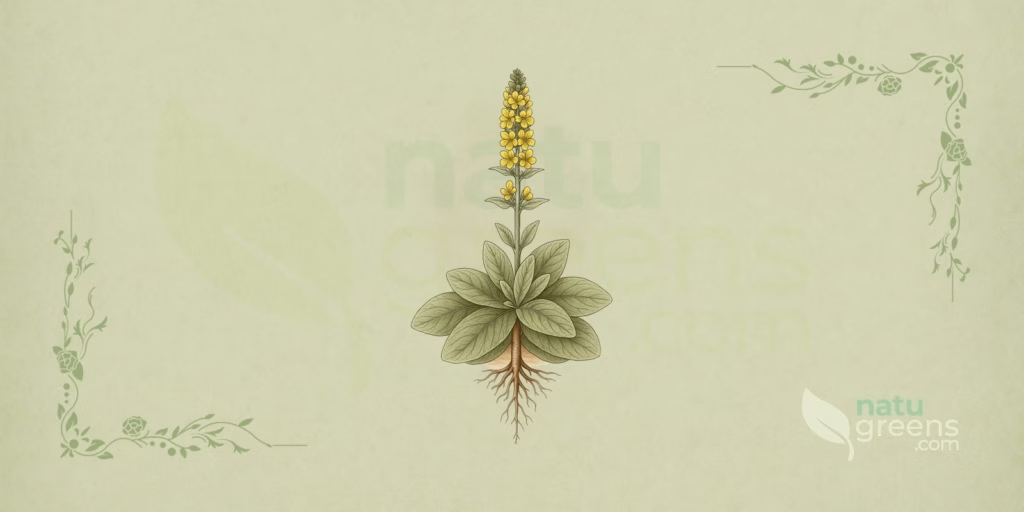
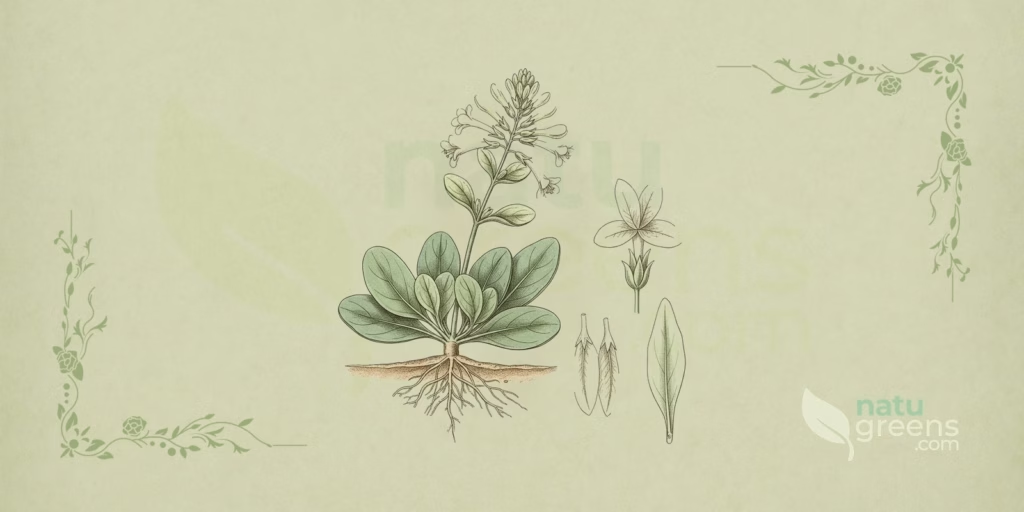
Botanical illustration of Embelia ribes (vidanga), a medicinal plant of the Primulaceae family, showing the wrinkled, dark berries, rich in embelin, used in Ayurvedic medicine for their anthelmintic and antioxidant properties.
Embelia ribes belongs to the Primulaceae family, a family of flowering plants that includes about 2,790 species distributed across 58 genera. This family is known for its morphological diversity and for the presence of bioactive compounds, including saponins, flavonoids, and quinones. Plants of the Primulaceae family are found in many regions of the world, from temperate to tropical zones, and many of them have ornamental, food, or medicinal importance.
The classification of Embelia ribes within the Primulaceae family reflects its botanical and phytochemical characteristics. The presence of embelin, a benzoquinone, is a distinctive chemical marker that contributes to the plant’s therapeutic properties. Ongoing research on the members of this family has revealed their potential for the discovery of new compounds with pharmaceutical applications.
Parts of Vidanga Used
- Fruits (berries)
- Leaves
- Root bark
- Seeds
Ethnobotanical and Traditional Uses of Vidanga
- Anthelmintic (intestinal worms)
- Antibacterial and antifungal (infections)
- Anti-inflammatory
- Antiobesity (weight loss)
- Blood purifier (skin problems)
- Cardioprotective
- Contraceptive (traditional record; not a reliable method, and embelin reduced fertility in animals of both sexes)
- Digestive (indigestion, constipation, flatulence)
- Diuretic
- Neuroprotective (traditional records of epilepsy and mental disorders)
- Rejuvenation
Therapeutic Properties of Vidanga
- Antibacterial (inhibits or reduces bacterial growth); traditional use, without established clinical efficacy
- Anticancer/Antiproliferative (shows activity against tumor cells and may inhibit their multiplication); traditional use, without established clinical efficacy
- Anticonvulsant (effect observed only in animal models; epilepsy requires prescribed medication, which must never be reduced, stopped, or replaced by herbal products)
- Antidepressant (may contribute to improved mood)
- Antidiabetic (helps control glucose levels); traditional use, without established clinical efficacy
- Antifertility (may reduce fertility); traditional record, without established clinical efficacy
- Antifungal (inhibits the growth of pathogenic fungi)
- Anthelmintic (helps fight worms and other helminths); traditional use, without established clinical efficacy
- Anti-inflammatory (reduces inflammatory processes)
- Antiobesity (may assist in body weight control); traditional use, without established clinical efficacy
- Antioxidant (fights free radicals and oxidative stress)
- Antipsychotic (effect observed only in animal models; psychotic disorders require prescribed medication, which must never be reduced, stopped, or replaced by herbal products)
- Antiviral (acts against certain viruses); traditional use, without established clinical efficacy
- Anxiolytic (may help reduce anxiety and tension); traditional use, without established clinical efficacy
- Cardioprotective (protects heart health); traditional use, without established clinical efficacy
- Neuroprotective (protects the nervous system); traditional use, without established clinical efficacy
Detailed Phytochemical Profile of Vidanga
Embelia ribes is chemically rich, containing a variety of bioactive compounds that contribute to its medicinal properties. The main constituents include:
- Alkaloids: such as christembine.
- Embelialkylresorcinols: a class of compounds with diverse biological activities.
- Embeliaflavosides: flavonoid glycosides found in the fruits.
- Embelin: the most studied compound, a 2,5-dihydroxy-3-undecyl-1,4-benzoquinone, responsible for much of the pharmacological activity, including antioxidant, anti-inflammatory, antidiabetic, and anticancer effects.
- Essential oils: present in various parts of the plant.
- Flavonoids: with antioxidant and anti-inflammatory activity.
- Phenolics: contribute to the antioxidant activity.
- Vilangin: a dimeric derivative of embelin, also with potent antioxidant and anticancer properties.
Preparation and Administration Forms of Vidanga
- Decoction
- Extracts (aqueous, ethanolic)
- Infusion
- Oil
- Paste
- Powder (dried fruits and seeds)
Synergy with Other Medicinal Plants
In traditional medicine, Embelia ribes is frequently used in combination with other herbs to enhance its effects or to treat complex conditions. For example, in Ayurvedic deworming formulations, it is common to pair it with plants such as Piper longum (long pepper) and Terminalia chebula for a synergistic anthelmintic and digestive effect. Combining it with Tinospora cordifolia can reinforce its immunomodulatory and antioxidant properties. These synergies aim to optimize absorption, reduce toxicity, and broaden the spectrum of therapeutic action.
Recipes and Usage Protocols of Vidanga
Digestive Decoction
Ingredients: 1 teaspoon of crushed Embelia ribes seeds, 200 ml of water.
Preparation: Boil the crushed seeds in water for 5 to 10 minutes. Strain and consume warm. This decoction can be used to relieve indigestion, flatulence, and constipation. Consumption of one cup after main meals, as needed, is recommended.
Paste for Skin Problems
Ingredients: Embelia ribes powder, water or rose hydrosol.
Preparation: Mix the Embelia ribes powder with water or rose hydrosol until a consistent paste forms. Apply topically to intact skin with mild irritation. Lesions with pus, local warmth, increasing pain, or fever indicate infection and require medical assessment, not topical application of plants. Leave on for 15 to 20 minutes and rinse. Use 1 to 2 times a day.
Traditional Anthelmintic Powder
Ingredients: 3 to 6 g of dried, ground Embelia ribes fruits (daily dose for adults).
Preparation: The fruit powder is traditionally mixed with honey or warm water and consumed in the morning, on an empty stomach. For adults, the dose is 3 to 6 grams per day, divided into 2 to 3 intakes, for no more than 7 days and under professional guidance. It is frequently followed by a mild laxative to help eliminate the parasites. In children, the dose must be adjusted and administered under the supervision of a healthcare professional.
Associated Therapies
Ayurveda
In Ayurvedic medicine, Embelia ribes, known as vidanga, is one of the most important herbs for the treatment of intestinal parasites (krimi). It is classified as krimighna (destroyer of worms) and deepana (enhancer of the digestive fire). It is used to balance the Vata and Kapha doshas, and is frequently included in formulations for digestive disorders, obesity, and skin problems. Its action is considered hot and pungent, with a purifying effect on the body.
Modern Phytotherapy
Modern phytotherapy has been exploring Embelia ribes based on the scientific evidence validating its pharmacological properties. Isolated embelin is the subject of preclinical research in diabetes, obesity, and inflammation, but there are no standardized extracts approved as medicines and no human clinical trials supporting such use. Research continues to focus on optimizing the extraction, formulation, and mechanisms of action of its bioactive compounds.
Contraindications and Side Effects of Vidanga
Although Embelia ribes is widely used in traditional medicine, it is important to consider its contraindications and potential side effects, especially at high doses or in sensitive populations.
General Contraindications
Pregnancy and Breastfeeding: It should be avoided by pregnant women due to its potential abortifacient and antifertility effects, observed in animal studies. Breastfeeding women should also avoid its use due to the lack of safety data.
- Allergies: Individuals who have had an allergic reaction to Embelia ribes itself or to related fruits should avoid its use.
- Bleeding Disorders: There is no documented interaction in humans between vidanga and anticoagulants. As a precaution, patients taking anticoagulants or hypoglycemic drugs, as well as people with bleeding disorders, should inform their doctor before using the plant.
- Couples Trying to Conceive: Both partners should avoid use, because embelin reduced fertility in male and female animals and caused changes in the reproductive organs.
- Young Children: Use in young children should be done with extreme caution and under medical supervision, due to potential toxicological effects at high doses.
Common Side Effects
- At high doses, gastrointestinal disturbances such as nausea, vomiting, and diarrhea may occur.
- Animal studies suggest retinotoxicity and changes in the reproductive organs at very high doses.
Drug Interactions
- It can influence blood glucose levels, requiring monitoring in diabetic patients using hypoglycemic medications.
- There is no documented interaction in humans with anticoagulants; as a precaution, tell your doctor if you are taking these medications.
Recommended Dosages of Vidanga
The dosages of Embelia ribes can vary significantly depending on the form of preparation, the condition being treated, and the individual’s age and constitution. It is essential to consult a qualified healthcare professional before starting any treatment with this plant.
- Standardized Extracts: Dosages vary according to the concentration of embelin and should follow the recommendations of the manufacturer or a phytotherapist.
- Fruit/Seed Powder: Traditionally, 3 to 6 grams per day for adults, divided into 2 to 3 doses, mixed with honey or warm water, for a limited period (3 to 7 days for deworming).
- Pediatric Use: Significantly reduced doses, and always under strict medical supervision.
Cultivation and Harvesting of Vidanga
Embelia ribes is a climber that prefers tropical and subtropical climates, with well-drained soils rich in organic matter. Propagation can be done by seeds or cuttings. The plant requires support to climb and benefits from partial sun exposure. The fruits are usually harvested when they reach maturity, showing a dark color. After harvesting, the fruits are dried and the seeds are extracted for medicinal use. Sustainable harvesting is crucial to preserve this species, which is considered vulnerable in some regions due to overexploitation.
Scientific Research and Clinical Studies
Embelia ribes has been the subject of intense scientific research, with numerous in vitro and in vivo studies validating its pharmacological properties. Embelin, in particular, has been the focus of many studies due to its broad spectrum of biological activities.
Studies on Anthelmintic Activity
In vitro and animal studies have shown that embelin interferes with glucose uptake and energy metabolism in worms, leading to their paralysis and death, but there are no clinical trials in humans. Intestinal parasitic infections require laboratory diagnosis and prescribed antiparasitic treatment.
Studies on Anticancer Activity
Embelin has been extensively investigated for its anticancer properties, showing activity against several cancer cell lines, including breast, colon, lung, and glioma. The mechanisms of action include the induction of apoptosis (programmed cell death), inhibition of cell proliferation, suppression of angiogenesis, and modulation of important signaling pathways such as NF-κB, p53, PI3K/Akt, and STAT3.
Studies on Antidiabetic Activity
In vivo research in diabetic animal models has shown that Embelia ribes extracts and embelin significantly reduce blood glucose levels and improve the lipid profile and kidney and liver function. Embelin has also been shown to inhibit the α-glucosidase enzyme, which is a therapeutic target for the control of postprandial glycemia.
Studies on Anti-Inflammatory Activity
Extracts of the plant and embelin have been shown to reduce inflammation through the inhibition of prostaglandin synthesis and the release of inflammatory mediators, as well as the modulation of the NF-κB signaling pathway.
Studies on Antioxidant Activity
Several studies have demonstrated that Embelia ribes extracts and embelin possess potent antioxidant activity, neutralizing free radicals and protecting cells against oxidative stress. This property is fundamental to its protective effects in various chronic diseases.
Frequently Asked Questions about Vidanga
Is Vidanga Safe for Daily Consumption?
There are no safety data supporting prolonged daily use. Traditional use for deworming is limited to a short course of three to seven days, and animal studies recorded retinotoxicity and changes to the reproductive organs at high doses. Any continued use depends on assessment and monitoring by a healthcare professional.
Can Vidanga Be Used During Pregnancy?
No, Embelia ribes is contraindicated during pregnancy due to its potential abortifacient and antifertility effects, as observed in animal studies. Pregnant women or those planning to become pregnant should avoid its use.
What Are the Main Benefits of Vidanga?
The most investigated activities are anthelmintic, antioxidant, antidiabetic, anti-inflammatory, and antiproliferative, attributed mainly to embelin and vilangin. These findings come from in vitro assays and animal models. No human clinical studies confirm such effects, and the plant does not replace prescribed treatment.
Does Embelia Ribes Interact with Other Medications?
There is no documented interaction in humans between vidanga and anticoagulants. The plant can influence blood glucose levels, which calls for attention in people using diabetes medications. Tell your doctor about any medication you are taking before using the plant.
Which Part of Vidanga Is Most Used?
The fruits and seeds are the most used parts due to their high concentration of bioactive compounds, such as embelin.
Notice: this content is for informational purposes and does not replace professional medical advice. Consult a physician or herbal practitioner before using medicinal plants, especially during pregnancy, breastfeeding, or alongside medication.
References and Scientific Studies
View All 17 Cited References
Peer-Reviewed Scientific Studies (9)
- PMC2022 Sharma V, Gautam DNS, Radu AF, Behl T, Bungau SG, Vesa CM. Reviewing the Traditional/Modern Uses, Phytochemistry, Essential Oils/Extracts and Pharmacology of Embelia ribes Burm. Antioxidants (Basel). 2022 Jul 13;11(7):1359. doi: 10.3390/antiox11071359.
- PMC2020 Xu Y., Liu D., Hu J., Ding P., Chen M. Hyaluronic acid-coated pH sensitive poly (β-amino ester) nanoparticles for co-delivery of embelin and TRAIL plasmid for triple negative breast cancer treatment. Int. J. Pharm. 2020;573:118637. doi: 10.1016/j.ijpharm.2019.118637.
- DOI2020 Guo S., He M., Liu M., Huang W., Ouyang H., Feng Y., Zhong G., Yang S. Chemical Profiling of Embelia ribes by Ultra-High-Performance Liquid Chromatography Quadrupole Time-of-Flight Tandem Mass Spectrometry and Its Antioxidant and Anti-inflammatory Activities In Vitro. J. Chromatogr. Sci. 2020;58:241-250. doi: 10.1093/chromsci/bmz097.
- PMC2008 Bhandari U., Ansari M.N. Protective effect of aqueous extract of Embelia ribes Burm fruits in middle cerebral artery occlusion-induced focal cerebral ischemia in rats. Indian J. Pharmacol. 2008;40:215. doi: 10.4103/0253-7613.44153.
- PMC2007 Swamy H.K., Krishna V., Shankarmurthy K., Rahiman B.A., Mankani K., Mahadevan K., Harish B., Naika H.R. Wound healing activity of embelin isolated from the ethanol extract of leaves of Embelia ribes Burm. J. Ethnopharmacol. 2007;109:529-534. doi: 10.1016/j.jep.2006.09.003.
- PMC2017 Dhayalan M., Denison M.I.J., Krishnan K. In vitro antioxidant, antimicrobial, cytotoxic potential of gold and silver nanoparticles prepared using Embelia ribes. Nat. Prod. Res. 2017;31:465-468. doi: 10.1080/14786419.2016.1166499.
- PEER2013 Balachandran C., Duraipandiyan V., Balakrishna K., Sundaram R., Vijayakumar A., Ignacimuthu S., Al-Harbi N. Synthesis and medicinal properties of plant-derived vilangin. Environ. Chem. Lett. 2013;11:303-308. doi: 10.1007/s10311-013-0408-4.
- PMC2016 Stalin A., Irudayaraj S.S., Gandhi G.R., Balakrishna K., Ignacimuthu S., Al-Dhabi N.A. Hypoglycemic activity of 6-bromoembelin and vilangin in high-fat diet fed-streptozotocin-induced type 2 diabetic rats and molecular docking studies. Life Sci. 2016;153:100-117. doi: 10.1016/j.lfs.2016.04.016.
- PMC2005 Hao K., Ali M., Siddiqui A.W. New compounds from the seeds of Embelia ribes Burm. Die Pharm. 2005;60:69-71.
Supplementary Readings (8)
- 2013 Mishra N. Importance of Embelia ribes: An update. IJPSR. 2013;4:3823-3838.
- 2012 Harish G.U., Danapur V., Jain R., Patell V.M. Endangered Medicinal Plant Embelia ribes Burm.f.-A Review. Pharmacogn. J. 2012;4:6-19. doi: 10.5530/pj.2012.27.2.
- 2006 Kirtikar K., Basu B. Indian Medicinal Plants. Volume 2. International Book Distribution; Dehradun, India: 2006. pp. 1496-1497.
- 2007 Nadkarni A. Nadkarni’s Indian Materia Medica. Volume 1. Popular Prakashan Pvt Ltd.; Mumbai, India: 2007. p. 478.
- 2014 Rajasekharan P.E., Karpakal S. Ethnopharmacological Uses of Embelia ribes Burm.f.-A Review. J. Pharm. Biol. Sci. 2014;9:23-30. doi: 10.9790/3008-09332330.
- 2016 Bist M., Prasad D.S. Embelia ribes: A valuable medicinal plant. J. Chem. Pharm. Res. 2016;2016:1229-1233.
- 2020 Bansal P., Bhandari U., Ahmad S. Embelin from Embelia ribes ameliorates oxidative stress and inflammation in high-fat diet-fed obese C57BL/6 mice. Pharmacogn. Mag. 2020;16:443.
- 2016 Vadivel V., Abirami K., Natesan R., Brindha P. Antioxidant, anti-cancer and phytochemical constituents of hexane extract fractions of an indian medicinal plant Embelia ribes burm. Int. J. Pharm. Phytochem. Res. 2016;8:228-234.