Eclipta prostrata (L.) L. / False Daisy, an annual or perennial herbaceous plant belonging to the vast Asteraceae family, is widely recognized for its remarkable medicinal properties. This species, of uncertain origin but with a broad global distribution, is particularly prevalent in tropical and subtropical regions, including India, Brazil, and Southeast Asia. The false daisy has been used for millennia in traditional medicine systems such as Ayurveda, where it is revered for its benefits for hair, liver, and digestive health.
In the phytotherapeutic tradition, the false daisy is revered for its ability to promote hair and liver health. It is frequently employed in the treatment of various ailments, from gastrointestinal problems to dermatological conditions. Its rich phytochemical composition, which includes coumestans, flavonoids, and triterpenes, gives it significant pharmacological activities, such as anti-inflammatory, hepatoprotective, and antimicrobial effects. Modern scientific research has progressively validated many of these ancestral uses, consolidating the reputation of the false daisy as a medicinal plant of great therapeutic value and potential for future applications in phytotherapy.
Popular and International Names of False Daisy
- English: false daisy, bhringraj, ink plant, trailing eclipta.
- Spanish: manzanilla del campo, yerba de tajo, falsa margarita.
- Portuguese: erva-botão, falsa margarida, agrião-do-brejo, erva-de-touro, surucuína (BR); eclipta, erva-botão (PT).
- French: fausse pâquerette, bhringraj, éclipte blanche.
- Italian: falsa margherita, bhringraj, eclipta.
- German: falsches Gänseblümchen, Bhringraj, Acker-Eclipta.
- Sanskrit (Ayurveda): bhringaraj, bhringaraja.
- Chinese (TCM): mo han lian.
Botanical Synonyms of False Daisy
The accepted scientific name for this species is Eclipta prostrata (L.) L. However, Eclipta alba (L.) Hassk. is a widely used botanical synonym, frequently found in scientific and popular literature. This synonymy reflects taxonomic variations and the different approaches to classifying the plant over time. Other synonyms include Verbesina alba L. and Verbesina prostrata L., which have also been employed to describe this species.
Botanical Family: Asteraceae

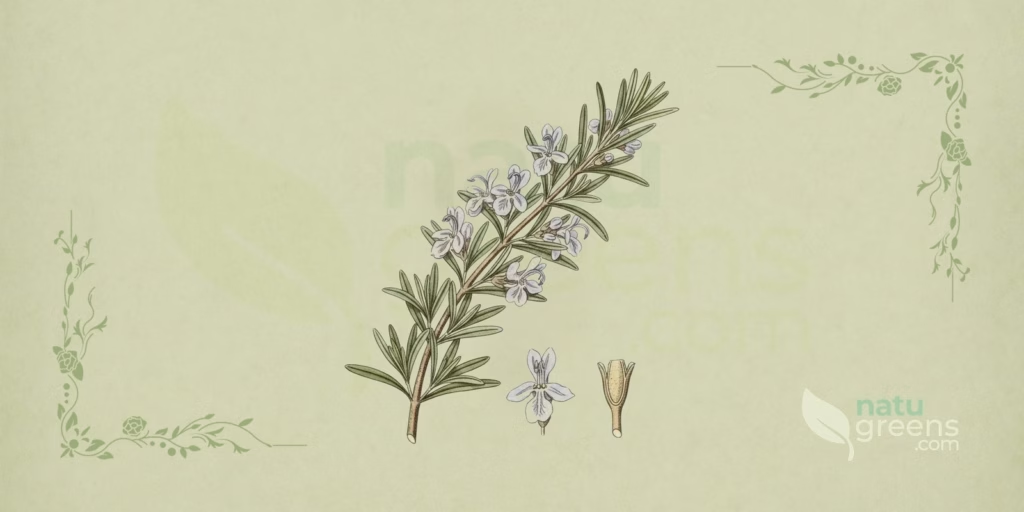
Botanical illustration of Eclipta prostrata (L.) L. (false daisy, bhringaraj), an annual herb of the Asteraceae family, native to tropical and subtropical regions, showing the complete plant with green lance-shaped leaves, branched stems, and small white daisy-like flowers with a yellow center, in 19th-century botanical encyclopedia style on an aged herbarium paper background with a sage-green tone, highlighting the distinctive morphological characteristics of the species.
Eclipta prostrata belongs to the vast Asteraceae family, also known as Compositae. This is one of the largest families of flowering plants, encompassing more than 32,000 species distributed globally. Plants of this family are characterized by their capitulum inflorescences, in which small flowers cluster together to form a structure that resembles a single flower. The Asteraceae family is notable for including many species of economic, food, and medicinal importance, such as lettuce, chamomile, and sunflower.
The false daisy displays the morphological characteristics typical of the Asteraceae family, with its flowers composed of central tubular florets and marginal ligulate florets. The richness in bioactive compounds, such as sesquiterpene lactones, flavonoids, and essential oils, is a distinctive mark of this family, conferring therapeutic properties on many of its species. Intense pharmacological research into the chemical diversity of the Asteraceae has driven the development of phytopharmaceuticals and nutritional supplements.
Parts of False Daisy Used
- Aerial parts
- Leaves
- Roots
- Seeds
Ethnobotanical and Traditional Uses of False Daisy
- Combating hair loss and promoting hair growth
- Healing of wounds and dermatitis
- Relief of gastrointestinal disorders
- Stimulation of liver function
- Traditional use for hemorrhagic conditions such as hemoptysis, hematemesis, hematuria, epistaxis, and uterine bleeding (ethnobotanical record; bleeding from the mouth, lungs, or urine is a warning sign requiring immediate medical evaluation, as the plant does not treat the underlying cause)
- Treatment of skin problems
- Application to snakebites (ethnobotanical record; snakebite is a medical emergency requiring antivenom at a health facility, with no substitute in any plant)
Therapeutic Properties of False Daisy
- Analgesic (relieves pain)
- Anthelmintic (fights worms); traditional use, without established clinical efficacy
- Antibacterial (fights bacteria); traditional use, without established clinical efficacy
- Anti-inflammatory (reduces inflammation)
- Antioxidant (fights free radicals)
- Antipyretic (reduces fever)
- Antiseptic (prevents infections); traditional use, without established clinical efficacy
- Antiviral (fights viruses); traditional use, without established clinical efficacy
- Cholagogue (stimulates bile secretion)
- Hair tonic (strengthens the hair)
- Healing (promotes wound healing)
- Hepatoprotective (protects the liver); traditional use, without established clinical efficacy
- Immunomodulatory (modulates the immune system); traditional use, without established clinical efficacy
- Laxative (promotes bowel movements)
Detailed Phytochemical Profile of False Daisy
- Alkaloids
- Alkenynes
- Apigenin
- Cardiac glycosides (call for caution in anyone taking digitalis)
- Coumestans (wedelolactone, demethylwedelolactone)
- Eclalbasaponins
- Flavonoids
- Lipids
- Polyacetylenes
- Saponins
- Steroids
- Thiophenes
- Triterpenes
Preparation and Administration Forms of False Daisy
- Capsules
- Dry extract
- Fluid extract
- Oil (for hair use)
- Powder
- Tea (infusion/decoction)
- Tincture
Synergy with Other Medicinal Plants
Hair Health
The false daisy, when combined with amla (Phyllanthus emblica) and brahmi (Bacopa monnieri), enhances its effects on hair strengthening and growth. Amla, rich in vitamin C and antioxidants, nourishes the scalp, while brahmi improves circulation and follicle health. This synergy promotes stronger, shinier, and healthier hair, in addition to preventing hair loss and premature aging of the strands.
Inflammatory Conditions
Combining Eclipta prostrata with turmeric (Curcuma longa) and ginger (Zingiber officinale) can be effective in managing inflammatory conditions. The active compounds of the false daisy, such as wedelolactone, work together with the curcumin of turmeric and the gingerols of ginger, providing a potent anti-inflammatory effect. This synergy is beneficial for relieving joint pain, muscle pain, and other systemic inflammations, offering complementary support alongside conventional care, never a substitute for prescribed anti-inflammatories, which only a doctor should decide to stop.
Liver Support
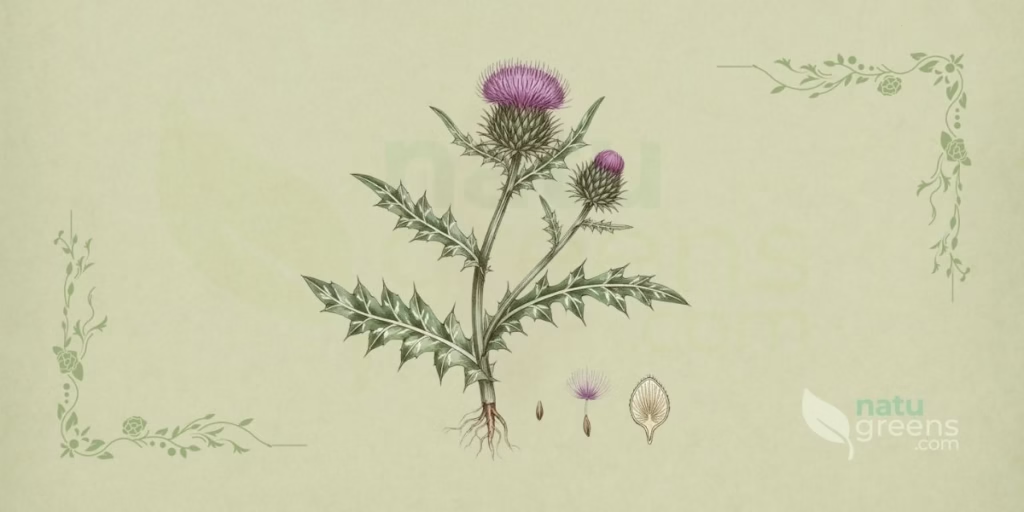
Pairing the false daisy with milk thistle (Silybum marianum) and dandelion (Taraxacum officinale) offers robust support for liver function. Milk thistle, with its silymarin, protects liver cells, and dandelion stimulates the production and flow of bile. Together, these plants work synergistically to detoxify the liver, improve digestion, and optimize the overall health of the organ.
Recipes and Usage Protocols of False Daisy
Fortifying Hair Oil
Ingredients: 50 g of false daisy powder, 250 ml of sesame oil.
Preparation: Heat the oil in a double boiler and add the false daisy powder, mixing well. Let the mixture infuse for 24 hours, strain, and store in a dark bottle. Apply this oil to the scalp and hair, massaging gently, once or twice a week. Leave it on for at least an hour before washing. This treatment nourishes the hair follicles, stimulates growth, and adds shine to the hair.
Hair Oil for Growth and Strengthening
Ingredients: 50 g of fresh Eclipta prostrata leaves, 200 ml of extra virgin coconut oil.
Preparation: Grind the fresh false daisy leaves into a paste. Heat the coconut oil over low heat and add the eclipta paste. Cook slowly until all the moisture evaporates and the paste becomes crispy. Strain the oil and store it in a dark glass bottle. Use this oil to massage the scalp 2 to 3 times a week, leaving it on for at least 1 hour before washing. This protocol is traditionally used to stimulate hair growth, prevent hair loss, and combat premature aging of the strands.
Infusion for Digestive and Liver Health
Ingredients: 1 teaspoon of dried false daisy leaves, 200 ml of boiling water.
Preparation: Add the dried leaves to the boiling water, cover, and let steep for 5 to 7 minutes. Strain and drink. This infusion can be taken two to three times a day, preferably after meals, to aid digestion and promote liver health. It is a gentle way to take advantage of the plant’s hepatoprotective and digestive properties.
Topical Paste for Skin Problems
Ingredients: Fresh false daisy leaves, a little water.
Preparation: Grind the fresh false daisy leaves with a little water until a smooth paste forms. Apply directly to the affected area of the skin, such as wounds, dermatitis, or insect bites. Leave it on for 20 to 30 minutes and then rinse. This paste takes advantage of the plant’s anti-inflammatory and healing properties to promote skin recovery.
Associated Therapies
Ayurveda
In Ayurvedic medicine, the false daisy (bhringaraj) is considered one of the most important herbs for rejuvenation, especially for the hair and the liver. It is used to balance the Pitta dosha, reduce excess heat in the body, and promote mental clarity. Ayurvedic preparations with false daisy include hair oils, powders, and decoctions, aimed at strengthening the hair, improving liver function, and calming the mind. The herb is frequently combined with other plants to maximize its therapeutic effects.
Phytotherapy
Modern phytotherapy employs the false daisy in various formulations, such as standardized extracts, capsules, and tinctures, to treat a range of conditions. Its hepatoprotective action is valued in liver health support, while its anti-inflammatory and antioxidant properties are explored in the treatment of skin diseases and in cellular protection. Phytotherapy uses the false daisy as a versatile therapeutic agent, based on scientific evidence that corroborates its traditional uses.
Contraindications and Side Effects of False Daisy
Drug Interactions
The false daisy can influence cholesterol levels and blood pressure. Therefore, individuals taking medications for these conditions, such as lipid-lowering or antihypertensive drugs, should use the plant with caution and under medical supervision. Its interaction with other medications has not yet been extensively studied, so it is prudent to consult a healthcare professional to avoid possible adverse interactions.
General Contraindications
The false daisy is generally considered safe when used in moderate doses. However, individuals with a known allergy to plants of the Asteraceae family should avoid its use, as allergic reactions may occur. Pregnant or breastfeeding women should consult a healthcare professional before using the false daisy, due to the lack of conclusive studies on its safety in these groups. Use in young children should also be supervised by a specialist.
Potential Side Effects
Although rare, some side effects may include mild gastrointestinal discomfort, such as nausea or diarrhea, especially at high doses. In animal studies, excessive consumption of false daisy has shown potential for liver toxicity, which underscores the importance of adhering to recommended dosages and seeking professional guidance. It is crucial to ensure that false daisy products come from reliable sources and are tested for the absence of heavy metals, which can be present in some traditional Ayurvedic preparations.
Interesting Facts about False Daisy
Ayurvedic Secret for Hair
In India, Eclipta prostrata is a key ingredient in many Ayurvedic hair oils, being considered a beauty secret for long, healthy hair.
Pioneer Species
Its ability to grow in moist, disturbed soils makes it a pioneer species in recovering ecosystems, contributing to soil stabilization and ecological succession.
The Legend of Bhringraj
In the Ayurvedic tradition, the false daisy, known as bhringaraj, is often associated with legends and myths that highlight its rejuvenating properties. The plant is said to be capable of reversing aging, restoring vitality, and even prolonging life. This popular belief, although not scientifically proven, reflects the deep reverence for the herb and its central role in the pursuit of longevity and well-being in Indian culture. The legend contributes to the mystique and fascination surrounding this powerful medicinal plant.
Use as Natural Ink
Historically, the leaves of the false daisy have been used to produce a natural black ink. This ink was employed to dye hair and eyebrows and even for the art of temporary tattooing. The plant’s ability to impart a dark, long-lasting color is one of the reasons it is so valued in beauty rituals and traditional practices in various cultures, especially in Southeast Asia. This use demonstrates the versatility of the false daisy beyond its medicinal applications.
Frequently Asked Questions about False Daisy
Is the False Daisy Effective Against Hair Loss?
Yes, the false daisy is widely recognized in traditional medicine, especially in Ayurveda, for its effectiveness in combating hair loss and promoting hair growth. Preliminary studies and ethnobotanical use suggest that the plant nourishes the follicles, improves scalp circulation, and strengthens the strands. However, more clinical research is needed to fully validate these effects and establish standardized usage protocols.
How Long Does It Take to See Results on the Hair?
The results of using false daisy for hair health can vary from person to person. Generally, a few weeks of regular, consistent use are needed to observe significant improvements in growth, reduction of hair loss, and the overall appearance of the hair. Combining it with a balanced diet and other hair care practices can enhance the results.
Is the False Daisy Safe for Daily Use?
Daily use of Eclipta prostrata in moderate doses is generally considered safe for most people. However, it is always advisable to follow the dosages indicated by a healthcare professional and to take periodic breaks from use to avoid the accumulation of compounds in the body. Consulting a specialist is essential to determine the appropriate dose and duration of treatment for each specific case.
What Are the Main Benefits of the False Daisy for the Liver?
The false daisy has significant hepatoprotective properties and tradition associates it with conditions such as cirrhosis and hepatitis. These are serious diseases that require medical diagnosis and treatment: the plant does not replace that care, and its own safety profile calls for caution, since animal studies have recorded potential liver toxicity with excessive consumption. Its bioactive compounds help protect liver cells against damage, promote tissue regeneration, and improve overall liver function. The plant assists in detoxification and bile flow, contributing to liver and digestive health.
How Can I Use the False Daisy to Improve Skin Health?
For skin health, the false daisy can be used topically in the form of a paste or oil. Its anti-inflammatory, antimicrobial, and healing properties make it effective in treating wounds, dermatitis, insect bites, and other skin irritations. Local application helps soothe the skin, reduce inflammation, and speed up the healing process. It is always advisable to perform a sensitivity test before applying it to larger areas.
Are There Side Effects to Using the False Daisy?
In general, the false daisy is well tolerated in moderate doses. However, in cases of excessive use, mild side effects such as gastrointestinal discomfort may occur. It is crucial to be alert to possible allergic reactions, especially if there is sensitivity to other plants of the Asteraceae family. Consulting a healthcare professional is essential before starting any treatment, especially for pregnant women, breastfeeding mothers, and people with pre-existing medical conditions or who use other medications.
Can the False Daisy Be Used by Children?
The use of Eclipta prostrata in children should be done with caution and always under the supervision of a pediatrician or qualified healthcare professional. Doses should be adjusted according to the child’s age and weight, and its use should be limited to specific situations and short periods. The long-term safety of use in children has not yet been fully established.
Notice: this content is for informational purposes and does not replace professional medical advice. Consult a physician or herbal practitioner before using medicinal plants, especially during pregnancy, breastfeeding, or alongside medication.
References and Scientific Studies
Peer-Reviewed Scientific Studies (3)
- PMC2021 Timalsina, D., & Devkota, H. P. (2021). Eclipta prostrata (L.) L. (Asteraceae): Ethnomedicinal Uses, Chemical Constituents, and Biological Activities. Biomolecules, 11(11), 1738. ↗.
- PMC2019 Feng, L., Zhai, Y. Y., Xu, J., Yao, W. F., Cao, Y. D., Cheng, F. F., Bao, B. H., & Zhang, L. (2019). A review on traditional uses, phytochemistry and pharmacology of Eclipta prostrata (L.) L. Journal of Ethnopharmacology, 245, 112109. ↗.
- PMC2017 Chung, I. M., Rajakumar, G., Lee, J. H., Kim, S. H., & Thiruvengadam, M. (2017). Ethnopharmacological uses, phytochemistry, biological activities, and biotechnological applications of Eclipta prostrata. Applied Microbiology and Biotechnology, 101(13), 5247-5257. ↗.
Supplementary Readings (1)
- Royal Botanic Gardens, Kew. “Eclipta prostrata (L.) L.” Plants of the World Online. ↗.