Phyllanthus emblica L. / Amla, popularly known as amla or Indian gooseberry, is a deciduous tree of the Phyllanthaceae family, native to tropical and southern Asia. This plant has been revered for millennia in traditional medicine, especially in Ayurveda, where it is valued for its rejuvenating and adaptogenic properties. Its fruits, greenish-yellow in color and bittersweet in flavor, are the most used part, being rich in vitamin C and other bioactive compounds. Amla is widely cultivated and consumed in many forms, from fresh fruits to medicinal and culinary preparations, playing a fundamental role in health and well-being across several Asian cultures.
Amla is a pillar of herbal medicine thanks to its rich phytochemical composition, which includes tannins, flavonoids, and phenolic acids. These compounds give it potent antioxidant, anti-inflammatory, and immunomodulatory activities. Modern scientific research has examined the composition of amla, above all its antioxidant profile, with preliminary results in experimental models that do not yet translate into a treatment indication. Its versatility and efficacy make amla one of the most studied and most promising medicinal plants in the field of natural health.
Popular and International Names of Amla
- English: amla, Indian gooseberry, emblic myrobalan, Malacca tree.
- Spanish: amla, grosella de la India, grosella espinosa india, mirobálano índico.
- Portuguese: amla, emblica, groselha-indiana.
- French: amla, groseille indienne.
- Italian: amla, uva spina indiana.
- German: Amla, Indische Stachelbeere.
- Sanskrit (Ayurveda): amalaki.
Botanical Synonyms of Amla
The scientific name Phyllanthus emblica L. is widely accepted; however, the synonym Emblica officinalis Gaertn. is frequently found in the literature and in traditional contexts. Other synonyms include Cicca emblica (L.) Kurz and Mirobalanus embilica Burm.
Botanical Family: Phyllanthaceae

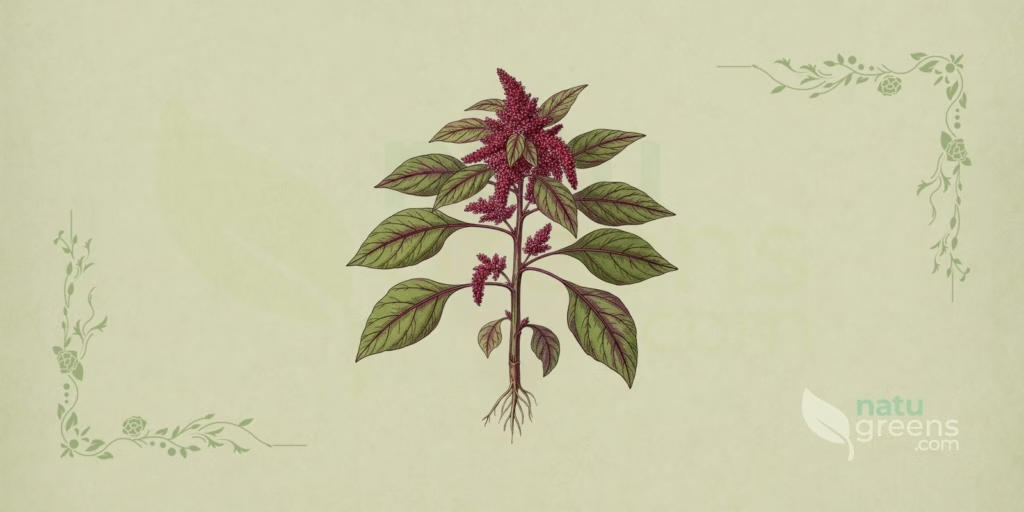
Botanical illustration of Phyllanthus emblica L. (amla, Indian gooseberry), a deciduous tree of the Phyllanthaceae family, showing the spherical, greenish-yellow fruit with six vertical furrows, cut in half revealing the pulp and seeds, in 19th-century botanical encyclopedia style on an aged herbarium paper background. The fruit is the most important part of the plant, rich in vitamin C and antioxidants.
The Phyllanthaceae family is a diverse group of plants with about 2,000 species distributed across tropical and subtropical regions of the world. It is characterized by simple, alternate leaves and unisexual flowers, often small and inconspicuous. This family includes trees, shrubs, and herbs, some of great economic and medicinal importance, such as amla. The phytochemical diversity of the Phyllanthaceae is remarkable, with the presence of tannins, alkaloids, and flavonoids contributing to their therapeutic properties.
Parts of Amla Used
- Bark
- Fruits (fresh and dried)
- Leaves
- Roots
- Seeds
Ethnobotanical and Traditional Uses of Amla
- Anti-aging
- Constipation
- Diabetes
- Digestive disorders
- Eye health
- Fever
- General tonic
- Hair complaints
- Inflammation
- Skin complaints
Therapeutic Properties of Amla
- Adaptogenic (helps the body adapt to stress)
- Antibacterial (fights bacteria); traditional use, without established clinical efficacy
- Antioxidant and cytoprotective, under study (laboratory trials investigate effects on tumor cell lines, with no confirmation in human treatment)
- Anti-inflammatory (reduces inflammation)
- Antioxidant (fights free radicals)
- Antiviral (fights viruses); traditional use, without established clinical efficacy
- Cardioprotective (protects the heart); traditional use, without established clinical efficacy
- Effect on blood sugar, under study (does not replace antidiabetic medication and requires monitoring, see interactions)
- Hepatoprotective (protects the liver); traditional use, without established clinical efficacy
- Hypocholesterolemic (lowers cholesterol); traditional use, without established clinical efficacy
- Immunomodulatory (modulates the immune system); traditional use, without established clinical efficacy
- Neuroprotective (protects the nervous system); traditional use, without established clinical efficacy
- Rejuvenating (promotes vitality and longevity)
Detailed Phytochemical Profile of Amla
- Ascorbate (vitamin C)
- Ellagic acid
- Emblicanin A
- Emblicanin B
- Flavonoids (quercetin, rutin)
- Gallic acid
- Pectin
- Pedunculagin
- Phenolic acids
- Punicafolin
- Punigluconin
- Tannins
Preparation and Administration Forms of Amla
- Capsules
- Extract
- Juice
- Powder
- Tea/Infusion
- Tincture
Synergy with Other Medicinal Plants
Immunity and Vitality
The association of amla with ashwagandha (Withania somnifera) and tulsi (Ocimum sanctum) creates an adaptogenic tonic that strengthens the immune system and increases overall vitality. This synergy helps fight stress, improve physical and mental endurance, and promote well-being. Amla, rich in vitamin C, complements the immunomodulatory and anti-stress properties of ashwagandha and tulsi.
Hair and Skin Health
For hair and skin health, amla can be used synergistically with false daisy (Eclipta prostrata) and neem (Azadirachta indica). This combination is popular in hair oils and masks to strengthen hair, prevent hair loss, and fight dandruff. On the skin, it helps reduce inflammation and promote a healthy complexion. Amla nourishes and protects, while bhringaraj and neem offer antimicrobial and healing properties.
Digestive Health
When combined with ginger (Zingiber officinale) and long pepper (Piper longum), amla forms a powerful synergy for digestive health. This combination is frequently used in Ayurveda to improve digestion, relieve indigestion, and reduce flatulence. Amla contributes its antioxidant and anti-inflammatory properties, while ginger and long pepper stimulate digestive enzymes and increase nutrient bioavailability.
Recipes and Usage Protocols of Amla
Amla Tea for Immunity
Ingredients: 1 teaspoon of amla powder, 200 ml of hot water, honey and lemon to taste (optional).
Preparation: Add the amla powder to the hot water and mix well. Let rest for 5 minutes. Strain if you prefer, and add honey and lemon to improve the flavor and enhance the benefits. Drink 1 to 2 times a day to strengthen the immune system and boost energy. This infusion concentrates the tannins and phenolic compounds of amla. Much of the fruit’s vitamin C is lost in drying and in the heat of the water, so the fresh fruit or the juice preserves the ascorbate better.
Amla Hair Mask for Strengthening
Ingredients: 2 tablespoons of amla powder, enough water to form a paste.
Preparation: Mix the amla powder with water until you obtain a smooth paste. Apply the paste to the scalp and hair, from root to tip. Leave on for 30-45 minutes. Wash well with water and a mild shampoo. Use once a week to strengthen hair follicles, reduce hair loss, and promote shine. Amla is known for nourishing the hair and preventing premature aging.
Fresh Amla Juice for Detox
Ingredients: 2-3 fresh amla fruits, 100 ml of water, a pinch of black salt (kala namak) or honey (optional).
Preparation: Wash the amla fruits well and remove the seeds. Cut the pulp into small pieces and blend with the water until you obtain a smooth juice. Strain to remove any remaining fiber. Add black salt or honey to taste. Drink in the morning, preferably after a light meal, since the acidity of the fruit can bother anyone with gastric sensitivity. Amla juice is a potent antioxidant and digestive.
Associated Therapies
Ayurveda
In Ayurvedic medicine, amla is one of the most valued plants, an essential component of the famous tonic Triphala. It is considered a rasayana, a substance that promotes longevity, rejuvenates body and mind, and balances the three doshas (Vata, Pitta, and Kapha). Amla is used for a wide range of conditions, including digestive disorders, skin complaints, and eye health, and to strengthen the immune system. Its cooling nature and its five flavors (sweet, sour, pungent, bitter, and astringent) make it unique and highly effective in harmonizing the body.
Western Herbal Medicine
In Western herbal medicine, amla is recognized mainly for its antioxidant properties and its high vitamin C content. It is used as a supplement to strengthen the immune system, fight oxidative stress, and support cardiovascular health. Standardized amla extracts are employed to improve digestion, regulate blood sugar levels, and lower cholesterol. Modern research has examined antioxidant and hepatoprotective activity in laboratory models, and those findings do not amount to clinical validation of its traditional uses.
Contraindications and Side Effects of Amla
General Contraindications
Amla is generally considered safe for most people when consumed in moderate doses. However, it should be used with caution by individuals with specific medical conditions. People with bleeding disorders or taking anticoagulant medication should avoid consuming amla in large amounts because of its potential antiplatelet effect.
Diabetics taking hypoglycemic medication should monitor their blood sugar levels, as amla can potentiate the effect of these medications, leading to hypoglycemia. Pregnant or breastfeeding women should consult a health professional before using amla, given the lack of conclusive safety studies in these groups.
Common Side Effects
Side effects of amla are rare and usually mild. In some cases, excessive consumption can cause gastrointestinal complaints, such as diarrhea, abdominal pain, or heartburn, because of its high fiber content and acidity. Individuals with gastric sensitivity may experience discomfort. Allergic reactions are uncommon but can occur in people sensitive to Phyllanthaceae plants, manifesting as rashes or itching. It is always advisable to start with low doses and observe your body’s reaction.
Drug Interactions
Amla can interact with certain medications. Because of its hypoglycemic properties, it can potentiate the effect of diabetes medications, requiring dose adjustment. Its anticoagulant effect can increase the risk of bleeding when taken with anticoagulants such as warfarin or antiplatelet drugs. It can also influence the absorption of other medications because of its tannin content. Informing your doctor or pharmacist about amla use is crucial, especially if you are taking other medications.
Historical Notes and Interesting Facts about Amla
Sacred Tree
In India, the amla is considered a sacred tree, revered in several religious and spiritual traditions. It is frequently associated with the goddess Lakshmi and the god Vishnu, symbolizing prosperity, health, and longevity. The tree is worshipped at festivals such as Amalaka Ekadashi, when devotees fast and offer prayers for blessings. Its cultural and religious importance reflects the deep connection between the plant and the spiritual and daily life of people in India.
Fruit of Youth
Amla is known as the fruit of youth and immortality in Ayurveda, thanks to its potent rejuvenating properties. Regular consumption of amla is believed to slow the aging process, improve vitality, and increase disease resistance. This reputation is supported by its high antioxidant content, which fights free radicals and protects the body’s cells from damage. Amla is a symbol of health and longevity, and a key ingredient in many Ayurvedic elixirs.
Frequently Asked Questions about Amla Tea
What Is Amla Tea?
Amla tea is an infusion prepared from the dried or powdered fruits of the plant Phyllanthus emblica, also known as Indian gooseberry. It is valued for its medicinal properties and its bittersweet flavor, being a popular beverage in traditional Ayurvedic medicine.
What Are the Main Benefits of Amla Tea?
Amla tea is rich in vitamin C and antioxidants, making it excellent for strengthening the immune system, fighting oxidative stress, and promoting general health. It aids digestion, can help regulate blood sugar levels, and contributes to skin and hair health.
How Do I Prepare Amla Tea?
To prepare amla tea, add one teaspoon of amla powder or a few pieces of dried fruit to a cup of hot water. Steep for 5 to 10 minutes, strain, and add honey or lemon to taste, if desired. It can be enjoyed hot or cold.
Are There Contraindications for Amla Tea?
Although generally safe, amla tea should be consumed with caution by people with bleeding disorders, diabetics on hypoglycemic medication, and pregnant or breastfeeding women. When in doubt, always consult a health professional.
Can Amla Tea Help with Weight Loss?
Amla tea can support weight loss by improving digestion and metabolism. The fruit’s fiber stays in the pulp and barely passes into the infusion, so the satiety effect attributed to the tea does not hold up. However, it is not a magic solution and should be combined with a balanced diet and regular exercise for effective results.
Notice: this content is for informational purposes and does not replace professional medical advice. Consult a physician or herbal practitioner before using medicinal plants, especially during pregnancy, breastfeeding, or alongside medication.
References and Scientific Studies
- PMC2011 Baliga, M. S., & Dsouza, J. J. (2011). Amla (Emblica officinalis Gaertn), a wonder berry in the treatment and prevention of cancer. European Journal of Cancer Prevention, 20(3), 225-239.
- PMC2022 Gul, M., et al. (2022). Functional and Nutraceutical Significance of Amla (Phyllanthus emblica L.): A Review. Molecules, 27(10), 3292.
- PMC2019 Kapoor, M. P., et al. (2019). Clinical evaluation of Emblica officinalis Gaertn (Amla) for its antioxidant and anti-inflammatory properties in healthy human subjects. Journal of Clinical and Diagnostic Research, 13(12), FC01-FC05.
- PMC2022 Saini, R., et al. (2022). Traditional uses, bioactive composition, pharmacology, and toxicology of Phyllanthus emblica fruits: A comprehensive review. Journal of Ethnopharmacology, 296, 115471.
- PMC2007 Tarwadi, K., & Agte, V. (2007). Antioxidant and micronutrient potential of common fruits available in the Indian subcontinent. International Journal of Food Sciences and Nutrition, 58(5), 341-349.