Silybum marianum (L.) Gaertn. / Milk Thistle, popularly known as blessed milkthistle, is an annual or biennial herbaceous plant of the Asteraceae family, described by Carl Linnaeus in 1753 and reclassified by Joseph Gaertner. Native to the Mediterranean region, this species has spread throughout the world thanks to its remarkable hepatoprotective properties. Milk thistle has been used for more than 2,000 years in traditional European medicine, its seeds being the main source of the bioactive complex known as silymarin.
In the herbal tradition, milk thistle is the foremost plant for treating diseases of the liver and gallbladder. Its applications range from liver detoxification to the treatment of hepatitis, cirrhosis, and toxin-induced damage. The plant is recognized for its rich phytochemical composition, especially the flavonolignan complex (silymarin), which accounts for its antioxidant and liver-cell-regenerating properties. Modern scientific research has validated many of its traditional uses, consolidating its position as one of the most important medicinal plants for liver health.
Popular and International Names of Milk Thistle
- English: milk thistle, blessed milkthistle, Marian thistle, Mary thistle, Saint Mary’s thistle, Mediterranean milk thistle, variegated thistle.
- Spanish: cardo mariano, cardo lechero, cardo lechoso, cardo de María, cardo de Santa María.
- Portuguese: cardo-mariano, cardo-branco, cardo-leiteiro, cardo-de-santa-maria.
- French: chardon-marie, chardon de Notre-Dame.
- Italian: cardo mariano, cardo della Madonna.
- German: Mariendistel, Echte Mariendistel.
Botanical Synonyms of Milk Thistle
Carduus marianus L. is the original botanical synonym and the basis for the later classification. Other, less common synonyms include Mariana lactea Hill, Carduus maculatus Scop., and Silybum maculatum (Scop.) Moench.
Botanical Family: Asteraceae

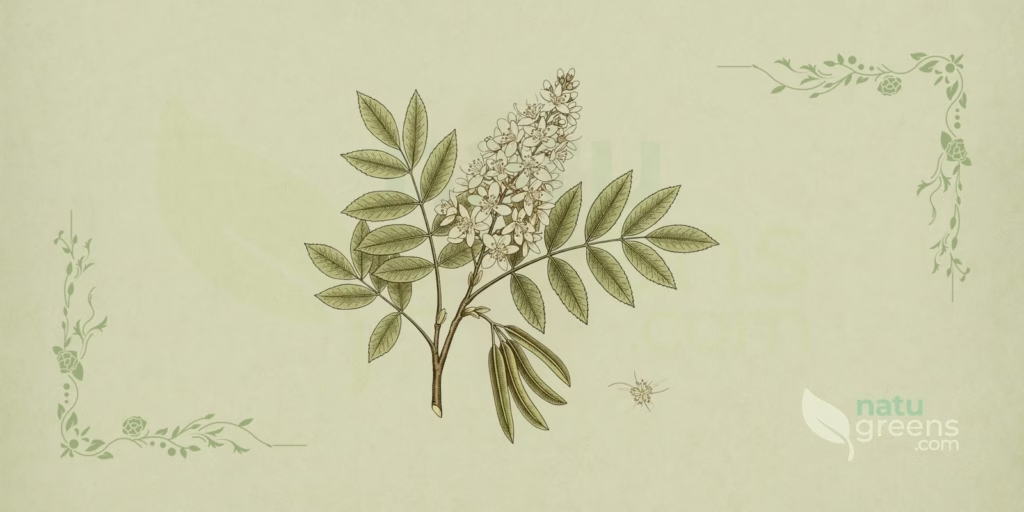
Botanical illustration of Silybum marianum (L.) Gaertn. (milk thistle, blessed milkthistle), an annual or biennial plant of the Asteraceae family, native to Southern Europe, Asia, and North Africa, showing the complete plant with reddish-purple flowers, shiny green leaves with milky-white veins and spines, in 19th-century botanical encyclopedia style on an aged herbarium paper background.
The Asteraceae family, also known as Compositae, is one of the largest families of flowering plants, encompassing about 1,900 genera and more than 32,000 species distributed worldwide. This family is characterized by the capitulum inflorescence, in which numerous small flowers are grouped into a structure that mimics a single flower. The Asteraceae include plants of great economic, food, and medicinal importance, such as lettuce, sunflower, and artichoke.
Milk thistle shares morphological features typical of the family, including a discoid flower head made up solely of tubular purple florets surrounded by rigid, spine-tipped involucral bracts, the pattern typical of the thistle tribe within the Asteraceae. The Asteraceae family is known for producing bioactive compounds, especially sesquiterpene lactones, flavonoids, and essential oils, which confer medicinal properties on many of its species. The chemical diversity of this family has been the subject of intense pharmacological research, contributing to the development of phytomedicines and dietary supplements.
Parts of Milk Thistle Used
- Fruits, sold as seeds (achenes)
- Leaves
- Roots
- Stems
Ethnobotanical and Traditional Uses of Milk Thistle
- Consumption of leaves and stems (after removing the spines) as food
- Consumption of roots (raw or roasted) as food
- Gallbladder disorders
- Hospital adjuvant in Amanita phalloides poisoning, in the form of intravenous silibinin (suspected poisonous mushroom ingestion is a medical emergency: seek immediate care or call a poison control center; no home preparation replaces that care)
- Jaundice
- Liver cirrhosis
- Liver damage caused by toxins (alcohol, poisons)
- Liver detoxification
- Relief of indigestion
- Treatment of liver and biliary tract diseases (hepatitis, cirrhosis, fatty liver)
- Viral hepatitis (acute and chronic)
Recent Lines of Research
These applications come from experimental studies and small trials, not from the plant’s traditional use, and the evidence behind them is not yet settled.
- Cholesterol reduction
- Neurological health support
- Support in type 2 diabetes management
Therapeutic Properties of Milk Thistle
- Antibacterial (fights bacteria); traditional use, without established clinical efficacy
- Anticancer (under study for antitumor potential)
- Antidiabetic (helps control blood sugar); traditional use, without established clinical efficacy
- Antifibrotic (prevents excessive fibrous tissue formation)
- Antifungal (fights fungi)
- Anti-inflammatory (reduces inflammation)
- Antioxidant (fights free radicals)
- Cardioprotective (protects the heart); traditional use, without established clinical efficacy
- Hepatoprotective (protects the liver); traditional use, without established clinical efficacy
- Hypocholesterolemic (lowers cholesterol); traditional use, without established clinical efficacy
- Hypoglycemic (lowers blood sugar); traditional use, without established clinical efficacy
- Immunomodulatory (modulates the immune system); traditional use, without established clinical efficacy
- Neuroprotective (protects the nervous system); traditional use, without established clinical efficacy
Detailed Phytochemical Profile of Milk Thistle
- Fatty acids: The seeds contain 20-35% fatty acids, the most abundant being linoleic acid and oleic acid.
- Polyphenols
- Silymarin: The main bioactive component, a flavonolignan complex that includes:
- Silybin A
- Silybin B
- Isosilybin A
- Isosilybin B
- Silychristin
- Isosilychristin
- Silydianin
- Taxifolin: A flavonoid also present in the silymarin complex.
Preparation and Administration Forms of Milk Thistle
- Capsules (standardized dry extract)
- Crushed seeds
- Fluid extract
- Infusion (tea)
- Liquid extract
- Tablets
- Tincture
Synergy with Other Medicinal Plants
Blood Sugar Control
Combining milk thistle with cinnamon (Cinnamomum verum) and gymnema (Gymnema sylvestre) can be beneficial for glycemic control. Cinnamon is known to improve insulin sensitivity, and gymnema helps reduce sugar absorption in the intestine. Together, these components can offer complementary support in the management of type 2 diabetes, helping regulate blood sugar levels.
The association of milk thistle with fenugreek (Trigonella foenum-graecum) and bitter melon (Momordica charantia) can also be beneficial in type 2 diabetes management. Silymarin has shown hypoglycemic effects, which are complemented by the action of fenugreek fiber and the insulin-mimetic compounds of bitter melon.
Liver Protection
Combining milk thistle with artichoke (Cynara scolymus) and dandelion (Taraxacum officinale) enhances hepatoprotective and detoxifying action. Milk thistle’s silymarin, artichoke’s cynarin, and dandelion’s bitter compounds act synergistically to protect liver cells, stimulate bile production, and promote toxin elimination. Artichoke stimulates bile flow, while dandelion has diuretic and detoxifying properties, so this combination boosts liver protection and regeneration, aiding fat digestion.
Digestive Health
For digestive complaints, milk thistle can be combined with peppermint (Mentha × piperita) and ginger (Zingiber officinale). Peppermint has antispasmodic and carminative effects, relieving gas and cramps, while ginger is a potent antiemetic and digestive. This synergy promotes more efficient digestion and reduces gastrointestinal discomfort, complementing milk thistle’s protective action on the liver.
Recipes and Usage Protocols of Milk Thistle
Milk Thistle Seed Infusion for Liver Detox
Ingredients: 1 teaspoon (approximately 2-3 g) of crushed milk thistle seeds, 200 ml of boiling water.
Preparation: Place the crushed seeds in a cup and add the boiling water. Cover and steep for 10 to 15 minutes. Strain and drink. You can have 1 to 3 cups a day, preferably between meals. This infusion is useful as a digestive aid and for general liver support.
Standardized Extract Capsules
Ingredients: Milk thistle dry extract capsules (standardized to 70-80% silymarin).
Preparation: Follow the manufacturer’s instructions. The range used in clinical studies is 140 mg of silymarin, 3 times a day, which comes to roughly 420 to 600 mg of silymarin daily. Check the label to see whether the stated amount refers to the extract or to the silymarin, because the difference between the two readings can be threefold. It is essential to consult a health professional to determine the right dosage for each specific case, especially for prolonged treatments or serious liver conditions.
Milk Thistle Tincture for Liver Support
Ingredients: 200 g of crushed milk thistle seeds, 1 liter of 70% alcohol (or good-quality vodka).
Preparation: Place the crushed seeds in a dark glass jar and cover with the alcohol. Close tightly and let macerate for 2 to 4 weeks in a cool, dark place, shaking daily. Strain the mixture through a fine cloth or coffee filter and store the resulting tincture in a dark glass bottle. The usual dosage is 20 to 30 drops, diluted in a little water, 2 to 3 times a day. Consult a health professional for specific guidance.
Associated Therapies
Clinical Phytotherapy
In modern clinical phytotherapy, milk thistle is widely prescribed in various pharmaceutical forms, such as standardized extracts, capsules, and tablets. The extracts are frequently titrated in silymarin to guarantee therapeutic efficacy. Clinical phytotherapy uses milk thistle in the treatment of liver disorders such as hepatitis, cirrhosis, and fatty liver disease, as well as in cases of intoxication. Prescription is individualized, considering each patient’s specific needs and possible interactions with other medications.
Homeopathy
In homeopathic tradition, Carduus marianus appears in repertories for complaints of the liver and the portal system, among them jaundice, nausea, pain in the liver region and poor digestion. The remedy is prepared from the fresh plant, following the principles of dilution and dynamization, and is prescribed in various potencies according to the chronicity and intensity of the symptoms. There are no clinical studies demonstrating the effectiveness of these preparations. Persistent pain in the right upper quadrant, jaundice and dark urine are warning signs that call for immediate medical assessment, which must never be replaced by any homeopathic preparation.
Contraindications and Side Effects of Milk Thistle
General Contraindications
Milk thistle is contraindicated for individuals with a known allergy to plants of the Asteraceae family, which includes chrysanthemums, daisies, ragweed, and calendula. Allergic reactions can manifest as contact dermatitis, hives, or, in more severe cases, anaphylaxis. There is no safety data supporting the use of milk thistle during pregnancy or breastfeeding, at any dose or in any preparation, and it is this absence of studies that grounds the restriction, not any demonstrated effect on the uterus. Its use is therefore not recommended during these periods without an assessment by the physician overseeing the pregnancy.
Individuals with bleeding disorders or taking anticoagulants should use milk thistle with caution, since its action on cytochrome P450 can potentiate anticoagulant effects. The use of milk thistle is not recommended for children and adolescents under 18 years of age, due to a lack of safety and efficacy data in this age group; in such cases, only under a healthcare professional’s prescription.
Common Side Effects
Side effects of milk thistle are rare and usually mild. In some people, consumption can cause nausea, vomiting, diarrhea, intestinal gas, a feeling of fullness, loss of appetite, stomach pain, headache, dizziness, and fatigue. Topical application of milk thistle preparations can occasionally result in contact dermatitis, especially in sensitive individuals.
Drug Interactions
Milk thistle can interact with several medications. Its action on the cytochrome P450 system can alter drug metabolism, including anticoagulants such as warfarin, increasing the risk of bleeding. Because of this action on cytochrome P450 enzymes, milk thistle may also raise blood levels of medications such as benzodiazepines, so concurrent use should be discussed with a physician. Individuals taking diabetes medication should carefully monitor glucose levels, since milk thistle can have mild hypoglycemic effects.
Interesting Facts about Milk Thistle
The Legend of the Virgin Mary
The best-known legend about milk thistle (Silybum marianum) goes back to the Virgin Mary. It is said that the white markings on the plant’s leaves are drops of the Virgin Mary’s milk that fell on them while she nursed the infant Jesus. This legend gave rise to many of its popular names, such as Marian thistle, milk thistle, and Saint Mary’s thistle. This mystical association contributed to its popularity and traditional use over the centuries, especially in Europe.
The thistle used as a vegetable rennet in Portuguese sheep’s milk cheeses is a different species of the same family, Cynara cardunculus, whose flowers contain the proteases known as cardosins. The name blessed thistle is a second source of confusion: in Europe it refers to Cnicus benedictus, while in Brazil the Portuguese name cardo-santo is given to Argemone mexicana, a toxic plant of another family.
Use in Ancient Cuisine
Beyond its medicinal properties, milk thistle played a role in ancient cuisine. The young leaves, stems, and roots were eaten as vegetables, and the flower heads could be prepared much like artichokes. This versatility shows the plant’s importance not only as a remedy but also as a food source in various cultures.
Frequently Asked Questions about Milk Thistle Tea
What Is Milk Thistle?
Milk thistle (Silybum marianum) is a medicinal plant known for its hepatoprotective, antioxidant, and anti-inflammatory properties. It is frequently used to support liver health and treat various related conditions.
What Is Milk Thistle Tea Good for?
The infusion extracts little silymarin, because the complex is almost insoluble in water, so it serves mainly as a digestive aid and as the traditional form of mild liver support. For hepatitis, cirrhosis, and fatty liver disease, systematic reviews show no consistent benefit on the course of the disease, and no milk thistle preparation replaces specialist liver care. The same caution applies to blood sugar and cholesterol, where the data remain preliminary.
Does Milk Thistle Help with Weight Loss?
There is no direct scientific evidence that milk thistle causes weight loss. However, by improving liver function, it can optimize fat metabolism, which may indirectly support weight management.
How Do I Prepare Milk Thistle Tea?
To prepare the tea, use 1 teaspoon of crushed milk thistle seeds per 200 ml of boiling water. Steep for 10 to 15 minutes, strain, and drink. It is recommended to have 1 to 3 cups a day, preferably between meals.
Can I Take Milk Thistle Every Day?
Yes, milk thistle is generally considered safe for daily use within the recommended dosages. However, it is always advisable to consult a health professional before starting long-term use.
Are There Contraindications for Milk Thistle?
Yes. Milk thistle is contraindicated for people allergic to plants in the Asteraceae family and for anyone with a bleeding disorder or taking anticoagulants. It is also not recommended during pregnancy or breastfeeding, at any dose or in any preparation, nor for children and adolescents under 18, because safety data for these groups is lacking. Always consult a health professional before use.
What Are the Side Effects of Milk Thistle?
Side effects are generally mild and rare, and can include nausea, vomiting, diarrhea, intestinal gas, stomach pain, headache, and fatigue. Allergic skin reactions can also occur in sensitive individuals.
Does Milk Thistle Interact with Other Medications?
Yes, milk thistle can interact with drugs metabolized by the cytochrome P450 system, such as anticoagulants (warfarin) and sedatives (benzodiazepines), potentiating their effects. It can also influence glucose levels in diabetics. It is crucial to inform your doctor about milk thistle use if you are taking other medications.
How Long Does It Take to Feel the Effects of Milk Thistle?
The effects of milk thistle vary depending on the condition being treated and the dosage used. In general, for chronic conditions, it can take several weeks or months of continuous use to notice significant improvements.
Notice: this content is for informational purposes and does not replace professional medical advice. Consult a physician or herbal practitioner before using medicinal plants, especially during pregnancy, breastfeeding, or alongside medication.
References and Scientific Studies
View All 9 Cited References
Peer-Reviewed Scientific Studies (1)
- PMC2010 Abenavoli, L., et al. (2010). Milk thistle (Silybum marianum): A concise overview on its chemistry, pharmacological, and nutraceutical uses in liver diseases. Phytotherapy Research, 24(10), 1423-1432.
Institutional Sources (4)
- GOV2018 Abenavoli, L., et al. (2018). Milk thistle in liver diseases: past, present, future. Phytotherapy Research, 32(10), 2202-2211.
- GOV2017 Federico, A., et al. (2017). Silymarin/Silybin and Chronic Liver Disease: A Marriage of Many Years. Molecules, 22(2), 191.
- GOV2011 Karimi, G., et al. (2011). “Silymarin”, a Promising Pharmacological Agent for Treatment of Diseases. Iranian Journal of Basic Medical Sciences, 14(4), 308-317.
- GOV2020 National Center for Complementary and Integrative Health. (2020). Milk Thistle: Usefulness and Safety.
Supplementary Readings (4)
- 2010 Abenavoli, L., Capasso, R., Milic, N., & Capasso, F. (2010). Milk thistle in liver diseases: from ancient remedy to present medicine. Current Pharmaceutical Design, 16(26), 2922-2932.
- 2011 Karkanis, A., Bilalis, D., & Efthimiadou, A. (2011). Cultivation of Milk Thistle (Silybum marianum L. Gaertn.), a Medicinal Weed. Industrial Crops and Products, 34(1), 825-830.
- 2021 Marmouzi, I., et al. (2021). The food plant Silybum marianum (L.) Gaertn. Journal of Ethnopharmacology, 277, 114206.
- 2025 Tahmasbi, Z., et al. (2025). Potential therapeutic effects of milk thistle (Silybum marianum) in eye diseases, a scoping review. Discover Applied Sciences, 7(17), 17.