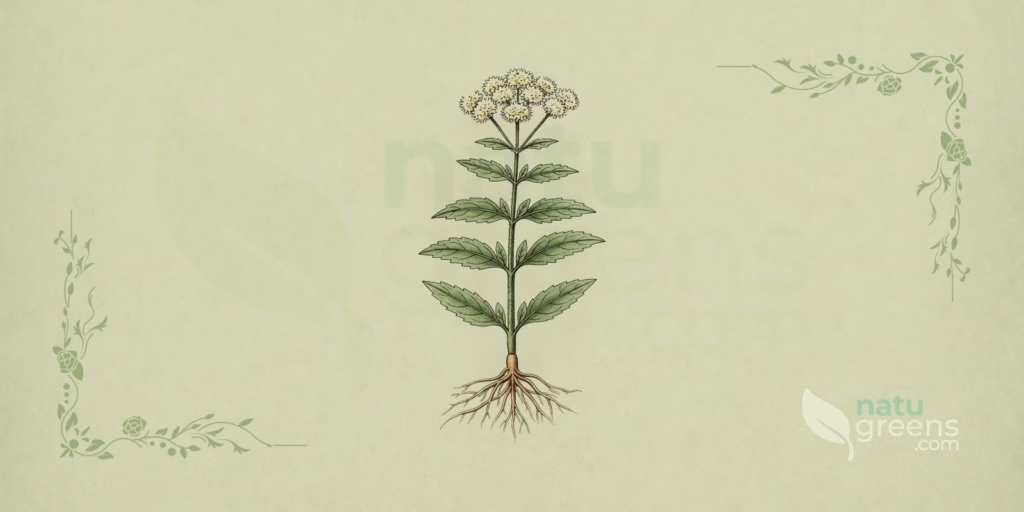
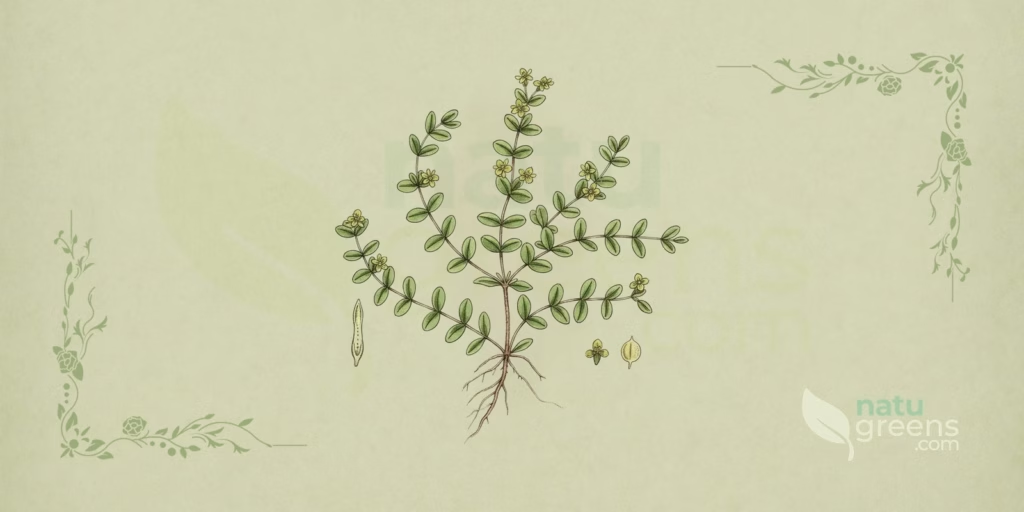
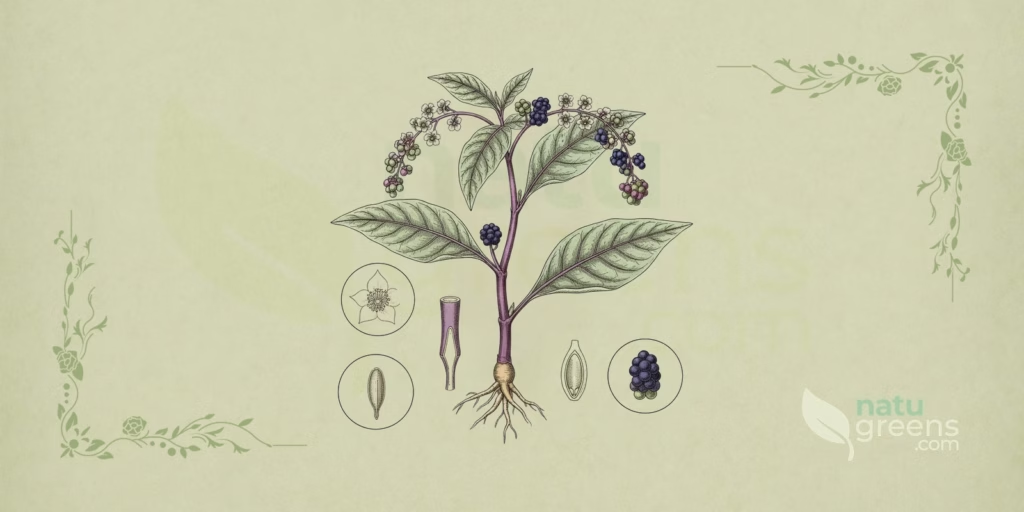
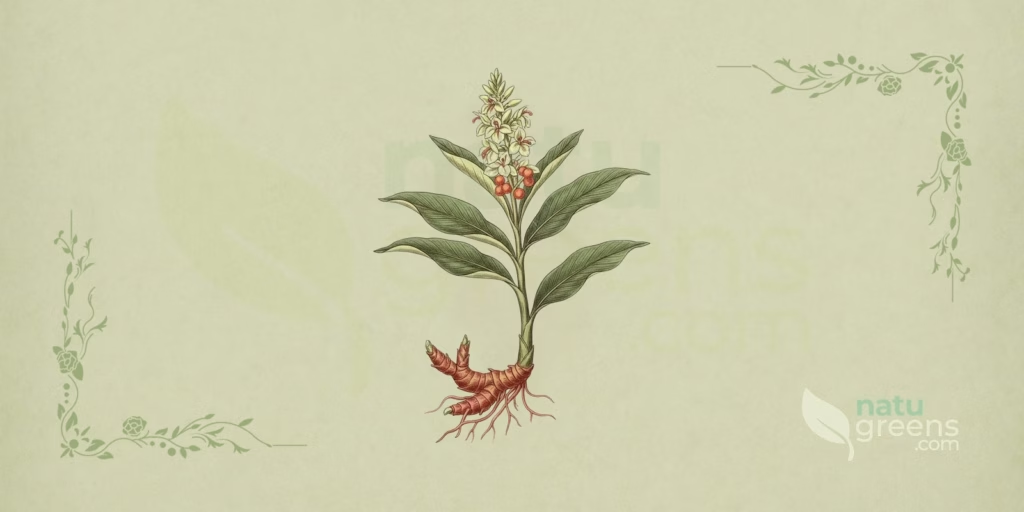
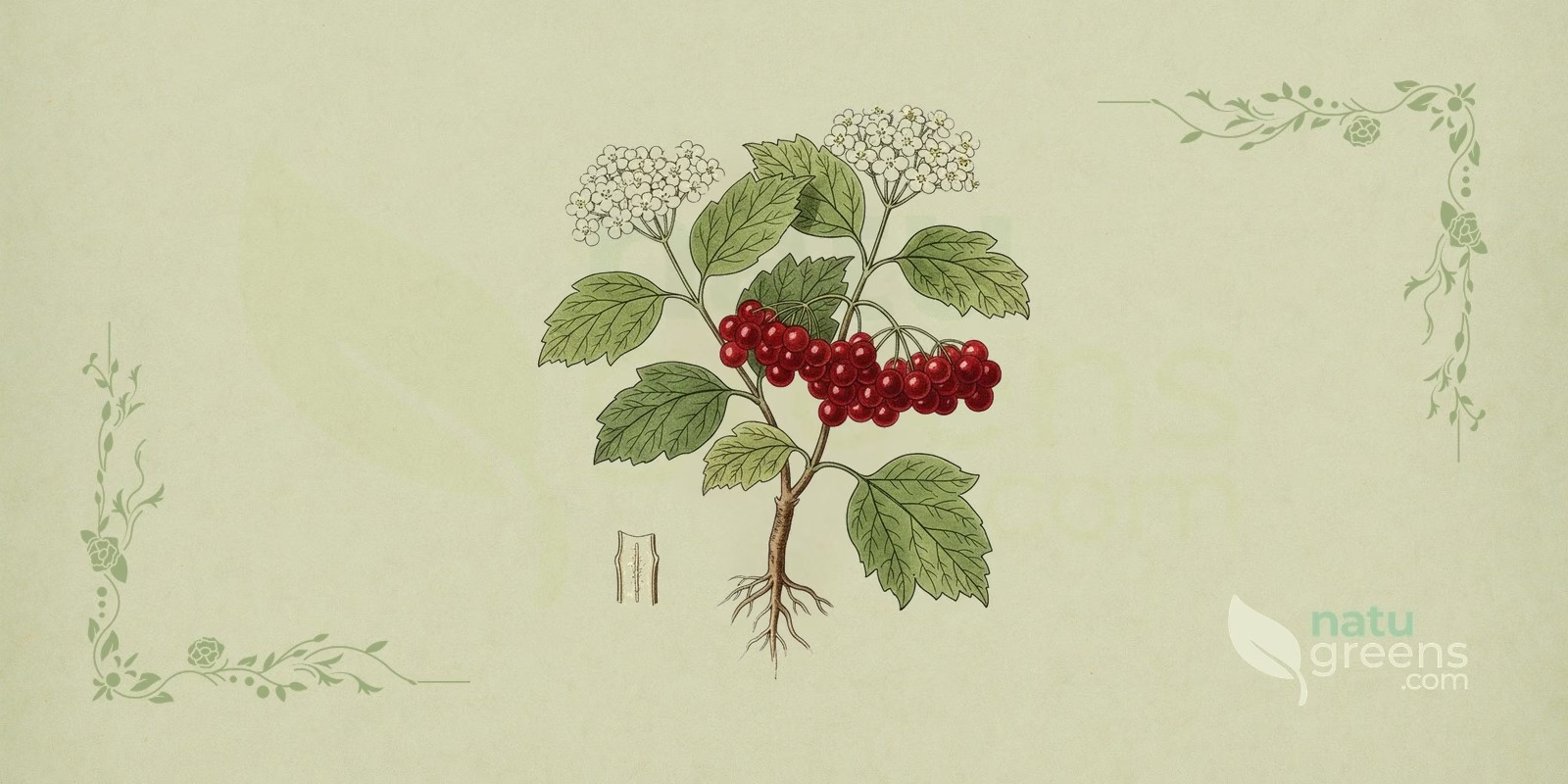
Viburnum opulus L. / Guelder Rose, commonly known as Guelder Rose, Cramp Bark, European Cranberry Bush, or Snowball Tree, is a deciduous shrub of the family Adoxaceae (formerly Caprifoliaceae), described by Carl Linnaeus. Native to Europe, Asia, and North America, this species is prized for both its ornamental and medicinal value, with flowers that can be white and ball-shaped (in the ‘Roseum’ cultivar) or flatter with a fertile center, plus bright red berries that stand out as one of its most distinctive features. Guelder Rose has been used for centuries in traditional medicine for a variety of purposes, especially for cramp relief.
In herbal tradition, Guelder Rose is recognized mainly for its antispasmodic and anti-inflammatory properties, with the bark of the plant being the part most commonly used for medicinal purposes. Modern scientific research has begun to validate many of these traditional uses, identifying bioactive compounds such as flavonoids, carotenoids, and coumarins that contribute to its effects, making the plant a notable example of how folk knowledge and science can converge to explore the potential of medicinal plants.
Popular and International Names of Guelder Rose
- English: Cramp Bark, European Cranberry Bush, Guelder Rose, Highbush Cranberry, Snowball Tree.
- Spanish: Bola de Nieve, Cornejo de Agua, Viburno.
- Portuguese: Bola de Neve, Cramp Bark, Guelder Rose, Noveleiro, Viburno.
- French: Boule de Neige, Viorne Obier.
- Italian: Palla di Neve, Viburno Palla di Neve.
- German: Gewöhnlicher Schneeball, Wasserholder.
Botanical Synonyms of Viburnum opulus
The accepted botanical name is Viburnum opulus L., and although cultivars exist, such as Viburnum opulus ‘Roseum’ (also known as ‘Sterile’), which is sterile and produces no fruit, the main species is widely recognized, with other common names used to distinguish varieties or regional contexts.
Botanical Family: Adoxaceae
The Adoxaceae family is a small family of flowering plants that includes genera such as Adoxa, Sambucus (elderberry), and Viburnum, with the genus Viburnum previously classified under Caprifoliaceae. Plants in this family are generally shrubs or small trees, with opposite leaves and small flowers clustered into inflorescences, and many species are valued for their ornamental qualities and for producing fruit that serves as food for wildlife.
Guelder Rose shares morphological traits typical of the family, such as flat-topped or dome-shaped flower clusters. The Adoxaceae family is known for producing a variety of secondary compounds, including iridoids, flavonoids, and phenolic acids, which contribute to the medicinal properties of some of its species, and the chemical diversity of this family has been the subject of study for pharmacological and ethnobotanical applications.
Parts of Guelder Rose Used
- Bark (primarily)
- Flowers
- Fruit (berries)
Ethnobotanical and Traditional Uses
- Antibacterial and Anti-inflammatory Properties: Researchers are using cramp bark with copper and silver to create nanostructures with these properties, with potential for new drugs or medical devices, in research still at an early stage [1].
- Antioxidant: Rich in flavonoids and carotenoids, antioxidants that help neutralize free radicals associated with cellular damage; preliminary studies in animals and test tubes are investigating possible effects on type 2 diabetes risk [1].
- Constipation Relief: The berries and flowers, although not commonly included in supplements, are traditionally associated with constipation relief [1].
- Cramp Relief: Traditionally used for the relief of muscle cramps, especially menstrual cramps, since fruit extracts may help relax muscles and blood vessels, contributing to reduced pain and blood pressure, although scientific evidence remains limited [1].
- Endometriosis: Antioxidants present in the plant have been associated, in a study with rats, with possible protective effects related to endometriosis, a finding that still requires clinical confirmation [1].
- Insomnia and Anxiety: Commonly used in alternative medicine for the relief of insomnia and mild anxiety, although the available research on this use is extremely limited [1].
- Kidney Function: The fruit is rich in citrate and may contribute to preventing kidney stones, especially in people with low urinary citrate; one study showed that cramp bark extract, combined with diclofenac, favored the excretion of smaller kidney stones [1].
- Premenstrual Syndrome (PMS): Some people use cramp bark supplements for relief of other PMS symptoms, although further research is needed to confirm this effectiveness [1].
- Studied Antiproliferative Effect: cramp bark juice was shown, in a study with rats, to slow tumor growth, a preliminary laboratory finding that still lacks confirmation in humans and does not replace conventional oncological treatment [1].
Therapeutic Properties of Guelder Rose
- Antioxidant (fights free radicals)
- Antispasmodic (relaxes muscles)
- Anti-inflammatory (reduces inflammation)
- Astringent (contracts tissue)
- Diuretic (promotes fluid elimination)
- Mild sedative (calms the nervous system)
Detailed Phytochemical Profile of Guelder Rose
- Carotenoids
- Coumarins (including scopoletin)
- Flavonoids (quercetin, kaempferol)
- Iridoids
- Phenolic acids (chlorogenic acid)
- Tannins
- Viburnine (alkaloid)
Preparation and Administration Forms of Guelder Rose
- Capsules (supplements)
- Decoction (of the bark)
- Fluid extract
- Infusion (tea from bark or flowers)
- Poultice (for topical use)
- Tincture (alcoholic extract of the bark)
Synergy with Other Medicinal Plants
Relief of Muscle Pain and Cramps
Combining Guelder Rose with Valerian (Valeriana officinalis) or Ginger (Zingiber officinale) is traditionally used to enhance muscle-relaxing effects, since valerian, known for its sedative properties, can complement the antispasmodic action of Guelder Rose, while ginger, with its anti-inflammatory action, may help reduce the discomfort associated with cramps and spasms. Because it contains Guelder Rose, this combination follows the same pregnancy contraindication described further on.
Support for Kidney Health
For traditional support of kidney function, Guelder Rose can be combined with diuretic plants such as Horsetail (Equisetum arvense) or Bearberry (Arctostaphylos uva-ursi), a synergy that tradition associates with toxin elimination and maintenance of urinary tract health, always with professional supervision.
Recipes and Usage Protocols of Guelder Rose
Traditional Decoction for Menstrual Cramps
A decoction is prepared with a small amount of dried Guelder Rose bark boiled in water and then simmered over low heat for a few minutes; strained and consumed warm, this preparation is traditionally used during menstruation, since the antispasmodic properties of the bark help relax the uterine muscles. Because of this same relaxing effect on uterine muscle, this decoction is contraindicated in pregnancy without direct medical guidance, and the amount and frequency of use should always be determined by a healthcare professional.
Traditional Tincture for Mild Anxiety Relief
Guelder Rose tincture, diluted in a bit of water or juice as directed by a professional, is traditionally used for the relief of nervousness and mild anxiety, drawing on the plant’s sedative properties; the amount and frequency of use should always be determined by a healthcare professional, especially given the still limited research on this use.
The preparations above follow traditional records and do not replace professional guidance. Before any internal use, review the contraindications and interactions described in this article.
The preparations above follow traditional records and do not replace professional guidance. Before any internal use, check the contraindications and interactions described in this article.
Associated Therapies
Herbal Medicine
Guelder Rose is a valuable component of herbal medicine, used in various traditional formulations aimed at dysmenorrhea, muscle spasms, and kidney discomfort, with standardized bark extracts used in capsules and tablets for internal use, while topical preparations may be used for localized pain. The use of Guelder Rose is supported by its herbal tradition and by phytochemical studies identifying its active compounds.
Aromatherapy
Although Guelder Rose essential oil is not widely used in aromatherapy like other plants, extracts of the plant can be incorporated into massage oils for the relief of muscle pain and tension, drawing on its anti-inflammatory and relaxing properties.
Contraindications and Side Effects of Guelder Rose
Guelder Rose is generally considered safe when used in traditionally recommended amounts, although allergic reactions may rarely occur. It is important to note that raw, unripe berries are considered mildly toxic and can cause nausea, vomiting, or diarrhea if ingested in quantity, so only the stem and root bark (‘cramp bark’) is traditionally used as an antispasmodic; ripe, cooked berries, as in jams, in moderate culinary amounts, are considered safe.
Because of its relaxing effect on uterine smooth muscle, traditional use of Guelder Rose in pregnancy is conflicting: some sources use it to prevent premature contractions, while others contraindicate it as a precaution. Given this divergence, Guelder Rose should be treated as contraindicated in pregnancy without direct medical guidance, and pregnant women should never self-medicate with this plant. Breastfeeding women, as well as individuals with pre-existing medical conditions or taking other medications, should also consult a healthcare professional before using Guelder Rose, due to the lack of conclusive studies on its safety in these groups.
Historical Notes and Interesting Facts
- The common name “Cramp Bark” reflects its best-known traditional use for the relief of muscle spasms and cramps.
- Guelder Rose’s red berries are an important food source for birds and other wildlife in autumn and winter.
- The ‘Roseum’ cultivar, known as the “Snowball Tree,” is widely grown as an ornamental plant for its large, spherical clusters of sterile white flowers [4].
- Historically, Guelder Rose bark was chewed by Native Americans for the relief of pain and cramps.
- The plant is mentioned in old European herbal texts for its medicinal properties.
Frequently Asked Questions about Guelder Rose
Can Guelder Rose Be Used During Pregnancy?
No: due to its relaxing effect on uterine muscle and the lack of conclusive studies on its safety during pregnancy, Guelder Rose should be considered contraindicated during this period without direct medical guidance, and pregnant or breastfeeding women should never self-medicate with products based on this plant.
What Are the Main Uses of Guelder Rose in Modern Medicine?
In modern medicine, Guelder Rose is studied mainly for its antispasmodic and anti-inflammatory properties, with a focus on relieving muscle and menstrual cramps, while preliminary research also explores its antioxidant potential and its possible effects on kidney health and endometriosis, still without definitive clinical confirmation.
Is Guelder Rose Safe for Long-term Use?
Generally, Guelder Rose is considered safe for short-term traditional use in recommended amounts, but for long-term use, supervision by a healthcare professional is advisable, especially to monitor possible interactions with other medications or health conditions.
Where Can I Find Guelder Rose Products?
Guelder Rose products, such as tinctures, extracts, and capsules, can be found in natural product stores, compounding pharmacies, and online stores, and it is important to choose reliable suppliers that guarantee the quality and purity of the extract.
Notice: this content is for informational purposes and does not replace professional medical advice. Consult a physician or herbal practitioner before using medicinal plants, especially during pregnancy, breastfeeding, or alongside medication.
References and Scientific Studies
Peer-Reviewed Scientific Studies (1)
- PMC2026 Al O, et al. Different fractions of Viburnum opulus juice induce apoptosis and inhibit cancer growth in Ehrlich ascites tumor models. Tissue and Cell. 2026.