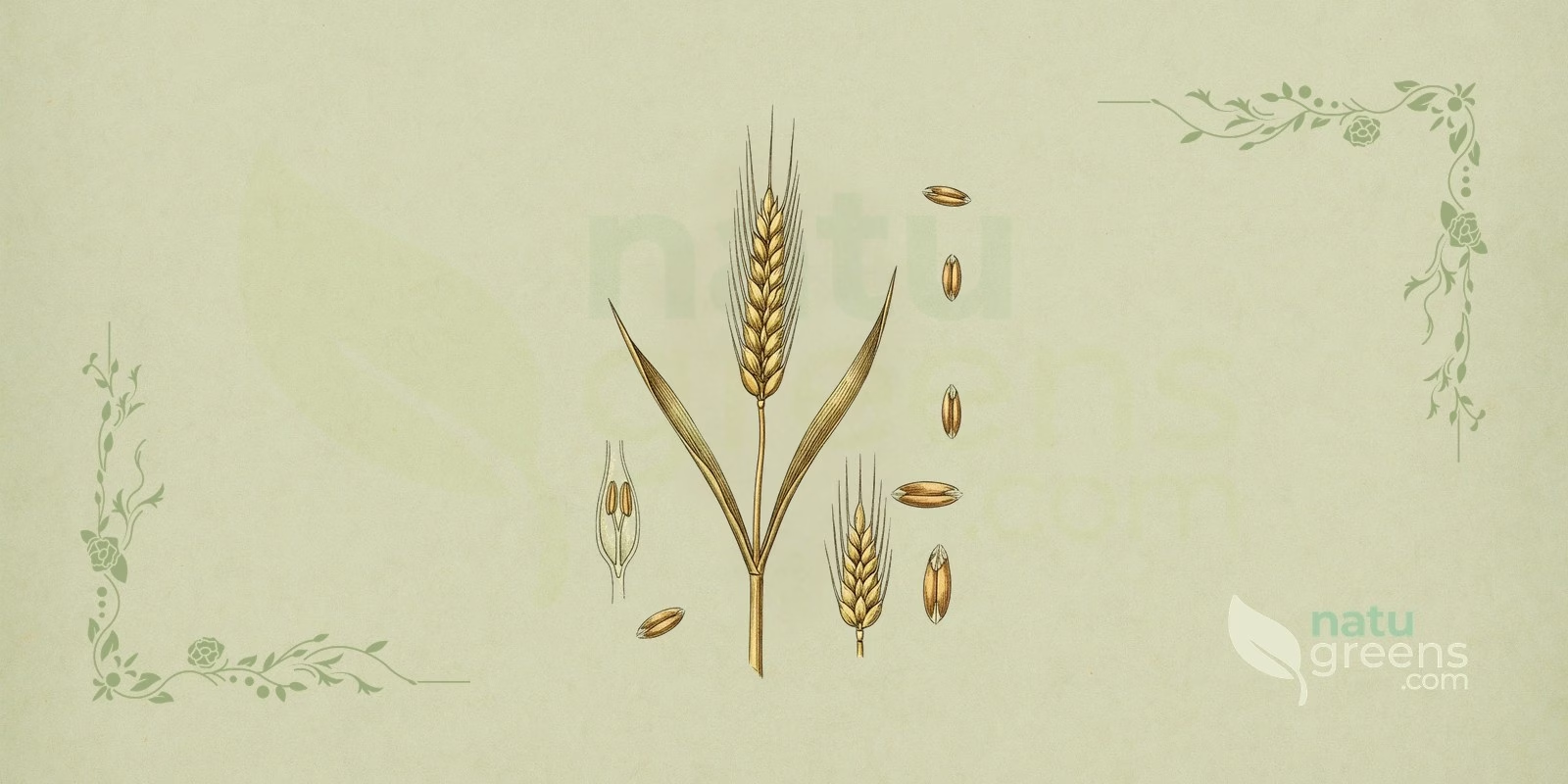
Triticum aestivum L. / Common Wheat, popularly known as common wheat or bread wheat, is an annual herbaceous plant of the Poaceae family, described by Carl Linnaeus in 1753. Native to Southwest Asia, in the region of the Fertile Crescent, this species was one of the first plants domesticated by humankind, at the start of the Holocene, and its cultivation has since spread across every continent, becoming a pillar of global food supply. Common wheat accounts for approximately 95% of world wheat production, making it the most widely cultivated crop and the cereal with the highest monetary yield. Its importance goes beyond food, with a long history of use in traditional medicine as well.
In herbal tradition, wheat is valued not only as a food but also for its therapeutic properties. Its medicinal applications range from gastrointestinal disorders to relief of general malaise. The plant is recognized for its rich phytochemical composition, which includes a wide range of bioactive compounds, such as phenolic acids, alkylresorcinols, lignans, carotenoids, and tocopherols, which give it antioxidant, anti-inflammatory, and antiproliferative properties in laboratory studies. Modern scientific research has been validating many of the traditional uses of wheat, reinforcing its standing as a plant of great relevance to human health.
Popular and International Names of Common Wheat
- English: common wheat, bread wheat.
- Spanish: trigo común, trigo harinero.
- Portuguese: trigo, trigo-comum, trigo-de-pão.
- French: blé tendre, froment.
- Italian: grano tenero, frumento.
- German: Weichweizen, Saat-Weizen.
Botanical Synonyms of Triticum aestivum
Triticum sativum Lam., Triticum vulgare Vill., and Triticum hybernum L. are the botanical synonyms most frequently found in the literature. These names reflect the species’ long history of cultivation and its vast morphological diversity, which led to different taxonomic classifications over time. Although Triticum aestivum L. is the scientifically accepted name, the synonyms can still be found in older texts or in regional contexts.
Botanical Family: Poaceae
The Poaceae family, formerly known as Gramineae, is one of the most important and widespread families of flowering plants, comprising about 12,000 species, including the most important cereals for human nutrition, such as wheat, rice, corn, and barley. Plants in this family are characterized by cylindrical stems (culms), leaves with a sheath and blade, and inflorescences in spikes or panicles. Poaceae are essential to terrestrial ecosystems, forming the basis of many food chains and covering vast areas of the planet, such as prairies and savannas.
Parts of Common Wheat Used
- Grain (bran, germ, endosperm)
- Sprouts (wheatgrass)
- Wheat germ oil
Ethnobotanical and Traditional Uses
- Abdominal and spasmodic pain.
- Colds and digestive issues.
- Excessive and spontaneous sweating (Traditional Chinese Medicine).
- General malaise and thirst.
- Sore throat and cough relief.
- Wound treatment and skin inflammation.
Therapeutic Properties of Common Wheat
- Antidiabetic (studied effect on blood sugar)
- Anti-inflammatory (studied effect in reducing inflammation)
- Antimicrobial (studied activity against bacteria and fungi)
- Antioxidant (studied activity against free radicals)
- Antiproliferative (activity observed in laboratory studies, without clinical evidence)
- Astringent (contracts tissues)
- Diuretic (studied effect on urine production)
- Hydrating (studied effect on skin hydration)
- Hypolipidemic (studied effect in reducing blood fat levels)
- Immunomodulatory (studied effect on the immune system)
- Laxative (eases intestinal transit)
Detailed Phytochemical Profile of Common Wheat
- Alkylresorcinols (5-Heptadecylresorcinol)
- B-complex Vitamins (B1, B2, B6, B9)
- Benzoxazinoids (2,4-dihydroxy-1,4-benzoxazin-3-one)
- Carotenoids (lutein, zeaxanthin, cryptoxanthin)
- Dietary Fiber
- Galactolipids (monogalactosyldiacylglycerol)
- Lignans (secoisolariciresinol, nortrachelogenin, hinokinin)
- Minerals (iron, zinc, magnesium, phosphorus, selenium)
- Oxylipins (13-hydroxyoctadecadienoic acid)
- Phenolic Acids (ferulic, coumaric, sinapic, caffeic, chlorogenic, gallic acid)
- Phospholipids (phosphatidylcholine, lysophosphatidylcholine)
- Phytic Acid
- Phytosterols (sitosterol)
- Tocopherols and Tocotrienols (Vitamin E)
Preparation and Administration Forms of Common Wheat
- Extracts (bran, germ, sprouts)
- Flour (whole grain, refined)
- Grain decoction
- Poultice (topical use)
- Wheat germ oil (oral and topical)
- Wheatgrass juice (sprout juice)
Synergy with Other Medicinal Plants
Digestive Health
Wheat bran fiber acts synergistically with probiotics and prebiotics from other sources, such as chicory (Cichorium intybus) and oats (Avena sativa), to promote a healthy gut microbiota. This combination is studied for its effect on intestinal barrier function and short-chain fatty acid production, with traditional use in relieving constipation and other digestive disorders.
Glycemic Control
To enhance blood sugar control, whole wheat consumption can be combined with hypoglycemic plants such as Trigonella foenum-graecum (fenugreek) and cinnamon (Cinnamomum verum). Wheat’s soluble fibers slow glucose absorption, while the active compounds in fenugreek and cinnamon improve insulin sensitivity, which is traditionally associated with more satisfactory glycemic control.
Antioxidant and Anti-Inflammatory Action
Combining wheat extracts, rich in tocopherols and phenolic acids, with other antioxidant-rich plants such as green tea (Camellia sinensis) and turmeric (Curcuma longa) can offer robust cell protection. This synergy helps neutralize free radicals and reduce chronic inflammation, contributing to the prevention of degenerative diseases.
Recipes and Usage Protocols of Common Wheat
Wheatgrass Juice for Vitality
Ingredients: 30g of fresh wheat sprouts (wheatgrass).
Preparation: Extract the juice from the wheat sprouts using a slow juicer. Consume immediately, preferably on an empty stomach, for maximum nutrient absorption. This juice is extremely rich in chlorophyll, vitamins, minerals, and enzymes, and is a potent detoxifying and energizing drink.
Wheat Bran Poultice for Skin Inflammation
Ingredients: 2 tablespoons of wheat bran, warm water.
Preparation: Mix the wheat bran with enough warm water to form a paste. Apply the paste to the affected area (abscesses, boils, inflammation) and cover with gauze. Leave in place for 20-30 minutes. Repeat 2-3 times a day. Wheat bran is traditionally used to “draw out” inflammation and soothe the skin.
Wheat Germ Oil for the Skin
Preparation: Apply a few drops of pure wheat germ oil directly to dry skin, scars, or stretch marks, massaging gently until absorbed. It can also be added to creams or body lotions to enrich their nourishing and regenerating properties. Wheat germ oil is rich in vitamin E, a powerful antioxidant that helps protect the skin from premature aging.
The preparations above follow traditional records and do not replace professional guidance. Before any internal use, review the contraindications and interactions described in this article.
The preparations above follow traditional records and do not replace professional guidance. Before any internal use, check the contraindications and interactions described in this article.
Associated Therapies
Functional Nutrition
In functional nutrition, whole wheat is considered a foundational food for health. Its complete nutritional profile, including fiber, vitamins, minerals, and phytochemicals, may contribute to reducing the risk of chronic diseases such as type 2 diabetes, cardiovascular disease, and certain types of cancer. Choosing whole wheat products over refined ones is a key strategy for supporting digestive health, weight management, and overall well-being.
Phytotherapy
In phytotherapy, different parts of wheat are used for therapeutic purposes. Bran is used for its laxative and prebiotic action. Wheat germ oil is valued for its antioxidant and skin-regenerating properties. Wheat sprout extracts (wheatgrass) are used as detoxifiers and immunostimulants. Modern phytotherapy relies on standardized extracts to ensure the concentration and effectiveness of bioactive compounds.
Traditional Chinese Medicine
In Traditional Chinese Medicine (TCM), wheat (Xiao Mai) is classified as a food of sweet and cool nature that acts on the Heart, Spleen, and Kidney meridians. It is used to nourish the Heart, calm the spirit (Shen), and relieve restlessness and insomnia. A common preparation is the “Licorice, Wheat, and Jujube Decoction” (Gan Mai Da Zao Tang), used to address emotional disturbances associated with Heart and Spleen deficiency.
Contraindications and Side Effects of Common Wheat
Celiac Disease and Gluten Sensitivity
The main contraindication for wheat consumption is the presence of gluten, a protein complex that can trigger adverse reactions in genetically predisposed individuals. In celiac disease, an autoimmune condition, gluten ingestion triggers an immune response that damages the lining of the small intestine, leading to nutrient malabsorption and a range of systemic symptoms. For these individuals, complete exclusion of gluten from the diet is mandatory.
There is also non-celiac gluten sensitivity, a condition in which individuals experience symptoms similar to those of celiac disease after ingesting gluten, but without the serological and histological markers characteristic of the autoimmune disease. Wheat allergy is another condition, mediated by IgE, which can cause immediate and potentially severe reactions, including anaphylaxis.
Phytic Acid and Antinutrients
Whole wheat contains phytic acid, considered an antinutrient because it can bind to minerals such as iron, zinc, and calcium in the digestive tract, reducing their bioavailability. Although this effect is generally negligible in a balanced and varied diet, it can be a concern in populations that rely heavily on whole grains as a main calorie source. Processes such as fermentation (for example, in sourdough bread), sprouting, and soaking can significantly reduce phytic acid content.
Interaction with Hypoglycemic Agents
Because of its effect on blood sugar, especially when combined with hypoglycemic plants such as fenugreek and cinnamon, therapeutic consumption of whole wheat should be monitored in people taking diabetes medications, since the combined effects can lead to excessive drops in blood glucose.
Frequently Asked Questions about Common Wheat
Is Whole Wheat Always Healthier than Refined Wheat?
Yes, in the vast majority of cases. Whole wheat contains the entire grain (bran, germ, and endosperm), giving it a much higher content of fiber, vitamins, minerals, and phytochemicals. Refined wheat, on the other hand, consists only of the starchy endosperm, losing much of its nutritional value during milling. Consuming whole grains is associated with a lower risk of chronic disease.
What Is Wheatgrass and What Are Its Benefits?
Wheatgrass refers to the young sprouts of the wheat plant, harvested at an early growth stage, before gluten develops. It is extremely rich in chlorophyll, vitamins (A, C, E, K, and B-complex), minerals, and enzymes, and is mainly consumed as a juice. It is popular for its effects, traditionally associated with detoxification, energy, and immune system support.
Can Wheat Germ Oil Be Consumed?
Yes, wheat germ oil can be consumed and is an excellent source of vitamin E, essential fatty acids, and octacosanol, and is often taken as a nutritional supplement for cardiovascular and skin health. However, it is a highly oxidation-sensitive oil (prone to rancidity) and should be stored properly, in a cool, dark place, and used within its shelf life.
What Are the Contraindications of Wheat?
The main contraindication is gluten, a protein that triggers an autoimmune response in celiac disease and can cause similar symptoms in non-celiac gluten sensitivity. There is also wheat allergy, mediated by IgE, which can cause immediate and, in rare cases, severe reactions such as anaphylaxis. For this reason, people with these conditions should exclude gluten or wheat from their diet, and diabetics who combine whole wheat with hypoglycemic plants should monitor their blood glucose.
What Are Wheat Bran and Wheat Germ Oil Used For?
Wheat bran is traditionally used for its laxative action, supporting intestinal transit, and also in poultices to ease skin inflammation. Wheat germ oil, extracted from the germ, is rich in vitamin E and applied to dry skin, scars, and stretch marks to hydrate and help protect against premature aging, and it can also be taken as a supplement.
How Is Wheat Used in Traditional Chinese Medicine?
In Traditional Chinese Medicine, wheat (Xiao Mai) is considered a food of sweet and cool nature that acts on the Heart, Spleen, and Kidney meridians. It is traditionally used to nourish the Heart, calm the spirit (Shen), and relieve restlessness and insomnia. A classic preparation is the Licorice, Wheat, and Jujube Decoction, used for emotional imbalances linked to Heart and Spleen deficiency.
Notice: this content is for informational purposes and does not replace professional medical advice. Consult a physician or herbal practitioner before using medicinal plants, especially during pregnancy, breastfeeding, or alongside medication.
References and Scientific Studies
- PMC2022 Moshawih, S., Juperi, R. N. A. A., Paneerselvam, G. S., Ming, L. C., Liew, K. B., Goh, B. H., … & Kifli, N. (2022). General Health Benefits and Pharmacological Activities of Triticum aestivum L. Molecules, 27(6), 1948. ↗
- PMC2026 Demirag AD, et al. Phytochemical, in silico, and in vitro studies of wheatgrass (Triticum aestivum L.) juice powder. Scientific Reports. 2026.
- PMC2022 Moshawih S, et al. General Health Benefits and Pharmacological Activities of Triticum aestivum L. Molecules (Basel, Switzerland). 2022.