Alpinia officinarum Hance / Lesser Galangal, also known as Chinese ginger, is a perennial herbaceous plant of the Zingiberaceae family that was described by Hance. This species is native to China, particularly to the southern coastal regions including Hainan, and it is also cultivated in countries such as Japan, Thailand, and Vietnam.
The rhizome of the lesser galangal is highly valued for its sweet, spicy flavor and its characteristic aroma. Historically, it has been widely used in traditional Asian medicine and, to a lesser extent, in European cuisine. The lesser galangal forms clumps from 40 cm to a little over 1 meter in height, with lanceolate leaves and white flowers with reddish streaks. Its rhizomes are thin and tough, with an orange interior and brown coating, which makes them the most important part for medicinal and culinary purposes.
In traditional medicine, galangal is employed to relieve pain, promote digestion, warm the stomach, and dispel cold. Modern studies have validated many of these traditional uses, highlighting its anti-inflammatory, antitumor, antibacterial, and analgesic activities. The plant is rich in bioactive compounds, such as flavonoids and diarylheptanoids, which contribute to its diverse pharmacological effects. The distinction between Alpinia officinarum (lesser galangal) and Alpinia galanga (greater galangal) is important, although both belong to the same family and have similar uses, with variations in pungency and flavor.
Popular and International Names of Lesser Galangal
- English: Chinese ginger, galangal, lesser galangal.
- Spanish: galanga, galanga menor.
- Portuguese: galanga, galanga-menor, galanga-pequena, galanga-da-china, gengibre-da-china.
- French: galanga officinal, petit galanga.
- Italian: galanga, galanga minore.
- German: Echter Galgant, Galgant.
- Chinese (TCM): gao liang jiang.
- Tamil: chitharathai.
Botanical Synonyms of Lesser Galangal
Among the botanical synonyms of Alpinia officinarum Hance, Languas officinarum (Hance) Farw. and Alpinia officinalis Hance stand out, and these designations were used in different taxonomic periods and contexts. However, Alpinia officinarum Hance is the name currently accepted by most botanical and pharmacological authorities. Clarity in nomenclature is fundamental for the correct research and application of the plant in scientific studies and medicinal practices.
- Alpinia officinalis
- Languas officinarum (Hance) Farw.
- Languas officinarum (Hance) P.H.Hô
Botanical Family: Zingiberaceae

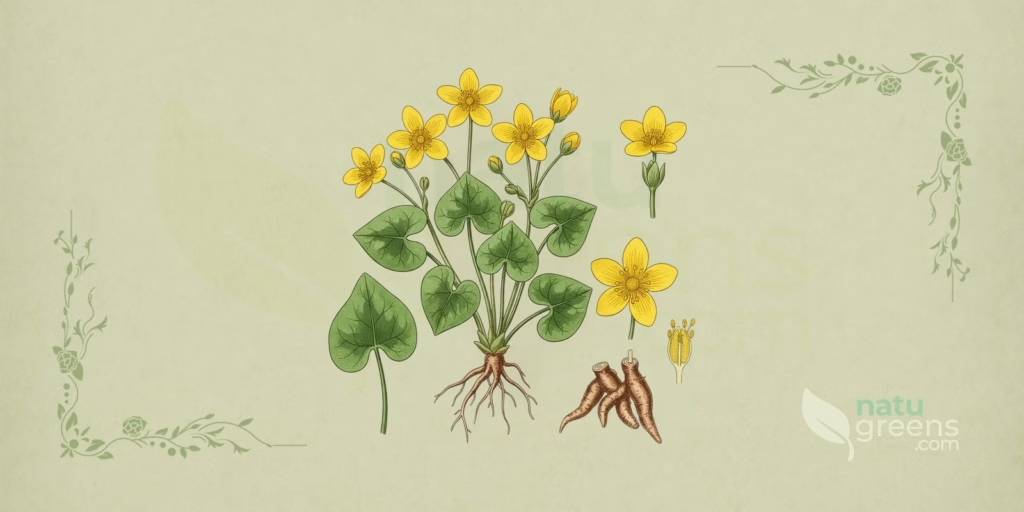
Botanical illustration of Alpinia officinarum Hance (lesser galangal, Chinese ginger), a perennial herbaceous plant of the Zingiberaceae family described by Henry Fletcher Hance in 1871, native to southern China, showing the complete plant with lanceolate leaves, white flowers with reddish streaks, and the aromatic rhizome, in 19th-century botanical encyclopedia style on a herbarium paper background.
Alpinia officinarum belongs to the Zingiberaceae family, which includes well-known plants such as ginger (Zingiber officinale) and turmeric (Curcuma longa) and is widely distributed in tropical and subtropical regions. Recognized for its aromatic and medicinal species, the Zingiberaceae family is characterized by underground rhizomes that store bioactive compounds.
Many members are used in cooking and traditional medicine, where their anti-inflammatory, antioxidant, and digestive properties are valued. The phytochemical diversity of the Zingiberaceae is vast and includes essential oils, gingerols, curcumin, and flavonoids, all of which contribute to their therapeutic effects. The lesser galangal, with its pungent rhizome, is a notable example of the importance of this family in the field of phytotherapy and global gastronomy.
Parts of Lesser Galangal Used
- Rhizomes
Ethnobotanical and Traditional Uses of Lesser Galangal
- Aiding digestion
- Dispelling cold
- Fighting colds and coughs
- Flu
- General health
- Gynecological problems
- Hemorrhoids
- Muscle spasms
- Relieving pain
- Rheumatism
- Ringworm
- Stimulant
- Stomach pain and indigestion
- Treatment of bedwetting
- Treatment of diabetes
- Treatment of digestive problems
- Treatment of epilepsy
- Treatment of fever
- Treatment of flatulence
- Treatment of respiratory problems
- Treatment of worms
- Warming the stomach
Therapeutic Properties of Lesser Galangal
- Antibacterial (fights bacteria); traditional use, without established clinical efficacy
- Anticancer (antitumor activity observed in laboratory studies, without clinical confirmation)
- Anticholinesterase (inhibits acetylcholinesterase in laboratory assays, a mechanism still under investigation for cognition)
- Antidiabetic (helps control blood sugar levels); traditional use, without established clinical efficacy
- Antiemetic (reduces nausea and vomiting)
- Antispasmodic (relieves muscle spasms)
- Anti-inflammatory (reduces inflammation)
- Antioxidant (fights free radicals and prevents cellular damage)
- Carminative (helps expel intestinal gas)
- Lipid regulator (contributes to the control of lipid metabolism and anti-obesity)
- Neuroprotective (protects the nervous system, with potential for Alzheimer’s)
- Repellent (wards off insects)
- Stimulant (increases energy and vitality)
Detailed Phytochemical Profile of Lesser Galangal
- Diarylheptanoids
- Dietary fiber
- Flavonoids (galangin, kaempferol, quercetin)
- Glycosides
- Phenylpropanoids
- Phytosterols
- Polyphenolics
- Volatile oils
Preparation and Administration Forms of Lesser Galangal
- Decoction
- Extracts (fluid, dry)
- Medicated oil
- Powder (churna)
- Tea/Infusion
- Tincture
Synergy with Other Medicinal Plants
Combinations for Anti-Inflammatory Action
For a more robust anti-inflammatory effect, the lesser galangal can be paired with turmeric (Curcuma longa) and black pepper (Piper nigrum). The curcumin of turmeric has its bioavailability increased when it is combined with the piperine of black pepper. This action is complemented by the galangin of the lesser galangal. The resulting combination is promising for the management of chronic and acute inflammatory conditions. The synergy between these components can offer significant support for joint and muscle health while also helping to reduce pain and swelling.
Combinations for Digestive Disorders
The lesser galangal can be combined with ginger (Zingiber officinale) and peppermint (Mentha piperita) to enhance the carminative and antispasmodic effects. This pairing is particularly beneficial for relieving flatulence, cramps, and indigestion. The active compounds of galangal, such as galangin, work together with the gingerols of ginger and the menthol of peppermint to provide effective relief from gastrointestinal discomfort. The combination of these plants is traditionally used to promote healthy digestion and also helps reduce the feeling of bloating. This synergy is particularly useful for people with slow digestion or sensitivity to certain foods.
Recipes and Usage Protocols of Lesser Galangal
Galangal Tea for Digestive Relief
Ingredients:
- 1 teaspoon of sliced or grated lesser galangal rhizome
- 250 ml of water
- Honey or lemon to taste (optional)
Preparation:
- Boil the water in a pan.
- Add the galangal rhizome to the boiling water.
- Reduce the heat and let simmer for 5 to 10 minutes.
- Strain the tea and serve hot.
- Add honey or lemon, if desired.
Dosage: Drink one cup after meals to aid digestion. It helps relieve stomach discomfort and can be consumed up to 3 times a day. This tea is ideal for those seeking a natural remedy for digestive problems. The lesser galangal offers a unique flavor and remarkable benefits that make it an excellent option to include in the daily routine.
Galangal Tincture for Topical Use
Ingredients:
- 50 g of dried, chopped lesser galangal rhizome
- 250 ml of grain alcohol (70%)
Preparation:
- Place the chopped rhizome in a clean, sterilized glass jar.
- Pour the grain alcohol over the rhizome. Make sure it is completely submerged.
- Seal the jar tightly and store it in a cool, dark place for 2 to 4 weeks. Shake daily.
- After this period, strain the tincture using a fine cloth or coffee filter. Discard the plant material.
- Store the tincture in a dark glass bottle.
Dosage: For muscle pain or localized inflammation, apply a few drops of the tincture diluted in a carrier oil such as coconut or almond oil on the affected area. Massage gently and use 2 to 3 times a day. This tincture is a concentrated way to take advantage of the benefits of the lesser galangal, and it is important to dilute it before topical use.
Associated Therapies
Aromatherapy
The essential oil extracted from the rhizome of the lesser galangal is used in aromatherapy, where its properties are stimulating and invigorating. Its spicy, earthy aroma can help fight mental fatigue, and it also improves concentration and promotes a sense of well-being. The oil can be diffused in the environment, inhaled directly from the bottle, or applied topically, and it should always be diluted in a carrier oil. The lesser galangal is an excellent option for those seeking a natural stimulant, although it is important to use the essential oil with caution and always diluted.
Homeopathy
Lesser galangal is not part of the reference homeopathic materia medica, and no established homeopathic preparation made from Alpinia officinarum has been described. The uses occasionally attributed to the plant in that context are not supported by clinical studies demonstrating any efficacy. The uses described in this article belong to traditional herbal medicine, not to homeopathic preparations.
Phytotherapy
In phytotherapy, the lesser galangal is employed mainly in the form of extracts, powders, and decoctions of its rhizome. It is valued for its anti-inflammatory, antioxidant, digestive, and antimicrobial actions. It is frequently recommended for gastrointestinal disorders, pain, and inflammation, being an important component in various herbal formulations. As a pillar of traditional herbal medicine, the lesser galangal is an effective natural remedy for various conditions.
Traditional Chinese Medicine (TCM)
Alpinia officinarum, known as gao liang jiang in Traditional Chinese Medicine (TCM), has played a significant role for thousands of years. It is used to dispel cold, relieve pain, warm the stomach, and promote digestion. In TCM, it is frequently employed to treat stomach pain, colds, and vomiting, and to invigorate the circulatory system. Its warm, aromatic nature makes it a valuable component in various traditional Chinese herbal formulations.
Contraindications and Side Effects of Lesser Galangal
The lesser galangal is generally considered safe when used at the recommended therapeutic doses, although some contraindications and potential side effects should be observed. People with known hypersensitivity to plants of the Zingiberaceae family may have allergic reactions. Excessive consumption can cause gastrointestinal irritation, such as nausea and heartburn, because of its pungent properties.
Pregnant or breastfeeding women should avoid using the lesser galangal, since there are not enough studies proving its safety in these groups. Individuals with pre-existing health conditions, especially gastric ulcers or inflammatory bowel diseases, should consult a healthcare professional before use. The lesser galangal is a powerful plant that should be used with respect, so it is important to be aware of the contraindications.
Drug Interactions
The lesser galangal can interact with anticoagulant medications and increase the risk of bleeding. Because lesser galangal has a described effect on blood sugar, anyone taking insulin or oral antidiabetic drugs should monitor their glucose levels and adjust treatment only under medical supervision. It can also influence the metabolization of certain drugs by the liver and alter their effectiveness. It is crucial to inform your doctor or pharmacist about the use of lesser galangal, especially if you are taking other medications.
Historical Notes and Interesting Facts about Lesser Galangal
The lesser galangal has a rich history of use going back thousands of years. In the Middle Ages, it was very popular in Europe, where it was valued for its medicinal and culinary properties and often referred to as the “spice of life”. The name Alpinia was given in honor of Prospero Alpini, an Italian botanist, and the lesser galangal is also mentioned in ancient Chinese medicine texts. Its cultural and medicinal importance is undeniable, and it continues to be studied for its potential health benefits.
Differences between Galangal and Ginger
Although galangal and ginger belong to the same family (Zingiberaceae) and have similar appearances, their flavor profiles are distinct. Ginger is spicier and sweeter, while galangal has a more citrusy, earthy, slightly peppery flavor. Both are rhizomes, but galangal is generally more fibrous and hard, requiring different preparation in some recipes.
History and Culinary Use
Galangal has a long history of use in Asian cuisine. In Thai, Indonesian, and Malaysian dishes such as curries, soups (like Tom Yum), and spice pastes, the species used is mostly greater galangal (Alpinia galanga); lesser galangal is most prominent in southern Chinese cooking and in herbal medicine. Its unique flavor, combining citrusy, earthy, and spicy notes, distinguishes it from common ginger. In medieval Europe, galangal was valued for its aroma and flavor, being used in various preparations, although its use declined over time.
Frequently Asked Questions about Lesser Galangal
What Is Lesser Galangal Tea?
Lesser galangal tea is an infusion made from the rhizome of the Alpinia officinarum plant, and it is known for its digestive and anti-inflammatory properties. This aromatic, spicy beverage has traditionally been used in various cultures to help relieve stomach discomfort and promote general well-being.
What Are the Main Benefits of Lesser Galangal Tea?
The main benefits include relief from digestive problems, reduction of inflammation, and antioxidant action, and the tea is also traditionally taken to ease nausea. Where cognition is concerned, what has been observed so far is the inhibition of acetylcholinesterase in laboratory assays, a mechanism still under investigation that does not amount to a proven cognitive effect in people. In traditional use, the tea is appreciated for its stimulating qualities.
Are There Contraindications for Consuming Lesser Galangal Tea?
Yes, lesser galangal tea is contraindicated for pregnant or breastfeeding women. People with gastric ulcers or hypersensitivity to plants of the Zingiberaceae family should also avoid it. It is important to consult a healthcare professional before starting consumption, especially if you have pre-existing medical conditions or are taking other medications.
How Do I Prepare Lesser Galangal Tea?
To prepare the tea, boil 250 ml of water and add one teaspoon of sliced or grated rhizome. Let it simmer for 5 to 10 minutes, then strain and serve hot. Honey or lemon can be added to taste to improve the flavor, which makes this a simple and effective recipe for enjoying the plant’s benefits.
Can Lesser Galangal Be Used for Weight Loss?
The lesser galangal has lipid-regulating properties that contribute to the control of metabolism, and studies indicate a potential anti-obesity effect. However, it should not be considered a single solution for weight loss and should be used as part of a balanced diet and healthy lifestyle. Consult a healthcare professional for personalized guidance.
Notice: this content is for informational purposes and does not replace professional medical advice. Consult a physician or herbal practitioner before using medicinal plants, especially during pregnancy, breastfeeding, or alongside medication.
References and Scientific Studies
- 2024 Lei, X., Wang, J., Zuo, K., Xia, T., Zhang, J., Xu, X., Liu, Q., & Li, X. (2024). Alpinia officinarum Hance: a comprehensive review of traditional uses, phytochemistry, pharmacokinetic and pharmacology. Frontiers in Pharmacology, 15.
- 1990 Simonetti, G. (1990). Simon & Schuster’s Guide to Herbs and Spices. Simon & Schuster, Inc.
- Grieve, M. (1931). Galangal. From A Modern Herbal.
- 2009 Stobart, T. (2009). Ervas, temperos e condimentos: de A a Z. Editora Jorge Zahar, Rio de Janeiro.
- 2012 Norman, J. (2012). Ervas & especiarias. Publifolha, São Paulo.